Cats have a reputation for being impossible to win over, and honestly, that reputation isn’t entirely unfair. Some cats walk into your home and immediately curl up on your lap. Others spend the first three months acting like you’re a minor inconvenience in their otherwise peaceful life. If you’ve got one of the second type, you’re not alone.
The idea that cats don’t bond with their owners or are simply cold and aloof is largely a misconception. Plenty of animal behaviorists and veterinarians confirm that cats form strong bonds with their families, including humans. They simply express love and affection using cat language, which isn’t always easy for people to read. The good news? That language is learnable. Here are eight practical ways to earn your cat’s trust and build something real with them.
1. Let Your Cat Set the Pace

One of the most counterintuitive things about bonding with a cat is that the less you push, the faster things tend to move. If you have a new feline in your life or just want a closer bond, the most important thing you can do is allow them to approach you in their own time. No matter how cute they look, resist the urge to move in too quickly and overwhelm them with physical intimacy.
Let your cat decide when they’re ready to bond. Some cats are ready to get to know you immediately, while others may take several weeks to initiate any kind of interaction. Your job is simply to show up consistently and make yourself easy to be around. Patience isn’t passive here – it’s a deliberate strategy.
2. Get Down to Their Level and Make Yourself Small
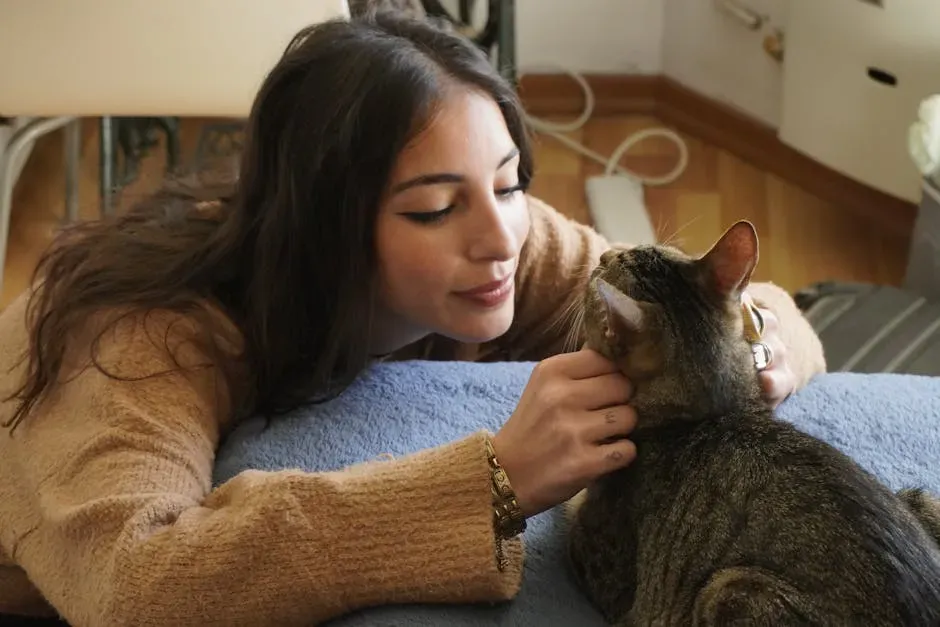
Always talk softly and move slowly around your cat. Avoid staring at them directly, since this can be perceived as a threat. It helps to get down to the cat’s level when interacting instead of towering over them. This small physical shift signals that you’re not a predator and have no intention of overwhelming them.
Cats are wary of change and new people. They develop trust in familiar places, people, and routines. When something out of the ordinary happens, they use caution to make sure it’s safe and to ensure their resources aren’t being threatened. Meeting them at eye level removes a lot of that natural suspicion right from the start. Think of it as basic feline courtesy.
3. Master the Slow Blink and Break the Stare

Not many people know it, but cats use their eyes to communicate, and you can do the same. Cats tend to interpret direct staring as a threat and will often favor humans who ignore them. Try breaking a gaze with them until they feel comfortable enough to do the same. Also try exchanging what amounts to a “smile” by slowly closing your eyes and opening them again until they reciprocate.
Slow blinking means you’ve formed a bond with your cat and that they trust you. Ears perked up and an upright tail are both signs of a curious and happy cat. Cats often use slow blinks to signal relaxation and friendliness, and returning the gesture helps your feline pal feel safer and strengthens your bond. It costs you nothing and communicates volumes in their language.
4. Use Your Voice as a Bonding Tool

Start with hands-off interaction like teaser toys and talk to your cat during feeding or playing, so they associate the sound of your voice with pleasant experiences. Your voice is one of the first things your cat learns to recognize, and pairing it with moments they enjoy creates a strong positive association over time.
Cats communicate through meows, gestures, and even tail positions. Understanding your cat’s signals will help you respond appropriately and build trust. When you learn to respond to what they’re telling you, and they learn that your voice means good things are coming, a real two-way relationship starts to take shape. It’s a slow build, but it’s a solid one.
5. Establish a Consistent Daily Routine

Cats crave predictability, and you can help a shy or new cat settle in and trust you by creating a reliable routine. That means setting a feeding schedule, playing with your cat around the same time each day, and cuddling or grooming them around the same time. Routine isn’t boring to a cat – it’s deeply reassuring.
Creating a routine wherever possible for your cat’s daily schedule, whether with feeding time, playtime, or time outside, helps them feel more confident and relaxed at home. The more they know when to expect what, the more incentive they have to seek closeness with their human family members. Daily routines, such as consistent feeding times, are important to a cat feeling secure. Routine is a way to relax your cat as they come to know what to expect – including when you’re away and when they’ll have your undivided attention.
6. Play Together, Regularly and Intentionally

One of the absolute best ways to bond with your cat is by playing with them. Since you can’t always be around to interact, it’s important to provide plenty of alternative stimulation too. This includes toys for self-play as well as sturdy cat trees they can climb and scratch. The goal is to make you and your presence feel connected to fun and excitement.
When a cat is playing, it’s in hunting mode, and when in hunting mode, cats are fearless. Figure out what kinds of toys your cat responds to and play with them as much as you can. Shy cats may prefer toys focused on a distant object, such as a feather wand or laser pointer. Others may respond well to catnip-filled mice or other catnip toys. Once you find the ones they like, find a few moments each day for activities and play.
7. Use Positive Reinforcement, Not Pressure

Positive reinforcement isn’t just a useful tool for modifying behaviors and training cats – it also creates a wonderful bond between you and your cat. It helps build trust by making you the bearer of fun and rewards, and it builds confidence in timid cats while encouraging them to try new things with their trusted human. The key is timing: reward the behavior immediately so the connection is clear.
Use treats, a soothing voice, play, or even petting (if your cat enjoys it) to reward any good behavior. You can also use these things to encourage your cat to do something, like coming out of a hiding spot, but respect their decision to decline. Positive reinforcement given consistently is a great way to build your cat’s trust and communicate that they’ve done something good. Over time, your cat starts to learn that engaging with you leads to good outcomes. That’s when the real shift happens.
8. Create a Safe, Cat-Friendly Environment

A cat-friendly environment is essential for maintaining a harmonious relationship and bond. Cats need a clean litter box, comfortable hiding spots, scratching posts, and toys to play with. These items ensure that a cat is comfortable and entertained, helping reduce destructive behaviors that can arise from fear, anxiety, or boredom. A cat that feels physically safe in their home is far more likely to feel emotionally open to connection.
Just as important as scratching posts and cat trees, cats should have a safe place they can call their own and retreat to when they need it. Giving your cats space is an important pillar of building trust. Hiding is a major coping mechanism for stress in cats, so providing additional hiding options throughout the house – like cubbyholes – is genuinely helpful. Even well-adjusted cats will choose a quiet escape now and again, and that’s completely normal.
A Final Thought on Earning Feline Trust
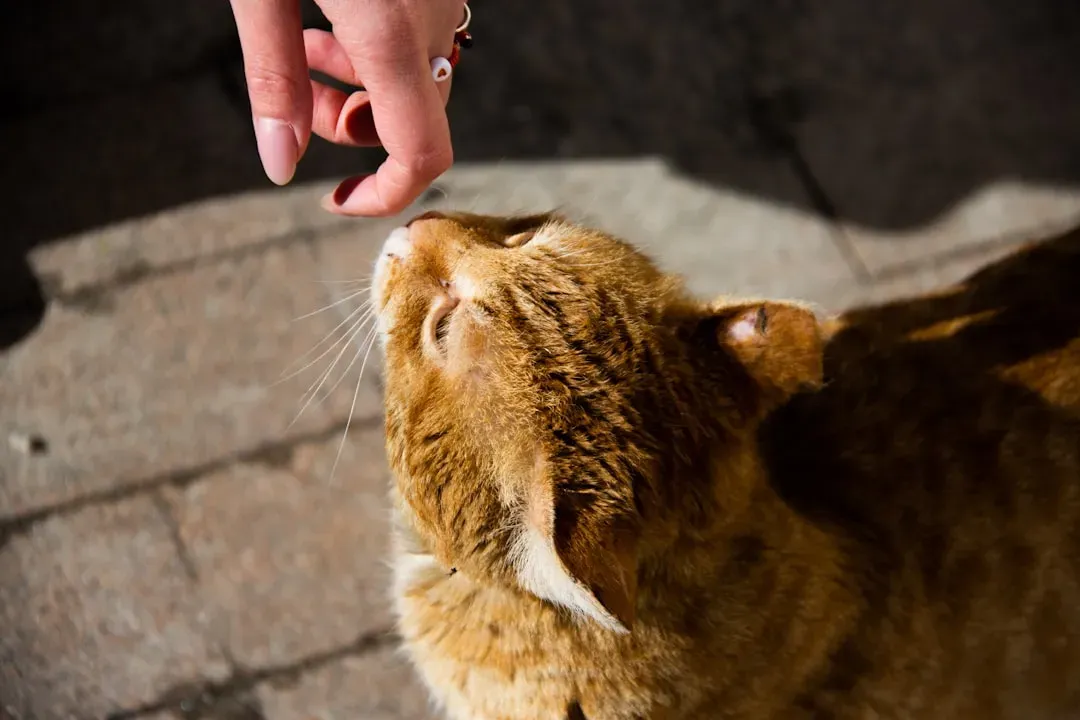
Bonding with an aloof or cautious cat isn’t about grand gestures. It’s built quietly, in small daily moments – the soft voice during feeding, the toy you drag across the floor at the same time every evening, the slow blink you offer across the room without expecting anything back.
Shyness in a cat is a personality trait, not a permanent limitation. With the right care, most shy cats can gain confidence. It’s much easier to build your cat’s trust from the start than to try to rebuild it later. With time, you can improve the relationship with your cat to one of comfort, ease, and predictability.
The cats that make you work hardest for their trust often end up becoming the most rewarding companions. There’s something genuinely special about the day a once-distant cat walks across the room just to sit near you. You’ll know you’ve earned it, and so will they.
Kristina is a young writer from India. An arts graduate and an avid content creator, Kristina is passionate about animals and wildlife. She enjoys exploring topics related to pet care, animal behavior, conservation, and nature, combining thorough research with engaging storytelling.