Most cat owners have been there. You spend good money on a shiny new toy, something with bells, moving parts, maybe even batteries, and your cat walks right past it to bat at a crumpled piece of paper on the floor. It feels almost personal.
The truth is, feline play is guided by a completely different set of rules than what we tend to assume. Your cat isn’t being stubborn or ungrateful. There’s actual science behind what draws them in, and once you understand it, a lot of seemingly odd behavior starts to make a lot of sense.
Your Cat Is Essentially Always Practicing to Hunt
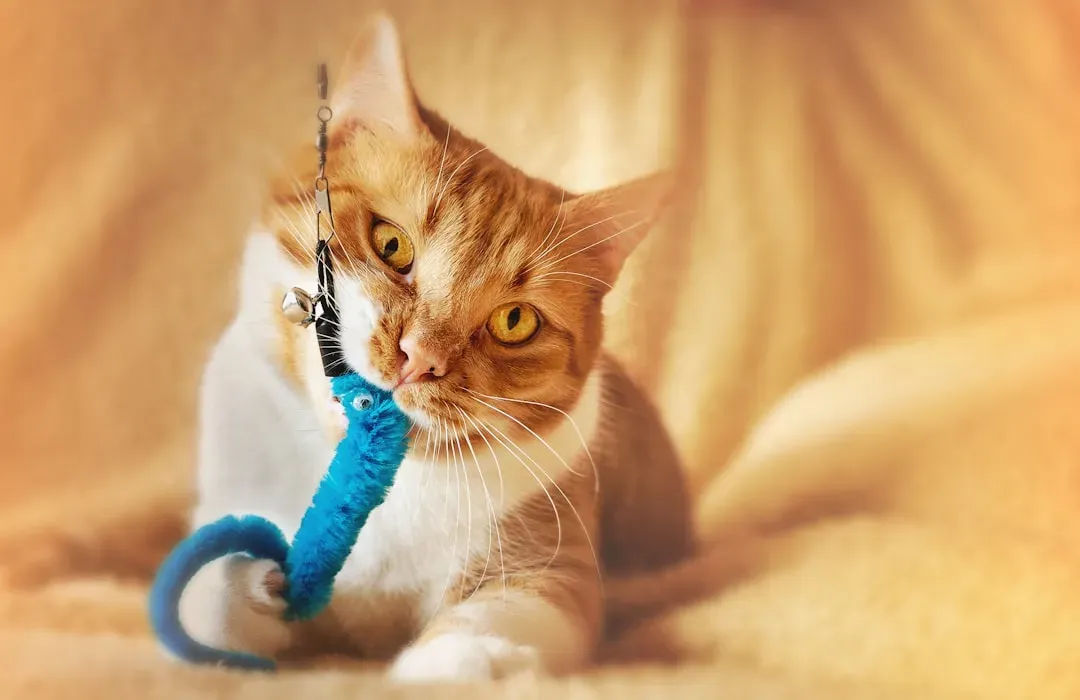
When you watch your cat stalk a toy mouse across the floor, that’s not just entertainment. Cats are natural hunters, and their play behavior is closely tied to their predatory instincts. When a cat reacts to a toy, it is essentially practicing its hunting skills. The pouncing, chasing, and batting motions mimic the actions they would use to catch prey in the wild.
This means the toys that keep your cat truly engaged are the ones that tap into this hardwired sequence. Each play session should be about 10 to 15 minutes long and allow the cat to act out their full prey sequence multiple times. This sequence mimics their hunting behavior in the wild, starting with staring, then progressing to stalking and chasing, followed by pouncing and grabbing, and ending with the delivery of the fatal “kill bite.” A toy that doesn’t allow for this kind of progression will likely lose your cat’s interest fast.
The Toy’s Movement Matters Far More Than Its Appearance
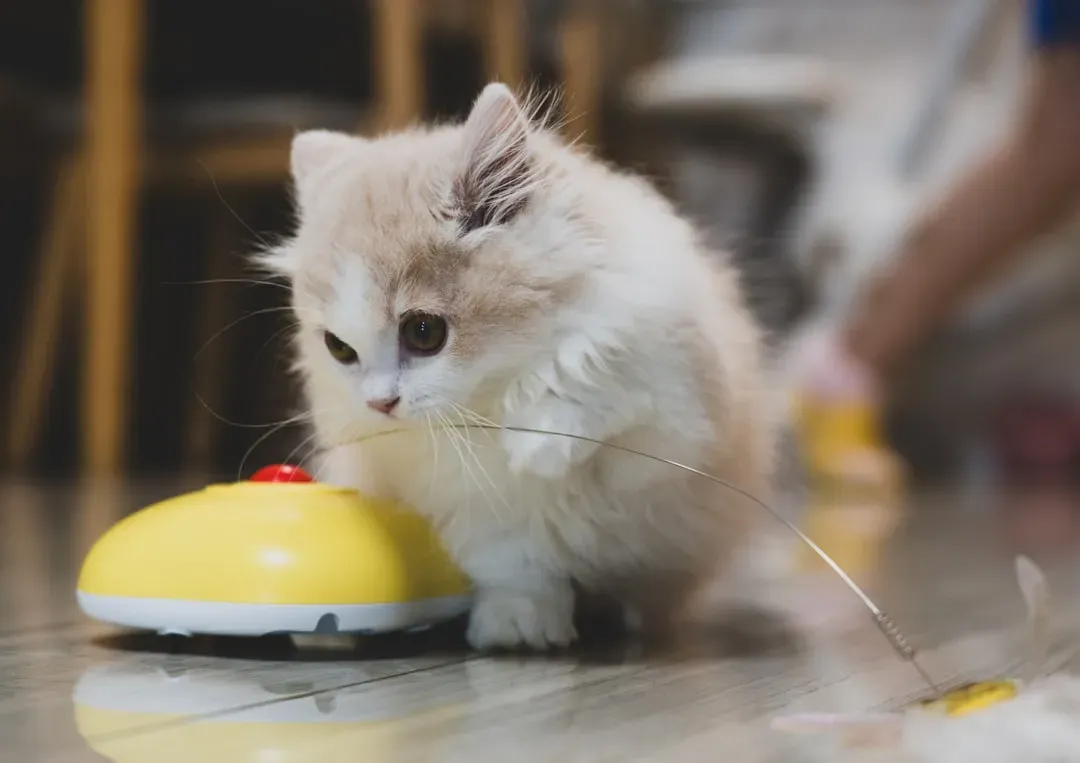
You might think your cat prefers a toy because it looks like a mouse or a bird. But looks are almost secondary to motion. Toys that simulate prey, such as those that move unpredictably or make sounds, are particularly effective in triggering a strong reaction. A beautifully crafted plush mouse sitting still on the floor might get ignored, while a scrappy piece of ribbon flicked erratically holds your cat’s complete attention for twenty minutes.
The natural hunting instincts of wild cats are still hardwired into domestic kitties, even if they have only ever lived in an apartment and never set eyes on a mouse. A toy that flies through the air will likely engage your cat’s bird hunting behaviors, whereas one that moves across the floor will make your cat think mouse. Movement, not aesthetics, is the real trigger.
Your Cat Has a Specific “Prey Preference” You May Not Know About
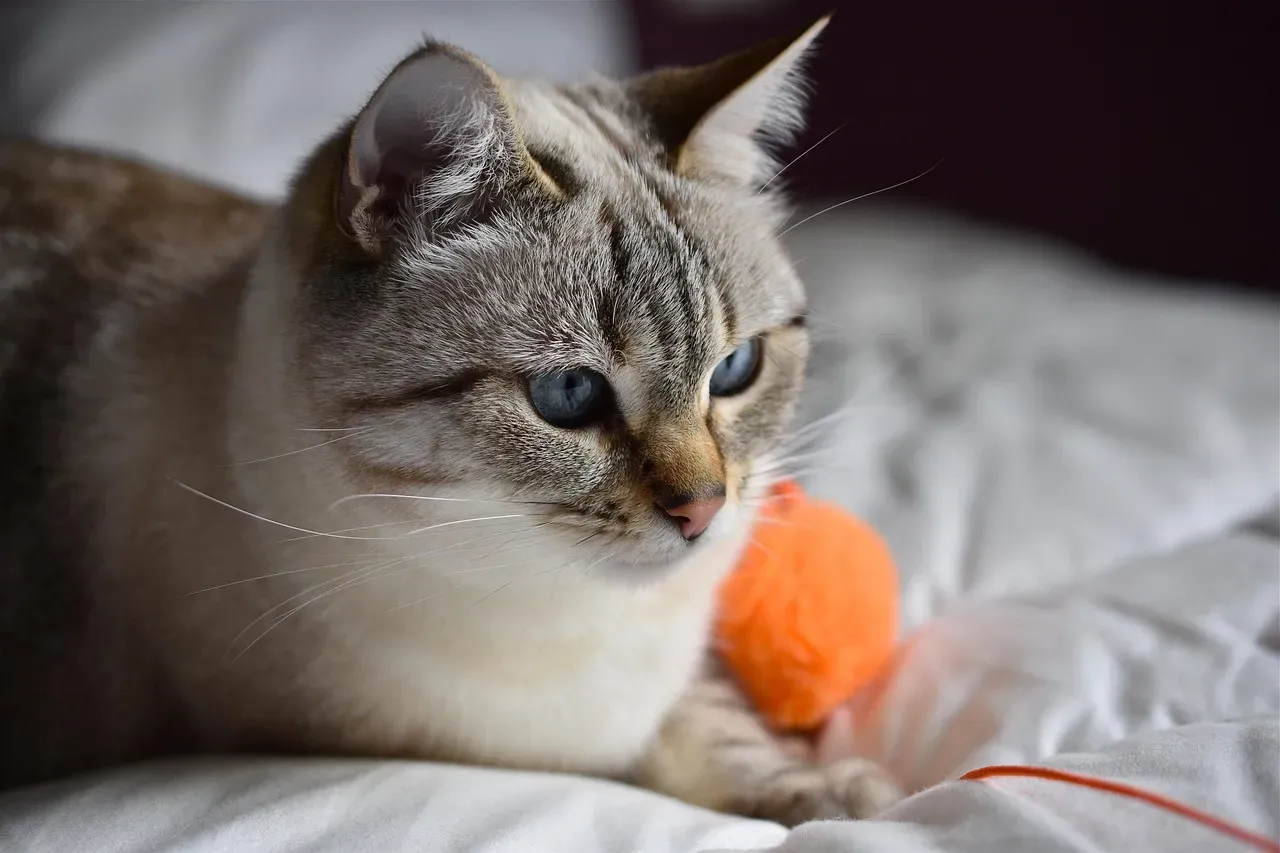
Not all cats want to hunt the same kind of imaginary prey. Most cats prefer to hunt specific creatures. Some cats prefer to chase mice, while others may prefer to catch birds or bugs. Identifying your cat’s prey preference allows you to buy or make toys that your cat will be more likely to play with rather than ignore. This is why two cats in the same household can have wildly different reactions to the exact same toy.
If your cat seems to enjoy feathers and objects in the air, choose toys resembling birds. If your cat prefers furry toys and toys moving on the ground, choose objects resembling mice. If your cat likes tiny objects with lots of movement, choose toys resembling bugs. Spending a little time observing how your cat responds to different movement patterns can save you a lot of wasted toy purchases.
Texture and Sound Play a Bigger Role Than You Realize
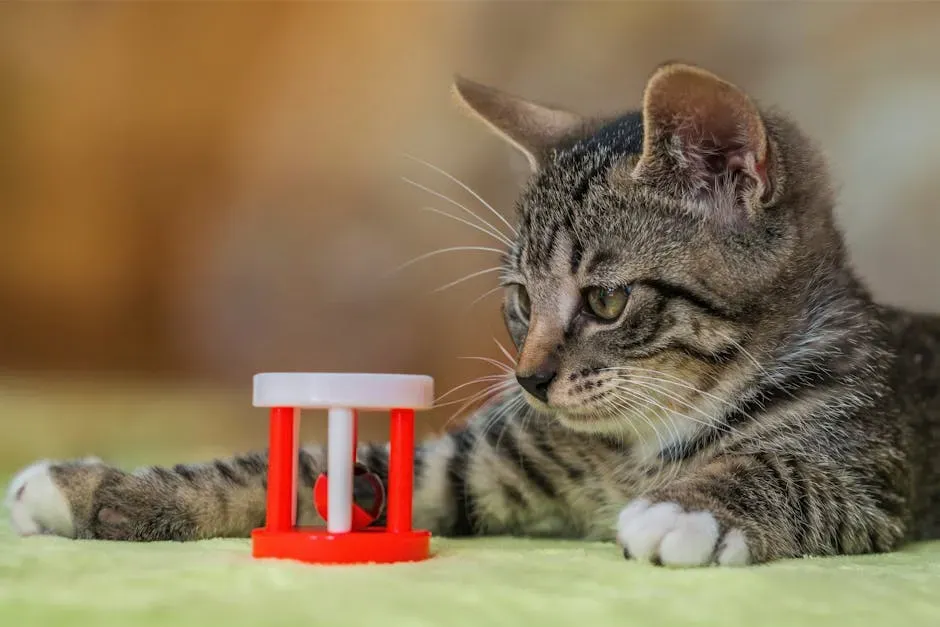
What a toy feels and sounds like can be just as decisive as how it moves. Your cat may have a texture preference and might prefer a soft toy they can sink their teeth into over a hard plastic toy. Sound also plays a part in whether your cat will enjoy or ignore the toy. These sensory details aren’t trivial. They speak directly to a cat’s instinct to assess potential prey.
A toy that makes a rustling sound may be very appealing as it resembles the sound of a chipmunk or mouse darting through the leaves. Some cats like toys that have feathers and others might prefer fur-covered ones. When it comes to your cat’s toy preference, it’s not just the sense of sight or hearing but also the sense of touch that can influence whether a particular toy is a success or not. This is why something as simple as a paper bag from the grocery store can generate more enthusiasm than an expensive electronic gadget.
Your Cat Gets Bored with the Same Toy Remarkably Quickly
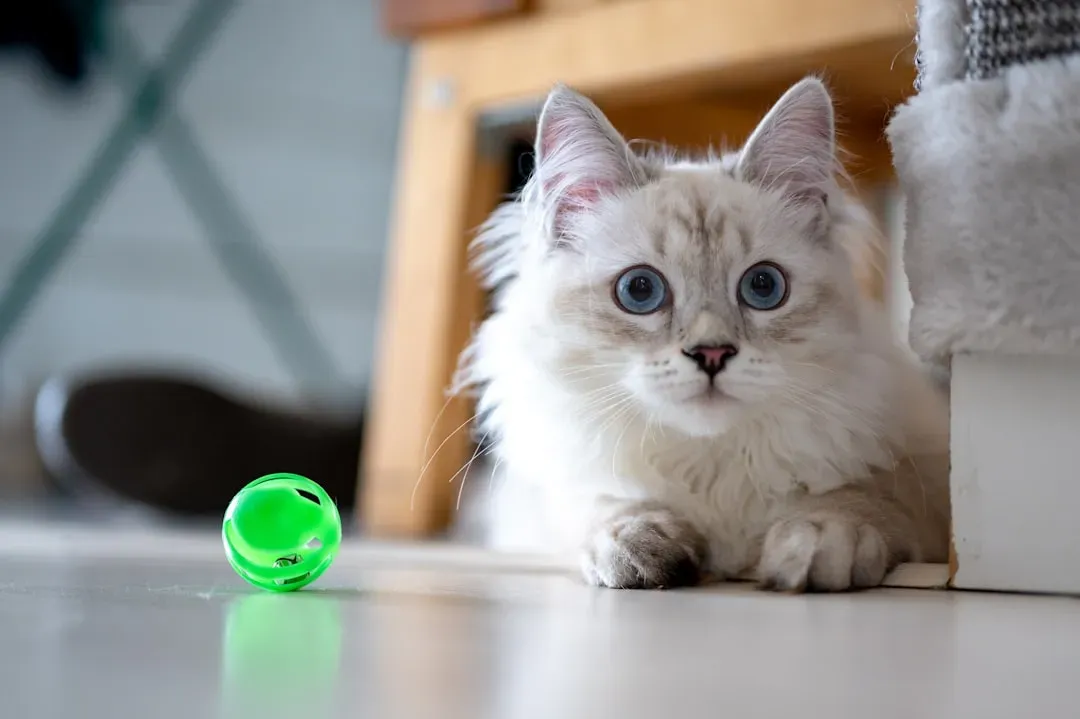
Even a toy your cat adores can lose all its appeal within days if it’s left out constantly. Even the most engaging toy eventually becomes familiar background, a phenomenon called habituation. Rotating toys prevents habituation while keeping your cat’s environment fresh and stimulating. This isn’t your cat being difficult. It’s a natural response to repeated, predictable stimuli.
Rotating a set of about 8 to 12 toys prevents habituation and increases active play. Many owners see daily playtime rise from roughly 5 to 10 minutes to 20 to 30 minutes after consistent rotation. The toy hasn’t changed. Your cat’s perception of it has. Putting it away for a week and bringing it back out again is often all it takes to rekindle the interest.
Size Matters, and Smaller Is Usually Better
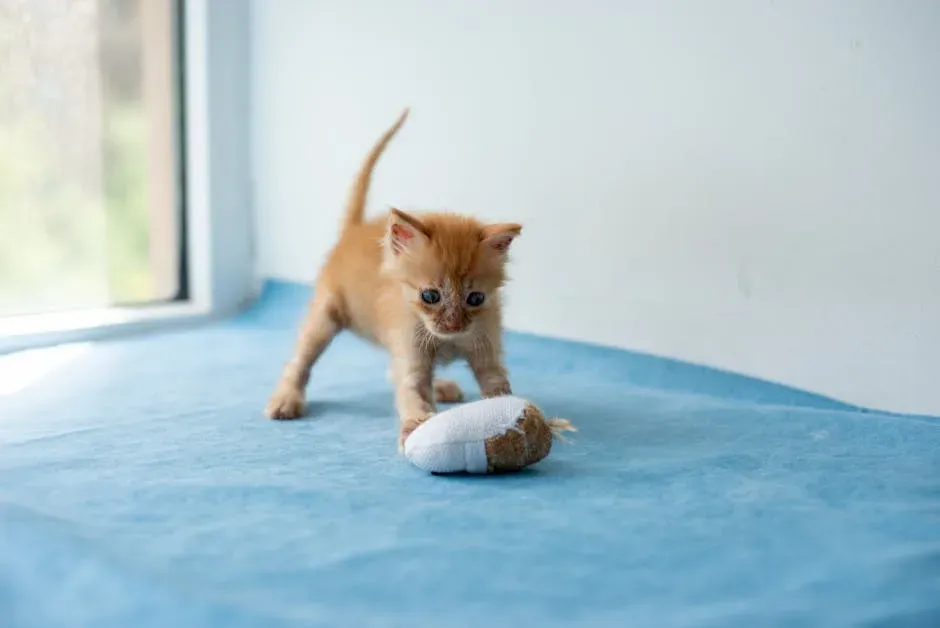
You might assume a bigger toy offers more to engage with, but feline instinct tends to point in the opposite direction. When cats were presented with toys covered in fake fur that were moved back and forth, cats tended to prefer smaller toys similar in size to a mouse. The preference isn’t random. It lines up precisely with the size of the prey domestic cats and their ancestors have hunted for thousands of years.
Toy size, similarity to prey, and novelty are all predictors of a cat’s play response to toys. That means the giant stuffed animal your cat occasionally tolerates isn’t really “play” in the meaningful sense. It’s the compact, prey-sized toy that actually activates the full hunting drive, giving your cat the physical and mental workout they genuinely need.
Laser Pointers Are a Special Case, and Not Always a Good One
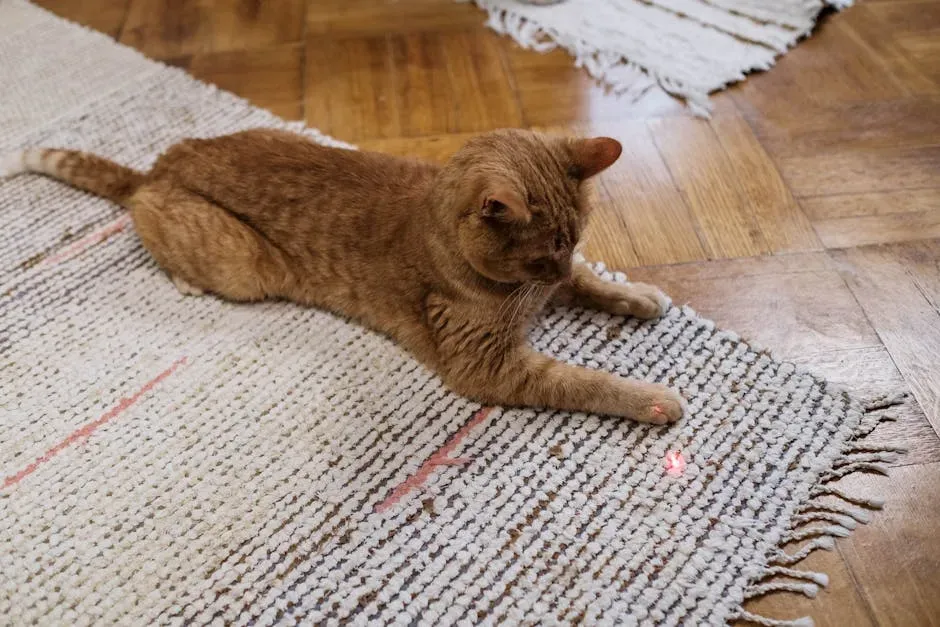
Laser pointers are a popular choice for cat owners, and plenty of cats seem to love them. The problem is that they can leave cats permanently stuck in the pursuit phase of the hunt without ever reaching a satisfying finish. While electronic cat toys activate the chasing part of predatory behavior, they cannot satisfy the urge to capture prey. One way to avoid this might be to direct the cat to a treasure. If your cat seems disgruntled after chasing a laser pointer for a while, try tossing a plush toy on the floor that they can “kill.”
Many cats enjoy chasing laser light toys, where stalking, chasing, and pouncing can be part of the experience. However, being unable to complete the “hunt” can give rise to frustration. Give your cat some needed reinforcement intermittently to keep them playing the game, using the laser pointer to point to a treat when ending the laser tag session. The laser isn’t bad in itself. It’s just incomplete as a standalone toy.
You Are Actually Your Cat’s Favorite “Toy”
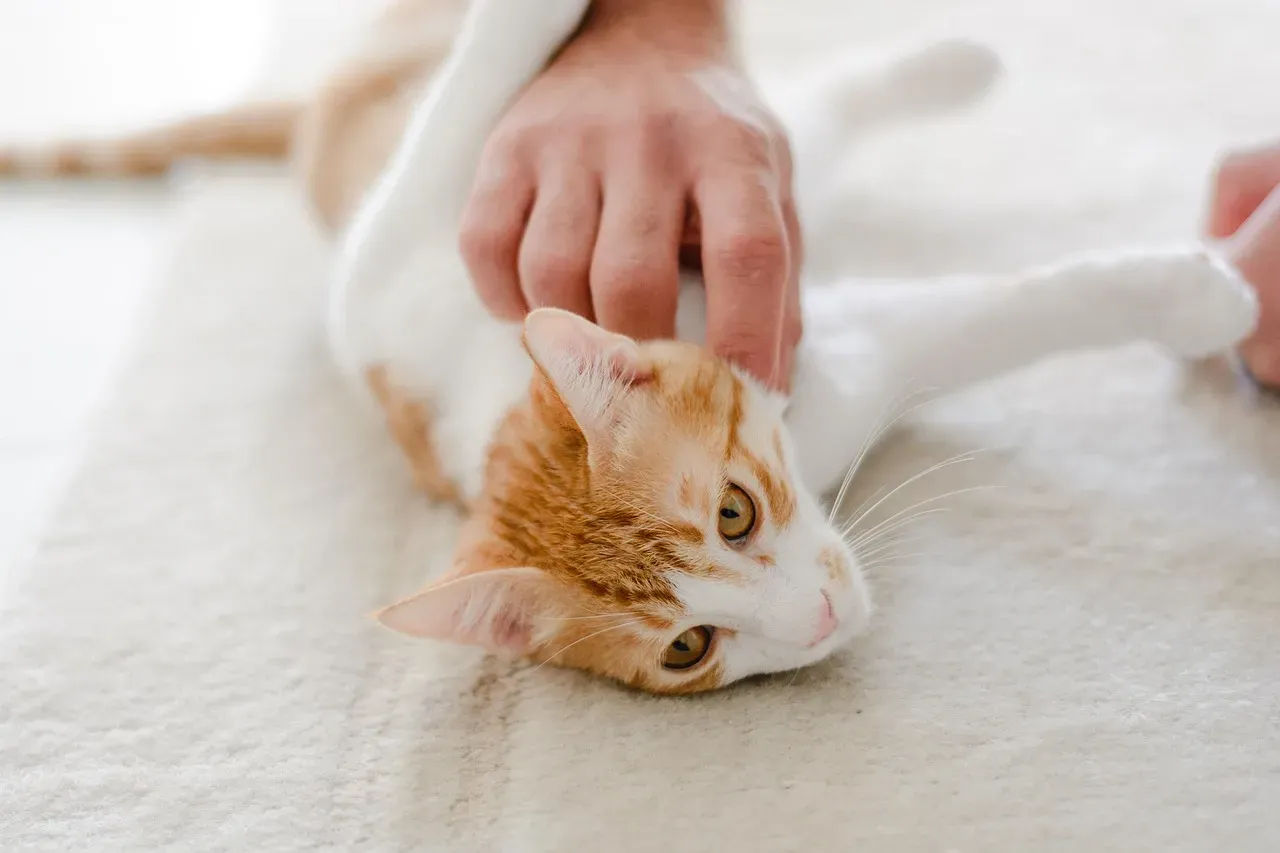
This one surprises a lot of people, but the research is fairly clear. Although there was clear individual variability in cat preference, social interaction with humans was the most-preferred stimulus category for the majority of cats, followed by food. This was true for cats in both the pet and shelter populations. The toy sitting on the floor isn’t what your cat is really after when you walk into the room.
Some pet parents may try to engage their cat with a toy first or a treat. However, as the research shows, cats prefer human interaction. These results do not mean your cat only responds to human interaction. Many cats respond to treats and toys. The results suggest cats enjoy treats and toys partially because they are a means to human interaction. When you pick up a wand toy and engage with your cat directly, you’re not just offering a toy. You’re offering yourself, and that makes all the difference.
Your Cat’s Age Shapes What Kind of Play Actually Works
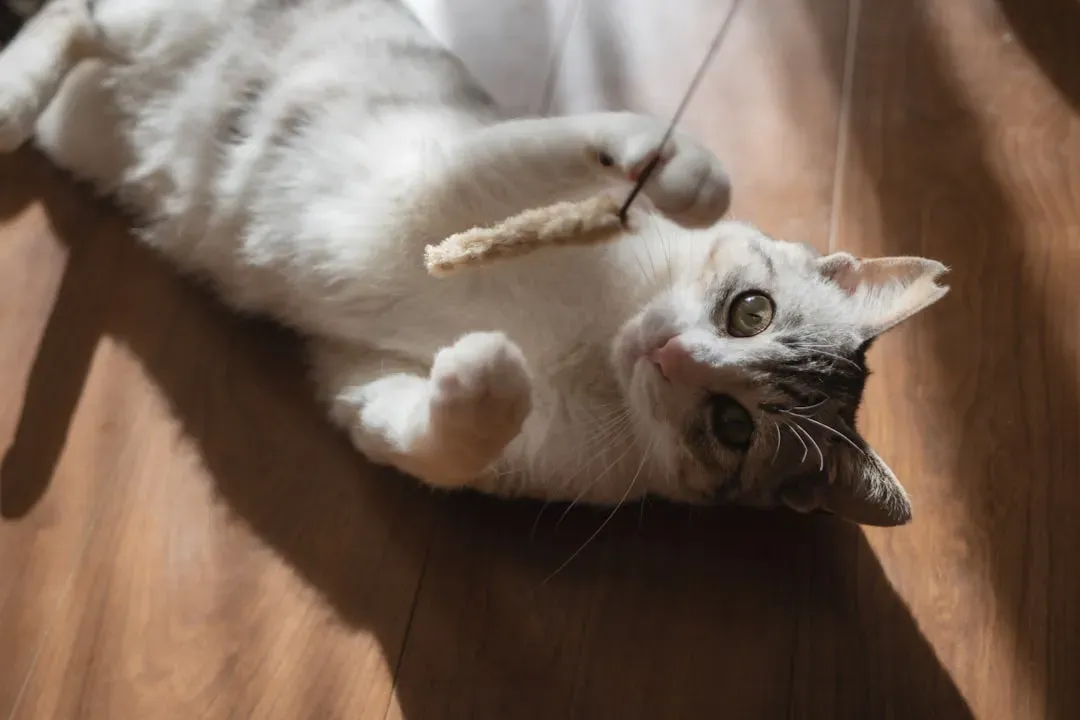
A toy that’s perfect for a six-month-old kitten might genuinely stress out a twelve-year-old cat. Play needs shift meaningfully across a cat’s life, and ignoring those shifts means misreading what your cat actually wants. A cat’s age and health can significantly influence their reaction to toys. Kittens are typically more playful and curious, while older cats may prefer gentler activities. Cats with health issues, such as arthritis, may have limited mobility and require toys that are easy to interact with. It is important to choose age-appropriate toys and consider your cat’s physical condition when planning playtime.
Senior cats generally need low-impact, easily graspable toys: soft plush mice, oversized balls that don’t require chasing up stairs, gentle wand play and low-height tunnels to encourage movement without joint stress. You should favor toys that promote gentle stretching and mental engagement while avoiding toys that force high jumps or rapid twisting. Matching the toy to where your cat actually is in life is one of the simplest things you can do to improve the quality of their daily experience.
What This All Means for You and Your Cat
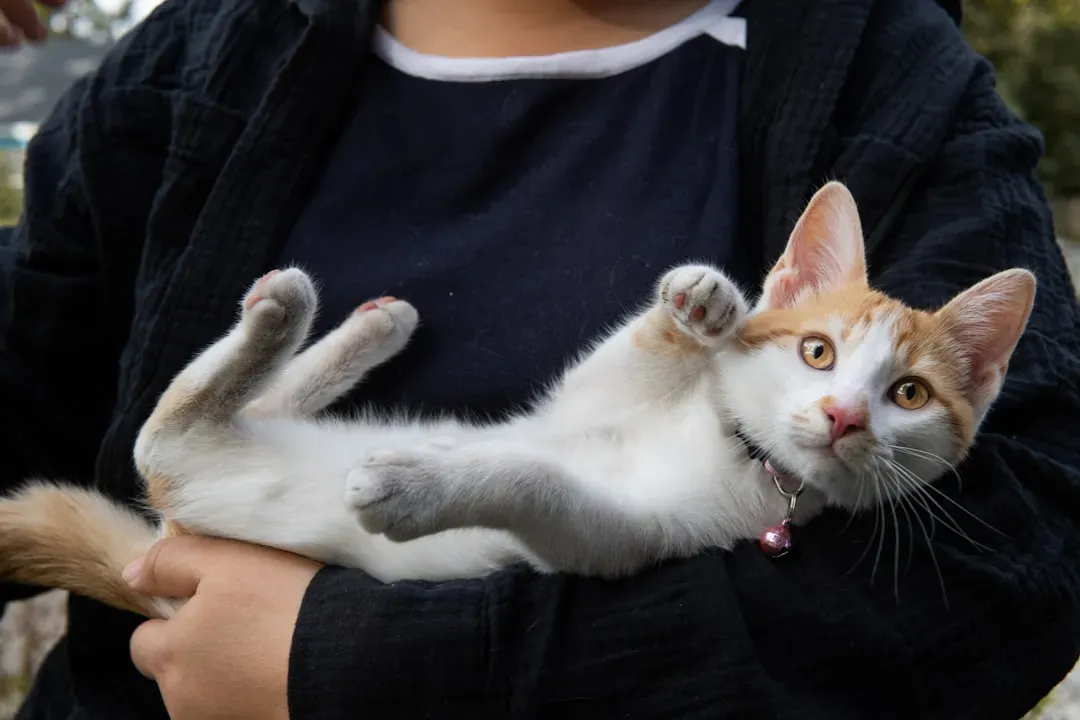
Understanding what truly engages your cat changes the entire dynamic of play. It shifts you from guessing to actually responding. Playtime is not just about keeping your cat entertained; it is also an opportunity to strengthen your bond. Engaging in interactive play with your cat can build trust and deepen your connection. That matters more than any single toy ever could.
The biggest takeaway here is that your cat’s favorite toy isn’t a thing, it’s a situation. If cats are given access to a greater number or regular variation of games and toys, this may help to minimise habituation and boredom with play, potentially resulting in higher playfulness and overall welfare. A higher number of games regularly engaged with was also associated with higher cat-guardian relationship scores. Pay attention to how your cat moves, what catches their eye, and when they’re most alert. The answers are all there. You just have to learn to read them.