There’s something almost magical about watching a child bond with a cat. It’s hard to say for sure, but you might argue that cats teach us humans our earliest lessons in patience, gentleness, and unconditional love. If you’re thinking about welcoming a feline into your home, you’re not just adding a pet. You’re inviting a philosopher into your family, a creature that seems to carry ancient wisdom in its gaze and a comforting purr that can settle the most restless of hearts.
Choosing the right cat breed matters more than you might think. Some cats thrive in the chaos of family life, becoming loyal playmates and gentle guardians of childhood secrets. Others prefer quieter spaces, where sudden movements won’t startle them and loud laughter won’t send them hiding under the bed. Let’s dive into the world of feline companionship and discover which cats will become your family’s next best friend, and which ones might appreciate a different kind of home.
Ragdoll: The Gentle Giant Who Melts Into Your Arms
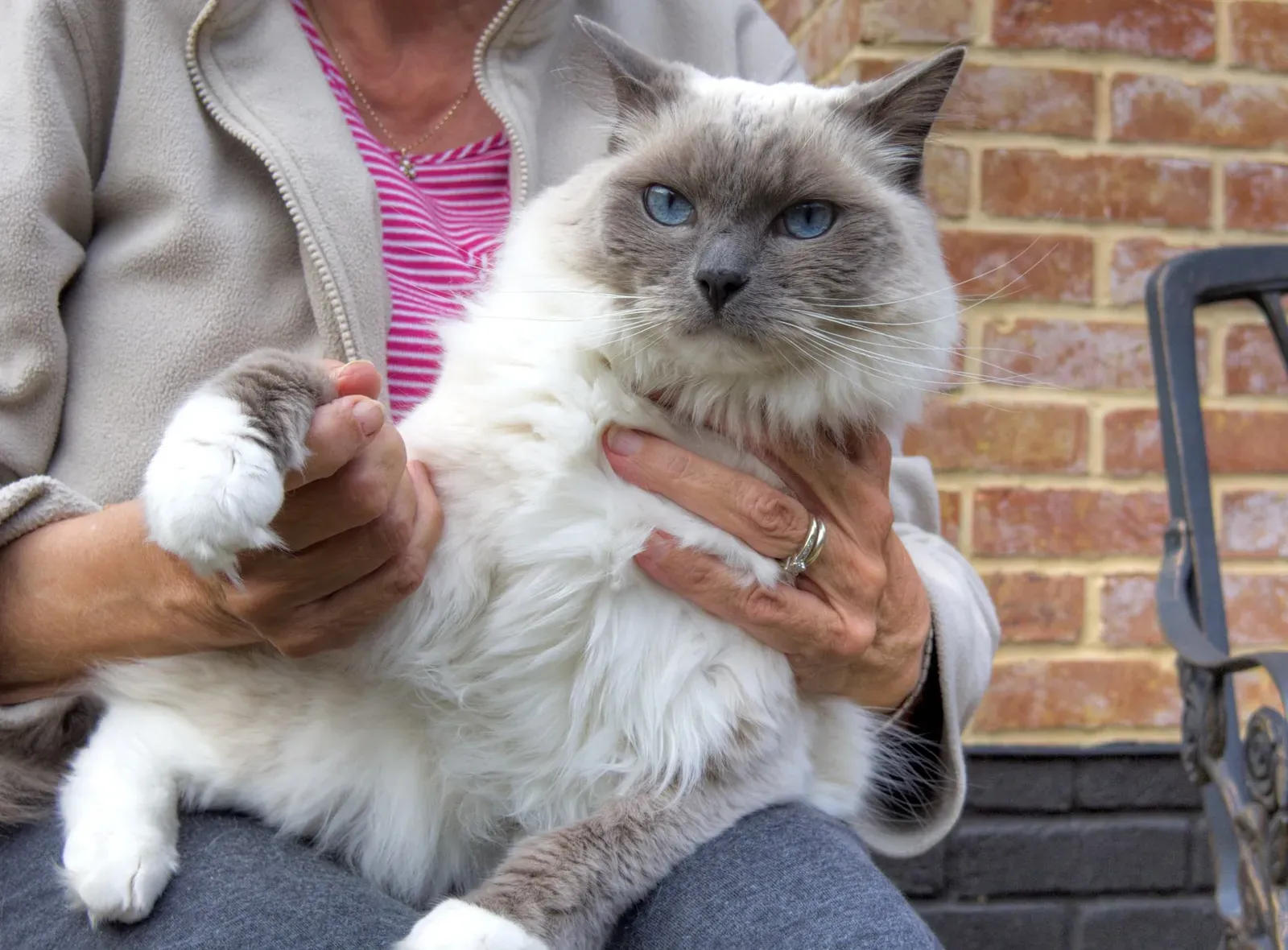
The Ragdoll has earned its reputation as perfect for families with children, often greeting family members at the door like a devoted companion. Named after their habit of going limp as a ragdoll when picked up, this breed is every bit as docile as that trait would suggest. Their blue eyes and fluffy coats are visually stunning, yes. However, it’s their temperament that truly shines through in busy households.
These cats possess a high level of tranquility and patience, making them the opposite of short-tempered. When a toddler approaches with clumsy enthusiasm, most Ragdolls remain remarkably calm. They’re built for the unpredictability of family life, offering snuggles on demand without complaint. Plus, they can learn to play fetch. Honestly, what more could you ask for?
Maine Coon: The Majestic Playmate With a Heart of Gold
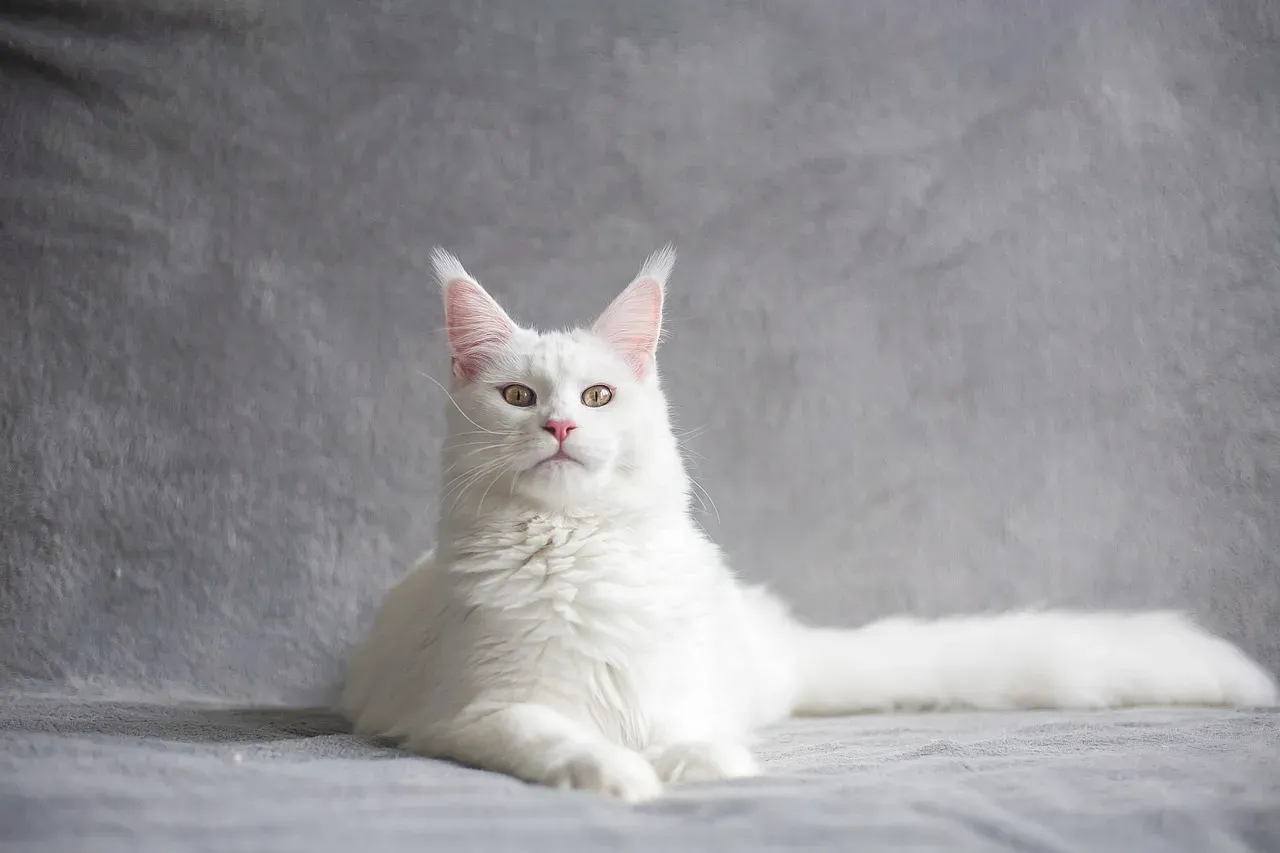
These gentle giants can weigh up to 20 pounds, but they’re beloved for their playful, kitten-like dispositions, no matter their age. Because they’re friendly toward everyone, Maine coon cats make excellent additions to families and are even popular as therapy cats. Their sheer size might seem intimidating at first, yet they possess the soul of an entertainer.
Maine Coons genuinely enjoy being part of the action. It feels integrated into the family when a child involves it in their games and adventures. They’re curious without being destructive, playful without being overwhelming. Some owners swear these cats have dog-like personalities, following you from room to room just to keep you company. That bushy tail alone brings joy to any household.
Burmese: The Social Butterfly Who Craves Your Attention
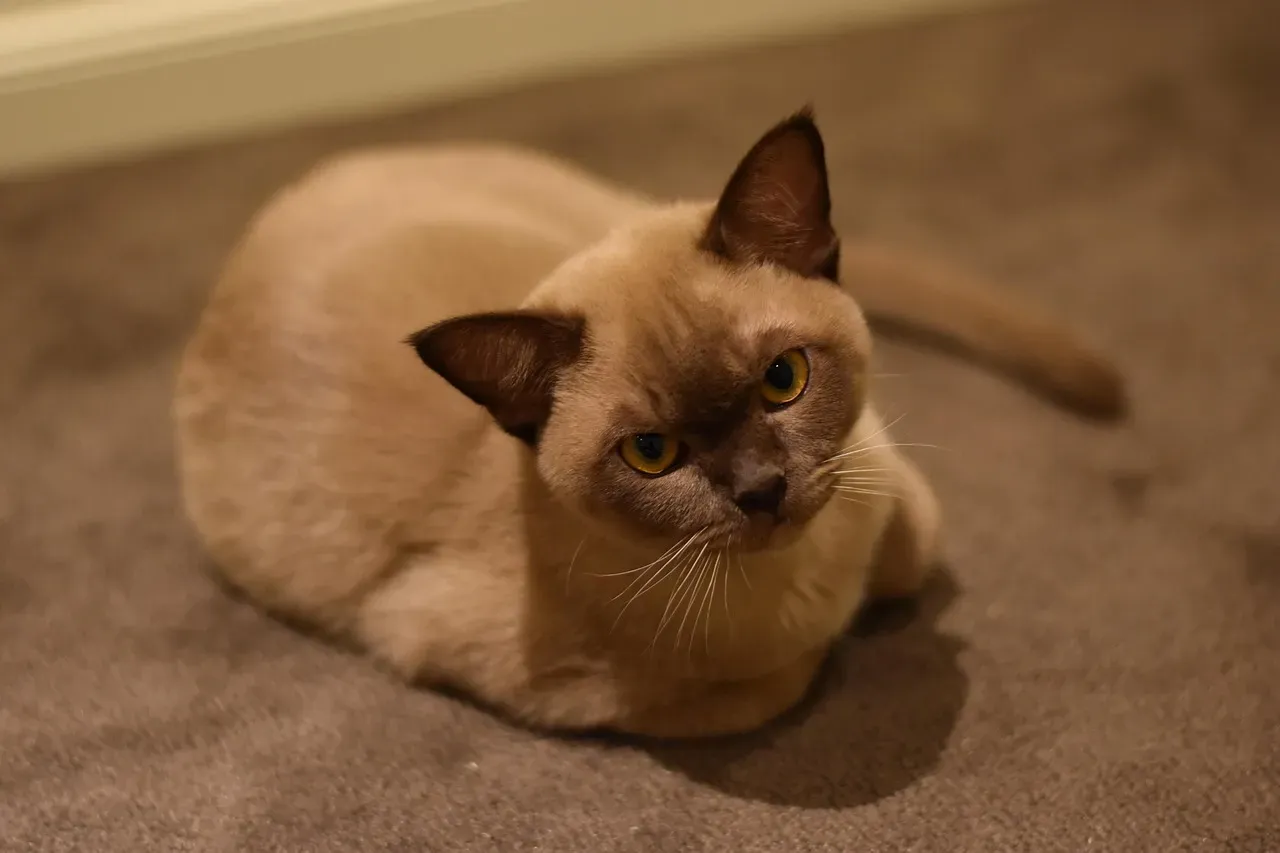
Burmese are affectionate cats who want to spend as much time with their families as possible, getting along well with children and other cats and dogs. They’re also energetic, almost dog-like, and are known to enjoy games of fetch. Their playful nature never seems to fade, even as they age.
These cats have an irresistible charm that wins over even skeptics. What makes the Burmese cat perfect for living with children is its docile nature, generally seeking the attention of its owners and wanting to participate in games. They’re smart enough to adapt to household routines and gentle enough to tolerate the occasional tail tug. Still, teaching children to respect the cat’s space remains essential for harmony.
Birman: The Mystical Companion With Striking Blue Eyes
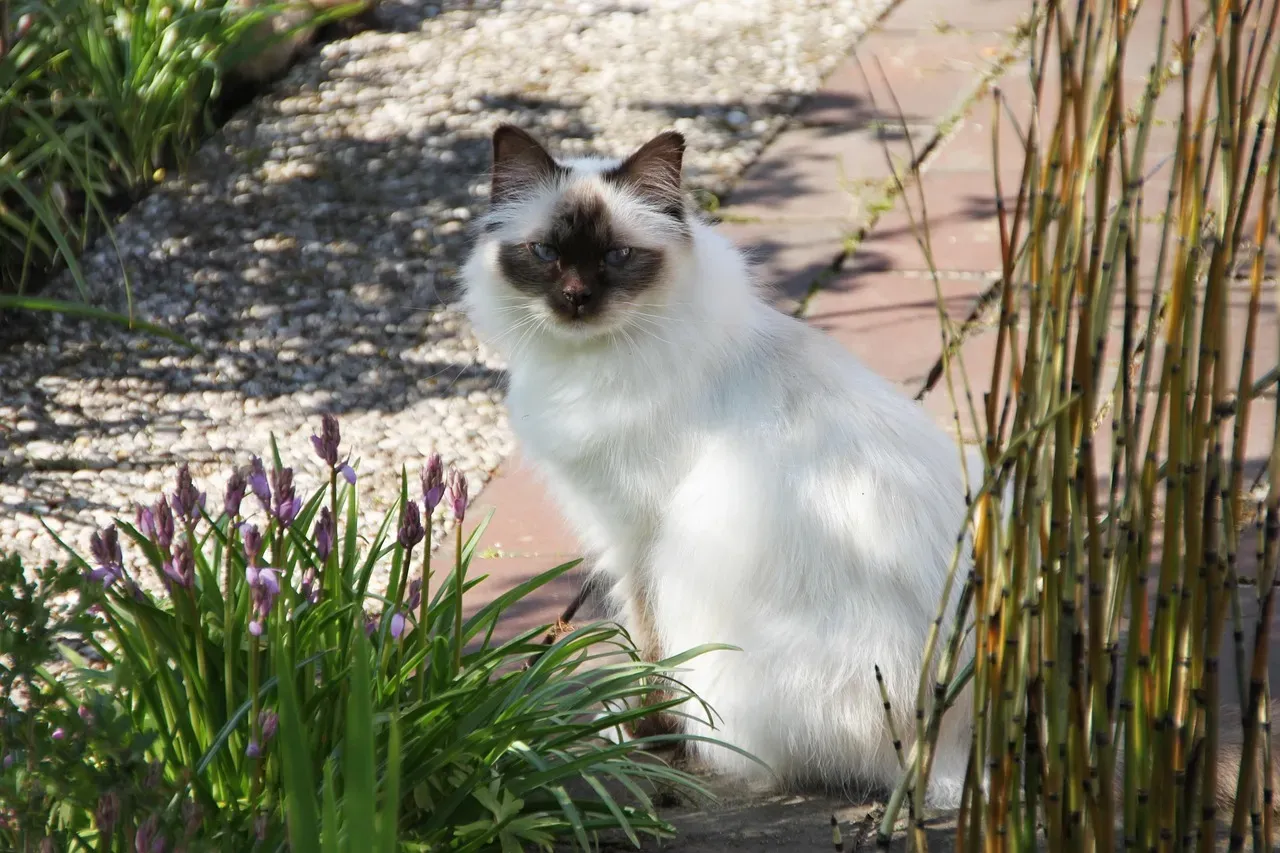
Birman cats are easy-going and patient, quickly forming bonds with humans and other animals, making them an excellent choice for families with children and other pets. Though Birmans certainly thrive on attention, they are generally quiet compared to other cats, known for having more of a chirp-like voice than a meow when they speak up.
There’s something almost enchanting about these cats. Birmans are as sociable as they come, and are likely to follow family members around the house, playing and even helping with chores – anything to be a part of the action. They don’t demand the spotlight, yet they’re always present, offering quiet companionship when needed most. Their semi-long fur requires grooming, though most Birmans tolerate brushing with remarkable grace.
American Shorthair: The Easygoing All-Rounder
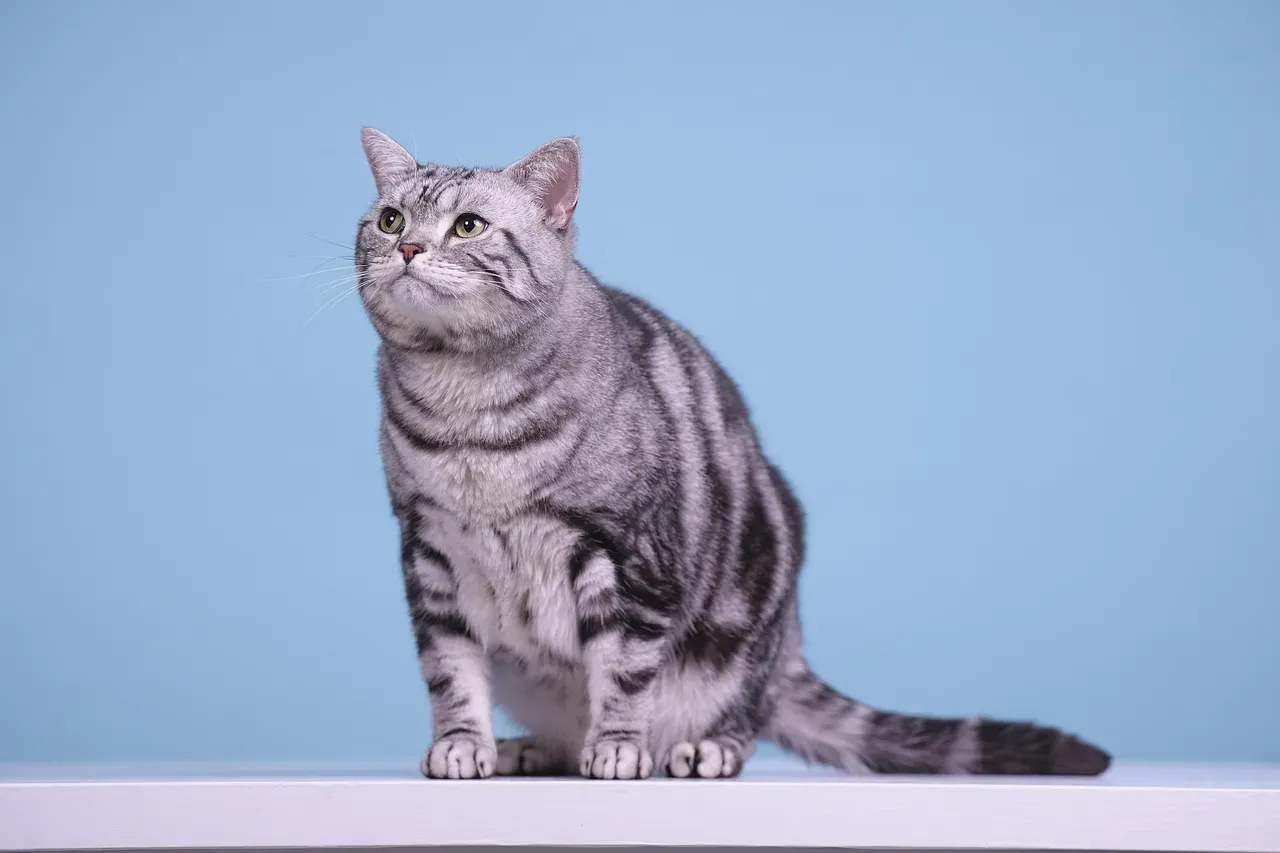
Laidback and easygoing, these sturdy felines are built for family life, topping the list of the best cats for kids, and they’re one of the most popular picks. They’re the kind of cat that fits seamlessly into almost any household dynamic. Whether you have rambunctious toddlers or quieter teenagers, the American Shorthair adapts without fuss.
These beauties are just as happy playing around by themselves as they are with humans, and unlike some other cats in their kingdom, these social creatures won’t just form a strong bond with one family member, they’ve got plenty of love to go around the whole household. Their independence means they won’t become clingy or demanding, yet they’re always ready for affection when offered. Low-maintenance and sweet-natured, they represent the quintessential family cat.
Manx: The Tailless Wonder With Dog-Like Devotion
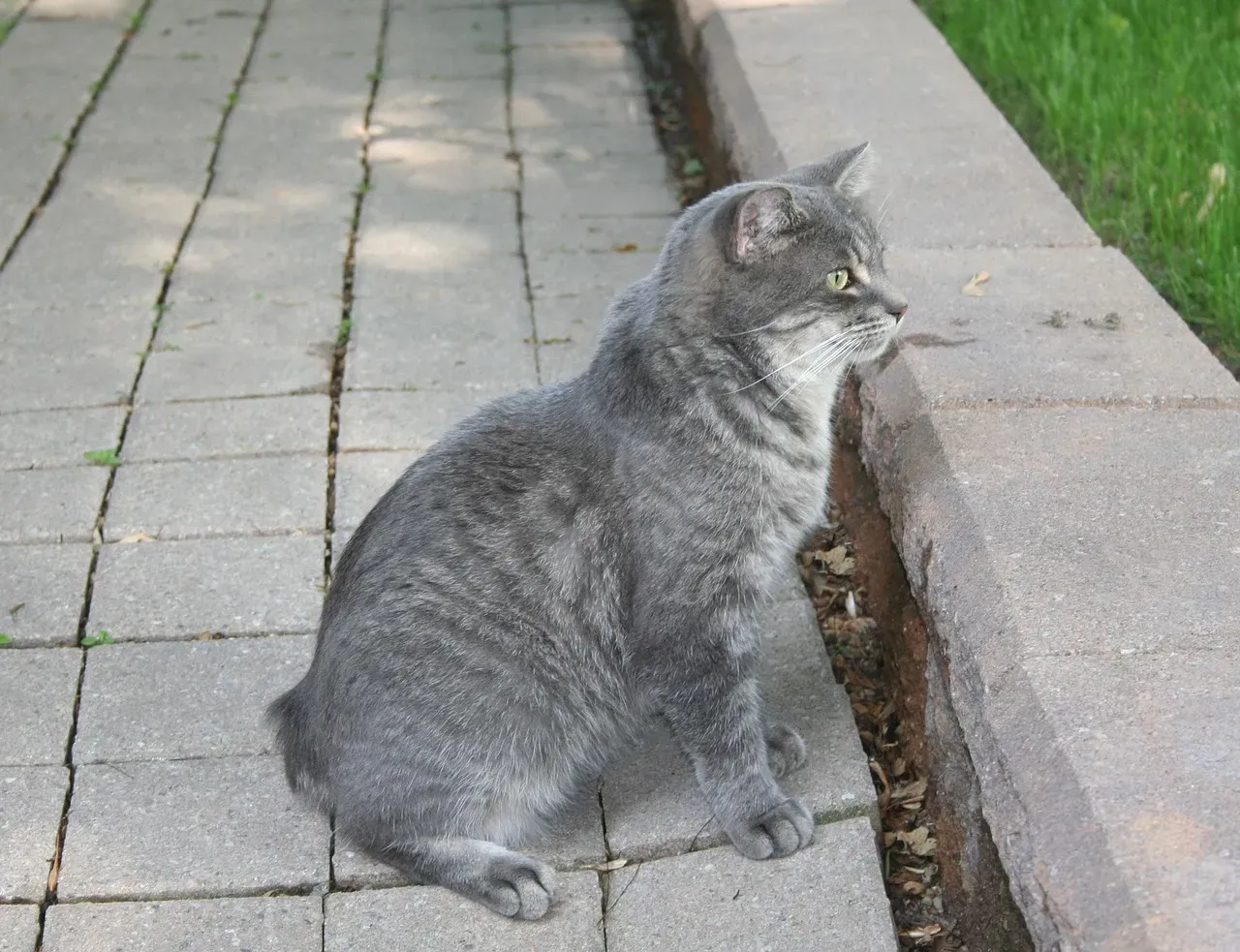
Manx cats are famous for the thing they don’t have – a tail, and this actually makes them perfect for younger children, as there is no tail to pull. Like the Burmese, they can be taught to play fetch. Their unique appearance often sparks curiosity, while their personality keeps families enchanted.
These medium-sized cats possess remarkable loyalty. The breed is sweet and affectionate, and they enjoy being around their human companions; adaptable, gentle, and even-tempered, Manx cats make for wonderful family cats. Their powerful hind legs give them impressive jumping abilities, which means they’ll enthusiastically participate in active play sessions. They’re engaging without being exhausting, a perfect balance for families with varying energy levels.
Abyssinian: The Curious Explorer for Older Kids
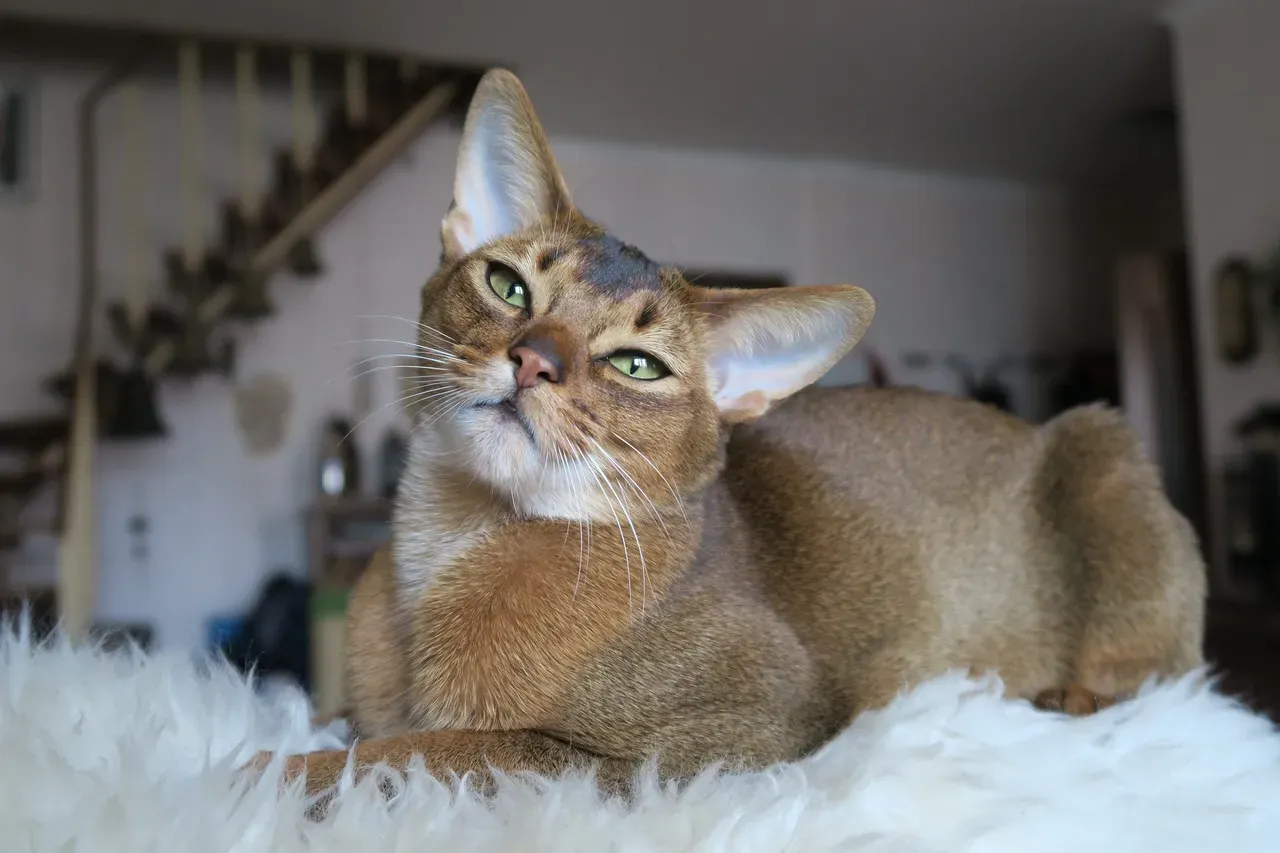
Loyal, affectionate, and playful, Abyssinians are also very active and inquisitive, and their instinct for exploration will provide lots of entertainment. Highly intelligent, they usually respond well to clicker-training, and are one of the few breeds able to learn tricks. These sleek cats seem to shimmer with energy and curiosity.
However, there’s an important caveat here. Active, intelligent, loyal, and people-oriented, Abyssinian cats are great fits for families with older kids, as they may opt to bolt away from toddlers and babies, and they’ll likely have you and your family wrapped around their little fingers. Their petite build means rough handling could be problematic. For households with school-age children who understand gentle interaction, Abyssinians bring endless fascination and joy.
Siberian: The Patient Companion for Boisterous Households

With a patient and playful personality, Siberians are unfazed by rowdy children and a bustling household, and these clever cats can also learn tricks and be leash-trained, which can be an enriching activity for kids and kitties alike. Their thick, luxurious coats make them look like living teddy bears, adding to their appeal.
They are patient, laid back, and love just being with children, and they’ve been the best with boisterous kids by far. If your household resembles organized chaos more than peaceful tranquility, the Siberian won’t bat an eye. They roll with the punches, adapting to noise and activity with remarkable composure. Some families even report that Siberians are hypoallergenic, though individual reactions vary.
Scottish Fold: The Adorable Adapter With Folded Ears
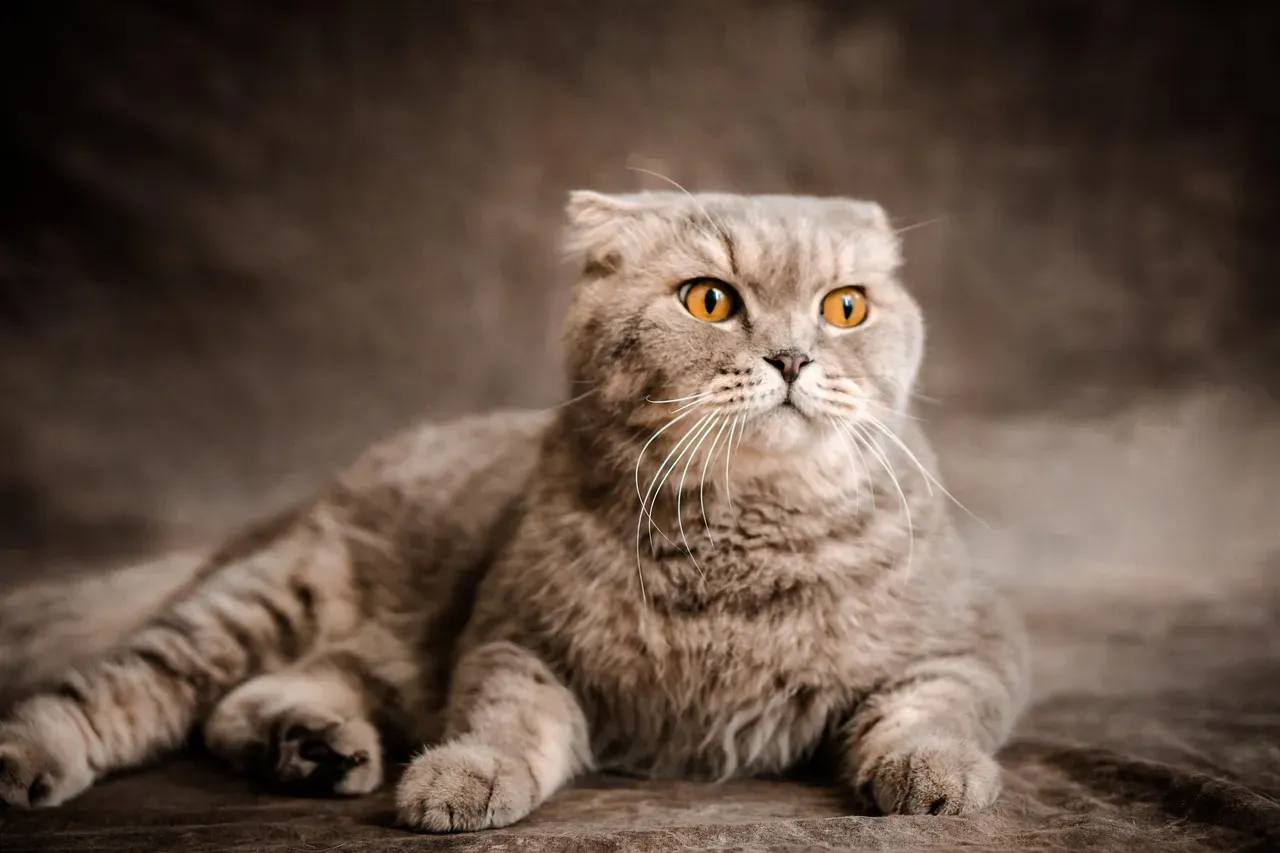
Scottish Folds are generally laid back and get along happily with other cats, dogs, and children, and they’re not only adorable, but also make adaptable, sweet, and loving companions. Their distinctive folded ears give them an owl-like appearance that melts hearts. Yet it’s their easygoing nature that makes them family favorites.
They aren’t demanding in any sense, and can adjust to new people or situations with ease, and Scottish Folds can easily adjust to new people or situations with ease. They prefer companionship over solitude, often perching on laps for hours. Their gentle demeanor makes them excellent choices for first-time cat owners navigating family life. Still, potential owners should research potential health concerns related to their cartilage mutation.
Exotic Shorthair: The Quiet Observer Who Loves on Their Terms
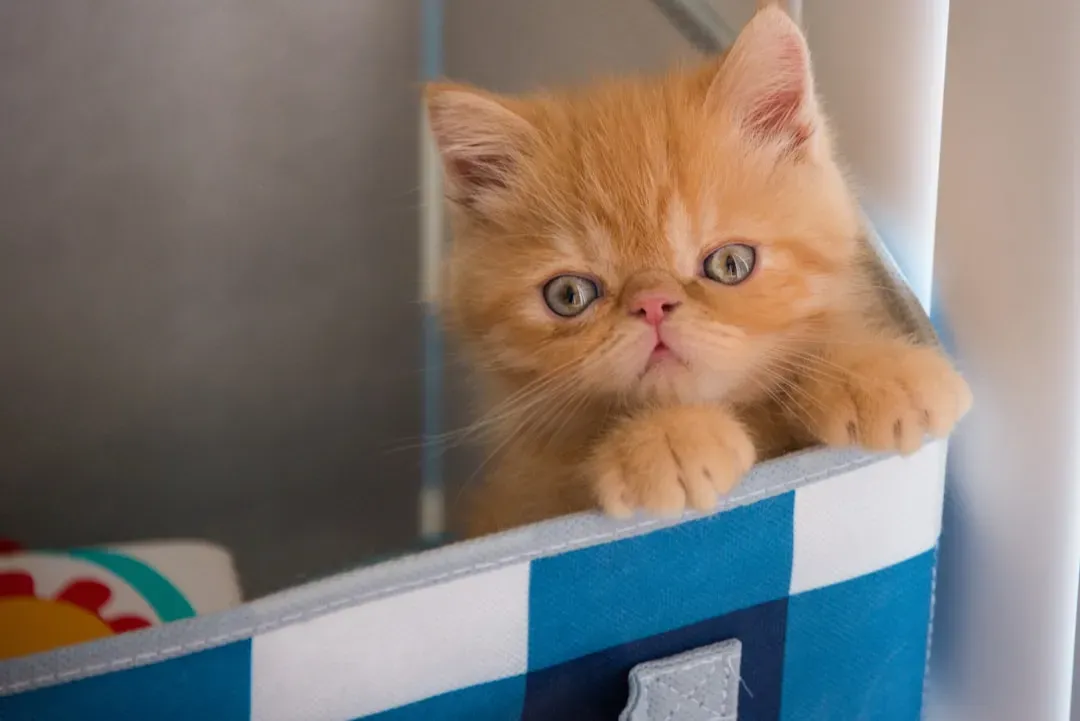
While Exotic Shorthair cats enjoy spending time with their humans, they aren’t overly demanding, and this breed is ideal for families who don’t want a clingy or attention-seeking cat, as their adaptability and general friendliness means Exotic Shorthairs can fit in with families of all kinds. Think of them as Persians with shorter fur and slightly more energy.
Sweet, quiet, and affectionate, this cat breed has an unforgettable face similar to the Persian cat. They offer companionship without neediness, affection without constant demands. For busy families who can’t provide round-the-clock attention, Exotic Shorthairs provide the perfect solution. They’re content to observe from the sidelines, joining in when the mood strikes.
Norwegian Forest Cat: The Fluffy Friend With Selective Affection
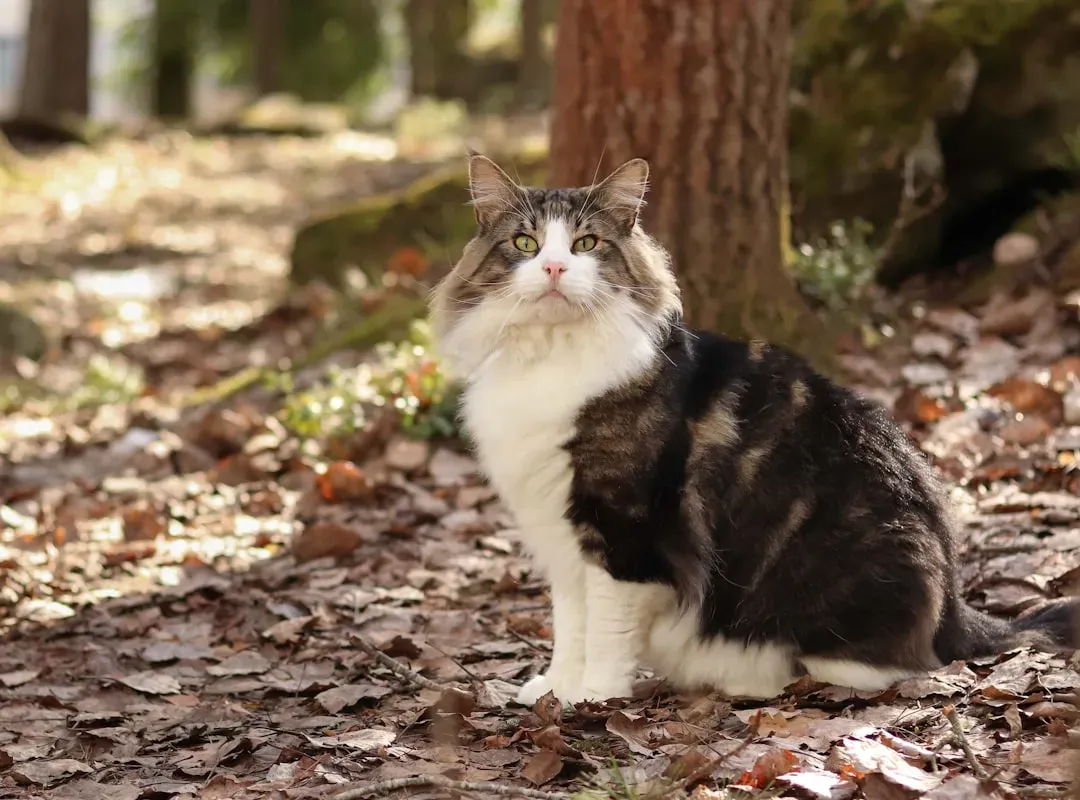
With a fluffy coat and a friendly demeanor, the Norwegian Forest Cat is a top choice of child-friendly cats, and while Wegies do tend to pick a person they’re particularly close to, they don’t discriminate when it comes to attention, so whether on the back of the couch or perched high on a cat tree, they’ll always be nearby and ready to show your kids some love.
These cats carry themselves with quiet dignity. They’re not quite as outgoing as Maine Coons, yet they possess their own understated charm. Their thick double coats require regular grooming, which can become a bonding activity for responsible children. Norwegian Forest Cats appreciate vertical space, so providing cat trees and high perches keeps them content and engaged with family life.
RagaMuffin: The Lap Cat Who Lives for Snuggles
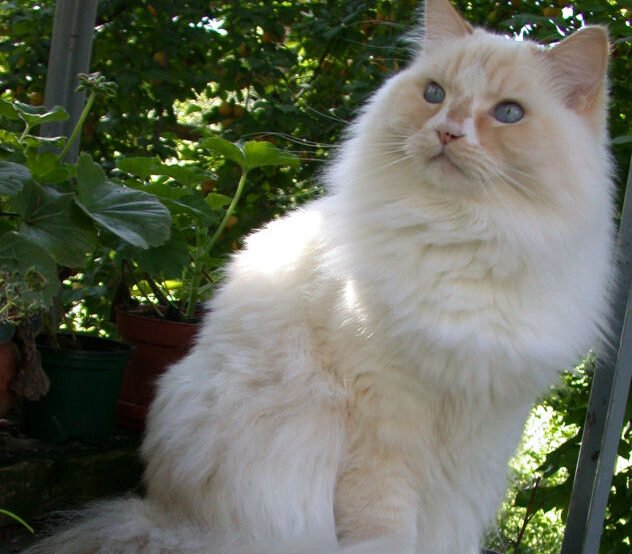
The people-loving and affectionate RagaMuffin is eager to please and will even learn how to walk on a leash to make their people happy, and they’re so agreeable that they make wonderful pets for families with small children. RagaMuffins are big snugglers, too, and enjoy being lap cats.
Their name might sound silly, yet these cats take snuggling seriously. They’re patient, gentle, and remarkably tolerant of handling. For families seeking a cat that genuinely enjoys being held and carried around, RagaMuffins deliver. Their large size means they’re sturdy enough to handle enthusiastic (though always supervised) affection from younger children. They represent comfort personified in feline form.
Savannah: The Wild Child Who Plays by Their Own Rules
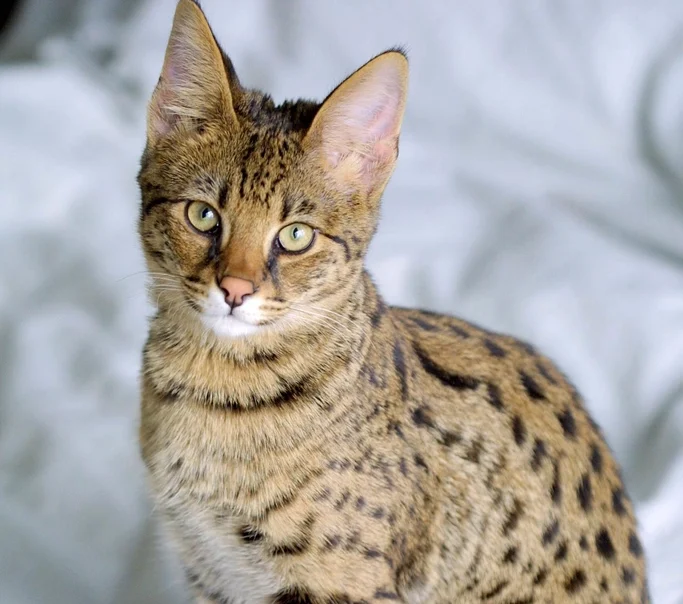
Let’s be real, here’s where the tide turns. Savannahs are a unique hybrid that can make a great family companion so long as proper animal handling is established in children, but Savannahs do not like to be picked up, held and restrained and likes to show affection on its own terms, so small children that like hugging cuddles might fair best with another breed. Their exotic appearance resembling wild cats makes them appealing, yet their temperament requires experienced handling.
These cats possess high energy levels and strong hunting instincts. They need extensive vertical space and mental stimulation to thrive. Hopefully, you answered no to trying to pick up a leopard, so why would you try to pick up the leopard-lookalike Savannah? For families with very young children who naturally want to cuddle and carry their pets, Savannahs might cause frustration rather than joy.
Siamese: The Vocal One-Person Cat
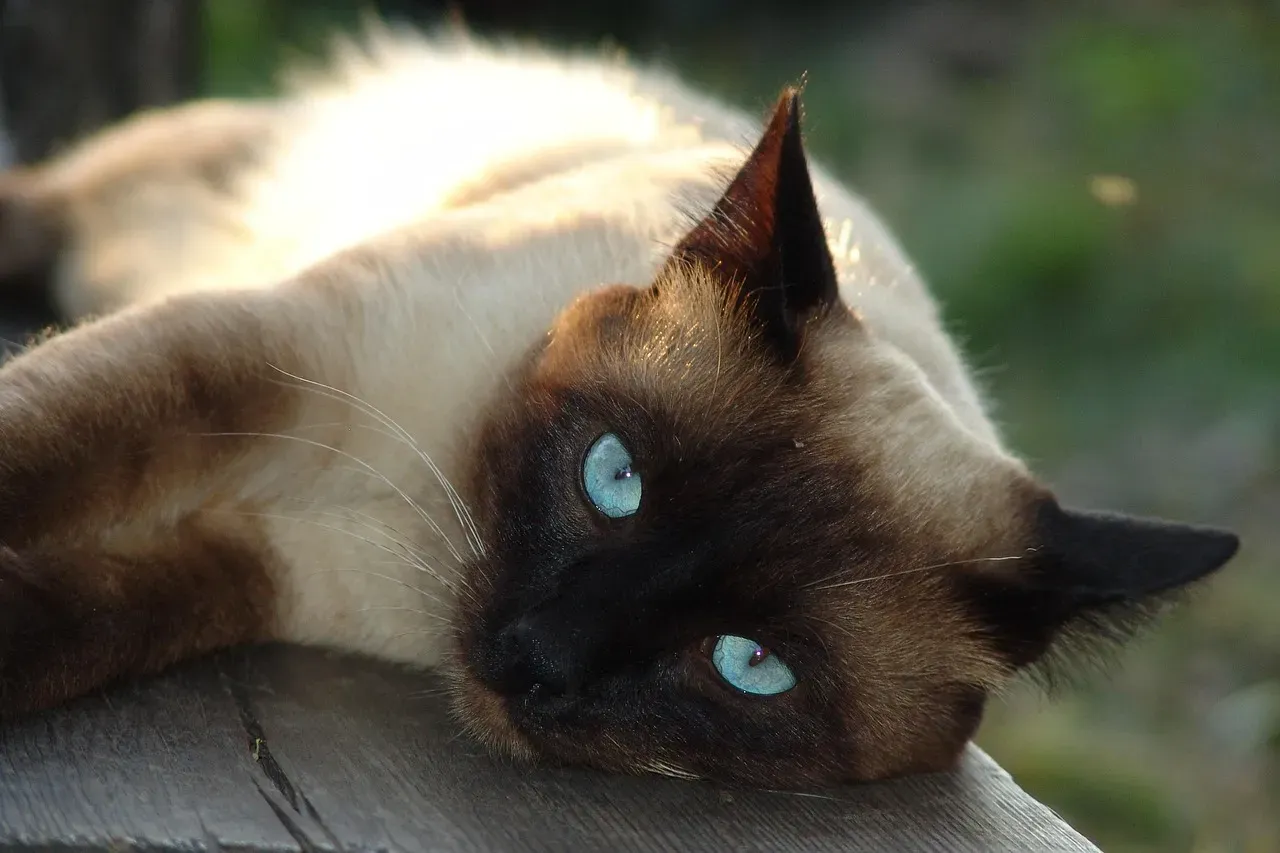
The Siamese cat could also be included on a best breed list, but it all depends on your perspective, as they often bond with a single family member, and they can turn aggressive if another person in the family tries to interrupt their snuggles, which can be problematic if you have kids in the house. Their striking blue eyes and distinctive coloring are gorgeous. Their personalities, however, can be complicated in multi-child households.
Siamese cats are known for their talkative and social nature, making sure their needs are heard loud and clear, and while their chatter can be endearing, it might be too much for some, as these vocal felines thrive in homes where they get plenty of attention and stimulation. If you’re not their chosen person, you might feel like an outsider in your own home. For families, this favoritism can breed resentment among children competing for feline affection.
Russian Blue: The Shy Beauty Who Needs Quiet
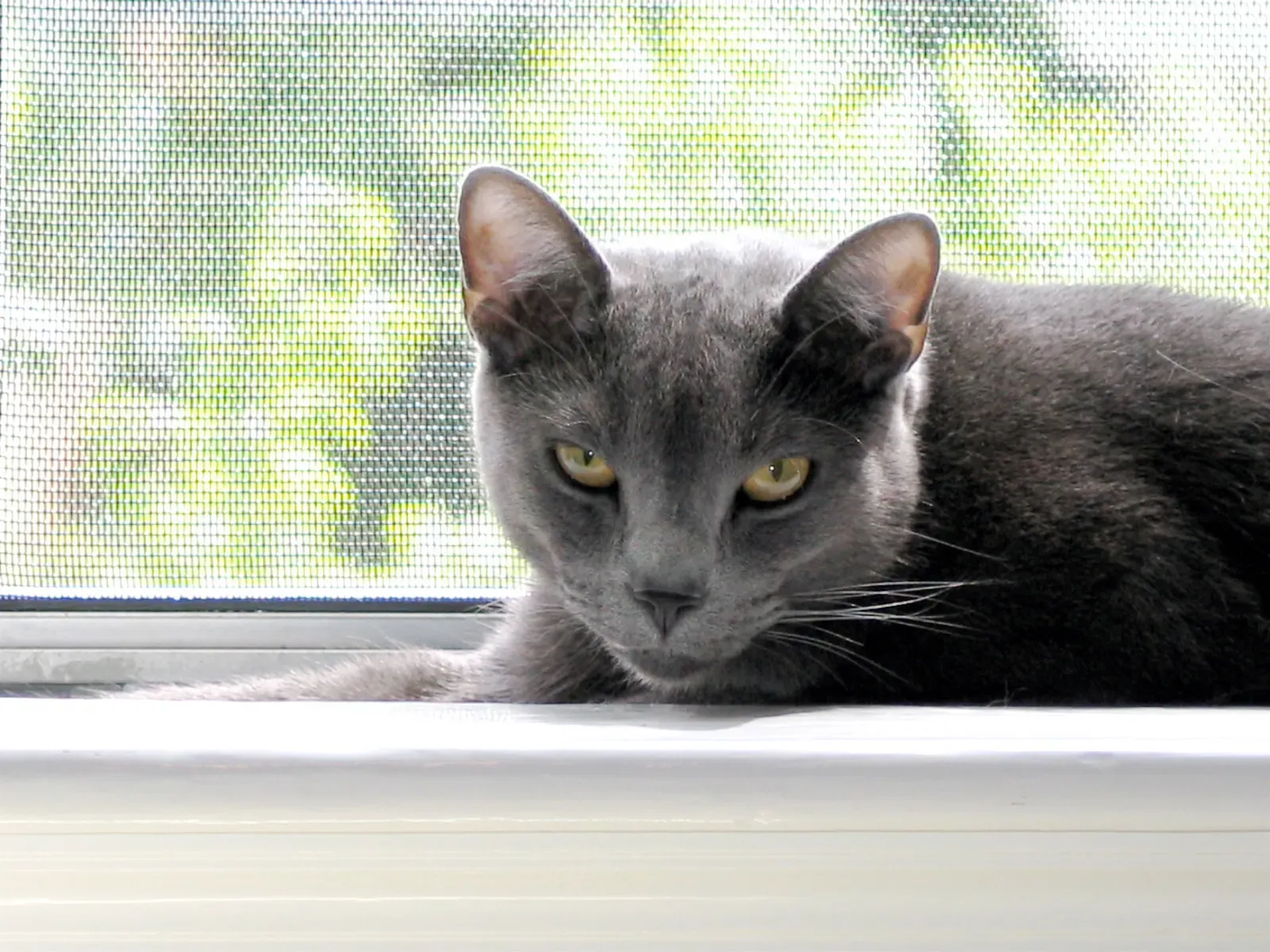
Russian Blues can make great companions for modern families, but only if children are well-versed in how to properly handle animals, as Russian Blues are rather shy, aloof cats that must be very comfortable with you before they come over for affection. Their plush silver-blue coats are stunning to behold. Getting them to trust you, however, takes considerable time and patience.
The Russian Blue cat knows what it likes: peace and quiet, doesn’t do well with constant changes and forms strong bonds with their owners, and a house filled with guests or noise might cause your Russian Blue to withdraw, which isn’t healthy for anyone. For bustling family homes with frequent visitors and loud play sessions, Russian Blues often struggle. They’re better suited to quieter environments where their reserved nature can be respected and appreciated.
Himalayan: The High-Maintenance Introvert
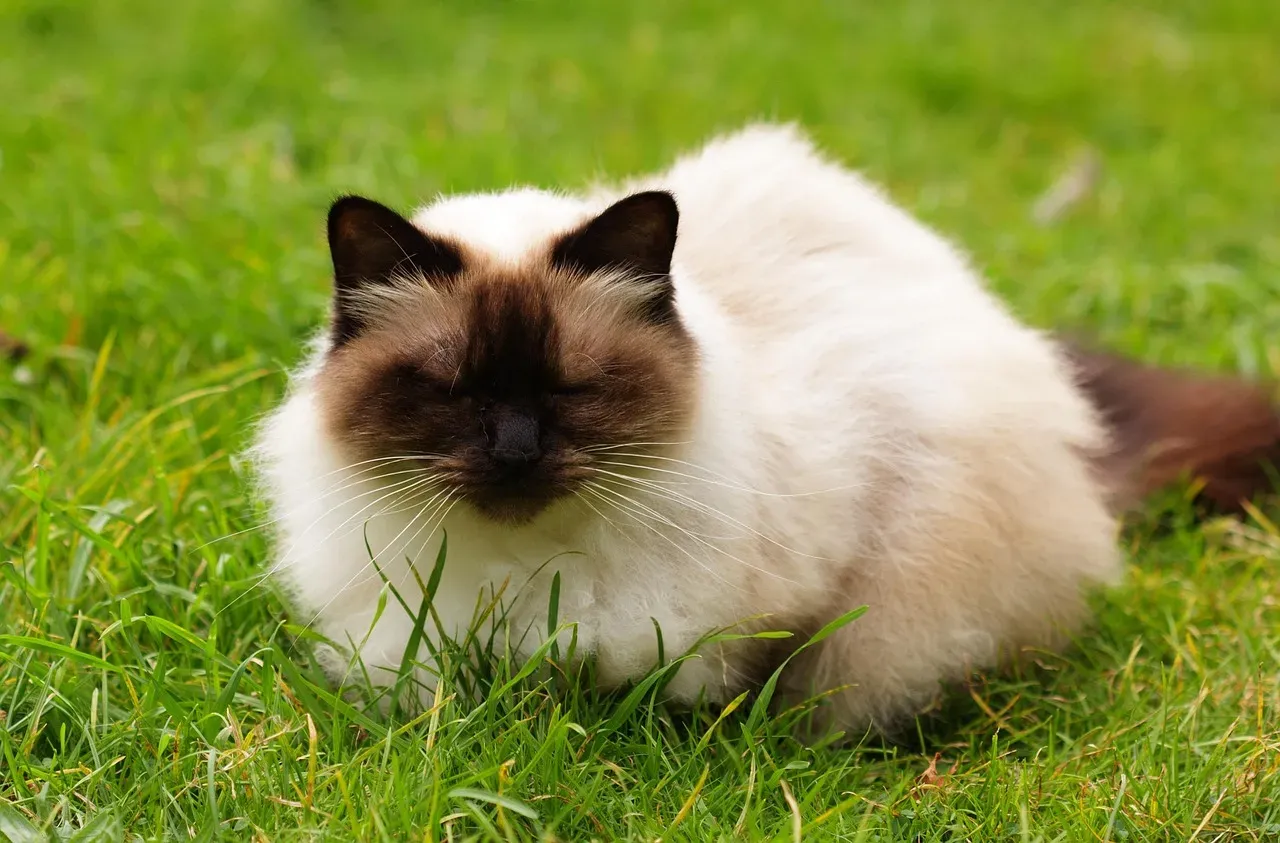
The Himalayan is a gentle cat that is affectionate toward his family, but prefers a more quiet lifestyle, and loud, rambunctious children might stress out a Himalayan more than other breeds, so young children might not be the best companion. These cats combine Persian and Siamese traits, inheriting beauty from both. They also inherited sensitivity to noise and chaos.
Their sweet nature makes them popular with kids, but these cats don’t handle a noisy household as well as some other breeds, and as such, they’ll do best with older children – especially those who will respect their love for lounging but know when to break out a toy for playtime. Their grooming needs rival Persians, requiring daily maintenance. For families seeking a serene companion in an already calm household, Himalayans might work. For typical loud, active families? Probably not the best match.
Singapura: The Easily Startled Small Wonder
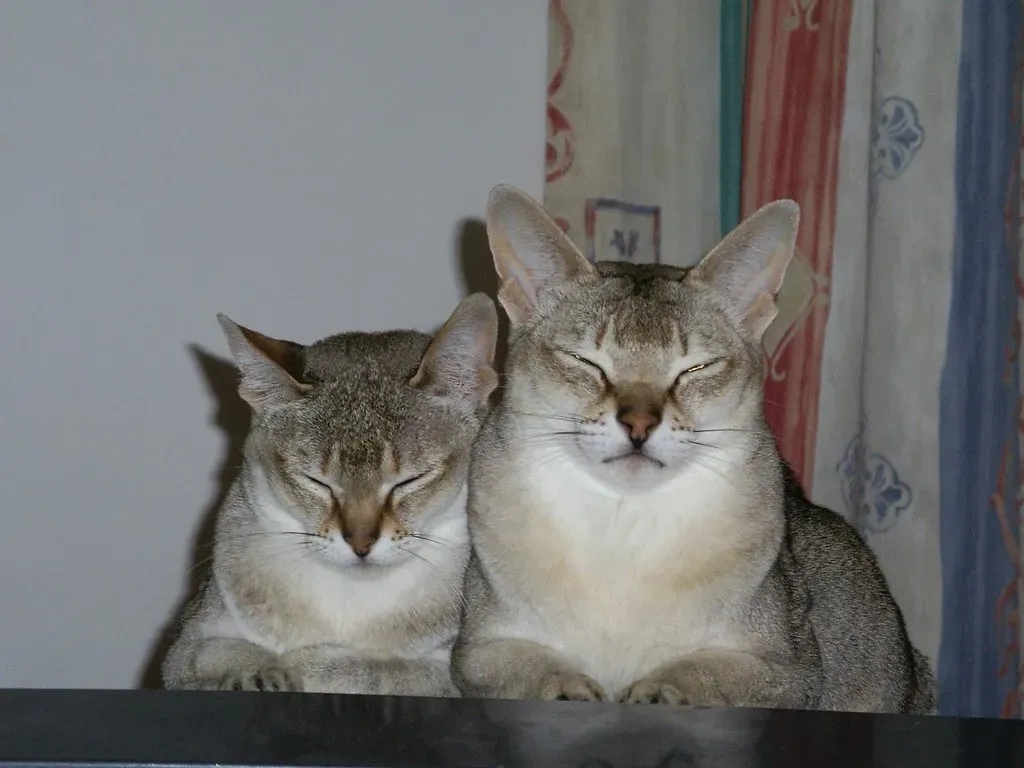
The Singapura is a social cat that enjoys affection, but doesn’t do well with loud noises or chaotic environments, and families with small children might be stressful for a Singapura, but older children that understand proper animal care and handling could do well. Their diminutive size and enormous eyes give them an alien-like appearance that’s undeniably adorable.
However, they’re strong-willed and skittish, and if you surprise them, they can react with a flurry of claws and teeth, and they also have a tendency to hide if not properly socialized, so you could find yourself owning a cat that you never actually see. For families with unpredictable young children who move quickly and speak loudly, Singapuras experience constant stress. They deserve homes where tranquility reigns and sudden movements are rare.
Egyptian Mau: The Beautiful Resource Guardian
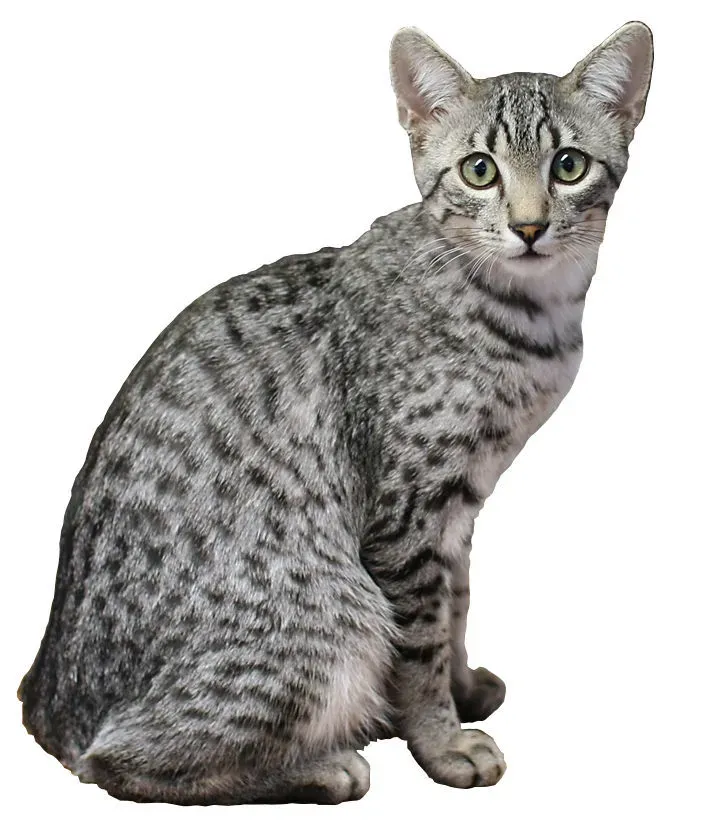
The Egyptian Mau is absolutely gorgeous, but it can be challenging to control, as they’re prone to resource-guarding, and you may find yourself pulling back a bloody hand if you try to take one of their toys or treats, and they’re withdrawn, but their quiet nature can hide a mean streak, though they bond strongly with their families, so you may only see their dark side when you have guests over.
These spotted beauties carry themselves with regal bearing. Their territorial nature, however, makes them problematic in households with children who might innocently reach for the cat’s favorite toy. Resource guarding isn’t something easily trained away, especially in families unfamiliar with feline behavior modification. Their stunning appearance doesn’t compensate for potential aggression toward unsuspecting kids.
Korat: The Peace-Demanding Control Enthusiast
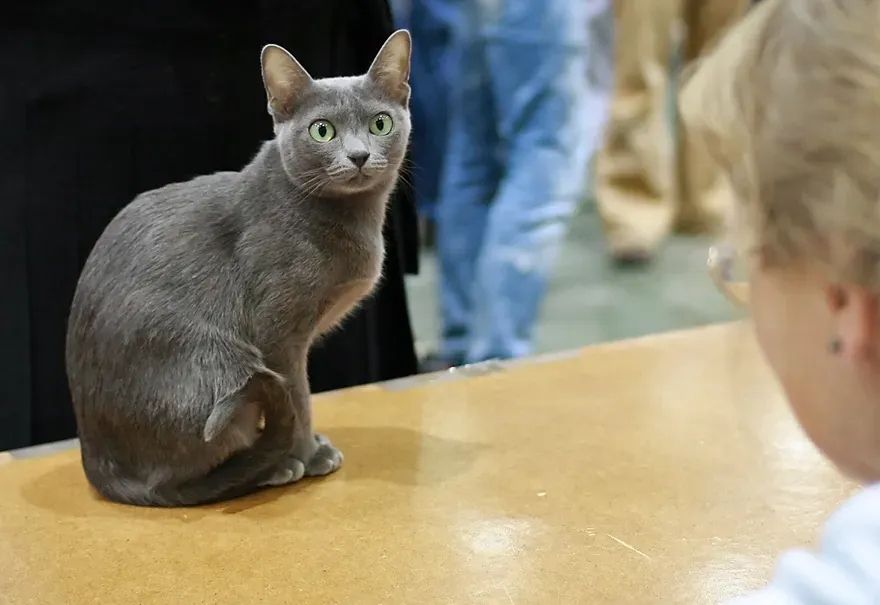
As a result, they may be a good fit for single owners who keep to themselves, but if you have kids in the house, bringing a Korat home is asking for trouble. These silver-blue cats from Thailand are rare, and perhaps their scarcity is fortunate. Their need for calm borders on demanding.
They love calm environments and will demand them, and they might react aggressively if they don’t get their peace and quiet, so they might be a better match for folks who enjoy a quiet lifestyle on their own, but if there are kids in the house, having a Korat around could lead to some problems. Children by nature bring noise and unpredictability. Korats by nature reject both. This fundamental incompatibility creates stress for cat and family alike.
Turkish Van: The Independent Spirit Who Resists Cuddling
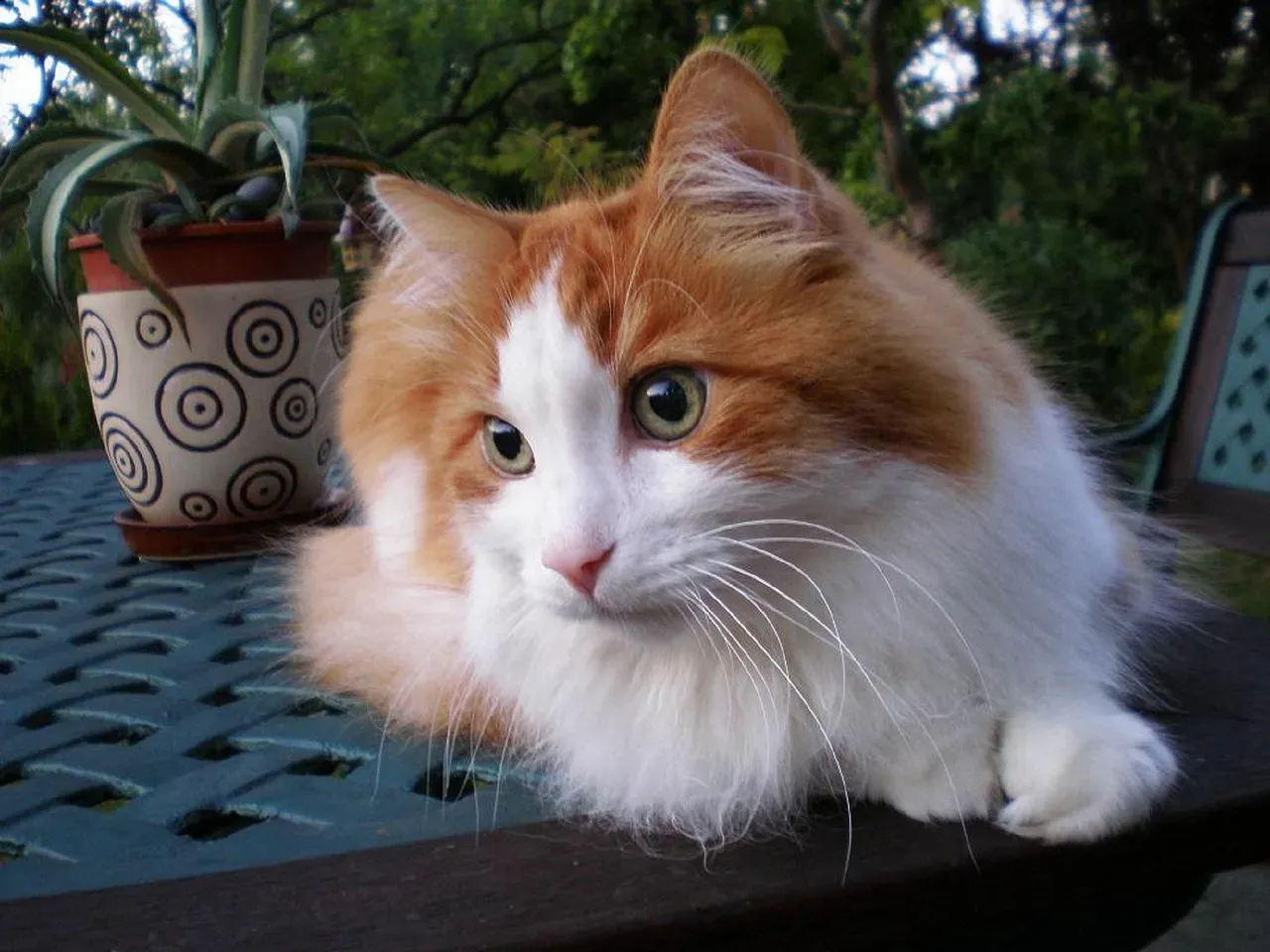
Although the Turkish Van is an affectionate breed, they do not like to be cuddled or held for long periods of time and small children may have trouble understanding. These cats possess striking coloring and unusual love for water. Their tolerance for physical affection, however, remains limited.
Their playful intelligence makes them entertaining to watch. Yet young children naturally want to hug and hold their pets, creating frustration when the Turkish Van squirms away repeatedly. They show affection on their terms, which might not align with a child’s expectations. For families, this disconnect can lead to disappointment and potential scratches when children don’t recognize the cat’s boundaries.
American Wirehair: The Possessive Fluffball
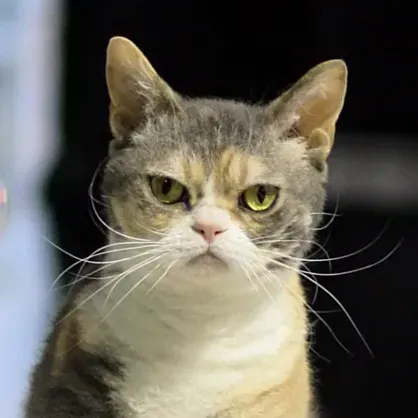
American Wirehairs might seem like fluffy bundles of cuddles, but their cuteness comes with a catch, as they’re known to be possessive of their stuff, and you might end up with a scratched hand if you try to take away their toys or treats, and they’re not very outgoing – but their calm demeanor can mask a bit of a temper, though they form deep bonds with their families, so their less pleasant side might only come out when you have visitors around.
Their unique wiry coat texture sets them apart visually. Their possessive streak, however, makes them challenging for families. Children often pick up cat toys during play or tidying up, actions that could trigger defensive aggression. Teaching young kids to recognize and respect these boundaries proves difficult, especially when the cat appears calm one moment and reactive the next.
Turkish Angora: The Mischievous Problem Solver
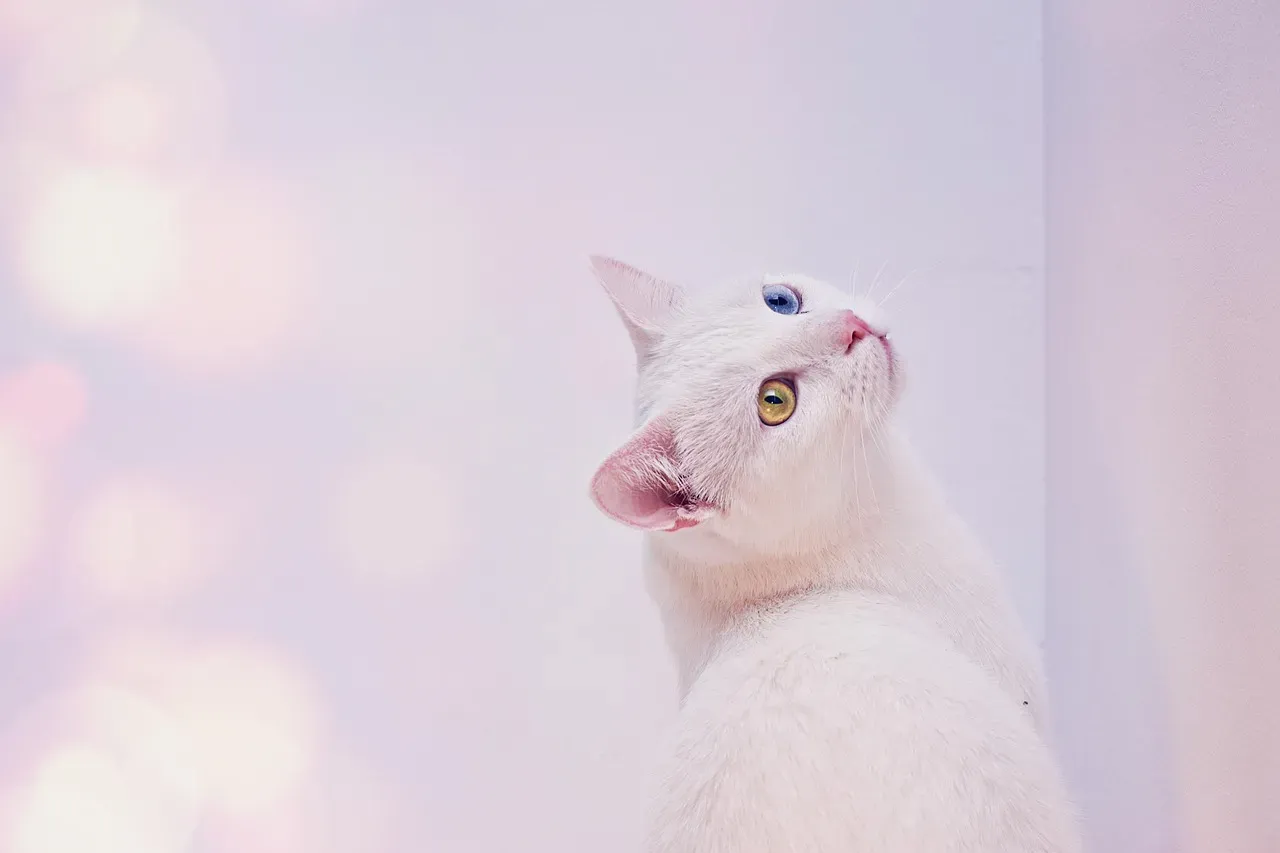
The Turkish Angora is another rare cat breed that’s rarely spotted, famous for its playful yet devoted and affectionate demeanor, as these cats love being around their humans and are quite athletic – needing plenty of play to stay happy, and they’re intelligent problem solvers, which can sometimes lead to mischief, and like their cousin, the Turkish Van, Turkish Angoras used to have a reputation for being aggressive.
Their intelligence works against them in family settings. They can open cabinets, drawers, and doors, creating safety concerns with curious children around. Their high energy demands extensive engagement that busy families might struggle to provide consistently. While they can be wonderful companions for the right household, families with multiple young children often find themselves overwhelmed by the Turkish Angora’s needs and antics.
Finding Your Family’s Feline Philosopher
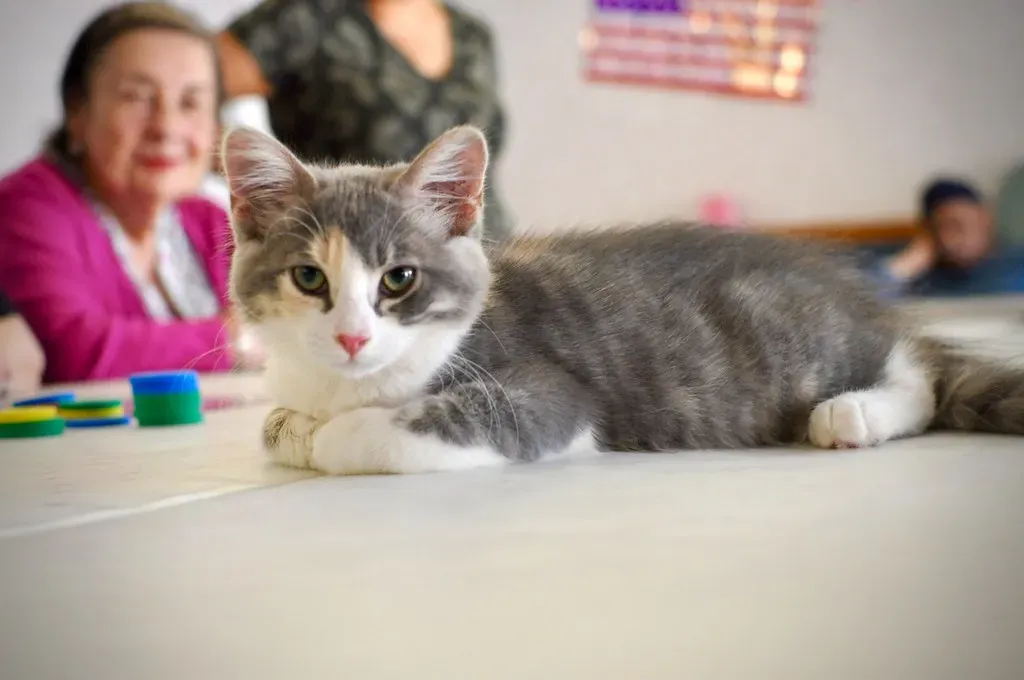
Choosing a cat isn’t just about finding something cute and fluffy, though let’s be honest, that certainly helps. It’s about matching temperaments and lifestyles, about understanding that each breed carries its own personality blueprint. The right cat can teach your children empathy, responsibility, and the quiet comfort of non-judgmental companionship.
The breeds we’ve explored represent extremes and everything in between. Some cats thrive in chaos, rolling with toddler hugs and teenager drama with equal grace. Others need tranquility, preferring calm adults to unpredictable children. Neither approach is wrong; they’re simply different philosophies of living.
Before bringing any cat home, consider your household honestly. How loud is it? How active are your children? Can you commit to grooming, play sessions, and veterinary care? The most important factor isn’t necessarily breed, but the individual cat’s personality and your family’s ability to meet its needs. Sometimes a mixed-breed shelter cat with the perfect temperament beats a purebred with the wrong one. What matters most is creating a home where both children and cats can flourish together, learning from each other in that mysterious, magical way that only animals and humans can. Have you found the feline friend that fits your family’s unique rhythm?