There’s something magical about coming home to a feline companion waiting by the door. You know that feeling when your cat jumps onto your lap after a long day? That sense of instant calm isn’t just in your head. It’s real, measurable, and honestly kind of amazing.
While most people think of cats as low-maintenance companions that occasionally grace us with their affection, the truth goes way deeper than that. Science has uncovered some truly unexpected ways these mysterious creatures improve our health without us even realizing it. So let’s dive in.
Your Heart Gets Stronger Protection Than You’d Expect
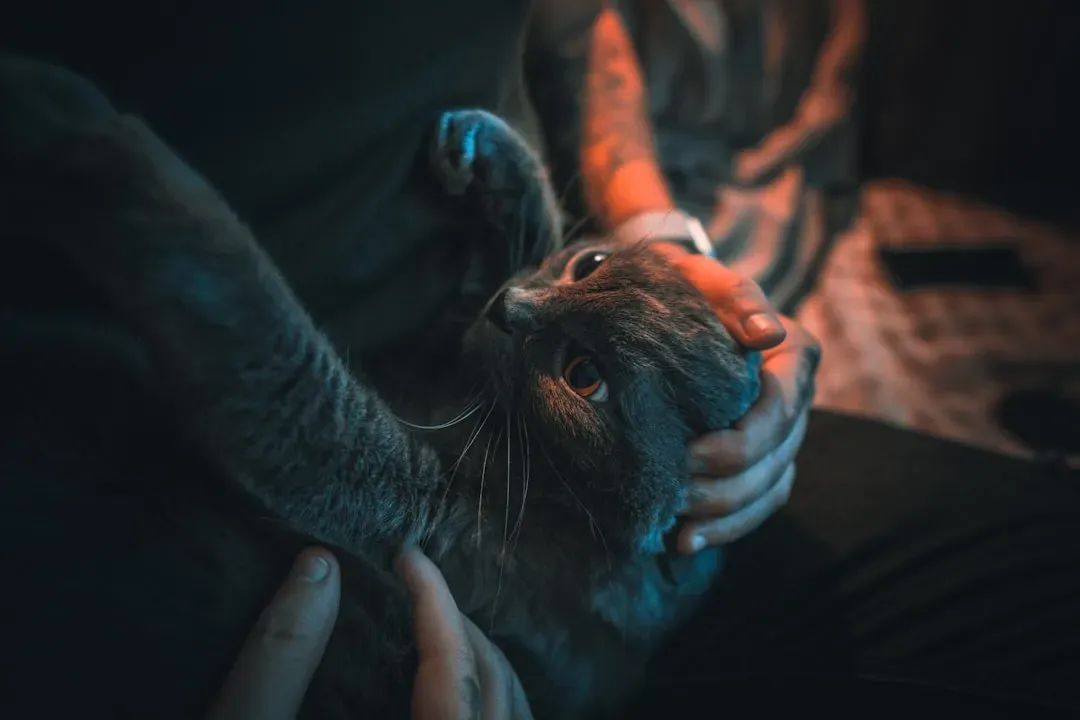
Owning a cat can significantly reduce your risk of dying from a heart attack, with studies showing cat owners have roughly a 37 percent lower risk of fatal heart attacks compared to people who’ve never owned cats. Think about that for a moment. Just having a cat around could be protecting your cardiovascular system in ways that rival some medications.
Research tracking participants over twenty years found that those with cats had a decreased risk for death from all cardiovascular diseases, including strokes and heart attacks. What’s wild is that even people who used to own cats in the past, but didn’t currently live with one, still had less risk of death from cardiovascular diseases when compared to people who had never owned cats. Your feline friend’s benefits stick with you.
Blood Pressure Drops When They’re Around
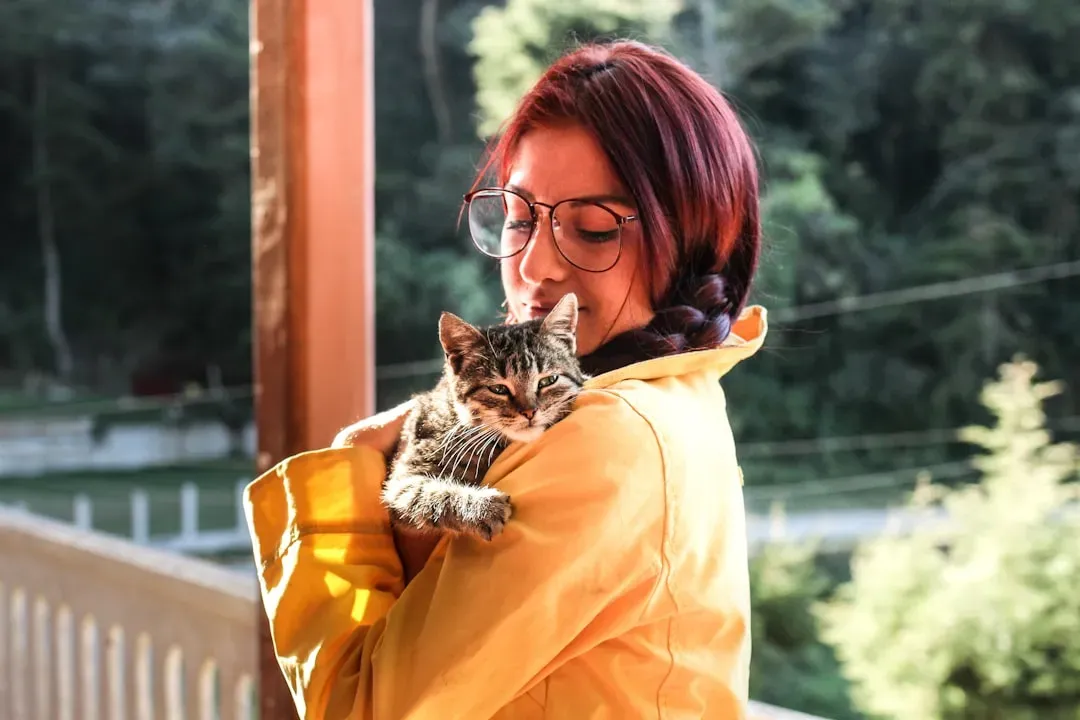
Let’s be real, life throws stress at us constantly. Even spending just ten minutes interacting with a cat can reduce your heart rate and blood pressure. That’s faster than most meditation apps promise results. Before stressful tasks began in one study, cat owners had a lower resting heart rate and blood pressure than people who didn’t own any pets, and during the tasks, they were more likely to feel challenged than threatened, with lower heart rate and blood pressure.
Here’s the thing that surprised researchers: ACE inhibitor therapy lowered resting blood pressure in both groups, but responses to mental stress were statistically significantly lower in pet owners. Your cat might be doing something your medication can’t do alone. The calming presence of a purring cat creates physiological changes that help your body handle stress more effectively.
That Purr Is Actually a Healing Machine
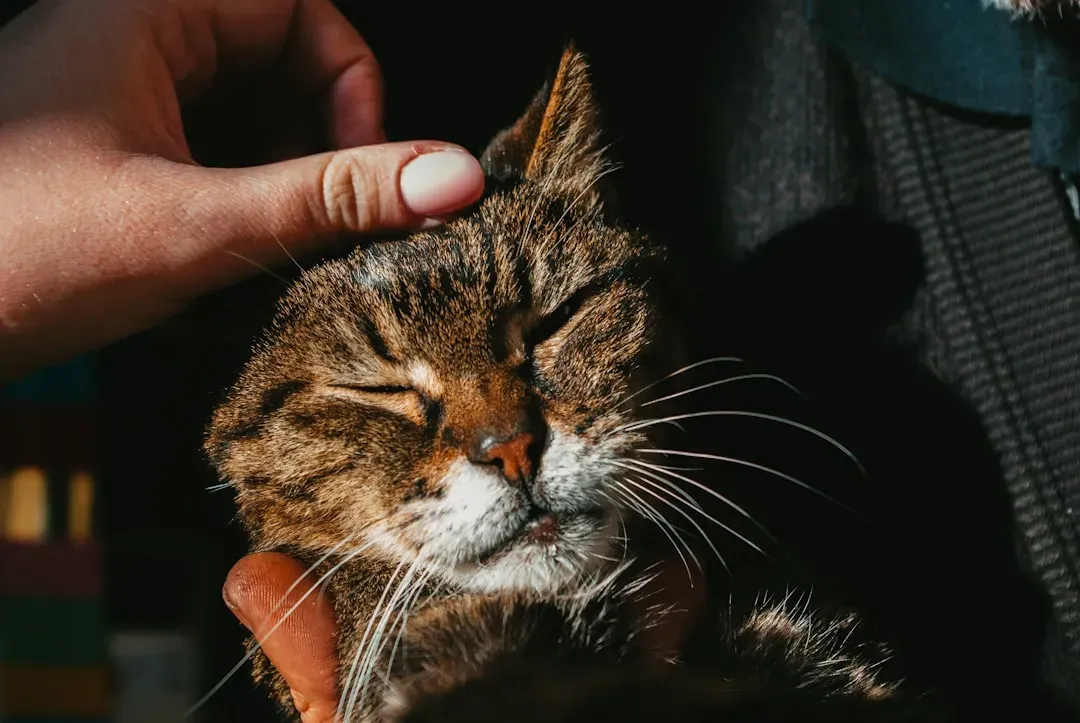
I know it sounds crazy, but your cat’s purr isn’t just adorable background noise. The frequency of cat purring falls between 25 and 140 Hz, and the same frequency has been shown to aid in the healing of broken bones, joint and tendon repair, and wound healing. These aren’t random numbers. They’re therapeutic frequencies used in actual medical devices.
More recent research has shown that frequencies between 20 and 50 Hz increase bone density, and frequencies in the 25 to 150 Hertz range are known to help promote the healing of bones, reduce inflammation, and improve joint mobility. So when your cat settles next to you and starts up that rumbling motor, they might actually be sharing their own natural healing mechanism with you. Pretty remarkable for an animal that sleeps roughly sixteen hours a day.
Your Stress Hormones Take a Nosedive
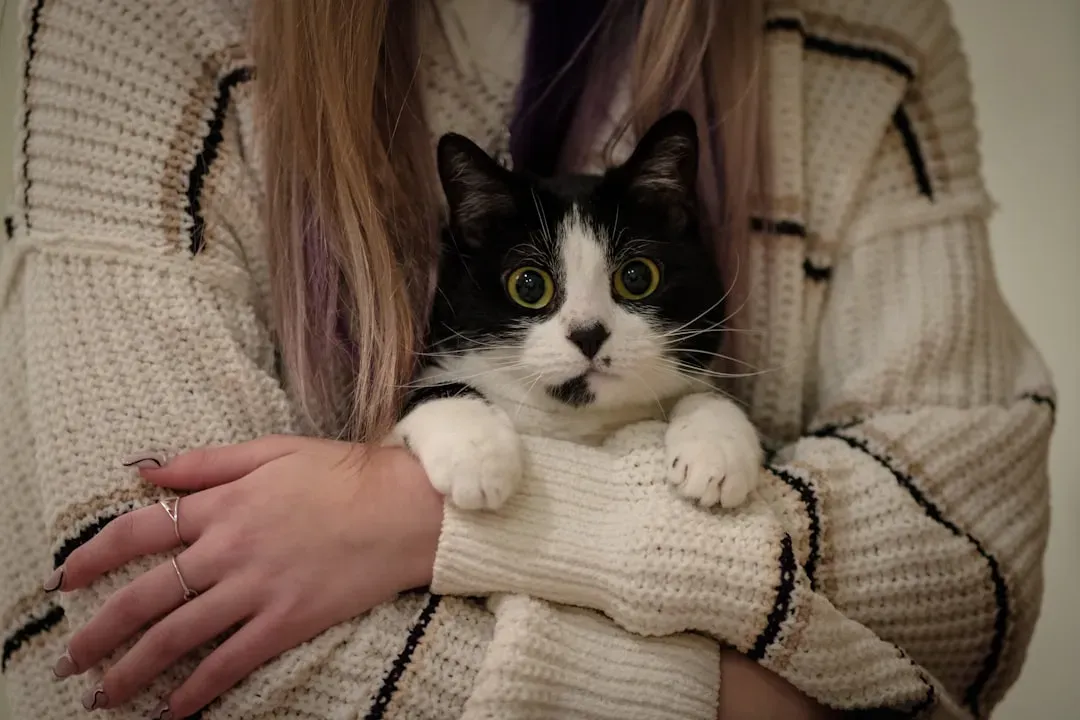
College students who spent as little as ten minutes per day petting a cat experienced decreased levels of cortisol, the hormone associated with stress. Think about how many things in life promise to reduce your stress but actually require effort, money, or both. Your cat does it for free while demanding nothing but occasional chin scratches.
Studies have shown that cat owners have lower levels of cortisol, a hormone associated with stress. Lower cortisol doesn’t just make you feel better in the moment. It protects you from chronic inflammation, better sleep, and helps prevent a cascade of health problems linked to prolonged stress. Honestly, having a living stress-reduction device lounging on your furniture seems like a pretty good deal.
You Sleep Better With a Cat Nearby
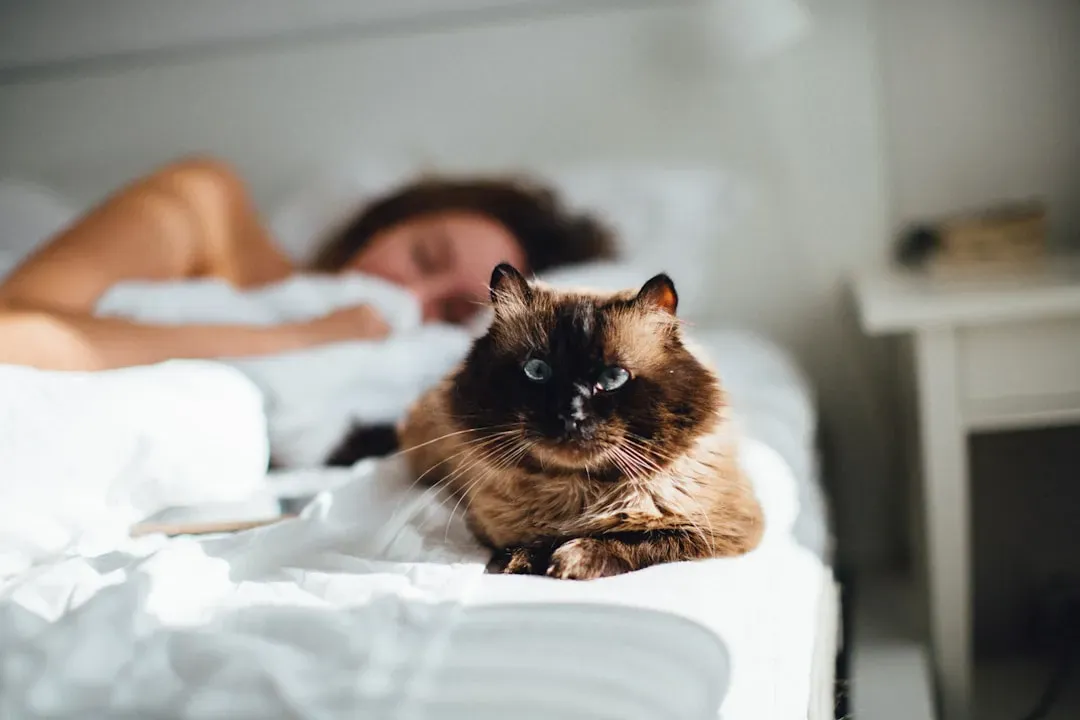
Studies have shown that having your cat close by results in a better night’s sleep, with owners who allowed their pets to sleep in their bed or in the same room saying they had an easier time both falling and staying asleep. There’s something deeply comforting about that warm weight settled against your legs or the rhythmic breathing of a sleeping cat.
The soft, repetitive sound of purring creates a natural white noise effect that helps block out disruptive sounds. It’s hard to say for sure, but many cat owners report feeling safer and more relaxed when their feline companion is nearby at night. That sense of companionship can make all the difference for people who live alone or struggle with nighttime anxiety.
Your Kids Might Dodge Allergies and Asthma

This one really flips conventional wisdom on its head. Teenagers who lived with a cat during the first year of their life had a 48 percent lower risk of cat allergy than their peers. So all those well-meaning warnings about keeping pets away from babies? They might have been completely backwards.
Children exposed to cats were less likely to develop egg, wheat and soybean allergies, while infants who lived with dogs were 90 percent less likely to develop food allergies, and of the babies who lived with at least two dogs, none developed a food allergy. Early exposure appears to train your child’s immune system to handle allergens properly rather than overreacting to them. The science behind this involves gut bacteria and immune system development, but the practical takeaway is clear: that cat might be protecting your kid’s health in ways you never imagined.
You Become More Socially Connected
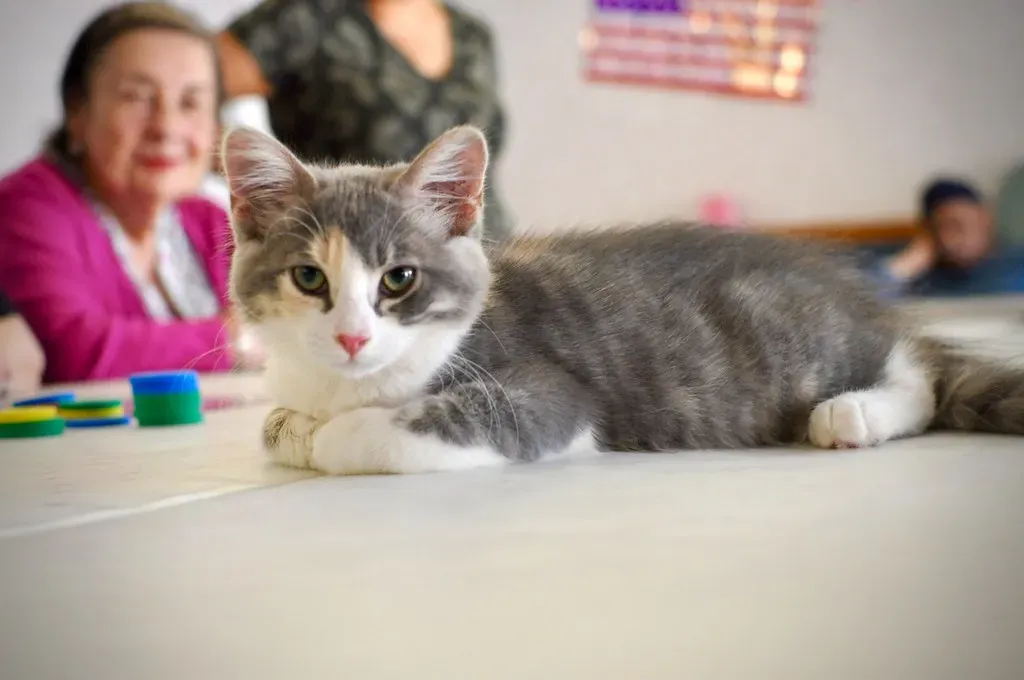
Cat people often get stereotyped as loners, but research tells a different story. Cat owners are more socially sensitive, trust other people more, and like other people more than people who don’t own pets. The bond you form with your cat apparently carries over into how you interact with humans.
This cross-species bonding may benefit human-to-human relationships, and for cat lovers, their cats can be part of their social network, and when someone makes us feel good and connected, it builds up our capacity for kindness and generosity. Your cat becomes a catalyst for developing empathy and connection that extends beyond your relationship with them. It’s like emotional exercise that strengthens your ability to form bonds with others.
Your Mental Health Gets a Serious Boost
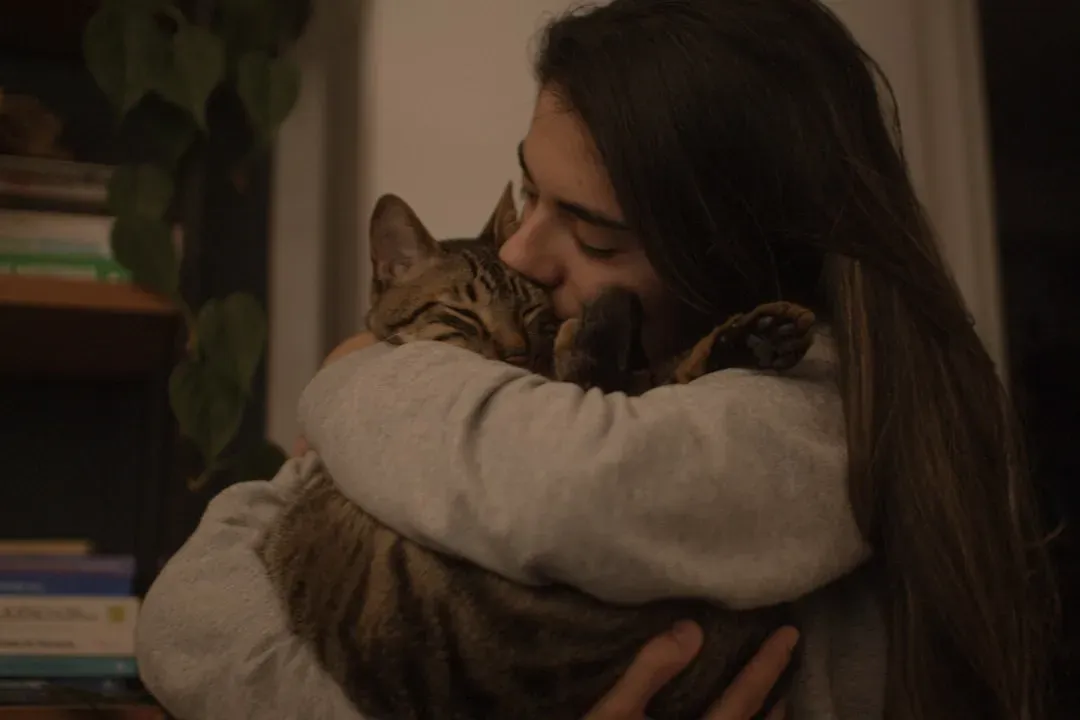
Cat owners have better psychological health than people without pets, claiming to feel more happy, more confident, and less nervous, and to sleep, focus, and face problems in their lives better. These aren’t small improvements. We’re talking about measurable differences in overall quality of life.
Cat owners reported feeling less anxious, stressed, and lonely when in the presence of their cats. Let’s be honest, life can feel overwhelming sometimes. Having a living creature who’s genuinely happy to see you, who doesn’t judge your failures or bad hair days, provides a kind of emotional support that’s surprisingly powerful. There’s an entire scientific scale that measures how much emotional support you get from your cat, based on how likely you are to seek them out in different stressful situations.
Your Brain Gets Activated in Beneficial Ways

Interactions with a cat significantly activated the prefrontal cortex, regardless of interaction type. This part of your brain controls executive functions, working memory, and even empathy. Cats have positive effects on their owners’ physiological and psychological health, including improved mood and activation of the human prefrontal cortex and inferior frontal gyrus in the brain.
What’s fascinating is that these brain changes happen during simple everyday interactions. Petting your cat, playing with them, even just watching them isn’t passive entertainment. Your brain is actively processing nonverbal communication, developing empathy pathways, and strengthening neural connections that help you understand and relate to others better. Your cat is basically giving your brain a workout without you even noticing.
You Gain a Sense of Purpose and Routine

Pet ownership has been claimed to have mental health benefits such as a sense of purpose and meaning to life. There’s something grounding about having another living being depend on you. You can’t stay in bed all day when someone needs breakfast. You have a reason to come home.
When people are no longer able to care for or nurture others, rates of depression go up and overall health declines. Cats provide an outlet for that fundamental human need to care for something beyond ourselves. They give structure to your days and weeks, creating routines that support mental health. Plus, there’s genuine satisfaction in seeing your cat content and healthy, knowing you made that happen.
Conclusion
The evidence is pretty overwhelming when you look at it all together. Those mysterious, independent creatures sharing your home are doing far more than just occupying your favorite chair. They’re actively improving your cardiovascular health, reducing your stress, helping your brain function better, and potentially protecting your children from allergies and asthma. The healing frequencies of their purr, the social bonds they help you develop, and the mental health support they provide all add up to something remarkable.
Next time your cat wakes you up at dawn demanding breakfast or knocks something off the counter for no apparent reason, remember they’re also quietly protecting your heart and calming your nervous system. That’s a pretty fair trade, honestly. What health benefit from your cat has surprised you most?
Kristina is a young writer from India. An arts graduate and an avid content creator, Kristina is passionate about animals and wildlife. She enjoys exploring topics related to pet care, animal behavior, conservation, and nature, combining thorough research with engaging storytelling.