Have you ever watched your cat attack a toy mouse with the precision of a jungle predator? Or noticed them squeeze into impossibly small spaces as if danger lurks around every corner? Your cozy indoor companion might nap on memory foam and eat gourmet kibble, but deep down, they’re still running on software designed for survival in the wild. These aren’t just cute quirks or funny behaviors. They’re ancient instincts hardwired into every domestic cat’s brain, passed down through thousands of generations.
Cats were domesticated roughly 10,000 to 11,000 years ago, yet remarkably, they’ve retained a vast majority of their ancestral programming. While dogs have been heavily shaped by selective breeding, cats remain closer to their wild roots than you might imagine. Let’s dive into the fascinating instincts your furry friend relies on every single day, often without you even realizing it.
The Relentless Hunting Drive
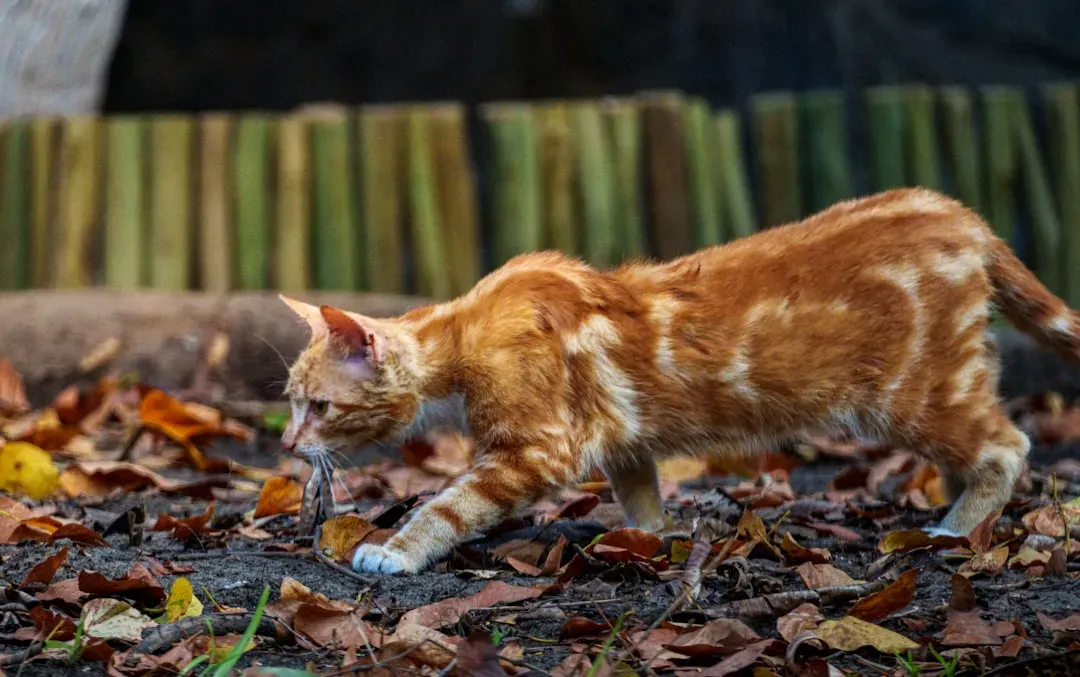
Domestic cats still retain 85% of their wild predatory instincts. This means your pampered pet genuinely can’t help but stalk that feather toy or pounce on your unsuspecting toes under the blanket. Domestic cats hunt more for fun and entertainment, with the sight or sound of prey triggering hunting instinct.
Here’s what makes this instinct so powerful: it’s completely disconnected from hunger. The urge to hunt isn’t tied to hunger because in the wild, cats hunt all the time, even when not hungry, since they never know when their next meal will come. Your well-fed cat isn’t being greedy when they chase down every bug in your home. They’re simply following an ancient survival code that says “hunt now or starve later.” Cats engage in three to ten hours a day of typical hunting behavior including locating prey, lying in wait, pouncing, and killing, which explains those sudden bursts of energy at three in the morning.
The Small Space Security Blanket
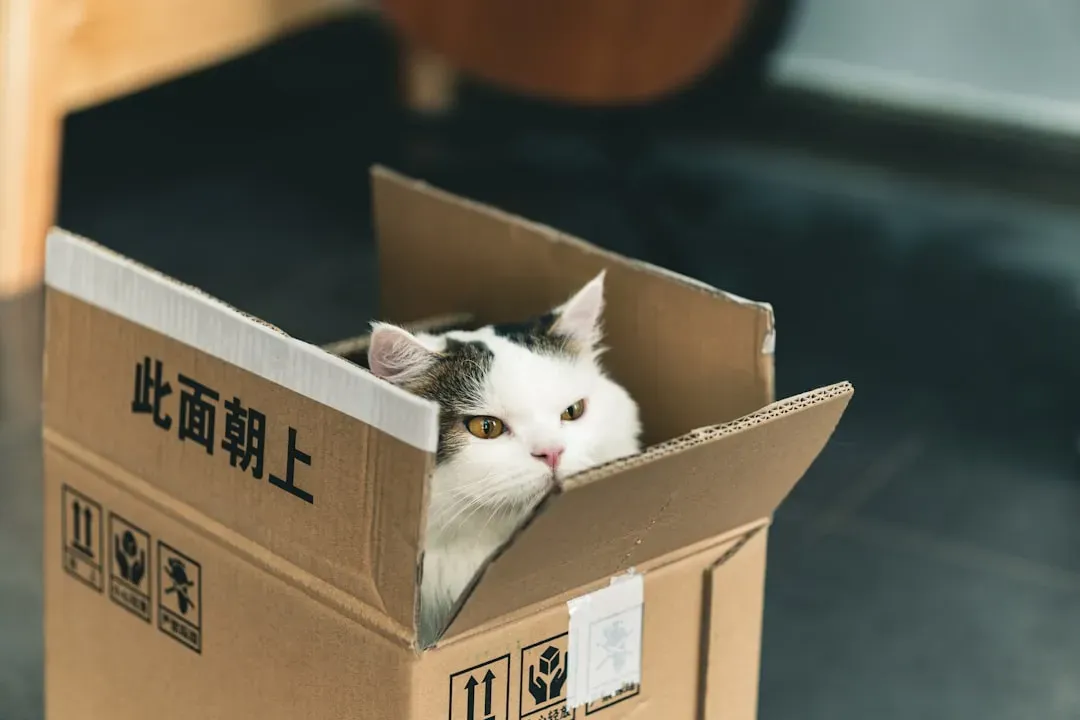
Your cat’s obsession with boxes isn’t about being quirky for internet fame. Cats in the wild seek shelter in small spaces where they feel safe and protected from predators. When your feline friend crams themselves into a shoebox that seems three sizes too small, they’re tapping into survival instincts from their ancestors who needed secure hiding spots to avoid becoming someone else’s dinner.
When a cat can squeeze into a small space, it knows that all sides are covered and it can remain hidden, and the smaller the area, the safer it will feel. This behavior serves a dual purpose in the wild. Small, enclosed spaces not only protect cats from predators but also serve as perfect ambush points for hunting. Your domestic cat might not face any real threats lounging in your living room, yet that cardboard box still triggers a deep sense of security that’s impossible for them to ignore.
Territorial Scratching Behavior
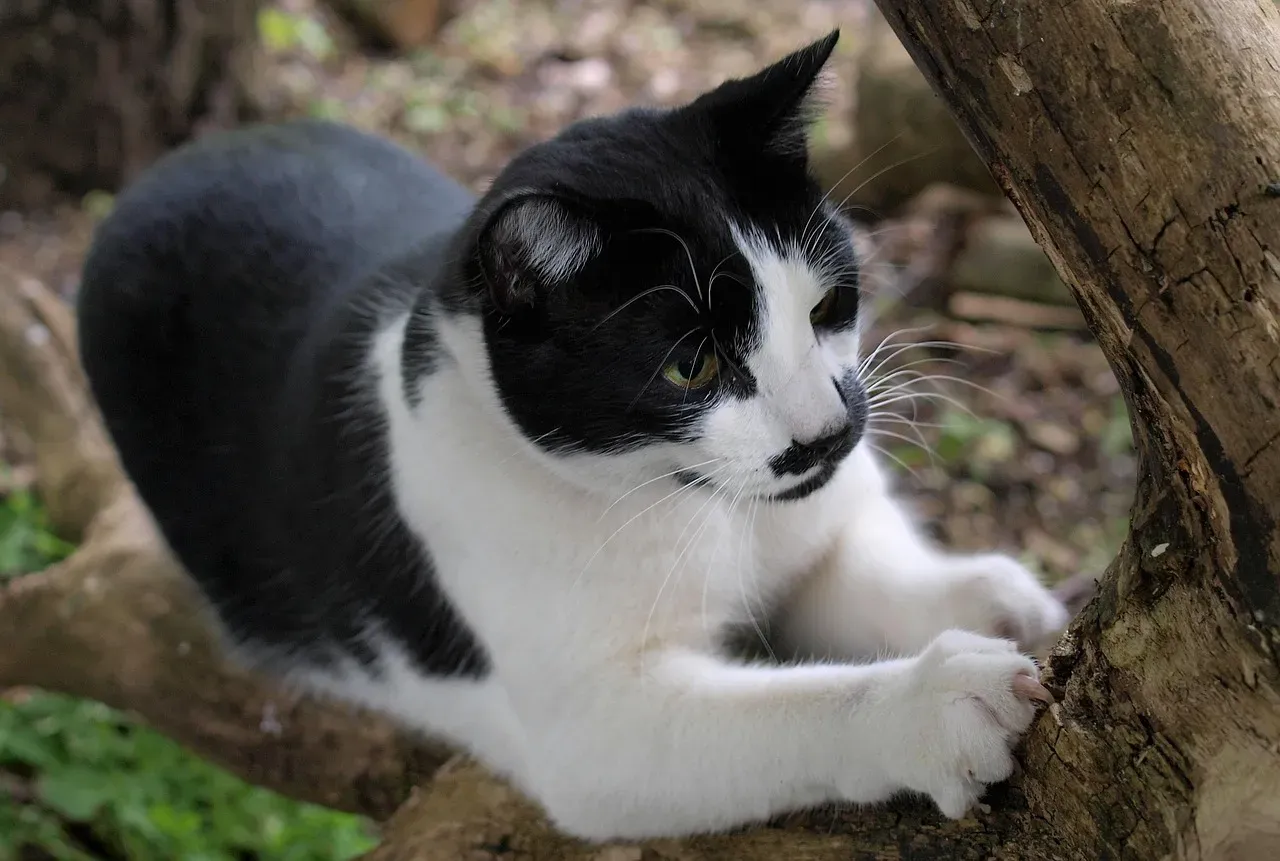
Before you get frustrated about your shredded furniture, understand that scratching goes way beyond claw maintenance. Both male and female cats put their markings on trees to tell other cats in the area more about themselves, with wider and taller scratches indicating a bigger cat, and this behavior is hard-wired into domestic cats. Even cats who’ve been declawed still go through the motions because the instinct runs that deep.
Think of scratching as your cat’s version of posting on social media. They’re leaving visual markers and scent deposits from glands in their paws, essentially broadcasting “I was here, and this is mine” to any other cats in the vicinity. Scratching is a natural feline behavior that helps cats stretch their muscles, mark their territory, and maintain their claw health. In a multi-cat household or even a single-cat home, this territorial communication helps your cat feel secure and in control of their environment.
The Scent Marking Communication System

When your cat rubs their face against your legs or headbutts you, they’re doing something far more complex than just being affectionate. Cats can rub their scent onto those they love, and in the wild, will regularly rub against each other to claim their family and partners. Those cute cheek rubs are actually your cat’s way of marking you as part of their territory and social group.
Cats are experts in scent communication, using their keen sense of smell to explore, communicate, and claim territory through marking with urine, rubbing their face or body on objects, and sniffing new environments. Your cat has scent glands on their chin, lips, cheeks, and even between their toes. Every time they walk around your house, stretch against the doorframe, or rub against furniture, they’re creating an invisible scent map that tells them everything is safe, familiar, and under control.
Kneading as Comfort and Contentment
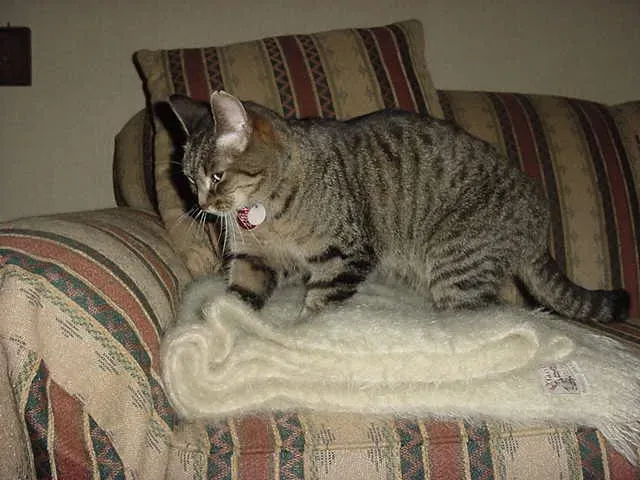
You’ve probably experienced your cat rhythmically pushing their paws into your lap, alternating left and right like they’re making bread. This behavior stems from when the cat was a kitten and had to knead at its mother for milk, and researchers believe that this instinct to knead even as an adult indicates that the cat has found a safe and comfortable place, meaning your cat is happy and feels safe.
The origins go even deeper than kittenhood memories. Wild cats knead grasses to create a comfortable, scent-marked resting spot. So when your cat kneads your favorite blanket or your stomach at bedtime, they’re combining multiple instincts: recalling the comfort of nursing, preparing a sleeping area like their wild ancestors, and marking you with their scent. It’s honestly one of the highest compliments your cat can give you. Some cats even purr intensely while kneading, creating a feedback loop of pure contentment that connects them to both their earliest memories and their ancestral behaviors.
Nocturnal Activity and Energy Bursts
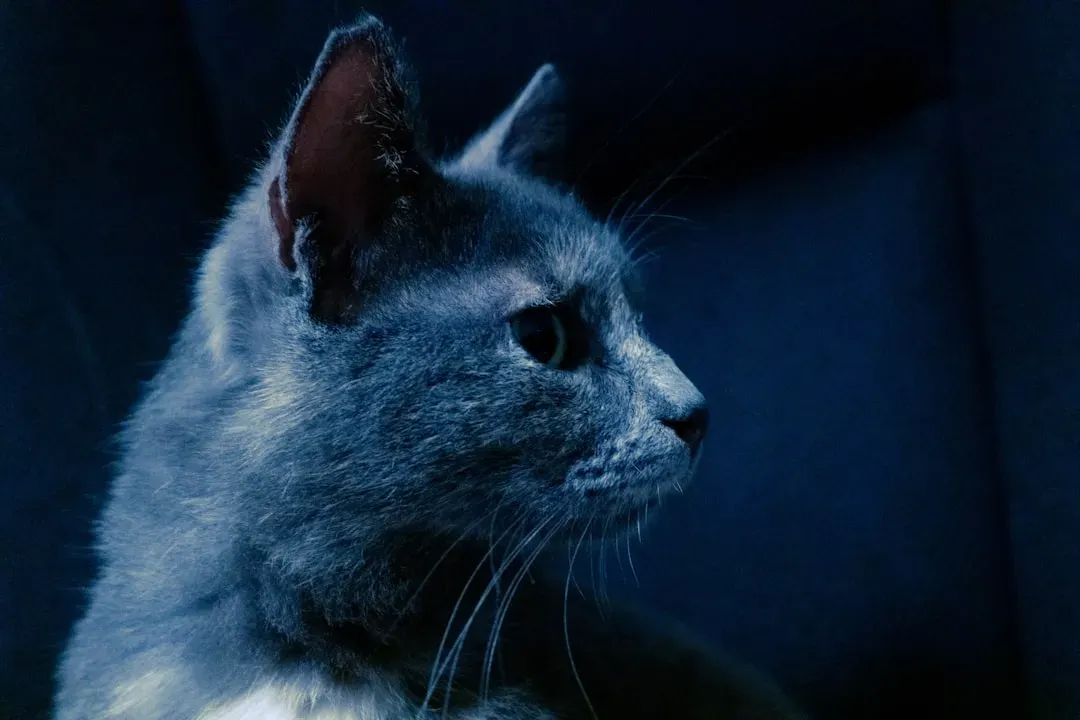
Cats have a reputation for sleeping long hours during the day, but when they wake up they instantly snap into play mode, zooming around the house during all hours of the night in behavior that is entirely instinctual. If this sounds familiar, you’re not alone. Most cat owners have been jolted awake by the thundering sound of paws racing through the hallway at ungodly hours.
In the wild, cats have to conserve energy and hunt at any opportunity even if not hungry, with wild cats having the best chance to hunt after a nap when well-rested. Your cat’s sleep-all-day-party-all-night routine isn’t laziness or mischief. It’s an energy conservation strategy perfected over millennia. Wild cats are crepuscular, meaning they’re most active during dawn and dusk when their prey is most vulnerable. Your house cat’s three a.m. zoomies are simply their internal clock telling them it’s prime hunting time, even if the only prey available is a stray sock or your toes peeking out from under the covers.
Instinctive Litter Box Usage and Burying
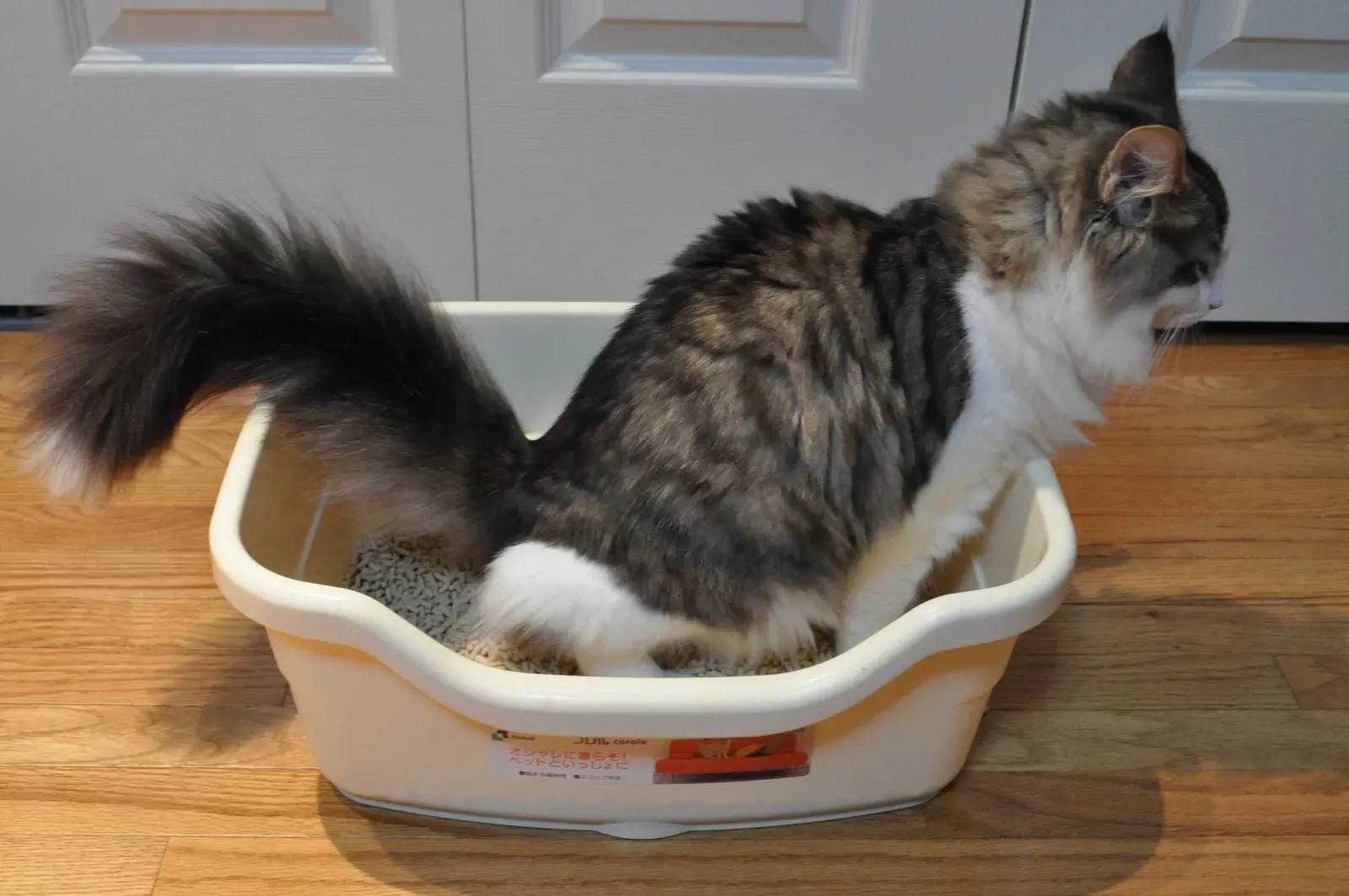
Here’s something remarkable: you never really have to teach a cat to use a litter box. Cats quickly learn to go to the bathroom in a litter box and cover their droppings, which is a skill passed on through generations of wild cats over centuries of survival. This behavior is so deeply ingrained that even very young kittens instinctively understand what to do.
In the wild, a cat will instinctively cover their droppings to avoid possible detection from predators, often going to the bathroom in sand or dust, and at home cats still mimic this pattern imprinted through generators with survival skills. The burying behavior serves two purposes: it hides their location from predators who might be tracking them, and it prevents alerting prey animals to their presence in the area. Your domestic cat faces neither threat, yet they still meticulously cover their waste because this survival instinct remains as strong as ever.
The Play Fighting and Prey Disorientation Technique
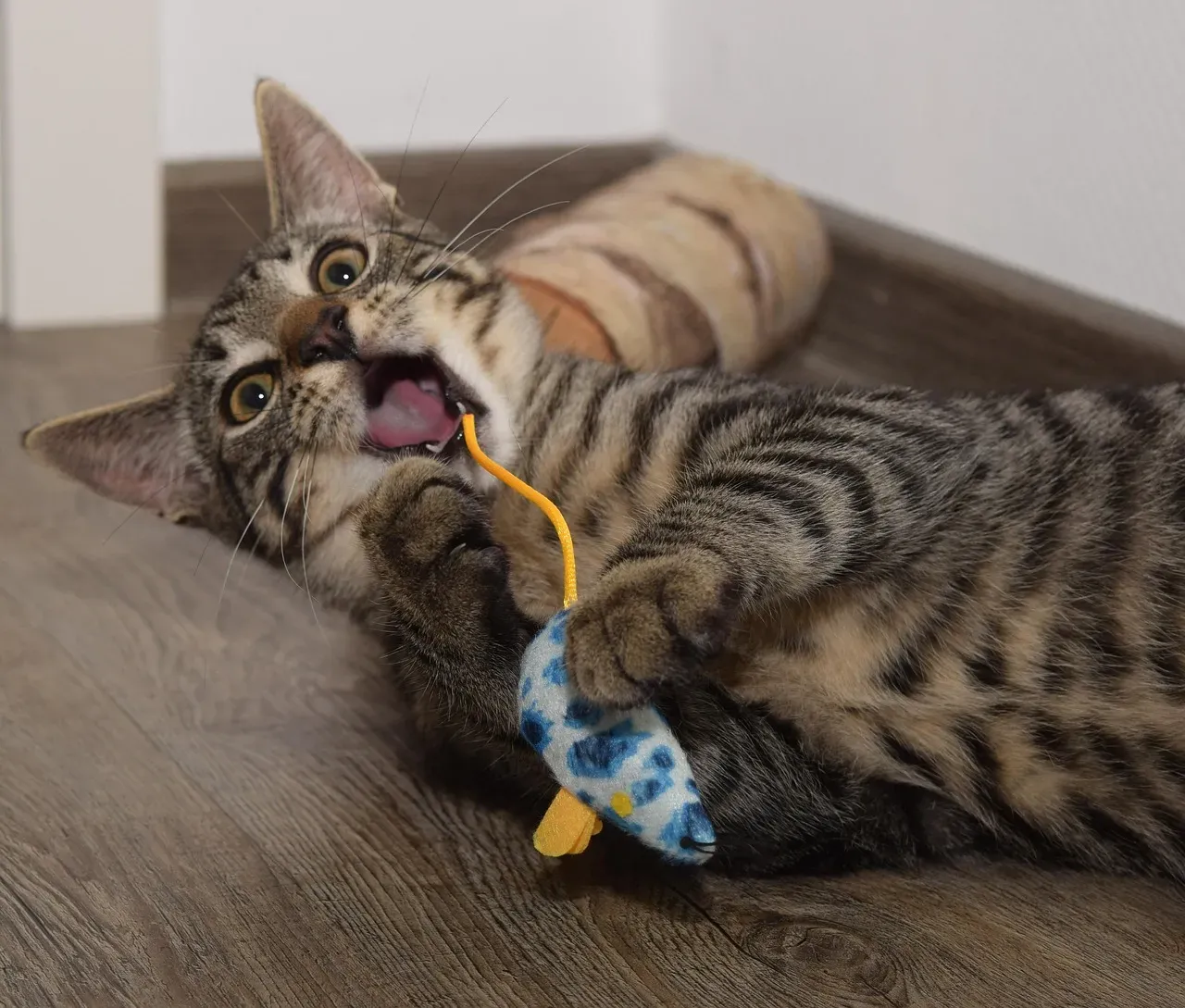
Ever watched your cat bat around a toy mouse repeatedly instead of just picking it up? It might look like they’re playing, but they’re actually practicing a crucial survival technique. Cats who rely on hunting to survive have learned that playing with prey and disorienting it before killing it reduces the chance of injury.
When a cat bats around its prey after the initial pounce, the cat is tiring out the animal until it’s safe to go in for the killing bite. Mice have sharp teeth, birds have pointy beaks, and even insects can sting or bite. A wounded or cornered animal fights hardest, so wild cats developed this technique of exhausting their prey first. When your house cat tosses a stuffed toy in the air, pounces on it, lets it go, and pounces again, they’re running through the exact same sequence their ancestors used to stay safe while hunting. It’s not cruelty or sadism; it’s intelligent risk management passed down through countless generations.
Conclusion
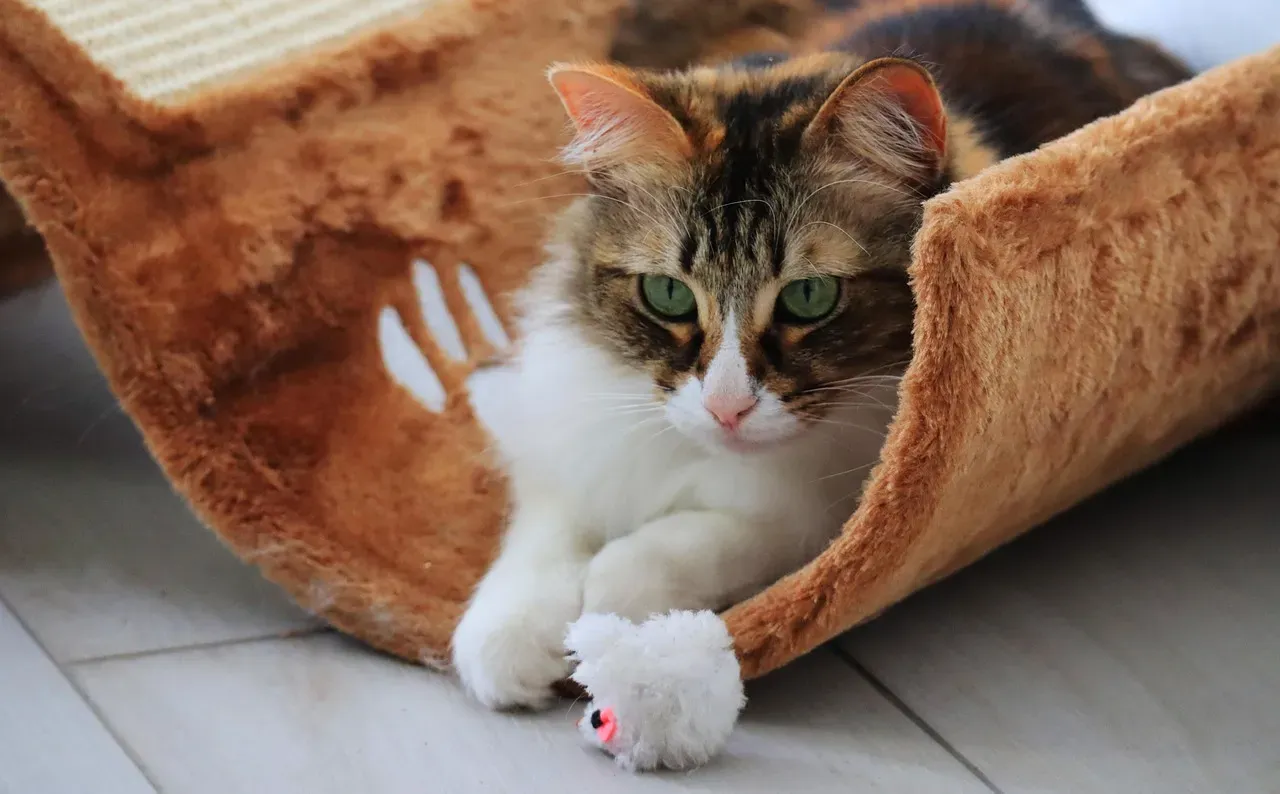
Your house cat might live a life of luxury that their wild ancestors couldn’t have imagined, yet beneath that soft fur beats the heart of a skilled predator shaped by thousands of years of evolution. These eight instincts aren’t just interesting trivia. They’re the key to understanding why your cat does what they do, from their midnight races through the house to their obsession with that particular cardboard box in the corner.
Recognizing these ancient behaviors helps you become a better cat companion. When you provide scratching posts, you’re not just saving your furniture; you’re giving your cat an outlet for territorial instincts. When you engage them with interactive toys, you’re satisfying their need to hunt. When you respect their need for high perches and hiding spots, you’re honoring survival instincts that kept their ancestors alive.
The next time your cat exhibits one of these behaviors, take a moment to appreciate the wild hunter living in your home. What’s the most surprising ancient instinct you’ve noticed in your own cat?
Kristina is a young writer from India. An arts graduate and an avid content creator, Kristina is passionate about animals and wildlife. She enjoys exploring topics related to pet care, animal behavior, conservation, and nature, combining thorough research with engaging storytelling.