Ever watched your feline friend knock over a glass, ignore the litter box, or suddenly swat at your hand and wondered what on earth they’re thinking? You’re not alone in feeling baffled by these moments. Here’s the thing, though: what we label as bad behavior is rarely about rebellion or spite.
Your cat isn’t plotting against you. They’re trying desperately to communicate something important. Let’s dive into what your furry companion might actually be telling you.
That Litter Box Avoidance Isn’t Defiance
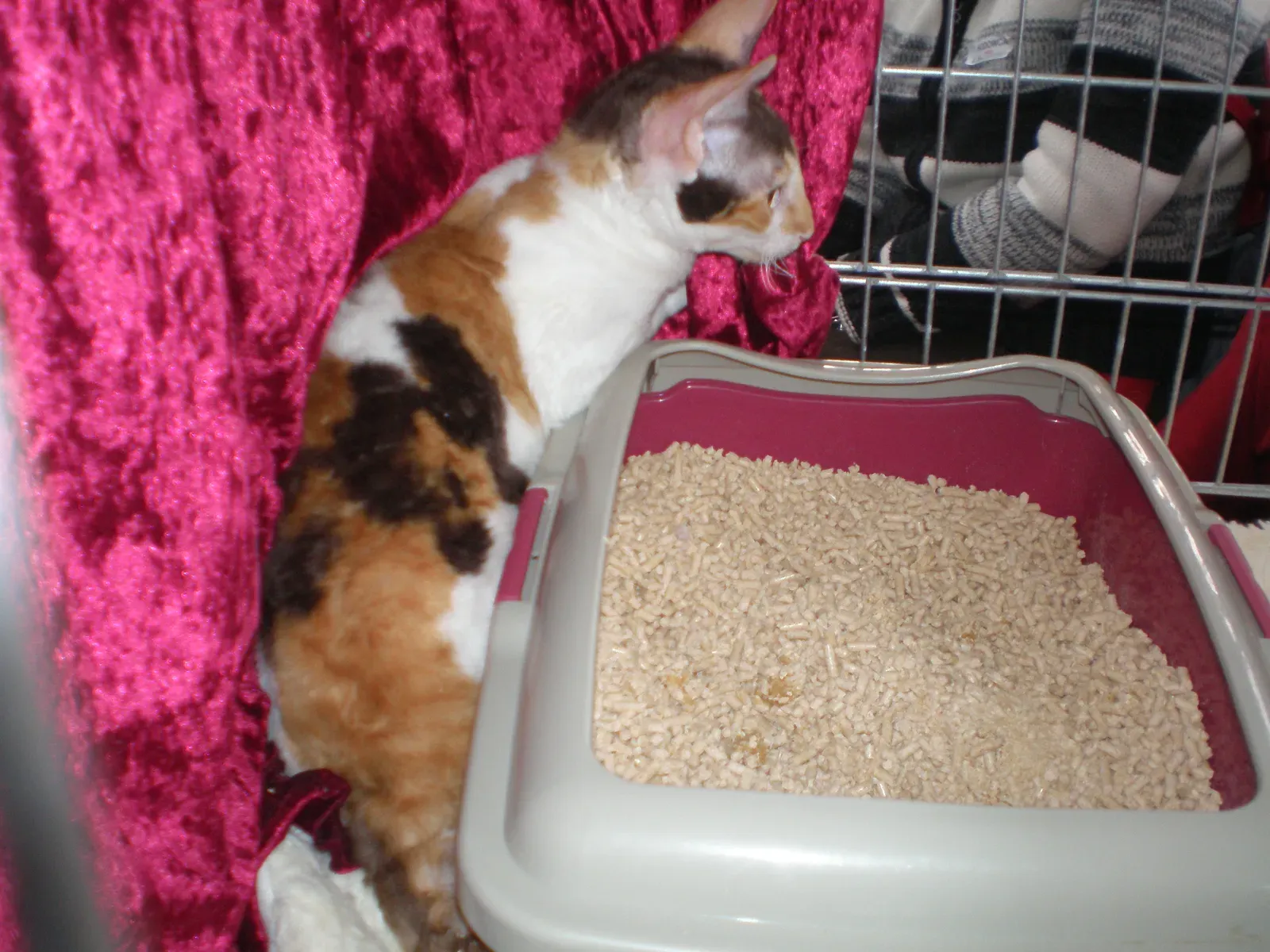
The most common feline behavior problems are associated with elimination. When your cat suddenly starts avoiding their litter box, it’s easy to feel frustrated or even offended. Yet this behavior often signals something deeper going on in your cat’s world.
It’s possible that a health problem might be behind issues with litter box behavior, as an older cat may not be physically able to climb into the litter box, or your cat may have a urinary tract infection. Think about it from their perspective. They might be associating the box with pain or discomfort. Avoidance of the litter box might arise because of aspects of the litter, box, or location that reduces appeal, and cats may also avoid the litter or box if fearful or when there is conflict between cats in the home.
Scratching Your Furniture Is Actually Healthy Communication
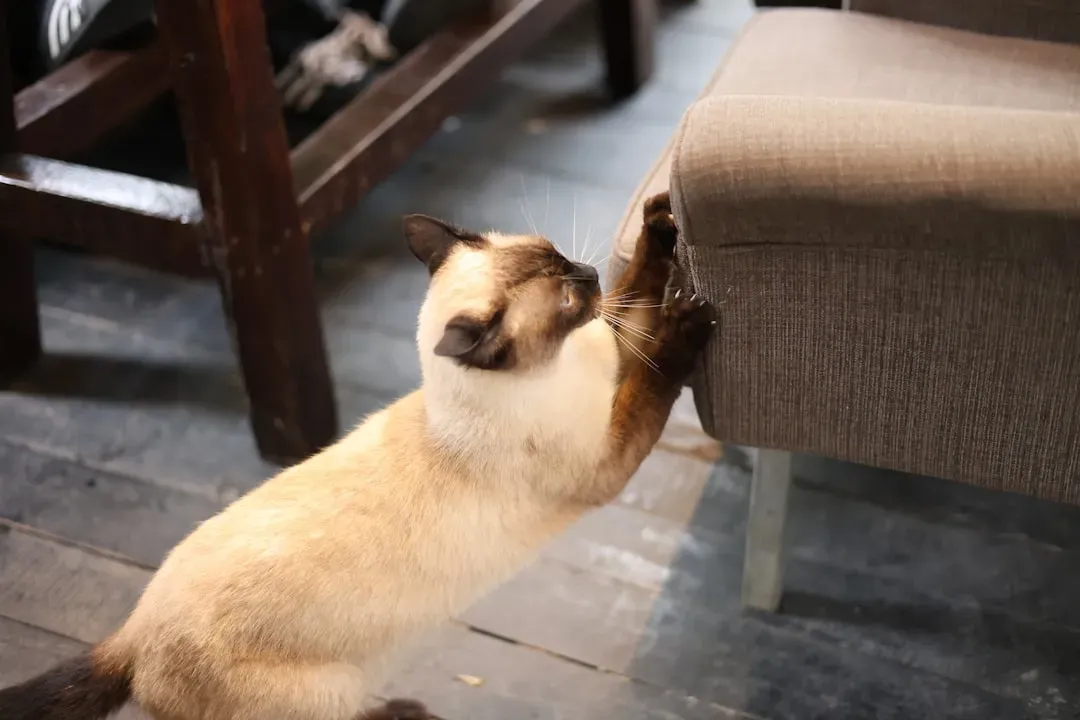
Cats enjoy scratching for many reasons, including stretching, marking their territory and playing. That beautiful couch you just bought? Your cat sees it as the perfect scratching post, not because they’re destructive, but because they’re following millions of years of instinct.
Honestly, scratching serves multiple purposes for your cat. Cats engage in scratching behavior for several reasons, as scratching helps them maintain the health of their claws by removing the outer sheath and keeping them sharp, allows cats to stretch their muscles and maintain their flexibility, and also serves as a way for them to mark their territory. Instead of viewing this as misbehavior, consider it a sign that your cat needs appropriate outlets for these natural urges.
Those Random Bites During Petting Sessions Have Warning Signs
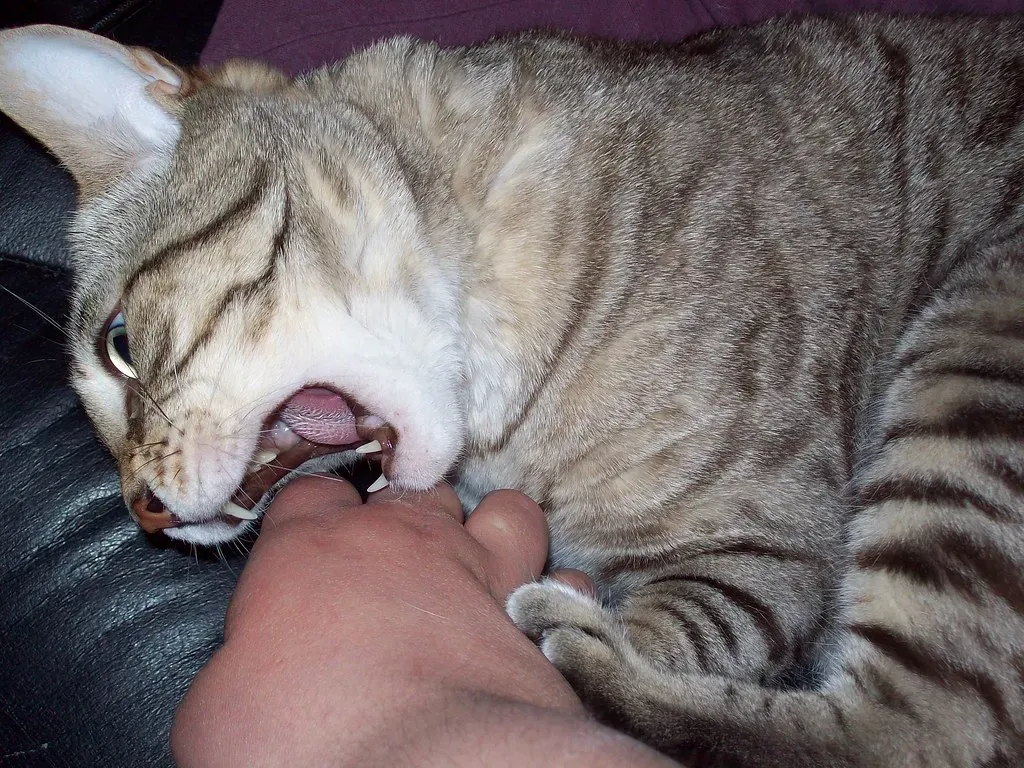
Cats may bite during petting sessions for several reasons: most often because they are overstimulated and have simply had enough, fear or redirected aggression or they don’t feel well, and in an adult cat it clearly means they want you to stop what you are doing. This behavior can feel shocking and sudden. Maybe you’re having a peaceful moment stroking your cat, and suddenly they bite.
From the cat’s standpoint, they’ve already given you several warning signs and signals prior to biting that they’ve had enough. Learning to read tail twitches, ear positions, and subtle body language changes can transform your relationship. For reasons that remain unknown, some cats may suddenly become aggressive when being petted, with possible explanations including overstimulation and an attempt by the cat to control when the petting ends. Your cat isn’t being mean. They’re simply reaching their sensory limit.
Stress Manifests as Problematic Behavior
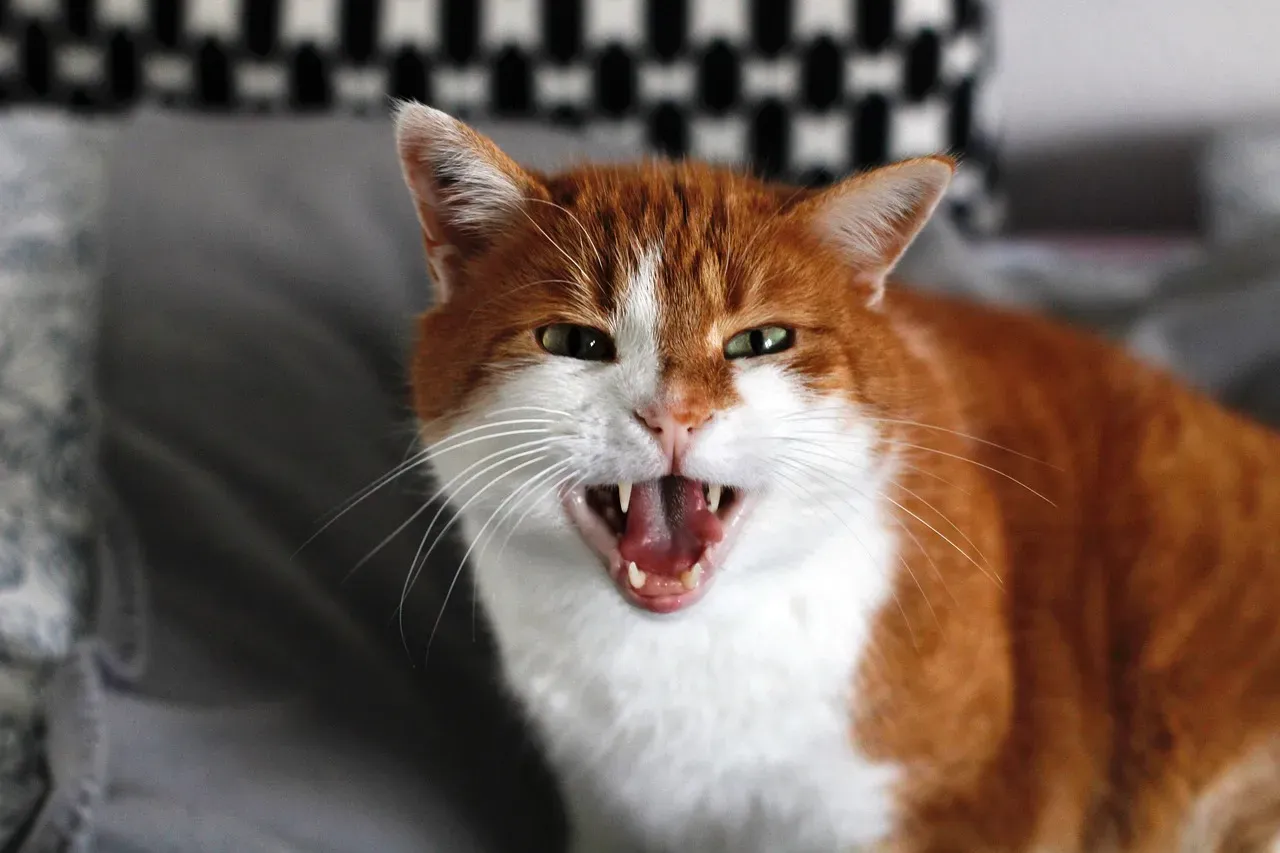
Cats can feel stressed for various reasons, such as from a minor situation or exposure to long-term stressors, and an unpredictable environment and major household or routine changes can make your cat act out for a period of time. Moving furniture, bringing home a new baby, or even changing your work schedule can trigger behavioral changes.
Felines are subtle animals and it can be tricky to tell if you’ve got a stressed cat in your home, as their behaviour might change slightly, or they might begin to do things that you perceive as being naughty, and in fact, the domestic cat can be great at hiding signs of stress or signs that they’re in pain. When your cat starts spraying, hiding constantly, or becoming aggressive, they’re waving a red flag about their emotional state. Cats that suffer from stress might start urine spraying, scratching furniture, or hiding more often, and these stress-related behaviors need to be addressed promptly together with the root of the problem.
Pain and Illness Drive Aggressive Responses
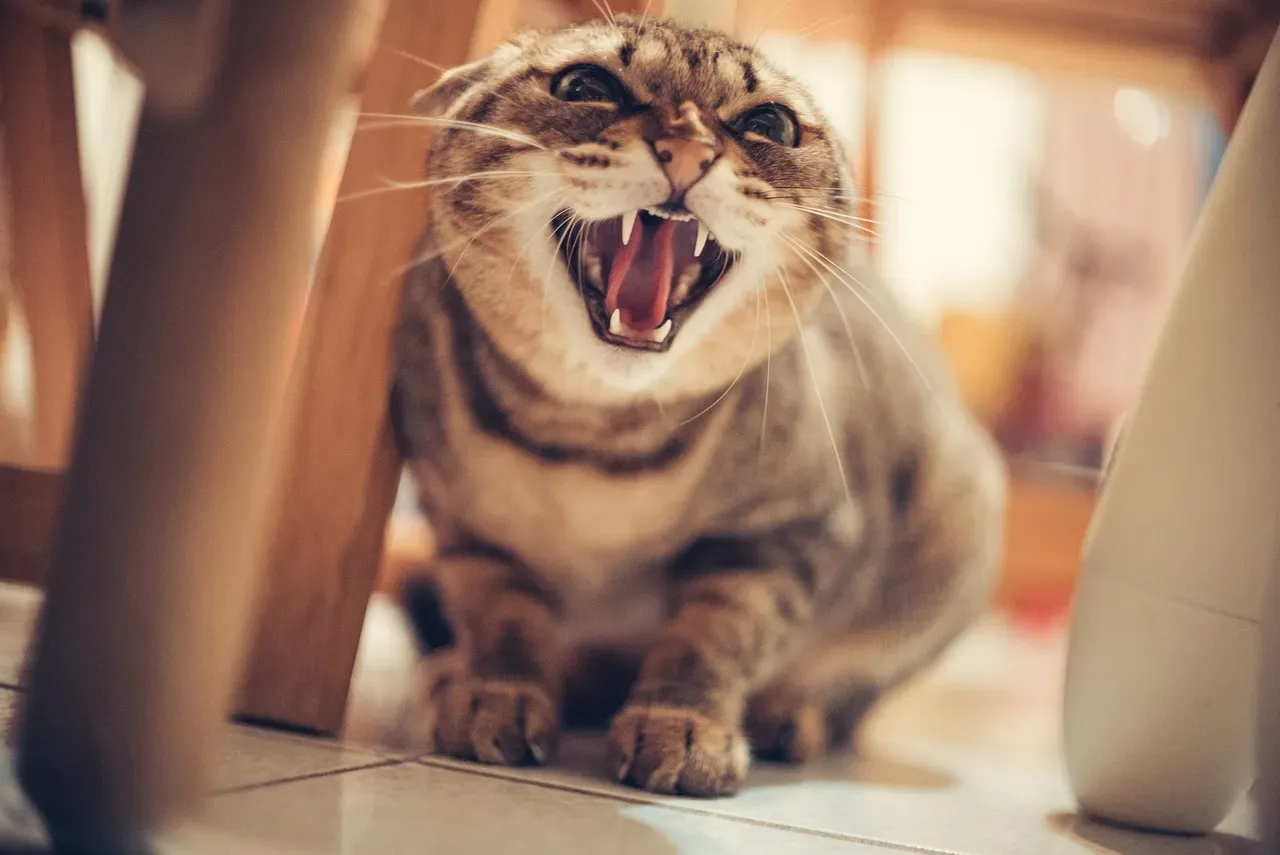
When a cat is not feeling good, whether it is from an illness or pain, their behavior could reflect it, and cats generally hide signs of illness or pain well to avoid appearing vulnerable. Your sweet companion might suddenly become cranky or withdrawn when they’re hurting. It’s hard to say for sure, but sudden behavioral shifts often indicate medical issues.
If your cat has a medical condition, she may bite because of the pain she’s feeling. Cat stress often arises from pain, such as from an injury or chronic condition, for example, senior cats who develop arthritis can experience discomfort throughout their whole body. Before labeling any behavior as purely behavioral, a thorough veterinary exam is essential. What looks like misbehavior might actually be your cat’s only way of telling you something hurts.
Socialization Gaps Create Play Aggression
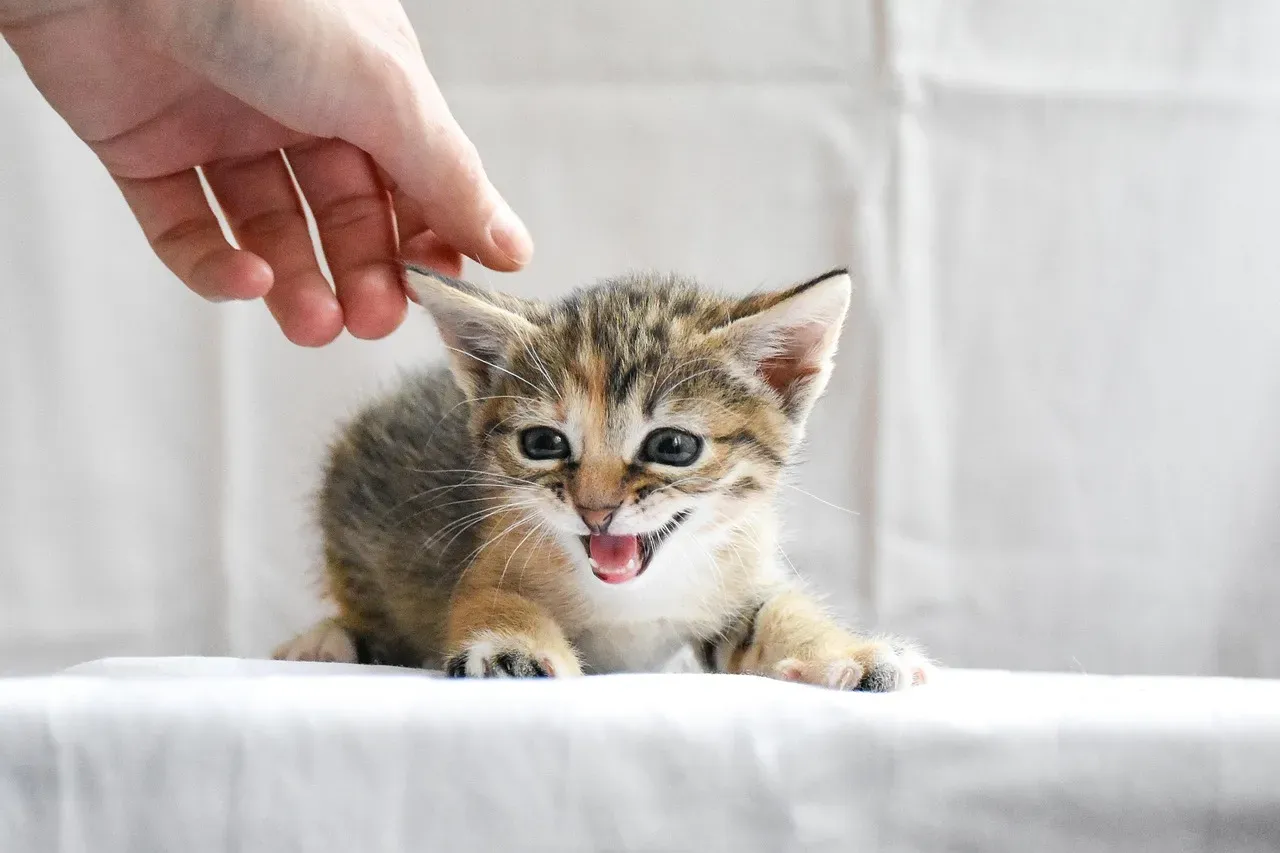
Young cats and kittens that were not raised with littermates, or that lack opportunities to play most commonly show play aggression, as learning appropriate play is an important part of a cat’s socialization, and this normally occurs during time spent with littermates, where cats learn that they are biting or scratching too hard when their littermates stop playing or retaliate, and cats raised alone during their early lives may not learn this important lesson.
Think about a kitten separated too early from their family. They miss out on crucial lessons about boundaries and bite inhibition. A cat’s main form of play involves biting and scratching in winner takes all battles, and one of the first rules for human companions is do not teach your cat that hands are toys. When your cat pounces on your ankles or nips during play, they’re not being mean. They simply never learned the rules of engagement properly.
Environmental Enrichment Prevents Many Issues
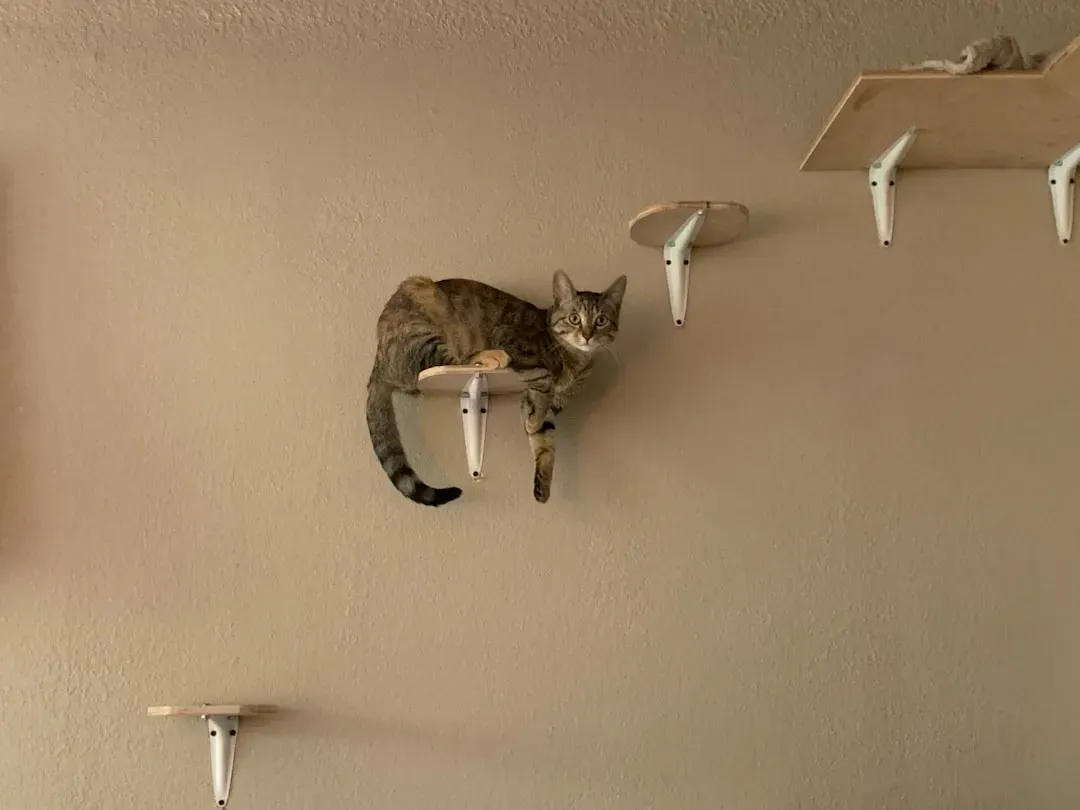
Environmental enrichment supports emotional and physical health and helps cats feel safe and relaxed, and cat trees, perches and shelves allow cats to relax far away from perceived danger. A bored cat is often a destructive cat. Without proper stimulation, your feline friend will create their own entertainment, which might include behaviors you find problematic.
To motivate cats to play, you should find a number of toys that interest your cat and play with several different toys until the cat’s interest wanes, and cats may also be offered small toys for batting and chasing. Providing vertical spaces, puzzle feeders, and interactive toys isn’t just nice. It’s necessary. Boredom can lead to behavioral issues, so provide your cat with toys, playtime, and opportunities for exploration to help prevent boredom-related misbehavior.
Multi-Cat Households Require Special Attention
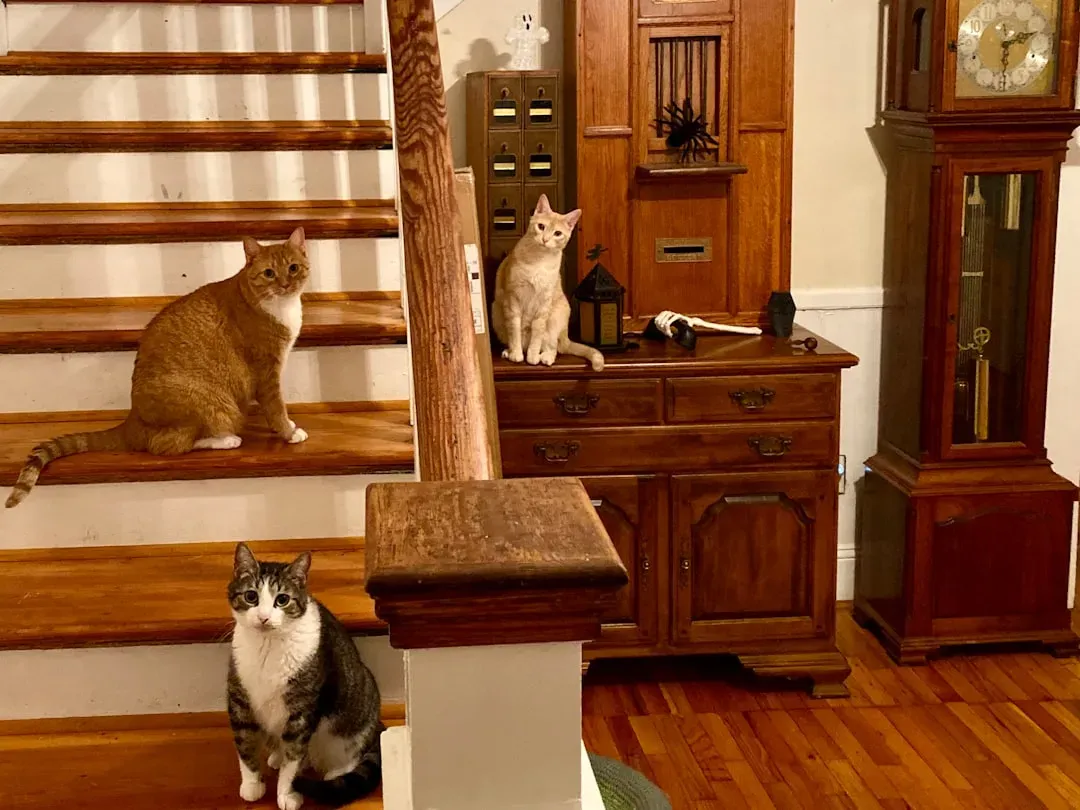
Circumstances that cause stress might include cats living with other cats, as this is one of the most common reasons that can cause stress in cats, and they’re not naturally inclined to live with other cats, so they’ll need careful introductions if they are to get along. Adding another cat to your household seems like a great idea until territorial disputes begin.
Cats who live in a multicat household are more likely to be stressed, especially if you do not provide enough resources, such as litter boxes, scratching posts, and food and water bowls. Competition for resources creates tension that manifests as aggression, inappropriate elimination, or withdrawal. Sharing facilities is stressful for many cats, and some cats prefer one box for solids and another for liquids, so offer one litter box per cat plus one. What you interpret as jealousy or meanness is actually your cat feeling threatened in their own territory.
Understanding Body Language Prevents Escalation
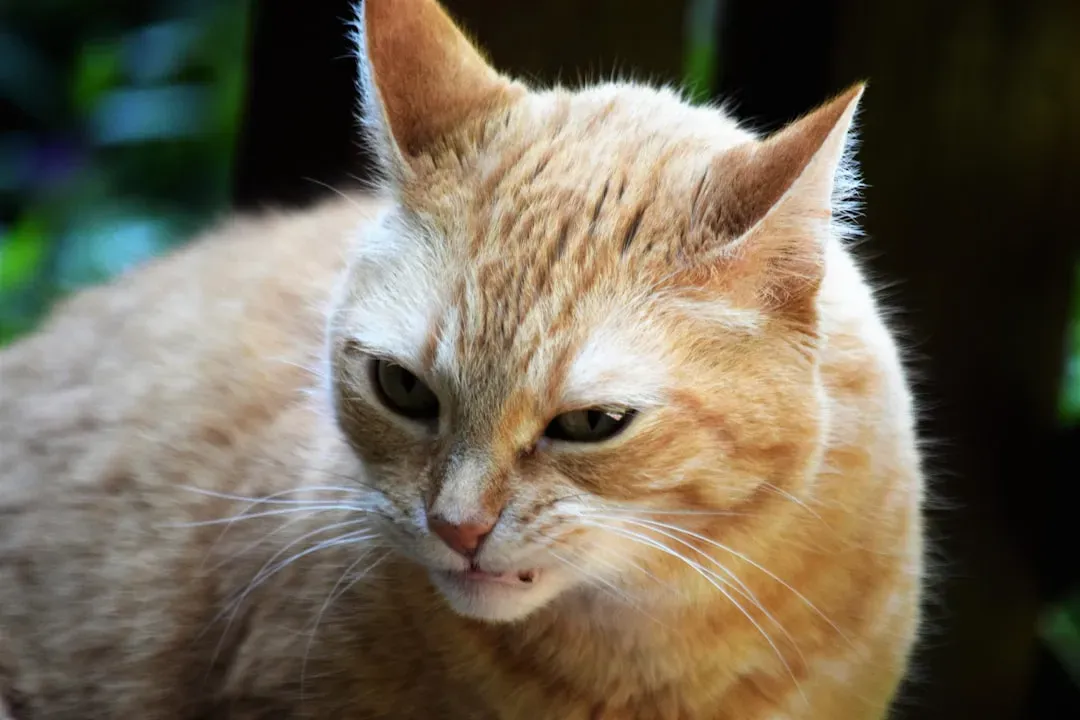
Regardless of their cause, recognizing the signs that a cat is fearful or aggressive can help prevent injury to pets and people, as these cues can be separated into two categories: those observed in the face and head and those expressed by body posture. Your cat is constantly communicating through subtle signals that many people miss entirely.
In many cases, the cat will demonstrate dilated pupils, tail lashing, and ears moved backward on the head before becoming aggressive. Flattened ears, a twitching tail, or wide eyes aren’t random. They’re your cat’s way of saying they need space. Whatever the reason, a cat often gives warning signs before she bites, and if she is hissing, flattens hers ears or emits a low growl, it’s time to back away. Learning to recognize and respect these signals transforms seemingly unpredictable aggression into perfectly understandable communication.
Conclusion: Listening to What Your Cat Really Needs
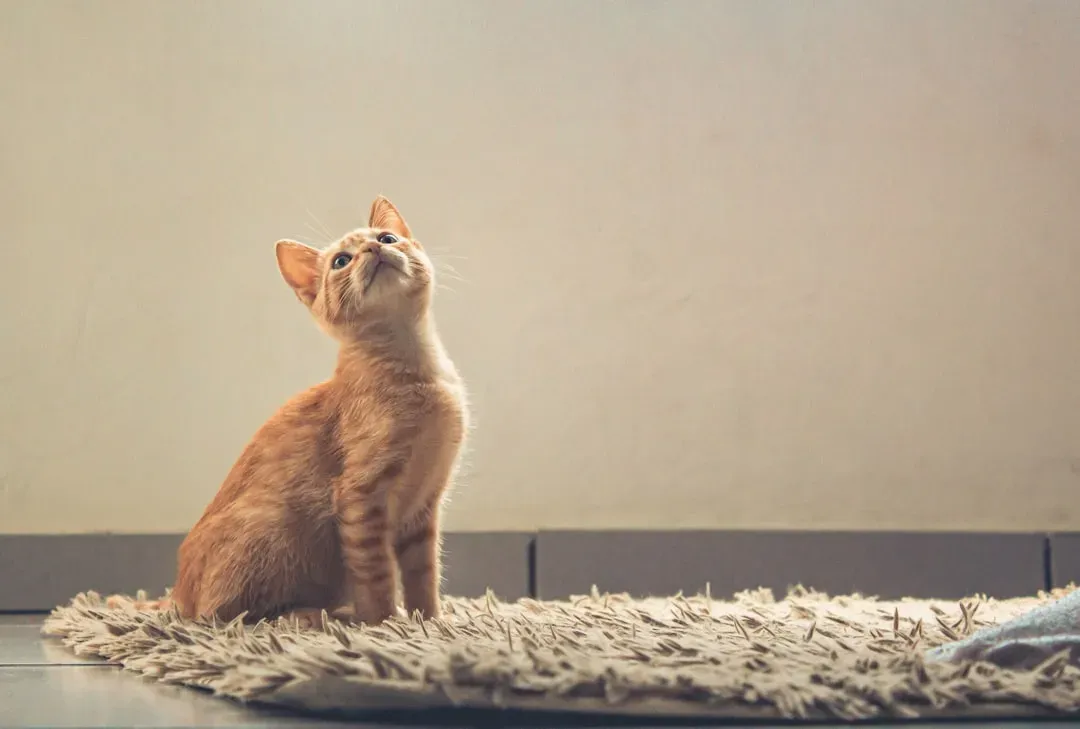
What we perceive as bad behavior is often our cats’ natural response to stress, environmental changes, or underlying health issues, and understanding the root causes of these behaviors is crucial for addressing them effectively and maintaining a harmonious relationship with your pet. The next time your cat does something that frustrates you, pause before reacting.
Before you think that what your cat needs is to be punished or reprimanded for their behavior, it’s important to understand the possible reasons behind it, as this allows you to find the best ways to address this behavior and understand your feline better. Your cat’s misbehavior is rarely about defiance. It’s about unmet needs, discomfort, fear, or simply being a cat in a world designed for humans. By shifting your perspective from punishment to understanding, you open the door to a deeper, more fulfilling relationship with your feline companion. What behaviors have you noticed in your cat that might be telling you something important? Share your experiences in the comments below.
Kristina is a young writer from India. An arts graduate and an avid content creator, Kristina is passionate about animals and wildlife. She enjoys exploring topics related to pet care, animal behavior, conservation, and nature, combining thorough research with engaging storytelling.