You spent real money on that glittery ball, that squeaky fish, that elaborate motorized contraption with six speed settings. You set it down with barely suppressed excitement. Your cat walked over, sniffed it exactly once, and went back to batting a crumpled receipt off the kitchen counter. Sound familiar? Honestly, you’re not alone. Countless cat owners experience this exact scene and are left genuinely puzzled.
Here’s the thing: the problem usually isn’t your cat. It’s the toy. More specifically, it’s the mismatch between what you bought and what your cat’s brain is actually wired to respond to. Once you understand the fascinating science behind feline play, you’ll start to see your entire toy drawer differently. Be surprised by what you’re about to discover.
Your Cat Is Still, Deep Down, a Hunter
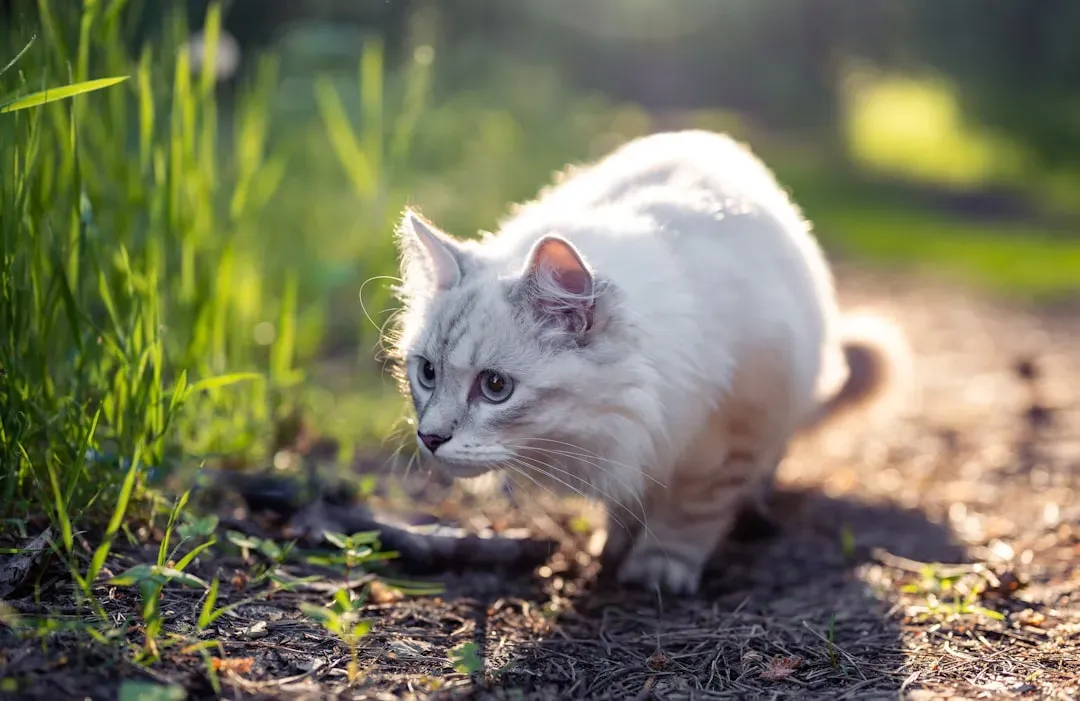
Every cat carries the instinct to hunt, and play behavior is simply an expression of those hunting instincts, just directed toward toys instead of actual prey. It sounds obvious, but the implications are enormous. When you toss a static felt mouse across the floor and expect your cat to go wild, you’re essentially asking a shark to get excited about a painting of a fish.
That sudden burst of energy at 3 a.m., the unprovoked attack on your ankles, the shredded toilet paper – these aren’t random quirks. They’re signs of a brilliant hunter stuck with a desk job. Your cat is hardwired to stalk, chase, and pounce. When those instincts have no outlet, you get boredom and mischief. So yes, that midnight sprint through the hallway? That’s your cat telling you something important.
The Problem With “Dead” Toys
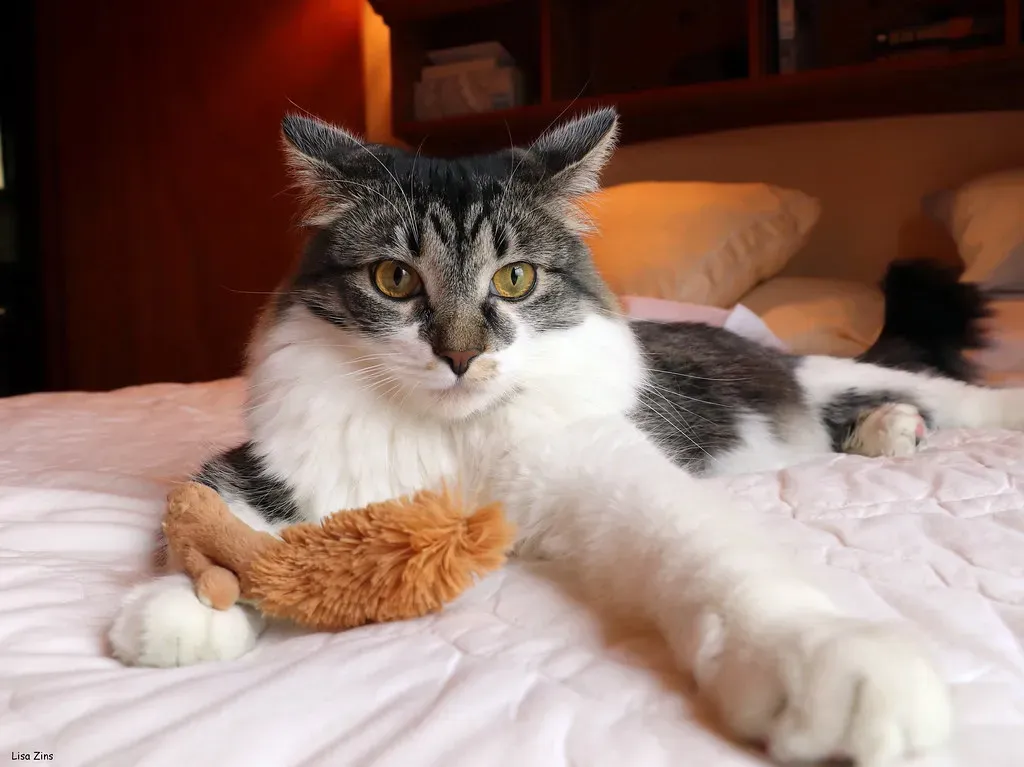
Most cats respond more to interactive toys or to toys attached to a wand that you can manipulate to move in ways prey naturally does in the wild. On the other hand, toys that play dead, like felt mice, don’t stimulate cats’ stalking instincts. Think about it like this: a cheetah doesn’t feel the thrill of the hunt by staring at a motionless antelope. Neither does your tabby.
Without human interaction, your cat’s toys are essentially dead prey. They require the flick of a paw to start moving. That’s why the toy just sits there. Your cat might give it a swat or two, but the prey never “runs,” never darts unpredictably, never hides. The hunt never begins. You could buy every trending toy on the market, but none of them will trump the moment you move a wand just right and spark a hunt sequence that ends with a triumphant pounce.
Movement Is Everything – But Not Just Any Movement

Using interactive toys that mimic the movements of prey can be an effective tool for engaging with cats. Unpredictable changes in direction, diving into hiding places, and moving along the edges of rooms can all catch a cat’s attention. This is why a random piece of string dragged across the floor can outperform a fifty-dollar electronic gadget. The movement is organic, erratic, and believable.
Certain sounds, such as rustling noises, and movement are attractive to cats and often instigate stalking behavior. So that crinkle ball you almost threw away? It might actually be one of your cat’s best toys. The sound triggers something primal. There are several features of Mylar crinkle balls that make them irresistible to cats. They make a rustling sound when the cat starts to play with them, which seems like they are talking back.
Your Cat’s Age Changes Everything About Play
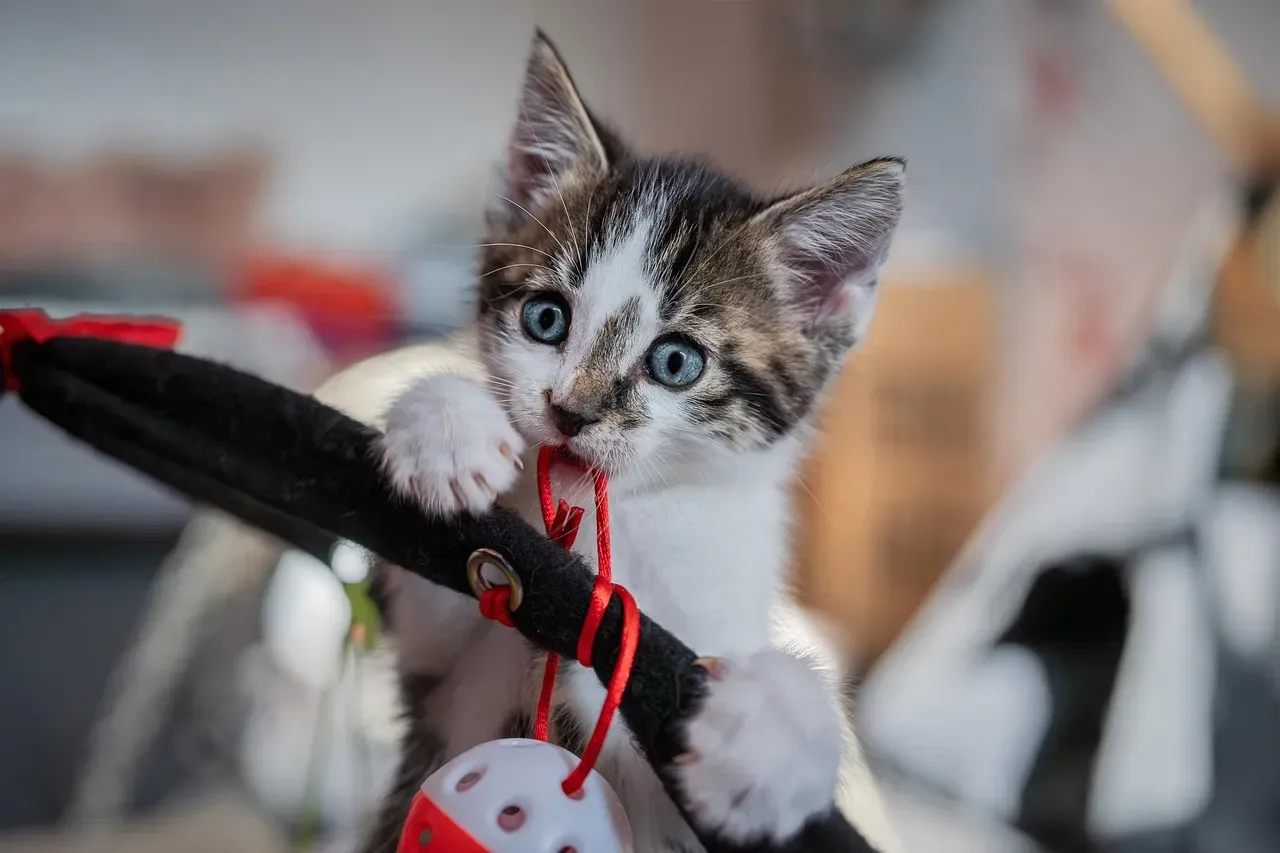
One of the most common reasons a cat might not play with toys is their age. A kitten will launch itself at practically anything with feathers or a bell attached. A five-year-old cat has different energy levels and frankly, different standards. A senior cat is playing by an entirely different rulebook. The toys that worked last year may be genuinely wrong for your cat right now.
Senior cats may require less playtime. They often enjoy less vigorous activity. Aim for shorter five to ten-minute sessions with gentle engagement through slow-moving interactive cat toys. Consider softer toys that are easier on their aging joints, ensuring they maintain activity and mental engagement. So when your older cat ignores the toy that once drove them into a frenzy, it might simply be time to meet them where they are now.
Your Cat Might Be Bored, Not Uninterested
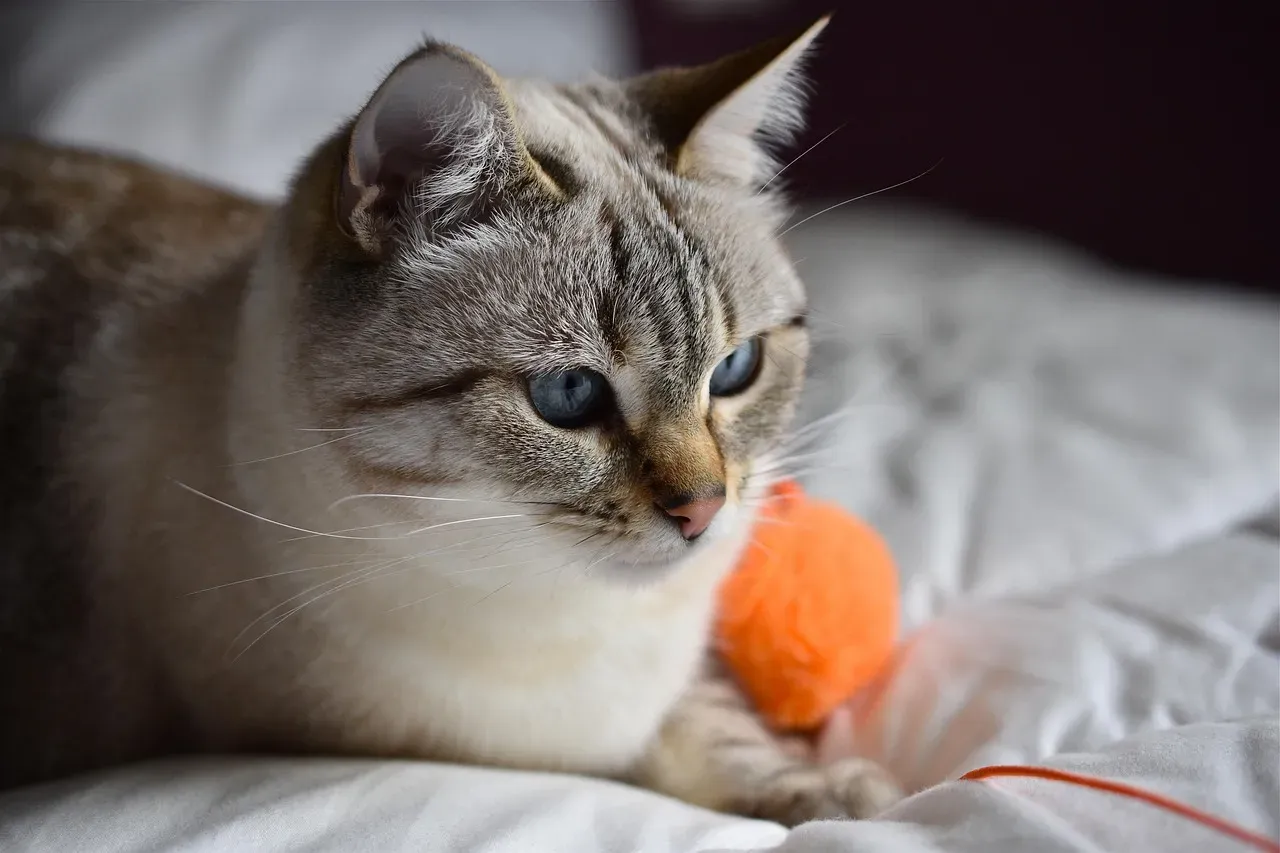
Like humans, cats can get bored with the same old toys and activities. You can keep your cat’s interest by rotating their toys and occasionally introducing new ones. Imagine eating the same meal every single day from the same plate in the same chair. That’s what your cat experiences when the same five toys sit in the same basket, untouched for three months.
Toy rotation is a simple idea that will keep your cat more interested in playing and prevent boredom. Instead of leaving toys out all the time so that they lose their appeal, toys can be put out of sight. Each rotation is like getting a new set of toys, which brings excitement back to play and reduces boredom. It’s a shockingly low-effort fix that most cat owners never try. Honestly, it works better than buying a new toy every week.
Scent Plays a Bigger Role Than You Think
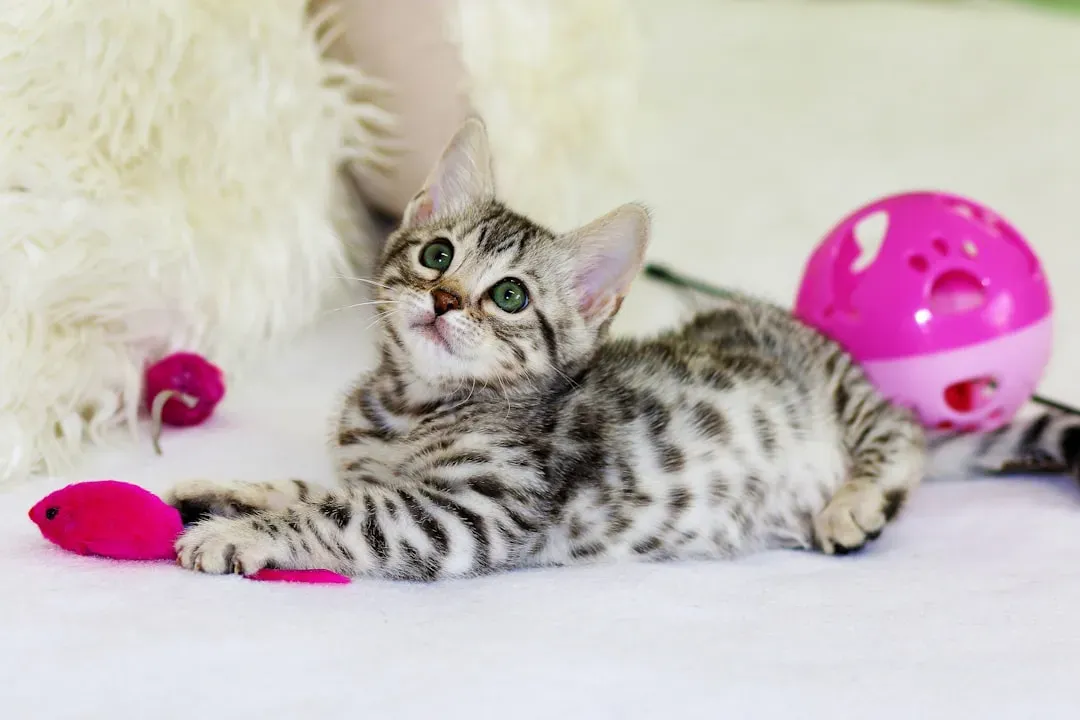
If a toy is unscented or the aroma has faded over time, you can refresh it by placing it inside a sealed jar with loose catnip, silver vine, or valerian for a day or two to increase its appeal. These natural scents, combined with textures like feather and fur, and movement, will super-activate a cat’s sensory-driven play instincts. Your cat’s nose is their most powerful sensor, and most toy manufacturers design for human eyes, not feline nostrils.
Alternative herbs can provide similar enrichment for non-responsive cats. Silver vine, valerian root, and tatarian honeysuckle often trigger excitement in cats who ignore catnip completely. Many pet stores now offer multi-herb blends designed specifically for catnip-insensitive cats. It’s hard to say for sure why some cats don’t respond to catnip at all, but the good news is there are several alternatives worth experimenting with.
Puzzle Toys and Feeders Are Wildly Underused
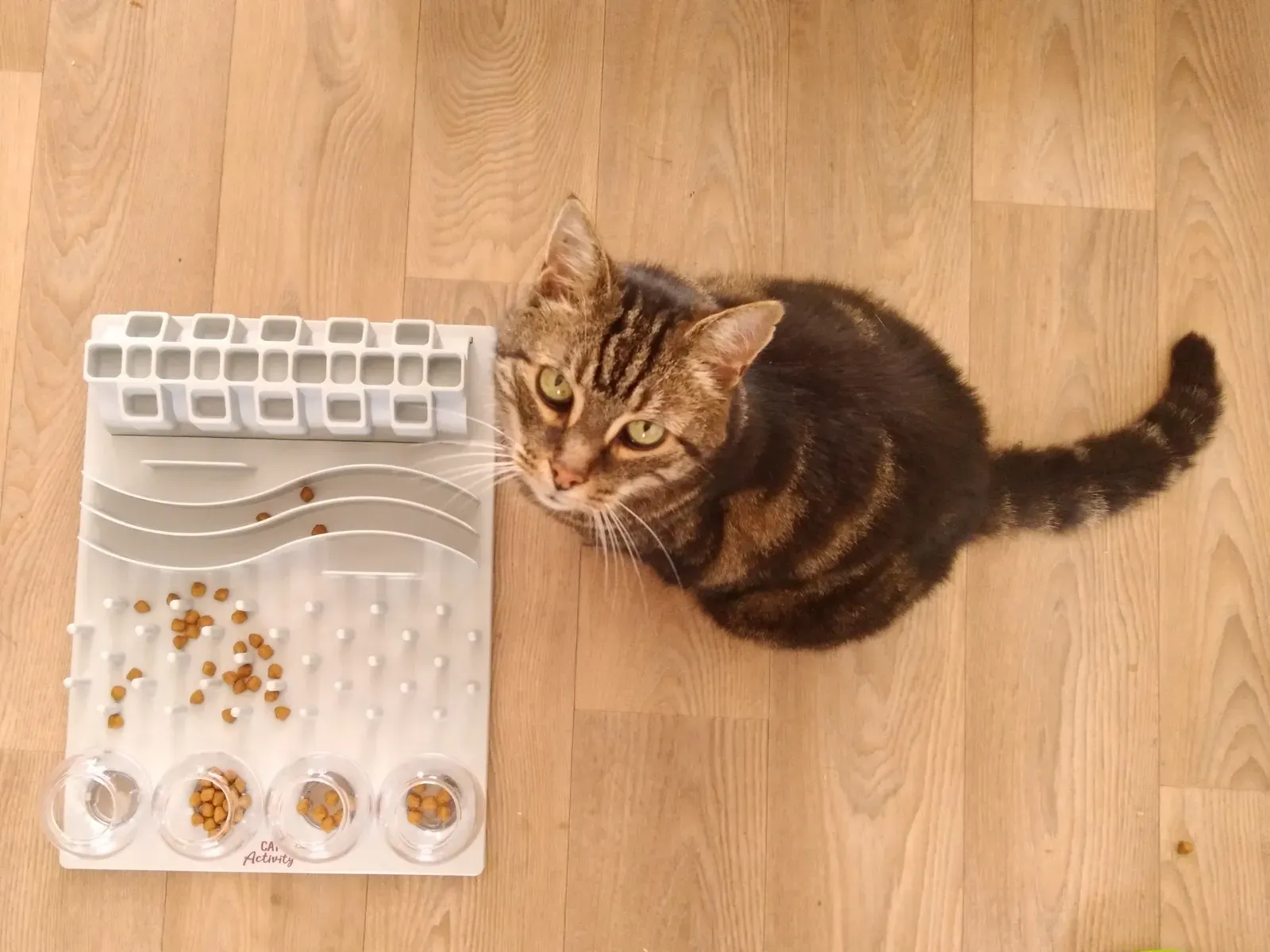
Puzzle feeders are mentally stimulating brain games for cats that bring out their hunting and foraging instincts. They force cats to work for their food, which is what they’d be doing in the wild. Most cat owners simply pour food into a bowl without realizing they’re stripping their cat of one of nature’s most satisfying rituals: earning a meal. It’s the equivalent of removing all purpose from a workday and wondering why your cat seems flat.
Turning mealtime into a brain game with puzzle feeders means your cat must bat, nudge, or slide pieces around to get to their food or treats. It’s a brilliant way to make them work for their meal, which stimulates their mind and satisfies their natural hunting instincts. Instead of just gobbling down their food in seconds, they get a rewarding challenge that keeps them busy and prevents boredom. Let’s be real, this is one of the most overlooked upgrades you can make for your cat’s daily life.
When Your Cat Stops Playing, Pay Attention
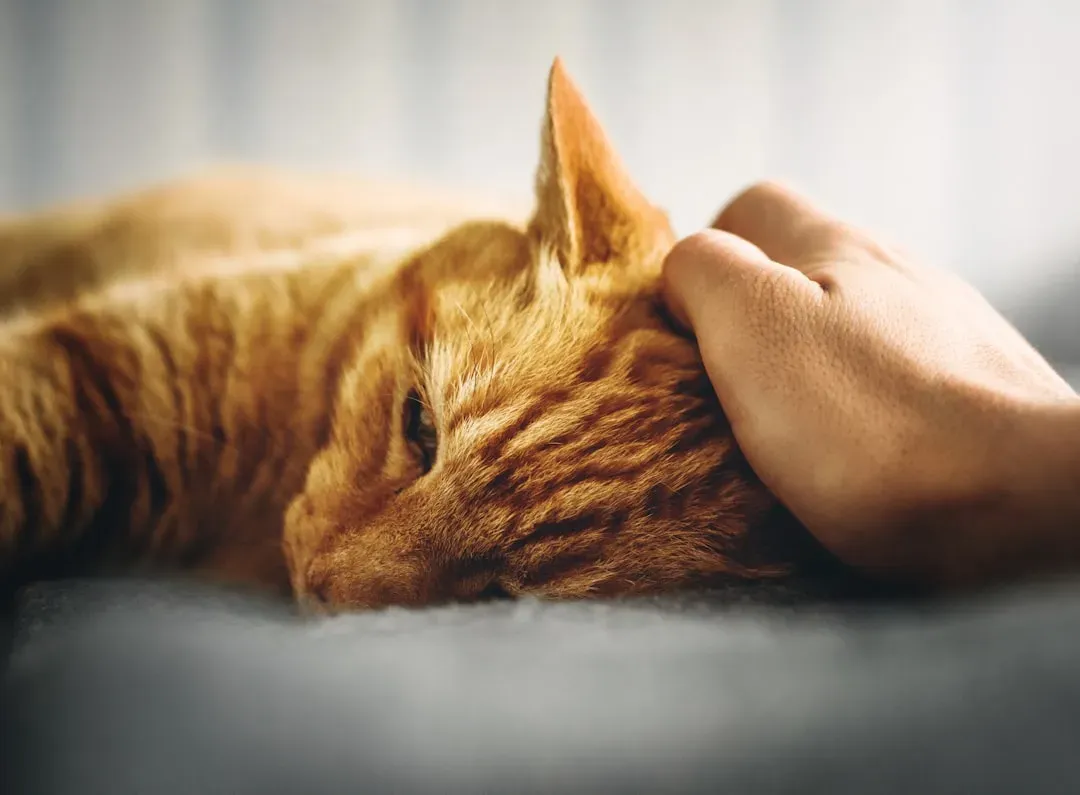
Another important factor is your cat’s health. If your cat suddenly stops playing with toys, it could be a sign of an underlying health issue. Cats are masters at hiding pain and discomfort, so a lack of interest in play might be their way of telling you something is wrong. If you suspect this might be the case, it’s important to consult with your veterinarian to rule out any medical problems.
A decrease in playfulness can sometimes indicate health issues. If you notice a sudden disinterest in play, along with other changes in your cat’s behavior like lethargy or decreased interaction, it’s important you consult a vet as soon as possible. They will be able to give your cat a full check and rule out any underlying medical conditions. This isn’t something to brush off. A toy problem and a health problem can look identical from the outside.
How to Actually Build a Toy Collection That Works
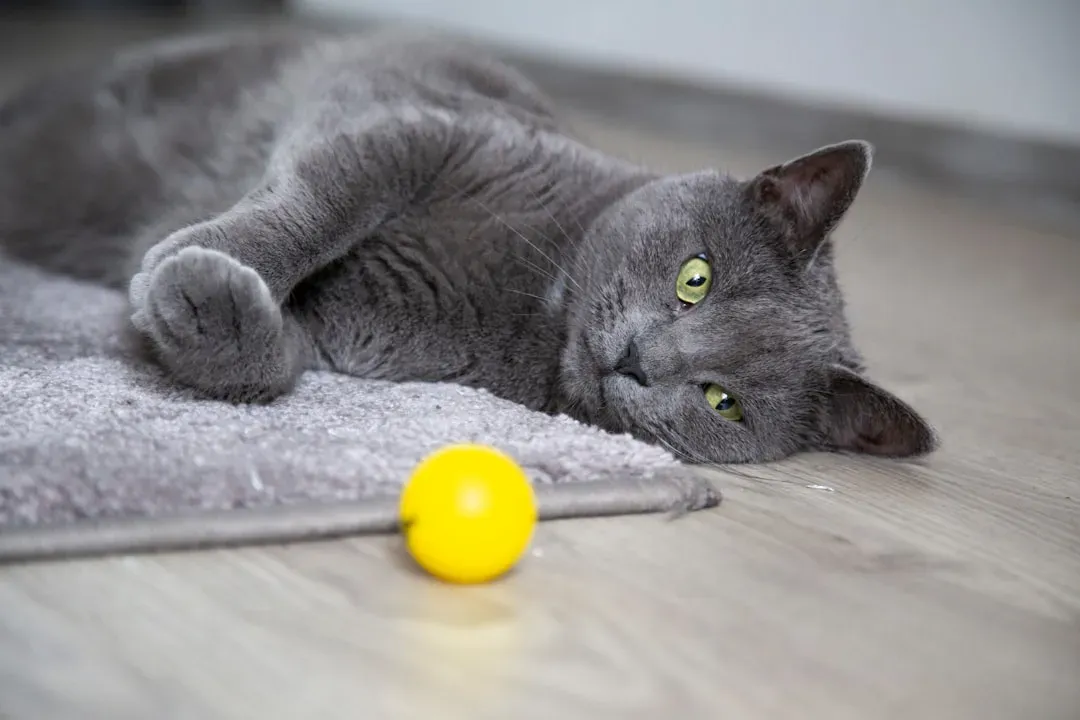
Experts break cat toys down into categories like interactive, inanimate, puzzles, and electric. You should keep a variety of toys available at home to make play interesting for cats and ensure they don’t get bored. Different toys also stimulate different natural instincts, like chasing, seeking, pouncing, and exploring. Variety isn’t just nice to have; it’s the actual strategy.
Aim for at least ten to fifteen minutes of interactive play daily to establish a routine. Predatory activity will naturally occur around dawn and dusk, so morning and evening playtimes are likely to be the most successful. Structure matters more than spontaneity. Keep play sessions brief but engaging, ending on a high note with a favorite treat. This approach ensures play remains a positive activity that your cat can look forward to. Build a habit, not just a toy pile.
Conclusion: It’s Not the Cat, It’s the Approach
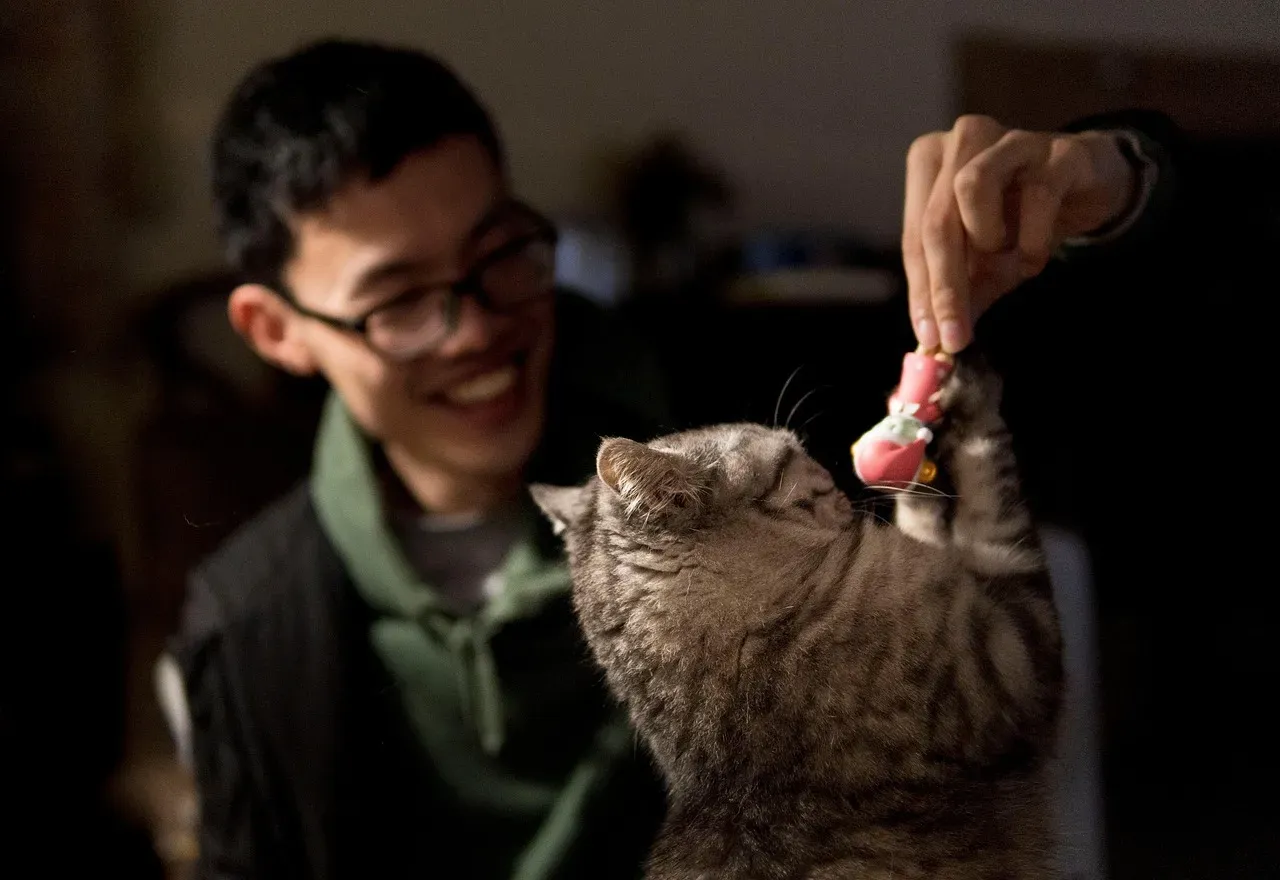
Here’s the honest truth: your cat isn’t ignoring you, being difficult, or proving some stereotype about feline aloofness. If your cat ignores their fancy new toy, it doesn’t mean they’re ungrateful, a couch potato, or “not playful.” It means they’re a cat with instincts, preferences, and boundaries. Once you start working with these and understand how your cat sees the world, you’ll start to see why some toys work for them and why others don’t.
Swap out the static toys for ones that move unpredictably. Rotate what’s on the floor every few days. Add scent. Try puzzle feeders. Play during dawn or dusk. Watch your cat come alive in ways that genuinely surprise you. Providing toys for your cat is not just about keeping them entertained; it’s an essential part of ensuring their overall health and happiness.
The right toy doesn’t have to be the most expensive one. It just has to speak your cat’s language. So, when was the last time you truly played with your cat, not just tossed something their way and hoped for the best? Drop your thoughts in the comments below.
Kristina is a young writer from India. An arts graduate and an avid content creator, Kristina is passionate about animals and wildlife. She enjoys exploring topics related to pet care, animal behavior, conservation, and nature, combining thorough research with engaging storytelling.