Bringing a new pet home is one of the most genuinely exciting things you can do as a cat owner. The idea of your resident cat finally having a companion, or watching two very different animals figure each other out, can feel like pure joy from the outside looking in. What most people don’t fully appreciate until they’re in the middle of it is just how fragile those first few days and weeks really are.
Bringing a new cat into a household with an existing feline friend is a delicate process that must be approached thoughtfully. Poor or rushed introductions can lead to fear, aggression, and long-term behavioral issues. The good news is that most of these pitfalls are entirely avoidable. Here are the eight most common mistakes cat owners make during introductions, and exactly what you should do instead.
1. Letting Them Meet Face-to-Face Right Away

This is the big one. You get home, you’re excited, and the temptation to just open the carrier and let things unfold naturally is almost overwhelming. Cats are intensely territorial beings. The advice to “just put them in a room together and they’ll work it out” can backfire badly. Just as often, they might work out a physical confrontation rather than a friendship, and bringing a new cat home can trigger the territorial panic switch in your existing cat.
One of the major mistakes cat parents make during this process is letting their cats meet too soon. Maybe you thought they were ready, or perhaps you just wanted to get the process over with. Rushing it can lead to a range of negative outcomes, primarily stemming from the cats’ territorial instincts and the stress of sudden changes in their environment. The safest thing you can do on day one is keep them completely separated and let them begin learning about each other through scent alone.
2. Skipping the Scent Introduction Phase
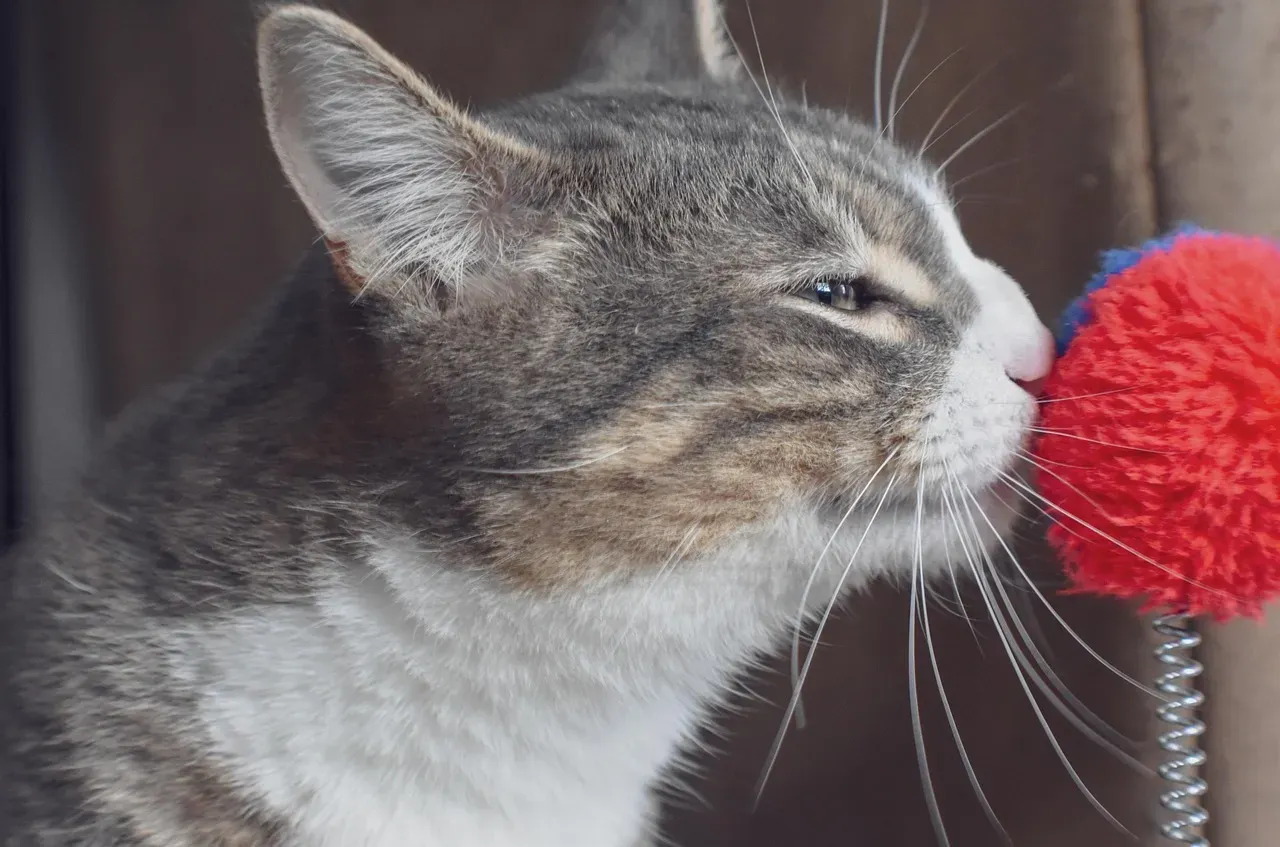
Before letting the pets see each other, you should let them smell each other’s bedding. Scent is the most important factor in introductions. This step is so often glossed over, yet it does a tremendous amount of work toward building a peaceful relationship before your cats ever lay eyes on each other. Think of it as a handshake that happens without either party needing to be in the same room.
Switching sleeping blankets or beds between your new cat and your resident animals gives them a chance to become accustomed to each other’s scent. You can also rub a towel on one animal and put it underneath the food dish of another, doing this with each animal in the house. Swapping food bowls between the cats helps them start to associate the positive act of eating with the scent of the other cat. That simple pairing of a good experience with an unfamiliar smell is genuinely powerful.
3. Not Setting Up a Dedicated Safe Room for the New Pet
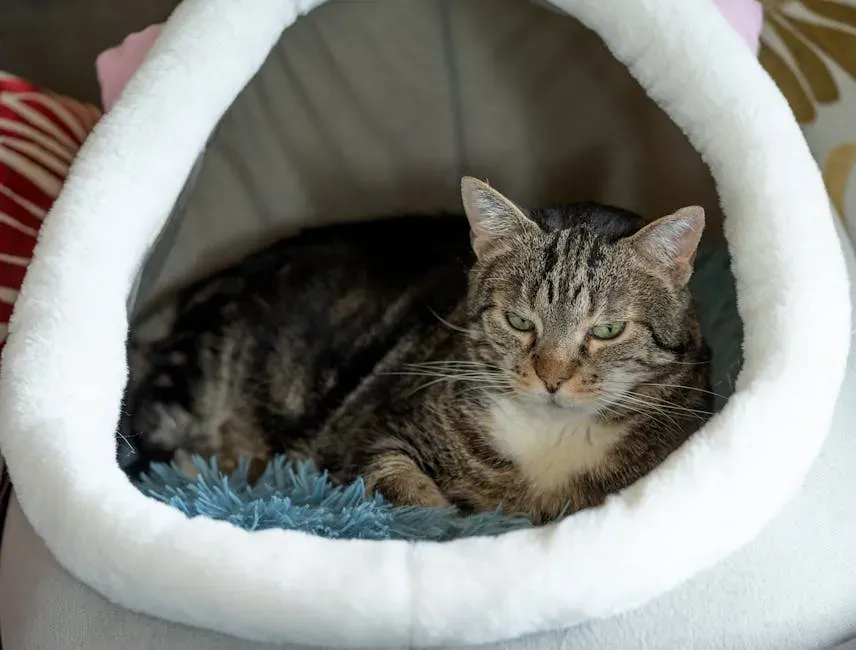
Introducing a kitten or new cat to the entire house on day one is a guaranteed recipe for territorial disaster. Cats are creatures of habit, and suddenly dropping a highly energetic intruder into your resident cat’s domain will instantly trigger their defensive instincts. Your new pet needs its own space to decompress, not a crash course in navigating someone else’s already-established territory.
Your new cat should be kept in a single room during the initial stages of the introduction process. This is important for both the new cat, so they can begin to feel comfortable in their new territory, and for the resident cat, so they can adjust to the new cat’s presence in the home. Ideally, the new cat is kept in a room that the resident cat doesn’t spend all that much time in. This room should contain their own set of resources including food, water, a litter box, perches, hiding spots, scratching surfaces, and toys, and it should be quiet and away from high-traffic areas.
4. Rushing Through the Process Because Things “Seem Fine”
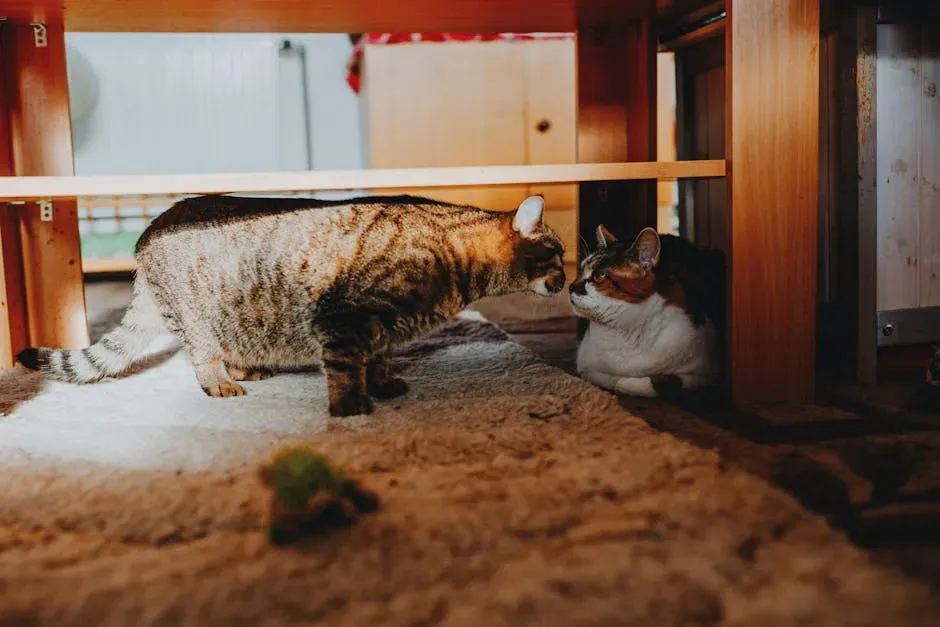
Rushing the process because “they seem fine” is the most common mistake owners make. It is much better to spend an extra week on scent swapping than to spend three months trying to repair the relationship after a physical fight. Cats are masters at appearing calm right up until they aren’t, and what looks like tolerance on the surface may still be tension underneath.
Introducing cats should be a slow process. In fact, the slower the process, the better the chance of a successful introduction. “Slow” means at the pace of the cat who is showing the most signs of stress, which may be the new cat or the resident cat. This introduction may be a matter of days, weeks, or months – it’s up to the cat. Even if initial conflicts are resolved, introducing cats too soon can strain their long-term relationship. Resentment or fear may linger, leading to ongoing issues with cohabitation. Patience here is not optional; it’s the strategy.
5. Ignoring Body Language and Behavioral Cues

A lot of cat parents introduce their cats to their new pet without their cat’s behavior and personality in mind. Before doing an introduction, you should understand your cat’s behavior and how they behave under different conditions, such as tension, anger, calmness, or provocation. Through this level of understanding, you can predict and gauge how well the interaction is going. Reading those signals accurately is what separates a smooth introduction from a setback.
If your cat hisses, growls, and has a stiff posture during the introduction, they’re uncomfortable with the new animal. Conversely, if your new pet is acting differently, they are probably also stressed and uncomfortable. Understanding your cat’s and new pet’s behavior and cues can prevent a poor interaction before it turns violent. Hissing is a warning signal that essentially communicates “back off or else.” Not paying attention to or properly interpreting the cats’ behavior is a critical mistake. All such signs indicate that your cats are not ready to move forward, and you need to slow things down.
6. Leaving the Pets Unsupervised Too Soon
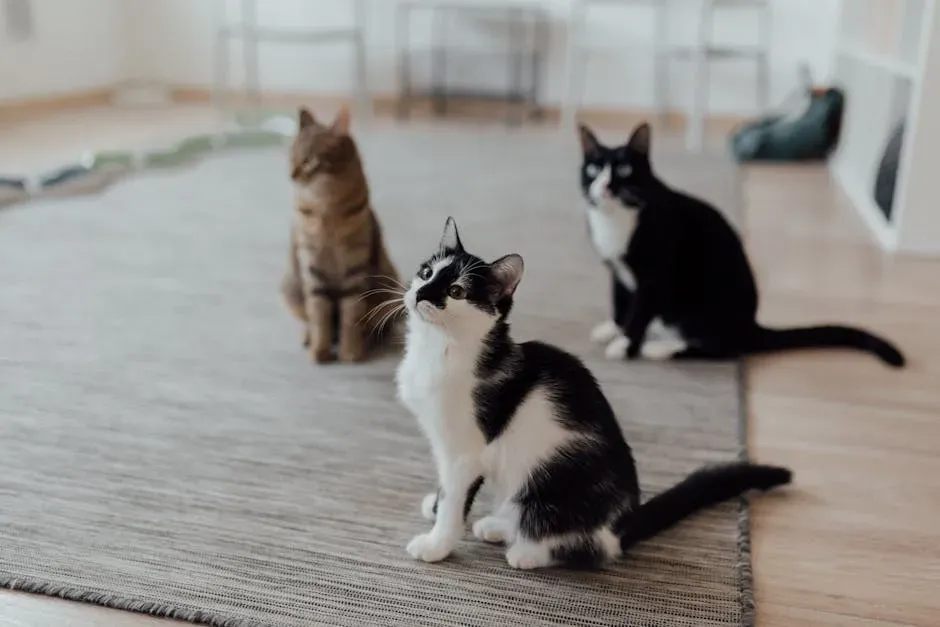
One of pet owners’ most common mistakes is leaving their cats and other pets alone. Even if they appear close and enjoy each other’s company, leaving them unattended can rapidly become catastrophic. Just because they get along doesn’t imply that they’ve truly bonded or gained each other’s trust. This bond can take months or even years to develop.
You should gradually increase the amount of time the cats spend around each other while you are home and supervising. Once they are routinely spending four or five hours together without incident, you should be able to give both cats free run of the home overnight and then when you are away. Many experts recommend waiting about a month before allowing unsupervised interactions. Only move forward when you feel confident that both animals are safe and relaxed around one another. There’s no shortcut worth taking here.
7. Punishing Natural Defensive Behaviors

Punishing hissing or swatting will not reduce hostility. Instead, it can foster fear and mistrust between both cats and their humans. Using redirection or separation instead of scolding, and allowing space and time for each cat to decompress, is the right approach. Hissing is communication, not misbehavior, and treating it like a disciplinary problem will make the whole process harder.
It is best not to scold or use harsh tones with the cats while they are in each other’s presence. This may cause them to associate unpleasantness with being near each other. When the cats are tolerant of each other’s presence, giving lots of positive reinforcement in the form of words, toys, and food is far more effective. Your job is to make every shared moment feel rewarding, not stressful.
8. Failing to Provide Enough Resources for Both Pets

The last part of a successful introduction is making sure that the home environment has enough of everything for every cat, including enough litter boxes, scratching posts, water bowls, food bowls, hiding spaces, comfortable resting spaces, toys, and human attention, so that the cats do not feel in competition for any of these resources. It’s also important that there be enough high resting spaces for the cats. Cats love to perch, and this helps them feel safe in the home. High resting spaces also increase the amount of territory in the home, which makes peaceful coexistence among cats more likely.
The general rule regarding litter boxes is one box per cat, plus one, so it is advisable that you keep the new cat’s box, though you may be able to move it if you prefer a different location. You’ll also want to have at least one litter box per cat, and you’ll probably need to clean all of the litter boxes more frequently. Make sure that none of the cats are being “ambushed” by another while trying to use the litter box. Competition over basic resources is one of the most common and overlooked sources of tension in multi-pet households.
A Final Thought

Most introductions that go wrong share the same underlying cause: someone moved too fast. How cats are introduced impacts both their mental and physical well-being. Slow, methodical introductions allow cats the highest chance of success in developing a positive relationship that will ensure future peace in the household. The stress of a strained relationship between cats can also negatively impact their health, putting them at greater risk for conditions such as feline lower urinary tract disease and flare-ups of viral illness.
With proper introductions and a suitable environment, most cats can at least learn to tolerate each other, and some might even become friends. That’s not a guarantee, though. Despite your best efforts, some cats may never get along. Knowing that going in keeps your expectations grounded and your decisions compassionate.
The real measure of a successful introduction isn’t whether your pets become instant companions. It’s whether you gave them every reasonable chance to feel safe, respected, and at home. That’s something entirely within your control.
Kristina is a young writer from India. An arts graduate and an avid content creator, Kristina is passionate about animals and wildlife. She enjoys exploring topics related to pet care, animal behavior, conservation, and nature, combining thorough research with engaging storytelling.