Cats have lived alongside people for thousands of years, yet they still manage to leave their owners genuinely puzzled on a daily basis. One moment your cat is purring in your lap, the next it’s knocking your water glass off the table and staring you dead in the eye while doing it.
Most of these strange habits aren’t random at all. Beneath every quirky behavior is a layer of instinct, communication, or deep-rooted biology that makes complete sense once you understand it. Here’s what’s really going on.
1. Kneading You Like Dough
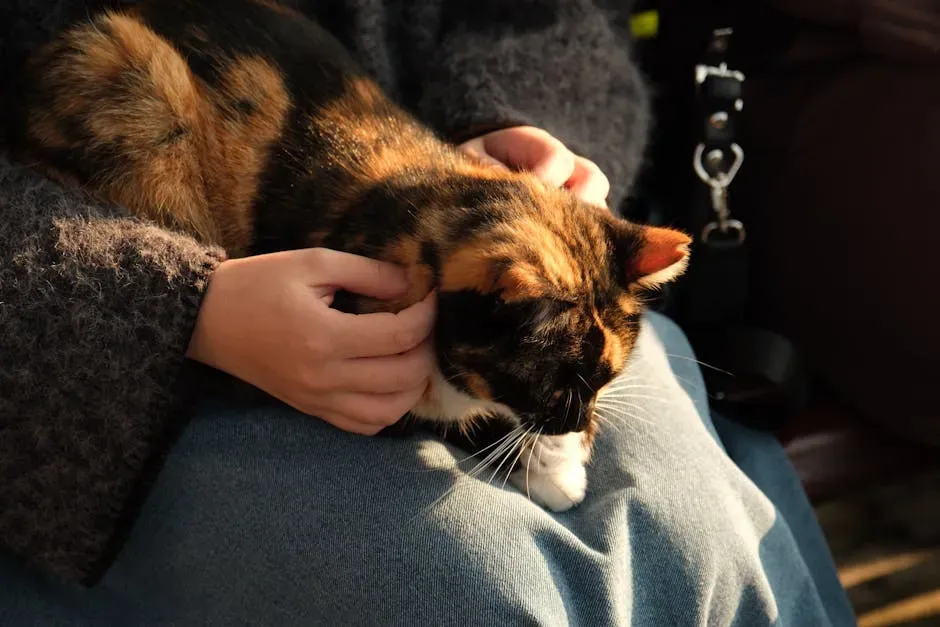
You sit down on the couch, your cat climbs aboard, and suddenly you’re being rhythmically pummeled like a bread roll in the making. Kneading is a repetitive motion where your cat presses their front paws in and out against a soft surface, alternating left and right. It’s one of those behaviors that looks unusual from the outside but is deeply meaningful to your cat.
The roots of kneading go back to early kittenhood. When kittens nurse, they knead their mother’s belly to stimulate milk flow. This behavior becomes deeply ingrained and associated with comfort, warmth, and security. As cats grow older, they often continue kneading as a comforting habit, even though it no longer serves its original purpose. Beyond comfort, making biscuits also marks you by releasing pheromones from their paw’s sweat glands, and likely means that your cat feels very comfortable in your presence.
2. The Slow Blink That Means Everything
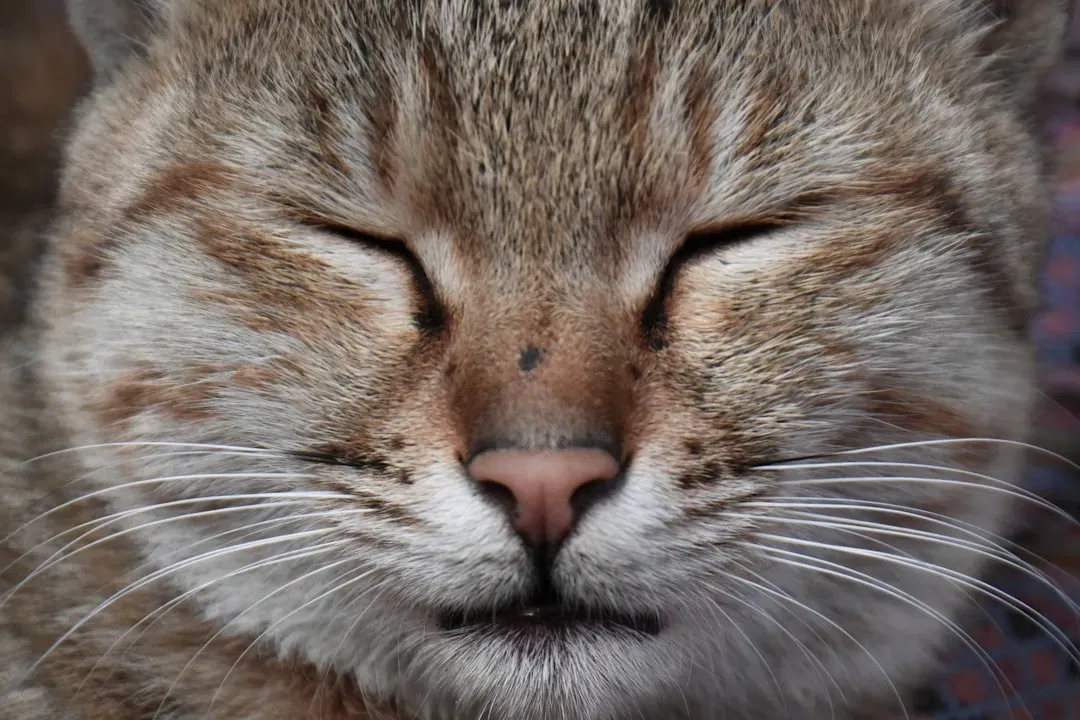
If you’ve ever caught your cat gazing at you from across the room and slowly closing their eyes, you may have unknowingly received one of the highest compliments in the feline world. Slow blinking is one of the ultimate signs of trust that your cat can give you. Consider when an animal locks their eyes on prey or a rival. An unblinking stare into their eyes is typically seen as a threat and as a challenge. When your cat looks at you and slow blinks, they are relaxing their guard; after all, a cat in the middle of a slow blink is vulnerable at that moment.
The best part is that you can actually reciprocate. In a 2020 study, researchers found that cats were more likely to slow blink after their owners slow blinked at them. They took it a step further by leaving the cat alone with a researcher whom the cat didn’t know. The researcher slow blinked at the cat, which led to the cat approaching the researcher’s outstretched hand. So the next time your cat gives you a slow blink, try one back. It works with strangers, too.
3. The Midnight Zoomies
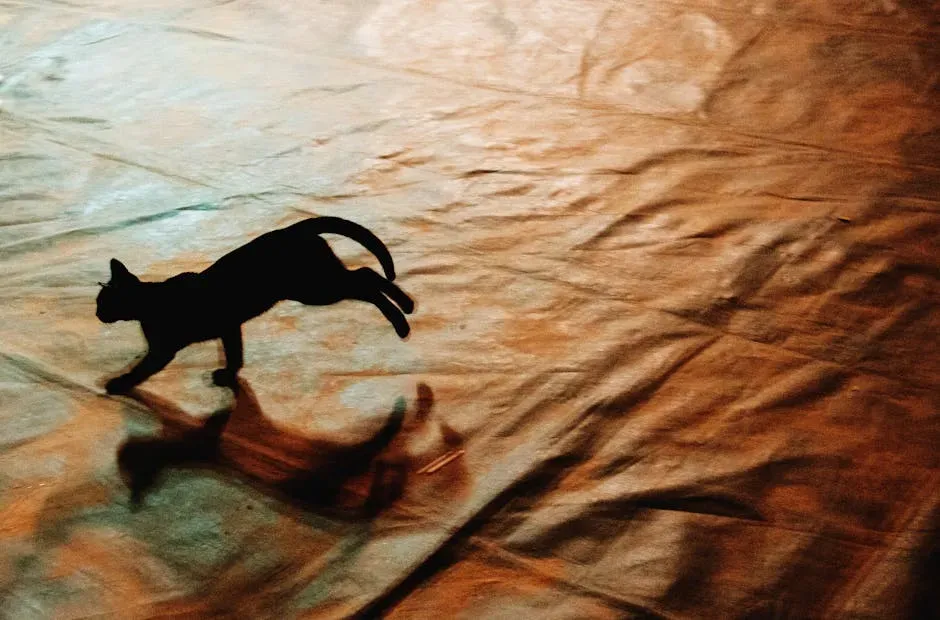
You’re sound asleep at 2 a.m. when suddenly your cat launches itself off the bed, tears through three rooms, ricochets off the hallway wall, and vanishes. Frenetic random activity periods (FRAPs), also colloquially known as zoomies, scrumbling, midnight crazies, or mad half-hours, are random bursts of energy occurring in dogs and cats in which they run frenetically, commonly in circles. They usually last a few minutes or less.
Cats are crepuscular, which means they’re most active during dawn and dusk. When the house is quiet and dark, your feline pal’s inner hunter wakes up. This is why cat nighttime behavior often peaks while you’re trying to sleep. Just like humans need to move after sitting too long, cats need to release pent-up energy, and zoomies provide the perfect outlet. This is especially true for indoor cats who have fewer opportunities to exercise. A good play session before bed can help redirect that energy into something a little more sleep-friendly for you both.
4. Headbutting You Out of Nowhere
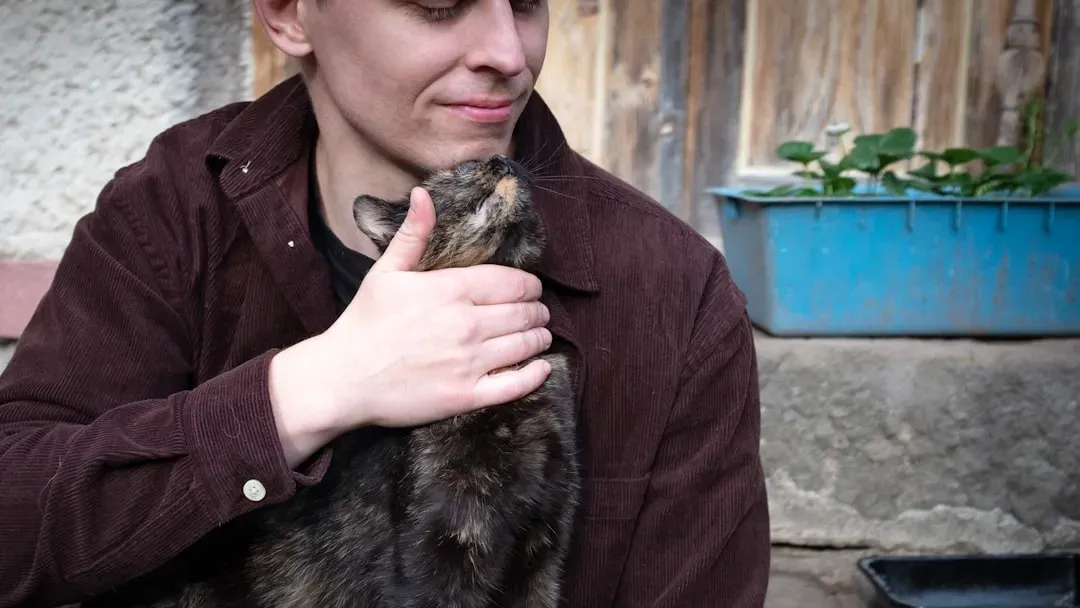
Your cat wanders over, plants their forehead firmly against your cheek, and pushes. It’s odd, it’s sudden, and it’s completely intentional. When your cat bops, bops, bops you with their head, they’re saying, “I love you!” They’re also letting everyone know that you belong to them. Cats have pheromones in their cheek areas that mark you as their possession.
Head butting or bunting is a feline sign of affection. Your kitty wants your attention and is going to make sure you know it with this exaggerated gesture. Your cat is also likely marking you in yet another way of claiming you as its own. Scent marking reinforces the bond they have with you. Think of it as a feline version of a handshake and a hug rolled into one. Your cat isn’t being aggressive; they’re being social in the most direct way they know.
5. Chattering at Birds Through the Window
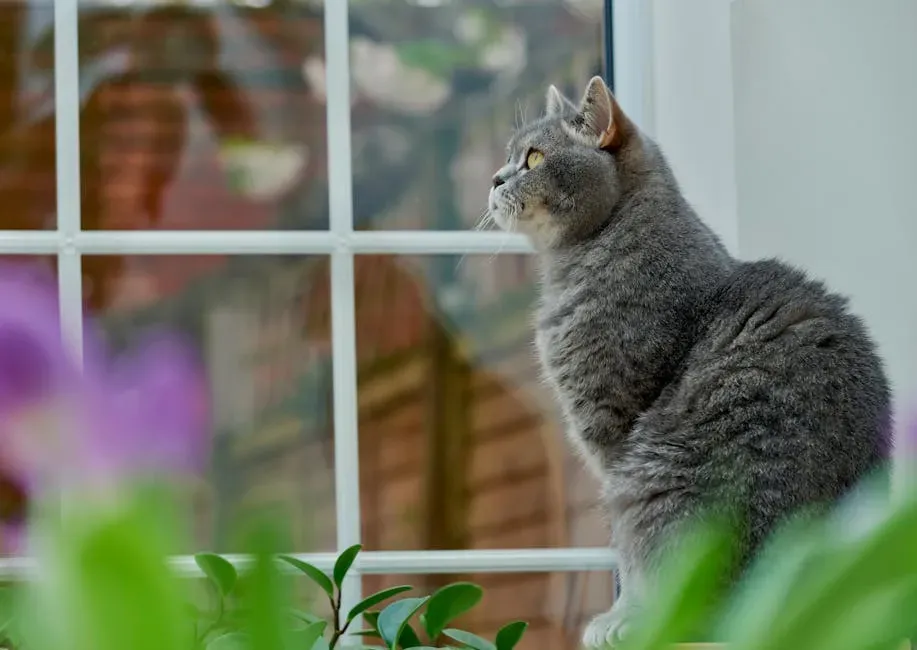
You’ve probably seen your cat perched on the windowsill, watching a bird hop around outside, when suddenly their jaw starts clicking in a rapid, almost mechanical stutter. It’s one of the stranger sounds a cat can make, and it tends to catch people off guard the first time. Ever hear your cat chattering while watching the birds flying around the yard? That sound comes from their excitement at seeing potential prey combined with the frustration of not being able to get at them.
A cat’s chirp tends to mean one of two things: its hunting instincts are activated as it spies a bird, bug, mouse, or toy. Likely this type of chirping is accompanied by its tail twitching back and forth and dilated pupils. Or, a cat may also chirp when it’s excited to see someone, be it a fellow cat, or you. So while it looks a little unhinged, your cat is simply caught between instinct and glass, fully invested in a hunt they can’t quite reach.
6. Bringing You Dead Animals as “Gifts”
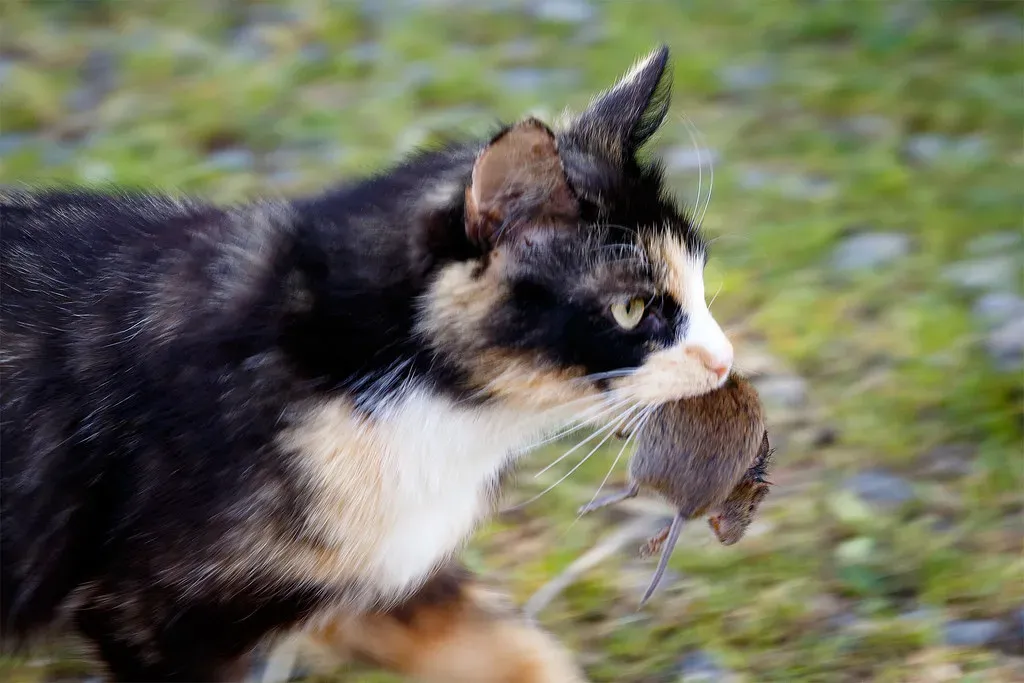
Few things are more jarring than stepping outside in the morning to find a mouse on your doorstep, or waking up to a small lifeless bird on your pillow. The behavior of cats bringing home dead animals is complex, and while we can’t read their minds, experts agree that several core instinctual motivations are usually at play. It is critical to understand that this hunting behavior is usually not driven by hunger. Domestic cats are, by nature, one of the most proficient hunters on the planet. Even when they no longer rely on hunting for survival, they retain a powerful prey drive from their wild ancestors.
In the wild, mother cats would teach their kittens how to survive, which included finding food and eating it. Even in a litter of tiny kittens, you can see them practicing their stalking, pouncing, and killing behaviors. With castration and spaying becoming the norm in owned cats, pets often do not have any offspring to pass their hunting know-how down to, but the natural inbuilt instinct to hunt remains strong. It is now thought that cats quite simply prefer to bring their prey back to their core territory where it is safer to eat it, or store it for a bit later. In other words, your home is the safest place they know, and they’re treating it accordingly.
7. Squeezing Into Impossibly Tiny Spaces
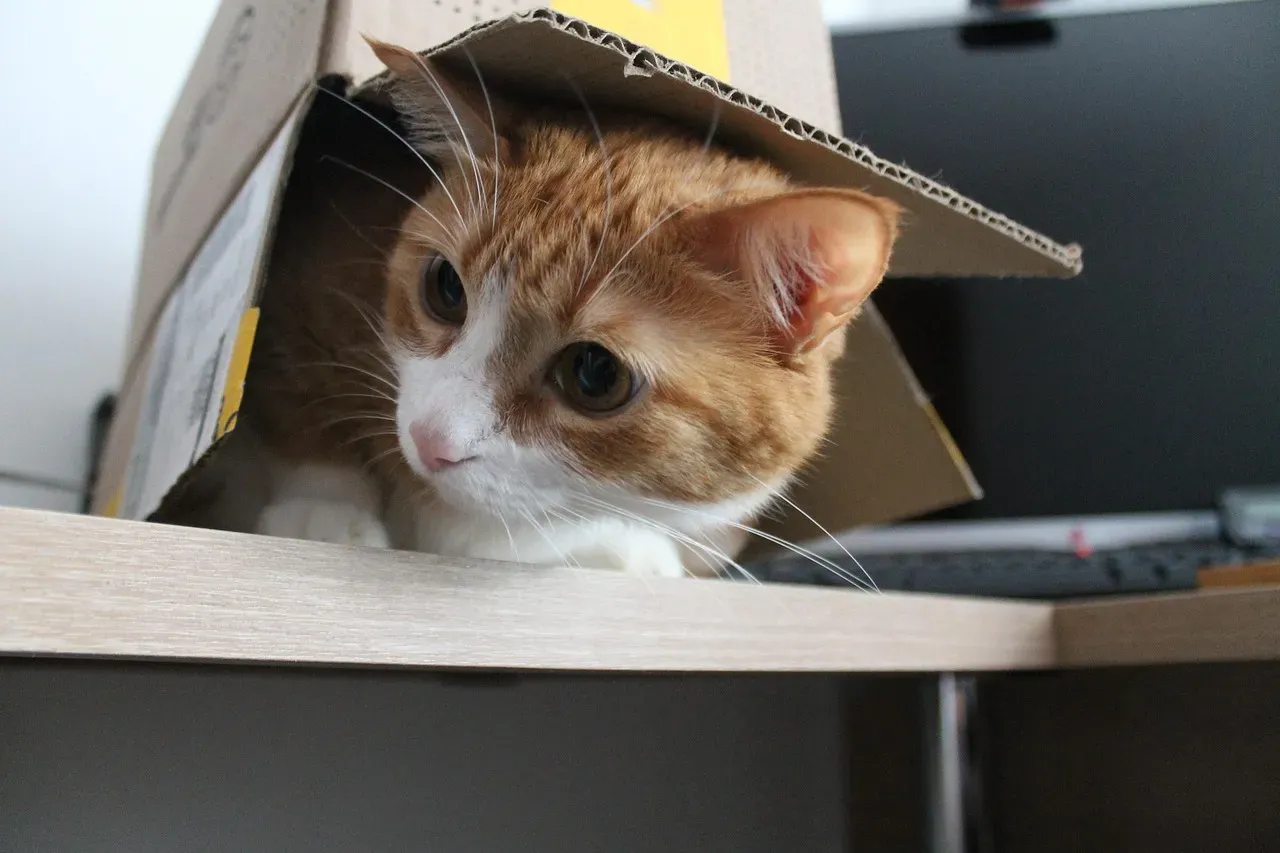
You buy your cat a luxury bed. They ignore it and spend the afternoon wedged inside a shoebox that’s three sizes too small. It’s baffling, slightly hilarious, and completely predictable if you know what’s driving it. Cats love to slip into small spaces like boxes, dresser drawers, bathroom cabinets, or closet corners where they feel cozy and secure. They may even prefer these places to a comfy pet bed. This behavior can be traced back to their wildcat ancestors who would sleep safely hidden away to help avoid predators.
As predators, cats instinctively find hiding places from which to stalk prey. As prey themselves, they also appreciate defensive hiding spots to stay safe. More than that, the swaddling effect that comforts human babies also benefits cats. They can create this hugging benefit by squeezing into boxes to calm their stress. It’s important to respect your cat’s hang-out space. When they are in it, don’t reach in and disrupt their safe place. It helps cats to have a human-free zone where they can relax.
Understanding Your Cat Changes Everything
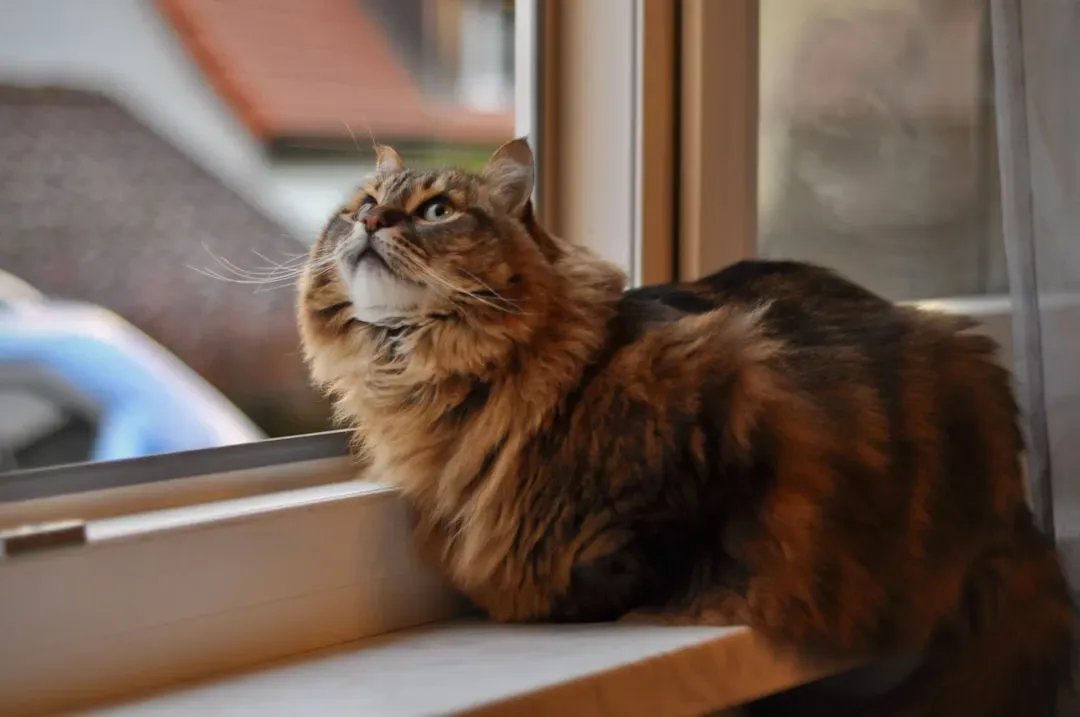
Once you start reading cat behavior through the right lens, a lot of the strangeness starts to make sense. The kneading, the chattering, the 3 a.m. sprints – none of it is random. Each behavior carries a history rooted in survival, communication, and genuine emotional expression.
Since domestication has been a relatively recent development for cats, some things cats once did to survive may have no adaptive value now that they are adored members of the modern-day household. There is or was a pay-off for them somewhere along the line, or else they wouldn’t bother to do them. The better you understand what your cat is actually telling you, the stronger your bond with them becomes.
Cats aren’t aloof or unpredictable by accident. They’re running on ancient software in a very modern world, and every quirk is a small window into who they really are.
Kristina is a young writer from India. An arts graduate and an avid content creator, Kristina is passionate about animals and wildlife. She enjoys exploring topics related to pet care, animal behavior, conservation, and nature, combining thorough research with engaging storytelling.