There’s a certain irony in loving a creature that appears, at first glance, to barely notice you exist. Your cat is draped across the sofa, eyes half-lidded, tail curled inward, looking for all the world like your presence is a minor inconvenience. Yet researchers, veterinarians, and behaviorists have been quietly dismantling that cold reputation for years. The evidence keeps pointing in the same direction: your cat’s detachment isn’t detachment at all.
Research shows that cats’ reputation as cold and aloof pets is largely undeserved. It’s a common misconception that cats are not affectionate, mainly because dogs have more explicit ways of demonstrating affection, whereas cats are much more subtle. What your cat feels and how your cat shows it are two very different things, and understanding that gap changes everything about how you read your feline companion.
The Myth of the Cold and Solitary Cat
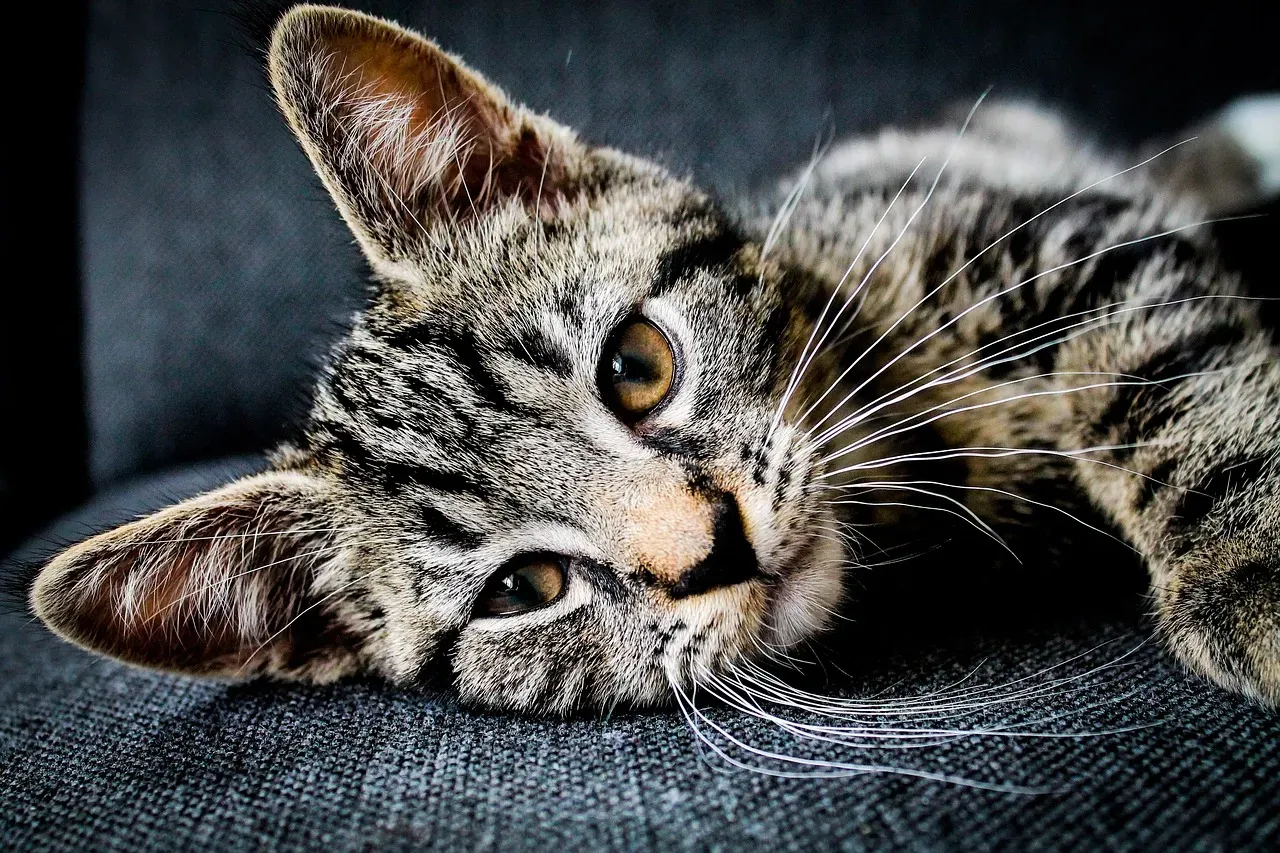
For generations, the image of the aloof, indifferent cat has stuck around with surprising stubbornness. Cats have commonly been perceived as independent, solitary, and non-social animals, and these beliefs continue to be widely held today. In a study conducted with 547 cat guardians in the United States, researchers found that beliefs portraying cats as emotionally distant and socially indifferent were still present among respondents.
Cats are, in fact, facultative social animals, demonstrating complex social behaviors and affiliative behaviors, especially in environments that favor interaction, such as shelters, multi-cat households, and free-ranging cat colonies. Cats are likely viewed as aloof because they are often compared to dogs, which are undeniably more social. Sadly, viewing cats as asocial can harm them, as their caretakers are less likely to provide affection, exercise, grooming, toys, and veterinary care.
Your Cat’s Affection Is Written in Body Language
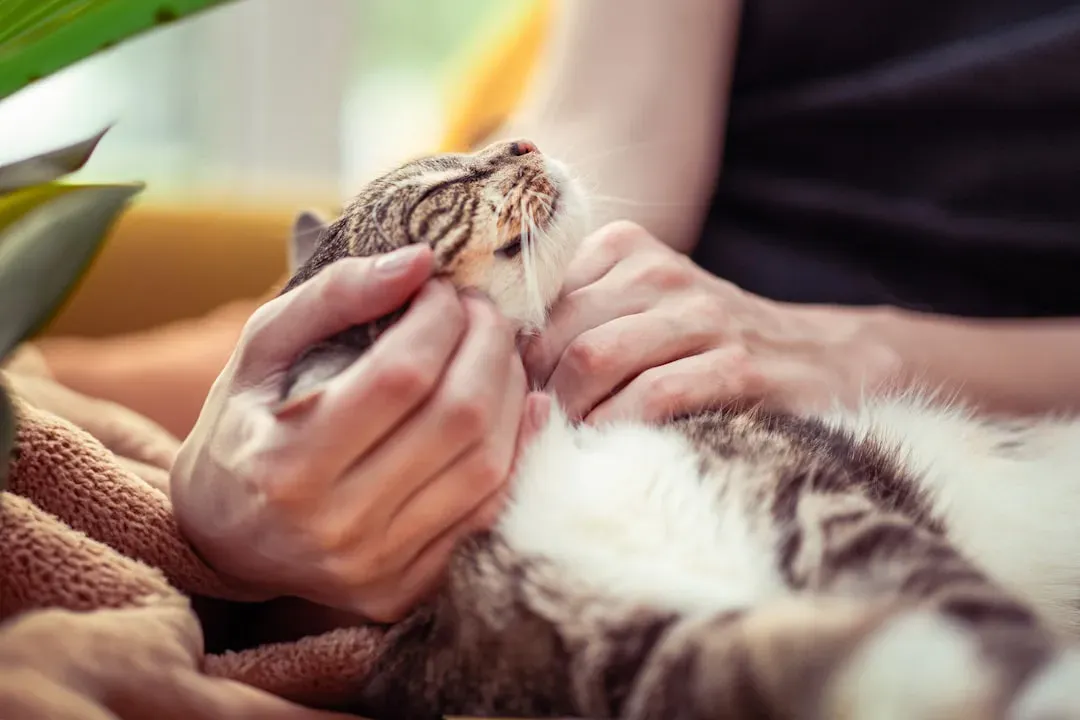
Cats show love differently than humans do, often expressing affection through subtle behaviors. Feline affection isn’t always overt or constant. Instead, it’s often built around trust, safety, and selective social connection. Cats tend to show love through behaviors that signal comfort and familiarity rather than attention-seeking.
If you talk to people who don’t like cats or aren’t familiar with them, they’ll probably be quick to tell you cats don’t show affection. They may praise the way dogs show affection but refer to cats as snobby or aloof. A big part of the problem is that people try to compare dog behavior to cat behavior. Once you stop making that comparison, your cat’s vocabulary of warmth becomes much easier to read.
The Slow Blink: A Kiss You Might Be Missing
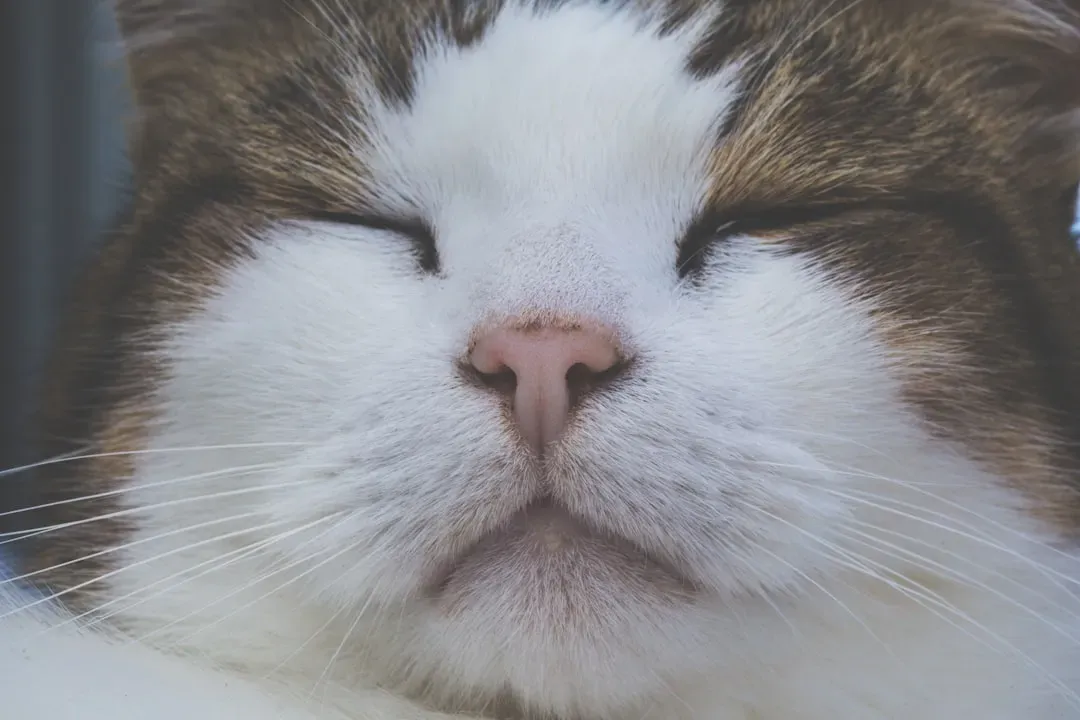
Research suggests that slow blinks are associated with a positive emotional state and can be a sign of trust, contentment, and affection, similar to a human smile. Cats will often make eye contact with lowered eyelids and steady, slow blinks. This is considered a feline version of a kiss, and you can even try slow blinking back to show love to your cat.
Unlike dogs, cats do not rely on prolonged eye contact to show trust. They use more restrained signals. The most striking of these is slow blinking, a kind of “cat smile” that signifies safety and trust. If your cat looks across the room and slowly closes its eyes in your direction, that’s not boredom. That’s one of the most sincere gestures it can offer you.
Headbutting and Scent-Marking: You’ve Been Claimed
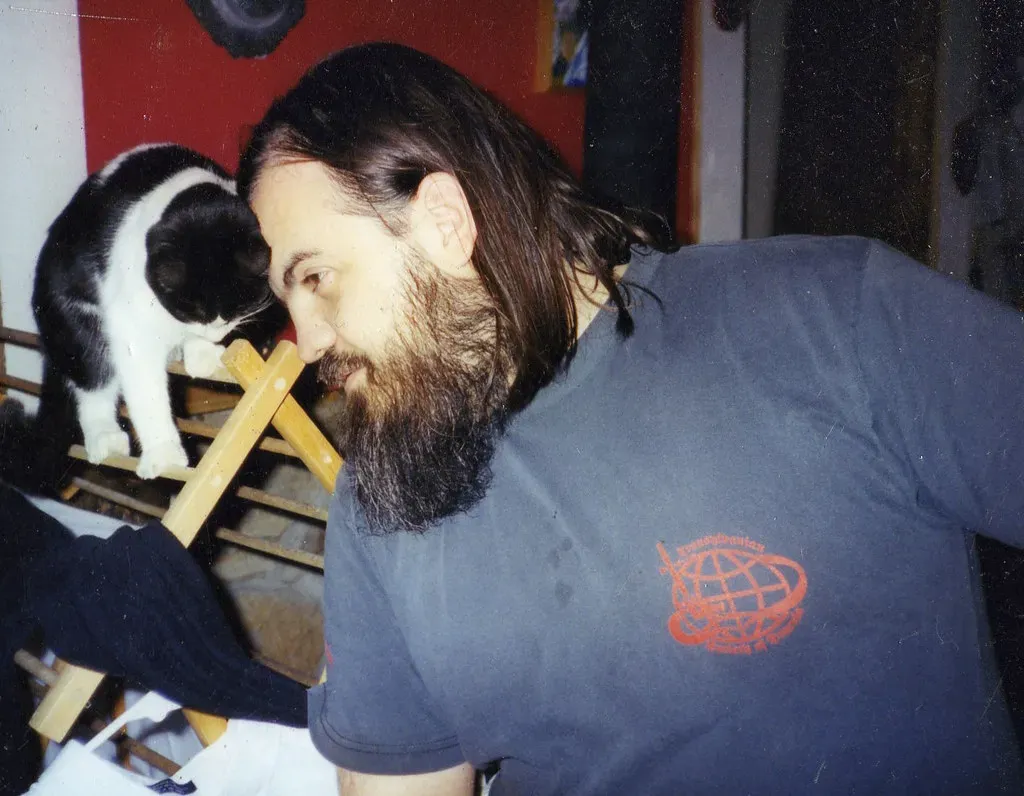
Your cat may bump their head against you or rub their cheeks against you to show affection. This is a social behavior formed in kittenhood through headbutting other kittens and their mother. Headbutting is often an attempt to mark you with their scent to claim you as one of their own. It helps cats bond and is offered to their humans to show love.
The pheromones located along the cheek and on the cat’s head are associated with friendliness, affection, and familiarity. Cats facially rub on people or objects when they feel comfortable and familiar. So when your cat rubs their face along your hand or pushes their forehead into your chin, they’re not being demanding. They’re doing something that, in cat terms, is deeply intimate.
Kneading: A Comfort Behavior Rooted in Kittenhood
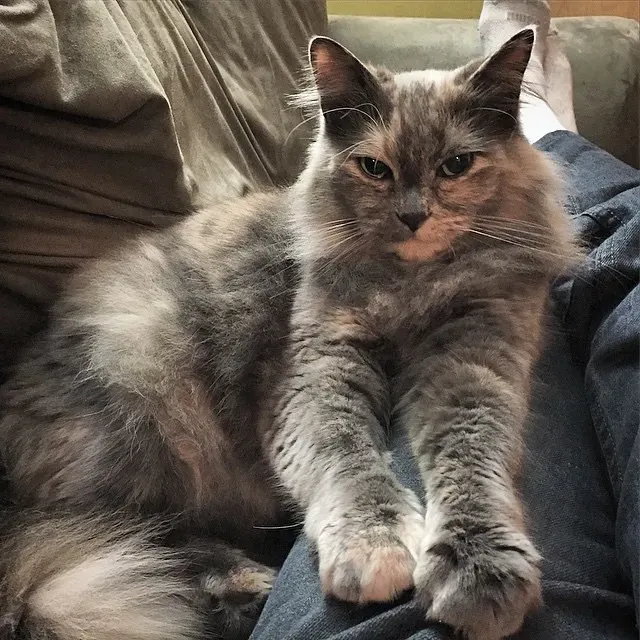
Cats usually knead with their front paws. This is a behavior that begins in kittenhood and is associated with nursing on their mother. Kneading is believed to bring comfort by releasing endorphins to reduce stress and promote relaxation. Relaxed cats that knead are showing contentment.
Pawing or paddling isn’t always the most pleasant gesture to receive as a human, but it’s important to understand the context. Kittens knead at their mothers when feeding to increase the supply of milk, and so when used on owners, it’s most definitely a gesture of love. When your cat settles onto your lap and starts that rhythmic pressing, they’re essentially telling you that you feel as safe and comforting as their earliest memory of warmth.
Your Cat Forms a Real Attachment Bond With You
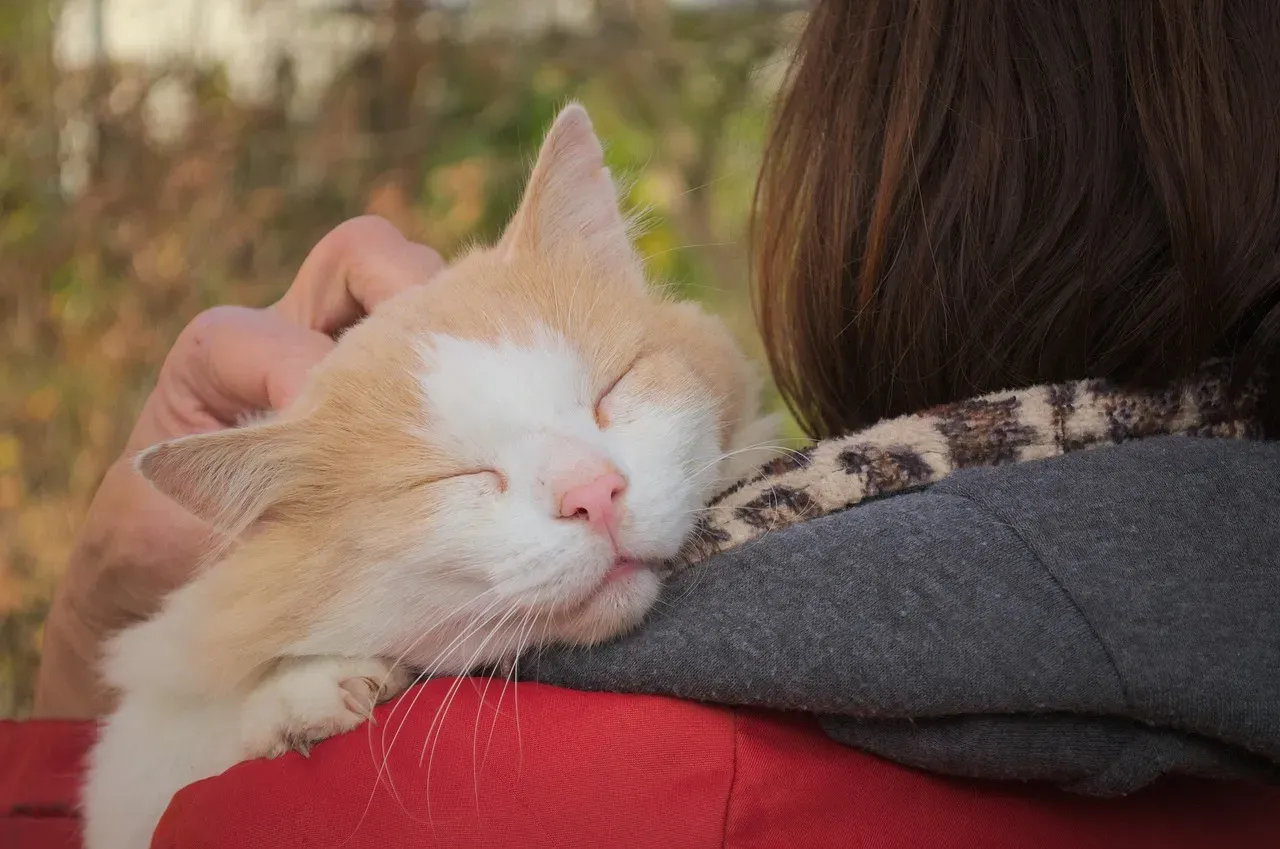
Indicators of attachment relationships between cats and humans, including proximity seeking, separation distress, and reunion behavior, were all present in research, and individual differences in response were consistent with attachment style categorizations. The data support the hypothesis that cats show a similar capacity for the formation of secure and insecure attachments towards human caregivers as previously demonstrated in children and dogs, with the majority of individuals securely attached to their caregiver.
Researchers have discovered that cats form strong attachments to their owners and show signs of separation anxiety when they are apart. They rely on their humans for comfort, security, and emotional support. Cats show measurable physiological changes when with owners, including reduced heart rate, increased oxytocin levels, and relaxed body posture indicating comfort and trust. The bond is real, and the biology backs it up.
The Purr Is More Than Just a Sound
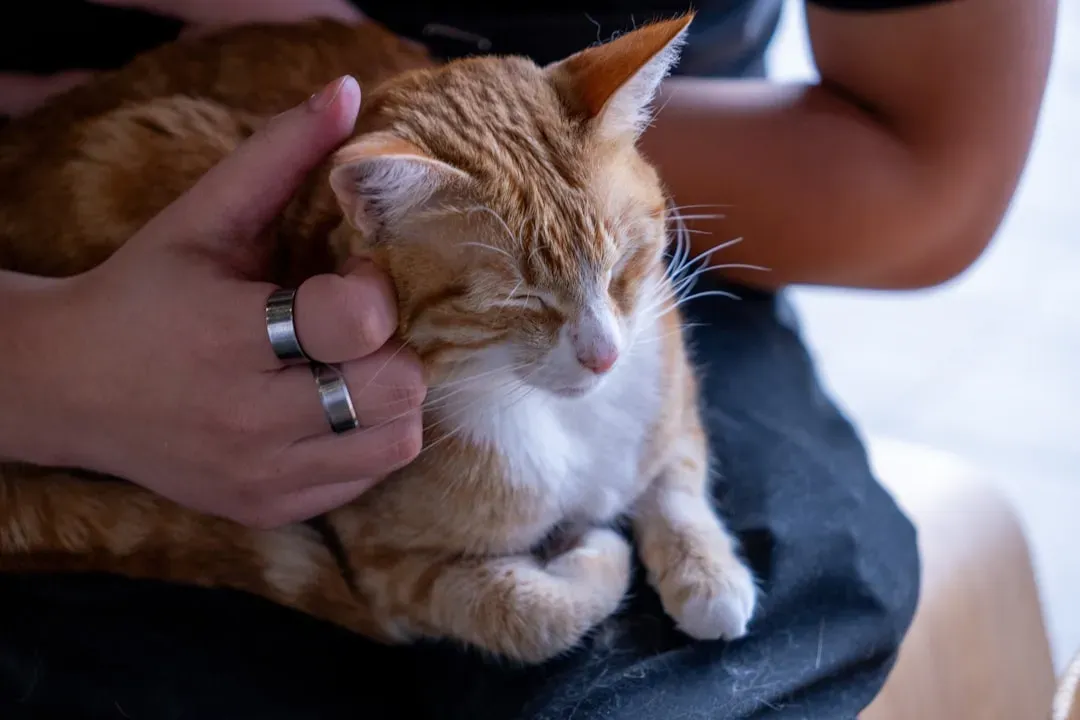
The low-frequency rumble of a cat’s purr has been linked not only to healing in cats themselves, but also to calming effects in humans. Listening to purring can lower heart rate and blood pressure, and oxytocin mediates these benefits. Studies suggest that the frequency of a cat’s purr, typically between 25 and 150 Hertz, has a relaxing effect on the human nervous system. Cat purring stimulates the production of endorphins, which are natural chemicals that promote feelings of happiness and well-being.
A February 2025 study found that when owners engaged in relaxed petting, cuddling, or cradling of their cats, the owners’ oxytocin tended to rise, and so did the cats’ – if the interaction was not forced on the animal. The researchers monitored oxytocin in cats during 15 minutes of play and cuddling at home with their owners. Securely attached cats who initiated contact, such as lap-sitting or nudging, showed an oxytocin surge. This is a two-way exchange, not a one-sided transaction.
Grooming, Following, and Other Quiet Declarations
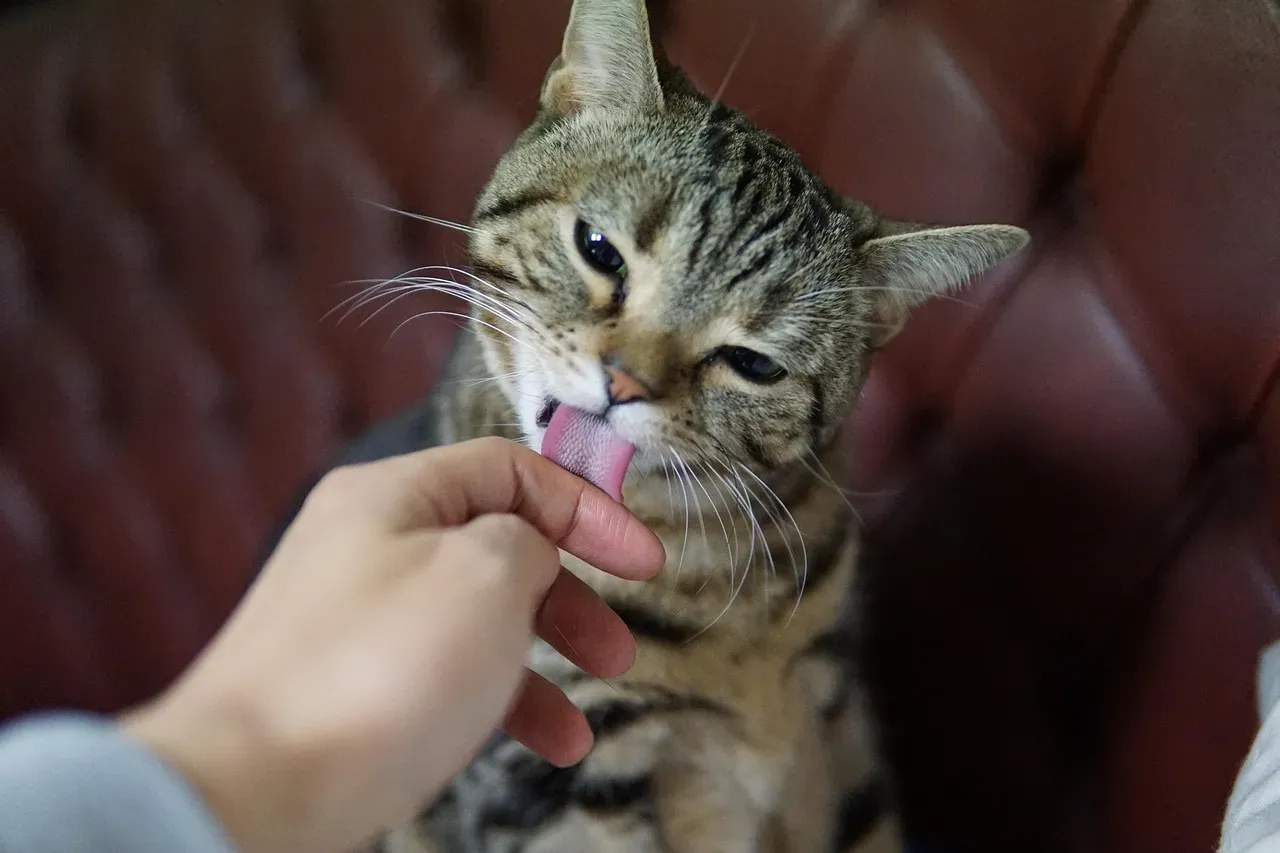
Grooming only happens between cats with a warm relationship, so when your cat licks your hand or face, it can be a show of endearment, even though those barbed tongues may not feel all that gentle. When your cat starts grooming you, it’s often their way of showing affection and mixing their scent with yours. It’s one of the clearest ways a cat tells you that you belong to their inner circle.
Cats often follow those they love and trust around the home, similar to the greeting at the front door, where they follow behind you and keep you in sight at all times. Cats are creatures of habit. If your cat consistently joins you for morning coffee or nighttime TV, that shared routine reflects a bond. These predictable moments help cats feel secure, and participating in them is a form of affection.
Why Your Cat’s Aloofness Is Also Partly Evolutionary
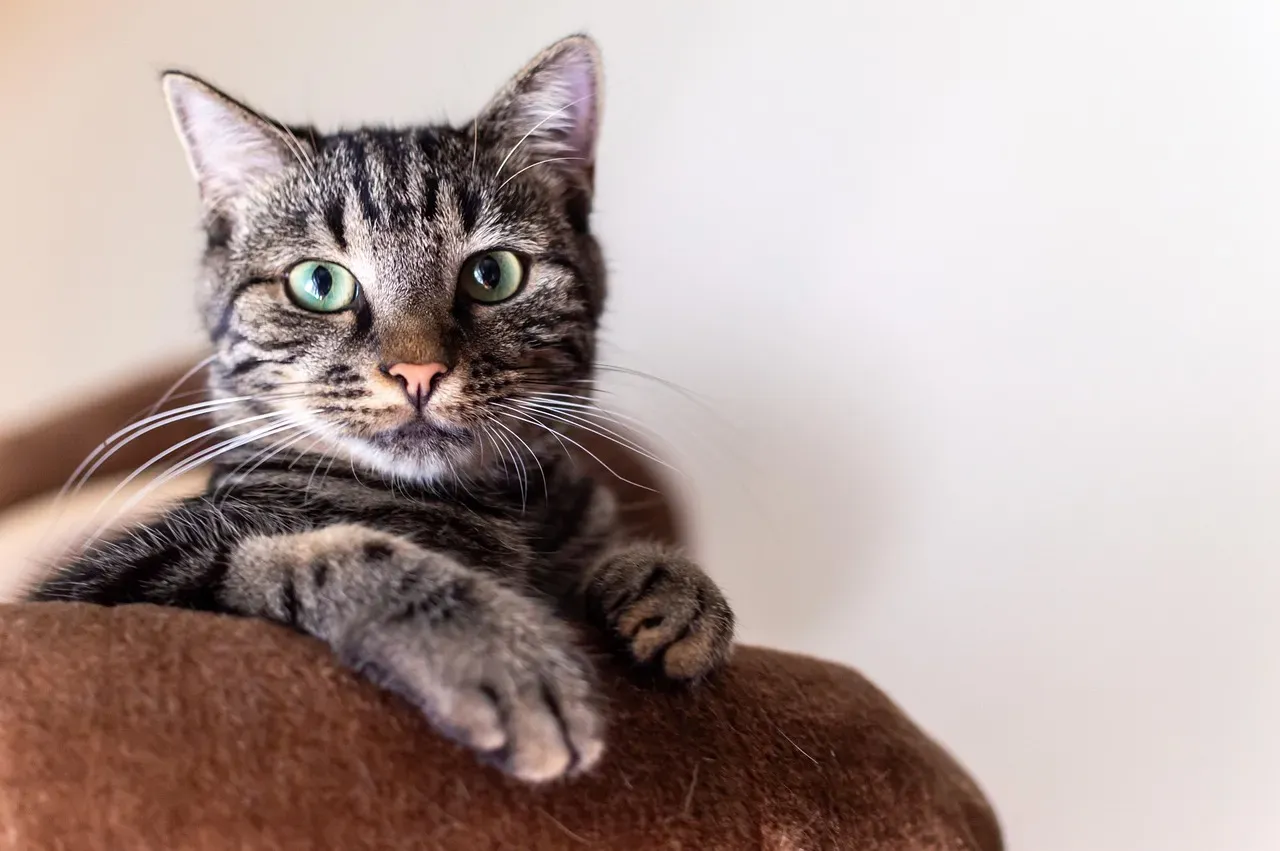
Cats are very tuned into their environment because they’re hardwired as predators. Their keen senses are on high alert for the sight, sound, or smell of potential prey. In addition to being predators, cats are also prey, so being aware of what’s going on in their environment is critical. What you may interpret as a cat being aloof is actually your exquisitely designed companion being ready for anything.
Cats evolved from more solitary hunters who did not need expressive social gestures for survival. Therefore, they do not always openly demonstrate behaviors fueled by the bonding hormone oxytocin. Instead, cats reserve it for moments when they feel completely safe. A cat’s trust is not given automatically – it must be earned. When it appears, it is reinforced by the same chemical that unites parents, partners, and friends.
Conclusion
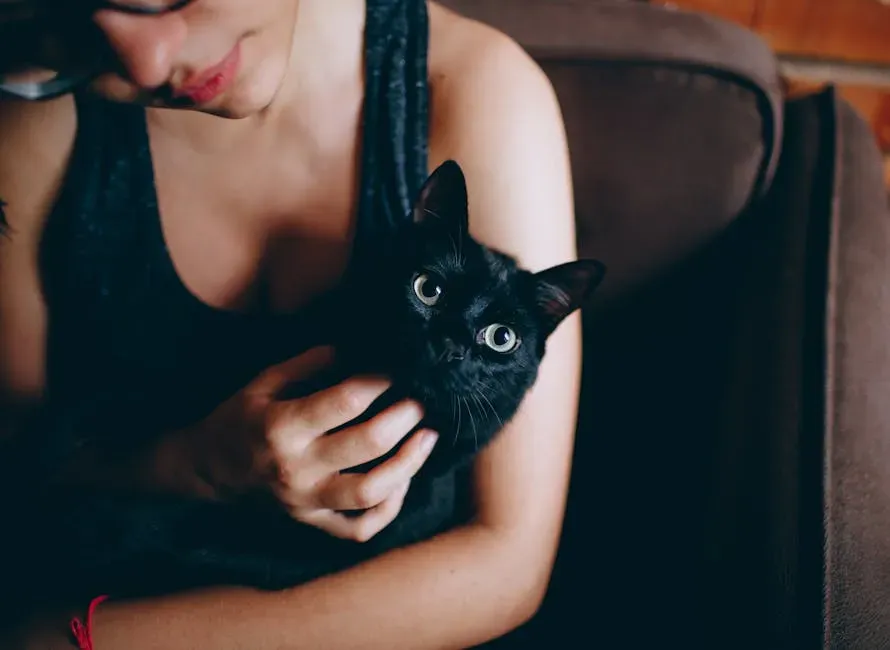
There’s something quietly meaningful about an animal that chooses you deliberately, not out of pack instinct or unfiltered enthusiasm, but through a slow, considered process of trust. Cats tend to form close bonds with a small number of individuals rather than spreading affection widely. If your cat shows you specific behaviors they don’t offer to others, that’s often a sign you are one of their chosen few.
Research has found that not only the mere presence of a cat in the household, but also interactions with the cat reduce measurable negative moods in people, including anxiety, depression, and introversion. The relationship your cat has with you is real, reciprocal, and rooted in genuine attachment, even if it never looks the way you’d expect it to. Learn your cat’s language and you’ll realize the affection was there all along, just written in a quieter alphabet.
Kristina is a young writer from India. An arts graduate and an avid content creator, Kristina is passionate about animals and wildlife. She enjoys exploring topics related to pet care, animal behavior, conservation, and nature, combining thorough research with engaging storytelling.