There’s something quietly remarkable about sitting still while your cat presses their paws rhythmically into your lap, eyes half-closed, purring like a small engine running at full warmth. You might reach for your phone or shift slightly, unsure whether to enjoy it or wince at the occasional claw. Most people chalk it up to a quirky cat habit and move on. That would be a mistake.
This behavior, affectionately nicknamed “making biscuits,” carries far more meaning than it appears. It connects instinct, emotion, brain chemistry, and the particular trust your cat places in you. Once you understand what’s actually happening when your cat kneads, the whole thing lands differently.
What Kneading Actually Looks Like Up Close
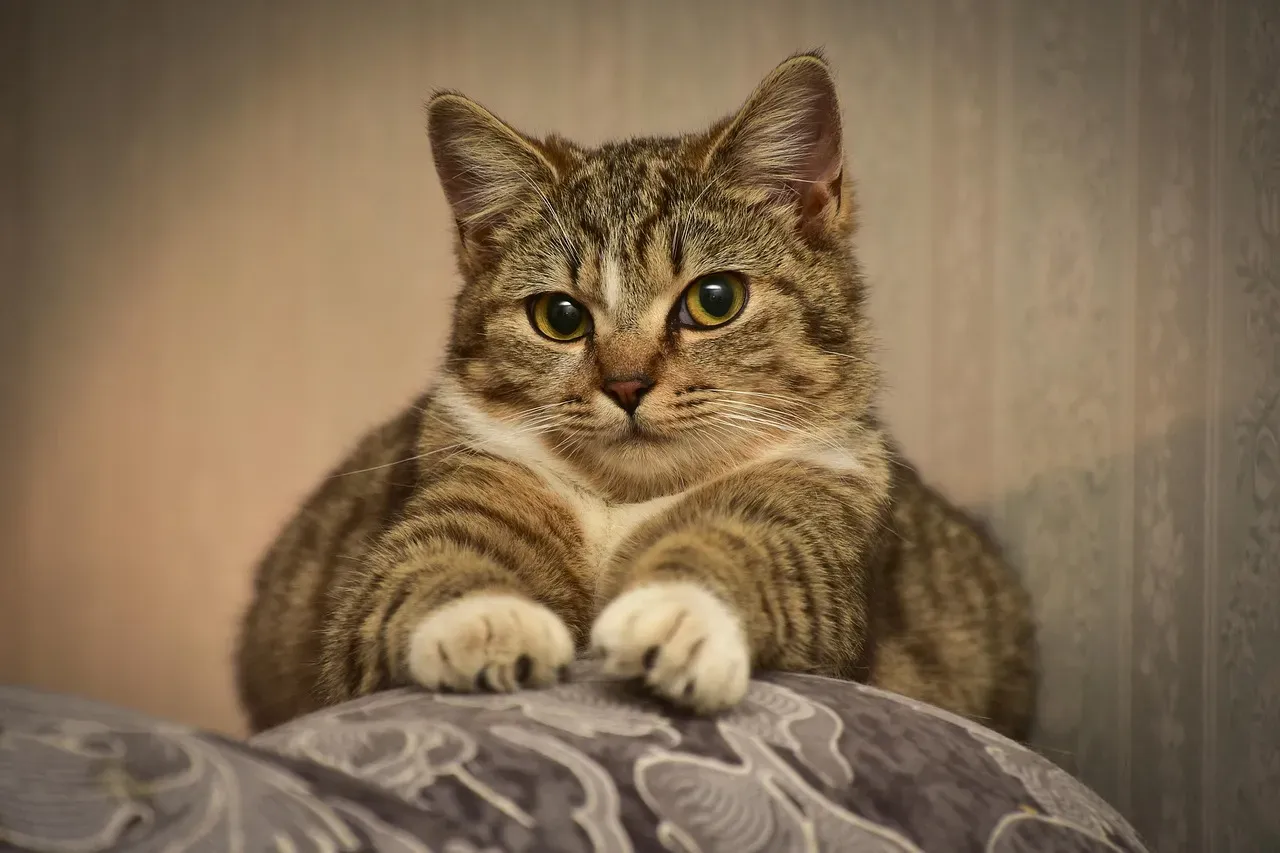
Kneading is a behavior frequently observed in domestic cats where, when a cat feels at ease, it may push out and pull in its front paws against a surface such as furniture or carpet, or against another pet or human, often alternating between right and left limbs. The motion is deliberate, slow, and rhythmic. It doesn’t look random once you start paying attention.
The cat exerts firm downward pressure with its paw, opening its toes to expose its claws, then closes its claws as it lifts its paw. The process takes place with alternate paws at intervals of one to two seconds. That steady rhythm is one reason so many people find it oddly soothing to watch, even when the claws are a little sharp.
It All Starts in Kittenhood
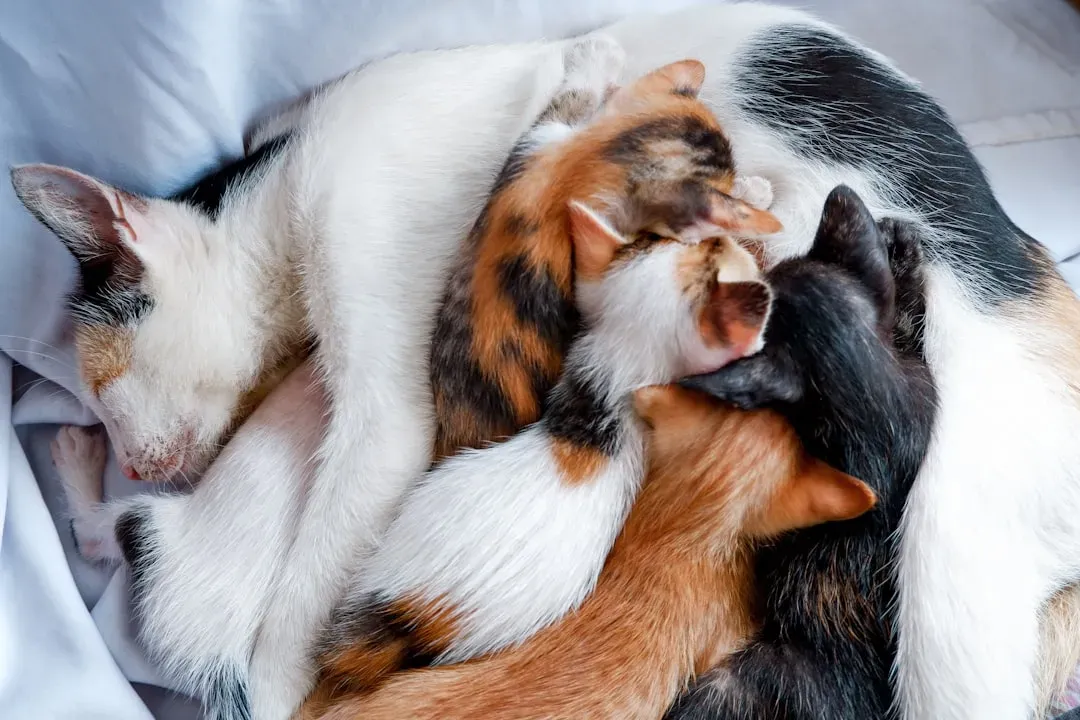
Kneading originates from kittenhood, when kittens press their paws against their mother’s belly to stimulate milk flow. This comforting behavior often persists into adulthood, associated with feelings of security and contentment. That’s the starting point. Everything else your adult cat does when it kneads you is essentially an echo of that earliest experience.
This movement elicits a consoling response and forges a strong connection between mother and offspring. As cats grow into adults, the kneading behavior often persists, acting as a reminder of their kittenhood and the secure feeling they associated with nursing. In other words, when your cat kneads you, they’re reaching back toward the feeling of being safe and fed and close to something warm.
Your Cat’s Brain Is Actually Rewarding the Behavior
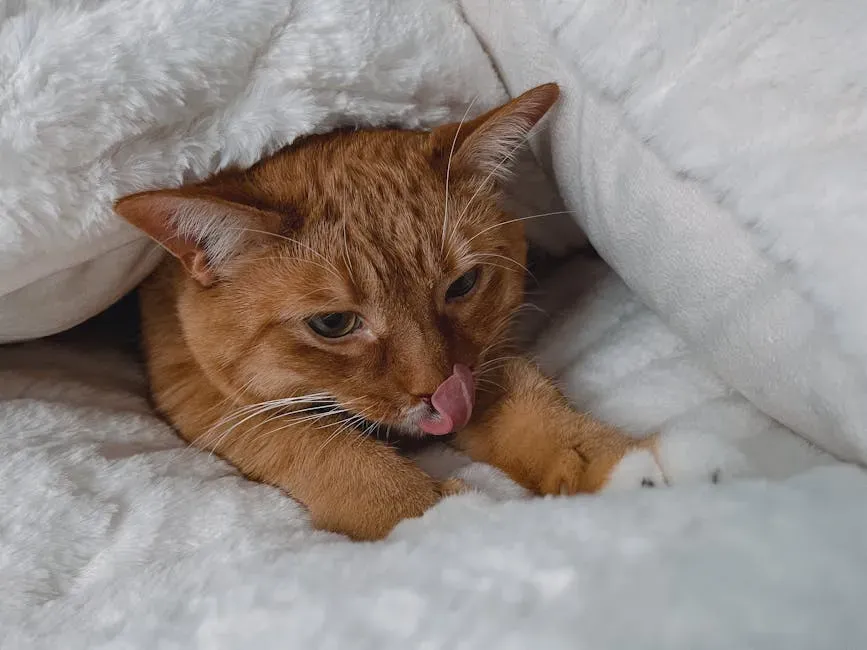
Kneading in cats triggers the release of dopamine, a neurotransmitter associated with pleasure and reward. This behavior, often beginning in kittenhood, is instinctive and tied to the comfort of nursing. So your cat isn’t just going through a motion. Their brain is actively reinforcing it as something worth repeating.
When a cat kneads, their brain releases a combination of dopamine and oxytocin. Dopamine is the chemical that rewards the action, encouraging them to keep going. Oxytocin is the hormone linked to bonding, the same one that helps humans build trust and feel connected. It’s worth noting that the precise neurochemical picture in cats is still being studied, but the parallel to other mammalian bonding systems is hard to ignore.
When Your Cat Kneads You, It Means You’re Trusted
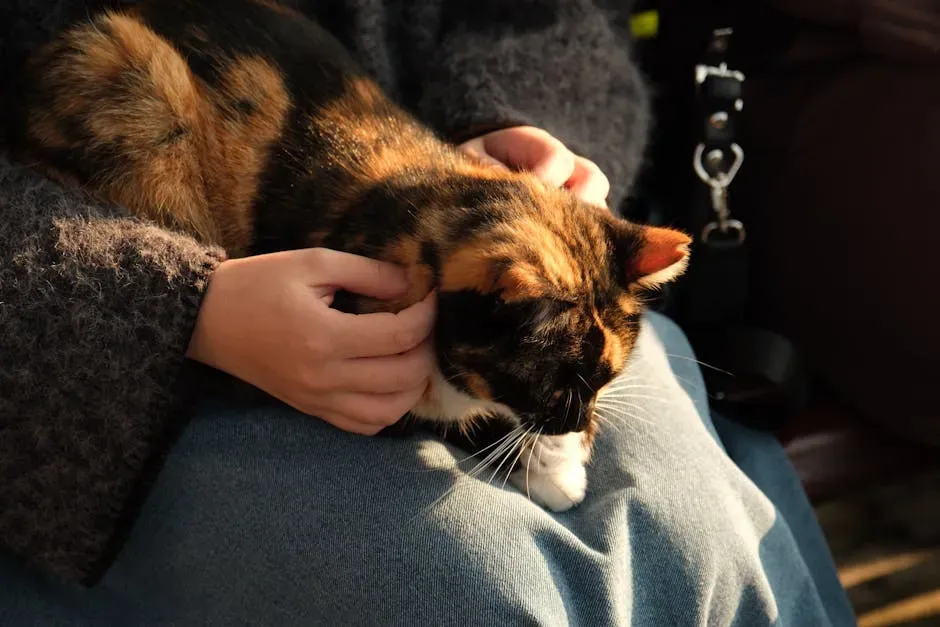
When a cat kneads their owner, it can be a sign of trust and affection. This behavior demonstrates that the cat feels safe and comfortable in the presence of their human companion. Trust is a currency cats spend carefully. They don’t hand it out freely, which makes it meaningful when they do.
If your cat is kneading you, it’s likely because she feels safe with you. Just like she kneaded her mom when she was a kitten, she’s now kneading you, her new “pet-parent.” If she feels safe and secure when she’s with you, she may express this with a gentle knead. That’s a quiet but genuine declaration of belonging, delivered entirely through paws.
Kneading Is Also a Way of Claiming You
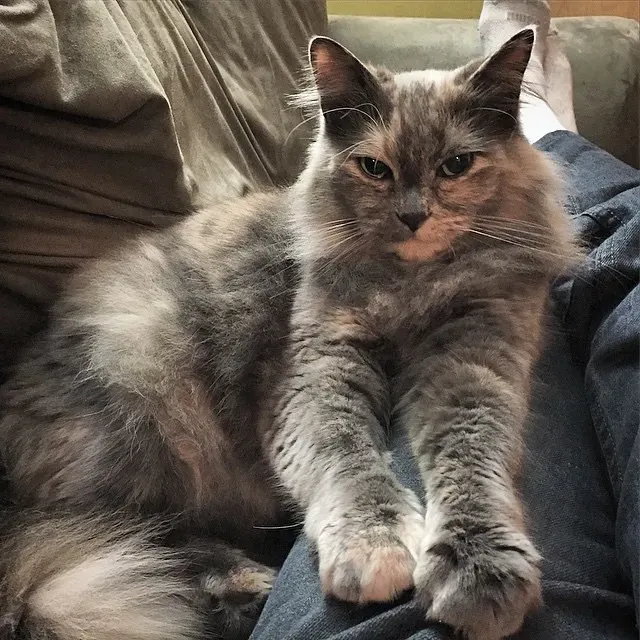
Cats have scent glands located in the smooth pads of their paws, and by kneading, they release pheromones onto the surface they’re pressing against. These pheromones function as an aroma marker, letting other cats know that the area is claimed and helping create a sense of familiarity and security for the kneading cat. So every time your cat kneads your lap, they’re essentially labeling you as theirs.
A possible reason why cats knead is that they’re trying to mark their territory, because there are scent glands that release pheromones in their paws. By pushing their paws in and out, they activate these scent glands, so they could be doing this on your lap to mark you as their own and warning other cats to back off. It sounds possessive, and honestly, from a cat’s perspective, it is. That’s not a bad thing.
The Wild Roots That Still Live in Your Living Room
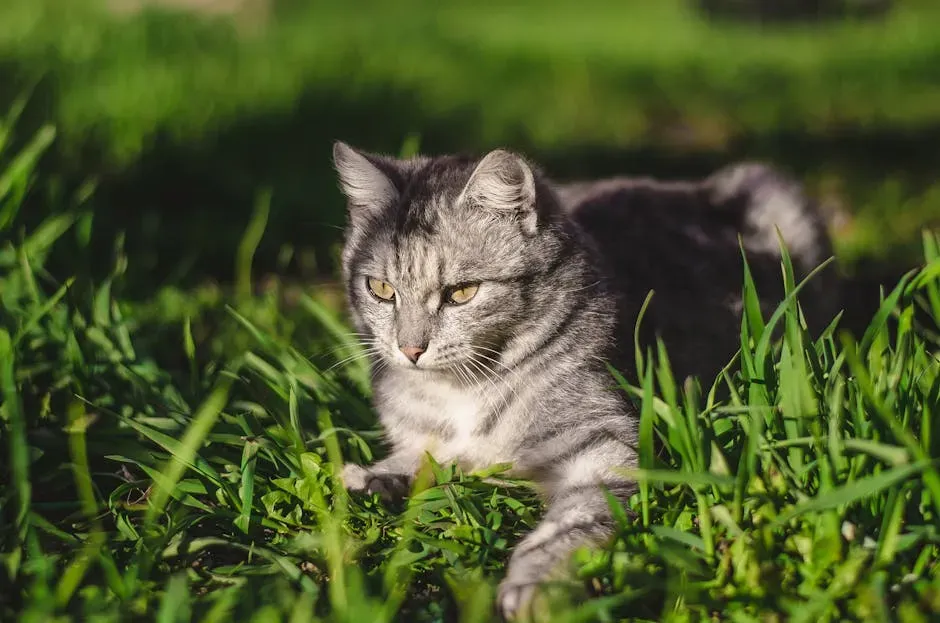
In the wild, cats would create nests or sleeping areas by patting down foliage or grass. These recurring movements helped to soften the ground, making it more comfortable for resting or giving birth. Over time, this behavior became ingrained in their instincts, even in the absence of such practical needs. What once shaped a bed from leaves now shapes itself against your thigh.
In outdoor or wild settings, cats have been seen kneading grass or leaves to create softer places to rest or give birth. The pressure also activates scent glands in their paws, so each push quietly marks the territory as familiar and safe. Your lap, in your cat’s mind, is simply the softest and most trustworthy nest available.
Kneading Also Doubles as a Physical Workout
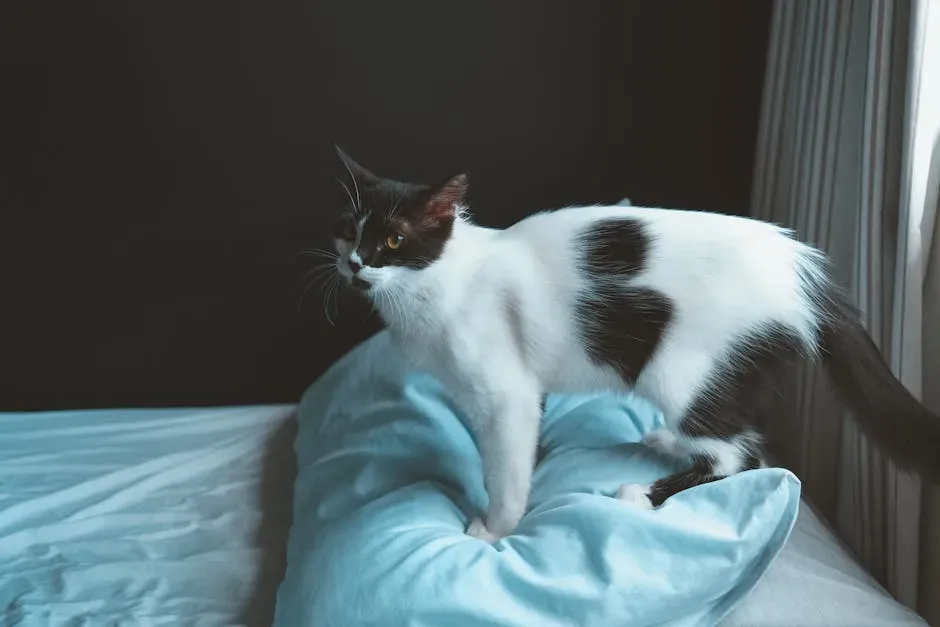
Kneading also gives cats a chance to stretch their muscles and maintain agility. The rhythmic movement engages their shoulder, leg, and back muscles, encouraging good circulation and easing any stiffness. It can also act as a light form of exercise, especially for indoor cats who may have limited opportunities to engage in physical activity. So while it looks like a slow, cozy ritual, there’s genuine physical function happening underneath.
Kneading is also a great way for your cat to stretch their muscles, especially the muscles in their paws, legs, and back. This motion helps keep their limbs limber, and it’s a natural part of a cat’s daily routine. Cats are known for their flexibility, and kneading helps maintain their agility and strength. You’re essentially serving as a personal yoga mat, which is either flattering or deeply inconvenient depending on how sharp the claws are.
When Kneading Signals Something Other Than Happiness
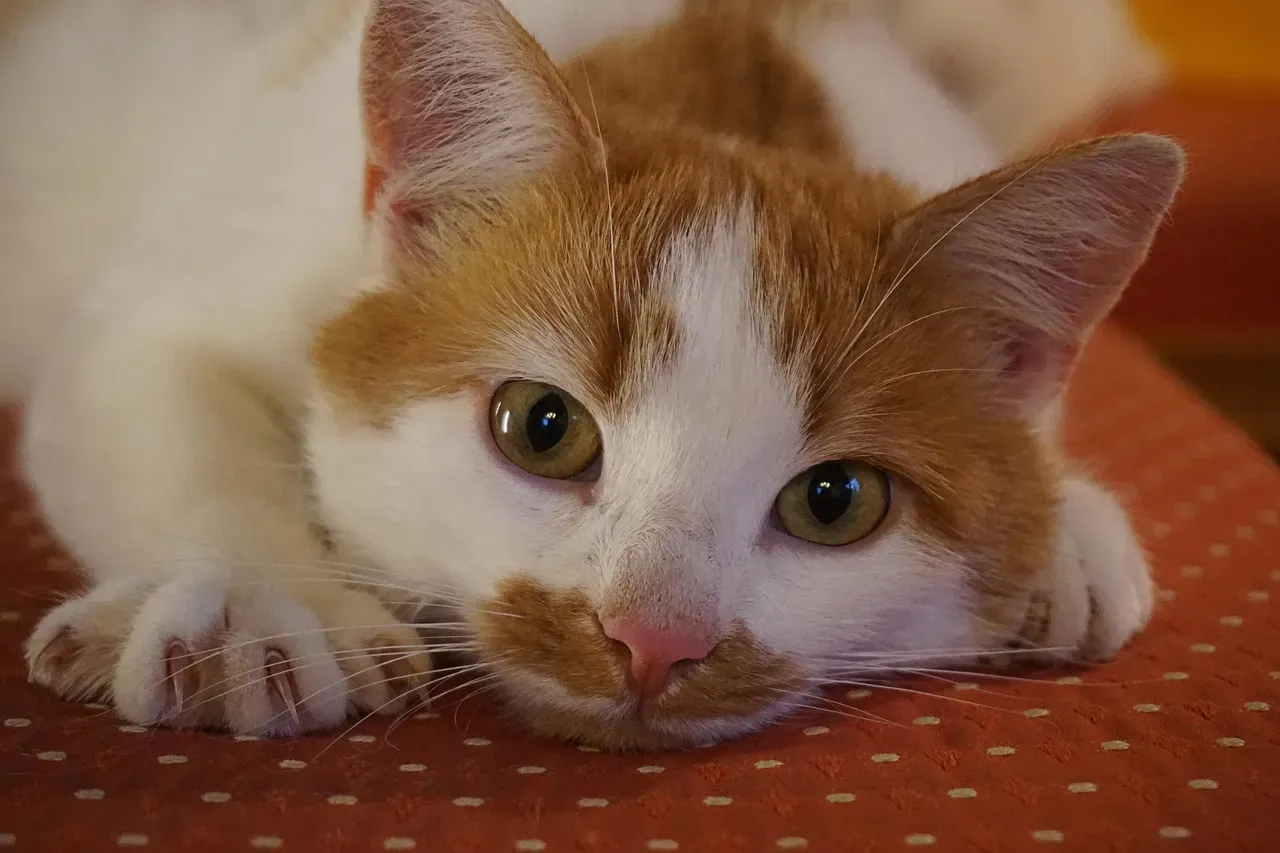
When kneading shows up alongside restlessness, loud vocalizing, or overgrooming, it can point to stress or anxiety. A sudden change in how often or how intensely they knead may also be a sign of discomfort or pain, especially in older cats with joint issues. Context, as always with cats, matters a great deal.
If your cat kneads excessively or suddenly kneads less than usual, it could mean that they don’t feel well. Because kneading is a comforting action, cats who feel stressed or are experiencing pain may knead to soothe themselves. If you notice a significant change in your feline friend’s behavior, schedule a visit with your veterinarian to rule out a medical or behavioral problem. The behavior itself is healthy. Dramatic changes in it are worth paying attention to.
How to Respond When Your Cat Kneads You
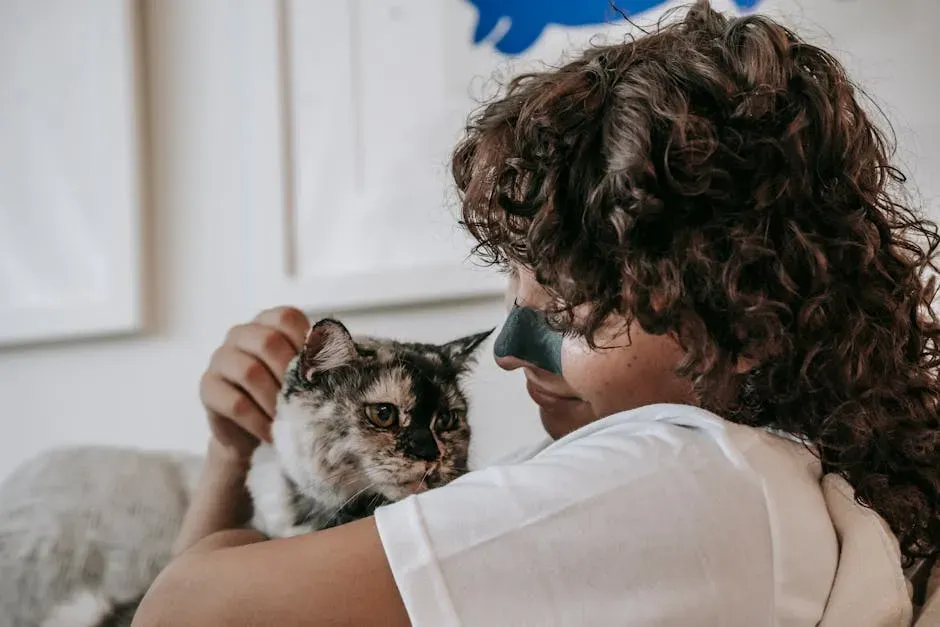
Petting or speaking gently to your cat while they knead can strengthen your bond. You don’t need to do anything elaborate. Staying still, speaking softly, and letting your cat finish what they started is usually enough. They’re not asking for much.
You should never yell at or punish your cat for kneading. Remember that kneading is a natural behavior, and your cat needs an acceptable outlet to express their instincts. If the claws become an issue, consider placing a soft blanket on your lap to make it more comfortable for both of you, especially if their claws are extended. Redirecting is always smarter than discouraging.
Conclusion
There aren’t many moments in daily life where something so small carries so much layered meaning. Your cat’s kneading is not filler behavior. It’s a convergence of ancient instinct, emotional memory, brain chemistry, and genuine affection, all expressed through rhythmic paws on your lap.
The next time your cat settles in and starts working those paws, you’ll know what’s really going on. They’ve decided you’re safe. They’ve decided you’re home. When your cat presses their paws into you or their favorite blanket, they’re displaying trust, affection, and contentment. It’s their unique way of communicating that they feel safe, loved, and at home. That’s not a small thing for an animal that chooses its trust so deliberately.
Kristina is a young writer from India. An arts graduate and an avid content creator, Kristina is passionate about animals and wildlife. She enjoys exploring topics related to pet care, animal behavior, conservation, and nature, combining thorough research with engaging storytelling.