Cats have a reputation for being mysterious. You can share a home with one for years and still wonder whether the feeling is truly mutual. They don’t wag their tails or leap into your arms when you walk through the door. Their love language is quieter, almost deliberately concealed, which is exactly what makes it so fascinating when you catch a glimpse of it.
Because of their evolutionary background as largely solitary hunters, a cat’s affection is often expressed in subtle, behavior-based ways rather than obvious displays. These signs may not stand out at first, especially if you expect dog-like enthusiasm. Once you know what to look for, though, they clearly reflect trust, comfort, and a strong emotional bond. The moments described below are the ones that happen in the margins of your attention – and they say more than any obvious gesture ever could.
1. The Slow Blink They Give You From Across the Room
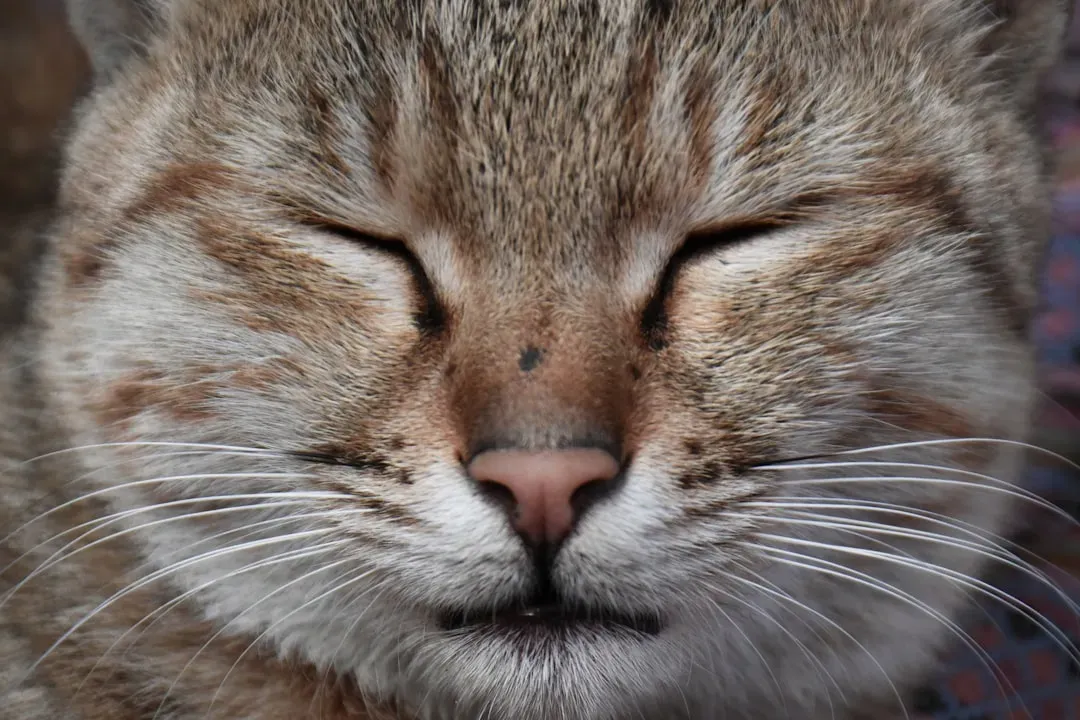
You glance over at your cat lounging on the windowsill, and for a brief moment, they hold your gaze and then slowly close and reopen their eyes. It might look like drowsiness, but it’s actually one of the most meaningful signals in feline communication. Research suggests slow blinks are associated with a positive emotional state and can be a sign of trust, contentment, and affection, similar to a human smile.
If your cat looks at you calmly and then slowly closes and opens their eyes, you’re receiving what many behaviorists call the “cat kiss.” This gentle slow blink is one of the clearest signs that your cat feels safe, relaxed, and bonded with you. When cats encounter strange humans or other cats they don’t know, they usually greet them with an unblinking stare. They are more likely to slowly blink at cats they have a good relationship with. So the next time your cat offers you that unhurried half-close of the eyes, you can blink slowly back. It genuinely deepens the connection between you.
2. Kneading You Like They’re Making Biscuits
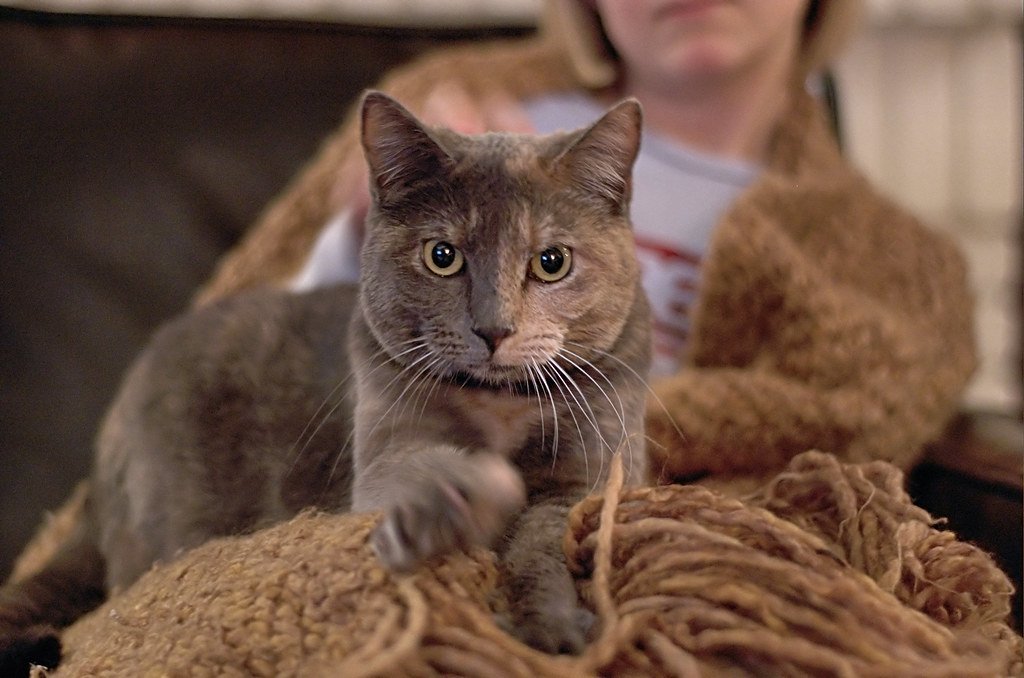
If you’ve ever settled in for the evening and felt that rhythmic, alternating press of paws on your lap or stomach, you’ve experienced one of a cat’s oldest expressions of comfort. Kneading is instinctive and stems from kittenhood: kittens knead their mother’s belly to stimulate milk flow, and adult cats continue kneading to feel safe and relaxed. What’s remarkable is that the behavior persists into adulthood precisely because it’s tied to that early sense of warmth and security.
Kneading is believed to bring comfort by releasing endorphins to reduce stress and promote relaxation. Relaxed cats that knead are showing contentment. They will often knead when you gently pet or stroke them. Cats also have scent glands in their paws, so kneading leaves a subtle mark to claim their territory. Your cat feels safe and happy around you, and kneading you is a sign of love and bonding. When your cat does this quietly while you read or watch something, it’s not demanding attention. It’s simply telling you that being near you is enough.
3. Sleeping Near You or on You While You’re Still
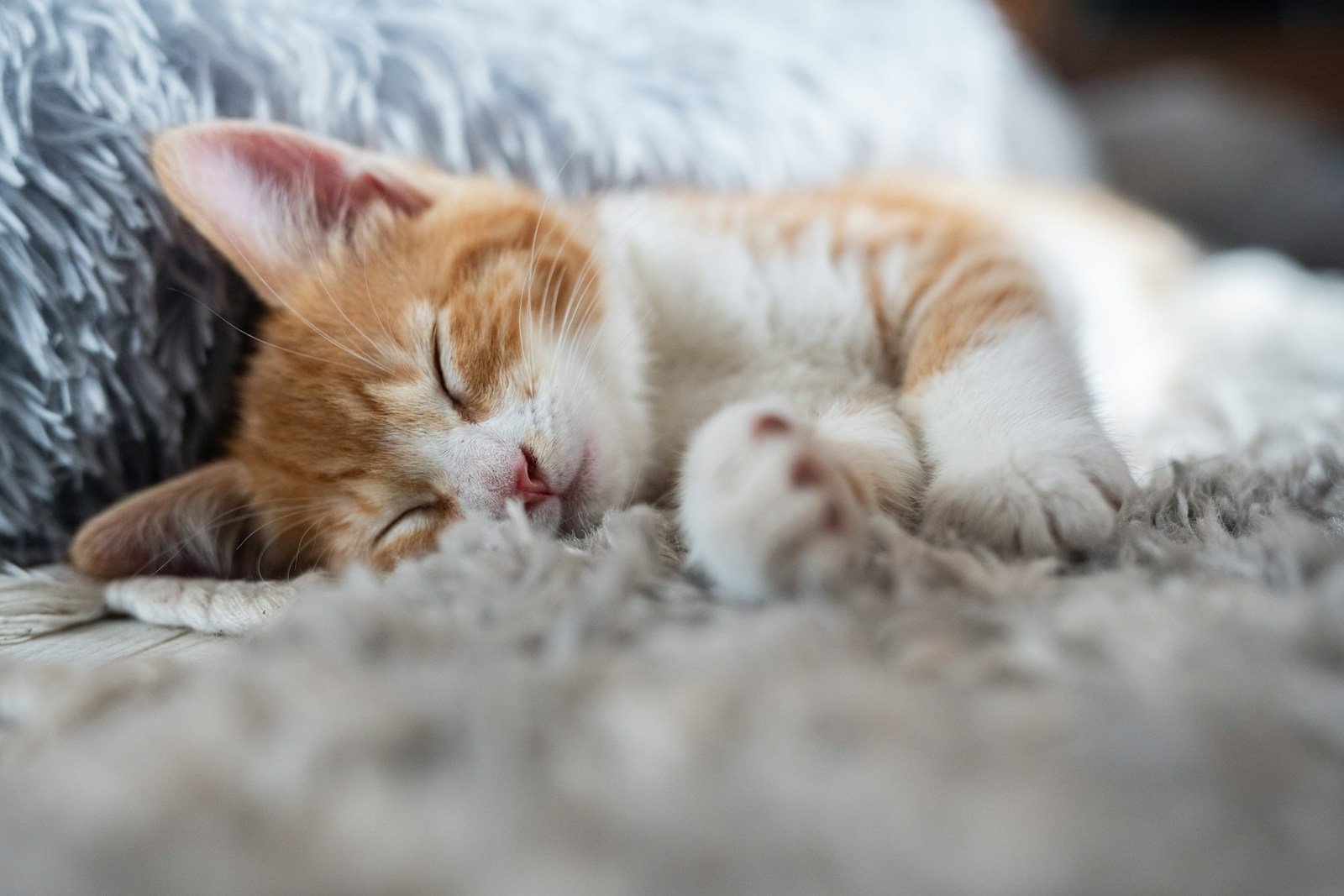
Cats are vulnerable when they sleep, so the fact that they’re willing to doze off on you means they trust you completely. Your lap provides everything a cat needs for quality sleep: warmth, comfort, and security. This is never accidental. Cats are cautious about where they rest, and choosing to sleep near you is a deliberate act of trust, not just a search for the nearest warm surface.
Sleep represents one of the most vulnerable states for any animal, making your cat’s choice to rest beside you one of the strongest indicators of trust possible. Cats view their owner’s presence as a concentrated source of familiar scents, providing both psychological and emotional comfort. Whether your cat curls up against your chest or simply claims a spot at your feet, the fact that they choose to sleep near you signals that they feel completely safe in your presence. Even if they’re not draped across you but simply curled nearby, a cat that sleeps next to you without touching still considers you a source of safety and comfort. Proximity alone is a meaningful trust signal for many cats.
4. Head Bunting and Cheek Rubbing Against You
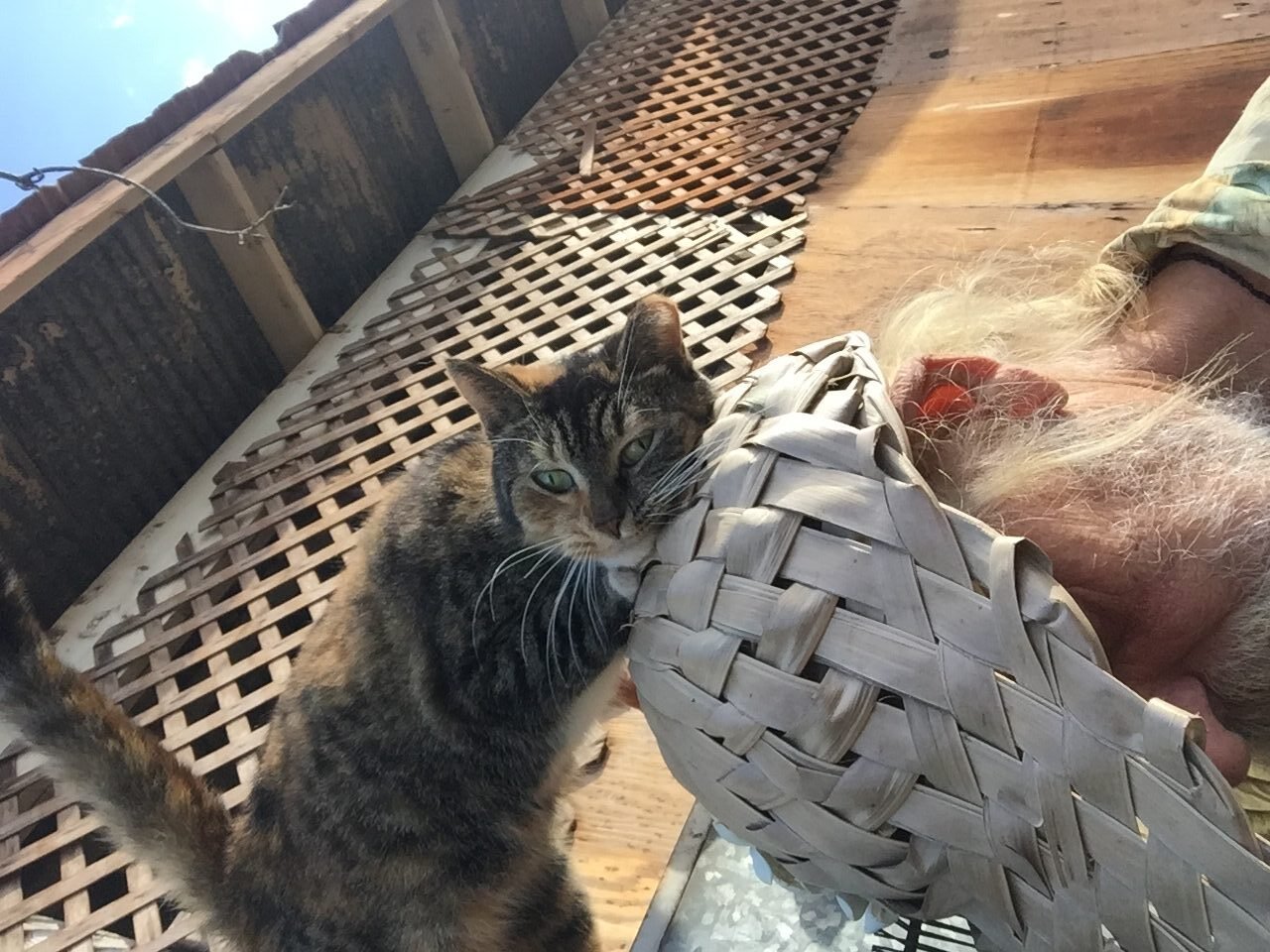
When your cat walks over and presses their forehead or cheek into you without any fanfare, it can feel like an ordinary moment. It’s actually a remarkably intimate one. This behavior, known as bunting, is a cat’s way of marking you with their scent. When a cat rubs its head against you, it’s not just seeking attention but also leaving its scent glands on you, claiming you as part of their territory. This gesture signifies trust and affection, indicating that your cat feels safe and loved in your presence.
In particular, cats use scent to identify members of their social group or family, by sharing a group scent profile. Cats have scent glands on their flanks, head and around their ears, and often rub their heads against people and objects that are familiar and comforting. This scent exchange creates a shared “family smell,” which reduces stress for your cat and reinforces your bond. Cats bunt only with individuals they feel comfortable with. In feline terms, being marked this way isn’t territorial aggression. It’s an invitation into their circle.
5. Grooming You When They Think the Moment Is Quiet
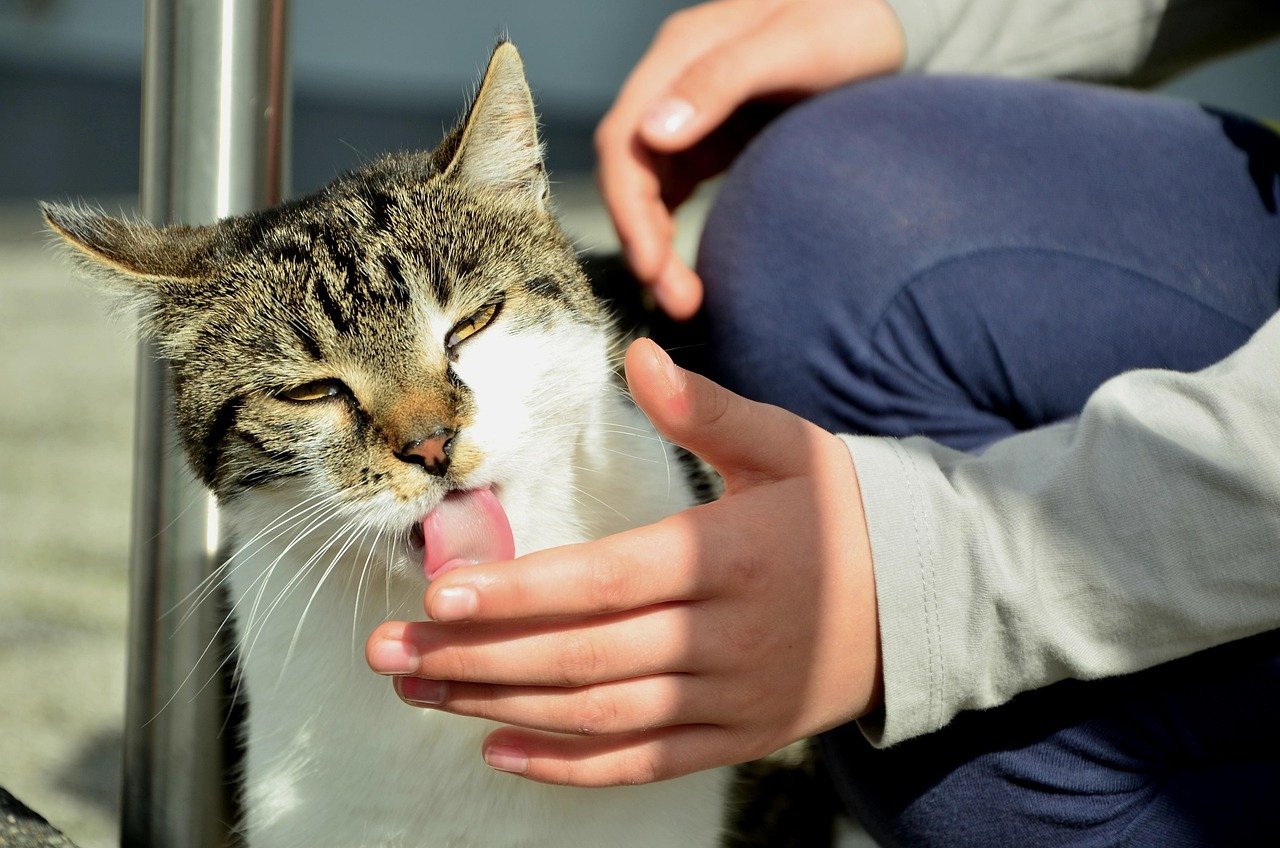
If your cat has ever crept over and begun licking your hand, your arm, or even your hair while you were sitting still and seemingly focused elsewhere, you were witnessing a profoundly social act. Grooming is another way cats show their affection. When a cat licks your skin or hair, it’s mimicking the grooming behavior they use with other cats. This action signifies that they see you as part of their social group and trust you enough to share this intimate behavior.
If your cat licks your hair or skin, they are treating you as part of their family. A mother cat grooms their kittens meticulously in an effort to clean them. This behavior gets imprinted into the minds of cats and stays till they grow up. So, they automatically try to groom you as a leftover imprint from that early bond. It’s a sign that your cat loves you. The fact that cats often start grooming when things are calm and you’re not actively engaging them makes it even more genuine. They’re not doing it for a reaction. They simply want to.
6. Rolling Over to Expose Their Belly in Your Presence
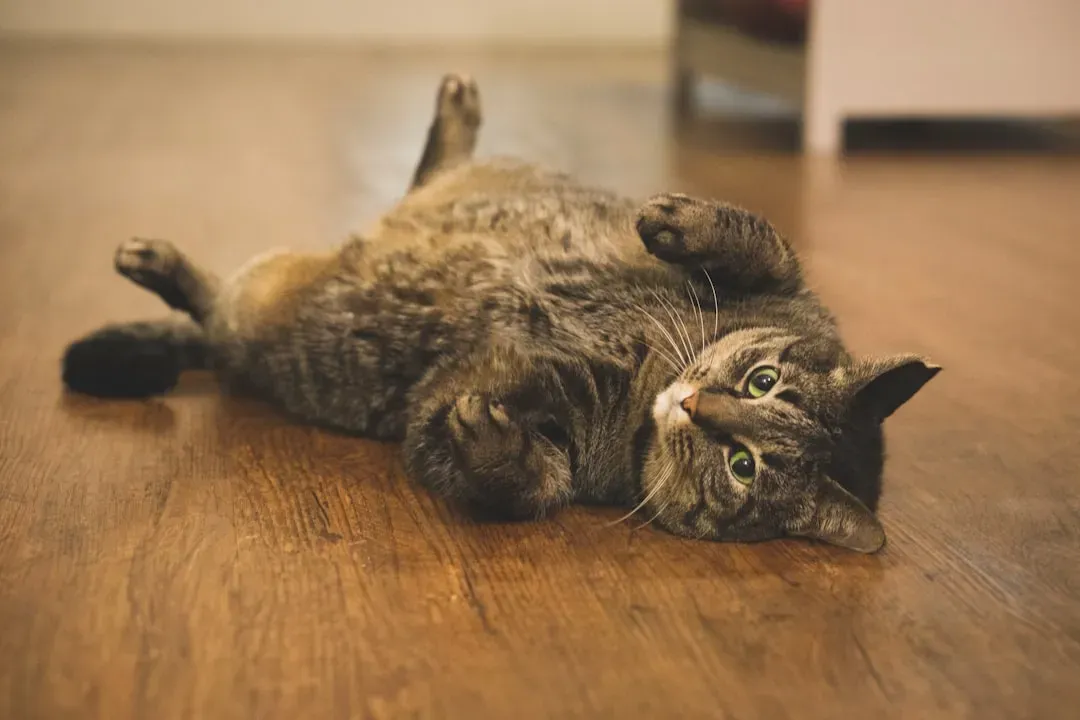
Cats don’t do this for everyone. When yours suddenly flops onto their back and stretches out with their belly facing upward, especially when the room is quiet and they think you’re occupied, it means something real. A cat sleeping on its back with its belly exposed is displaying complete trust in their environment and the people around it. The belly is a cat’s most vulnerable area, so this position means they feel entirely safe.
A cat exposing its soft, unprotected belly is essentially saying, “I am so safe with you, I don’t fear you will harm me, even in my most vulnerable state.” The belly is packed with vital organs and is a cat’s most sensitive area. To roll onto their back and expose it requires an extraordinary level of comfort and confidence in their surroundings and the individuals within it. Worth noting: it’s important to remember that showing their belly doesn’t necessarily mean they want it touched, as most cats prefer this vulnerable display to remain a visual gesture of trust rather than an invitation for physical contact. Let them lead the way on that one.
7. Following You Quietly From Room to Room
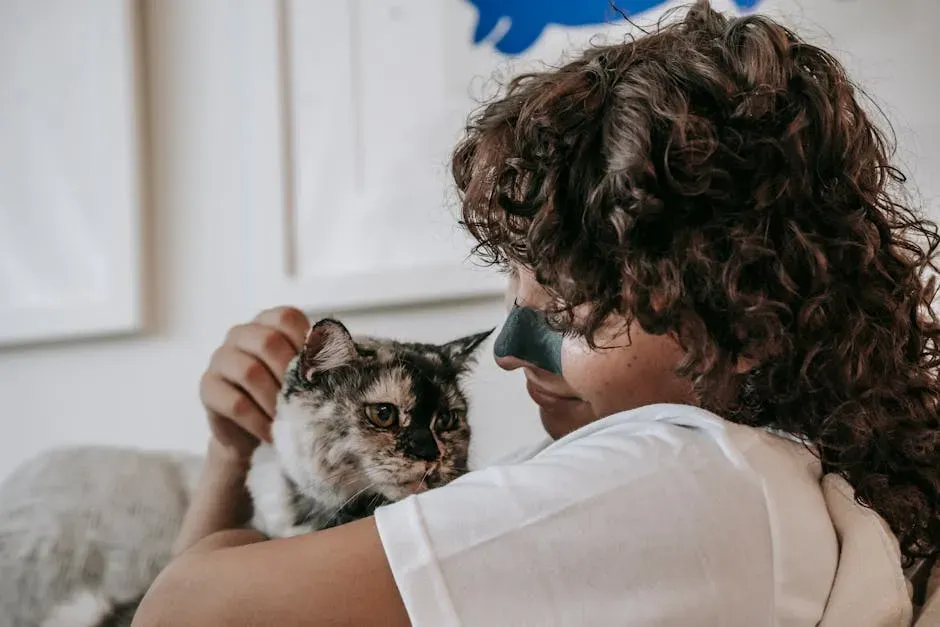
Your cat isn’t loudly demanding your attention. They’re just… there. You move to the kitchen, and a few moments later they stroll in. You settle in the living room, and they reappear nearby. This quiet companionship is easy to overlook, but it’s one of the most consistent ways cats demonstrate they genuinely want to be near you. Cats often follow the people they love and trust throughout the home, keeping their favorite human in sight at all times. When a cat forms a strong attachment to their human, they tend to follow their companion from room to room and actively seek their attention. This following behavior indicates that your cat genuinely enjoys your company and wants to remain close to you throughout the day.
Cats are more likely to explore and interact with their environment when they feel relaxed and comfortable in a person’s presence. So if your pet is often on the move while you’re with them, take it as a subtle sign of how a cat shows affection. The message here is that they are more comfortable in your presence. A cat that enjoys your company and feels comfortable around you is going to follow you around the house. They just want you to know that they see you as a great companion. It’s understated, yes. Still, it’s real.
8. Bringing You “Gifts” When You’re Not Expecting Them
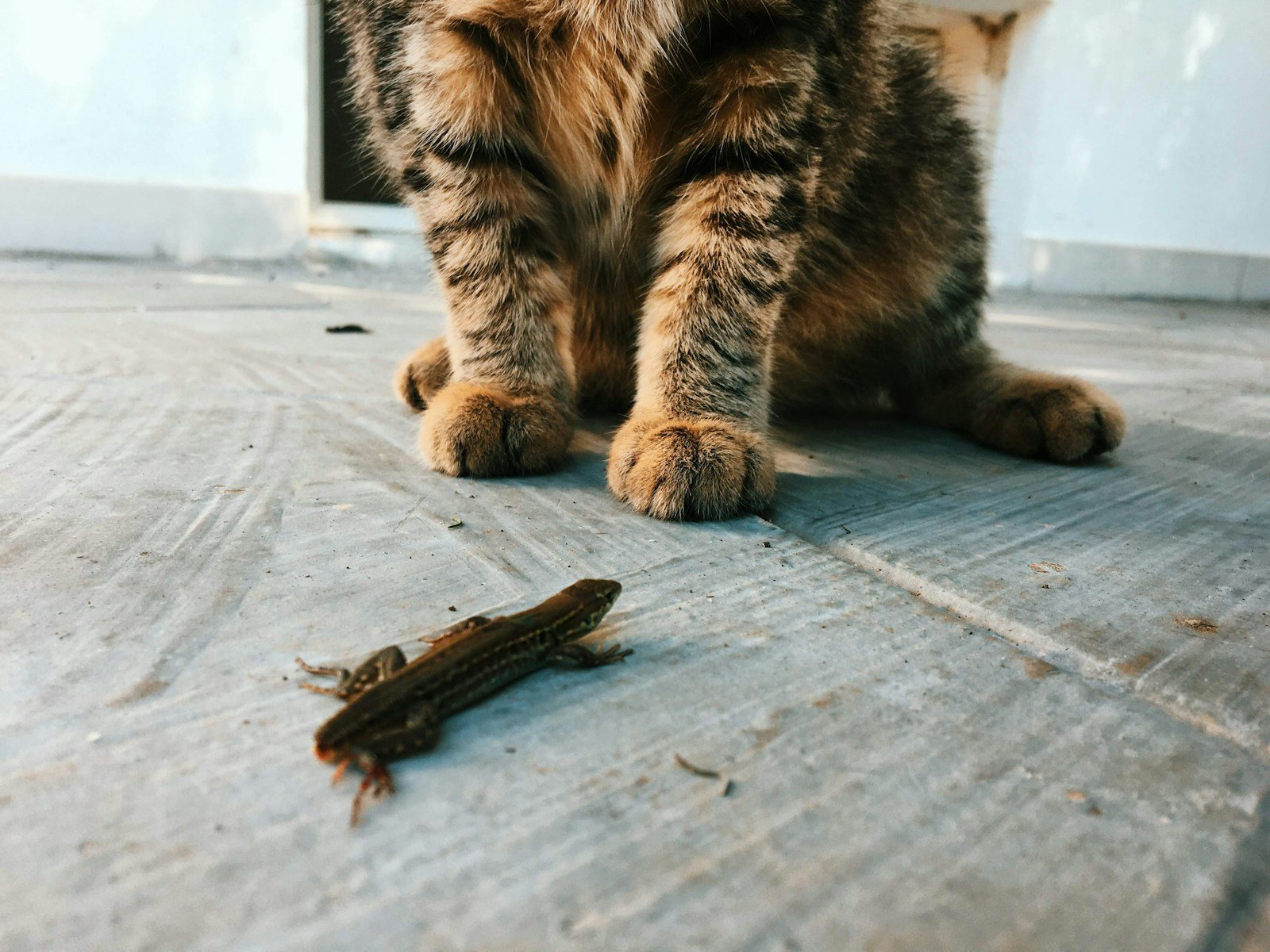
You walk into a room and find a toy mouse, a crumpled piece of foil, or, if your cat goes outdoors, something far less welcome, placed deliberately somewhere you’ll notice it. Your first instinct may not be gratitude, but the intention behind the behavior deserves appreciation. In the wild, cats bring prey to their families. By bringing you gifts, your cat is sharing its “hunt” with you, showing that they consider you part of their family.
Cats are solitary hunters, but if they live in groups they will tend to eat together. In feral cat colonies, some members of the group are hunters and bring back gifts of food to their bonded companions. If your kitty hunts and then presents you with the reward, this is a prime example of cat behavior that should be appreciated rather than deplored. Keep in mind they mean well and this behavior really is a sign that they care deeply for you. How cats show their love can be a bit confusing to their human companions, but as long as you understand their behavior for what it is, you can learn to appreciate it. In their mind, they’re providing for you. That’s about as loving as it gets.
Conclusion: The Quiet Language Worth Learning
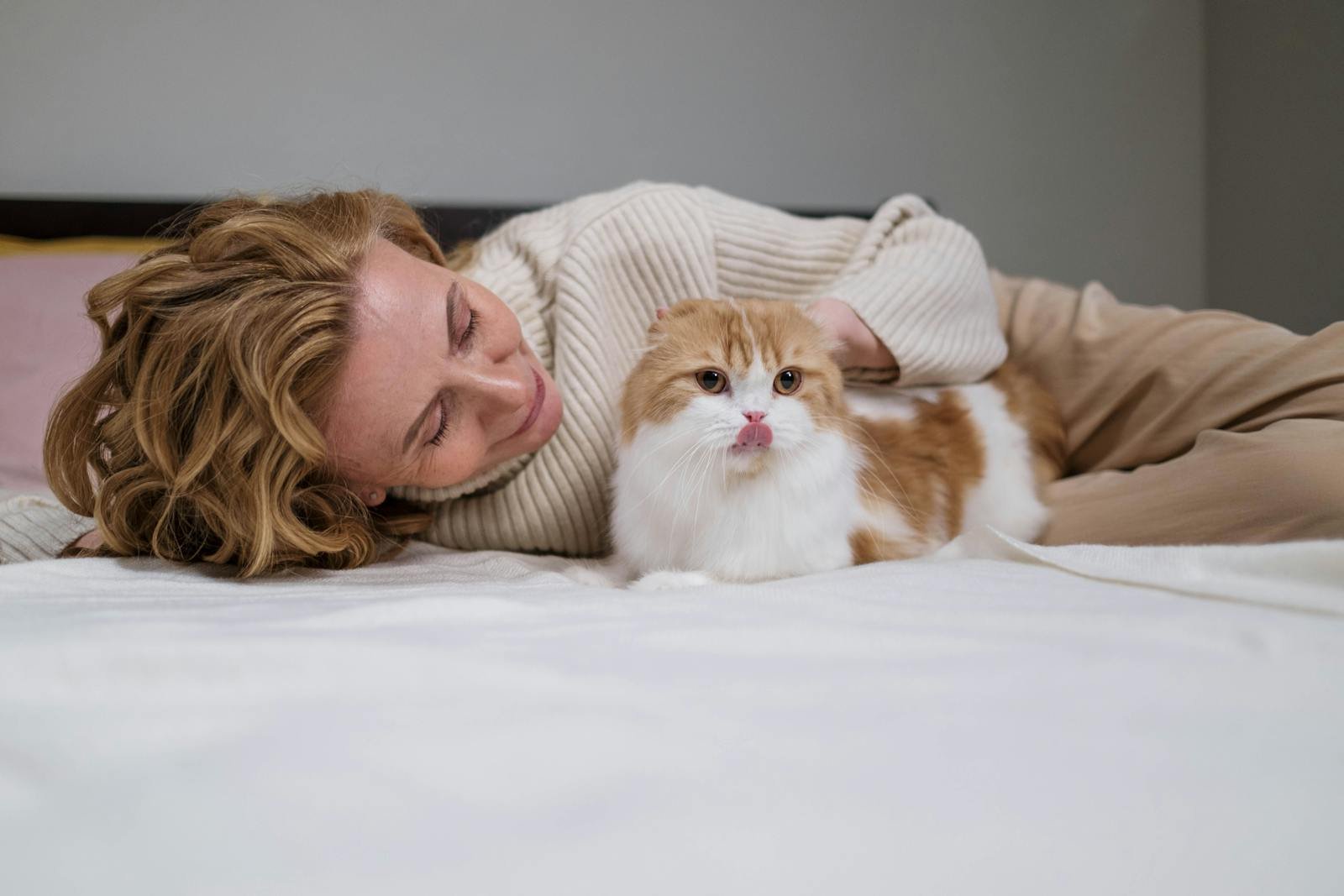
Cats don’t announce their love. They demonstrate it through patient, consistent, often unnoticed gestures that only make sense once you understand what you’re looking at. Cats do show affection. It just doesn’t always look the way people expect. Once you start noticing the small things, like slow blinks, quiet following, and the choice to stay near you, it becomes much easier to see how much trust and connection is really there. With cats, affection is subtle, but that is part of what makes it feel genuine when it shows up.
Cats show love differently than humans do, often expressing affection through subtle behaviors. The list above isn’t exhaustive, and every cat has its own rhythm. The real takeaway is this: once you stop waiting for your cat to love you the way a dog would, you start seeing just how often they already do. The slow blink from across the room, the quiet thud of landing next to you on the couch, the warmth of a small body pressed against your feet at night. These aren’t accidents. They’re choices, made in the moments when no one seems to be watching.
Kristina is a young writer from India. An arts graduate and an avid content creator, Kristina is passionate about animals and wildlife. She enjoys exploring topics related to pet care, animal behavior, conservation, and nature, combining thorough research with engaging storytelling.