You probably think your cat is just lounging around, blissfully unaware of the world around them. Maybe staring at the wall. Maybe napping for the seventeenth hour. But here’s a thought that might change how you see that sleepy little creature forever – your cat is watching you. Carefully. All the time.
Cats are masters of observation. Like dogs, they can pick up on subtle changes in your body language, tone of voice, and facial expression. Just the way you move around the house can let them know when you’re not quite yourself. They notice more than you’d ever guess, and honestly, the science behind it is fascinating.
So if you ever thought you had privacy in your own home, think again. Let’s dive in.
Your Cat Has Already Mapped Your Entire Routine

Cats are creatures of habit. They tend to wake their owners up at about the same time each morning because they want to be fed. They have a good internal clock and know when you’re getting up, when you’re going to leave for work, and when you’re going to come home again. This isn’t a coincidence or magic – it’s observation, pure and simple.
Cats memorize patterns and routines in their surroundings. Sights and sounds provide them with an understanding of the time, and this influences their daily behavior. Think of it like this: your cat has built a mental map of your day that would impress any productivity coach. They’re tracking you like a detective, quietly building your profile, one subtle cue at a time.
They Can Read Your Emotions – and They Respond to Them
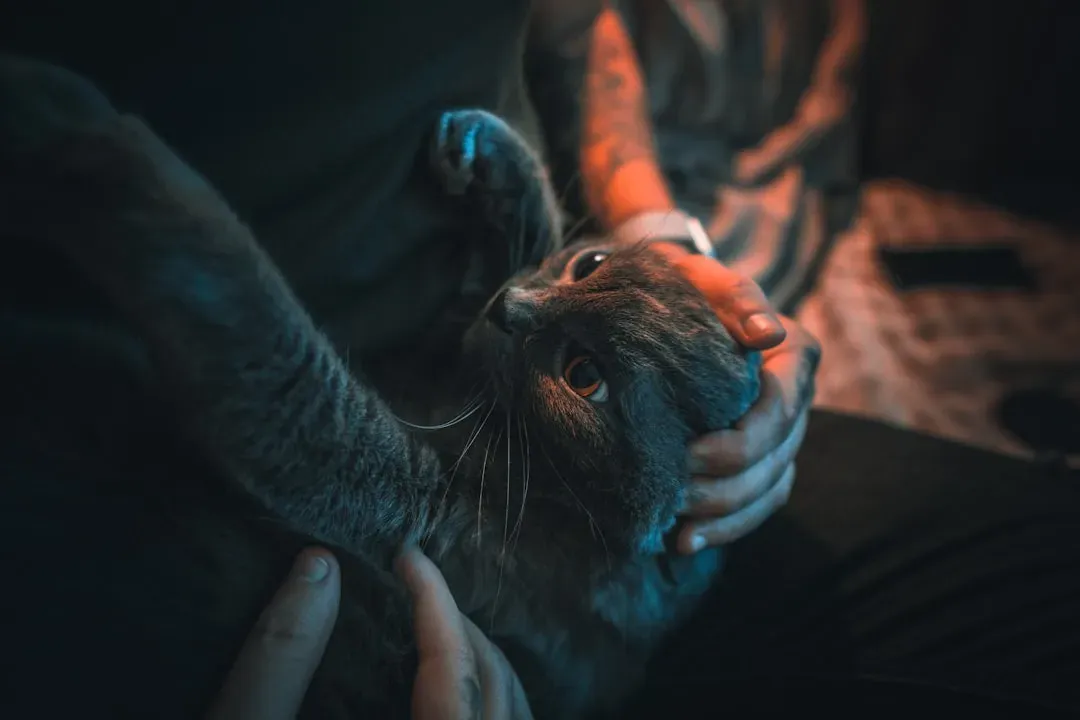
Here’s the thing: your cat isn’t just watching your schedule. They’re watching your face. Researchers have found that cats observe your facial expressions, tone of voice, and body language to gauge your mood. From sadness and happiness to anxiety and anger, our furry friends are equipped to detect shifts in our emotional states.
Research demonstrates that cats integrate visual and auditory signals to recognize human and conspecific emotions and appear to modulate their behavior according to the valence of the emotion perceived. So when you’re sad and your cat suddenly appears, pressing their warm head into your hand, that’s not coincidence. That’s your cat reading you like a book and choosing to show up.
They Can Even Smell Your Fear – Literally
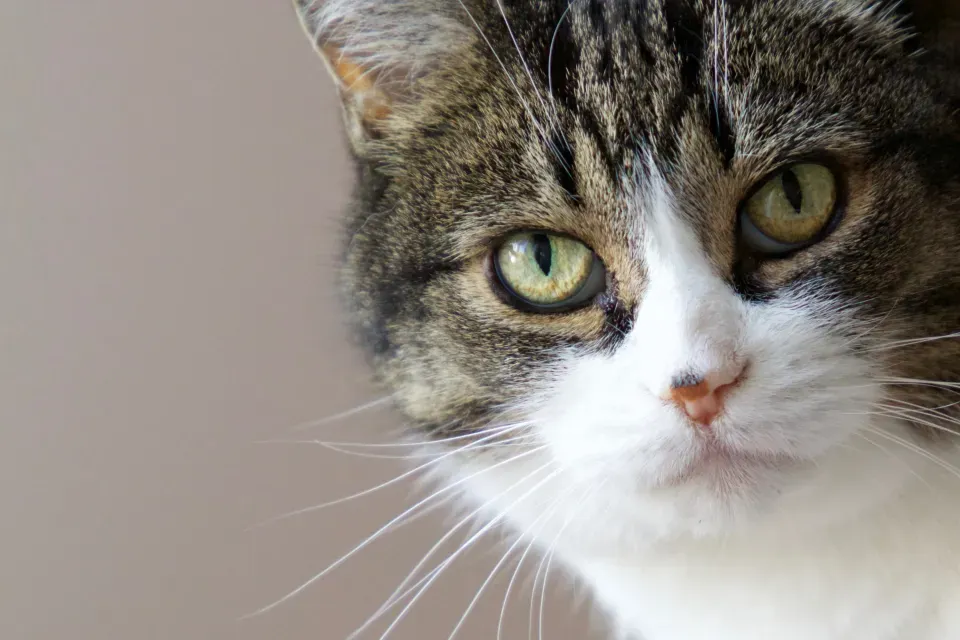
I know it sounds crazy, but this one is genuinely mind-blowing. A recent study shows cats can detect human emotions through scent, especially fear, suggesting our feline friends might understand us more than we realize.
To investigate whether cats can smell human emotions, researchers conducted an experiment using odor samples from men exposed to different emotional states: fear, happiness, physical stress, and neutral. Sweat samples were collected after the men watched emotionally charged videos, after they ran for fifteen minutes, and after they showered. These findings challenge the stereotype of cats as indifferent to human emotions. While they may not express their attachment in the same overt ways as dogs, cats are clearly tuned into the emotional states of their humans. So yes, you can’t really hide how you feel from your cat. Not even on your best poker face day.
Kittens Start Observing From Day One
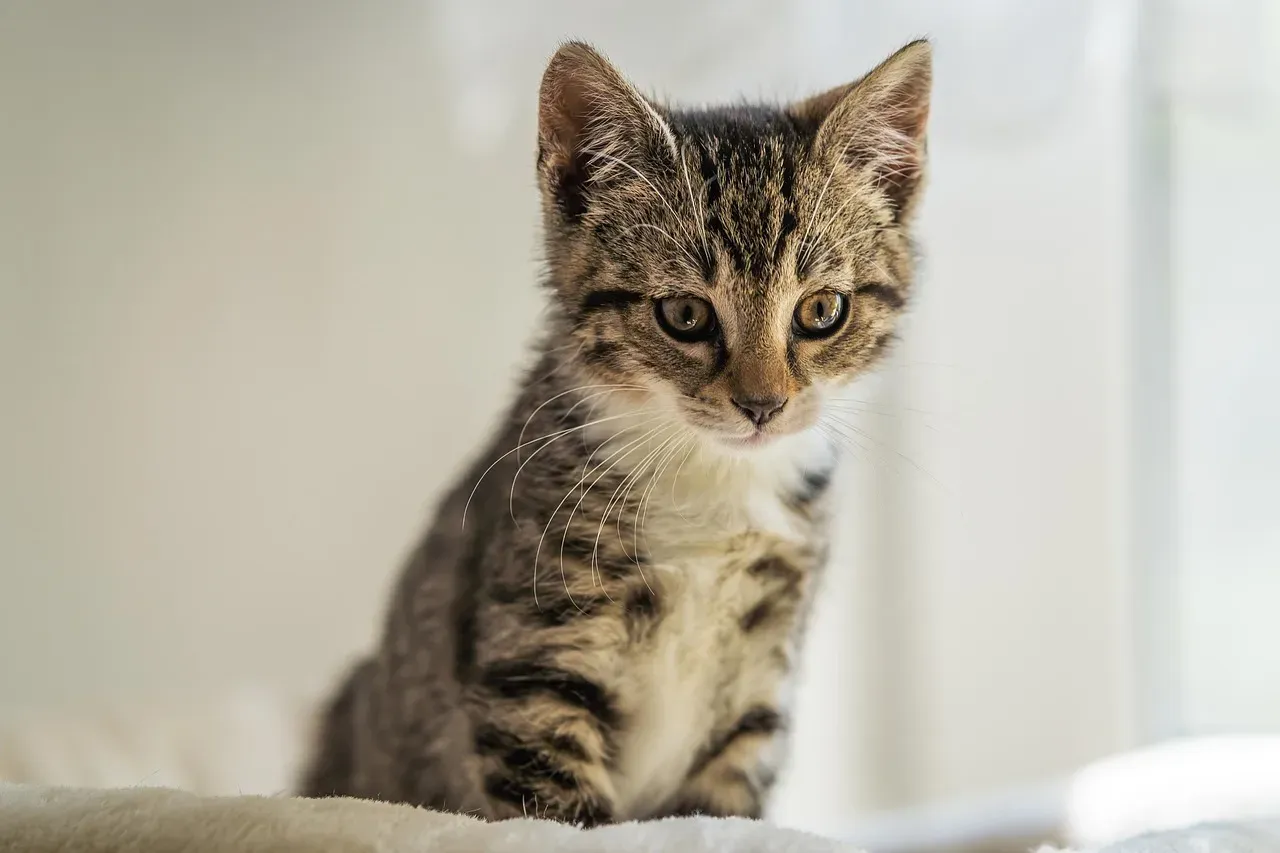
From birth, kittens watch their mothers and littermates closely. They learn essential survival skills such as hunting, grooming, and using a litter box. This natural tendency to observe is crucial for their development and helps them understand the world around them.
Kittens start learning about social behavior early in life. Studies show that they learn best by watching their mothers, picking up important life skills by observing and imitating. It’s like their first school is just a constant staring contest with whoever is nearby. While kittenhood is a critical period for learning, adult cats also benefit from observation. Their experiences allow them to adapt to new environments or changes, such as new pets in the household or shifting routines, demonstrating their lifelong learning capacity.
Cats Learn What Works on Each Person Individually
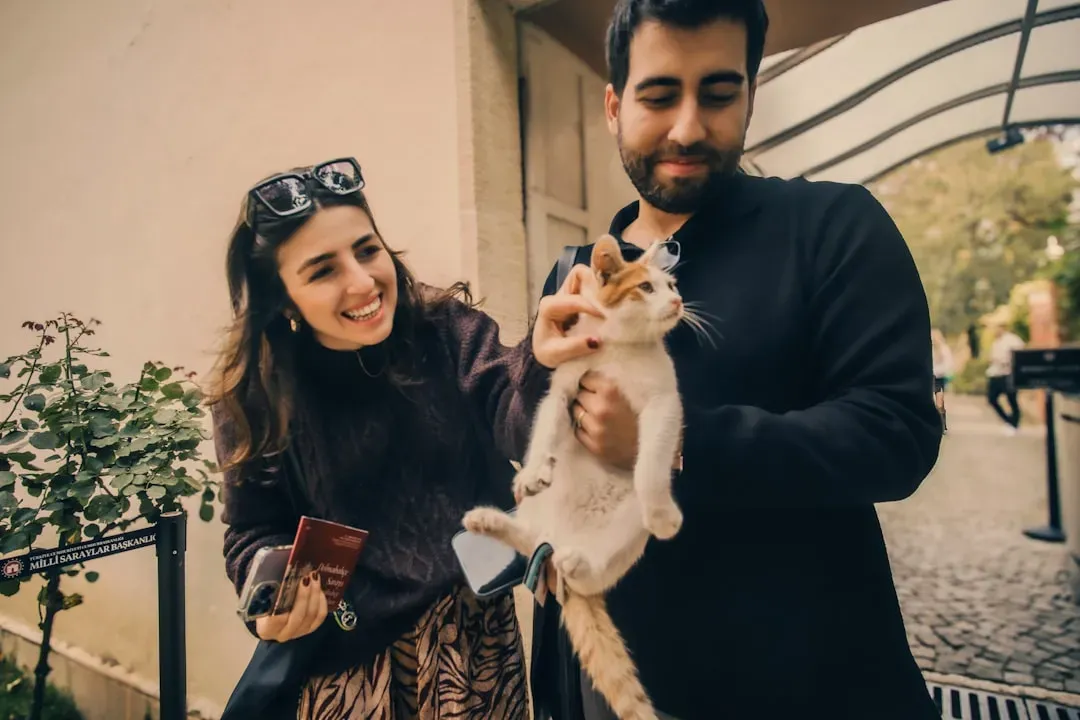
Let’s be real – if you live in a household where different people have different routines, your cat has everyone’s profile memorized. Cats are much smarter than we give them credit for: they learn what works with what person. They know if one member of the family is prone to get up at four in the morning and give them some treats.
Cats learn specifically how their owners react when they make particular noises. So if your cat thinks, “I want to get my owner from the other room,” it works to vocalize. That yowling at the door? It’s not random. Your cat ran a behavioral experiment on you, catalogued the results, and is now applying what they learned. You’ve been outsmarted.
Their Eyes Are Quietly Processing Everything Around You
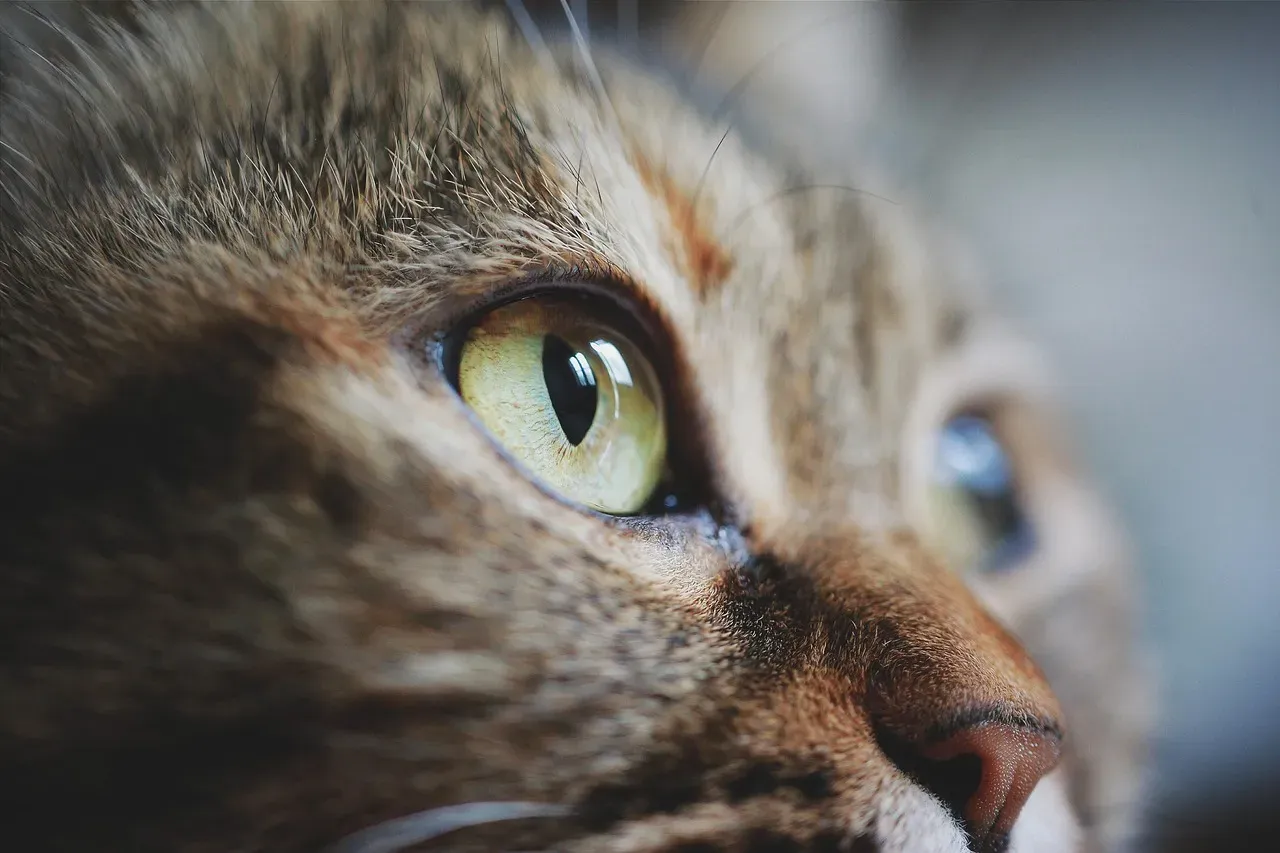
A cat’s eyes are highly expressive and can reveal a wide range of emotions. Understanding their eye cues can significantly improve human-cat interactions. But the same applies in reverse – your cat is using their eyes to observe you with extraordinary focus.
Slow blinking is a sign of trust and comfort, and reciprocating the gesture can reinforce the feeling of safety. When your cat gives you a long, languid slow blink from across the room, they’ve already assessed that you’re calm and safe. They’ve processed your emotional state, checked for threats, and made a judgment call. According to a research study at the University of Sussex, evidence shows that cats perceive human slow blinking in a positive way, suggesting it can be used as a method of cat-owner communication.
Mirroring You Is Real – and It’s Actually Science
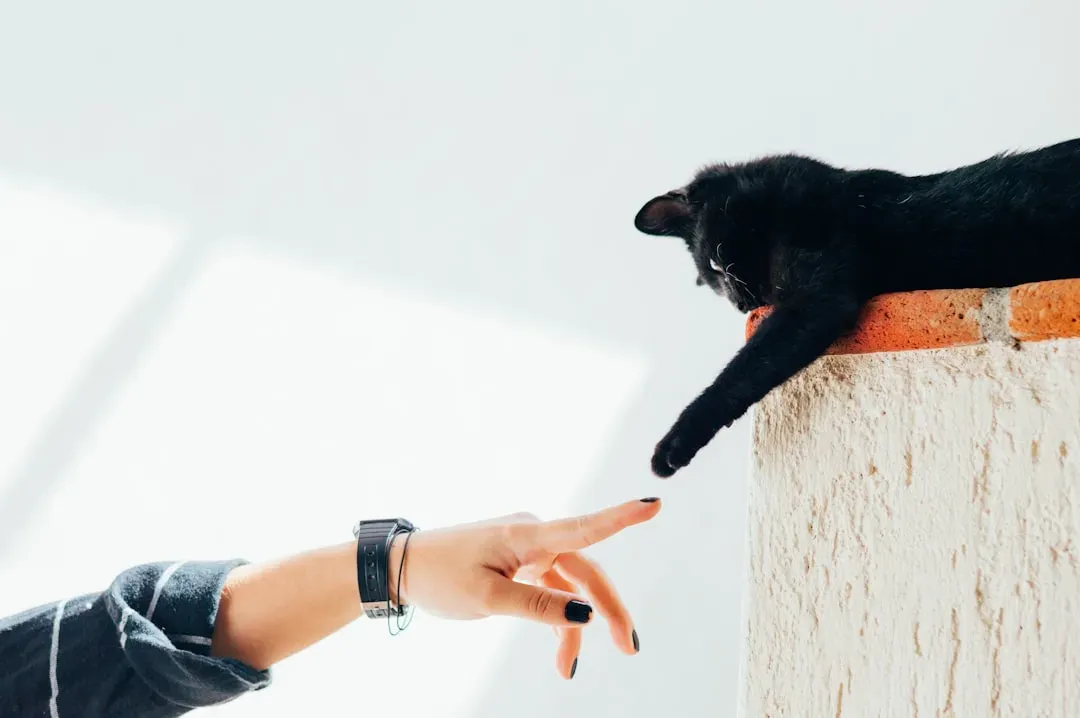
Ever noticed your cat lying in the same direction you’re facing, or becoming restless exactly when you become restless? Cat mirroring is a natural behavior where cats imitate their owners’ actions and routines. This behavior stems from their social nature and desire to strengthen bonds with their human family members. It’s both an instinctive and learned behavior that helps cats adapt to their domestic environment.
Cats can detect and mirror their owners’ emotional states. They may become more affectionate when their owner is sad, more energetic when their owner is happy, or anxious when their owner is stressed, showing their capacity for emotional attunement. It’s not entirely different from how close friends start unconsciously syncing their mannerisms. Your cat has simply decided you’re worth copying.
The Science of Cats Actually Imitating Human Actions
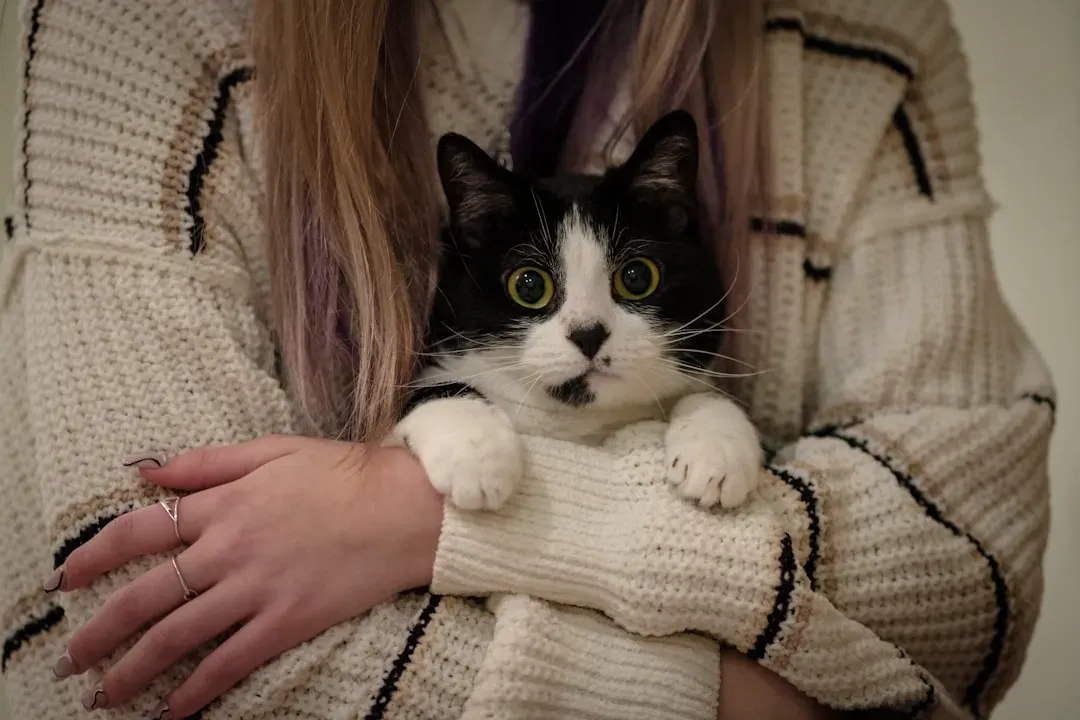
Here’s where it gets truly remarkable. Researchers have shown that a Japanese cat named Ebisu could imitate the actions of her owner under controlled scientific conditions. The ability has only been seen in a handful of creatures, and the finding could have significant implications.
In sixteen subsequent trials, Ebisu accurately copied her owner more than roughly four out of every five times. The fact that the cat used her paw and face to touch the box when her owner used her hand and face, respectively, indicates she was able to “map” her owner’s body parts onto her own anatomy. Previously, only dolphins, parrots, apes, and killer whales had been shown to imitate people. Cats having the same ability suggests it may be widespread in the animal kingdom, evolving early in animal evolution. Think about that the next time your cat watches you open the kitchen cabinet.
Routine Disruptions Don’t Go Unnoticed by Your Cat
Cats can be very reliant on their routine and the routine of their owners. If their routine or environment changes, even in a subtle way, they might become stressed. This could be something as small as a change of fragrance in the living room, or something as big as their owner moving jobs and being out of the house more.
Cats are highly observant animals that rely on environmental cues to feel secure. Sudden changes in their routine can create stress and anxiety, leading to behaviors such as hiding, aggression, or loss of appetite. You might not even notice a small shift in your own daily habits, but your cat? Your cat noticed two days ago. They filed it away, processed it, and are now sitting at a slightly different angle on the couch to communicate their disapproval.
Conclusion: Never Underestimate the Silent Watcher in Your Home
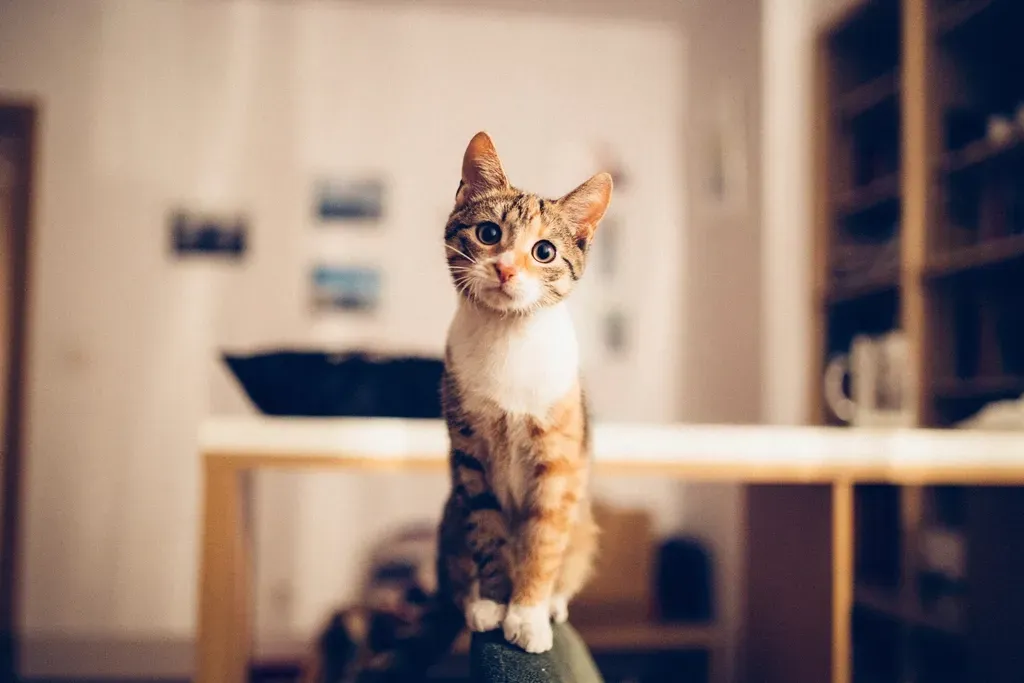
The image of the aloof, indifferent cat has been one of the great myths of the pet world. The truth, backed by growing science, is far more fascinating. Your cat has memorized your schedule, read your emotional state, catalogued every family member’s habits, and may even be capable of copying your actions. All while looking like they couldn’t care less.
Cats not only recognize human emotions but may also respond to them in ways that reflect their own emotional states. This growing body of research highlights the importance of understanding and respecting our feline companions’ sensitivity to our emotions.
So the next time your cat curls up silently nearby while you’re having a rough day, or meets you at the door exactly when you arrive home, remember – that’s not luck. That’s a highly attentive, deeply observant creature who has been paying very close attention to you all along. The real question is: have you been paying the same attention to them? Drop your thoughts in the comments – we’d love to know what your cat has “caught” you doing.
Kristina is a young writer from India. An arts graduate and an avid content creator, Kristina is passionate about animals and wildlife. She enjoys exploring topics related to pet care, animal behavior, conservation, and nature, combining thorough research with engaging storytelling.