You open the refrigerator and, within seconds, your cat appears from a dead sleep two rooms away. Suspicious timing, right? It’s the question that quietly nags every cat owner: when your cat curls into your lap or bumps its head against your chin, is it genuinely fond of you, or simply running a very effective resource-acquisition strategy?
The truth, as with most things involving cats, is layered. In recent years, research on cat behavior has begun to support the idea that the bond between cats and humans can run deep, with scientists finding that cats may be far more socially smart than they usually get credit for. That doesn’t mean every affectionate behavior is purely emotional. Some of it is strategic. Understanding which is which, and why the distinction may matter less than you think, is what makes cat ownership so endlessly fascinating.
The Science of Cat Attachment: More Than Meets the Eye
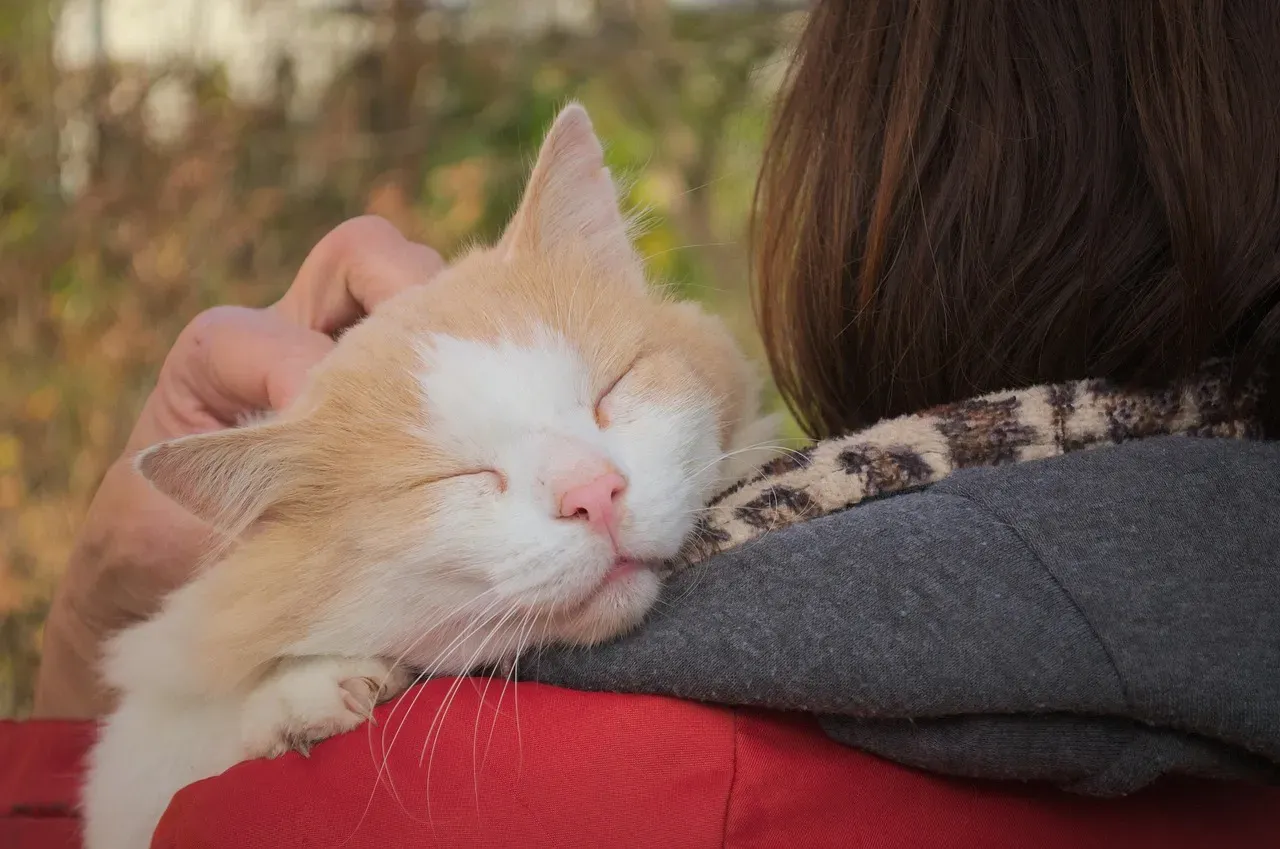
For a long time, cats were written off as fundamentally self-serving creatures who only tolerated humans as walking food dispensers. That reputation has taken a serious hit from behavioral research. Studies show that, much like children and dogs, pet cats form secure and insecure bonds with their human caretakers. This was a genuinely surprising result for many researchers when it was first published.
Distinct attachment styles were apparent among adult cats, with roughly two thirds of cats classified as securely attached and just over a third as insecurely attached to their owners. These findings mirror those found in studies of dogs and human infants, meaning the majority of cats view their owners as a source of comfort and security much like dogs do. That’s a far cry from the cold, calculated image cats have long been saddled with.
When Your Cat Prefers You Over Food
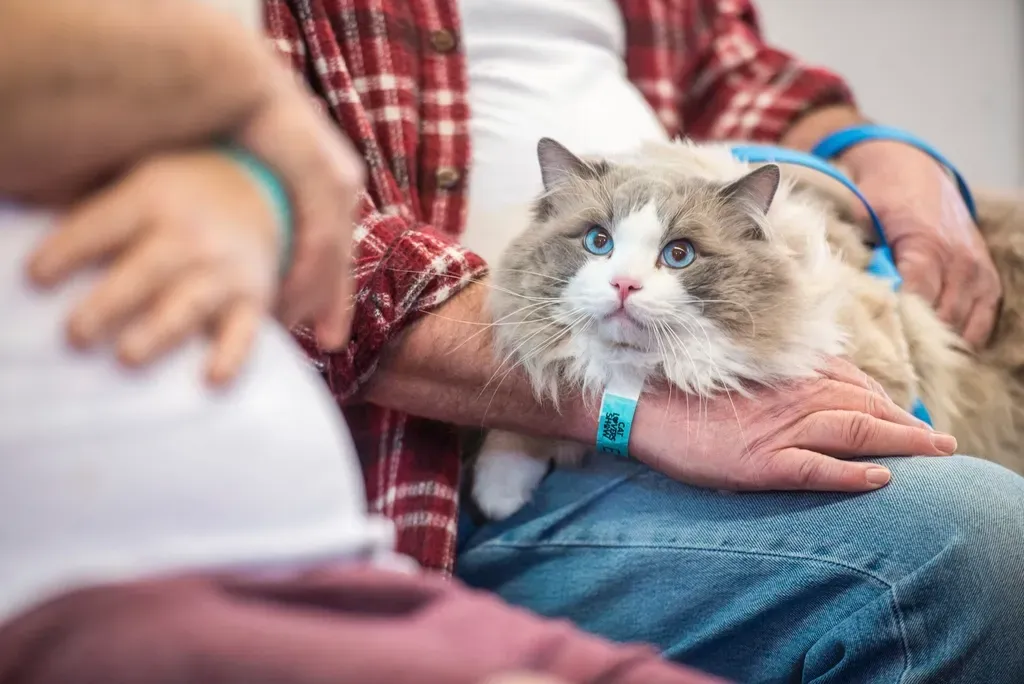
A study by scientists from Oregon State University determined that cats prefer human social interaction to food. That finding alone should challenge the assumption that cats are purely transactional about their relationships with you. For the study, published in the journal Behavioural Processes, cats were offered a choice between food, toys, scent, and social interaction with humans, and social interaction with humans was the preferred activity for the majority of both pet and shelter cats, followed by food.
Roughly half of the cats preferred human interaction over all other stimuli, while just over a third preferred food. The researchers noted that even among cats that showed similar preferences for human affection and other activities, the animals still exhibited a range of individual behaviors, suggesting that life experiences and biological predispositions could influence their social interactions. So while not every cat voted for you over dinner, the majority did.
The Slow Blink: A Genuine Signal of Trust
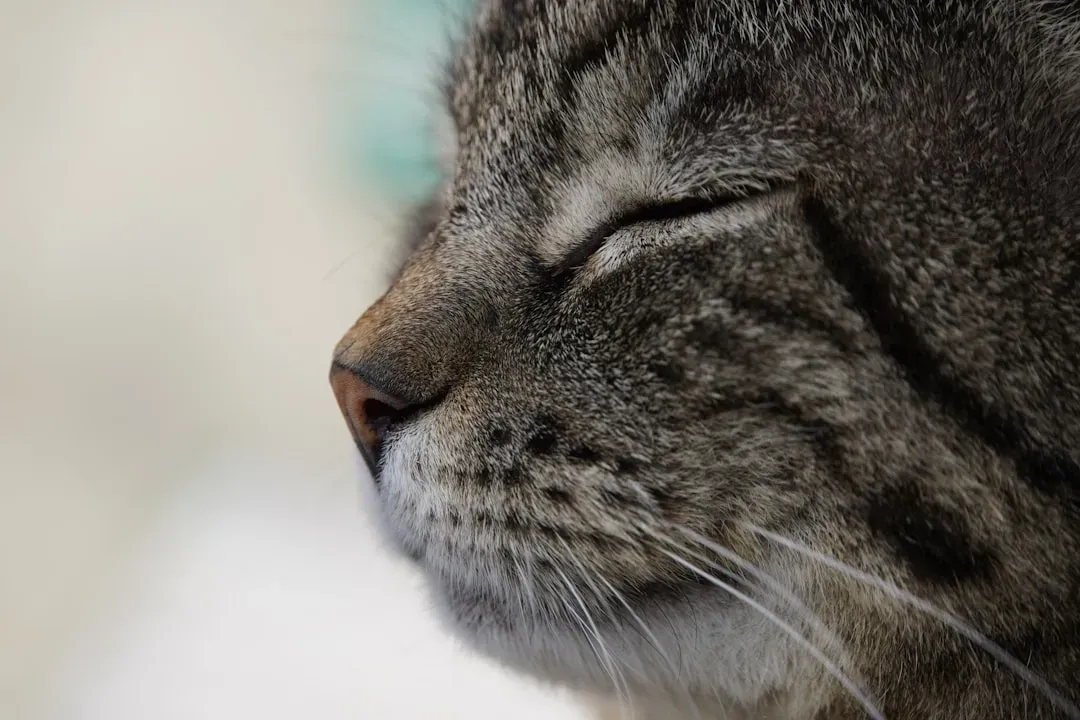
Slow blinking is one of the clearest signs your cat feels relaxed and safe around you. When a cat slowly closes and opens their eyes in your presence, it’s a signal of trust, and if you slow blink back and your cat returns the gesture, that’s a shared moment of affection. It’s one of the behaviors that’s genuinely hard to fake or reduce to pure resource-seeking.
In a study of 18 cats, the behavior of several half-blinks followed by a prolonged eye narrowing or eye closure was found to be a positive emotional response. When a familiar human slow-blinks toward a cat, the cat tends to approach the human more frequently than if the human has a neutral expression that avoids eye contact. You can actually test this yourself, and many cat owners report that their cats respond almost immediately. It’s one of the quieter, more intimate conversations you can have with your pet.
Head Bunting: Affection Wrapped in Scent Communication

Cat headbutting, also called bunting, is usually a friendly behavior where cats mark you with their scent to show bonding, comfort, and familiarity. Yes, there’s a territorial element to it, but that doesn’t cancel out the emotional one. Headbutting is a comforting, trusting behavior that means your cat feels safe and relaxed with you, and even emotionally connected.
Bunting can also be a way for cats to get your attention, where a cat might bunt you to initiate petting, play, or feeding, effectively communicating their needs in a gentle and affectionate manner. So yes, sometimes a headbutt before dinner is partly about dinner. Generally, though, a bunting cat is a happy cat trying to form or reinforce a meaningful bond with you, and if a cat bunts you, they’re likely trying to show affection. The two motivations, love and resource-seeking, aren’t mutually exclusive.
Purring: Contentment or Calculated Comfort?
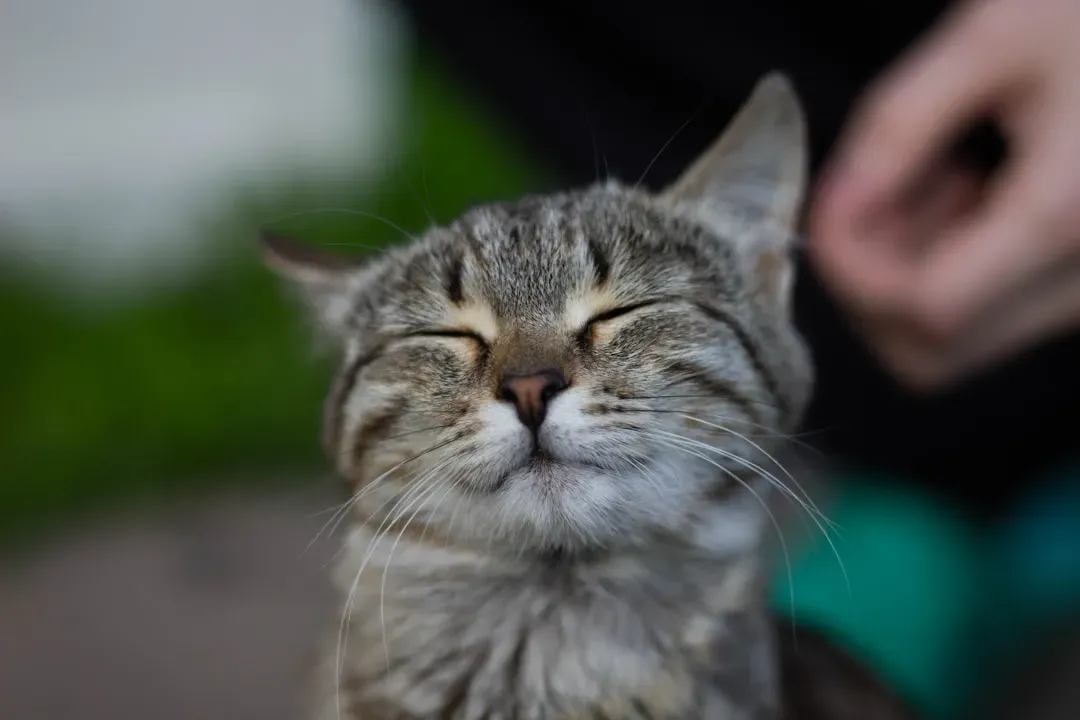
Purring is commonly associated with relaxation and contentment in cats, though cats also purr during activities such as eating and resting, as well as when they are experiencing stress, pain, or illness. This complexity is worth keeping in mind. Not every purr is a declaration of adoration. Some are self-soothing mechanisms, and some are directed at getting your attention at feeding time.
One of the most recognizable and common cat behaviors is purring, a soft rhythmic sound cats produce when content, though there are times when it can have other meanings, such as anxiety and discomfort. The context matters enormously. A cat purring while draped across your chest at midnight is sending a different message than a cat purring intensely the moment you approach the kitchen cabinet where the food lives. Learning your individual cat’s patterns makes all the difference in reading the signal correctly.
Kneading: A Behavior Rooted Deep in Kittenhood
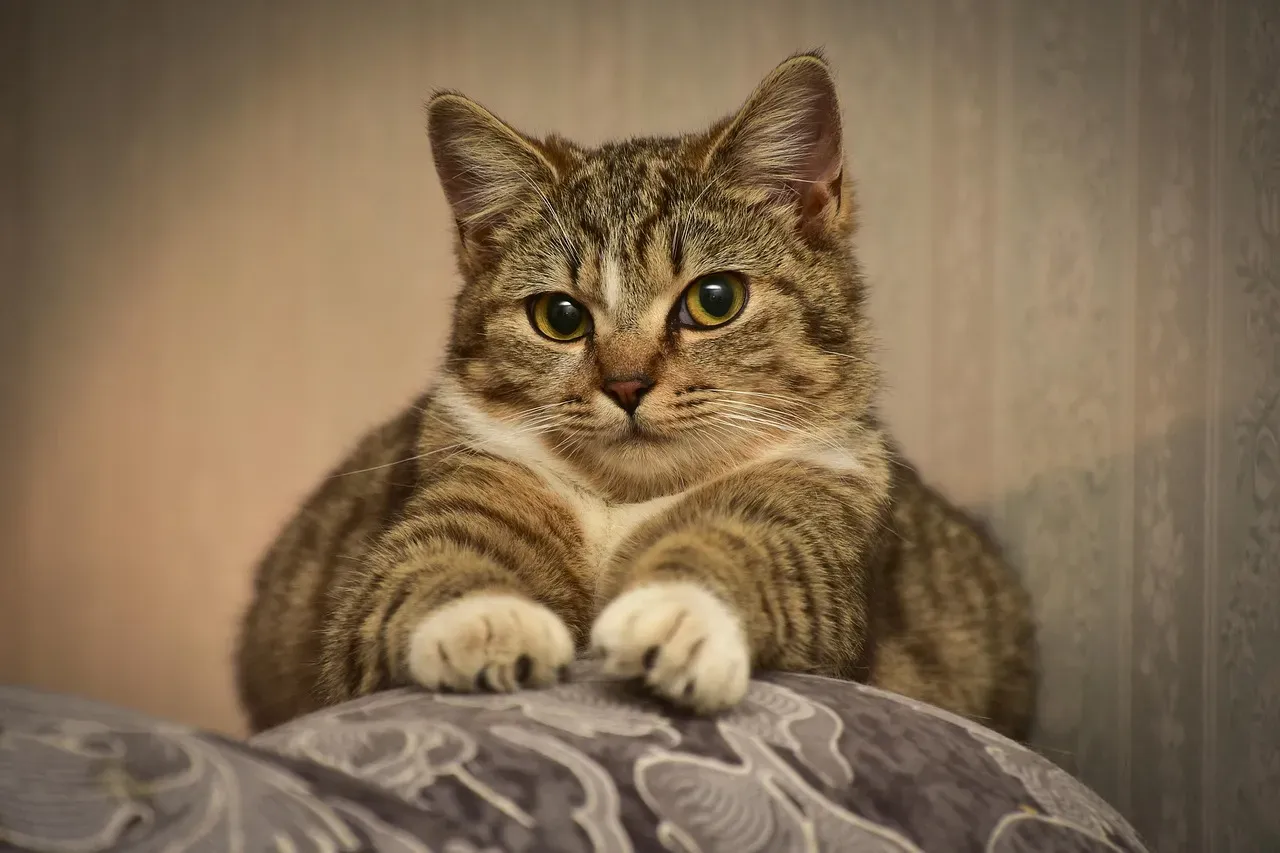
Kneading is a behavior learned as a kitten when cats would press on their mother’s belly to stimulate milk flow, and as adults, this behavior continues to signal comfort and relaxed behavior, often indicating cat-owner bonding, trust, and emotional attachment. When your cat kneads on your lap, it’s drawing on something primal and genuinely positive.
When a cat kneads their owner, it can be a sign of trust and affection, demonstrating that the cat feels safe and comfortable in the presence of their human companion. Kneading provides cats with a sense of security and emotional balance while also releasing more of their scent. The scent-marking aspect can feel clinical when described that way, but in practice it means your cat is claiming you as part of their safe inner world. That’s worth something.
The Role of Early Socialization in How Cats Bond
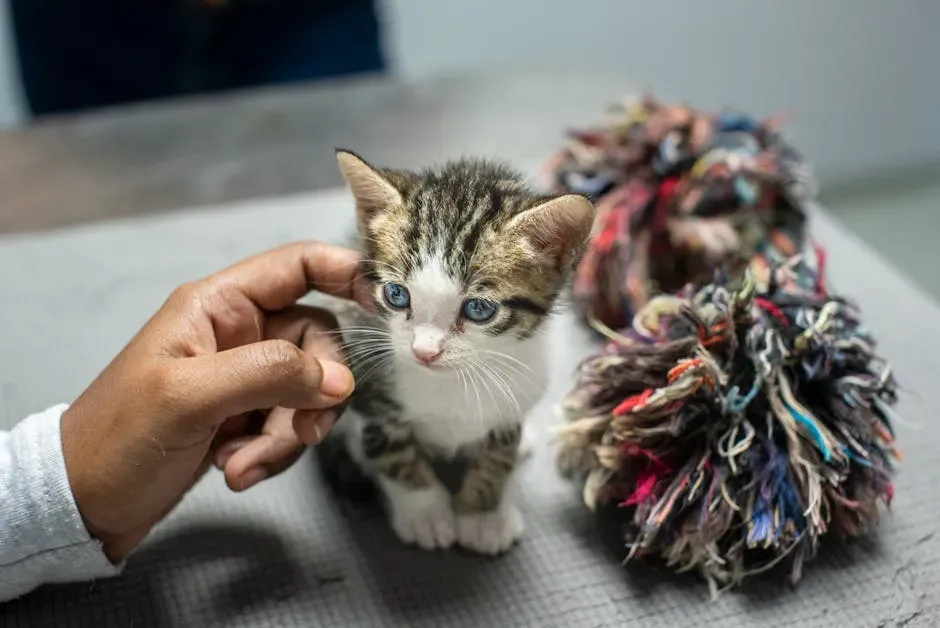
Early socialization plays a crucial role in how affectionate a cat becomes, with kittens exposed to positive human interaction more likely to become affectionate adults. This explains why two cats from the same litter can behave completely differently toward people. One becomes a lap cat; the other watches from a safe distance. Neither is broken. They simply had different formative windows.
Just as every human has a unique personality, so does every cat, with some of it being nature and some being nurture, forming the basic blueprint of who they are through a combination of what they inherit, live, and learn. Cats form tight bonds with humans who’ve made a significant impact on their lives from an early, highly impressionable age, a process known as imprinting. The affection you see in an adult cat often has roots stretching back to the first weeks of its life.
Following You Around: Attachment or Just Curiosity?
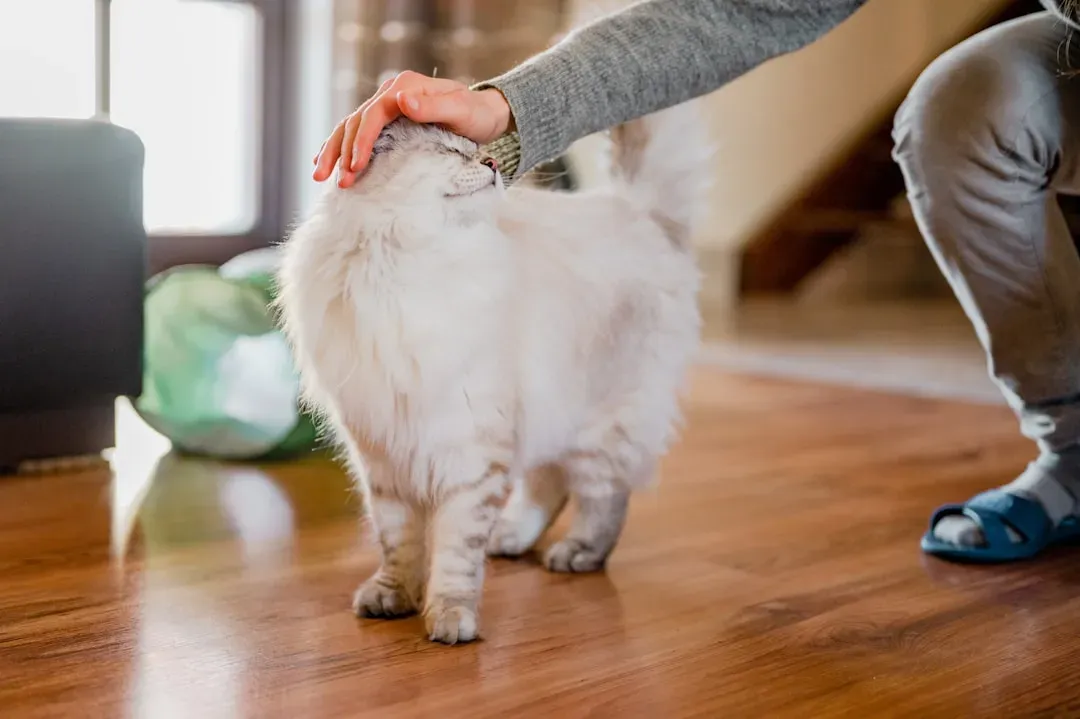
When your cat can’t seem to leave your side, it’s a subtle sign they truly value your company, since if a cat follows you around, it is seeking your attention and companionship. That said, context matters here too. A cat that follows you specifically toward the kitchen at 6 a.m. may have a slightly different agenda than one that follows you into the bathroom at 11 p.m.
A cat doesn’t have to be in your lap to show love, since sitting near you is also a meaningful choice. Cats are selective about where they spend their time, and their independence can be one of their most admired qualities, which makes choosing to share space with you a quiet but powerful sign of attachment. If your cat consistently positions itself in the same room as you, that’s not coincidence. It’s preference.
Can Cats Tell the Difference Between You and a Food Source?
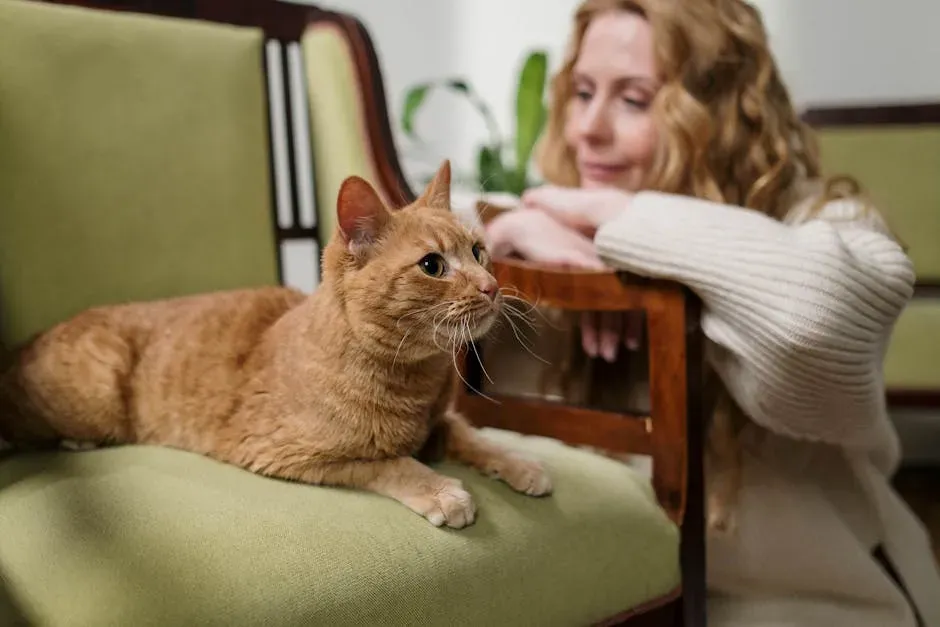
A psychological bond indicates a reason for two individuals being together that could include affectionate emotional bonds, and an affectionate bond is recognized from a predisposition to want to be associated with another, characterized by its emotional content. Researchers studying human-cat relationships have found that these bonds are real and measurable, not just projected by affectionate owners.
Several studies have shown that cats develop affection towards their owners, though the effect of these pets on human health is closely related to the time and effort the owner is able to invest, in terms of bonding and playing. Cats form strong bonds with their humans and rely on them for security and comfort, showing feline affection through behaviors like slow blinks, head bunts, and following their owners. The evidence consistently points in one direction: your cat isn’t just using you. They’re genuinely connected to you, even if the way they show it looks nothing like a golden retriever’s exuberance.
Conclusion
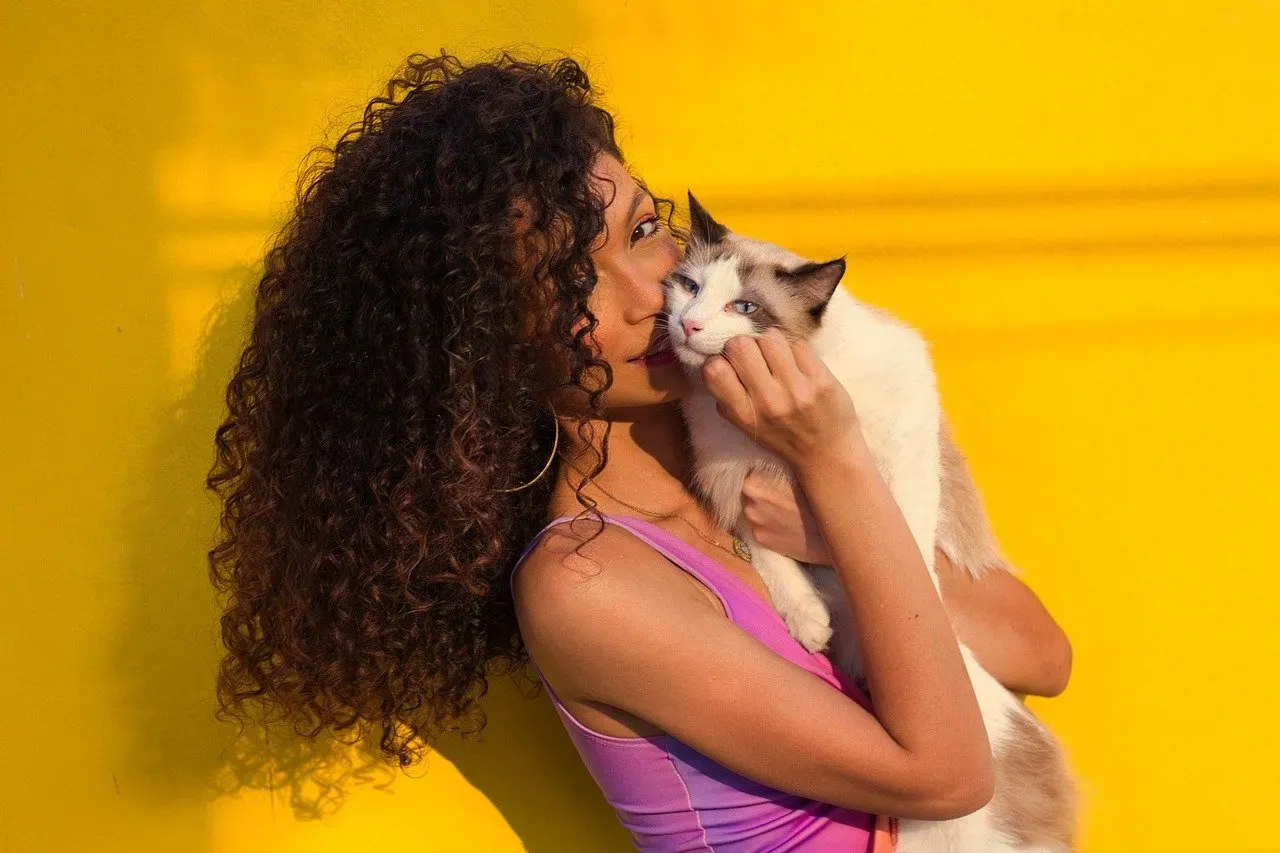
The honest answer to the question at the heart of this article is: both, and that’s perfectly fine. Your cat may love you and also know that nuzzling your leg increases the odds of an early breakfast. These motivations don’t cancel each other out. From your cat’s perspective, sharing resources or playing together is a form of connection, and cats didn’t evolve to rely on social groups in the same way dogs did, which still shapes how they express affection today.
Cats do show love for humans but in their own unique way, and their affection may not always mirror human expressions of love, though it’s genuine nonetheless. The real shift isn’t about deciding whether the affection is “pure” or “calculated.” It’s about learning your specific cat’s language. Cat love is often subtle, so the key is to observe and learn what your cat is really telling you. Once you stop expecting it to look like something from a dog food commercial, you’ll start noticing it everywhere.
Kristina is a young writer from India. An arts graduate and an avid content creator, Kristina is passionate about animals and wildlife. She enjoys exploring topics related to pet care, animal behavior, conservation, and nature, combining thorough research with engaging storytelling.