You’ve probably seen it a hundred times. Your cat slinks across the room, ignoring every expensive toy and cozy bed you’ve set up, and melts into a warm patch of light on the floor like a tiny golden puddle of contentment. It looks adorably simple. Honestly, it almost looks like laziness dressed up in fur.
Here’s the thing though – that sunbeam ritual is far more layered than it appears. Behind every slow blink and outstretched paw lies a complex web of biology, ancient instinct, emotional need, and even a surprisingly subtle power play. Let’s dive in.
The Sunbeam Is Your Cat’s Natural Thermostat
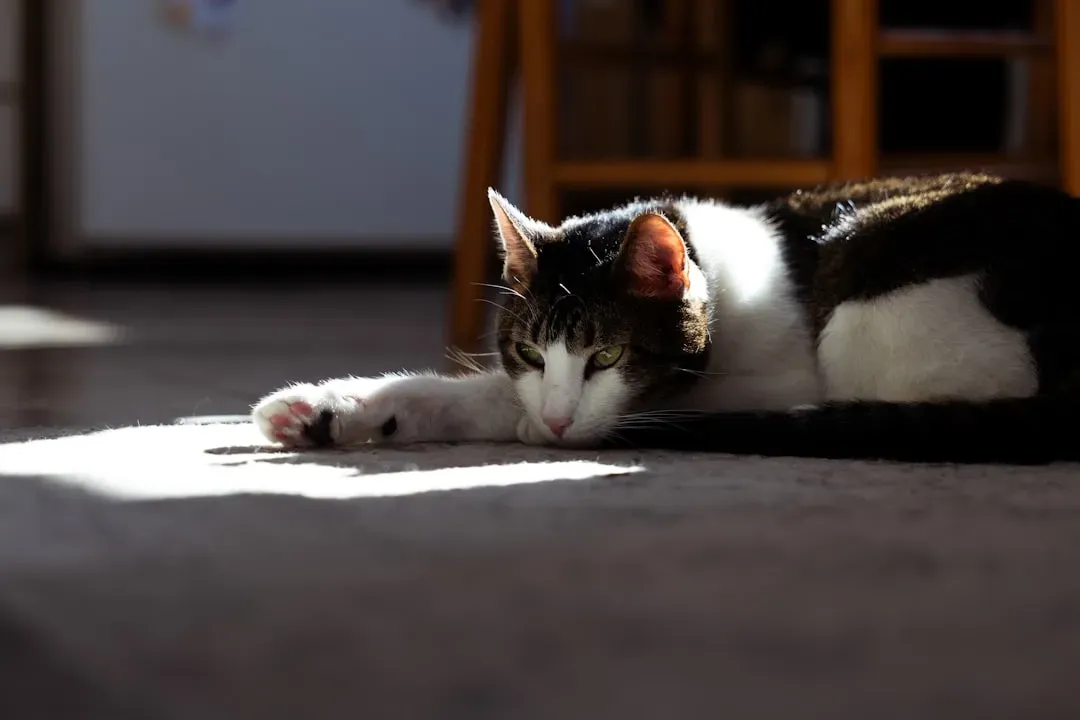
Your cat’s body runs significantly hotter than yours. Cats are masters of thermoregulation, and their average resting body temperature ranges between 100.5°F and 102.5°F, which is slightly higher than a human’s. That difference might seem small, but maintaining that heat is an ongoing biological effort your cat is always quietly managing.
When cats sleep, their metabolism drops to conserve energy, which also lowers their body temperature a bit. Maintaining that relatively high temperature isn’t easy during naptime, so instead of generating extra heat themselves, cats seek out a sunbeam to do the hard work for them. Think of it as plugging into nature’s own personal heater – efficient, free, and perfectly timed. I think it’s genuinely one of the smartest moves in the animal kingdom, and most of us barely notice it.
It Goes All the Way Back to the Desert
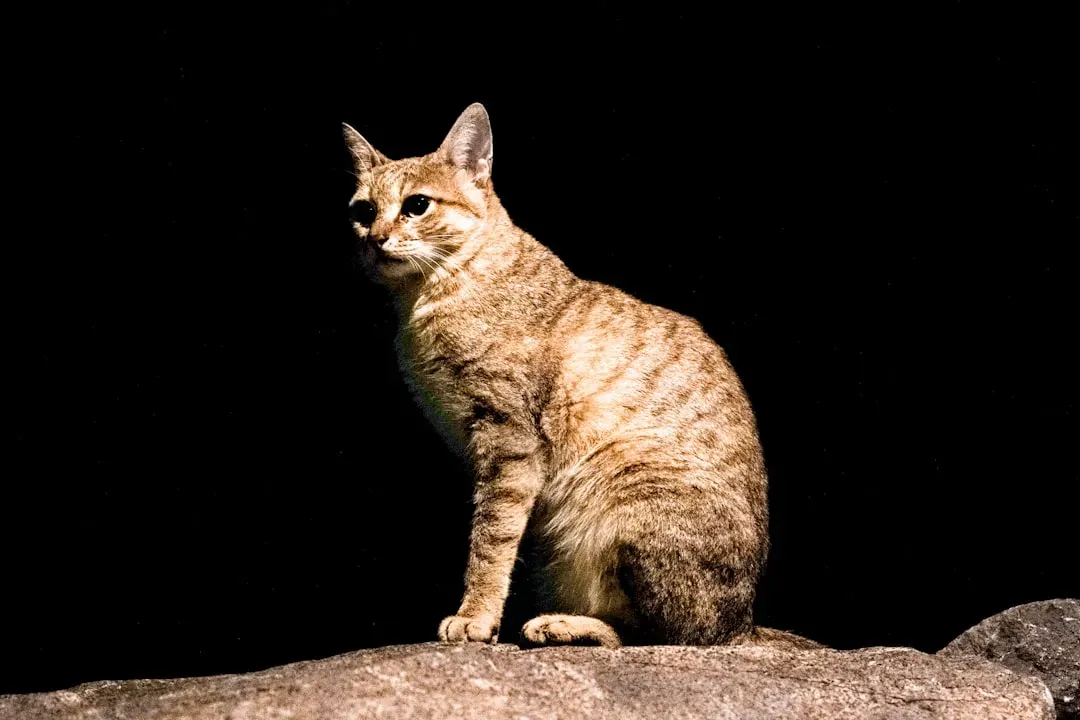
Cats are descendants of desert-dwelling ancestors, primarily the African wildcat, which evolved in arid, warm climates. That ancient lineage is still very much alive inside your living room tabby. The instinct to seek heat isn’t quirky behavior – it’s a biological inheritance as old as the species itself.
The sun-seeking behavior you observe in your house cat is deeply rooted in their wild ancestry. Wild cats often basked in the sun after hunting to conserve energy and recover, a behavior that domestic cats have retained despite their much easier lifestyle. So when your cat finds that warm patch on the kitchen tiles, they’re not being lazy. They’re channeling something millions of years in the making.
It’s About Energy Conservation, Not Laziness
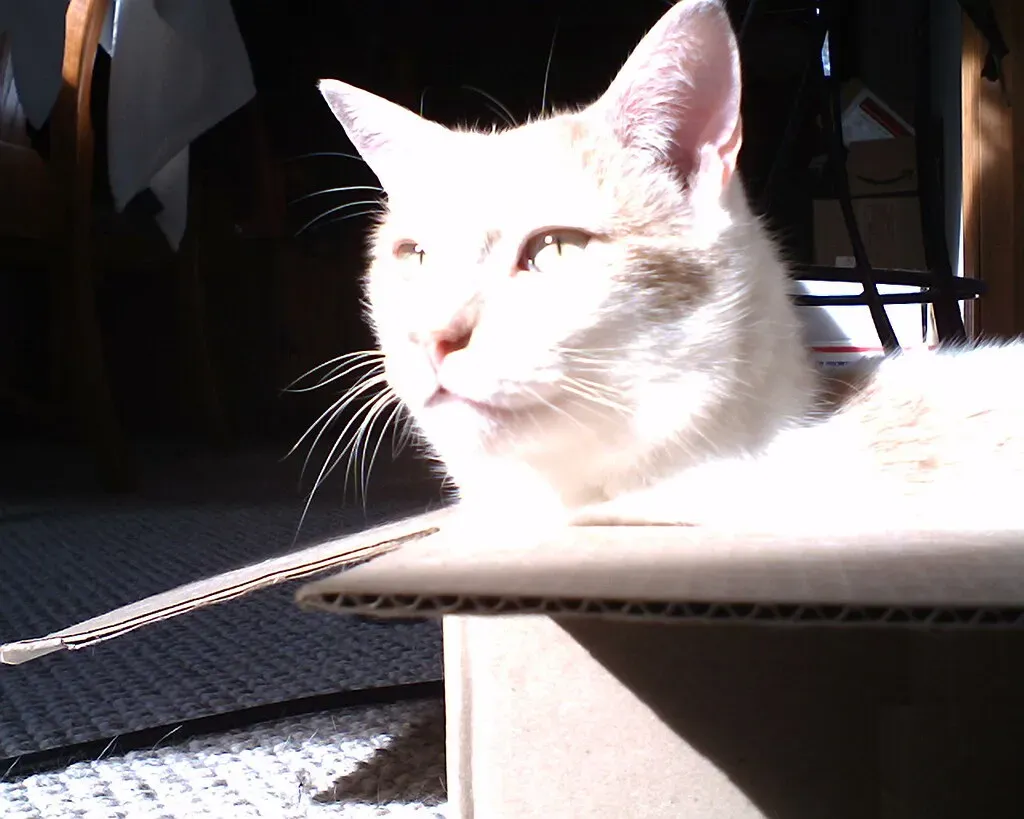
Sunlight provides a natural, energy-efficient source of warmth. When a cat lies in a sunbeam, infrared radiation from the sun penetrates their fur and warms their skin and muscles, and this passive heating reduces the metabolic effort required to maintain core temperature. It’s the biological equivalent of a shortcut, and cats have been taking it for millennia.
With their tendency to sleep up to 16 hours a day, cats rely on sunbathing to conserve energy and stay cozy. Resting in a warm, sunny spot allows their body to use less energy to maintain body heat, making naps in the sun both efficient and deeply satisfying. Let’s be real – if I could recharge by lying in warm sunlight without burning a single calorie, I’d do it too.
The Serotonin Boost You Never Knew Your Cat Was Getting
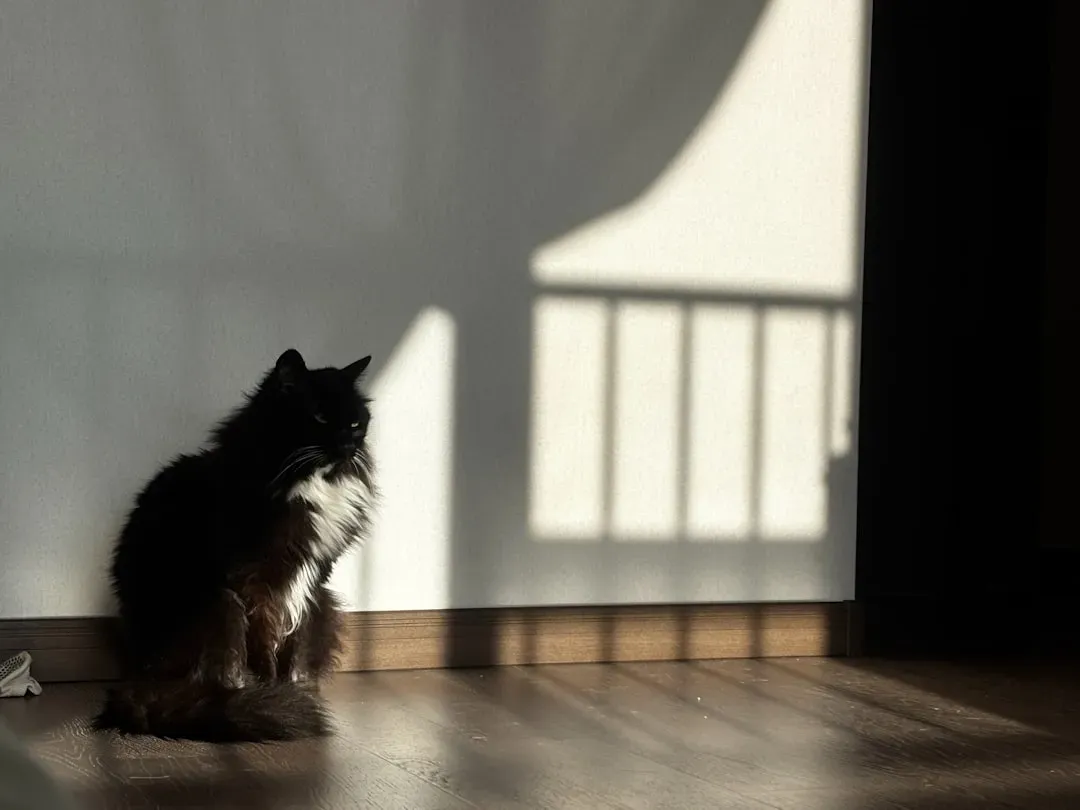
Sunlight helps stimulate the production of serotonin, often called the “feel-good hormone,” promoting a sense of calm and contentment in cats. This is the same neurochemical that plays a major role in human mood, and your cat benefits from it in a remarkably similar way. That slow, sleepy blink your cat throws your way from their sunspot? That’s genuine biochemical bliss.
Sunlight can boost your cat’s mood by increasing serotonin, making your cat happier and more content, similar to how sunshine brightens your day. It’s hard to say for sure just how deeply cats experience emotional states, but the chemistry is undeniably real. While cats don’t directly rely on sunlight for immunity, a calm and happy cat can maintain a stronger immune system, and feeling content and stress-free, often promoted by sunbathing, helps their overall health.
The Sunspot and Your Cat’s Internal Clock
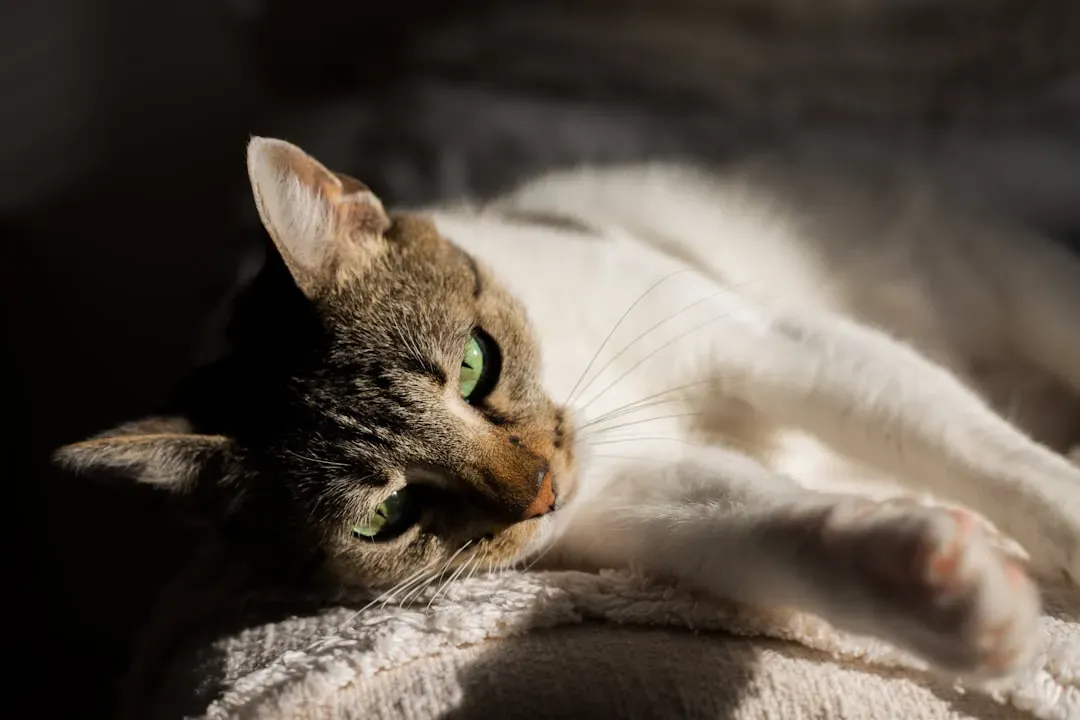
Just like humans, cats have a built-in biological clock known as the circadian rhythm. This complex system regulates various bodily functions on a roughly 24-hour cycle, and in cats, the circadian rhythm influences sleep patterns, hormone production, and even activity levels. Exposure to sunlight plays a crucial role in setting this internal clock. Without consistent access to natural light, that internal clock drifts.
Routine and predictability are central to a cat’s sense of security. A daily sunbeam that moves across the floor at the same time each day becomes a familiar, predictable event, and cats often anticipate and wait for their favorite spot to be illuminated, reinforcing the behavior through positive association. It’s not obsession – it’s your cat using sunlight as a daily anchor for their entire rhythm of life.
The Vitamin D Myth That Needs to Be Put to Rest
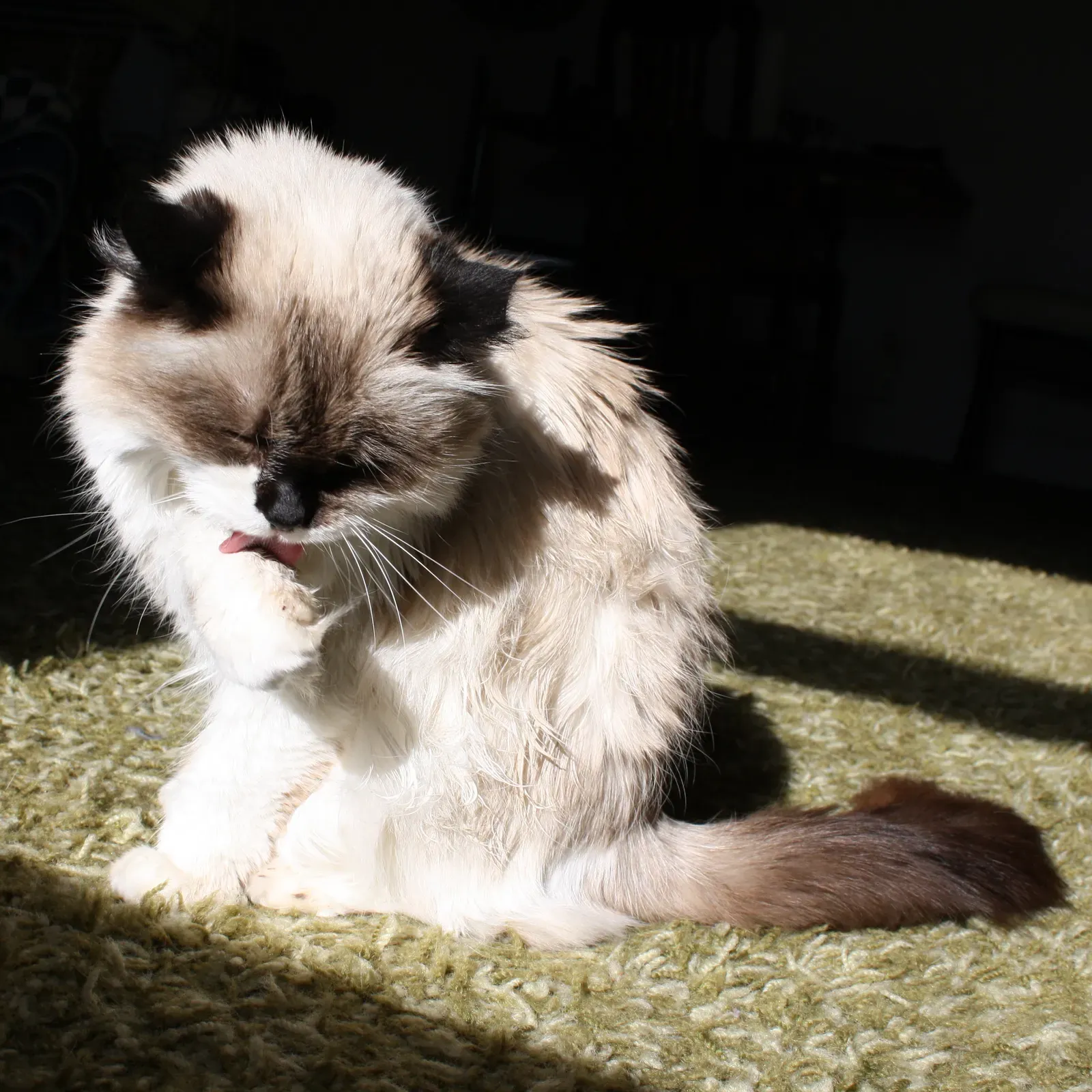
Here’s something that surprises most people: your cat is not soaking up vitamin D from that sunbeam. Not even close. Cat skin cannot metabolize sunlight into vitamin D. Cats are fully dependent on their diet for vitamin D, which their natural diet of small mammals and birds would amply provide. Their dense fur coat essentially blocks the necessary synthesis process entirely.
There is a myth that cats absorb vitamin D through sunlight as humans do, but they are completely dependent on their diet for this important vitamin. High-quality commercial cat food is specifically formulated to cover this need. Even though the main source of vitamin D for cats comes from high-quality food rather than the sun, the time they spend basking in warm rays still contributes to their happiness and overall well-being. So the sunbeam ritual is real and valuable – just not for the reason most people assume.
Warmth as Pain Relief for Senior Cats
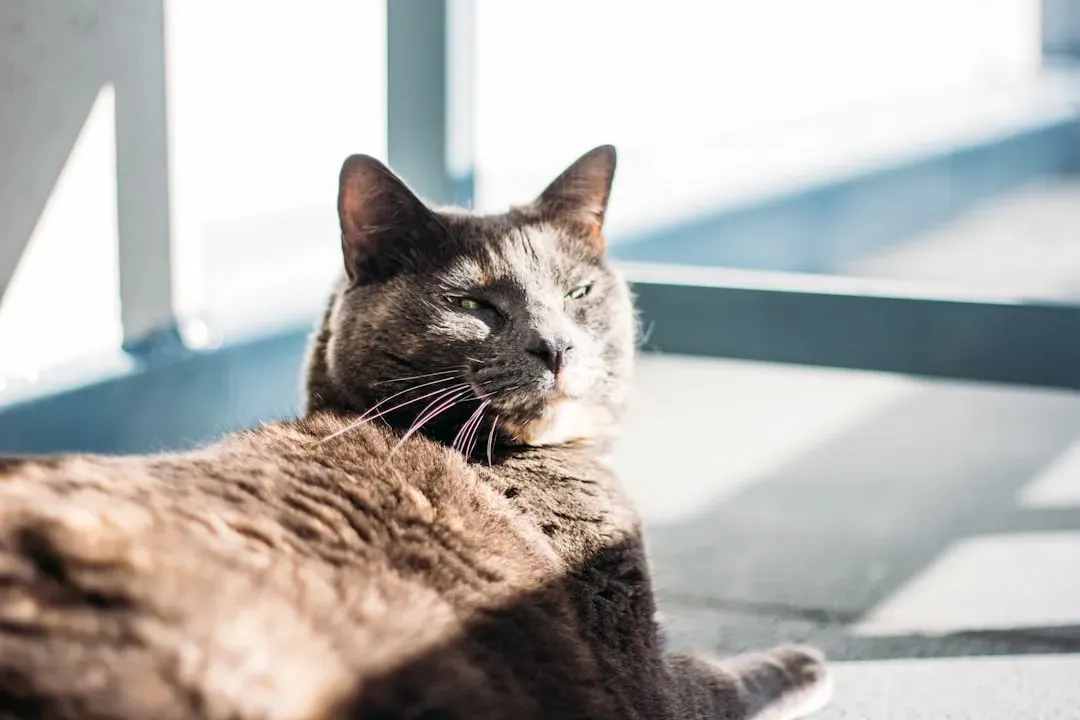
The warmth from sunbathing helps improve blood circulation, reduces joint stiffness, and provides natural pain relief for older cats or those with arthritis. The heat helps relax muscles and can make movement more comfortable. If you have an older cat who seems particularly devoted to their sunny corner, this is very likely why. They’re not just comfortable – they’re self-medicating in the most natural way possible.
Sunlight allows cats to stretch more easily and rest in positions that promote recovery. By reducing the strain on muscles and providing consistent warmth, sunbathing gives cats a natural way to manage minor physical discomforts. Owners may notice their pets moving with greater ease and enjoying longer, deeper naps after time spent in a sunbeam. It’s a gentle, instinct-driven form of physical therapy that requires nothing from you except an unobstructed window.
The Sunspot as a Social and Territorial Statement
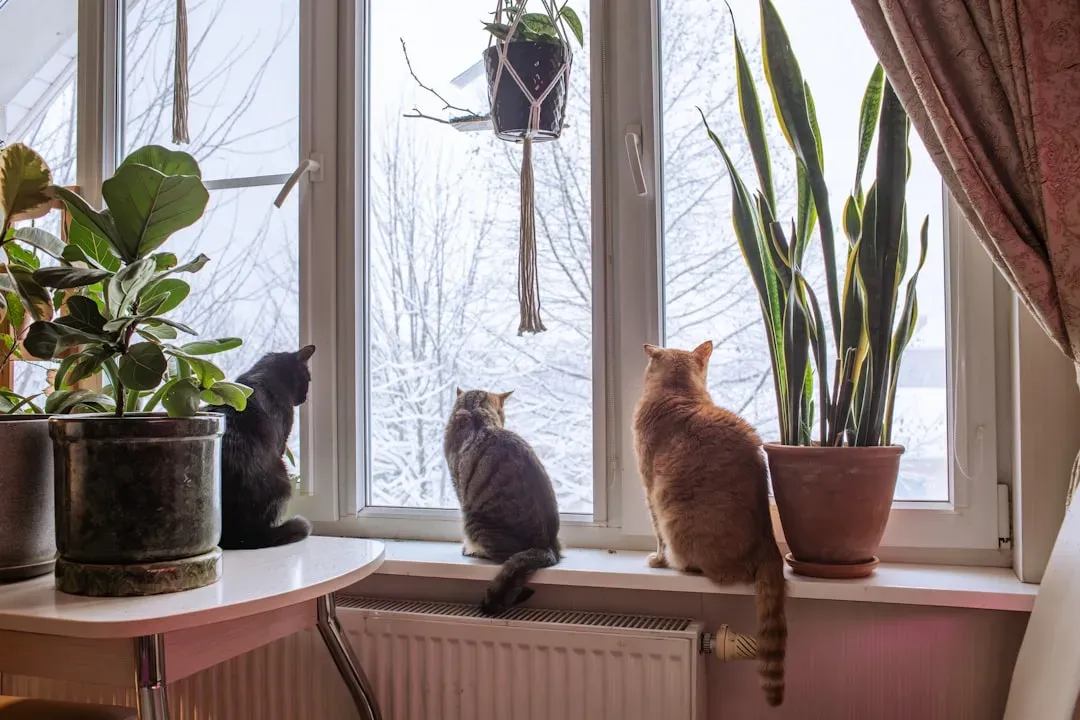
This one is fascinating, and honestly a little hilarious. Securing a sunny spot can be about establishing dominance or claiming territory. In the feline world, a prime sunbathing spot is valuable real estate, and controlling it can be a way of asserting status within the household hierarchy. If you live in a multi-cat home, you’ve probably witnessed the tension around the best window perch without fully understanding what was really at stake.
The sunniest perch can become a territorial marker, a cozy throne that signals dominance or preference within the household hierarchy. Your cat isn’t just napping – they’re also reinforcing their place in the home’s social structure. Meanwhile, sunbathing also has a warmer, more social dimension. For cats, sunbathing can also be a social activity, and whether they’re sharing a sunspot with their feline companions or enjoying a warm window alongside their human friends, it’s a way to bond and enjoy the warmth together.
Mental Enrichment Disguised as Lounging
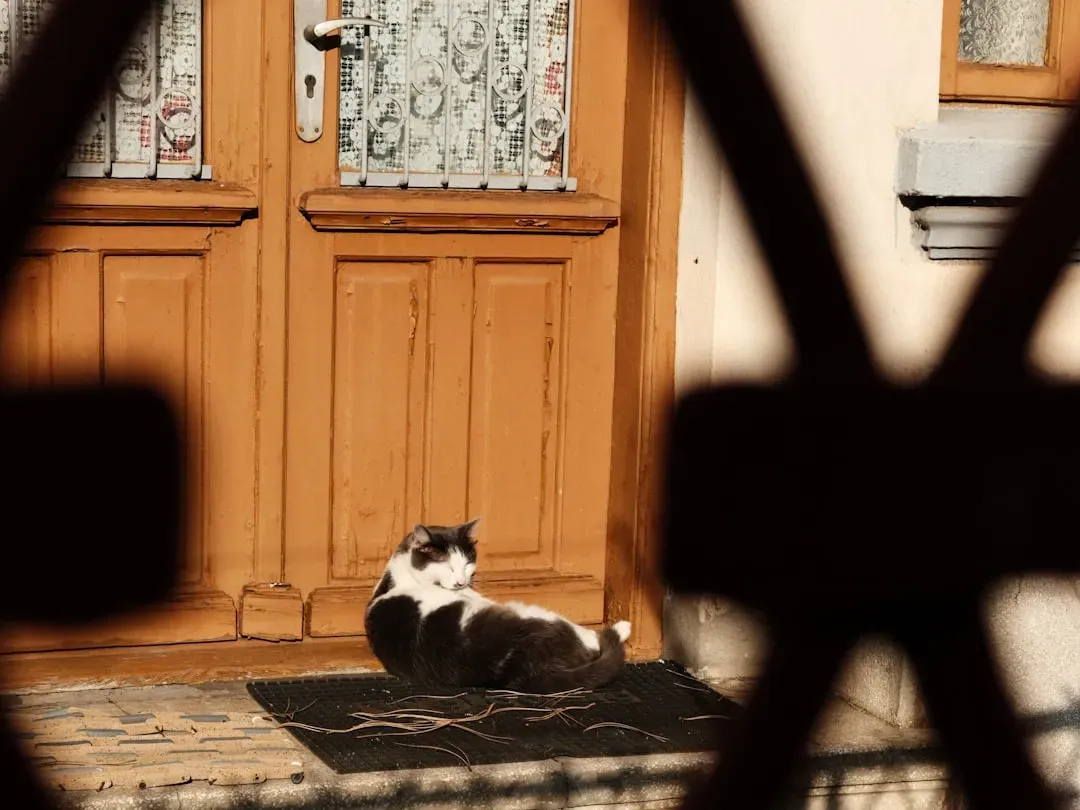
Your cat staring out a sunlit window is not wasting time. Far from it. Sunbeams are not just warm – they are stimulating. The light, the subtle sounds from outside, and the shifting patterns all provide gentle enrichment. For indoor cats especially, sunbathing offers a connection to the natural world, and this type of enrichment helps reduce boredom and supports mental health.
Sunbathing isn’t just about relaxation – it’s also a form of mental enrichment. When cats bask in the sun, they engage with their surroundings, observe their territory, and even indulge in some self-care rituals like grooming. This engagement keeps their minds active and sharp, providing a healthy dose of mental stimulation. Think of it as your cat’s version of a morning coffee and a good read – all bundled into one golden patch of floor.
When the Sunbeam Becomes a Risk You Should Know About
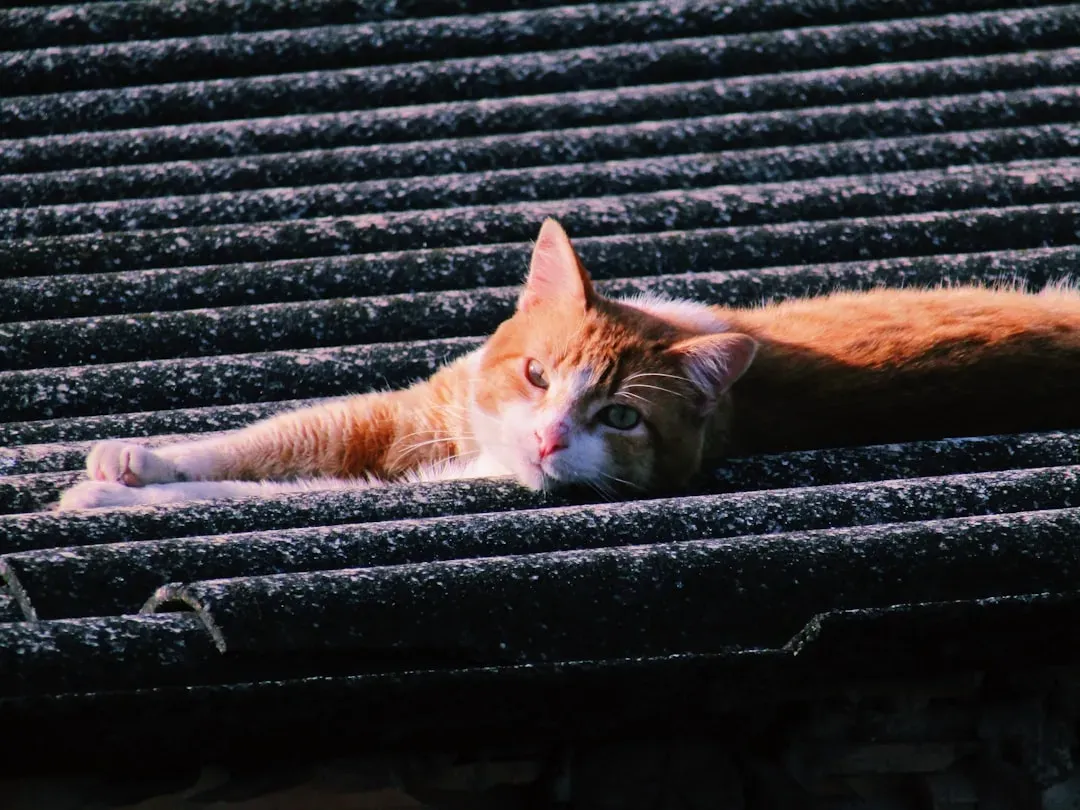
For all its beauty and benefit, the sunspot can carry a shadow side worth knowing about. There is a risk of developing heatstroke, dehydration, sunburn, or even skin cancer if cats spend too long in the sun. Most healthy adult cats will self-regulate, but younger kittens, seniors, and certain breeds need a little more oversight from you.
Cats can get sunburned, especially in areas with little fur, like their ears and nose. Light-coated cats are more vulnerable, and sunburns can cause redness and discomfort. Repeated harsh sun exposure can also predispose cats to skin cancer. The fix is simple and sensible: provide a safe indoor space where your cat can enjoy the warmth without risk, and use UV-filtering window film to block harmful rays while still allowing natural light inside. A little thoughtful setup goes a very long way.
Conclusion
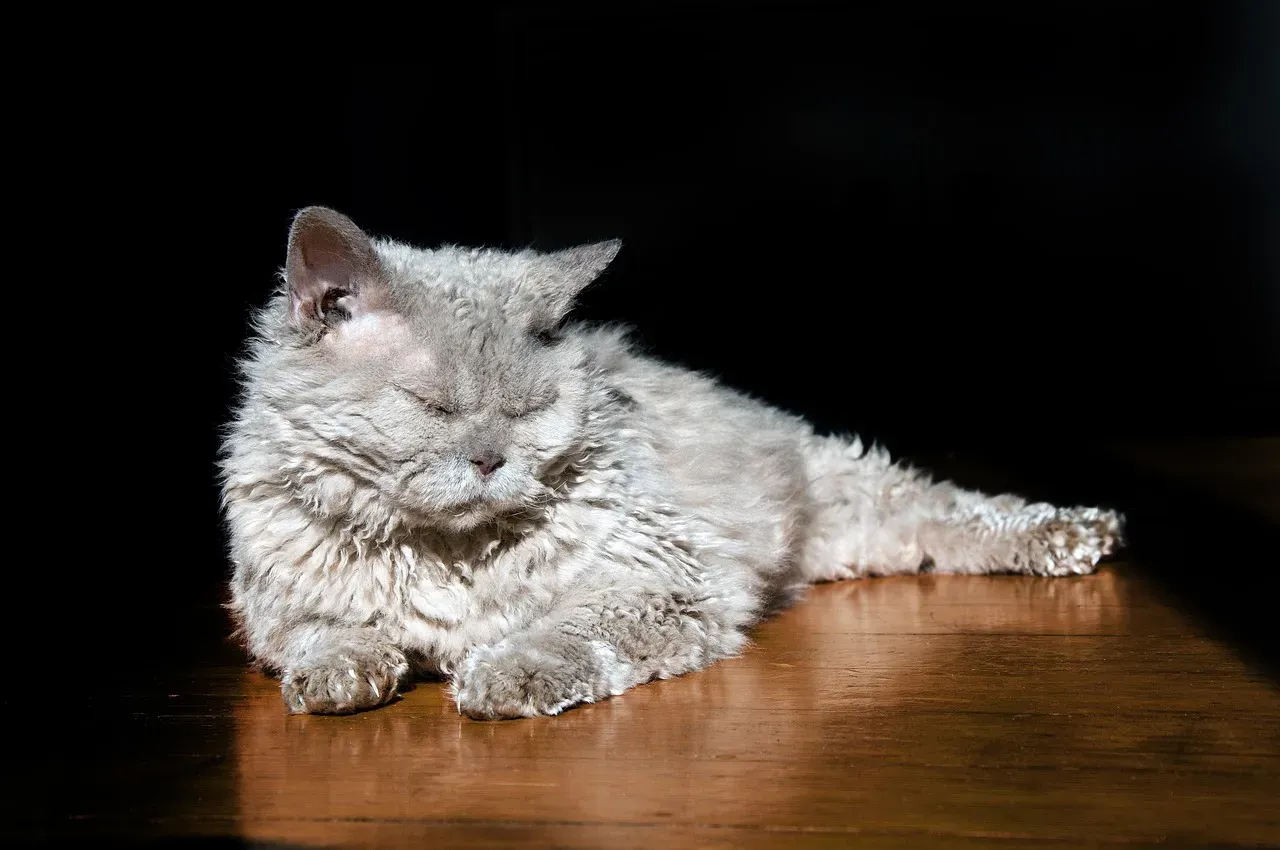
That quiet, golden scene of your cat stretched in a sunbeam is anything but simple. It’s thermoregulation. It’s ancestral memory. It’s a serotonin bath, a pain management session, an internal clock reset, and sometimes even a territorial claim – all happening in one unhurried, sun-drenched nap. Every time your cat migrates across the room following the light, they’re responding to forces as old as the species itself.
The next time you’re tempted to shoo your cat off the sunny windowsill or wonder why they’ve practically mapped out the movement of sunlight through every room, pause for a moment. You’re not watching laziness. You’re watching millions of years of feline wisdom playing out in real time, right there on your living room floor.
What would you have guessed was behind that simple sunbeam habit? Tell us in the comments – we’d love to hear what surprised you most.
Kristina is a young writer from India. An arts graduate and an avid content creator, Kristina is passionate about animals and wildlife. She enjoys exploring topics related to pet care, animal behavior, conservation, and nature, combining thorough research with engaging storytelling.