There’s something quietly fascinating about watching a cat sleep. You’ll notice the little paw twitch, the faint whisker flutter, the barely-audible chirp escaping a half-open mouth – and you can’t help wondering what’s happening inside that small, mysterious mind. The question isn’t just charming. It turns out to have real scientific weight behind it.
Researchers have spent decades studying how animals sleep, and what they’ve found about cats is genuinely surprising. Your cat’s inner world doesn’t go dark when they close their eyes. Something much richer is happening, and you might even be part of it.
The Science That Confirmed It: Cats Really Do Dream
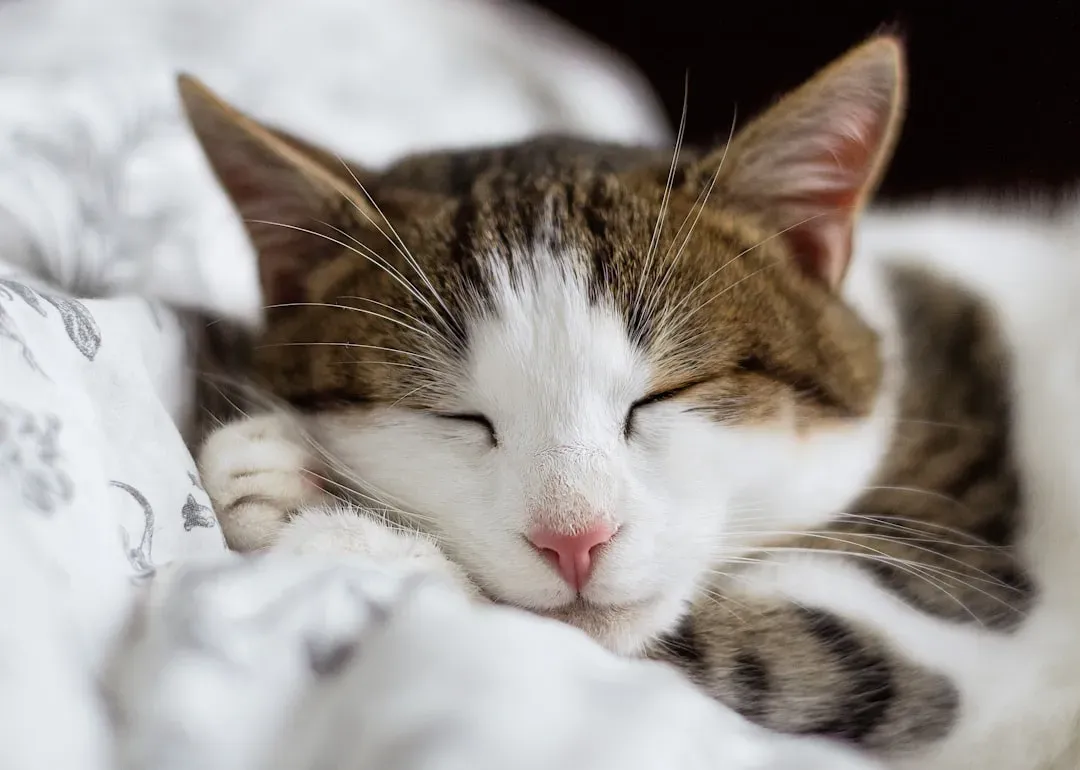
For a long time, dreaming in animals was assumed rather than proven. That changed significantly in the 1960s, when French neuroscientist Michel Jouvet conducted a series of groundbreaking experiments. By disabling the brainstem mechanism that prevents physical movement during REM sleep, a condition called REM sleep behavior disorder, Jouvet observed cats displaying behaviors that mimicked hunting, playing, and exploring – suggesting these activities were being “acted out” from dream scenarios.
Modern research continues to build on these findings, using advanced imaging techniques like functional MRI to map brain activity during various sleep states, further supporting the conclusion that cats indeed experience dream states. The simple answer is that yes, like most other mammals, cats do dream, as it’s an important phenomenon that helps the brain to process the activities of the day.
How Your Cat’s Sleep Cycle Actually Works
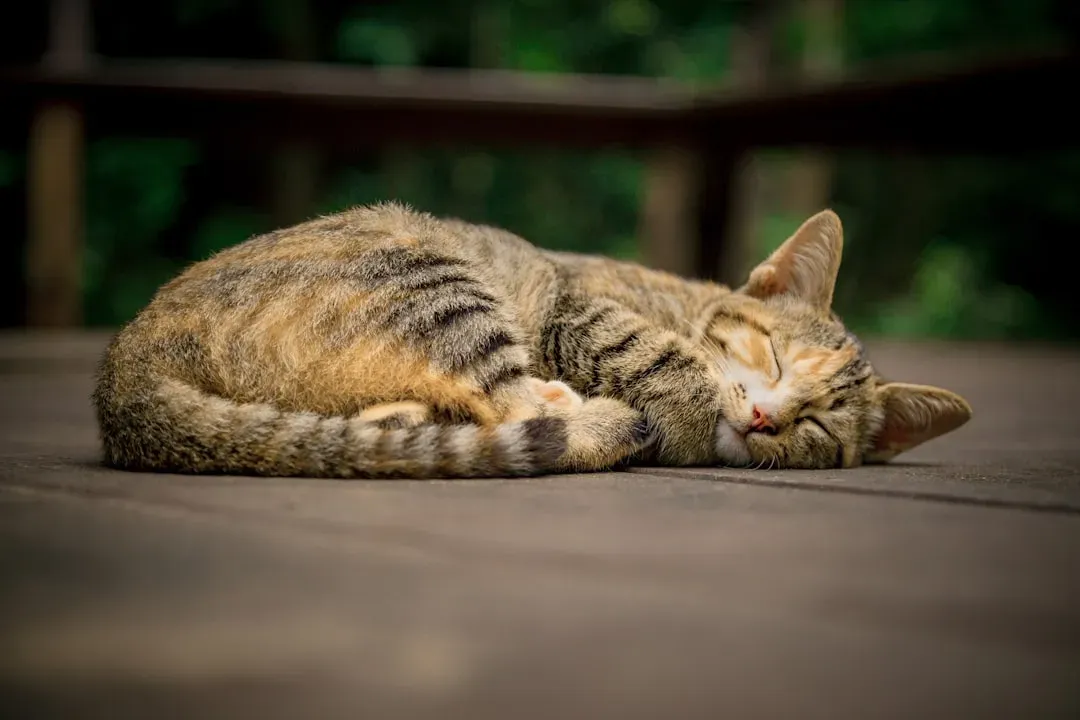
There are two types of sleep: rapid eye movement (REM) sleep and non-REM sleep. Most dreaming occurs during REM sleep, a phase of random and quick movements of the eyes under closed eyelids. REM sleep makes up most of your cat’s sleep time and occurs within 20 minutes of them falling asleep.
During REM sleep, the brain becomes highly active again, closely resembling wakefulness on an EEG. Voluntary muscles are paralyzed except for the eyes and diaphragm. This is when dreaming occurs. REM periods in cats typically last 6 to 8 minutes before the cycle resets. Think of it as your cat cycling through multiple short movies throughout the day and night, each one playing out a fragment of their feline life.
Why Cats Sleep So Incredibly Much
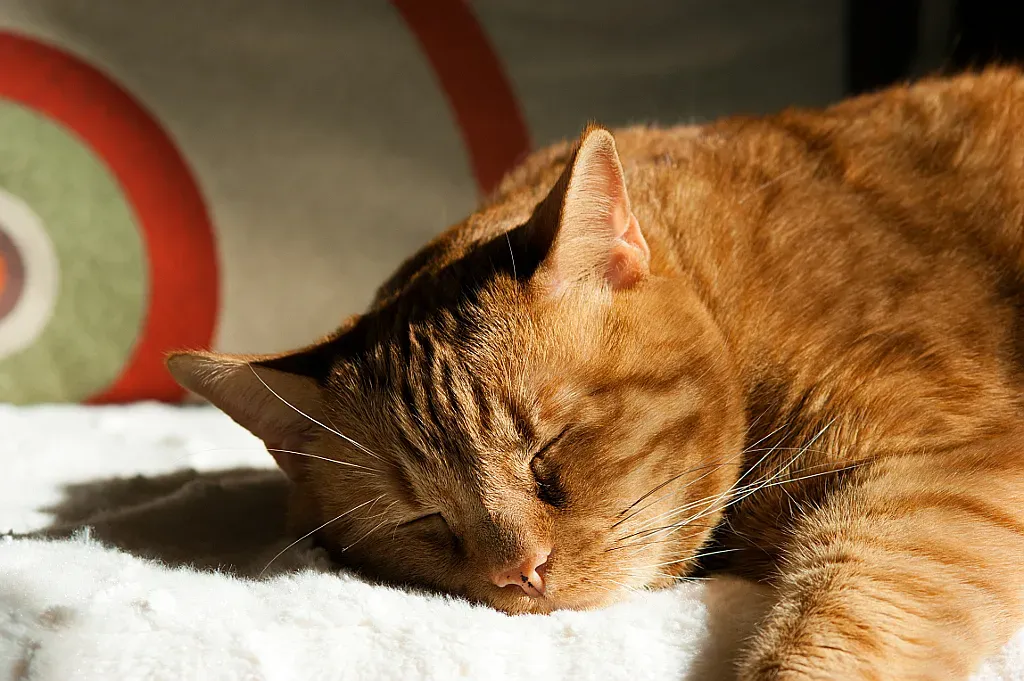
One of your cat’s favorite activities is getting a lot of sleep; in fact, cats need, on average, 15 to 20 hours of sleep per day. That number tends to surprise people who think of sleep as passive downtime, but for cats it’s genuinely functional. Catnaps normally last for about 15 to 30 minutes at a time and, like in humans, it is thought that they lower stress, improve memory, and increase alertness.
Cats need sleep to enable their body to repair and rebuild from all that jumping, climbing, and chasing. Cats don’t sleep in one long stretch like humans typically do. Instead, they cycle through multiple short periods of sleep throughout the day and night. This polyphasic pattern is part of what makes them such efficient hunters – and such legendary nappers.
Crepuscular Creatures: Your Cat’s Natural Rhythm
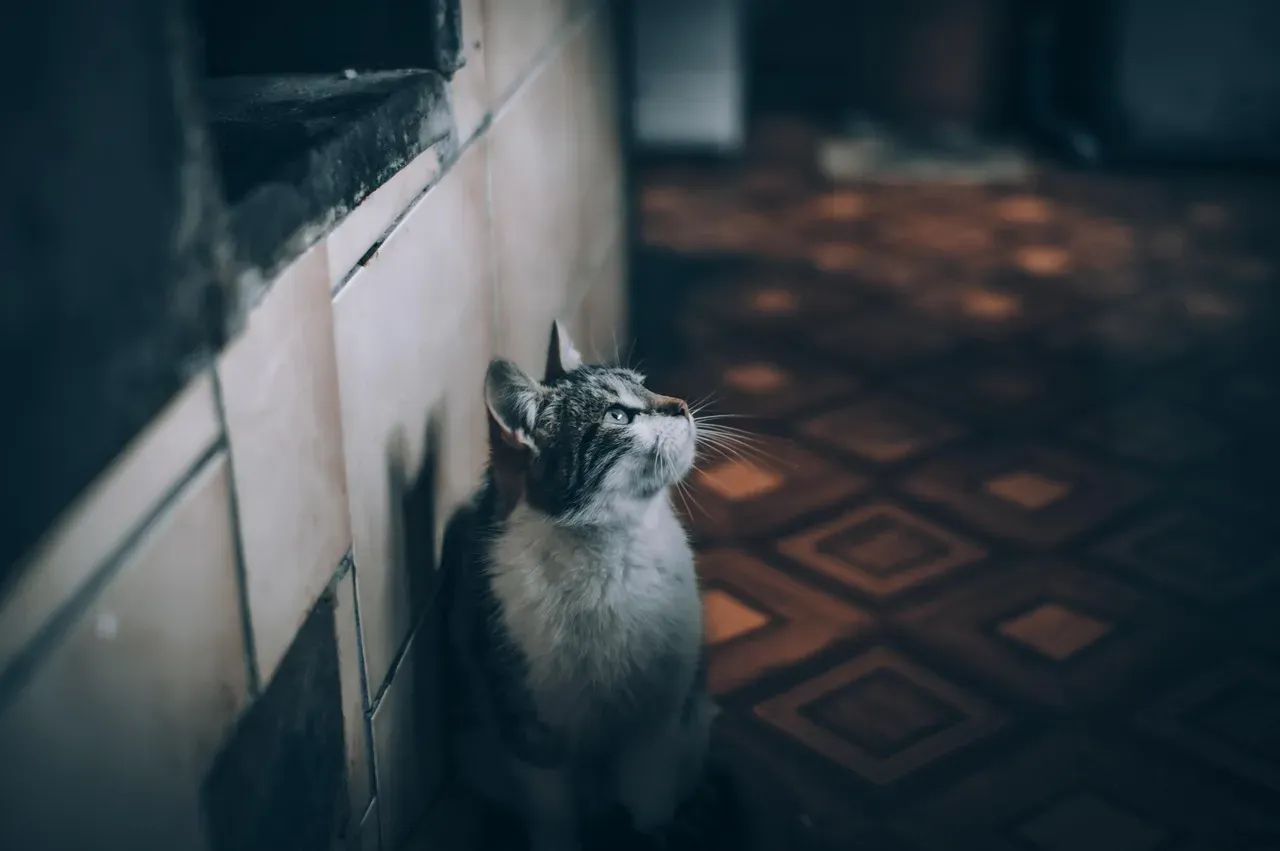
Cats aren’t actually nocturnal – they’re crepuscular, which means they’re most active around dawn and dusk. Cats’ behavior is deeply connected to their wild ancestors, particularly the African wildcat. These predators thrived during twilight hours, hunting small prey while avoiding larger predators. This evolutionary adaptation ensures survival by balancing energy efficiency and safety.
Despite the crepuscular nature of their ancestors, many domestic cats have adapted to be more diurnal to sync with their human counterparts. So if your cat seems perfectly happy napping through the afternoon and staying alert in the evenings, that’s not laziness – it’s an ancient rhythm quietly persisting inside a very modern house pet. Your cat’s crepuscular nature may depend on your lifestyle, and not necessarily be as hardwired as their ancestors. If you’re home a lot during the day, your cat may stay awake to interact with you, and those extra daytime hours awake could make them more likely to sleep at night.
What Your Cat’s Twitches and Sounds Actually Mean
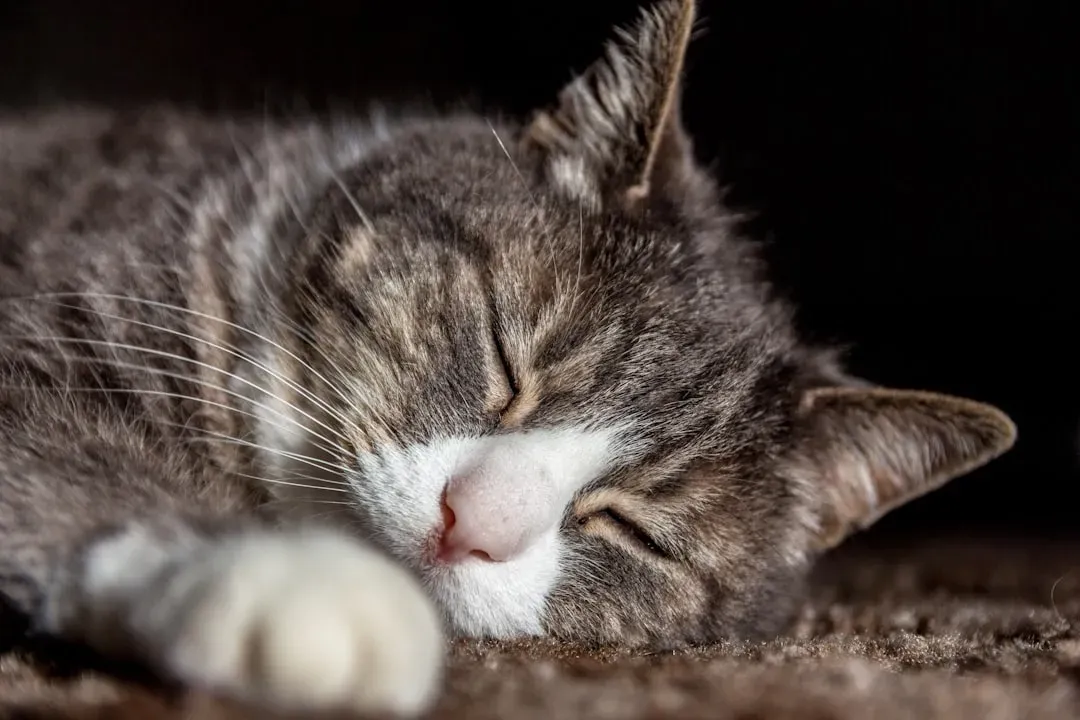
Common signs of dreaming include twitching paws, flickering eyelids, whisker movements, soft vocalizations like chirps or quiet meows, and rapid eye movements visible beneath closed lids. These signs typically appear 15 to 20 minutes after your cat falls asleep, once it has cycled through initial light sleep and entered its first REM period. If your cat has only been asleep for a few minutes, any twitching is more likely a normal part of settling into sleep rather than dreaming.
During REM sleep, the brain sends signals that temporarily paralyze the major muscle groups, preventing animals and humans from physically acting out their dreams. However, smaller muscles are not fully suppressed, which is why you see those subtle paw movements, ear flicks, and whisker wiggles. These twitches are completely normal and actually reassuring. They show your cat is getting quality REM sleep, which is vital for memory processing, emotional wellbeing, and physical recovery.
What Cats Most Likely Dream About
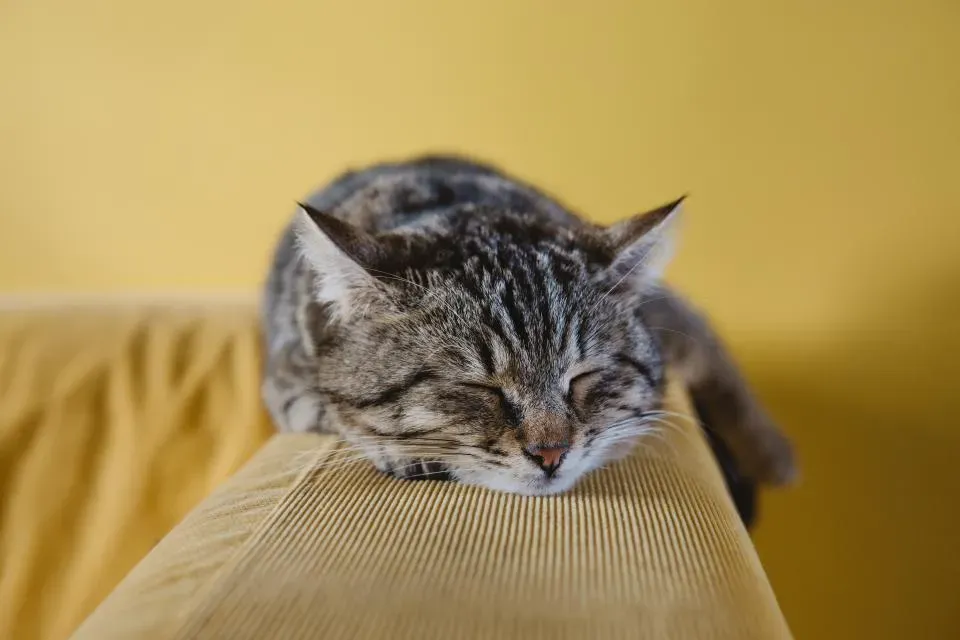
Although the specifics of a cat’s dreams are unknown, it’s likely that their brain is reviewing the day’s activities, consolidating memories, and processing various experiences. Jouvet’s lesion studies showed cats acting out recognizable behaviors during REM sleep: stalking, pouncing, arching defensively, and even grooming – which strongly suggests that cats dream about the activities that fill their waking hours.
An even more intriguing idea is that animals might dream using more senses than humans do. Because smell is very important for both cats and dogs, their dreams might focus more on odors than ours do, suggesting that dogs and cats may dream in smells. So when you picture your cat dreaming, the dream might be less visual and more richly sensory – a world of scent trails, textures, and sounds rather than the image-heavy narratives humans experience.
Do Cats Dream About You Specifically?
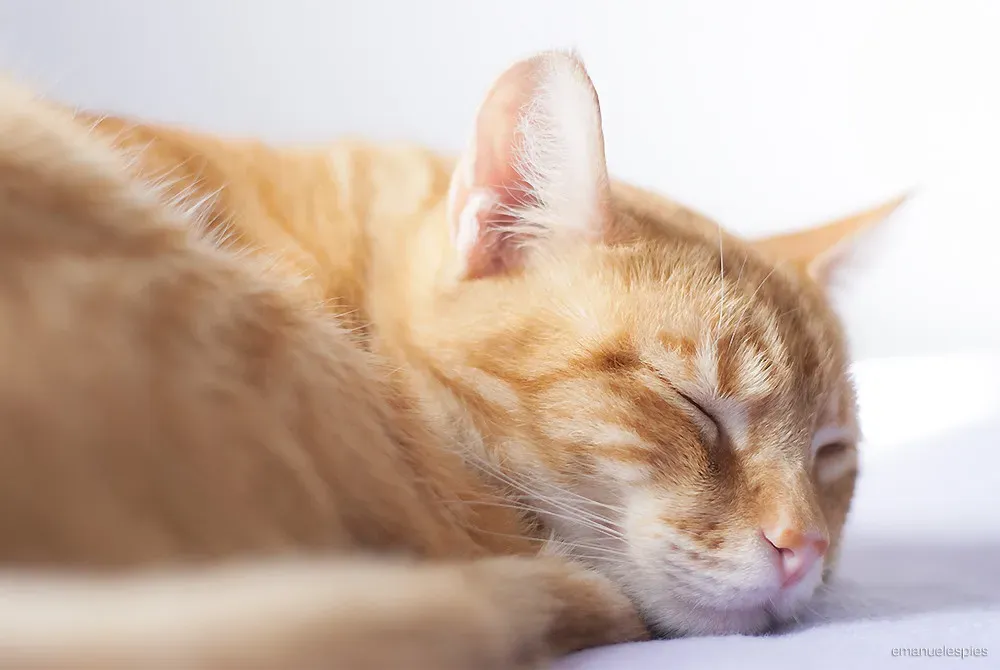
Given that many cats form strong bonds with their humans, it’s likely your cat dreams about you. Cats form strong bonds with their humans, and since dreams often reflect daily experiences, your cat could dream about interactions with you, such as being petted, feeding time, or simply lounging together.
Multiple studies and behavioral experts confirm that cats recognize their owners’ voices, scents, and routines. These bonds are emotionally meaningful to cats, even if they express them differently from dogs. Cats might replay moments of affection or play in their dreams, processing the day’s interactions and solidifying memories – so when you see your cat’s paws twitching or hear a soft purr as they sleep, they could very well be dreaming of cuddling with you or chasing toys you’ve tossed for them.
Can Cats Have Nightmares?
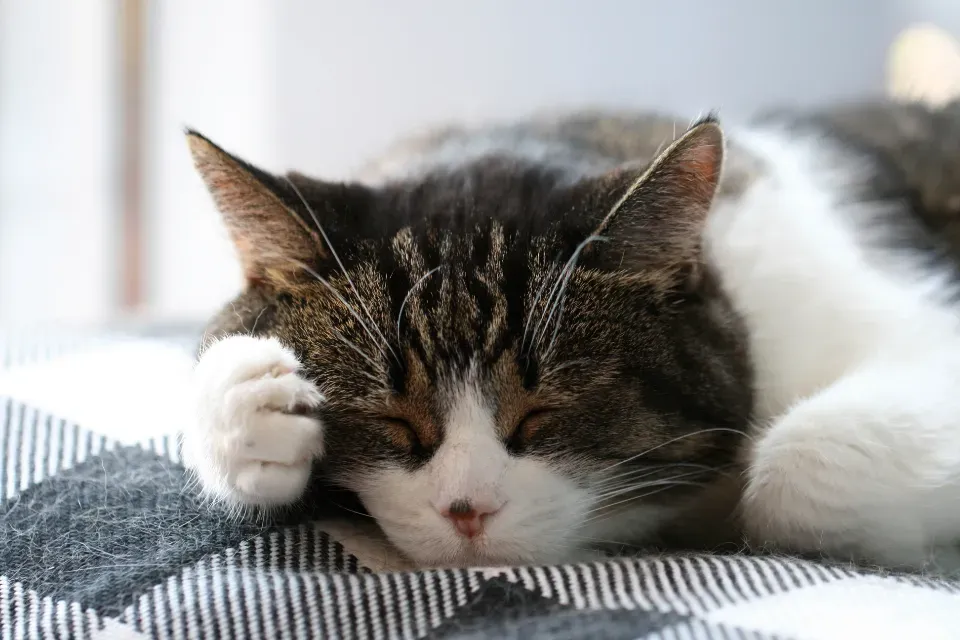
There’s no hard scientific proof that cats experience nightmares in the way humans do, but there’s also no evidence ruling it out. What we do have are strong behavioral signs and expert opinions suggesting that cats can experience negative dreams, especially when they’ve been through something stressful or traumatic. If a cat has had a stressful or frightening day, like encountering a loud noise or an unfamiliar animal, their dreams may reflect these anxieties, which can lead to twitching and meowing that resemble distress.
Cats with a history of trauma, abuse, or significant stress may be more prone to disturbed sleep. Research on post-traumatic stress in animals suggests that distressing experiences can be replayed during REM sleep, much as they are in humans with PTSD. If your cat wakes up suddenly with wide eyes or appears disoriented, give them space and let them calm down naturally. Don’t try to pick them up immediately, as they might still be processing the dream.
Kittens and Senior Cats: A Different Dreaming Experience
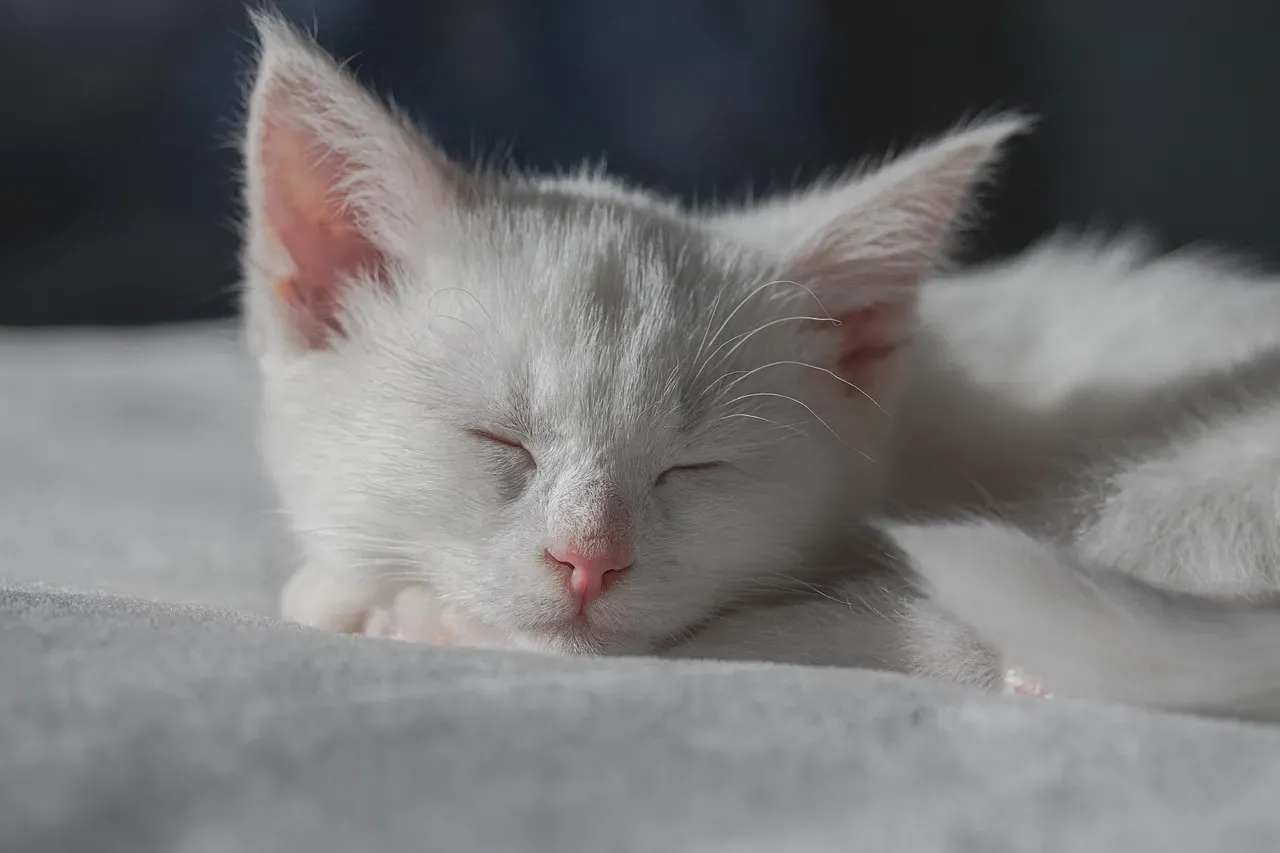
Interestingly, kittens and senior cats spend more time in REM sleep than adult cats in their prime. Kittens may spend up to 60% of their sleep time in REM state, which neuroscientists believe plays a crucial role in brain development and learning. This heavy REM sleep in early life is believed to play a critical role in brain development and neural pathway formation.
This parallel with human infants, who also experience higher proportions of REM sleep, suggests that dreams may serve important developmental functions across mammalian species, helping to process and consolidate information acquired during waking hours. On the other end of the age spectrum, medical conditions like cognitive dysfunction syndrome, similar to dementia in humans, or pain from arthritis can significantly impact sleep quality and dream patterns in older cats. So if you notice your senior cat’s sleep becoming restless or irregular, a veterinary check is a reasonable step.
How to Support Healthy Sleep and Good Dreams
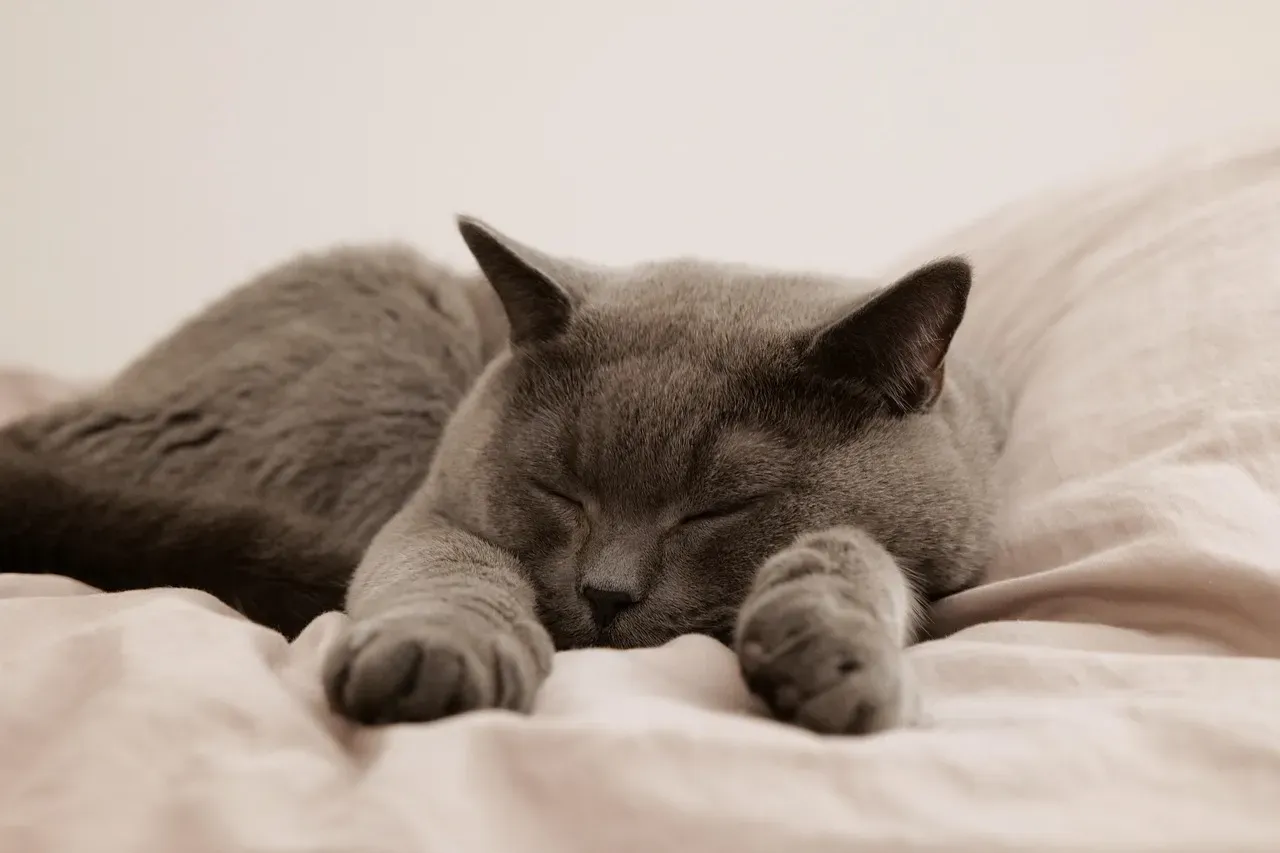
Dreaming helps to reinforce learning, retain memories, and even serve as a form of enrichment, allowing your cat to imagine scenarios. Providing your cat with wand toys, treat-dispensing toys, cat trees, and other forms of enrichment can help them have fun things to dream about. The logic is straightforward: a richer, more stimulating day leads to a more content sleeping mind.
Maintaining a consistent daily routine helps regulate your cat’s sleep-wake cycle and promotes healthy dreaming. Engaging your cat in active play during the day tires them out and improves sleep quality at night. Avoiding feeding or playing with your cat right before bedtime prevents overstimulation and restless sleep. Given the importance of good sleep for your cat, you’ll want to avoid waking them up while they’re in the REM part of their sleep cycle. Disturbing a cat during their REM cycle can cause them to wake up irritable or still tired.
Conclusion
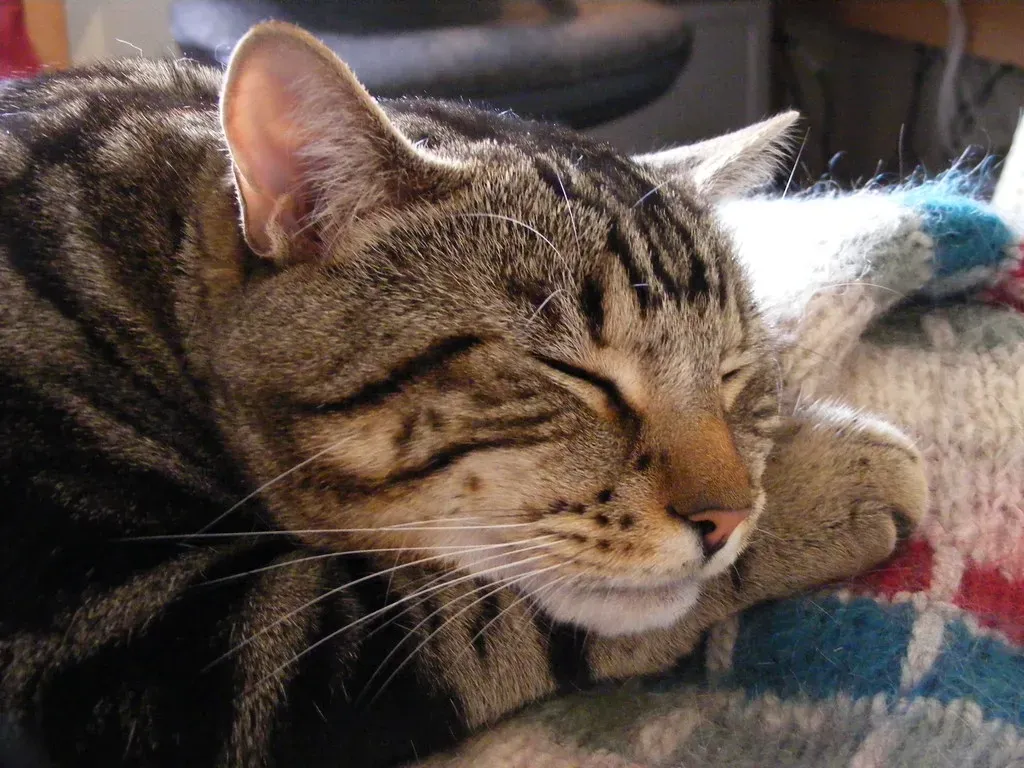
The evidence is clear enough to take seriously: your cat almost certainly dreams, and those dreams are probably drawn from real experiences – the hunt in the hallway, the afternoon sunbeam, and perhaps the sound of your voice calling them in for dinner. Science can’t hand you a transcript of your cat’s dream journal, but it offers something nearly as satisfying: a well-supported reason to believe their inner world is rich, active, and emotionally connected to yours.
There’s a quiet reassurance in that. Every twitch of those small paws, every muffled chirp drifting out of deep sleep – it’s not random noise. It’s a mind at work, replaying a life that, in no small part, includes you. The best thing you can do is make sure that life, awake or asleep, is worth dreaming about.