You probably think your cat just lounges around all day, doing whatever feels right in the moment. Maybe you picture them as the ultimate free spirit, completely indifferent to clocks and schedules. Here’s the thing though – your cat is living by one of the most precisely organized daily programs in the animal kingdom, and you’ve been completely unaware of it this whole time.
From the exact moment dawn breaks to the last stretch before midnight, your cat is operating on an internal timetable so detailed it would put most productivity coaches to shame. Every nap, every meal demand, every sudden burst of insanity sprinting across the hallway – it all fits into a biological blueprint. So let’s dive in and take a serious look at what’s really going on inside that fluffy, mysterious little schedule.
The Internal Clock Your Cat Was Born With
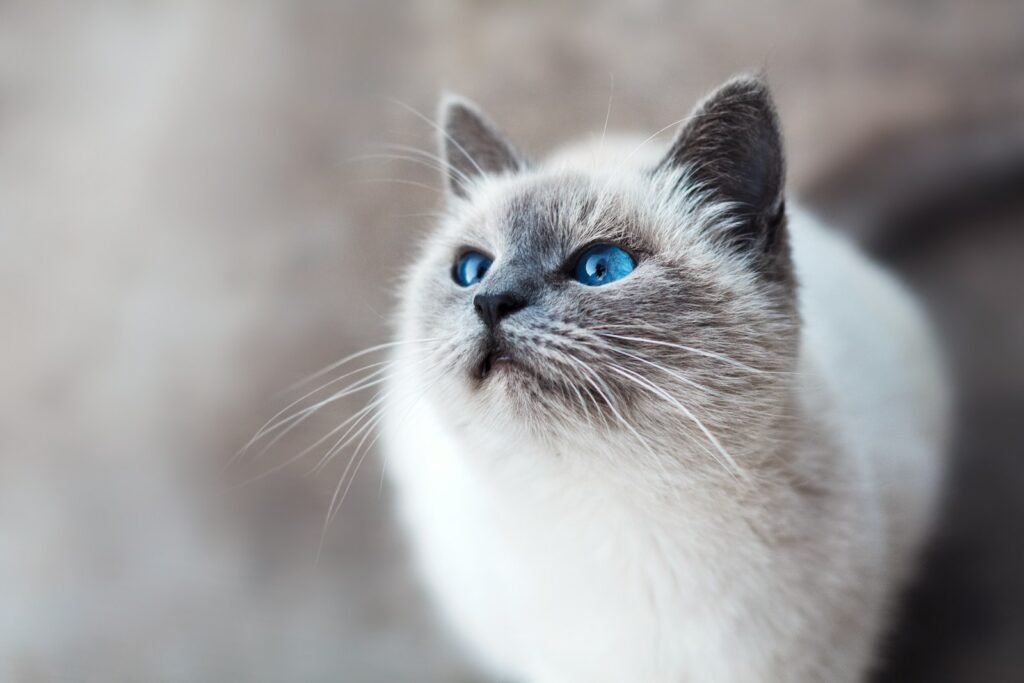
Most people assume their cat just does whatever it wants, whenever it wants. Honestly, that could not be further from the truth. It all comes down to their internal clock, which, oddly enough, adapts to the life you set forth for them. Think of it less like a random whim and more like a finely tuned biological program running quietly in the background.
Cats, like many animals, thrive on routine. They are creatures of habit and feel more at ease when they have a predictable daily schedule. This isn’t just a personality quirk – it’s hardwired into their DNA. The same instinct that drove their wild ancestors to hunt, rest, and patrol at precise times of day is still very much alive inside the cat currently sitting on your keyboard.
We know that cats thrive on routine, and that can help guide our decision-making. For cats, routines and schedules are a crucial way to stay grounded and understand how things work in the household. So the next time your cat starts demanding breakfast at exactly 6:47 a.m., know that this isn’t random. That’s a schedule being enforced – by them, on you.
Dawn Is When the Real Action Starts
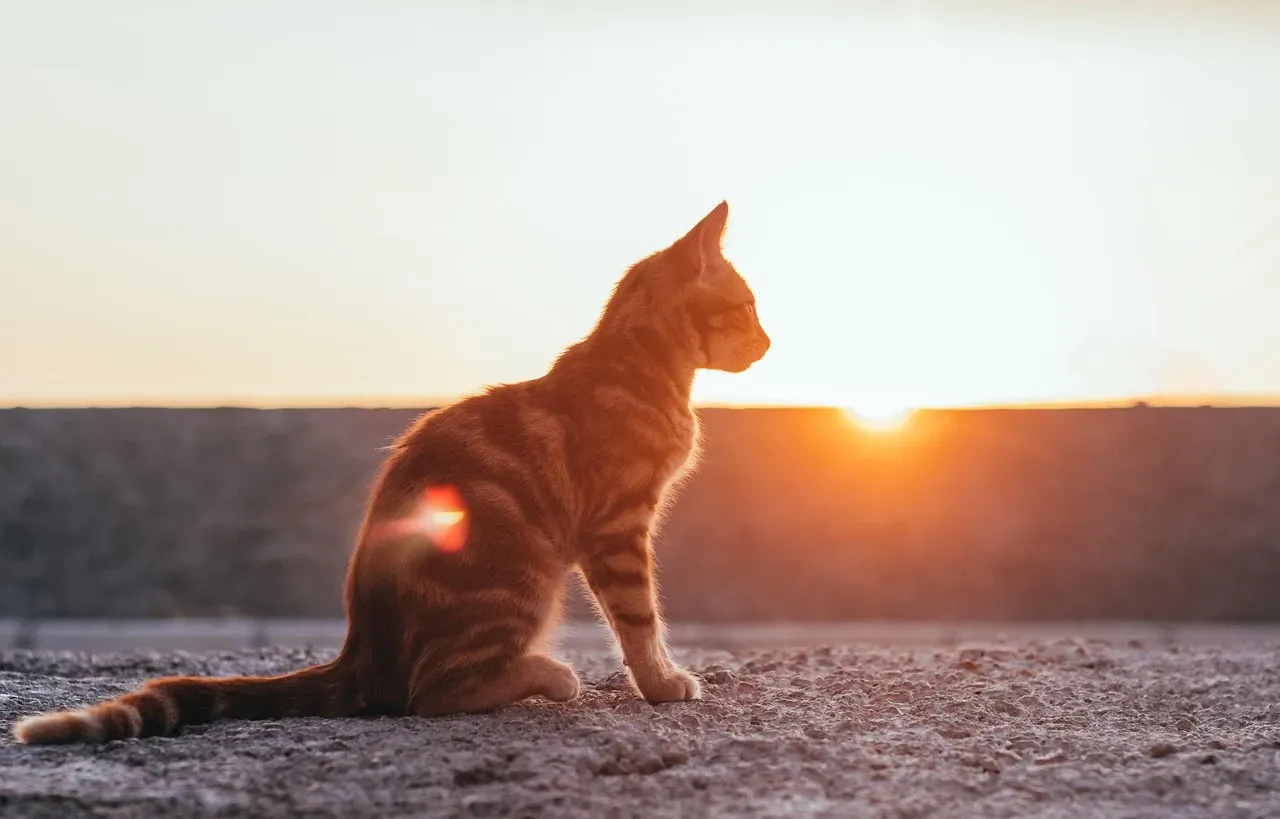
Let’s get one thing straight right away – your cat is not nocturnal. This is one of the most widespread myths about feline behavior, and it needs to be put to rest. Contrary to popular belief, cats are not actually nocturnal animals. They are crepuscular, meaning they are most active during twilight hours – dawn and dusk. This evolutionary adaptation developed to optimize their hunting success while minimizing their exposure to larger predators.
They experience two peaks of activity, one in the early morning before sunrise and one in the evening around sunset. Researchers hypothesize that a cat’s crepuscular sleep cycle is driven by their predatory natures. So when your cat is headbutting your face at 5 a.m., they’re not being cruel. They are simply following a biological directive older than civilization itself. That’s a slightly less annoying way to think about it, right?
These times are when the temperatures are the coolest in the desert, which makes it more tolerable to hunt. Hunting at dusk and dawn provides cats some cover because of the darkness, but gives them just enough light to hunt in, which their eyes are designed for. Your cat’s ancient programming still fires on cue, every single morning, whether there’s prey involved or just your sleeping face.
The Science of the Cat Nap (It’s More Complex Than You Think)
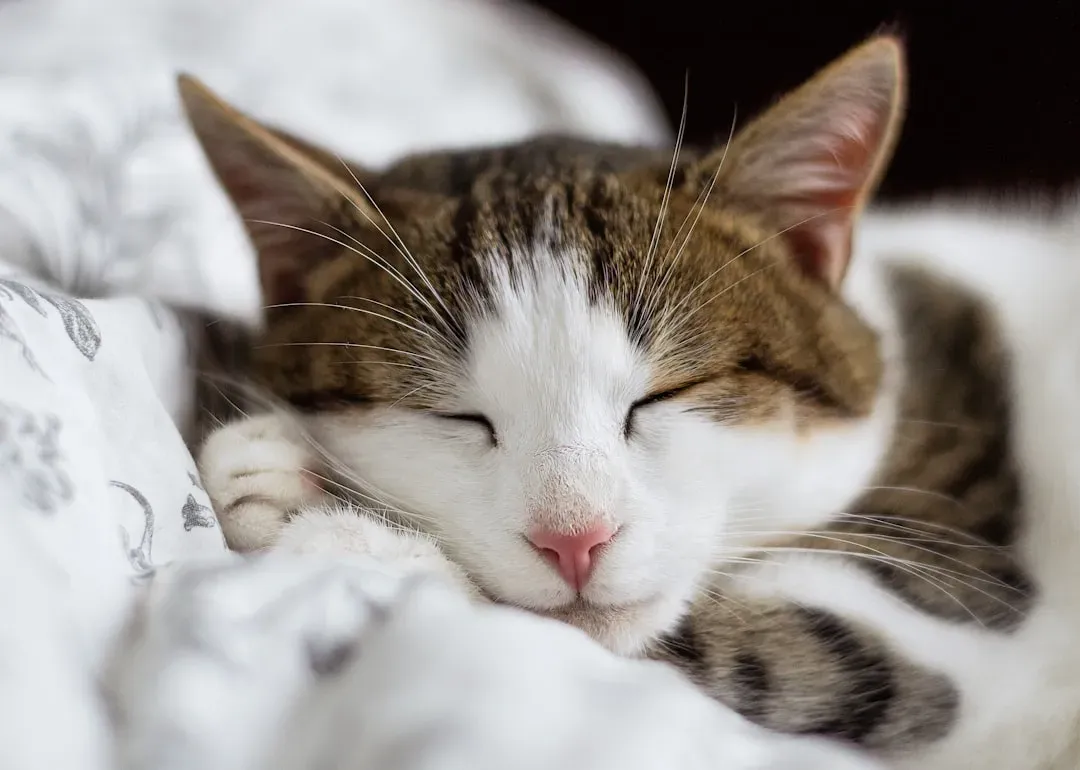
We all know cats sleep a lot. But the way they sleep is something most people have never really thought about. Cats have a polyphasic sleep pattern, which means they sleep multiple times each day rather than in one long period, like humans generally sleep. These cat naps average 78 minutes in length. However, cats commonly sleep for periods of time ranging from 50 to 113 minutes. So their entire day is essentially a series of deliberate rest cycles, not just random laziness.
Most cats sleep between 12 and 16 hours a day, while humans average about 7 to 9 hours per night. This extended sleep helps cats recover energy for their active periods. It’s a bit like how elite sprinters rest far more than marathon runners – your cat is essentially a biological athlete in constant energy conservation mode.
Cats and humans share the REM and non-REM sleep stages, but the structure and duration of these cycles differ significantly. Cats enter REM sleep more frequently and for shorter durations than humans. This difference highlights the evolutionary adaptation of cats to remain alert to environmental dangers, even while resting. Yes, your cat actually dreams. And unlike you, they can wake up and be fully alert in about two seconds flat.
The Morning Patrol: Your Cat’s Daily Property Inspection
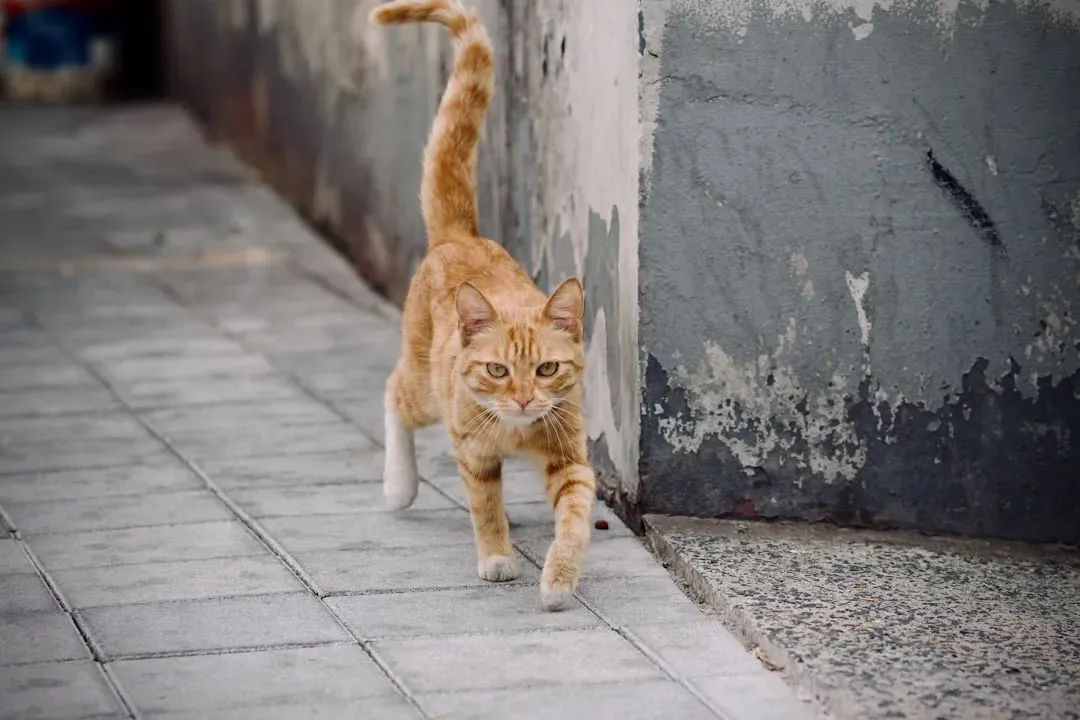
After that first burst of dawn energy, your cat doesn’t just sit back and relax. They begin what amounts to a full property inspection. Cats are usually cautious and concerned about intrusions into their area, especially at certain times such as dawn and dusk. Even if your cat is indoor-only, they still have a strong natural instinct to hunt and establish territories. The circuit through every room, the nose to the floor, the lingering at certain spots – that’s not aimless wandering. That’s surveillance.
Cats mark their territory to make themselves feel more secure in their environment and also to deter other cats from entering. Preventing other cats from entering may help to prevent physical fights. The rubbing against doorframes and furniture isn’t just affection – it’s your cat depositing their scent signature on every important location in the house. Think of it as signing their name on their territory, one cheek rub at a time.
Feeding Time: The Centerpiece of the Entire Day

If there’s one thing that anchors your cat’s entire daily structure, it’s feeding time. I think this surprises a lot of people who assume their cats are indifferent little creatures. Perhaps the most significant example of an important routine is your cat’s feeding schedule. Evaluating feeding times will affect your cat’s energy levels, behavior, and sleep schedule. Shift a meal by an hour and you will hear about it in no uncertain terms.
Has your cat ever woken you up in the middle of the night to let you know a feeding was missed? Dealing with a ticked-off kitty at 2 a.m. isn’t fun for anyone involved. Especially the cat. Their routine is off, and they think something is wrong. This is not drama – this is genuine stress. A disrupted feeding schedule is, from your cat’s perspective, a genuine alarm signal that something in the world has gone wrong.
Cats prefer to eat little and often but should still not be overfed in terms of the total daily amount. Several smaller meals distributed throughout the day actually align more naturally with their biology than one or two large feedings. Their wild ancestors didn’t sit down to a big dinner – they caught small prey, rested, then hunted again.
The Afternoon Slump: Strategic Rest Between Missions
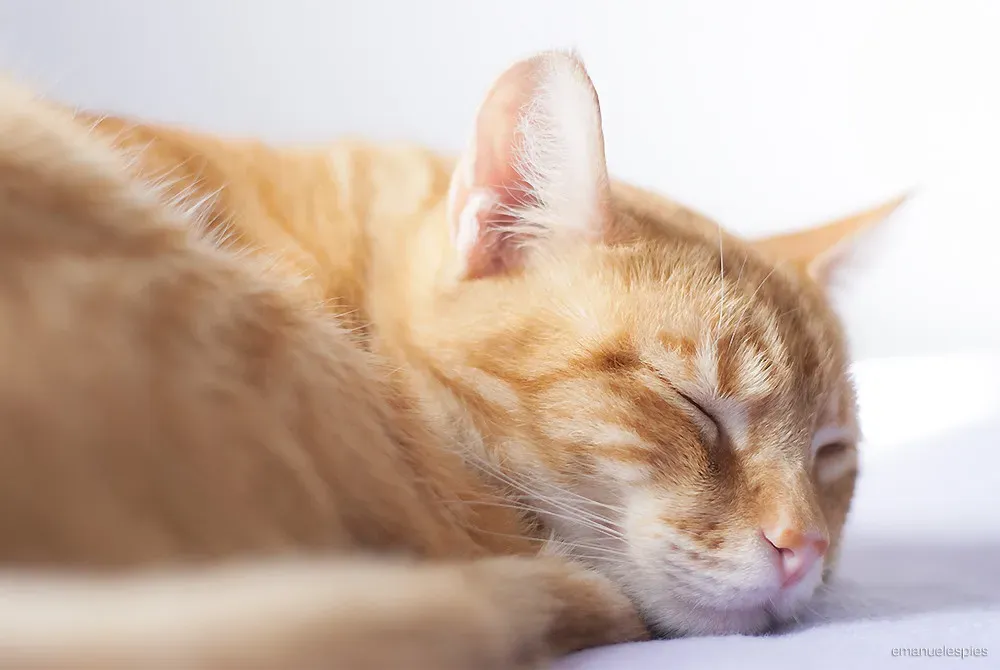
Mid-afternoon is when your cat looks the most like a throw rug. They’ve completed the morning patrol, they’ve eaten, they’ve observed the birds outside the window, and now they’ve selected a sunbeam and disappeared into it for a few hours. This is not laziness. This is strategy. Because cats are crepuscular, they conserve their energy for these twilight hunting periods. Before being domesticated, cats would have had to expend huge amounts of energy at these times, finding, chasing and killing their prey.
In the wild, these ancestors needed to conserve energy for hunting, a high-energy activity. This energy-conservation strategy has carried over into the domestic cats we know today. They follow a polyphasic sleep pattern, meaning they have multiple periods of sleep throughout a 24-hour day. So when you see your cat completely comatose on the couch at 2 p.m., understand that they are essentially charging up for the evening shift. It’s practically professional.
Window-Watching: A Scheduled Appointment With the Outside World
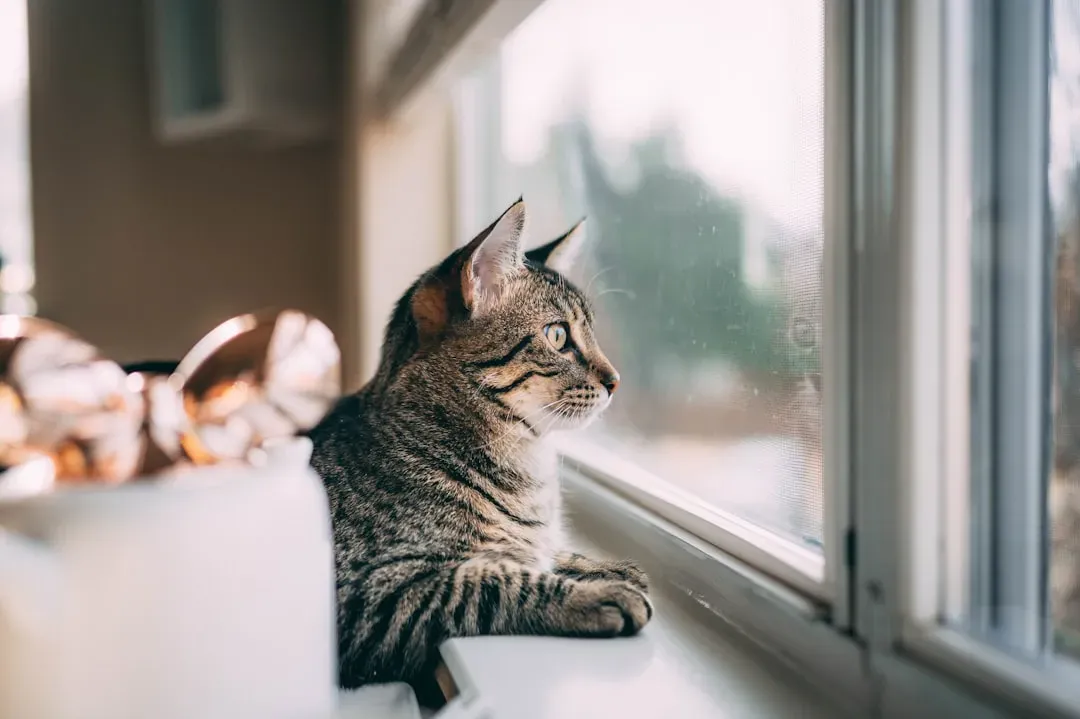
You may have noticed that your cat tends to show up at the same window at around the same time each day. That’s not a coincidence. Indoor cats often develop an almost obsessive relationship with windows. They’ll spend hours chattering at birds, tracking falling leaves, or simply soaking up sunshine patches with laser-focused attention. Windows serve as natural television for house-bound felines, providing essential environmental enrichment.
The moving objects outside stimulate their hunting instincts while keeping them safely indoors. Many cats establish regular window-watching routines, appearing at their favorite sill at specific times each day. It is, honestly, one of the most charming examples of feline routine in action. Your cat has a standing appointment with the outside world, and they keep it with remarkable consistency.
Evening Activity: The Second Wind Arrives on Schedule
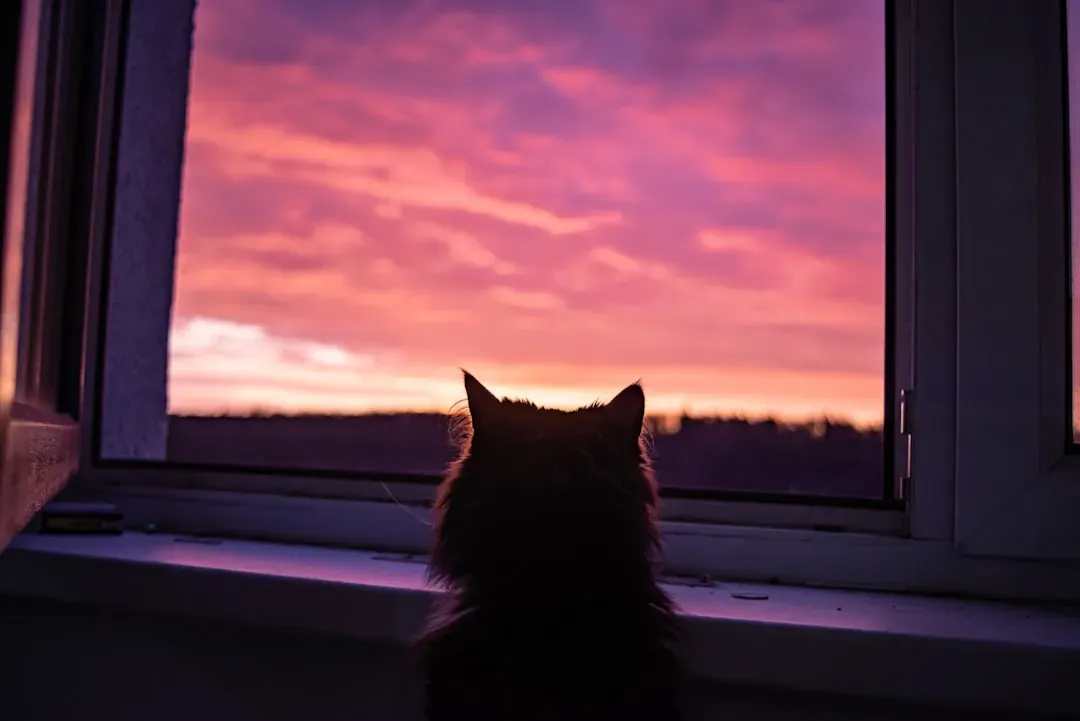
Here it comes. Right around dusk, your cat transforms. The drowsy lump from three hours ago is suddenly sprinting, pouncing, and demanding your immediate attention. Cats are most active at dawn and dusk, a pattern inherited from ancestors that hunted twilight prey. This evening energy surge is as predictable as a sunset – because, biologically speaking, it’s directly tied to one.
Cats benefit from predictability; knowing what’s coming is great for lowering stress. Whether your cat is prone to anxiety or bouts of naughtiness, routine can decrease unwanted behaviors and help your cat be happier. This is the perfect window for play sessions, and it’s worth aligning your evening routine with it. A solid fifteen to twenty minutes of interactive play during this peak energy phase can make a huge difference in nighttime behavior.
Play is a wonderful way to bond with your cat, boost their happiness, and promote good behavior. Play is a necessary part of your cat’s life and can’t wait until they demand it. When you wait for your cat to ask, you’re already behind the curve. Being proactive about play at dusk works with your cat’s biology rather than against it.
The Nighttime Wind-Down (And the Zoomies That Come First)
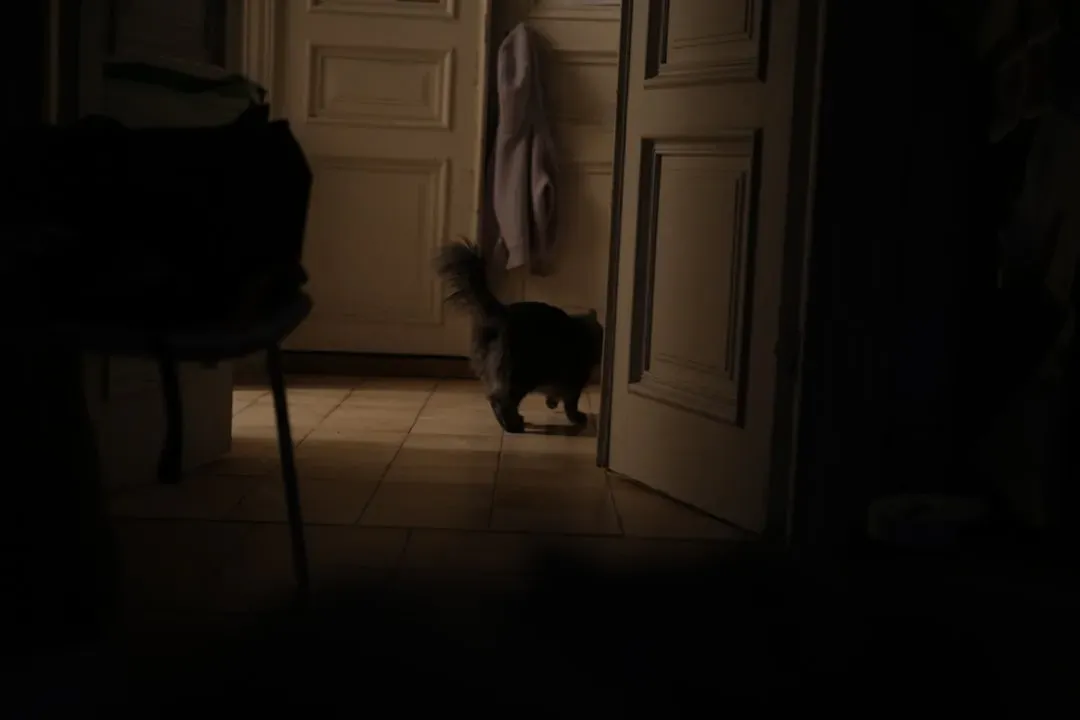
Before your cat settles in for the night, there’s often one final, spectacular burst of chaos. The zoomies. That frantic sprint through the hallway, the sudden leap onto the bed, the wild-eyed stare at absolutely nothing. It looks insane. It’s actually completely normal. Sudden nighttime sprints reflect a predator’s biology built for short bursts of intense movement. Those sudden bursts of speed, often called zoomies, are one of the most noticeable signs of nighttime cat activity. While it may look like your cat has gone off the deep end, from a scientific perspective these episodes are not a sign of madness or even boredom. They reflect normal patterns of energy release and motor behavior.
Indoor domestic cats tend to adjust their sleeping patterns to their pet parent’s schedule. In other words, your cat may end up sleeping through the night just like you do. The key is what happens before bed. A cat may sleep more deeply at night if it has been stimulated and exercised in the evening, or if it knows nothing interesting happens after the lights go out. Help them wind down properly and you might just get a full night’s sleep yourself.
When You Disrupt the Routine: Why It Matters More Than You Realize
Let’s be real – life gets messy. You travel, you sleep in, you change jobs and suddenly your whole schedule flips. Your cat notices every single one of these shifts, and they feel them deeply. Some of the most important routines for your cats include how often and when you play and exercise together, the consistency of your pet’s diet, regular mealtimes, the normal noise and activity level in your household, morning and evening rituals for your family and cat, and being consistent regarding what behaviors you do and don’t tolerate in your cat.
Research conducted in a large shelter environment demonstrated that felines exposed to a consistent daily schedule – including fixed feeding times, scheduled enrichment activities, and regular, gentle human interaction – exhibited significantly lower observable stress behaviors, such as excessive grooming, hiding, or aggression towards other cats. Furthermore, their adaptation rates to new homes post-adoption were notably faster. Structure isn’t just a comfort for your cat. It’s a direct measure of their mental and physical health.
Regular routines also are an excellent way to be aware of your cat’s health needs. If you interact with them on a regular basis, this helps you key in to their health. You will come to expect certain behaviors in your cat because of the routine. When something changes in that routine without explanation, you’re often getting an early warning signal that something is medically off. Your cat’s schedule, in that sense, is also one of your most useful health monitoring tools.
Conclusion
Your cat is not a chaos agent. They are not a mystery wrapped in fur, acting on nothing but whim and attitude. They are a beautifully structured creature following an ancient biological schedule that has been refined over millions of years of evolution. Every yawn, every patrol, every insistent 5 a.m. meow – it all fits into a framework far more organized than most human calendars.
Understanding your cat’s daily routine doesn’t just make you a better owner – it makes the relationship richer. When you know why they do what they do and when they do it, you stop fighting against their nature and start working alongside it. The result is a calmer home, a happier cat, and honestly, a lot fewer mysterious midnight wake-ups.
So the next time someone tells you their cat is unpredictable, you’ll know better. Cats are arguably the most routine-driven animals sharing our homes. We just never paid close enough attention to notice. What part of your cat’s daily schedule surprised you most – did you ever suspect just how structured their day really was?
Kristina is a young writer from India. An arts graduate and an avid content creator, Kristina is passionate about animals and wildlife. She enjoys exploring topics related to pet care, animal behavior, conservation, and nature, combining thorough research with engaging storytelling.