You walk into a beautiful home filled with lush greenery, trailing vines, and vibrant blooms. It looks stunning. Peaceful, even. Now imagine your cat quietly nibbling on one of those gorgeous leaves while you’re in the other room. That idyllic scene? It could quietly turn into a medical emergency.
There is greater risk within the home as it is a confined area, because a bored or curious cat might investigate an indoor plant or a cut flower display by playing and nibbling. What makes this even more alarming is that so many of the plants people adore the most are the very ones capable of causing serious harm. Some are Instagram-famous. Some are practically sold at every garden center and grocery store. You probably own at least one of them right now. Let’s dive in.
1. Lilies: The Most Dangerous Plant You’ll Ever Put in a Vase
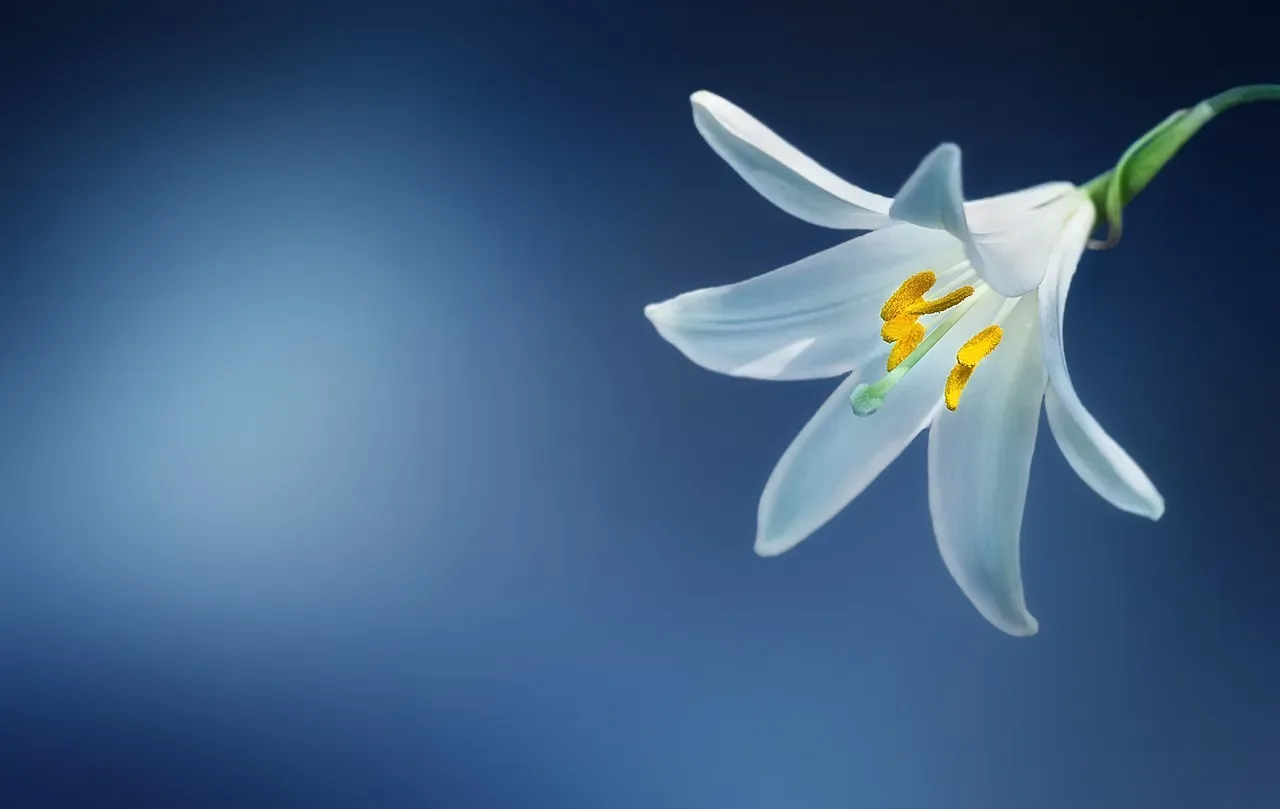
Lilies are lethally toxic to cats. They are so poisonous that a cat can suffer fatal kidney failure just from biting into a lily leaf or petal, licking lily pollen from its paws, or drinking water from a vase containing cut lilies. Honestly, that last part is the most terrifying. Your cat doesn’t even have to chew the plant. Just a curious sniff near a water-filled vase can be enough to set a deadly chain of events in motion.
The dangerous lilies refer to those of the Hemerocallis and Lilium species, such as Easter lilies, Japanese show, Asiatic, stargazer, wood, red, western, tiger, and rubrum lilies. Daylilies are from the Hemerocallis genera and are also extremely harmful. With true lilies and daylilies, signs of toxicity can occur within two hours of ingestion, and fatal kidney failure can develop in less than 72 hours. If you ever suspect your cat has come into contact with a lily, you need to act immediately. Time is not on your side.
2. Pothos: The Beloved Trailing Vine That Bites Back
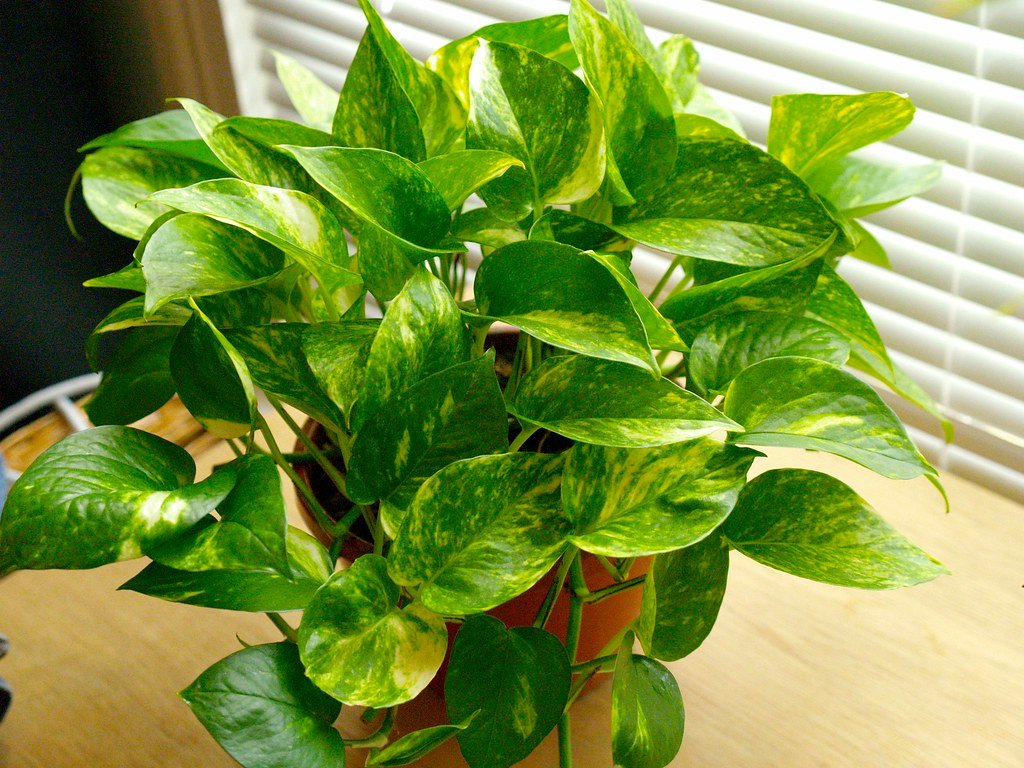
Pothos can be found in many households because it is easy to care for and creates a stunning visual appeal. This plant has long stems that sometimes drape over and out of its container, making it appealing to cats who like to chew on plants. Here’s the thing though. That dangling, playful vine your cat loves to bat around is actually loaded with a substance that causes immediate pain the moment your cat bites into it.
Pothos plants contain microscopic calcium oxalate crystals called raphides throughout their leaves, stems, and roots. When cats chew on pothos, these needle-like crystals penetrate soft tissues in the mouth and digestive tract, triggering immediate pain and inflammation. Unlike some toxins with delayed effects, pothos poisoning symptoms appear rapidly, often within minutes of ingestion. The Pet Poison Helpline classifies the pothos as having mild to moderate toxicity, and in rare severe cases, the crystals can cause swelling of the upper airway that makes it difficult to breathe. Most cats recover, but that doesn’t mean you should take the risk lightly.
3. Aloe Vera: Your Skincare Staple Is Your Cat’s Nightmare
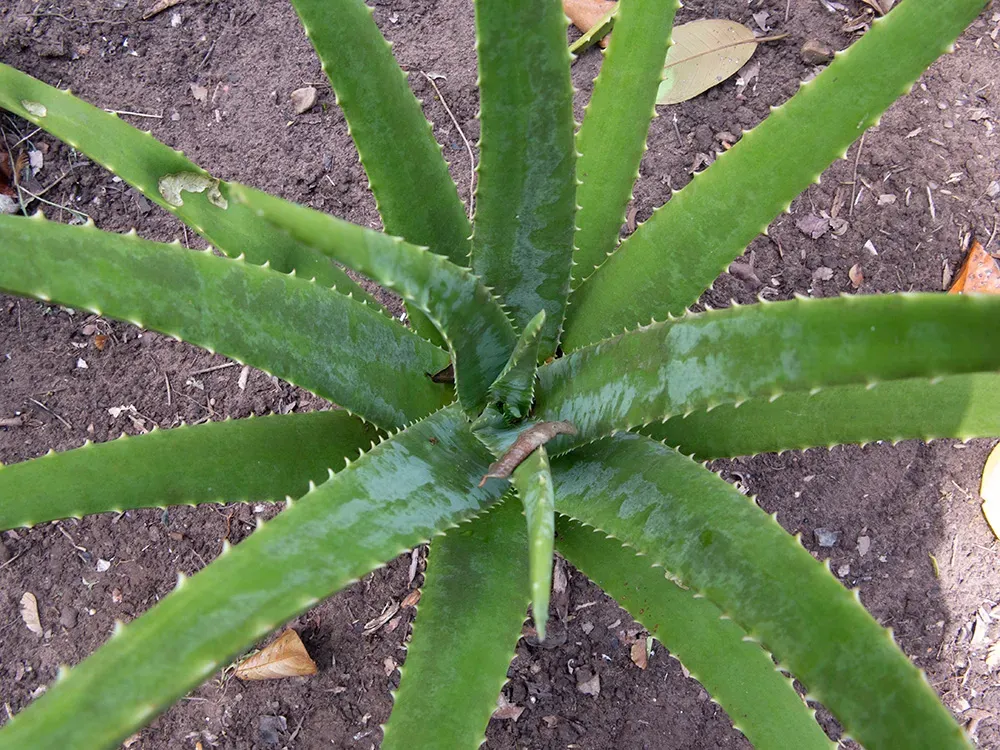
Though aloe vera is often a household staple, especially in the kitchen where its healing powers can be employed at the ready, this plant is toxic to cats. I know it sounds crazy, but one of the most widely praised healing plants in human wellness is quietly a hazard sitting on your windowsill. The irony is genuinely uncomfortable.
The gel inside the aloe leaves contains compounds called saponins and anthraquinones, which can cause vomiting, diarrhea, and changes in color of urine. Cats may also experience lethargy and tremors. Aloe is dangerous for cats. Although cats usually will not die from ingesting aloe, it can cause severe vomiting and diarrhea, which may lead to dangerous levels of dehydration. Think of it like this: aloe is the friend that’s genuinely helpful to you but somehow starts a fight every time your cat is nearby.
4. Dieffenbachia (Dumb Cane): The Tropical Beauty With a Brutal Sting
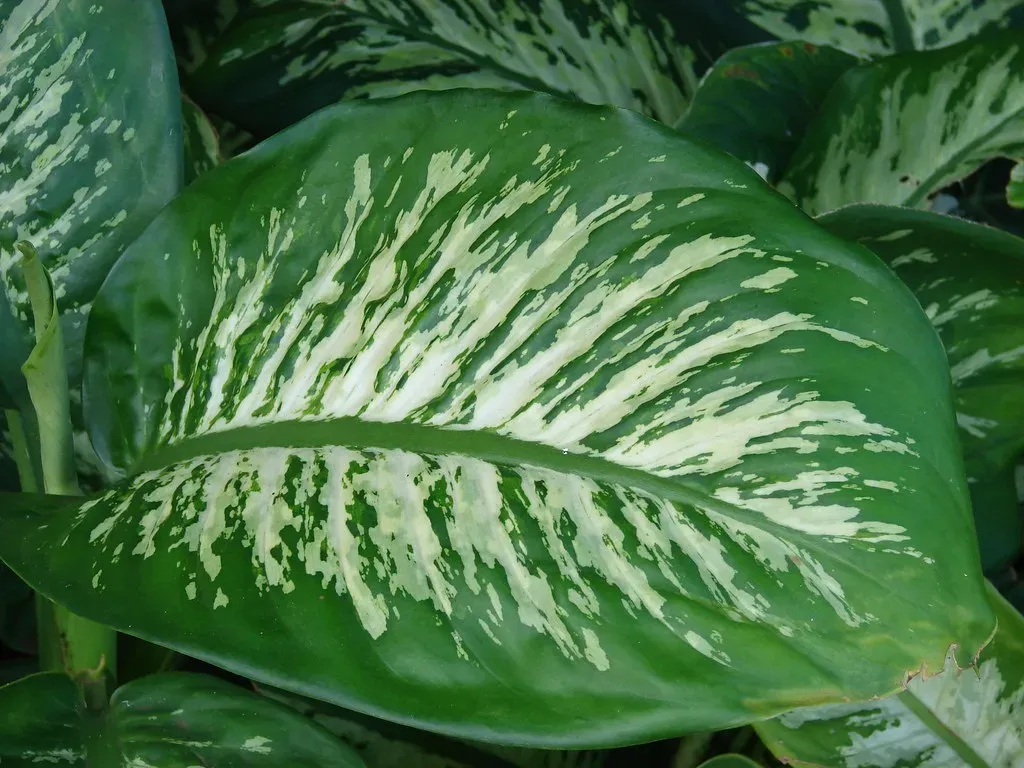
Dieffenbachia, or “dumb cane,” is a popular houseplant native to Central and South America. Its lush foliage can reach up to ten feet tall and comes in various colours, including white, yellow, green, and pink. Dieffenbachia is easy to care for and thrives in medium to bright light and moist soil. Unfortunately, dieffenbachia is highly toxic to cats when ingested. It’s the kind of plant that looks like it belongs in a tropical resort lobby, which is probably why it’s in so many living rooms.
In cats, systemic toxicity from Dieffenbachia can occur, including renal signs progressing to acute renal failure within one to two weeks and neurologic signs such as muscle contractions. In cats, Dieffenbachia species poisoning can be life threatening. Attention to airway and breathing is paramount, and upper airway obstruction by the plant can be life threatening. The name “dumb cane” originally referred to what it does to the human mouth if chewed. For cats, the consequences go even further.
5. Snake Plant: The “Easy Care” Plant With a Hidden Edge
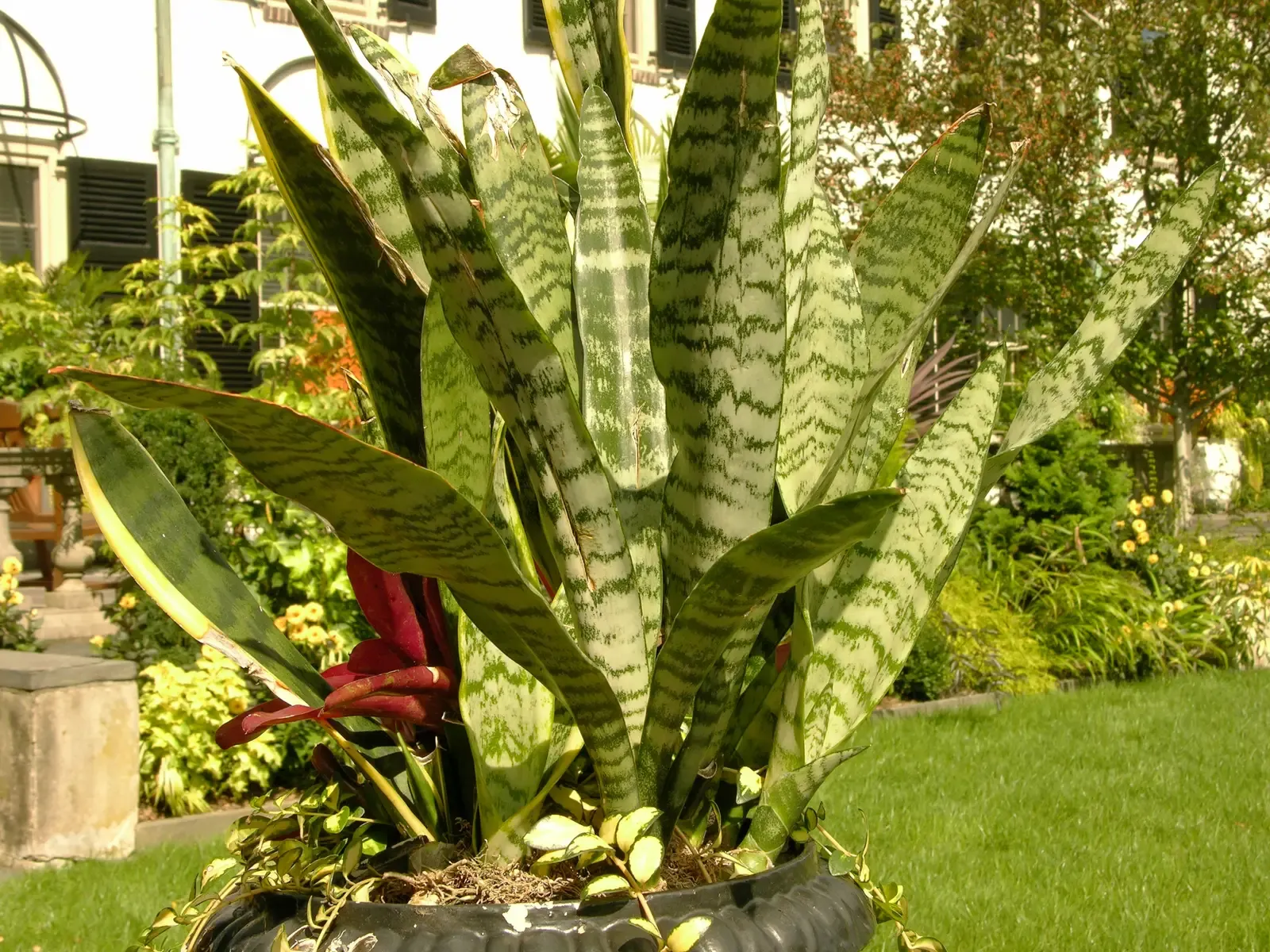
While snake plants are non-toxic for humans, they are toxic for cats and dogs if ingested. The main toxic element in snake plants is saponins, which are glycosides that can cause vomiting, diarrhea, and oral irritation when consumed by pets. Snake plants have become one of the most recommended houseplants in existence, praised for their air-purifying qualities and near-indestructibility. It’s on almost every “beginner plant” list you’ll ever read. What those lists often fail to mention is what happens when your cat decides to take a taste.
A cat may be curious about the snake plant’s long leaves that stick up out of the soil. Keep your cat away from snake plants because they’re toxic to cats and if ingested, can cause symptoms from vomiting to increased heart rate. While these symptoms can be uncomfortable, they typically do not lead to serious long-term health issues. If you have cats in your home, you may want to consider replacing the snake plant with a safe alternative such as the rattlesnake plant. It’s not the most dangerous plant on this list, but it’s arguably the most common one people don’t realize is a problem at all.
6. Sago Palm: The Decorative Plant That Can Kill Within Days
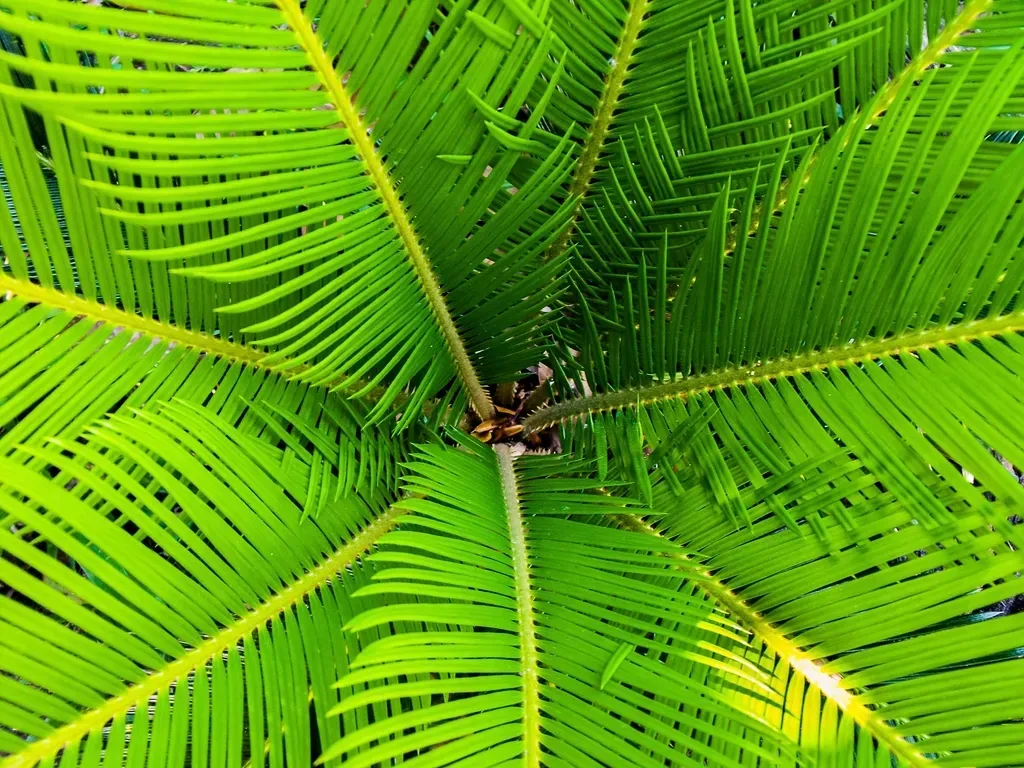
All parts of the Sago Palm are poisonous, but the seeds, or nuts, are the most toxic to pets and are easier for them to eat than the prickly fronds. Sago palms have a prehistoric, dramatic look that makes them popular both indoors and in warm-climate gardens. They feel exotic and architectural. Unfortunately, they are one of the most catastrophically dangerous plants you can have near any pet.
The Sago Palm is part of the cycad family of plants and is highly toxic to cats, dogs, and humans if consumed. According to feline health experts, even consuming a small amount of the Sago Palm may cause acute liver failure within two to three days of ingestion. At its worst the plant can damage a cat’s liver or cause neurological problems. With such high stakes, you might not want to include this in your indoor garden. Honestly, this is one of those plants where the risk-to-reward ratio is simply not worth it if you have a curious cat at home.
7. Peace Lily: The Innocent-Looking Centerpiece With a Toxic Secret
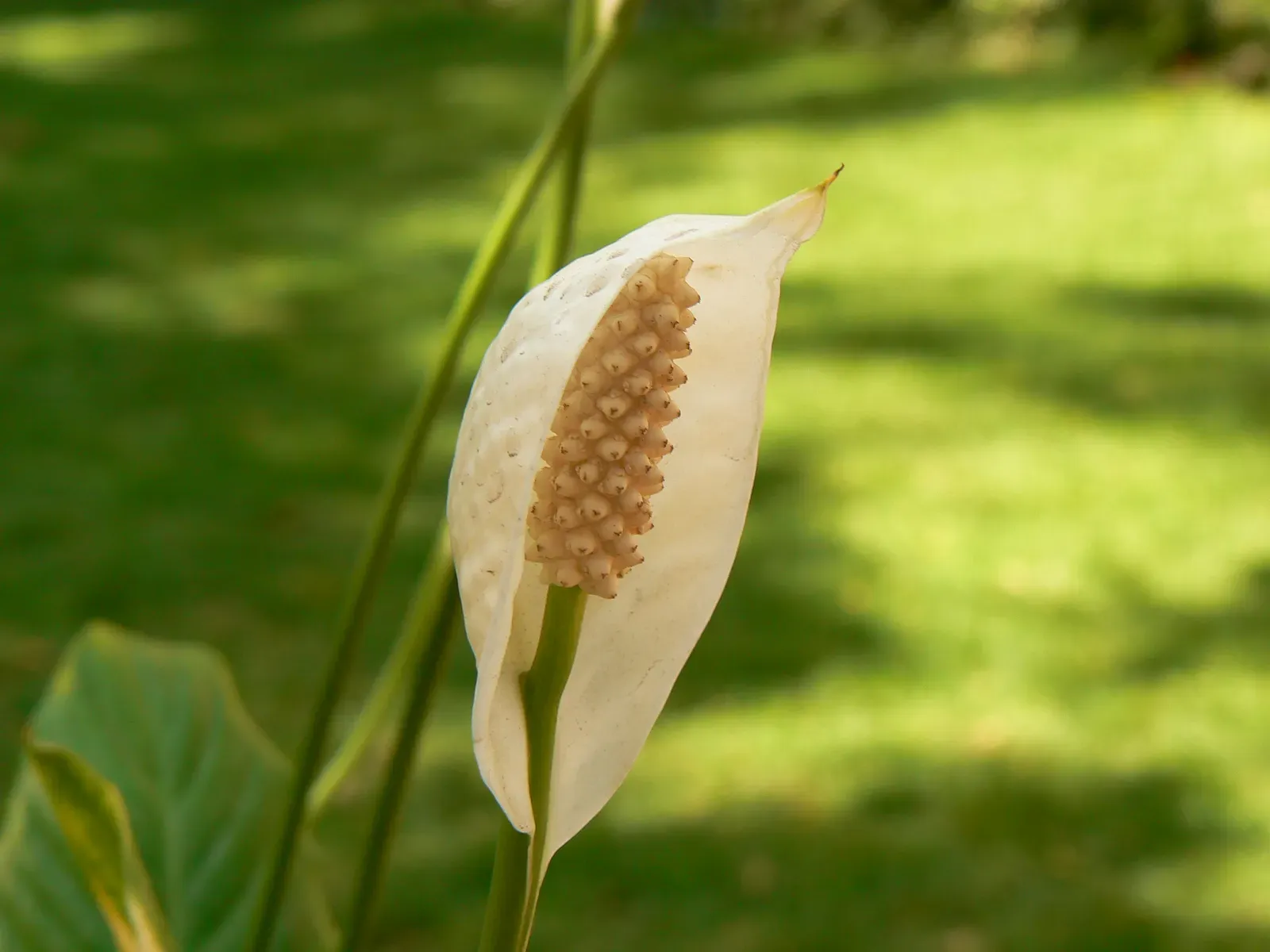
The peace lily is a common flowering plant that is often given as a gift, due to the beautiful flowers that typically blossom during the winter months. However, don’t let their beauty fool you, as they are very toxic. All parts of this plant, especially the parts below the soil, can be deadly to your cat. You’ll find peace lilies on office desks, hospital waiting rooms, and living room tables across the world. They’re associated with calm and serenity. For your cat, they represent something far less peaceful.
Symptoms you might notice if your cat has ingested part of a Peace Lily include irritation of the mouth and gastrointestinal tract, excessive drooling, and in some severe cases, difficulty swallowing or breathing. Cats are very skilled at hiding their symptoms, which is a defense mechanism that keeps them safe. You should call your vet or the ASPCA hotline if you suspect your cat has eaten one of these poisonous plants, even if they aren’t acting overtly sick. Symptoms such as diarrhea, lethargy, and vomiting are all difficult to hide, so be on the lookout for those signs specifically.
What to Do If Your Cat Ingests a Toxic Plant
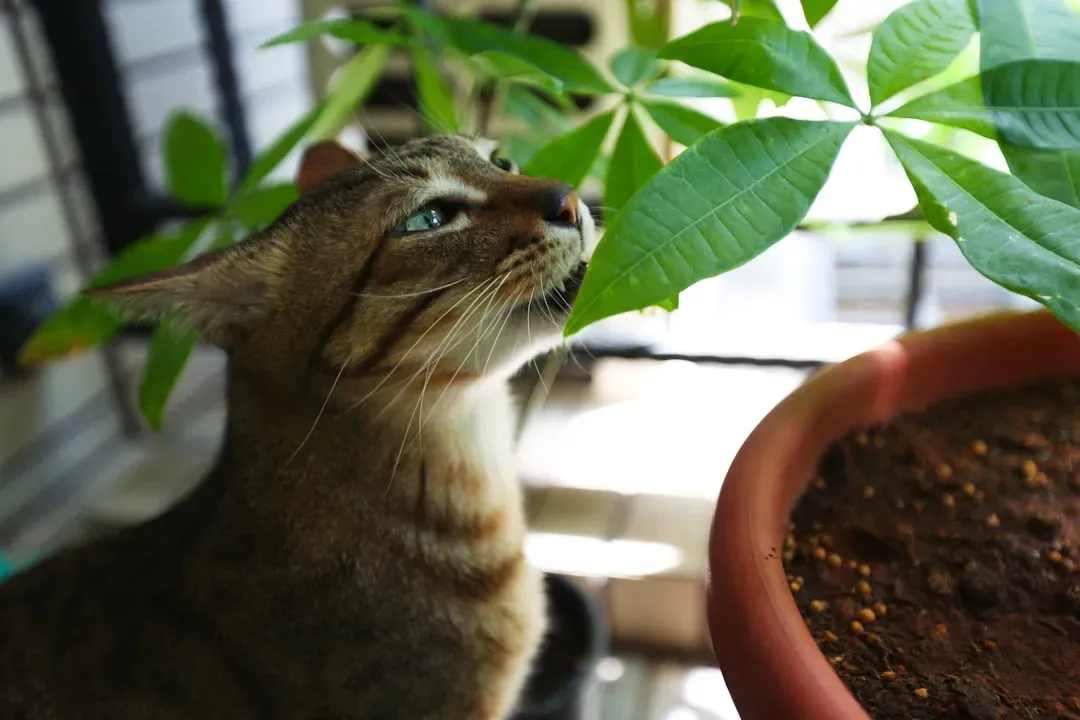
Knowing the names of these plants is only half the battle. The other half is knowing how to respond when something goes wrong, and your response time genuinely matters. In minor cases, plants toxic to cats can cause gastro upset or skin irritation, but in serious cases, they can lead to organ failure, seizures, or even death.
If you believe that your animal is ill or may have ingested a poisonous substance, contact either your local veterinarian or the ASPCA Poison Control’s 24-hour emergency poison hotline at (888) 426-4435. When a cat does become unwell, it is often because something has brushed on their fur or paws, which they have then ingested while grooming. So even a plant sitting several feet away from your cat is not necessarily a safe plant. Keep that in mind when you’re deciding where to place your greenery.
Final Thoughts: Beautiful Homes and Safe Cats Can Coexist
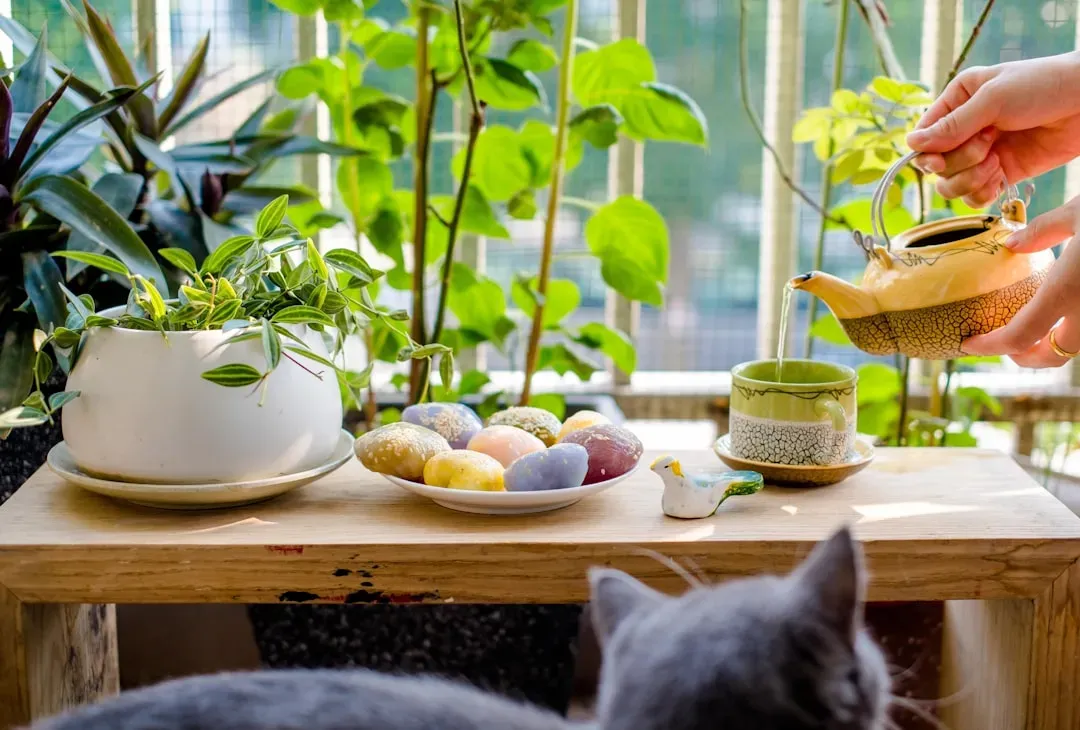
Here’s the thing nobody really says out loud: you don’t have to give up plants entirely to be a responsible cat owner. You just have to be thoughtful about it. To keep your cat safe, it is recommended to avoid toxic plants and flowers altogether. Any plants or flowers marked as caution-advised should be kept out of reach, particularly if your cat is a nibbler.
The hard truth is that cats nibble on plants to get extra nutrients and fiber, just like humans do, but unfortunately, they don’t always know the difference between good plants and bad plants. Your cat isn’t being reckless. They’re just being a cat. That responsibility to make the right call about what lives in your home falls entirely on you. It’s hard to say for sure which plant a particular cat will be drawn to, but the safest bet is always to know what you’re bringing through the front door before it arrives. The plants in this list are gorgeous. They’re also genuinely dangerous. The most stunning centerpiece in the world isn’t worth losing your cat over.
What plants do you have at home right now that you’ve never thought to check? It might be time to take a closer look.
Kristina is a young writer from India. An arts graduate and an avid content creator, Kristina is passionate about animals and wildlife. She enjoys exploring topics related to pet care, animal behavior, conservation, and nature, combining thorough research with engaging storytelling.