Most people think of dogs when they picture a loyal, protective pet. Your cat, meanwhile, is draped across the sofa like a furry little emperor who couldn’t care less. Except, here’s the thing – that couldn’t be further from the truth. Cats are remarkably perceptive creatures, wired by evolution to detect danger long before you ever sense a thing.
There’s a whole world of signals happening right in front of you that you’re probably misreading as quirky behavior. Your cat isn’t just being weird. It might be working overtime to keep you safe from threats you can’t even see. Let’s dive in.
1. Your Cat Plants Itself Between You and Something Unknown
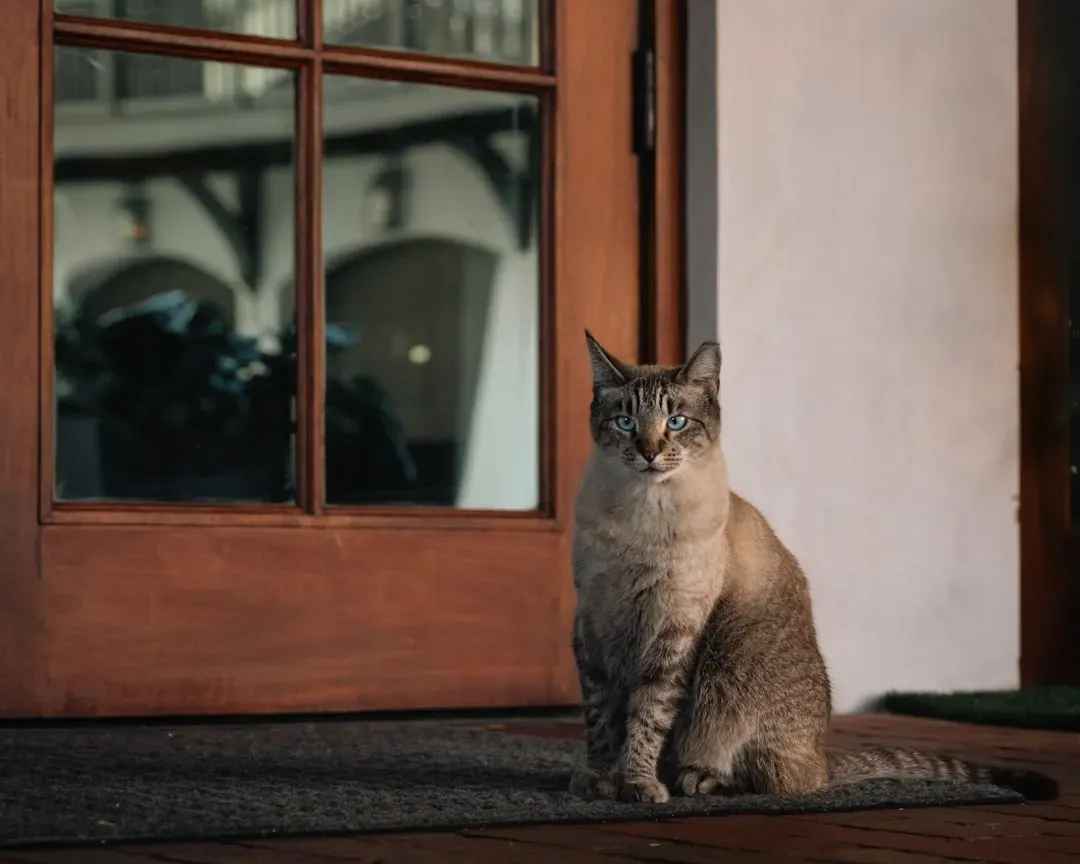
You’ve probably noticed it at least once. A stranger walks in, an odd sound creaks through the wall, and suddenly your cat appears out of nowhere, positioning itself directly between you and the source of the disturbance. One of the most telling signs is when your cat positions itself between you and something unfamiliar, such as a new visitor, another pet, or even a strange noise. It’s not accidental. It’s deliberate, instinct-driven, and surprisingly brave for an animal that also runs from cucumbers.
This stance signals alertness and a readiness to assess potential danger before it reaches you. Think of it like your cat acting as a tiny, fur-covered security guard. It won’t necessarily bark or shout a warning, but it will put its body on the line. That quiet act of stepping forward deserves far more credit than most people give it.
2. Those Ears Are Doing Serious Surveillance Work
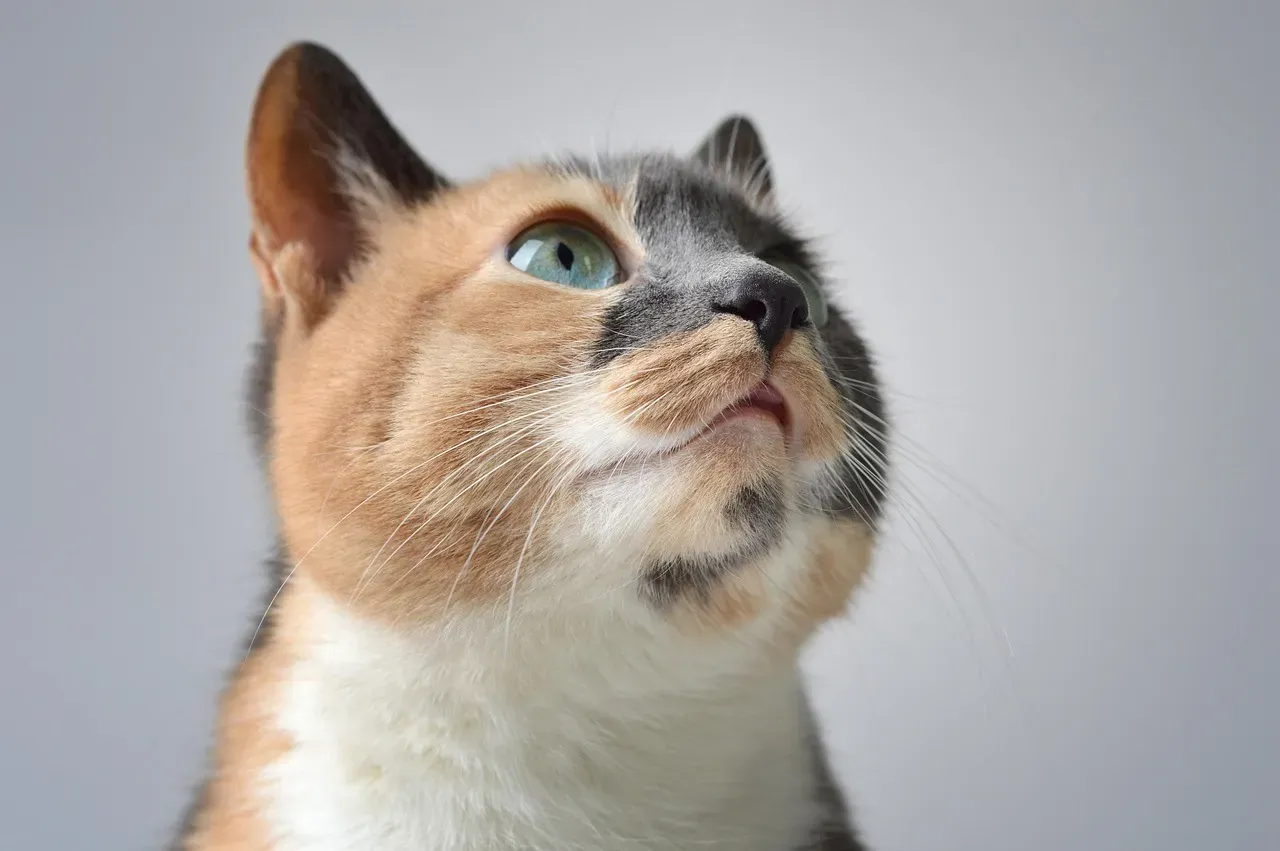
Initially, a cat’s ears will be turned out and alert, potentially swiveling, enabling the cat to stay alert and listen for approaching danger. If you’ve ever watched your cat’s ears rotate in different directions like little satellite dishes scanning for a signal, you were watching real-time threat detection in action. When cats want to pay attention to something, they will often point their ears toward that object, person, or event, which helps them hear a bit better and gives them the focus they need to act if necessary.
Cats hear sounds at much higher frequencies than humans, and their ears constantly scan the environment, picking up ultrasonic squeaks from rodents, high-pitched electronic hums, or insects in walls. So when your cat suddenly freezes and stares at the ceiling like it heard something you didn’t, it genuinely probably did. What feels invisible to you is a full-blown alert to them.
3. Your Cat Stares Intensely at Absolutely Nothing
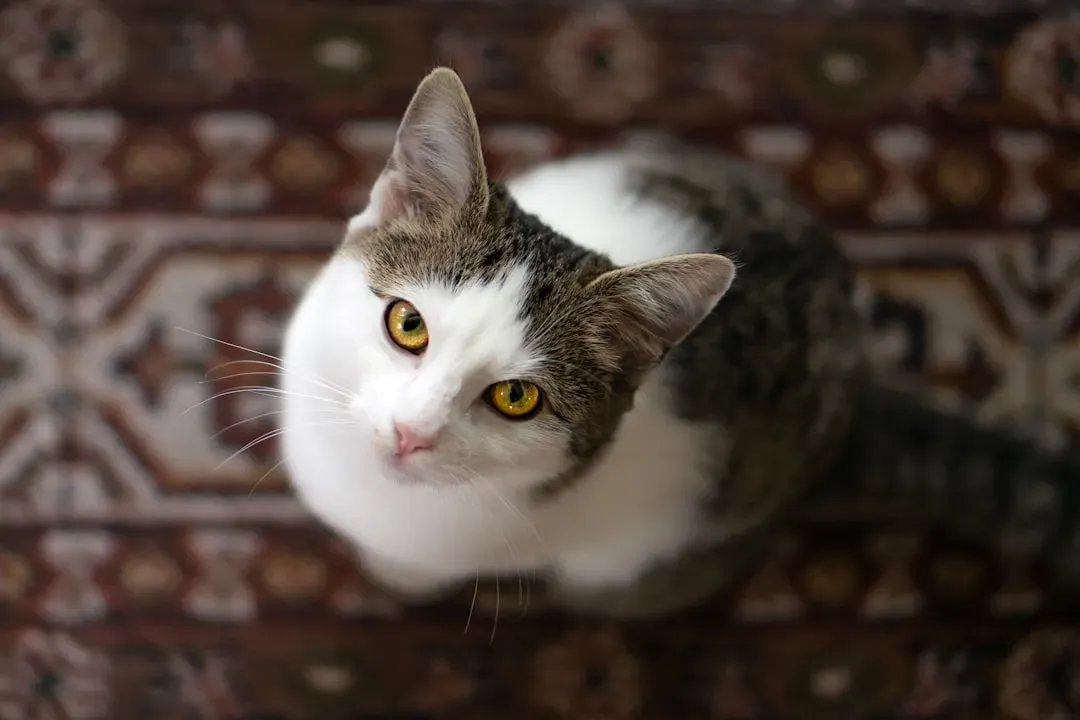
This one is honestly a little unsettling to watch. Your cat locks eyes onto a corner of the room, a blank stretch of wall, or thin air, and it will not look away. Most people laugh it off or check for spiders. When your cat stares into seemingly empty space, it’s detecting tiny light changes invisible to you – shadows, reflections, or subtle light flickers catch its attention. Your cat’s visual system is built for this kind of precision work.
Cats have much better vision than humans and can detect even the smallest of movements. They are particularly adept at seeing in low light levels, with their vision in dim light being roughly six times better than a human’s. So the next time your cat is apparently watching a ghost wander through your living room, science says it’s more likely tracking something very real and very small that your senses simply aren’t equipped to catch.
4. It Follows You From Room to Room
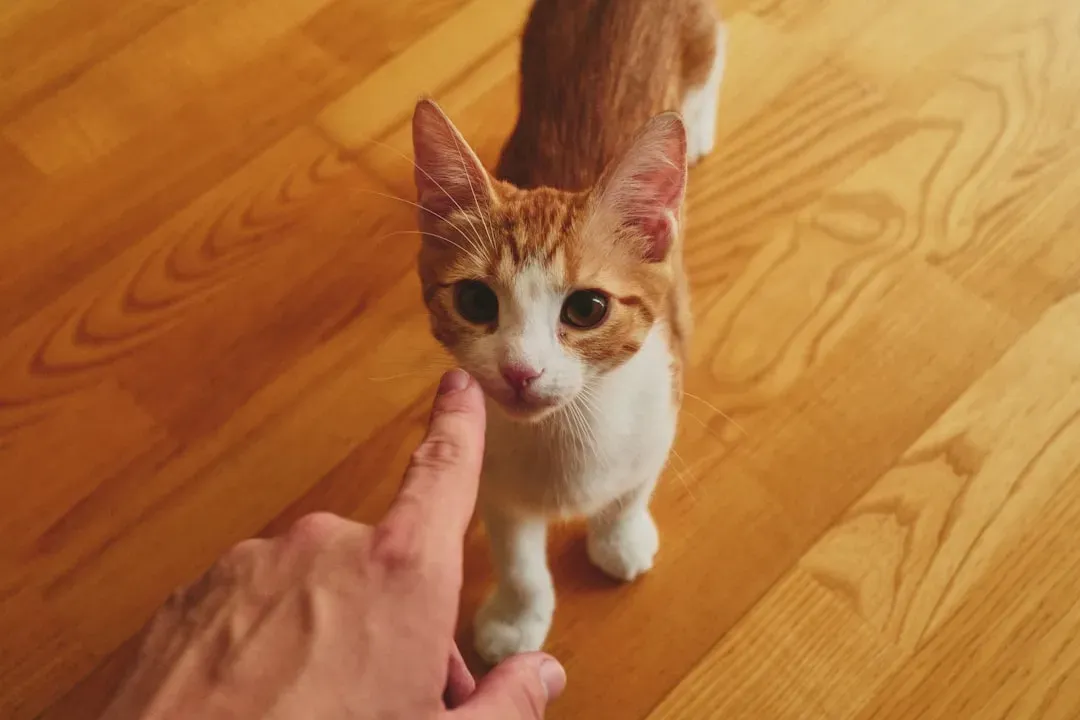
You go to the bathroom, the cat follows. You walk to the kitchen, the cat follows. You change rooms at midnight, and there’s a soft thud of paws right behind you. This is often dismissed as clinginess, but the truth is a little more layered. A protective cat may follow you from room to room, keeping a close eye on your movements – and this behavior isn’t just curiosity. It’s a way of ensuring your safety.
A cat’s senses are more finely tuned than ours, allowing them to hear, smell, or see things we can’t. If your cat feels something is amiss, it may get clingy for its own protection as well as yours. There’s something oddly comforting about realizing your shadow-cat isn’t being needy. It might actually be functioning as a one-animal escort service, quietly mapping every room you enter for signs of trouble.
5. The Hissing and Growling Directed at Thin Air
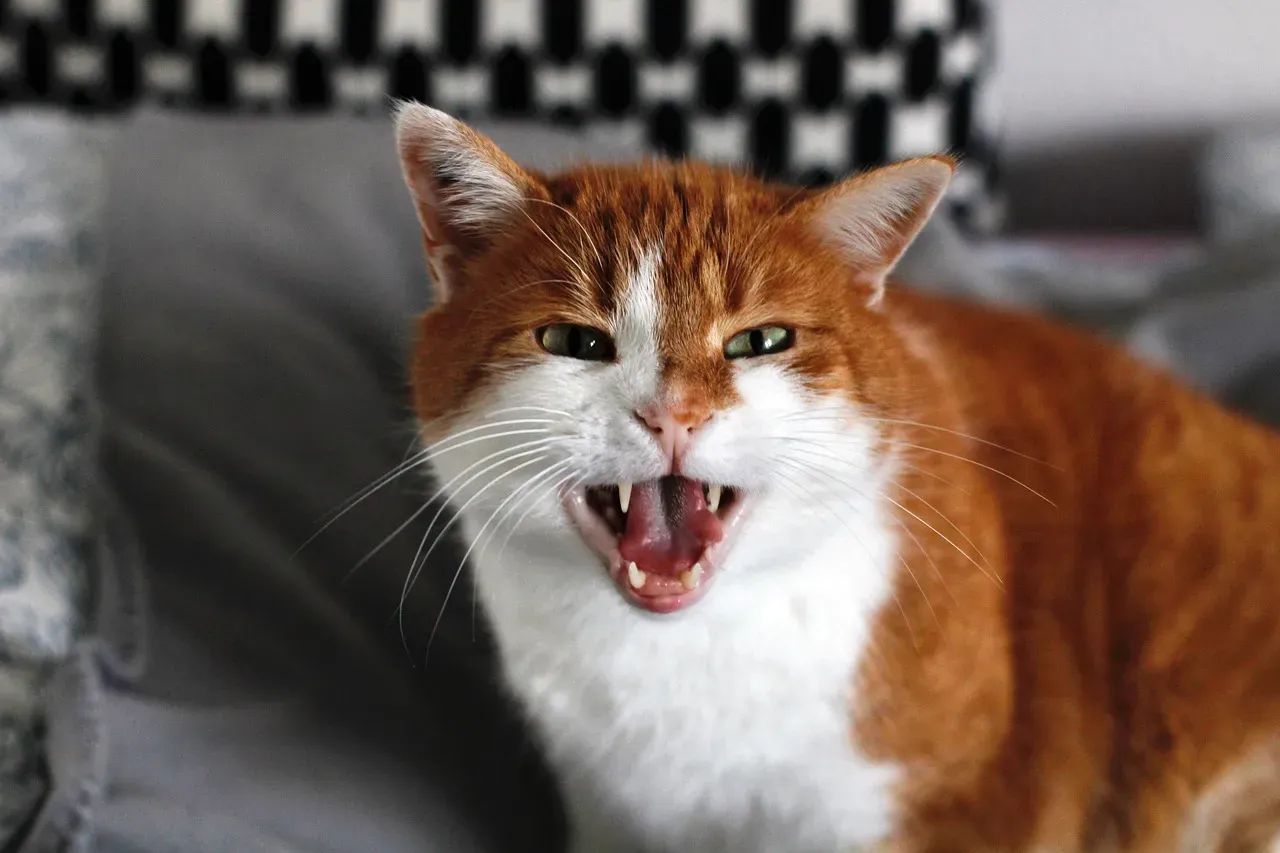
Your cat suddenly hisses at a corner of the room, growls at a closed door, or lets out a low yowl with no visible target in sight. It’s alarming when it happens. Growling and hissing are two familiar sounds that show your cat is agitated. Some cats also produce other noises, like an ear-splitting yowl or a deep, slow meow. Generally, the cat hopes to avoid a fight by scaring away whatever it feels is threatening you or themselves.
What appears paranormal is your cat’s remarkable sensory system, detecting things invisible to humans. Ultrasonic sounds, tiny insects, air currents, and minute light changes register clearly to your cat. I know it sounds crazy, but your cat isn’t losing its mind. It’s reacting to a very real sensory input. The fact that you can’t perceive it doesn’t mean the threat isn’t there – it just means your cat got the memo before you did.
6. The Classic Puffed-Up Halloween Cat Pose
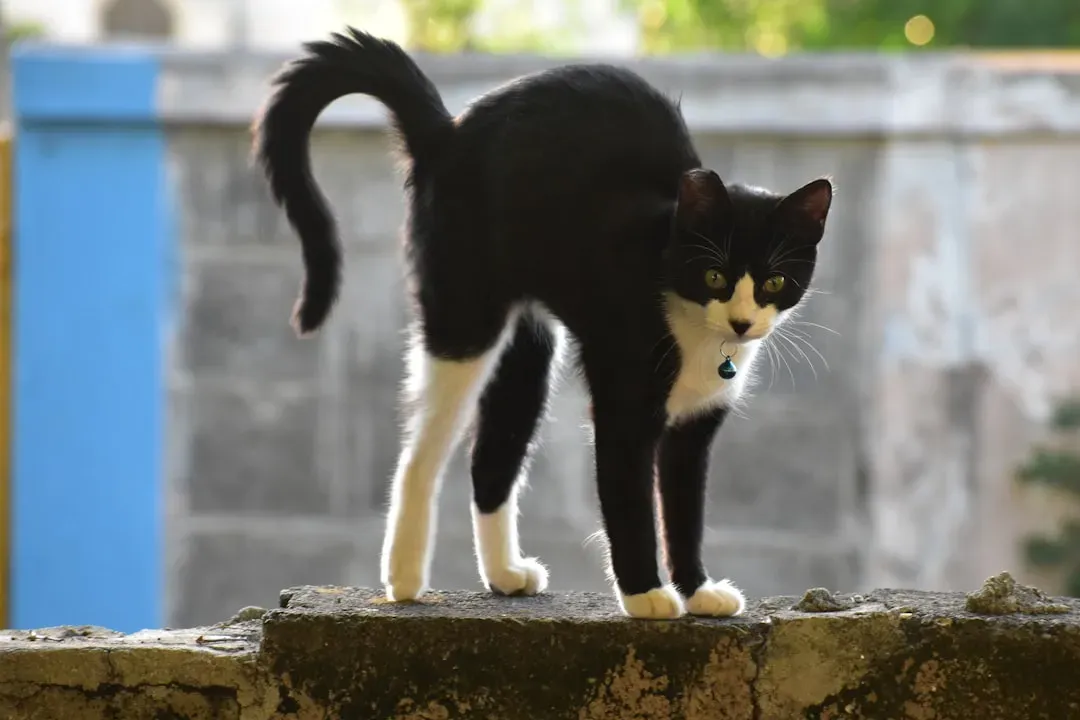
When cats feel threatened and ready to defend themselves or you, they puff out their fur and appear much bigger. You’ll notice the fur being particularly puffy along the spine and on the tail, which is called piloerection. This is a response through the nervous system that occurs due to natural reflexes in reaction to shock, anger, or fright. It’s the feline equivalent of a person puffing out their chest to look intimidating. Pure instinct, straight from the wild.
Besides the puffed-out coat, another trick a protective cat may employ is arching its back in the classic Halloween Cat pose. Again, this behavior is meant to be intimidating to an enemy, hopefully scaring them away from a confrontation. Often, the arched back is accompanied by other behaviors such as vocalizing and flat ears. It’s honestly a spectacular piece of biological theater – all designed to say “back off” without throwing a single punch.
7. Sleeping on or Near You at Night
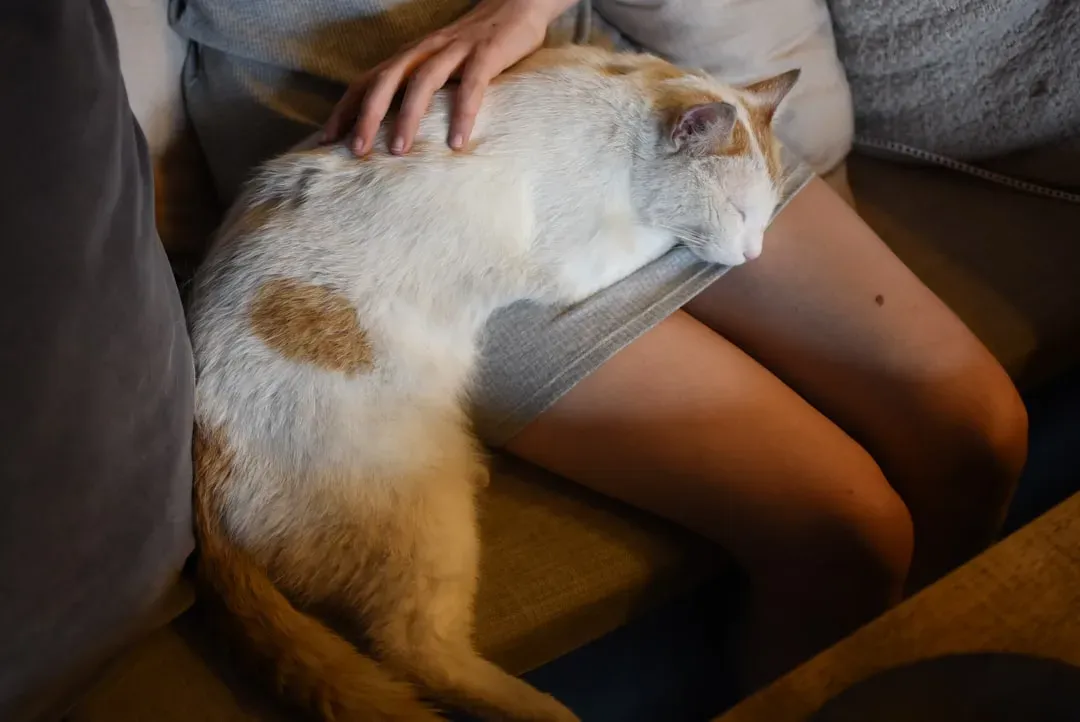
Sure, your cat loves your body heat. That’s part of it. But there’s something more going on when your cat consistently curls up on your chest, beside your head, or right at your feet every single night. It’s a common habit for cats to sleep at the foot of the bed, but this sometimes means your cat is protecting you – cats often serve as watchdogs as you sleep, positioning themselves in front of you as if to stop any potential threat that might enter the room.
By resting close, cats can monitor your well-being and feel reassured by your presence. This behavior also allows them to stay alert to any disturbances during the night. Honestly, it’s one of those signs that makes you look at your cat completely differently. That purring lump next to your head isn’t just a sleepy companion – it’s keeping watch while you’re completely vulnerable. That’s a form of loyalty that even some humans don’t show.
8. Your Cat Reacts to Your Stress Before You Even Realize You’re Stressed
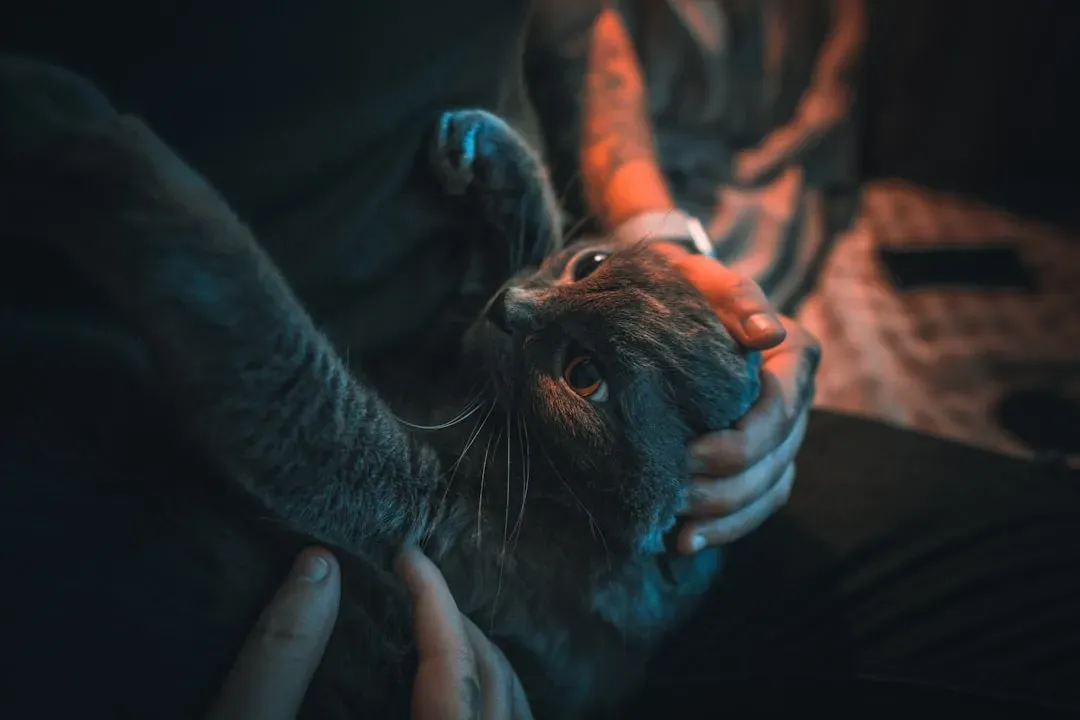
Here’s something that genuinely surprises people. Your cat may pick up on your anxiety, tension, or fear before you’ve consciously registered it yourself. When someone enters a room feeling anxious, aggressive, or fearful, their body releases specific chemicals and exhibits subtle physical changes – and cats readily pick up on these signals, often responding with defensive or cautious behavior. It’s not magic. It’s chemistry.
Cats possess a superior sense of smell that allows them to detect subtle changes in human scent. They can sense chemical markers associated with various illnesses, including cancer and diabetes. If those tiny noses can detect disease, picking up on your stress hormones is practically elementary. In response, a cat may stay closer, purr more often, or act unusually attentive. That sudden closeness when you’re anxious isn’t coincidence. Your cat already knew something was off.
9. The Slow, Deliberate Territorial Patrol
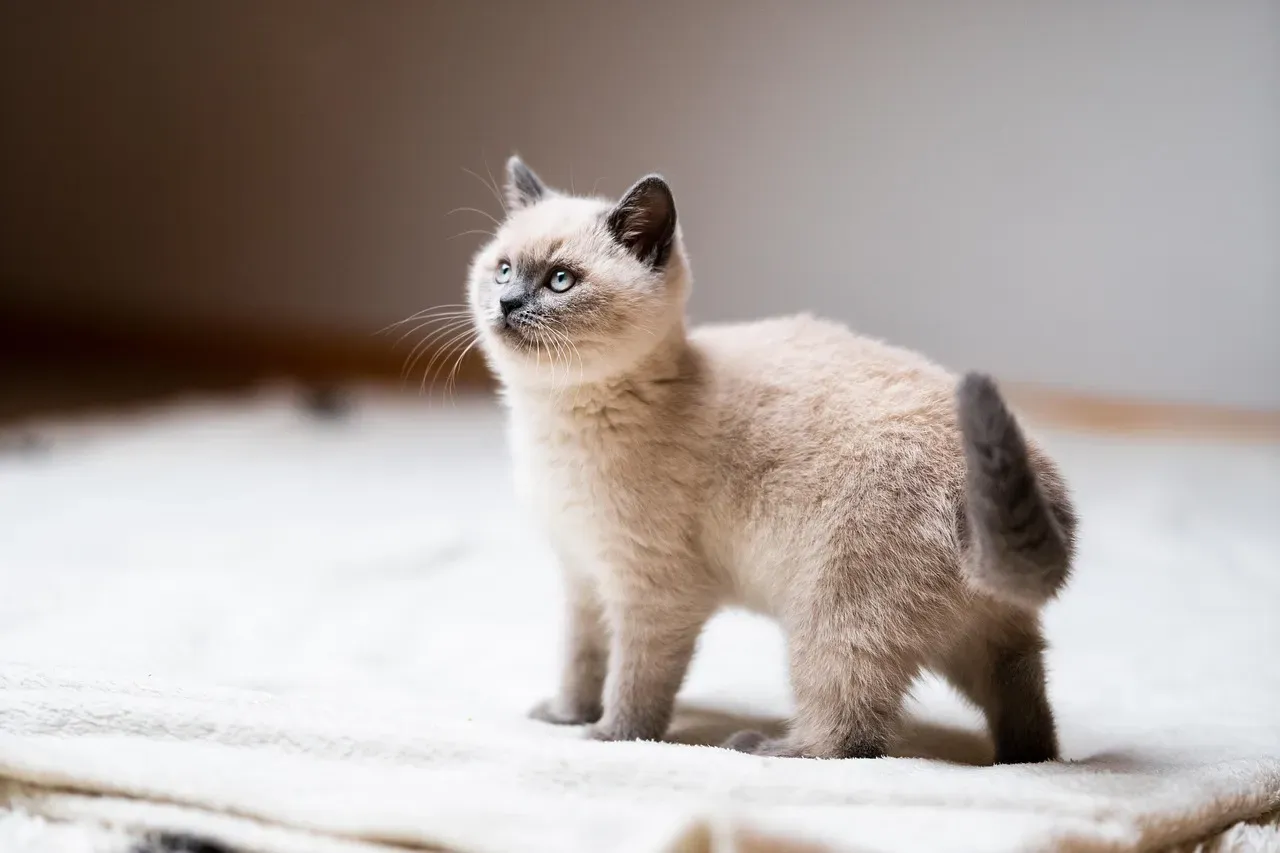
You might be surprised to discover that cats are territorial and spend most of their time guarding their territory, which includes your house and, usually, you! Watch your cat carefully the next time it walks slowly around the perimeter of a room, sniffing corners, checking windows, or pausing to stare at the front door. That’s not random wandering. That’s a patrol. Your cat sees you as part of its territory and may guard you as it would its domain.
Cats have a highly specialized sense of smell, excellent vision, and very sensitive hearing, which helps them quickly detect changes in their surroundings. Cats can also sense vibrations in the ground through their paw pads and detect atmospheric pressure changes with their whiskers. Think of your home as a fortress and your cat as the self-appointed commander of its defense. Every slow patrol lap around your apartment is a security sweep – invisible threats included.
A Final Thought Worth Sitting With
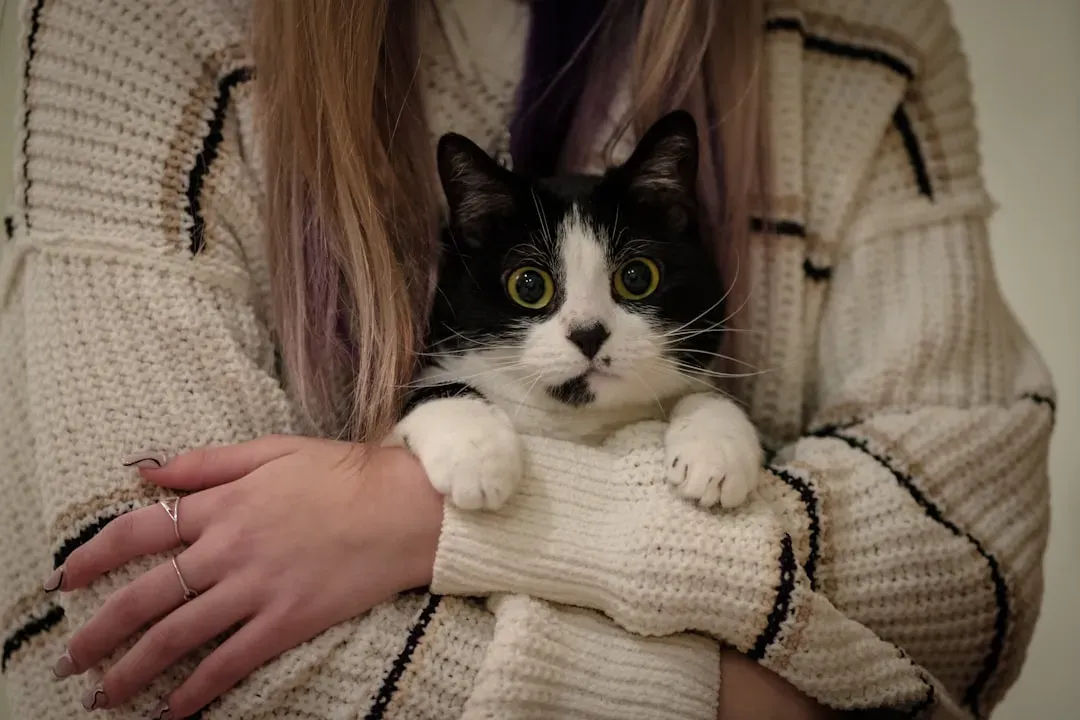
Cats have spent thousands of years living alongside humans, and somewhere in that long shared history, a quiet, unspoken bond formed. In reality, cats can be incredibly loyal to their families and, in their own unique way, may act as protectors. A 2011 study revealed that cat-human relationships are nearly identical to human-only bonds. That fluffy creature napping on your couch carries ancient instincts tuned sharper than most technology we’ve ever invented.
Contrary to popular belief, cats are some of the most loyal pets you can have, but they show their affection in small and subtle ways. The signs are all there – you just have to know what you’re looking for. Your cat isn’t being aloof or dramatic or strange. It’s quietly, consistently, doing what it has always done. Watching over you.
So the next time your cat stares into a dark hallway at 2 AM with those wide, unblinking eyes, maybe don’t roll over and go back to sleep quite so fast. Your tiny guardian might be onto something you haven’t noticed yet. Would you have guessed your cat was this protective? Tell us in the comments – we’d love to know.
Kristina is a young writer from India. An arts graduate and an avid content creator, Kristina is passionate about animals and wildlife. She enjoys exploring topics related to pet care, animal behavior, conservation, and nature, combining thorough research with engaging storytelling.