Cats are one of the most beloved and widely kept pets on the planet. Yet despite centuries of living alongside us, they remain profoundly misunderstood. You probably think you know your cat pretty well. Honest answer? You might not know them as well as you think.
Despite the growing preference for cats as companion animals, beliefs and misperceptions about them are still incredibly common. Cultural and sociodemographic factors can influence society’s attitudes toward cats, directly affecting the way they are kept and cared for, and ultimately their overall welfare. From viral myths on social media to outdated folk wisdom passed down at family dinners, the misinformation around feline behavior is staggering. It shapes how millions of people treat their cats every single day.
So let’s set the record straight. The truth about your cat’s behavior is far more fascinating, and far more nuanced, than any myth could capture. Be prepared to rethink everything you thought you knew.
Myth 1: Cats Are Completely Independent and Don’t Need You
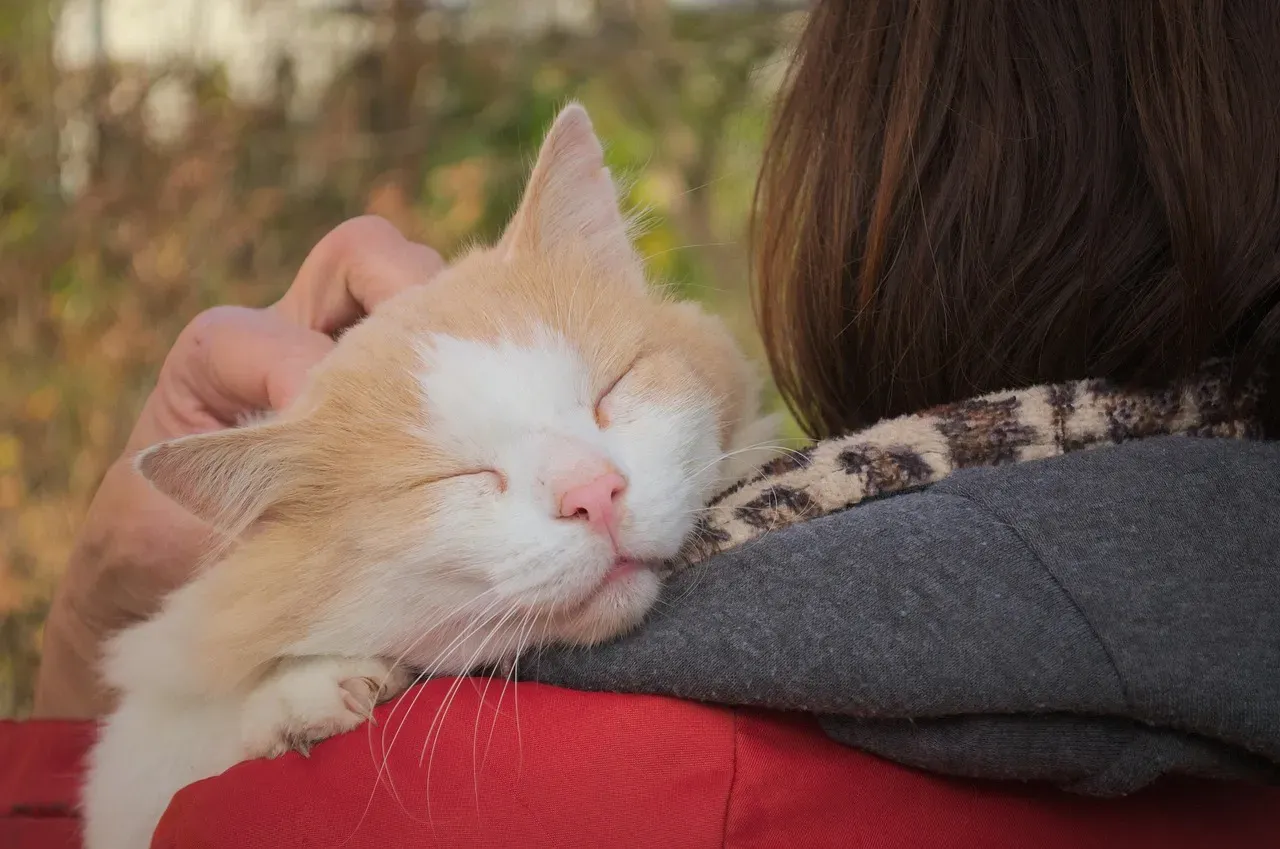
Here’s the thing people get wrong constantly. Just because your cat doesn’t greet you at the door with a wagging tail doesn’t mean they don’t care whether you’re there. The whole “cats are lone wolves” image is, frankly, a pretty outdated one that science has been quietly dismantling for years.
Domestic cats are not universally antisocial. Rather, they are “facultatively social,” meaning that their social behavior is flexible and heavily influenced by their genetics, early development, and lifetime experiences. Think of it like this: just because someone prefers a quiet evening at home over a loud party doesn’t make them a hermit. Viewing cats as asocial can actually harm them, as their caretakers become less likely to provide affection, exercise, hair brushing, toys, and veterinary care.
Myth 2: A Purring Cat Is Always a Happy Cat

You’d be forgiven for assuming that the sound of a purring cat means all is right with the world. It’s deeply soothing, almost hypnotic. But you’re only seeing part of the picture when you interpret that rumble as pure contentment.
While cats do purr when they’re relaxed and comfortable, they also purr to self-soothe when stressed, sick, or in pain. We all imagine that purring means a happy cat, which makes sense, as it’s the most common reason for purring. It’s not the only one, though. According to the American Animal Hospital Association, purring can express contentment but can also mean a number of other things. In some cases, cats purr when they’re stressed as a way of self-soothing. Cats also purr when they’re in pain for the same reason. Next time your cat purrs, take a second look at the full picture before assuming everything is fine.
Myth 3: Cats Are Nocturnal Creatures
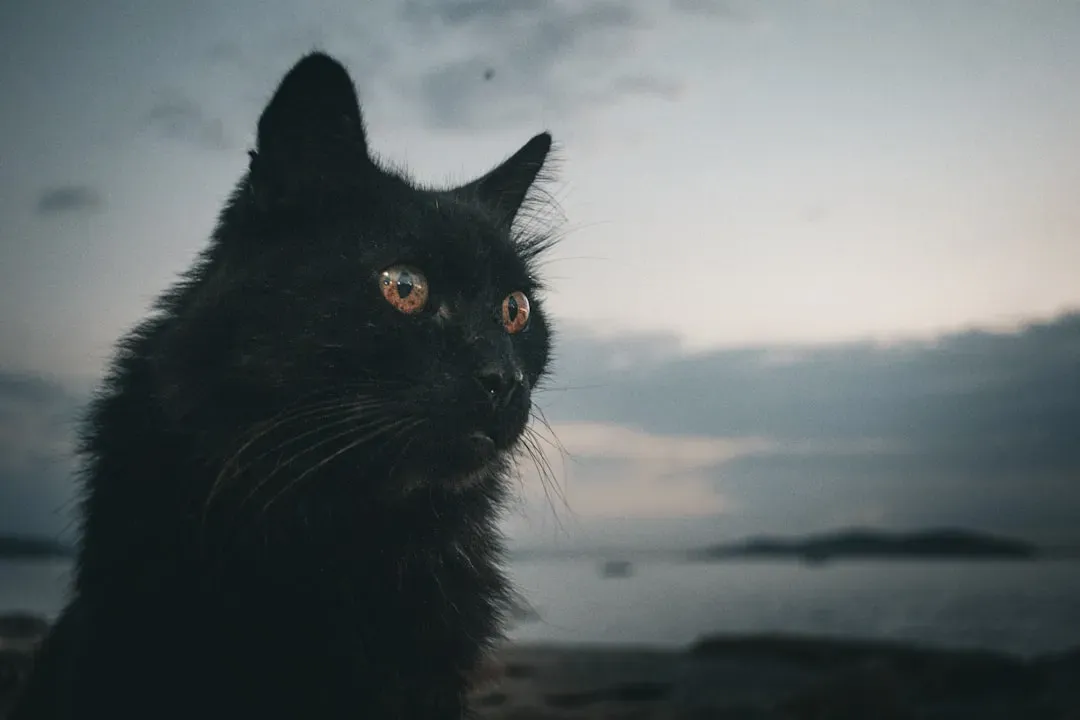
You’ve probably been woken up at 3 a.m. by your cat tearing through the house like something’s on fire. Naturally, you assume cats are nocturnal. It makes total sense. Except it’s not actually true.
Cats are actually crepuscular, which means they are most awake at dusk and dawn, because in nature, their natural prey is awake at those times. Birds and mice are very active at dawn, and cats evolved to take advantage of this by developing the ability to see in low-light conditions. They get the bulk of their hunting done while it’s mostly, but not entirely, dark. If those 3 a.m. sprint sessions are becoming a problem, consider a play session right before bed and feeding them a small amount, as this can re-create the natural hunting cycle, allowing your cat to ease into the evening.
Myth 4: Cats Don’t Bond With Their Humans the Way Dogs Do
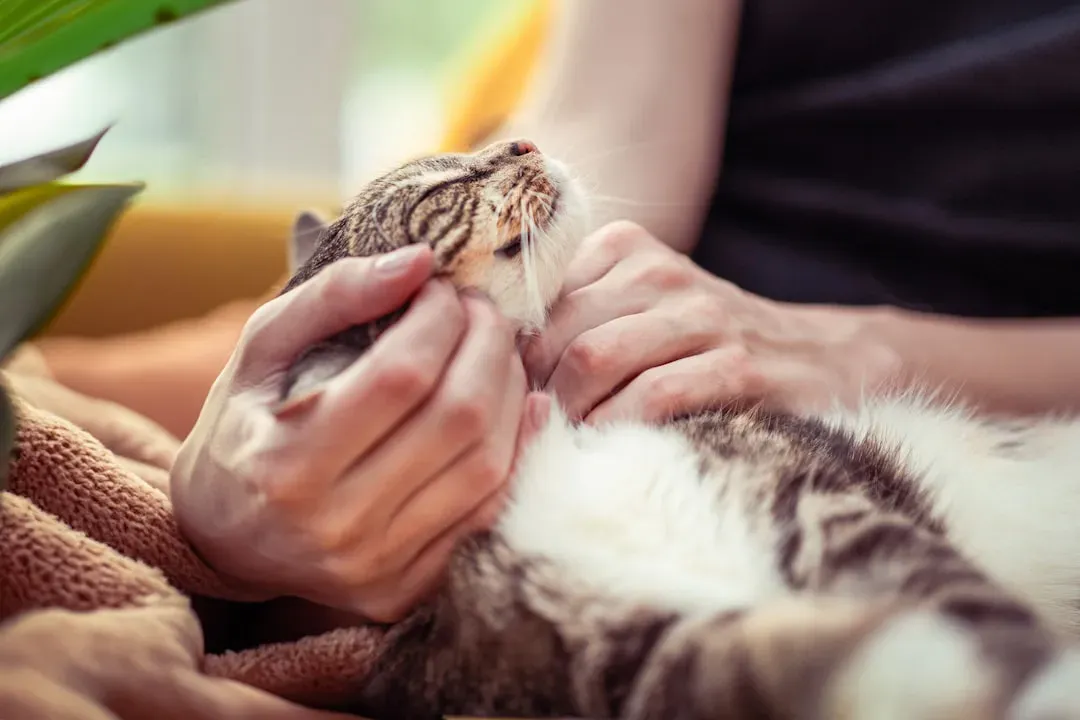
This one genuinely frustrates me, honestly, because it’s used to dismiss cats as cold or indifferent when the science tells a completely different story. People see a dog sprint to the front door and assume that’s the gold standard of love. But bonding doesn’t have to be loud to be real.
Dr. Kristyn Vitale, a feline researcher who studied for her PhD at the University of Oregon, published research in 2019 showing that cats develop attachments to their caregivers in much the same way dogs do. Her research indicates that when cats live in a state of dependency with a human, that attachment behavior is flexible and the majority of cats use humans as a source of comfort. In both dogs and cats, attachment to humans may represent an adaptation of the offspring-caretaker bond. In other words, your cat loves you. They just show it differently.
Myth 5: Cats Are Low-Maintenance Pets

This might be the most dangerous myth on this entire list, because it leads to real neglect. The idea that you can simply fill a bowl, leave for the weekend, and come home to a perfectly fine cat is not just wrong. It’s genuinely harmful. Cats have earned a reputation as easy pets mostly because they are less vocal about their needs than dogs.
Despite their popularity as pets, misunderstandings about cat behavior abound. Cats are not “low-maintenance” pets; each has a unique set of physical, mental, and social requirements. While cats have a reputation for being independent, they need just as much care as dogs do. Regular vet visits, daily exercise and mental enrichment, and plenty of positive attention from their guardians are all essential to a cat’s well-being. Playing, snuggling, and spending time with your cat also increases the bond between you and your furry friend, which is good for your well-being too.
Myth 6: You Cannot Train a Cat
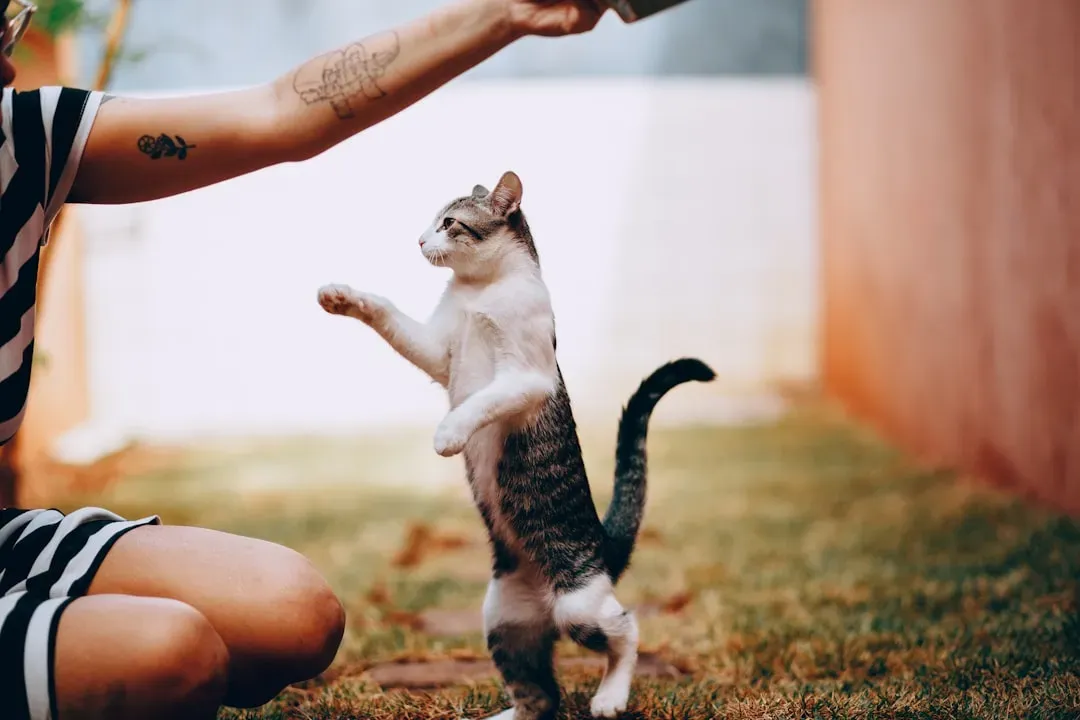
Dogs sit, dogs shake, dogs roll over on command. And cats? Cats just stare at you like you’ve said something mildly offensive. So the conclusion most people reach is that cats simply cannot be trained. Let’s be real, that conclusion is completely wrong.
Pet kittens are readily able to complete six-week positive reinforcement-based training programs, mastering behaviors ranging from “sit” and “down” to walking on a leash and performing complex tricks. Recently, a cat was even shown to model human behavior after successfully reaching the generalization stage of imitation-based “Do As I Do” training. It is a misconception that training is not possible or relevant for cat welfare. Cats are trainable. The current world record for the number of tricks performed by a cat in one minute is 26. So yes, you absolutely can teach your cat new things.
Myth 7: Cats Are Fine Being Left Alone for Days

Picture this: you’re heading away for the long weekend. You leave out a big bowl of food, fill the water dish, maybe set up a second litter box, and think that’s enough. For a lot of cat owners, this feels perfectly reasonable. The truth, however, is more uncomfortable.
Many people misjudge cats as loners and think that if you set them up with an automatic feeder and enough water, you can leave them home alone for a few days. But experts confirm that cats can get separation anxiety just like dogs. They crave attention and love having their family around, even though they may not show it in the most obvious way. Cats can also experience significant distress when their social needs in relationships with humans are not met. Next time you plan a trip, it’s worth arranging for a sitter or a trusted friend to check in.
Myth 8: All White Cats With Blue Eyes Are Deaf
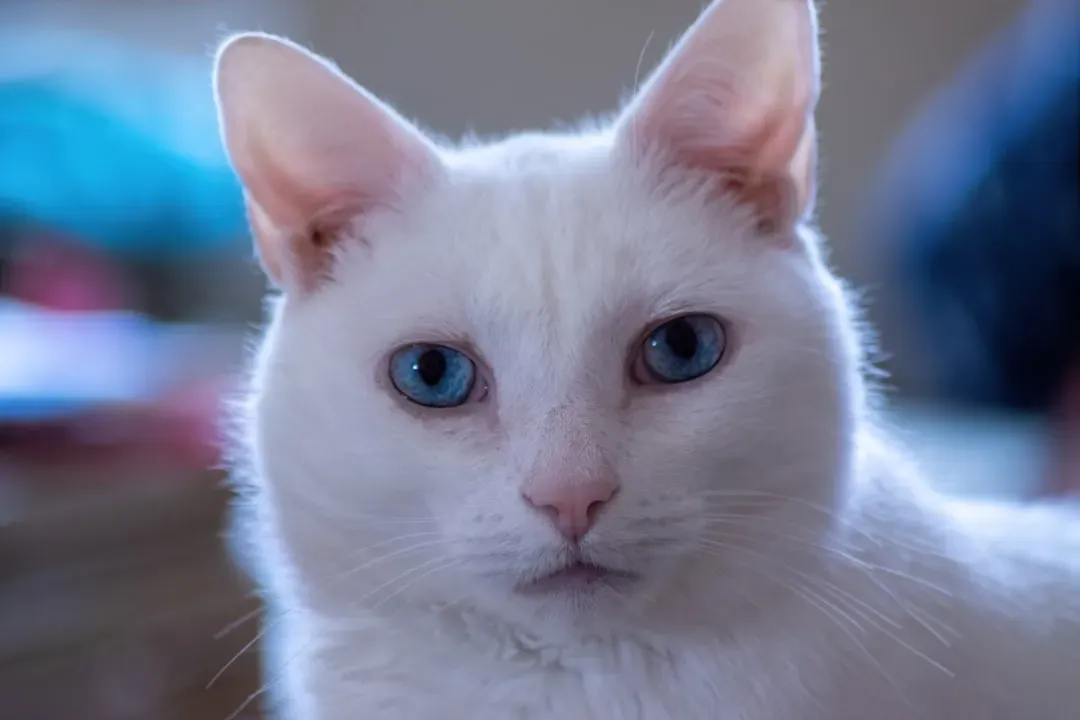
This one floats around a lot, especially among people who’ve heard it from someone who heard it from someone else. It sounds plausible, scientific even. It has just enough truth in it to feel credible, which makes it all the more misleading.
Among the most common feline myths is the assumption that all white cats with bright blue eyes must have impaired hearing. In truth, only white cats possessing two copies of the W gene that suppresses coat pigmentation sometimes suffer deafness. Having one W gene copy paired with a gene for non-blue eye color poses no deafness threat at all. Before assuming your white cat can’t hear you, it’s worth verifying their eye color and lineage first. Genetics, as always, are more complex than a simple visual check suggests.
Myth 9: Cats Don’t Need Socialization Like Dogs Do

Dog owners are very familiar with the concept of socialization. There are puppy classes, dog parks, playdates. The whole infrastructure exists precisely because we understand that dogs need it. When it comes to cats, though, most people assume that socialization just isn’t a thing. That’s a significant mistake.
Growing scientific evidence suggests that early exposure to other cats, humans, and a variety of environmental stimuli can benefit a cat’s social behavior and overall cognitive development. People often have negative or ambivalent attitudes about cats, which can directly impact their welfare outcomes. Insufficient attention to the behavioral ecology and development of cat sociality, along with a failure to account for their highly variable individual preferences, can lead them to experience real distress that undermines both their welfare and the human-animal bond. Early socialization shapes a cat for life, just as it does for any social species.
Myth 10: Cats and Dogs Are Natural Enemies
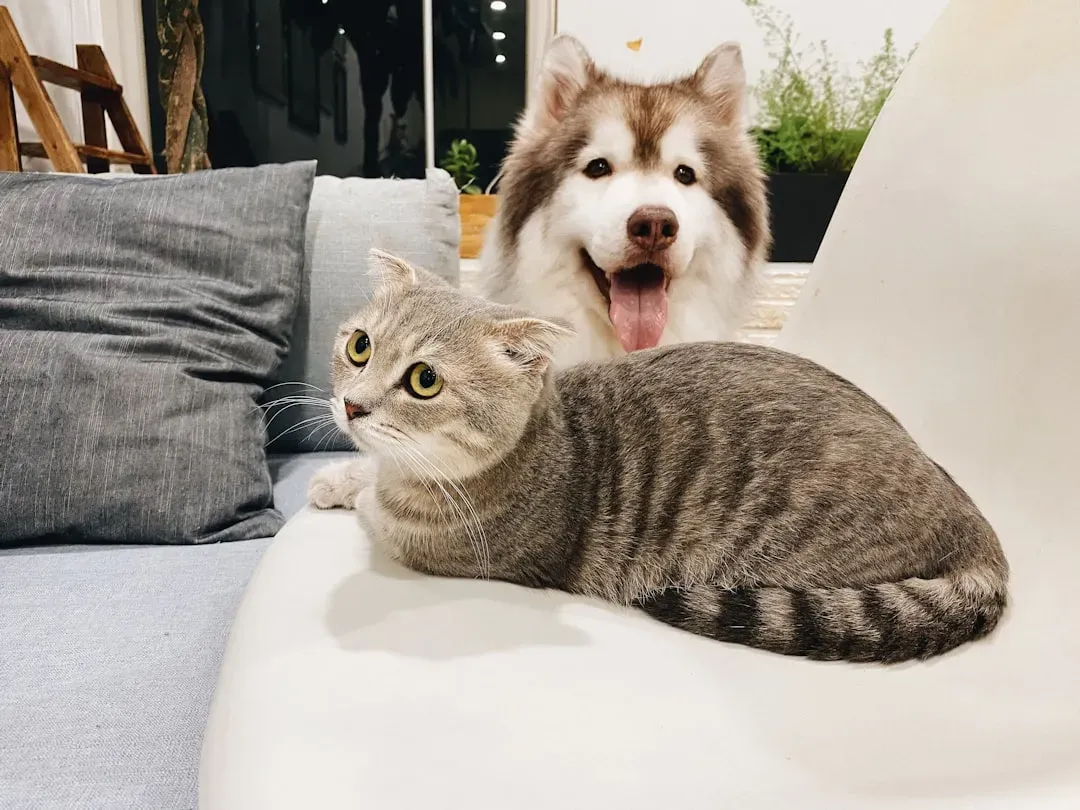
Tom and Jerry. The cartoonish image of a dog chasing a shrieking cat up a tree. Pop culture has done a remarkable job of cementing the idea that cats and dogs are locked in permanent, biological warfare. It’s entertaining. It’s also mostly fiction.
Despite the stereotypes, many cats and dogs can learn to live together peacefully, and some even develop strong friendships and genuine bonds. The key is patience and positive reinforcement. You should introduce your cat and dog slowly so they have time to become comfortable together, starting by keeping them separate and letting them get used to each other’s scent. In fact, research found that only a very small fraction of cat guardians agreed with the statement that “cats and dogs are natural enemies,” suggesting that even most cat owners already sense the reality. With a thoughtful introduction, a peaceful multi-pet household is absolutely within reach.
Final Thoughts: Your Cat Deserves Better Than Myths

It’s remarkable, honestly, how many of these myths have shaped the way millions of cats are cared for every single day. Despite the cat’s popularity as a companion species, many owners and practitioners lack high-quality information about important aspects of their behavior and management. Myths, anecdotes, and narratives of cats as “low-maintenance, self-sufficient” animals are pervasive.
Understanding the truth behind these myths isn’t just interesting. It’s essential. When you align your expectations with feline biology and behavior, you create environments where cats can truly thrive. Your cat is not aloof. They’re not a tiny robot that runs on kibble and solitude. They are emotionally complex, socially capable, and deeply worthy of your time and attention.
So the next time someone tells you cats don’t need affection, or that a purring cat must be happy, or that your kitty will be fine alone all weekend, you’ll know better. The question is: now that you do know better, what will you change about the way you care for yours?
Kristina is a young writer from India. An arts graduate and an avid content creator, Kristina is passionate about animals and wildlife. She enjoys exploring topics related to pet care, animal behavior, conservation, and nature, combining thorough research with engaging storytelling.