There is something almost magical about the sound of a cat purring. It fills a room with warmth, eases your stress after a long day, and makes even the most chaotic moments feel a little softer. Most people assume it simply means their cat is happy, end of story. Honestly, that assumption is both understandable and wildly incomplete.
It’s a common misconception that cats only purr when they’re happy. While this is often the case, there are many other reasons why cats purr. Your cat is essentially speaking to you every time that little engine starts running, and the message changes depending on context, body language, and timing. So let’s dive in, because once you start reading the signals, you will never listen to a purr the same way again.
The Classic Happy Purr: Pure Contentment
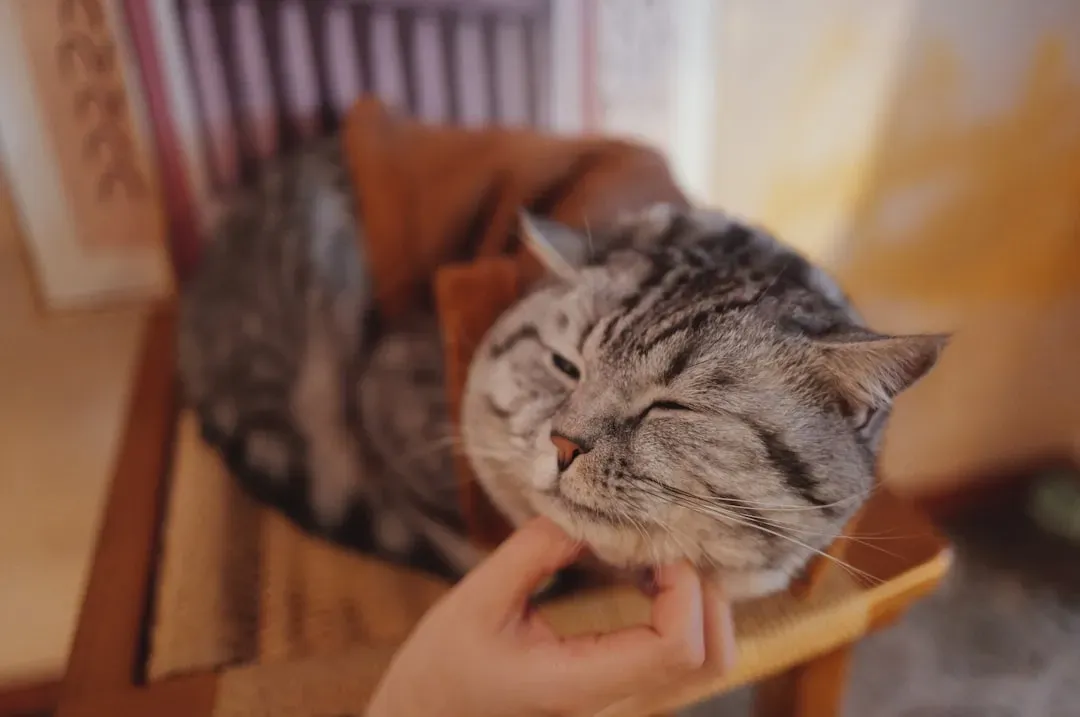
Let’s be real, this is the one we all live for. One of the most well-known reasons cats purr is to express contentment and comfort. When your cat curls up on your lap, closes their eyes, and begins to purr, they are clearly indicating that they feel safe, happy, and relaxed. It is the feline version of a deep sigh of relief, a quiet announcement that right now, in this moment, everything is exactly as it should be.
This is the classic purr. A cat that is purring from happiness will look relaxed, with half-closed dreamy eyes, and seem not to have a care in the world. If your cat is slow-blinking at you while purring, consider yourself incredibly honored. That combination is basically the cat equivalent of “I love you,” and you should blink slowly right back.
The Stress Purr: When Your Cat Is Overwhelmed
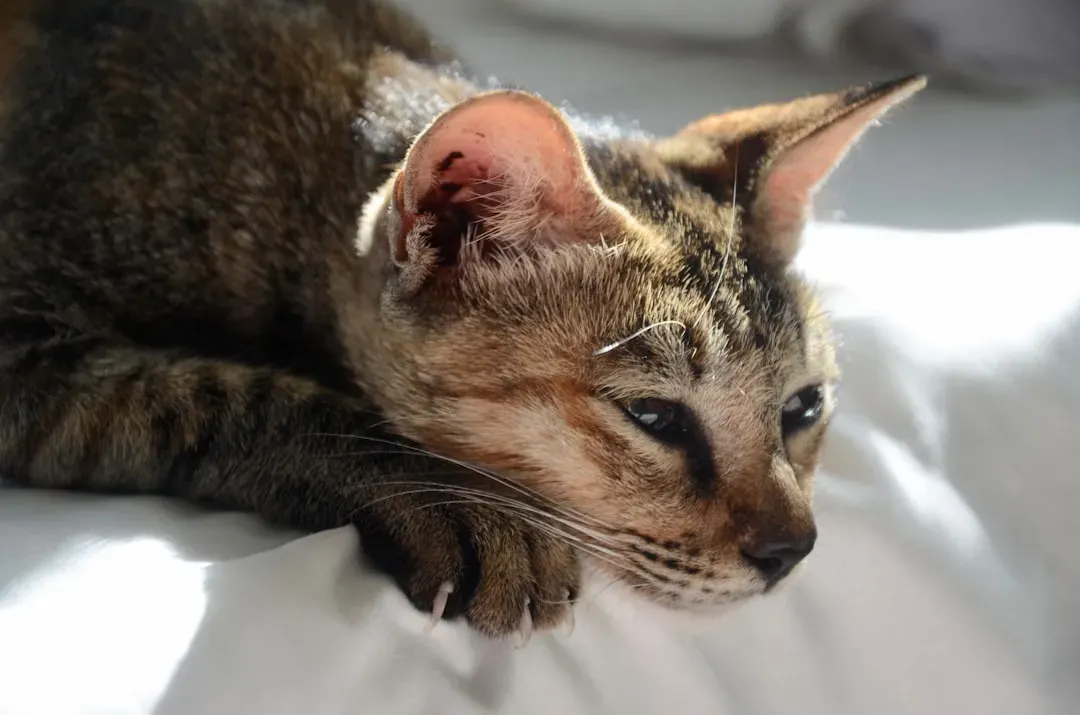
Here is something that surprises a lot of cat owners. Some cats purr when they are anxious. They may walk around the house alternating between purring and meowing. This may be a coping mechanism to help reduce their anxiety. Think of it as your cat humming quietly to themselves when things feel too big and too loud.
Rhythmic purring can help a cat to relax and stay calm during a stressful situation such as being approached by a dog or a frightening visit to the vet. Purring in scary times may even release comforting chemicals called endorphins, which supports the theory that, above all, purring is an emotional expression that starts in the brain. So if your cat purrs at the vet but looks absolutely miserable, they are not faking cheerfulness. They are self-medicating the only way they know how.
The Solicitation Purr: “Feed Me, Human”
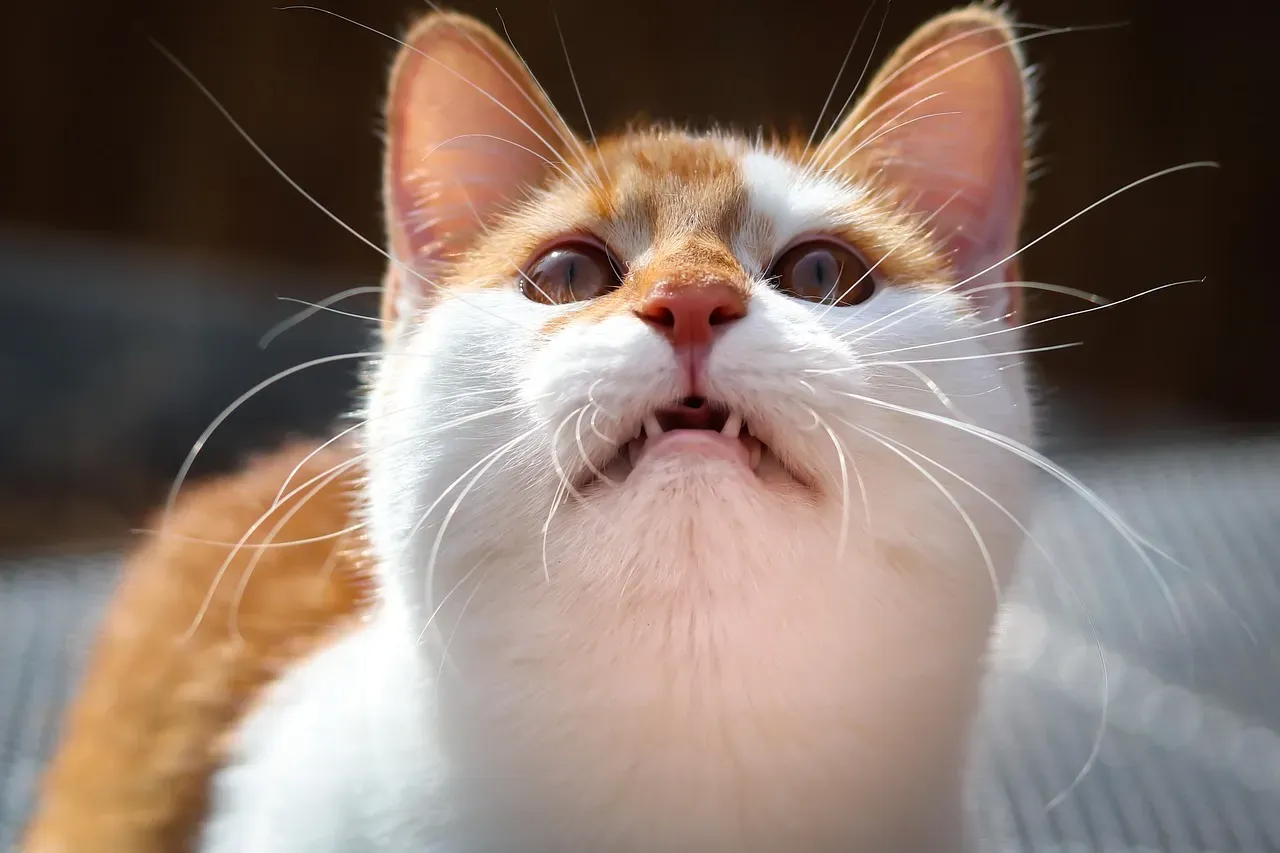
If you have ever been jolted awake at six in the morning by a cat purring loudly directly into your ear, you already know this one intimately. Researchers have identified a “solicitation purr” as a specific type that includes a high-frequency element, similar to a baby’s cry, designed to grab the attention of people and elicit a response, such as feeding. Nature, it turns out, gave your cat an evolutionary cheat code for getting breakfast out of you.
Cats may purr to solicit attention, especially if they’ve learned that purring gets them what they want, such as food or playtime. This can be more persistent and may be accompanied by other behaviors like purring while kneading or while rubbing against you. It is calculated, it is effective, and honestly, it is a little genius. Your cat figured out exactly which frequency of sound a human cannot ignore.
The Pain Purr: A Hidden Cry for Help
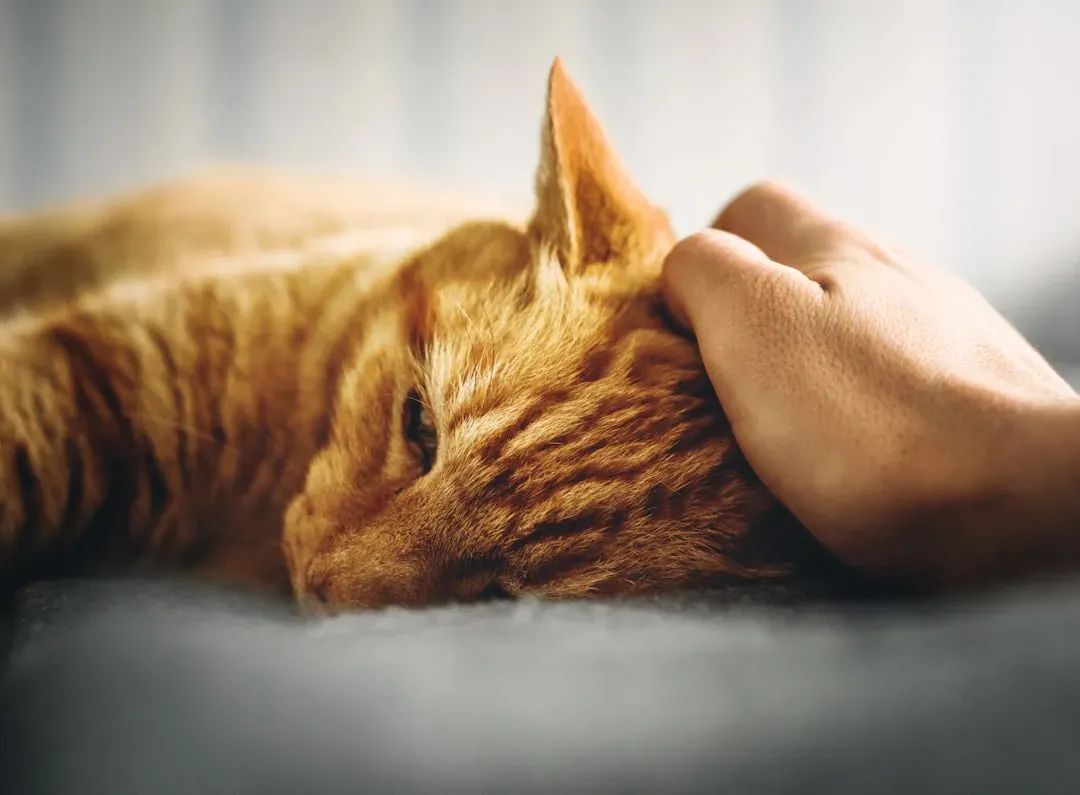
This one is genuinely important to understand, and it could one day make a real difference in your cat’s wellbeing. Interestingly, cats may also purr when they are in pain or discomfort. This behavior seems counterintuitive, but purring in such situations is believed to serve several purposes. Firstly, the act of purring may help soothe the cat and alleviate pain, similar to people in distress finding comfort in moaning or rocking back and forth.
Veterinarians frequently witness cats purring when they are in severe pain or near death. This is likely an instinctive attempt to heal themselves or to signal to predators that they are not a threat. This is why context is everything. A relaxed cat purring while stretched out or kneading is usually content. A cat purring while acting withdrawn or uncomfortable may be using purring to cope. Watch the body, not just the sound.
The Healing Purr: Your Cat’s Built-In Medicine
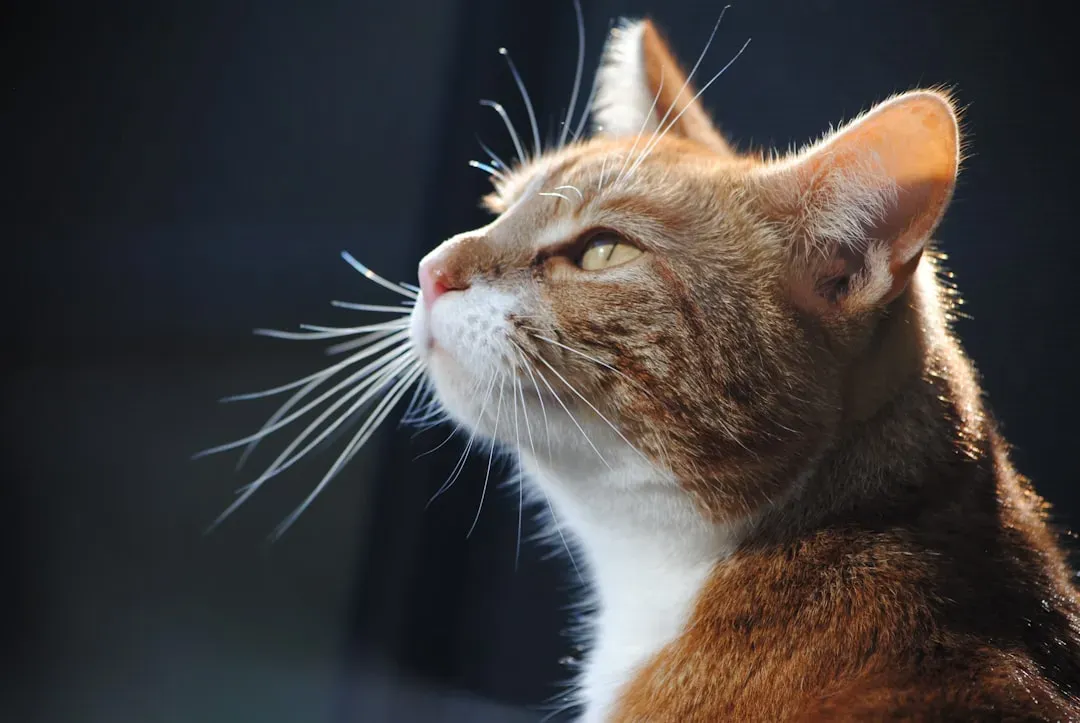
I think this is honestly one of the most stunning things science has uncovered about cats. The vibrations produced during purring occur at a frequency of 25 to 150 Hertz, which has been shown to promote healing and tissue regeneration and is known to positively affect bone density and tendon and muscle repair. Your cat is essentially vibrating at the exact frequency that helps mend broken things. That is not a coincidence. That is biology at its most poetic.
The vibrations, typically between 25 and 150 hertz, help support healing by promoting muscle repair and maintaining bone strength. Cats instinctively purr when their bodies need extra support. Whether they’re recovering from a minor injury or winding down after play, purring helps soothe inflammation and ease discomfort. It is hard to say for sure how fully self-aware cats are of this process, but their bodies seem to know exactly what they are doing.
The Bonding Purr: “You Are My Person”

When your cat chooses to lie on your chest and purr against your heartbeat, something genuinely tender is happening. If a cat chooses to lay on your chest or lap, they are making themselves vulnerable. By purring against you, they are bonding with your scent and the rhythm of your heartbeat. This is the ultimate sign of trust. Your cat is not just resting. They are saying, with their whole body, that you are safe.
Purring is also a way for cats to bond with their owners and communicate with other cats. When your cat purrs while snuggling with you, they are showing affection and strengthening your bond. In the wild, cats only groom members of their family group. If they purr while licking your hand or face, they are marking you as “family.” When you think of it that way, even a small purr feels like something worth cherishing.
The Greeting Purr: “Oh Good, You’re Home”
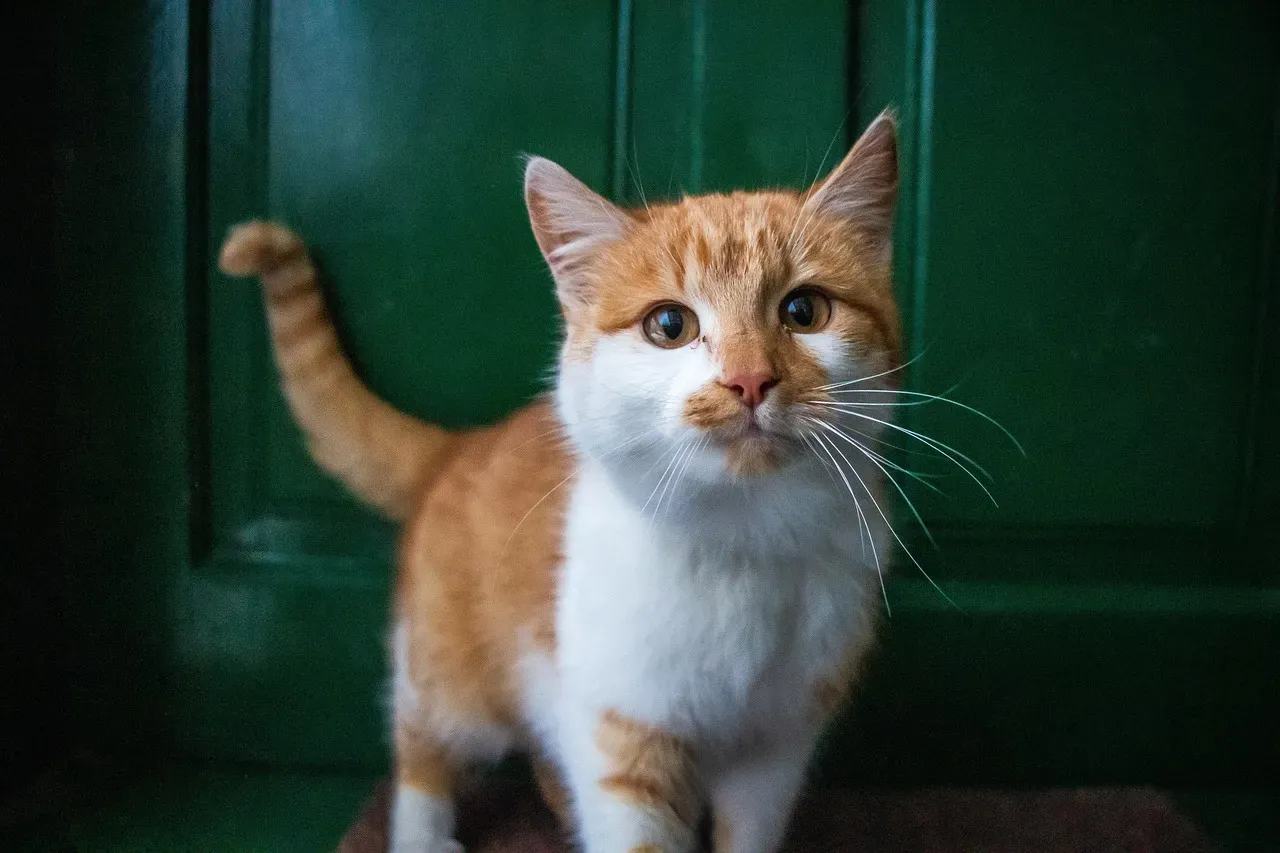
You walk through the front door after a long day, and there is your cat, trotting toward you with a lifted tail and a soft, rolling purr. Cats may utter a short purr when greeting people or other cats. Typically, this is a friendly interaction with the other party. It is short, bright, and warm, completely different in tone from the long drawn-out purr of deep relaxation.
Cats usually combine body language and purring to interact with you. For example, a cat’s purr usually translates to a greeting whenever their tail is held up straight. Pay attention to those small details. A tail held high paired with a quick greeting purr is about as warm and enthusiastic as a cat is ever going to get when welcoming you home. That is their version of running to hug you at the door.
The Overstimulation Purr: The Warning You Might Be Missing
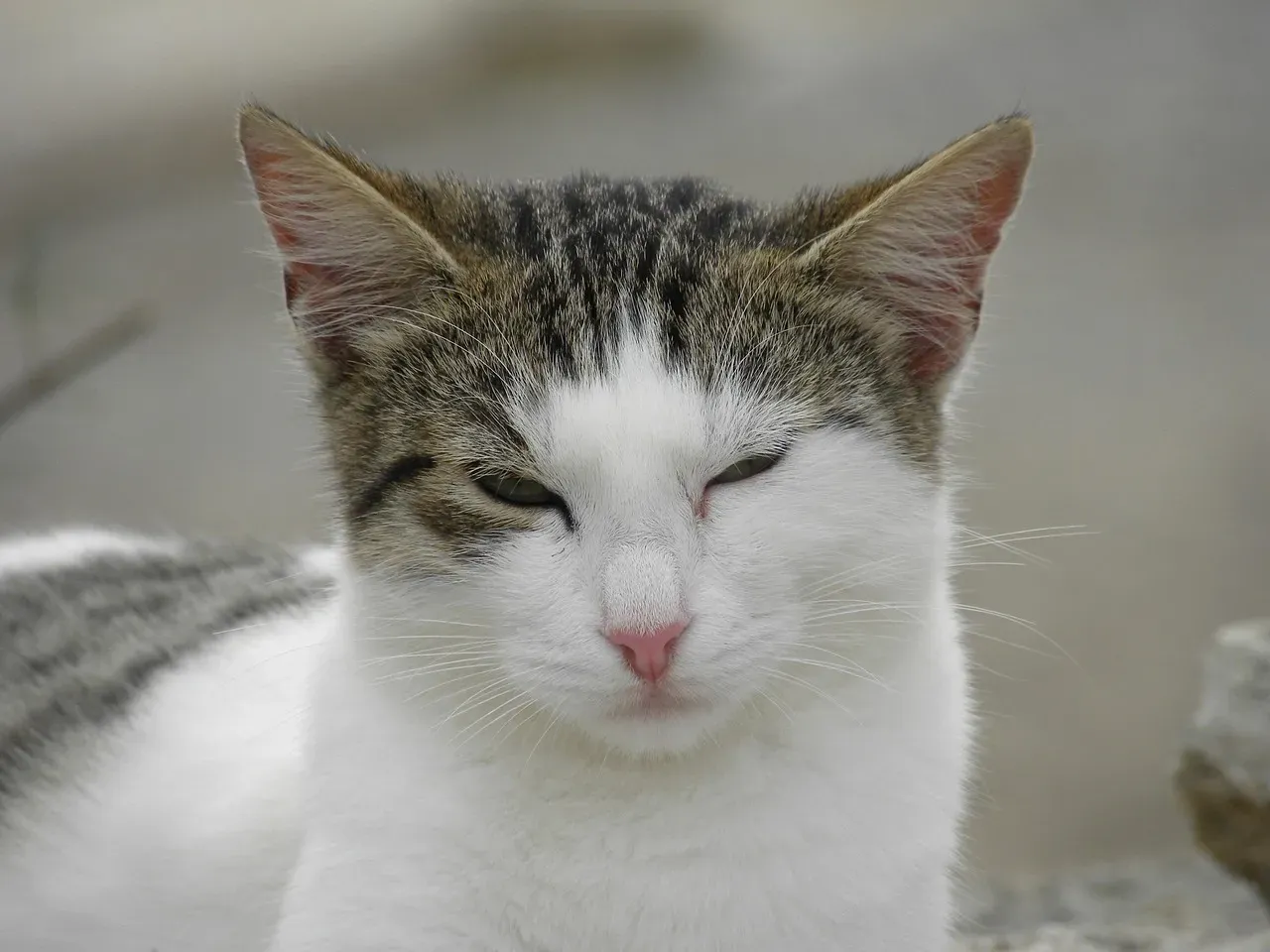
This is the one that catches most cat owners completely off guard, usually right before they get a sudden nip on the hand mid-petting session. If you are petting your cat and they are purring, but suddenly give you a gentle nip, this is often a “Love Bite” or a sign of overstimulation. They are saying, “I like this, but it’s getting too intense.” If the purr continues but the tail starts flicking rapidly, the skin on their back twitches, or the ears turn back, stop petting immediately. The purr in this context is nervous energy, not relaxation.
A purr alone doesn’t tell the whole story. To truly understand what your cat is communicating, you need to consider the complete picture, including body language, environment, and timing. Think of it like a dial that slowly turns from enjoyment toward overwhelm. The purr might still be there, but the rest of the cat is telling you something completely different. Learning to read both signals together is what separates a good cat owner from a great one.
Conclusion: Listen Beyond the Sound
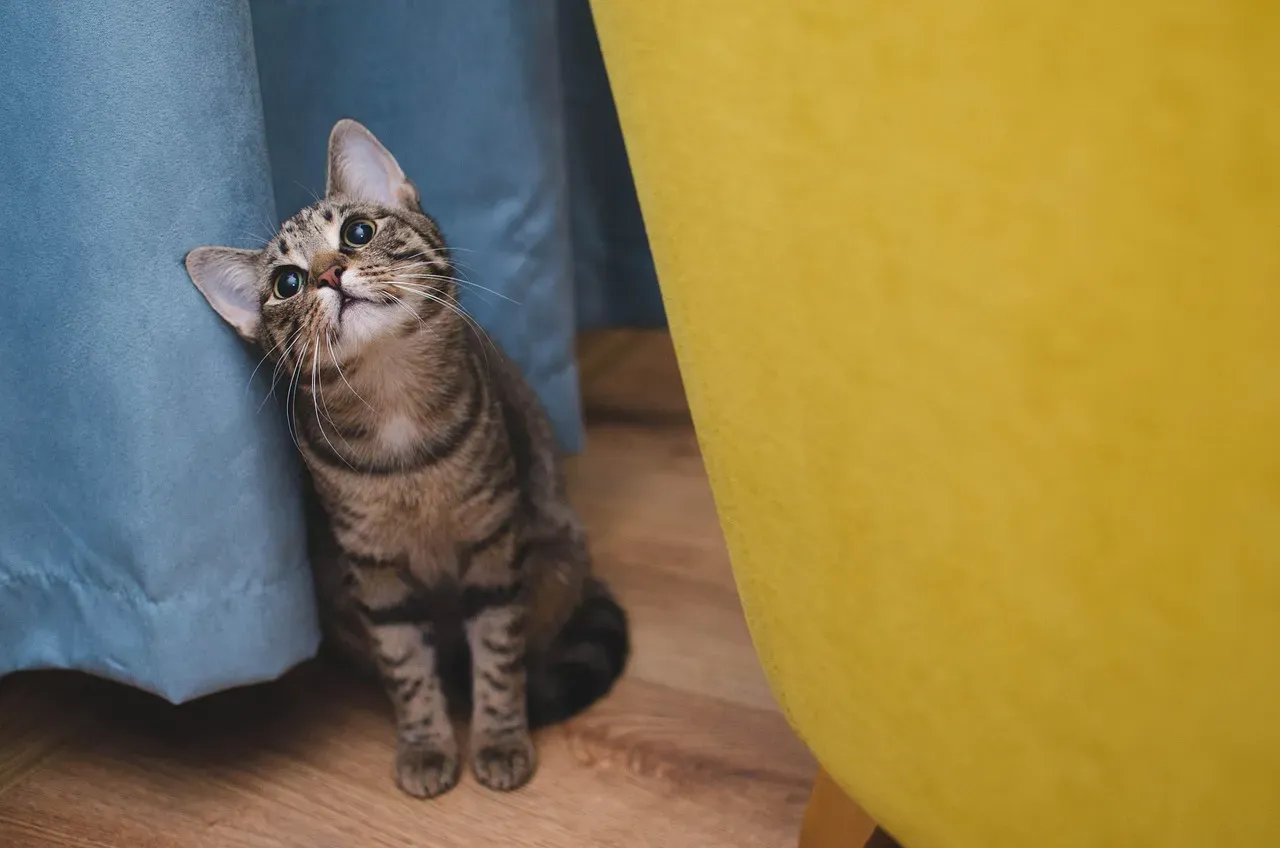
Your cat’s purr is not a single note. It is a whole language, layered with emotion, biology, and trust. From the blissful contentment purr to the quiet pain purr that veterinarians learn to recognize, each vibration carries a meaning that goes far deeper than simple happiness.
Purring is not just background noise. It is communication. For cat owners, learning to interpret cat communication cues is a valuable skill. Observing your cat’s body language, vocalizations, and purring patterns can provide valuable insights into their emotions and needs. Responding with empathy and understanding can strengthen the bond between you and your cat.
The next time your cat curls up and starts that soft, familiar rumble, take a moment to really pay attention. Look at their eyes. Notice their posture. Feel the context of the moment. Your cat has been trying to have a conversation with you all along. The only question is: have you been listening? What unexpected purr from your cat has ever caught you completely off guard? Tell us in the comments.
Kristina is a young writer from India. An arts graduate and an avid content creator, Kristina is passionate about animals and wildlife. She enjoys exploring topics related to pet care, animal behavior, conservation, and nature, combining thorough research with engaging storytelling.