Cats are one of the most popular companion animals on the planet, yet they remain wildly misunderstood. You might think you know your feline pretty well – after all, you live with one. But here’s the thing: so many of the “truths” people believe about cat behavior are not just wrong, they can actually cause real harm to the animals they love.
Despite the growing preference for cats as companion animals, beliefs and misperceptions about them are still common. Cultural and sociodemographic aspects can influence society’s attitudes toward cats, affecting the way they are kept and cared for and, consequently, their welfare. So buckle up, because some of what follows might genuinely surprise you. Let’s dive in.
1. Cats Are Completely Independent and Don’t Need Your Attention

If someone ever told you that cats basically raise themselves, they were doing you and your cat a disservice. While cats have a reputation for being independent, they need just as much care as dogs do. Regular vet visits, daily exercise and mental enrichment, and plenty of positive attention from their guardians are all essential to a cat’s well-being.
Many owners and practitioners lack high-quality information about important aspects of cat behavior and management. Myths and narratives of cats as “low maintenance, self-sufficient” animals are pervasive, and the degree to which these may underlie complacency about fully meeting cats’ needs is unknown. Think of it this way: would you leave a toddler alone for days with just a snack bowl and a water cup? Probably not. Your cat deserves the same thoughtfulness.
2. Purring Always Means Your Cat Is Happy
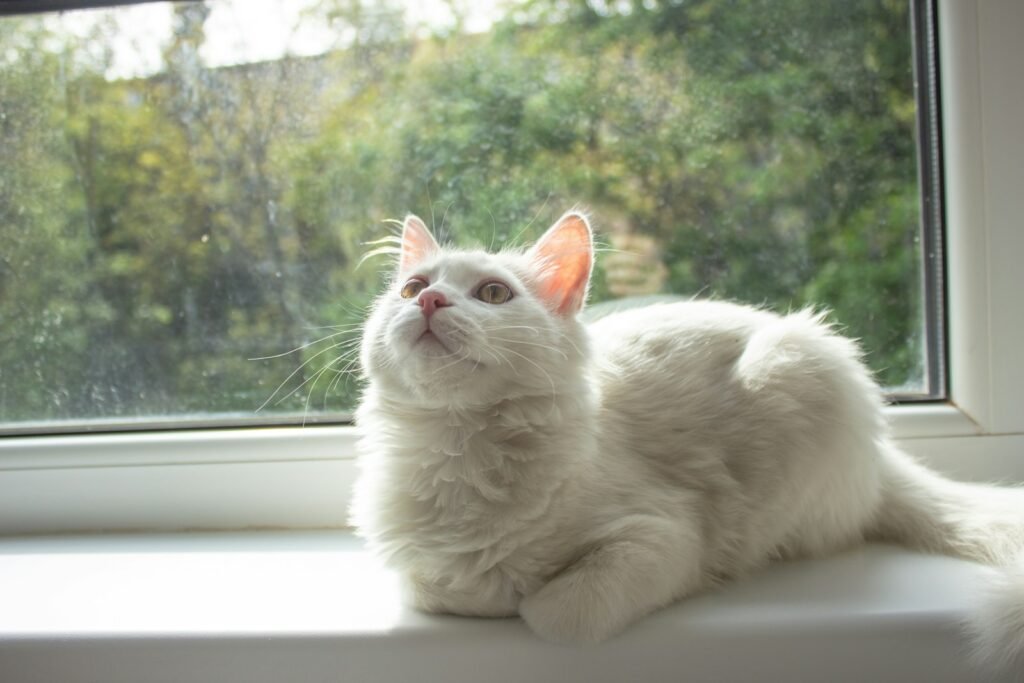
Here’s one that almost every cat owner gets wrong. That warm, rumbling purr your cat produces while curled up on your lap feels like pure contentment – and sometimes it is. It’s common knowledge that purring indicates a happy, content kitty. However, the truth is more complex. While cats do purr when they’re relaxed and comfortable, they also purr to self-soothe when stressed, sick, or in pain.
We all imagine that purring means a happy cat, which makes sense – it’s the most common reason for purring. It’s not the only one, though: purring can express contentment but can also mean a number of other things. In some cases, cats purr when they’re stressed – it can be a way of self-soothing. Cats also purr when they’re in pain for the same reason. So the next time your cat is purring, take a moment to observe the full picture. A purring cat who is hiding, refusing food, or tensed up may actually be telling you something is very wrong.
3. Cats Are Solitary Animals That Don’t Bond With Humans
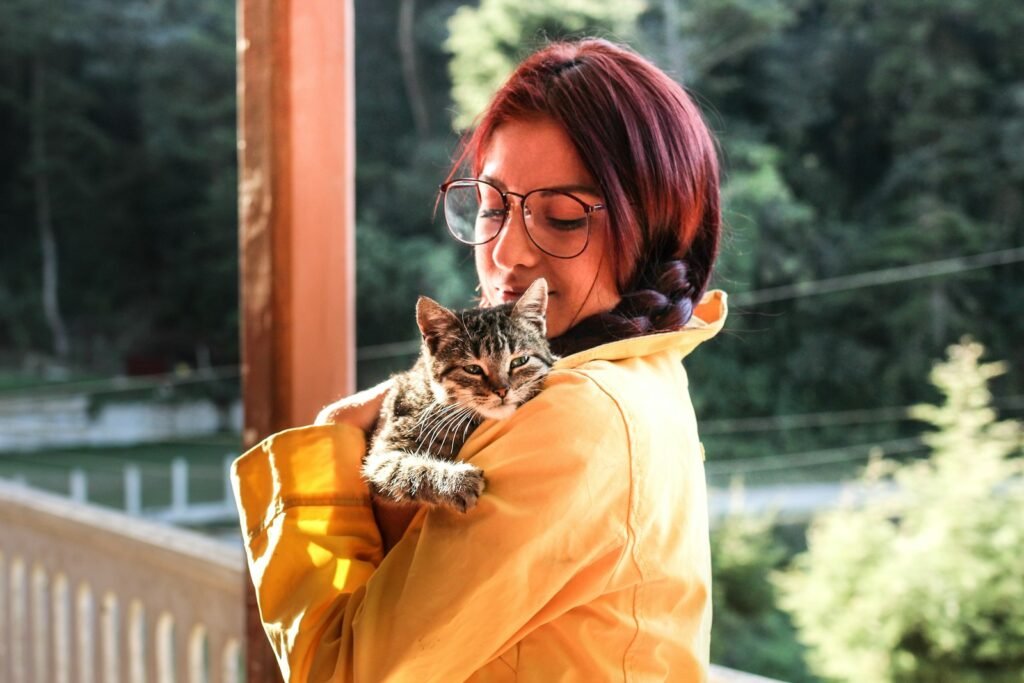
Honestly, this one frustrates me the most, because it has led countless people to under-invest in their relationship with their cat. Cats may have a reputation for being indifferent and standoffish, but cats bond with their people, often just as much as dogs do. In fact, studies show that most cats create strong attachments to their guardians and experience feelings of comfort and safety by being around them.
Research from feline researcher Dr. Kristyn Vitale published in 2019 shows cats develop attachments to their caregivers in much the same way dogs do. The study had cats in an unfamiliar environment. The cats would spend two minutes with their human caretakers, then two minutes alone, followed by a two-minute reunion. Cats with a “secure attachment” to their human caregivers showed reduced stress while the caregiver was present. That’s not the behavior of an animal that doesn’t care about you.
4. Cats Can’t Be Trained Like Dogs

Let’s be real – this myth has probably cost a lot of cats their behavioral health. People hear “cat training” and laugh it off. It is a misconception that training is not possible or relevant for cat welfare. Cats are trainable; the current world record for the number of tricks performed by a cat in one minute is 26. Croney says it’s not just possible; it’s highly beneficial to the cat, for a number of reasons.
Pet kittens are readily able to complete six-week positive reinforcement-based training programs mastering behaviors ranging from “sit” and “down,” to walking on leash and performing complex tricks. Recently, a cat was shown to model human behavior, after successfully reaching the generalization stage of imitation-based “Do As I Do” training. With some patience and positive reinforcement, your kitty can learn all sorts of tricks and good manners. Just like with dogs, short, fun training sessions work best. When your cat displays the behavior you ask for, reward them with a treat or toy. The truth is, you’ve just never been told how.
5. Cats Are Nocturnal, So Their Late-Night Chaos Is Normal

You’ve probably been jolted awake at 3 a.m. by your cat sprinting down the hallway at full speed, knocking something off a shelf, and then staring at you blankly. You assumed: “Well, cats are nocturnal.” Except – they’re not. Cats are not nocturnal. Surprised? “We probably think they are because we are most aware of our cats when they are running over our faces at 3 o’clock in the morning. Cats are actually crepuscular, which means they are most awake at dusk and dawn.”
Birds and mice are very active at dawn, and cats evolved to take advantage of this by developing the ability to see in low-light conditions. They get the bulk of their hunting done while it’s mostly, but not entirely, dark. If your cat’s evening antics are a problem, consider a play session right before bed and feeding them a small amount – this can re-create the natural hunting cycle, allowing them to ease into the evening. So rather than just tolerating your cat’s chaos, you can actually work with their biology to create a calmer household.
6. Declawing Is a Harmless Solution to Scratching Problems

This particular myth isn’t just wrong. It causes genuine, lasting suffering. Among the most egregious feline myths is the idea that declawing cats by amputating the top knuckles of their toes is an acceptable, harmless norm. In reality, this excruciating procedure robs cats of vital mobility and self-defense abilities. Without claws for grasping, pain-free walking is impaired long-term. Behavior issues frequently arise post-declaw as well. There are humane alternatives for directing scratching activity, making amputation absolutely unnecessary.
Destructive scratching behavior is often a sign that something else is going on. Is your cat sick? Bored? A talk with your vet or a behaviorist may be in order. Solving the problem might be simpler than you think. For example, if your cat suddenly scratches your couch despite already having a scratching post, your cat might benefit from an additional vertical scratching post. You can protect your furniture without ever harming your cat. It just takes a little creativity and patience.
7. Every Cat Needs a Feline Companion to Be Happy

The idea that getting a second cat automatically makes your first cat happier sounds sweet in theory. In practice, it can be a serious source of stress. Cats are facultatively social, meaning their social behavior is flexible and heavily influenced by their genetics, early development, and lifetime experiences. It’s important to understand that cats are individually variable in their desire for and tolerance of social interactions with other cats. It’s not true that every singly kept cat is lonely and in need of a feline friend. Some cats form pair bonds and benefit from the presence of another cat, while for others, the company of an additional cat may be stressful.
Owners need to consider the preferences of their individual cat when deciding whether to add another cat to their household. Those preferences may be influenced by the relatedness of the cats, their previous experiences, and whether the home provides adequate access to resources including food and space. In cases of extreme conflict, living in a multi-cat household may be an underdiagnosed source of distress for some cats, ultimately undermining their overall welfare. Before you bring home a second cat, truly observe your first. Their behavior will tell you everything you need to know.
The Stakes Are Higher Than You Think

These myths about cats’ physical, psychological, and social needs have life-or-death consequences. Cat behavioral problems, which are often rooted in anxiety, fear, and social stress, are regularly given as reasons for their abandonment, relinquishment, and euthanasia. That’s a staggering reality. Myths aren’t just harmless misunderstandings – they cost cats their homes and their lives.
Despite their popularity as pets, misunderstandings about cat behavior abound. Cats are not “low-maintenance” pets; each has unique physical, mental, and social requirements. A better understanding of cat behavior should enrich the human-cat bond and save cats’ lives. You now have the knowledge to be genuinely different as a cat owner – the kind of person your feline actually deserves.
Every cat is a small, complex creature shaped by instinct, experience, and a surprising capacity to connect with you. The myths explored here aren’t just inconvenient half-truths – left unchallenged, they quietly chip away at the quality of life your cat depends on you to protect. You don’t need to be a feline behaviorist to make a difference. You just need to be willing to look a little closer, question what you think you know, and show up for your cat in ways that actually matter. So – how many of these did you believe before today?
Kristina is a young writer from India. An arts graduate and an avid content creator, Kristina is passionate about animals and wildlife. She enjoys exploring topics related to pet care, animal behavior, conservation, and nature, combining thorough research with engaging storytelling.