You lock eyes with your cat for just a moment, and they look away. Is it personal? Are they annoyed? Do they secretly resent you for that bath you gave them two years ago? You’d be surprised how much meaning sits behind that simple, split-second avoidance of your gaze.
Cats are famously hard to read, and their eye behavior is one of the most misunderstood parts of feline communication. What feels like indifference or even rejection to you is almost always something far more nuanced, and honestly, quite fascinating. So if you’ve ever found yourself wondering why your furry companion can’t seem to hold your stare, keep reading. The truth may completely change how you see your cat.
1. Direct Eye Contact Feels Like a Threat in Feline Language
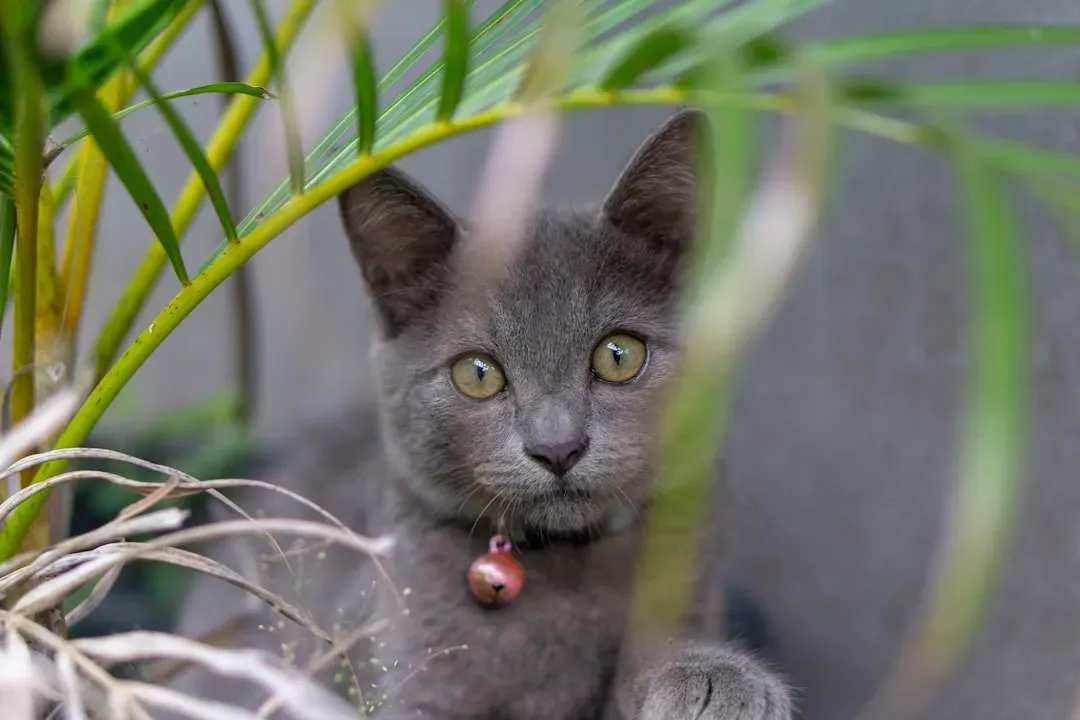
Here’s the thing most cat owners never get told: in the feline world, staring directly into another creature’s eyes isn’t a sign of love or connection. It’s a challenge. To your feline companion, staring into one’s eyes is a sign of aggression and dominance, and basically means that the one staring is trying to control the other. Think of it like someone squaring up to you on the street. Your immediate instinct is probably to look away, right?
In the realm of feline interactions, direct eye contact is often seen as a sign of aggression or challenge. By avoiding eye contact, a cat is likely expressing its non-confrontational stance and also respecting the personal space of others, whether they are fellow felines or humans. So the next time your cat breaks your gaze, consider it a compliment. They’re telling you they trust you enough not to start a staring contest.
2. Your Cat Is Actually Showing You Respect
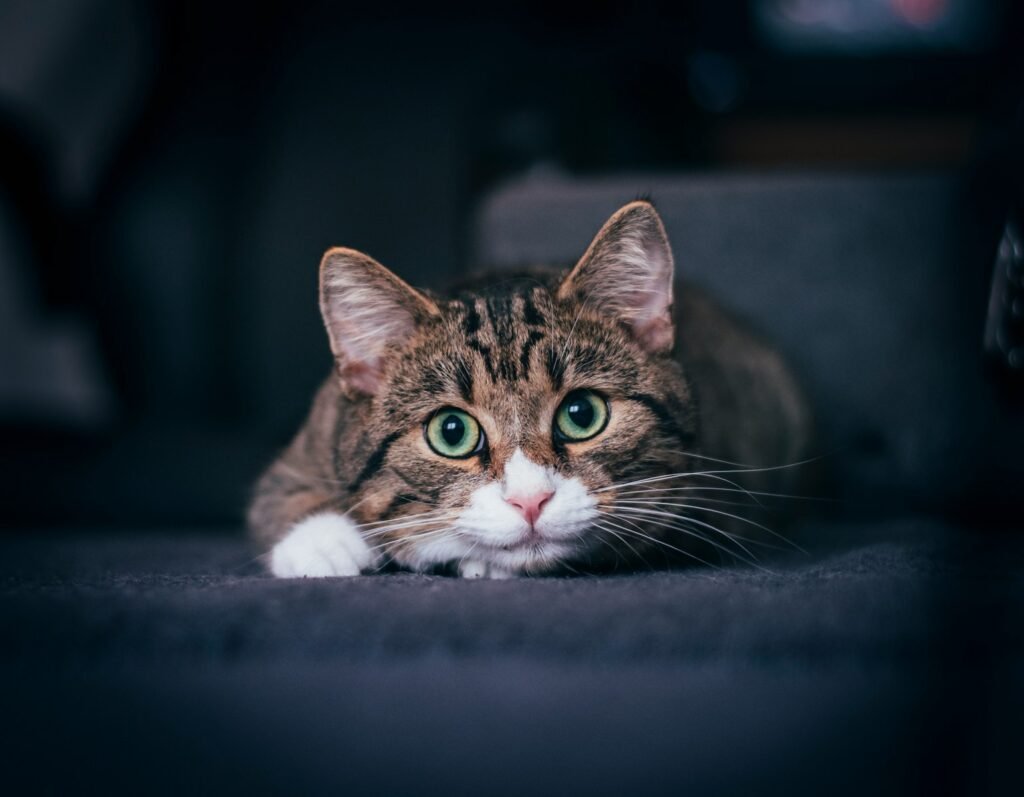
Within their own species, sustained staring can be a prelude to aggression or dominance displays. So, when your cat looks away, it’s actually being polite in its own feline way. This social etiquette helps prevent fights and maintains group harmony. Think of it like someone stepping back during a conversation to give you breathing room. It is a gesture of courtesy, not coldness.
When interacting with humans, cats often transfer these same social rules. If your cat avoids your gaze, it’s not being rude – it’s showing you respect according to its own social code. This little shift in perspective honestly changed how I see my own cat’s behavior. They’re not ignoring you. They’re being gracious, in the most cat-like way possible.
3. They Are Signaling Peace and Non-Aggression
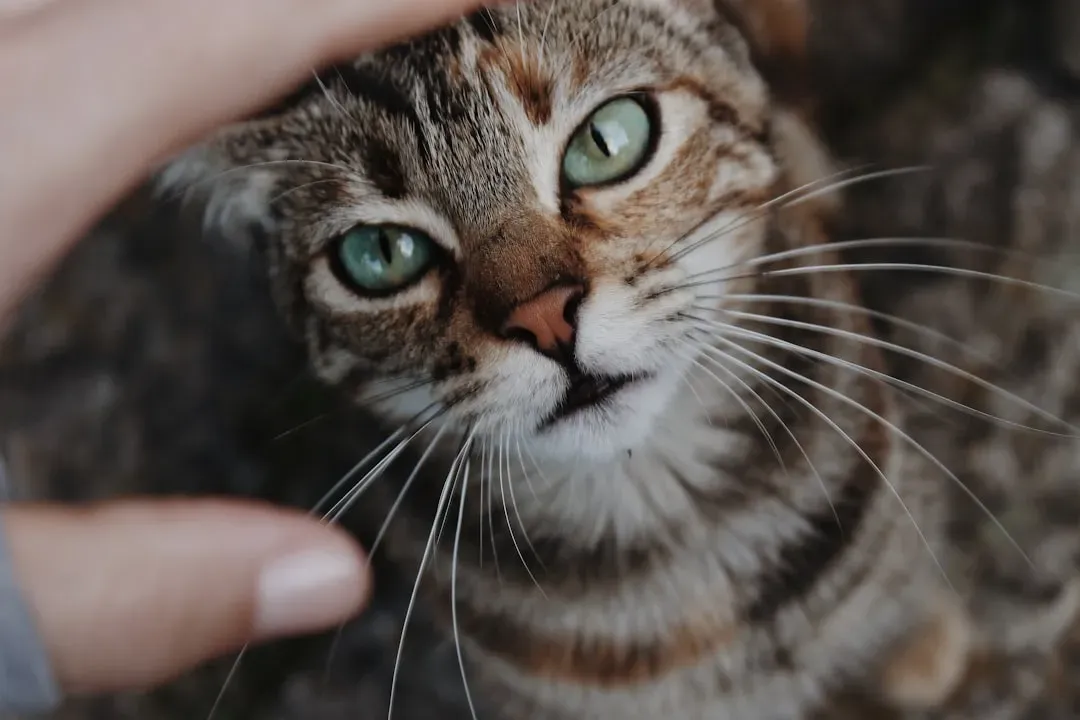
If your cat is friendly, confident, and relaxed, they will try avoiding eye contact with other kitties to indicate peace. This means your pet doesn’t want any sort of violence and expects the same in return. Thus, their “non-eye contact” behavior informs the other cat about their intentions. This logic carries over into their interactions with you too.
While eye contact entails aggression in cats, avoiding it means the opposite. It primarily means your cat wants peace. It’s a bit like a dog rolling over to show its belly. The animal is communicating vulnerability and goodwill at the same time. Your cat looking away? That’s essentially a white flag, and a friendly one at that.
4. Your Cat Is Simply Self-Conscious and Dislikes Being Watched
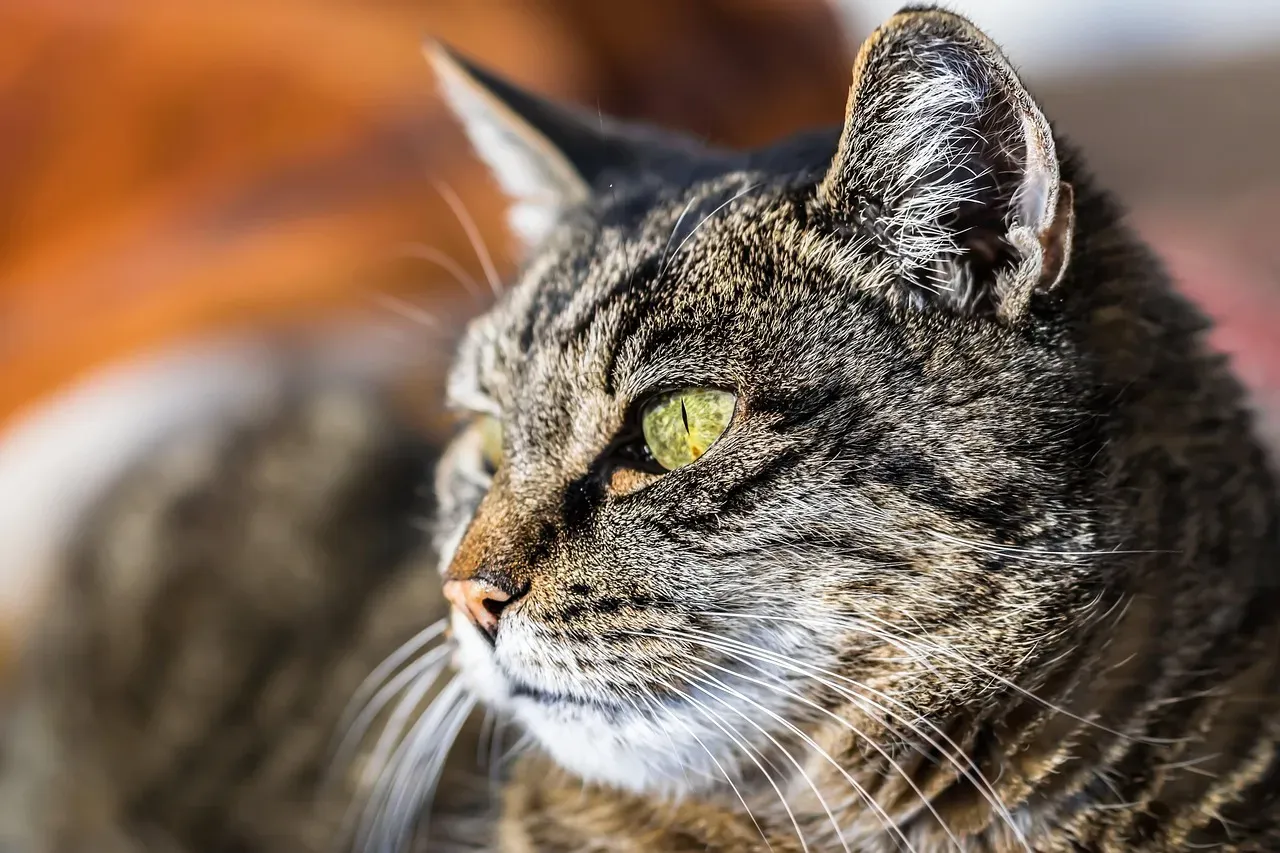
Not every reason is so philosophical. Sometimes, it’s just personality. Cats are self-conscious animals that usually don’t like being in the spotlight. They prefer to lay low, play with household items, exhibit their hunting instincts with their toys, relax, and observe their environment from a safe spot. Because of this, they may not like constant gazes from humans, cats, or any other living beings.
In fact, some cats prefer not to make eye contact with their owners, no matter how much they love them. Imagine sitting quietly reading a book, only to feel someone staring at you. Uncomfortable, right? Your cat feels that same unease when you keep your eyes locked on them. It has nothing to do with affection. It’s just a preference for personal space.
5. It Could Be a Sign of Stress or Anxiety
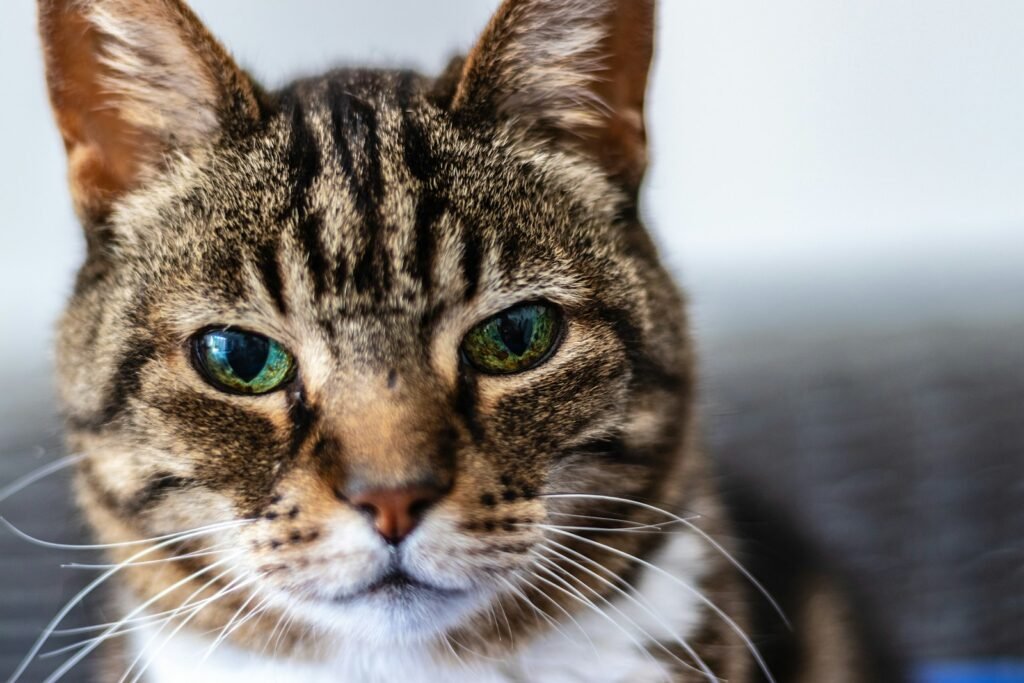
This one is worth paying close attention to. A cat with mild anxiety may avoid making direct eye contact with people or other animals. Stress in cats can come from almost anywhere, including changes in your routine, new furniture, unfamiliar visitors, or even a new smell in the house. It’s hard to say for sure what the trigger might be without careful observation.
Changes in routine, loud noises, or unfamiliar visitors can trigger anxiety. When stressed, cats often avoid eye contact, hide, or become unusually quiet. These behaviors are their way of coping and seeking relief from pressure. If your cat’s avoidance of eye contact is paired with hiding, reduced appetite, or unusual quietness, it is worth slowing down and creating a calmer environment for them.
6. Past Trauma May Be Playing a Role
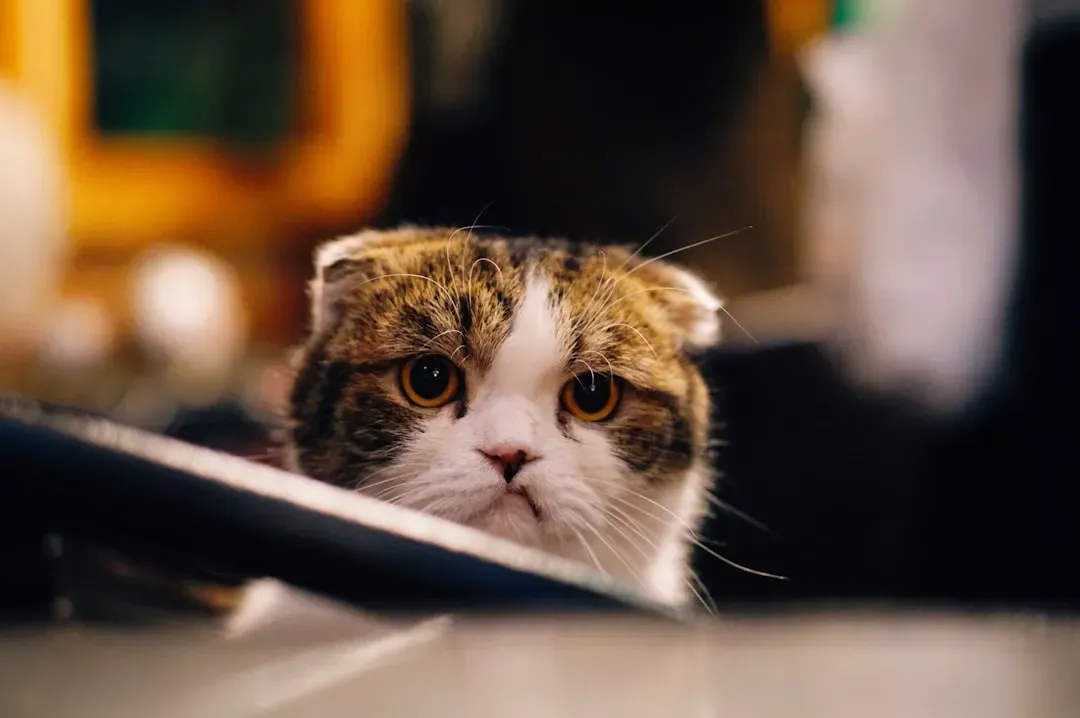
For cats who were rescued, rehomed, or had difficult early lives, avoiding eye contact can run much deeper than instinct. Cats who have had negative experiences with humans in the past may be more likely to avoid eye contact as a protective mechanism. This is their way of staying guarded, of keeping themselves safe from something that once hurt them.
Traumatic events can leave a lasting impact on a cat’s mental well-being, leading to anxiety and fear. Cats that have experienced accidents, abuse, or natural disasters may develop long-lasting anxiety as a result of the trauma. They may be more prone to fear and stress in situations that remind them of the traumatic event or when exposed to unfamiliar environments or stimuli. Patience, consistency, and gentle interaction go a long way in helping these cats feel safe again.
7. Poor Early Socialization Shaped Their Comfort Level
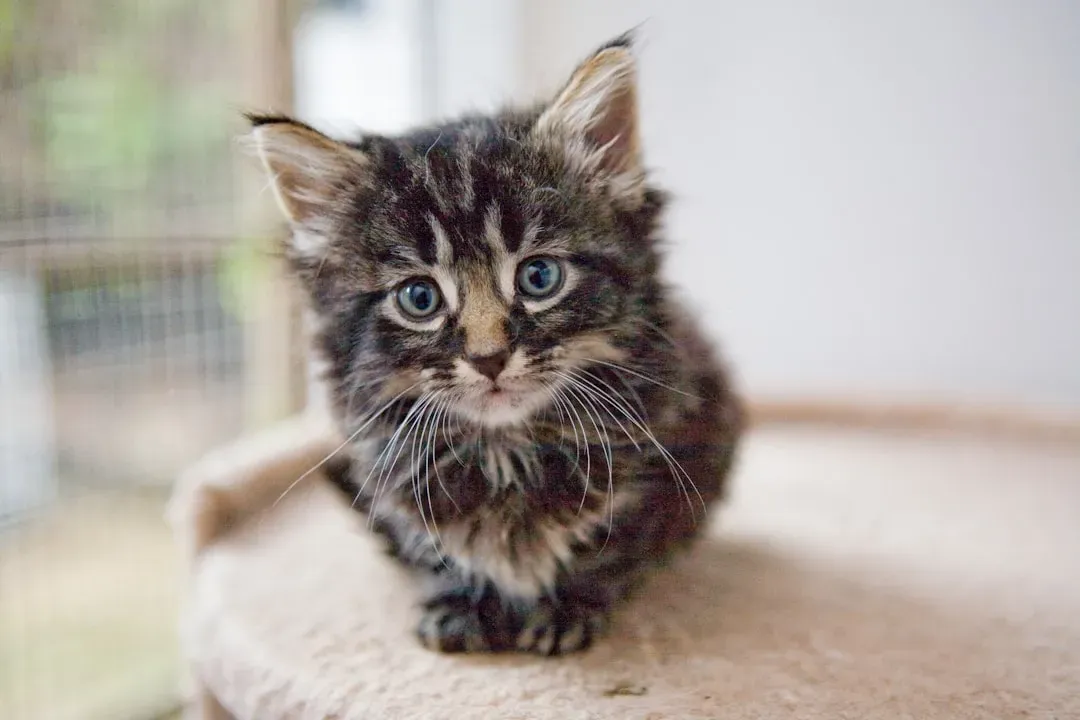
A kitten’s earliest weeks are a bit like a blueprint for their entire emotional life. Cats that are deprived of positive social and environmental exposures during the socialization period (7 to 12 weeks of age) may become habitually fearful or anxious. If a cat missed out on positive human contact during that window, eye contact with people can feel genuinely uncomfortable to them as adults.
Cats that have not been properly socialized during their early developmental stages may be more prone to anxiety. Socialization involves exposing kittens to various people, animals, and environments in a controlled and positive manner. If a cat has not had these experiences, they may be more fearful and anxious when encountering new situations, people, or animals. It is not their fault, and it is not yours either. It simply means you may need to build trust more slowly and gently.
8. Your Cat Might Be Feeling Unwell
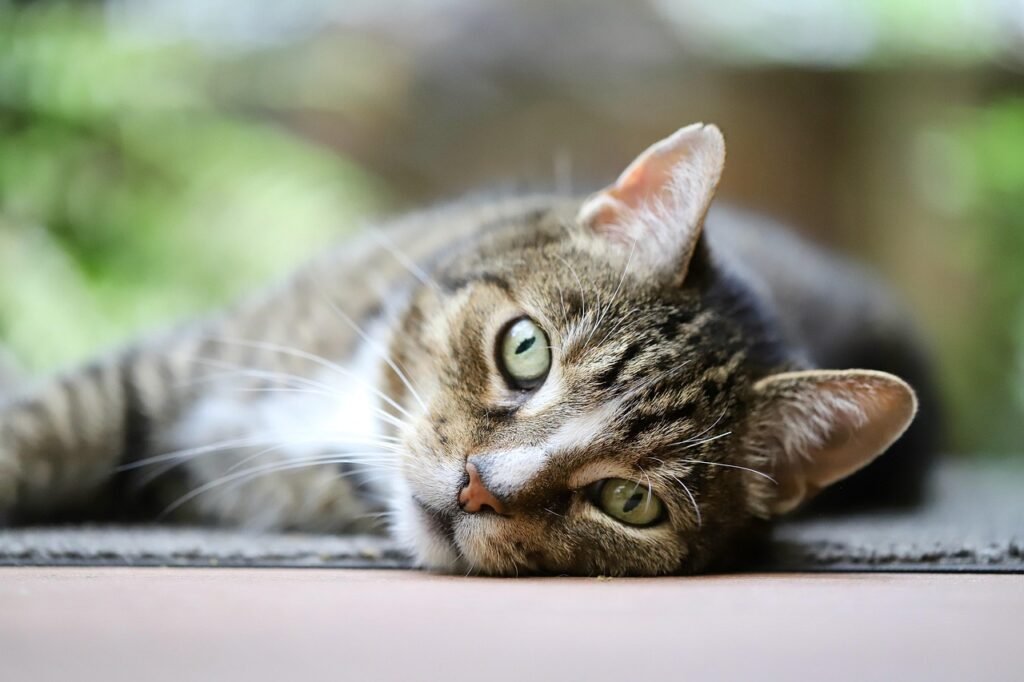
Here is a reason that surprises many cat owners, and it is one you genuinely should not overlook. If your cat is feeling unwell, they may withdraw and avoid eye contact. Cats are masters at hiding pain and discomfort. This quiet withdrawal is often one of the earliest signs something is off.
A sudden change in behavior warrants a visit to the vet. It could indicate a new health problem, such as vision loss or pain, that’s causing them to avoid eye contact and interaction. Observe for other symptoms like squinting, rubbing their eyes, or reluctance to jump. If your cat’s behavior has shifted recently and doesn’t fit their usual personality, trust your gut and get them checked out. Better safe than sorry.
9. Your Cat Has Its Own Unique Personality
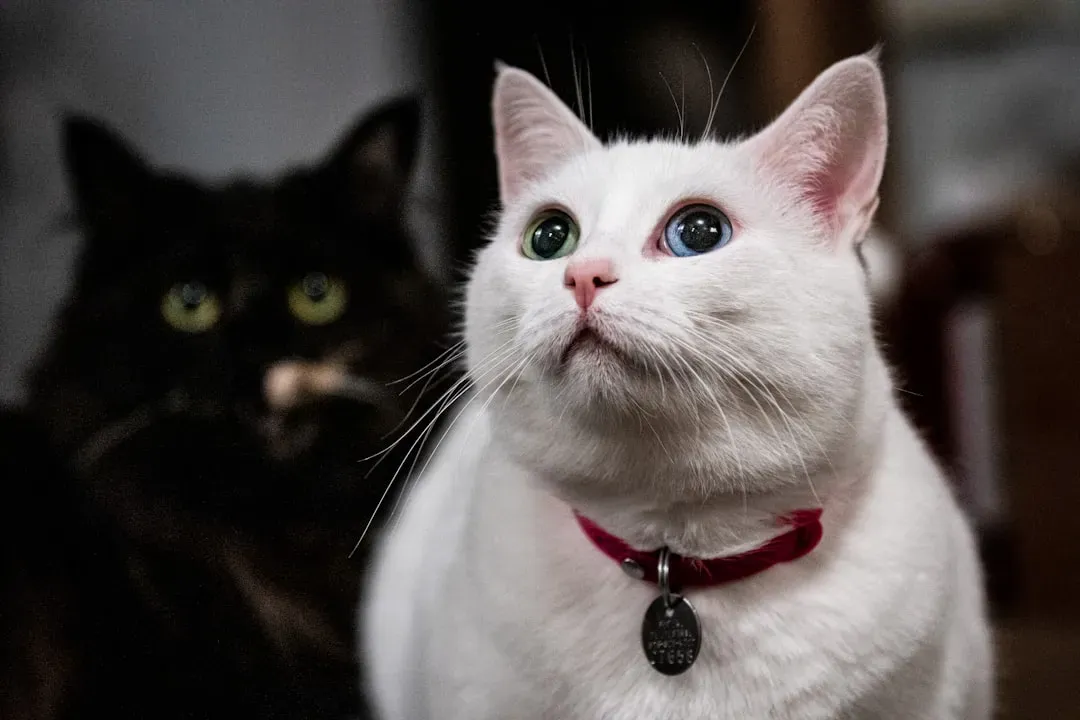
Let’s be real. Not every behavior needs a dramatic explanation. Some cats don’t like any eye contact at all, while others don’t mind it, even from strangers. Just like people, cats come in wildly different personality types. Some are extroverted and curious, and some would rather lounge in quiet independence without being stared at, thank you very much.
It is more along the lines of having to do with each cat’s own personality, regardless of gender. You might have two cats living side by side in the same household, and one will happily hold your gaze while the other never once makes direct eye contact. Neither is broken. Neither is unhappy. They are just different, the way all individuals are. Every cat is unique, and their behaviors are influenced by their individual personality, past experiences, and environment.
10. The Slow Blink Is Their Version of Deep Eye Contact
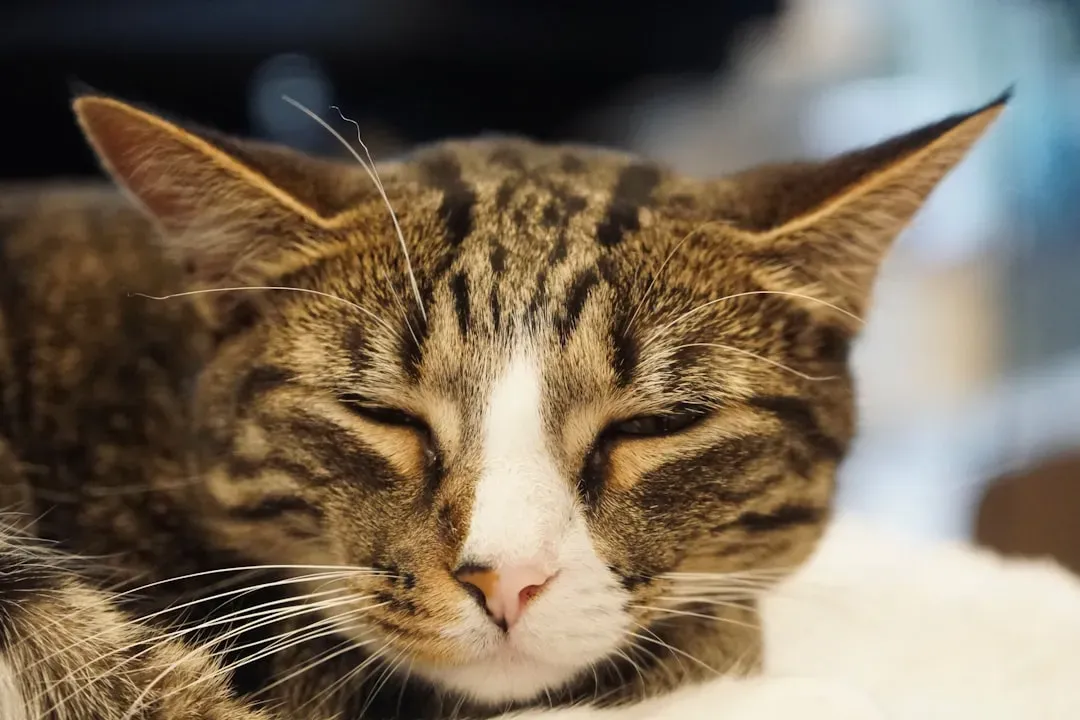
Here’s a genuinely wonderful surprise for you. Your cat may not be avoiding connection at all. They may be offering it in a completely different language. Slow blinking in a cat can indicate trust and affection. When a cat slowly closes its eyes in someone’s presence, it’s akin to a human smile, a sign they feel comfortable and safe. This action transforms eye contact from a potential threat into a moment of vulnerability and love.
Research produces evidence that cats perceive human slow blinking in a positive way, as subjects prefer to approach an experimenter after a slow blink interaction has occurred, compared to when the experimenter adopts a neutral facial expression without direct eye contact with the cat. So try it. Next time your cat glances at you, hold their gaze gently, then slowly blink. Start unfocused, eyes half closed, and then blink slowly. You might be surprised what comes back your way.
Conclusion: Your Cat Is Speaking, You Just Need to Listen Differently
Your cat avoiding eye contact is rarely a cause for worry, and almost never a sign of a broken bond between you two. Most of the time, it is deeply rooted in instinct, personality, or their own unique emotional history. The reasons behind cats’ avoidance of eye contact are rooted in their instincts as predators and prey. While direct eye contact can be seen as a threat or challenge in feline communication, cats still use their eyes to express a range of emotions and establish trust with humans and other cats.
The key is learning to read what your cat is actually telling you, rather than projecting human meanings onto their behavior. A cat’s body language and behaviors should be looked at as part of a single big picture. By using the context of the entire situation, trying to see the situation from the cat’s point of view, and looking for subtle cues in body language, you’ll have an excellent chance at understanding your feline friends. Once you start seeing the world through their eyes, every little look, glance, and slow blink begins to feel like a conversation.
So the next time your cat looks away, smile. They’re not rejecting you. In their world, they’re practically blowing you a kiss. Did you ever imagine that being ignored by a cat could feel this meaningful?
Kristina is a young writer from India. An arts graduate and an avid content creator, Kristina is passionate about animals and wildlife. She enjoys exploring topics related to pet care, animal behavior, conservation, and nature, combining thorough research with engaging storytelling.