You’ve probably watched your cat freeze mid-step, nostrils twitching, staring at something completely invisible to you. No sound. No movement. Nothing. Yet your cat is absolutely certain something is there. It’s one of those quietly unsettling moments that reminds you just how different a cat’s perception of reality truly is. Their nose is not just an organ. It is arguably their most powerful window into a world layered with information, memory, emotion, and communication that most humans never even glimpse.
What’s wild is that we share the same living spaces as these creatures and still have almost no idea what they’re experiencing at any given moment. The scent landscape a cat navigates every single day would boggle the average human mind. So let’s pull back the curtain on what it’s actually like to experience the world through a feline nose. Let’s dive in.
A Nose Built for a Different Universe
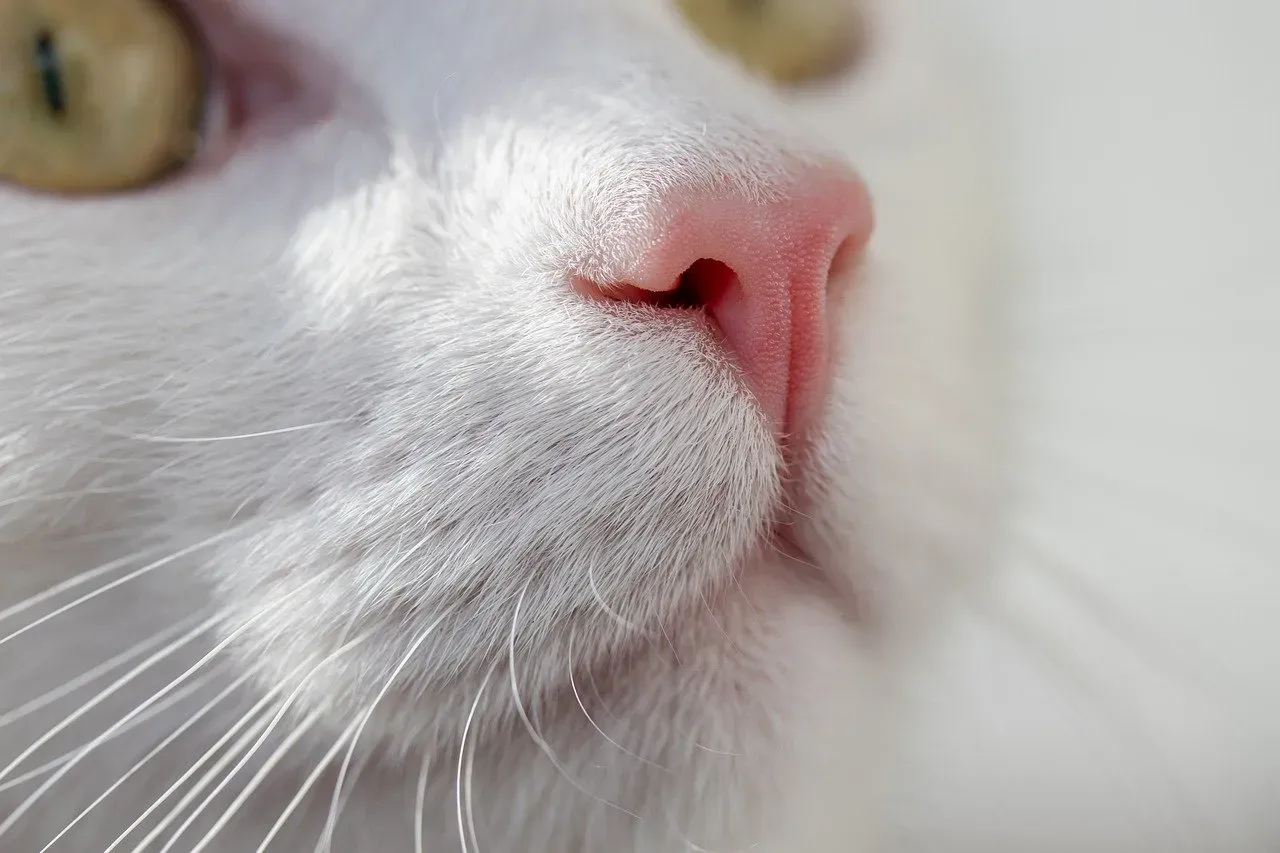
Let’s be real, the comparison between a cat’s nose and a human’s is almost embarrassing for our side. Cats have around 200 million scent receptors in their nose, while humans only have 5 million. That’s not a small gap. That’s the difference between reading a paragraph and reading an entire library in one breath.
A cat’s sense of smell is 14 times better than that of humans. Think about what that actually means in daily life. Every time your cat walks into a room you just cleaned, they aren’t smelling “clean.” They’re reading a forensic novel about every product you used, every surface you touched, and possibly even your emotional state while doing it. It’s a completely different experience of reality.
The Secret Second Nose: The Vomeronasal Organ
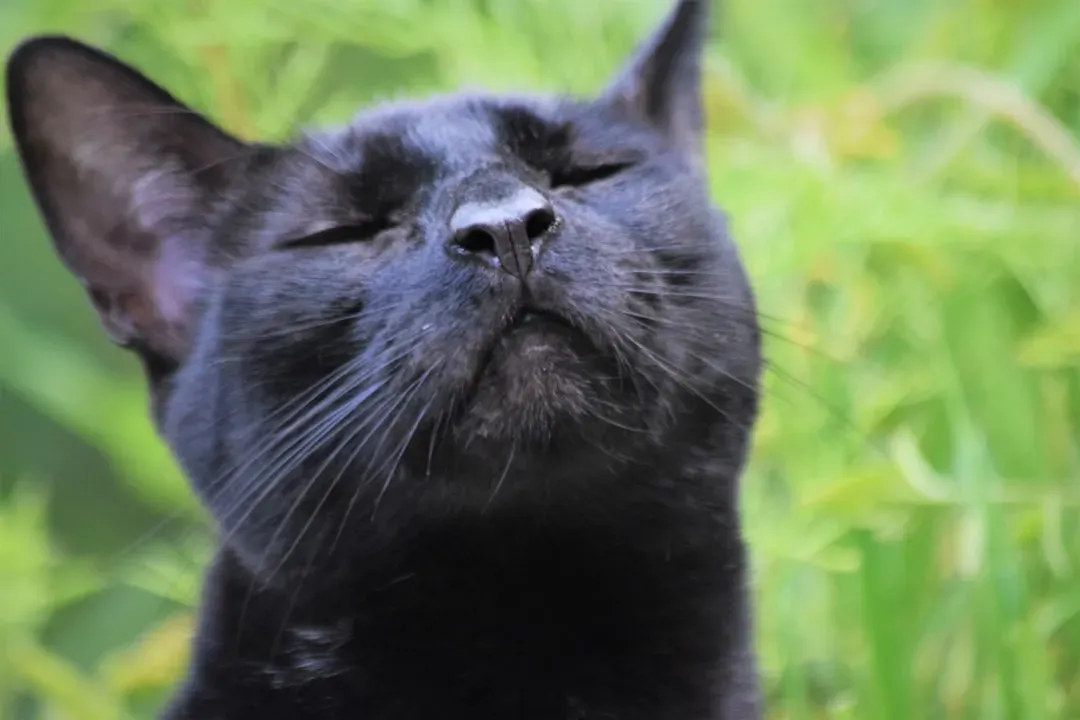
Here’s the thing that really blew my mind when I first learned it. Your cat doesn’t just smell with their nose. Cats have a dual scent mechanism that is quite rare in the animal kingdom. Like other animals, cats have regular olfactory receptors to pick up the aromas in the air. They also have a second “nose” located in the roof of the mouth, called the vomeronasal organ, which picks up pheromone signatures that regular scent receptors cannot detect.
When cats smell something particularly interesting, they open their mouth and curl their lip in a gesture called the Flehmen response. The term comes from a German word meaning “to curl the upper lip.” If you’ve ever seen your cat making a funny face at an interesting smell, they are most likely exhibiting this response. They are opening their mouth to draw in scent molecules, especially pheromones, and further investigating the smell using this specialized organ. It’s not a silly expression. It’s deep, deliberate chemical analysis happening in real time.
Scent Discrimination: Where Cats Actually Beat Dogs
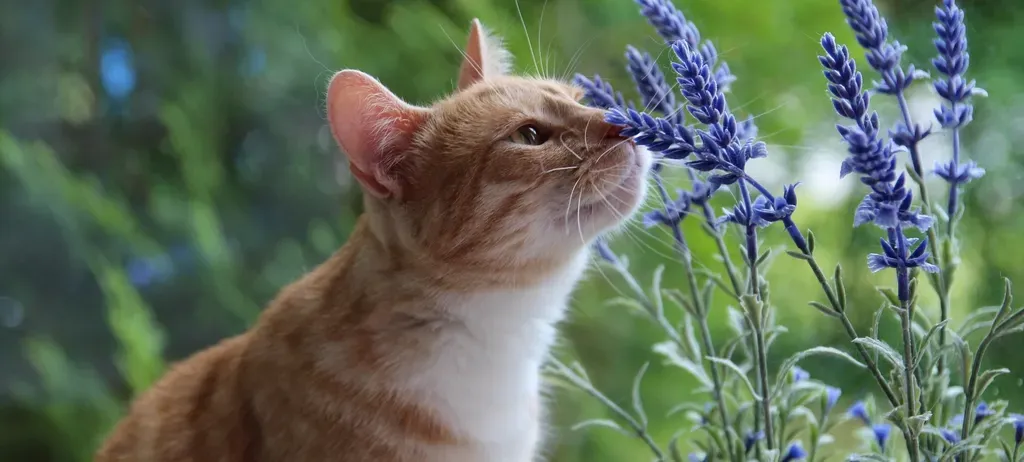
You’d be forgiven for assuming that dogs win every olfactory competition. Honestly, that assumption is mostly wrong. There is a protein called the V1R protein, which is believed to control the ability to separate scents from each other. Humans have 2 variants of this protein, dogs have 9 variants, but cats have a whopping 30 variants. That is not a typo.
Cats are able to smell much better than people, but not as well as dogs. However, while cats have far fewer scent receptors than dogs, recent research has shown that cats may be better at discerning between different smells. Think of it like the difference between a speaker that plays everything loud versus an audiophile system that picks up every fine detail and nuance in a recording. Your cat is the audiophile system.
How Your Cat Recognizes You by Smell Alone
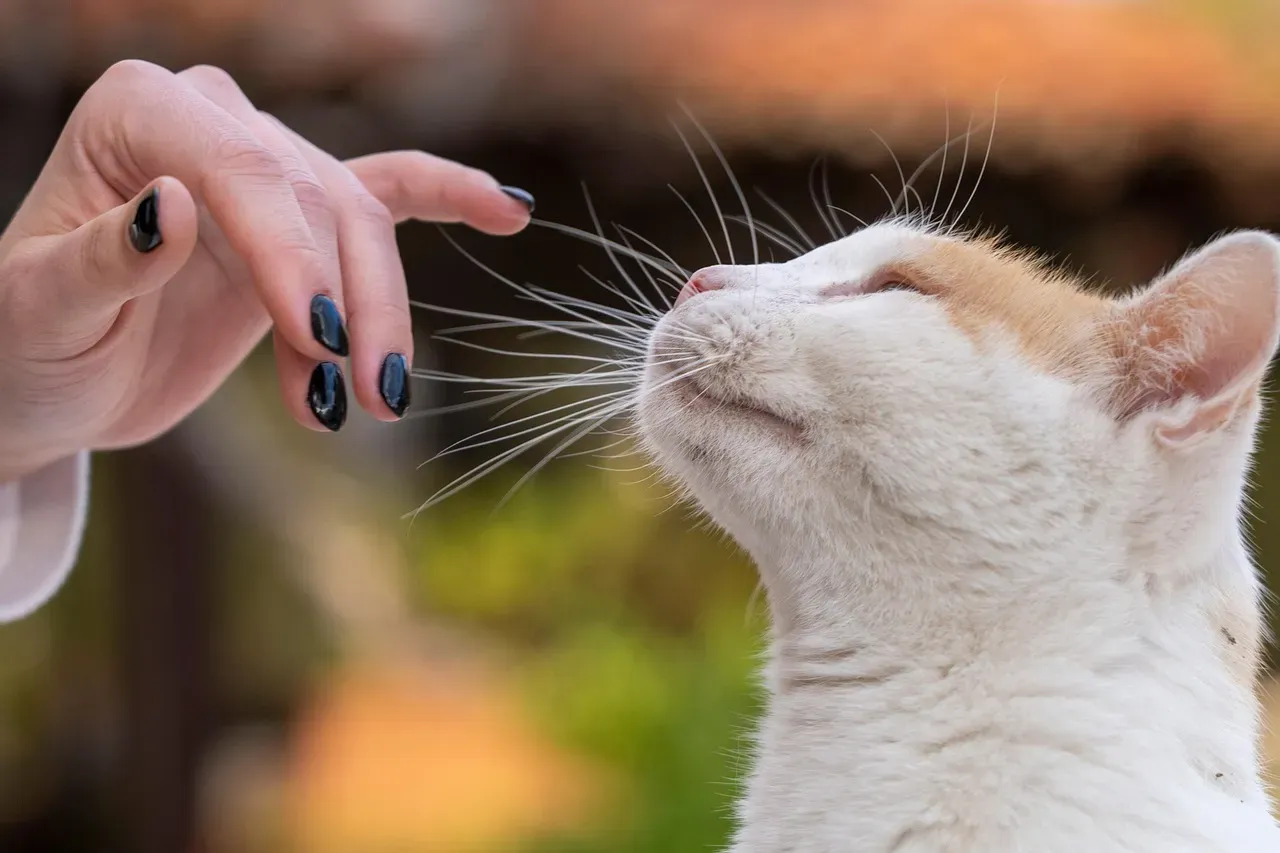
This might be the most personally humbling fact in this entire article. A cat’s sense of smell is their main way of identifying people. Your cat will recognize your smell before they recognize your face. When you walk through the front door, your cat isn’t waiting to see you. They’ve already scanned your scent profile before you’ve even turned the handle.
Every one of us carries a unique mix of skin oils, sweat, breath, and the scents of places we’ve been. Cats learn these complex signatures, using them to perceive humans and identify if we’re calm or stressed. A recent study even found that cats could distinguish their humans by scent, with cats spending less time sniffing their owner’s scent than that of a stranger’s. You are, to your cat, a walking, breathing scent signature. They know your entire day just by greeting you at the door.
The Scent Gland Network: A Full-Body Broadcasting System
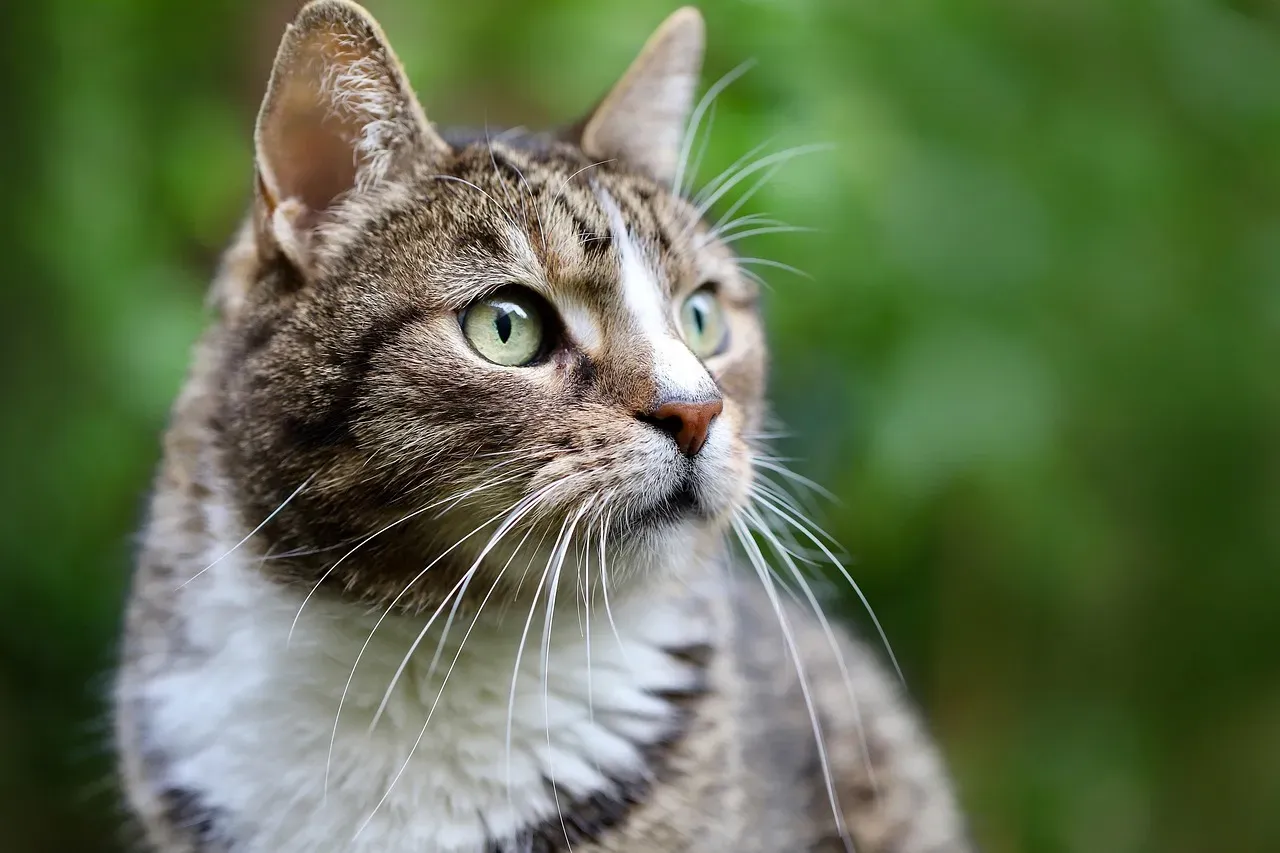
Your cat isn’t just smelling the world. They are constantly broadcasting into it. Cats have scent glands on their paw pads, their cheeks, lips, forehead, flanks, tail, and there are also two small glands on each side of the rectum that release a very strong-smelling liquid to mark the cat’s stool as it passes through. That’s a comprehensive system, to say the least.
Cat scent glands work by producing and releasing pheromones, which are chemical substances that help cats communicate. They convey different messages specific to their species and can include information about a cat’s identity, emotional state, and reproductive status. So every head bump, every slow brush against your leg, every kneading session on your lap is your cat actively writing messages into their environment. Interestingly, pheromones have no odor and cannot be detected by humans or dogs. They are only perceived by other cats.
Scent Mapping and Territory: Their Invisible World of Signs
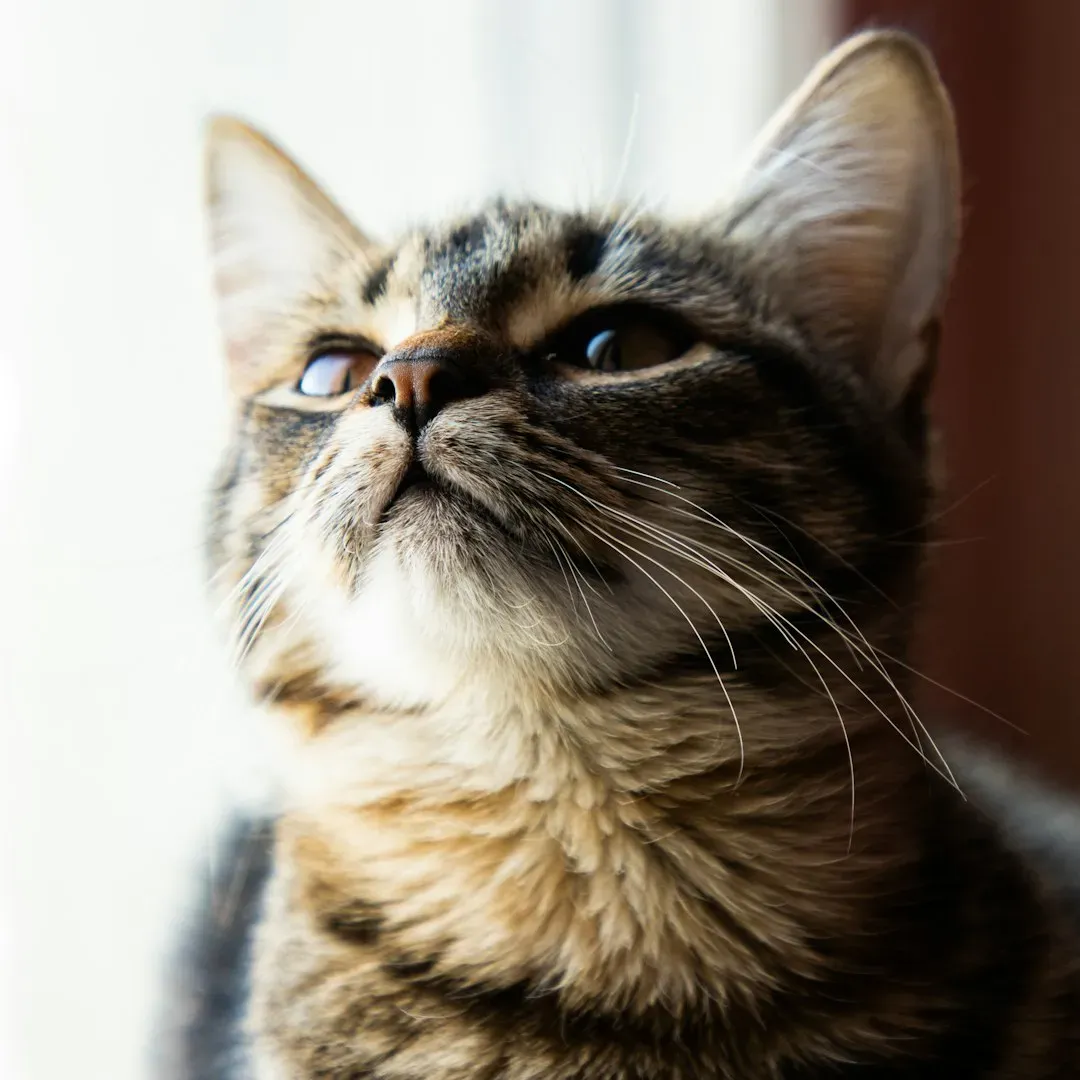
With a single sniff, your cat can determine if their food has gone bad, where potential prey is hiding, who you’ve been hanging out with, and how to find their way home if they’re lost. Honestly, that list reads like a superpower. It IS a superpower. We just don’t give it that name because it’s quiet and invisible to us.
When your cats are out roaming, they may not have a GPS system, but they can build their own scent map. By marking their way with scent deposits, they can note safe or unsafe locations where they can find food, water, hiding places, and more. Imagine navigating your neighborhood not through visual landmarks but through invisible chemical notes you’ve personally authored. That’s exactly what your outdoor cat is doing every single day.
How Scent Controls Your Cat’s Emotional World
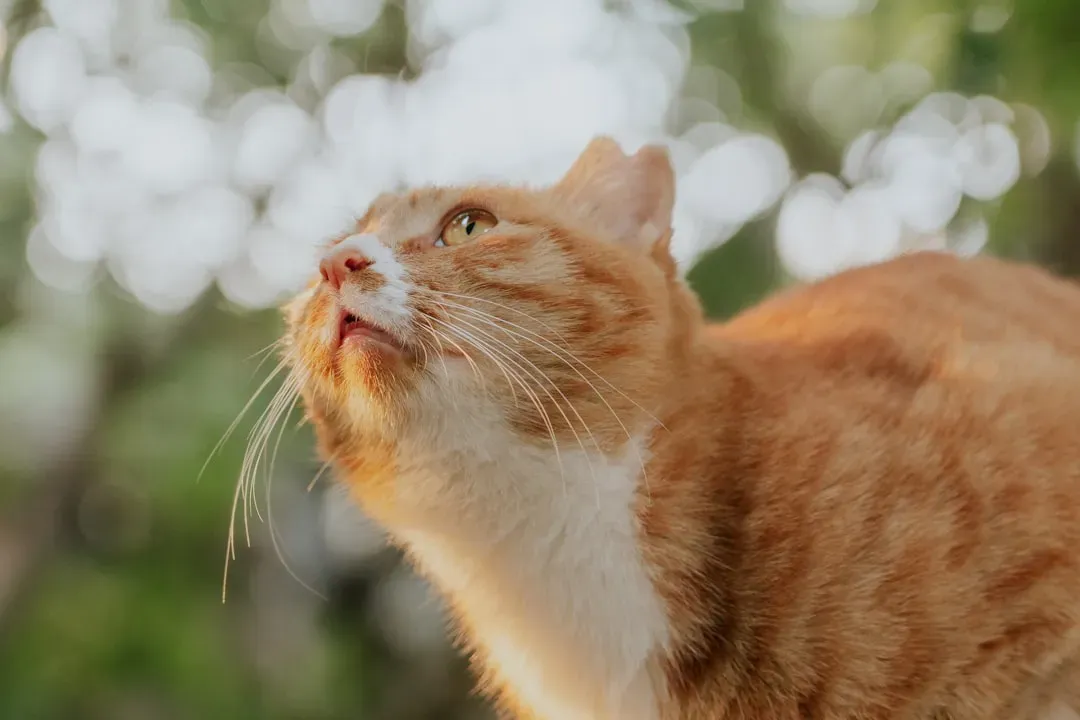
Here’s something that often gets overlooked. The connection between smell and emotion in cats is extraordinarily direct. The olfactory centers of the brain also relay information to the amygdala, the emotional center. This sharing of information causes smell to modify emotion and memory. Sound familiar? It’s the same reason you tear up when you smell your grandmother’s perfume. Scent and emotion are deeply wired together, in cats just as in humans, perhaps even more so.
When a cat rubs its chin and cheeks on objects, it leaves behind a pheromone that marks the area as safe and familiar to that individual. Felines use pheromones to mark territory, allowing them to communicate from greater distances, which allows individuals to avoid each other when needed and reduces the chance of life-threatening conflict over territory. This is less about aggression and more about stress management. A scent-rich, familiar environment is a calm cat. A scent-disrupted environment can trigger real anxiety.
Smell and Food: Why Your Cat Refuses Dinner When They’re Sick
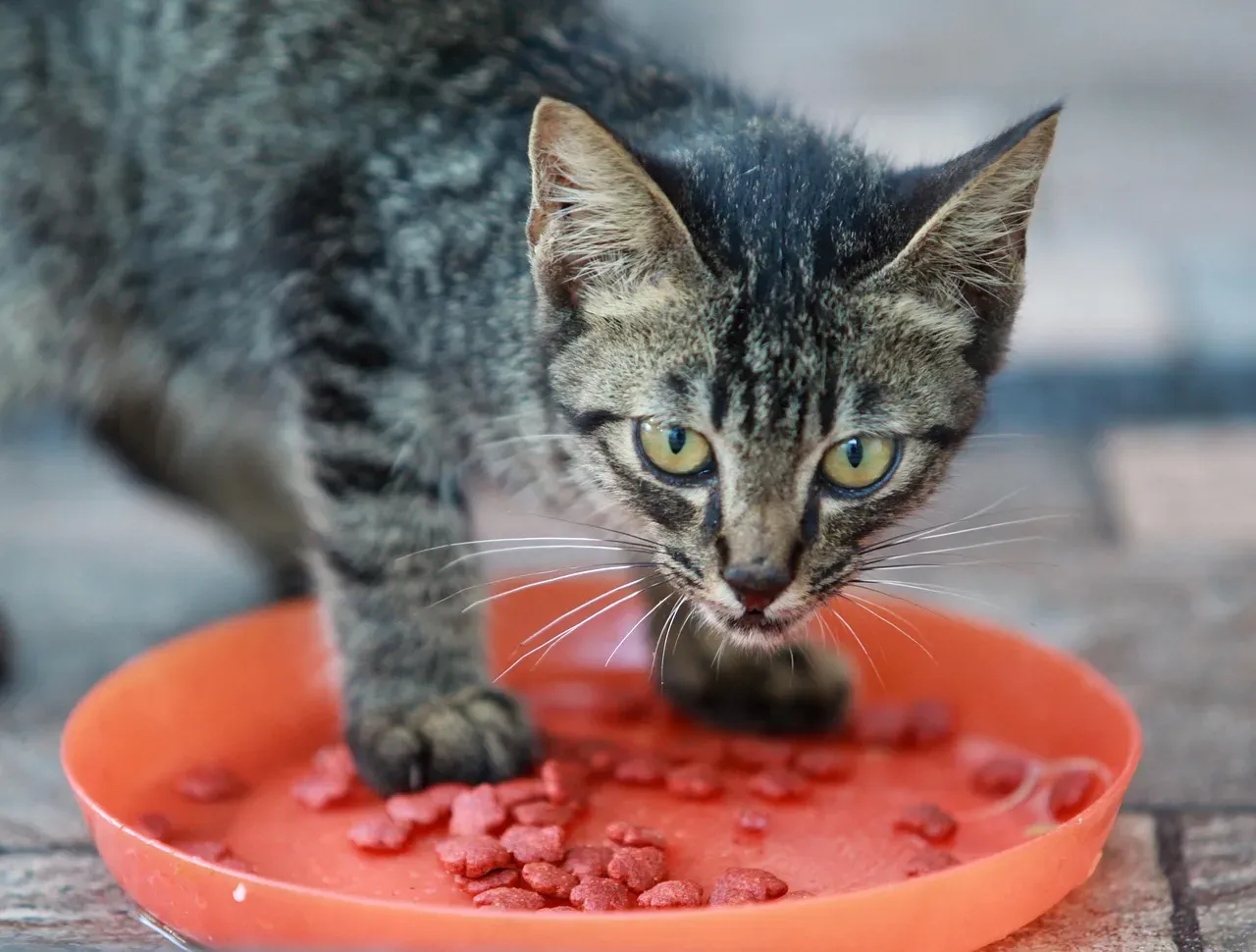
A cat’s sense of taste is weak. Humans have 9,000 taste buds, while cats have only 473. They make up for this deficiency with a superior sense of smell. Their most powerful response to food is through smell, not taste. This is a crucial thing to understand if you live with a cat. When they turn their nose up at a meal, they’re not being dramatic. They’re actually doing most of what we’d consider tasting through their nose first.
A cat’s hunger is stimulated by smell rather than taste. It’s one of the reasons why cats with respiratory infections stop eating: if they can’t smell their food, they won’t know it’s there. So if your sick cat won’t eat, warming up their food to release more aroma isn’t a trick. It’s actually addressing the root of the problem. Cats assess food quality through smell, preferring food at room temperature to maximize odour detection.
Can Cats Smell Human Illness? What Science Says So Far
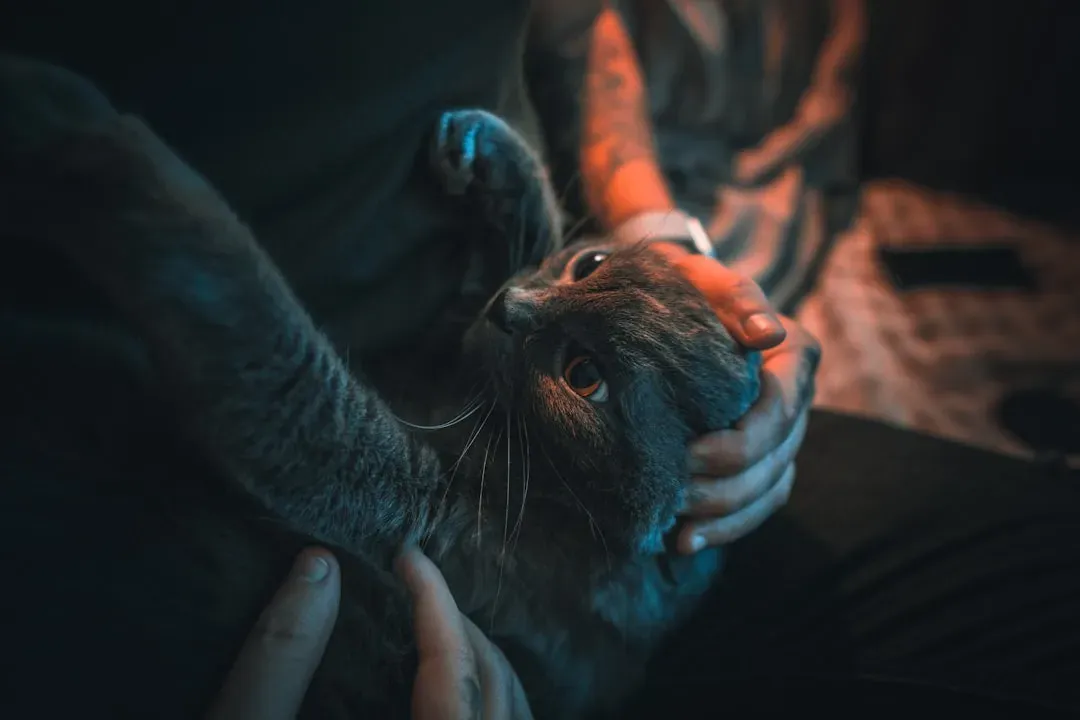
This is the section that gets genuinely fascinating, and I’ll admit, a little mysterious. Domestic cats’ strong sense of smell has drawn attention to them as potential candidates for detecting cancer and other diseases in humans, though research in this field is still emerging. There are compelling stories, even if the scientific literature is not yet definitive about it.
There’s anecdotal evidence that cats have detected cancer in their humans. A woman claimed that her cat alerted her to her breast cancer by repeatedly jumping on the affected breast. When cancer develops and changes occur in the cells, producing volatile organic compounds (VOCs), cats might notice a change in their owner’s scent. It’s hard to say for sure whether this is deliberate detection or instinctive response to a changed scent profile, but either way, the cat’s nose is picking up something real. There are anecdotal reports about cats detecting cancer in their humans, but no formal studies to test cats’ ability to smell cancer exist yet, which means the mystery very much remains open.
Conclusion
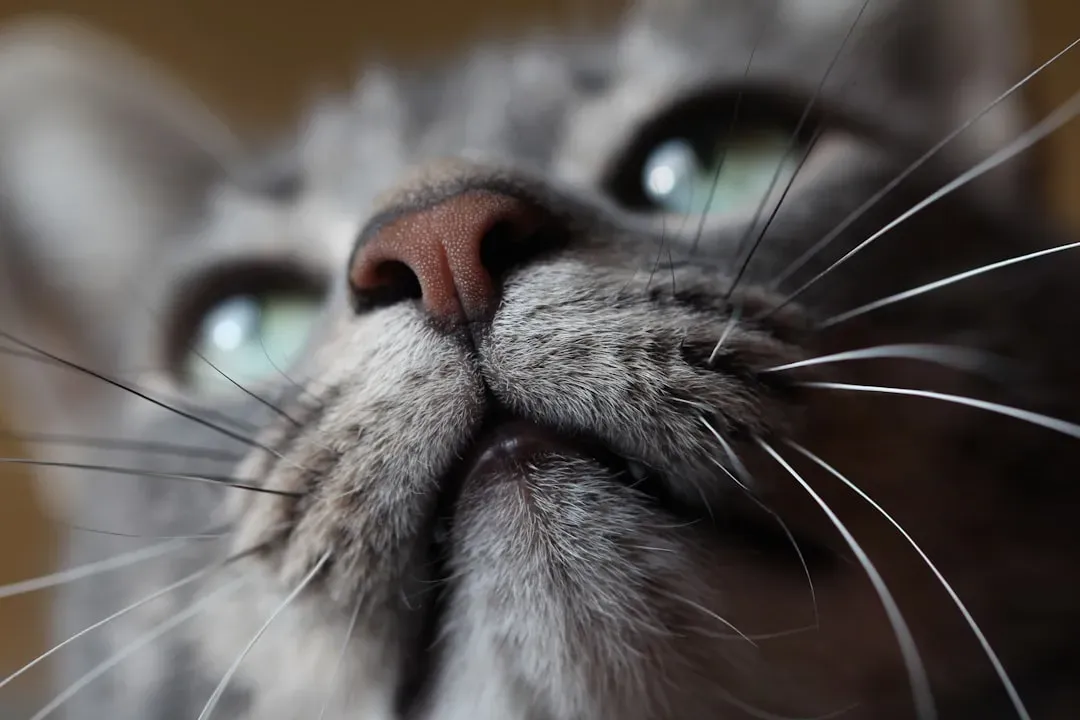
Your cat is not living in the same world you are. They occupy a parallel universe of invisible signals, chemical conversations, and scent-drawn maps that exist entirely beyond your perception. Every time your cat sniffs a doorframe, rubs their cheek on a chair, or freezes to process something on the wind, they are accessing information you simply cannot. It is humbling in the best possible way.
Understanding your cat’s olfactory world doesn’t just make you a better cat owner. It makes the relationship richer, stranger, and far more interesting. You live with a creature who has essentially given your home, your body, and your emotions a complete chemical annotation. Next time your cat gives you a long, slow sniff, consider what they might be reading. What do you think your scent says about you right now? Tell us in the comments.
Kristina is a young writer from India. An arts graduate and an avid content creator, Kristina is passionate about animals and wildlife. She enjoys exploring topics related to pet care, animal behavior, conservation, and nature, combining thorough research with engaging storytelling.