There is a quiet moment that every cat owner knows. You walk into the room, and your cat is sitting exactly where its companion used to sleep, just staring. Not meowing. Not moving. Simply being still in a way that feels heavier than usual. You wonder what is going on inside that small, mysterious mind.
For too long, cats have been dismissed as cold and indifferent creatures, too independent to feel something as vulnerable as loss. Honestly, that reputation has always felt unfair to those of us who have watched a cat search empty hallways or refuse food for days after a beloved companion disappears. Science is now starting to catch up with what many pet owners have quietly known all along. Let’s dive in.
What the Research Actually Says About Cats and Grief
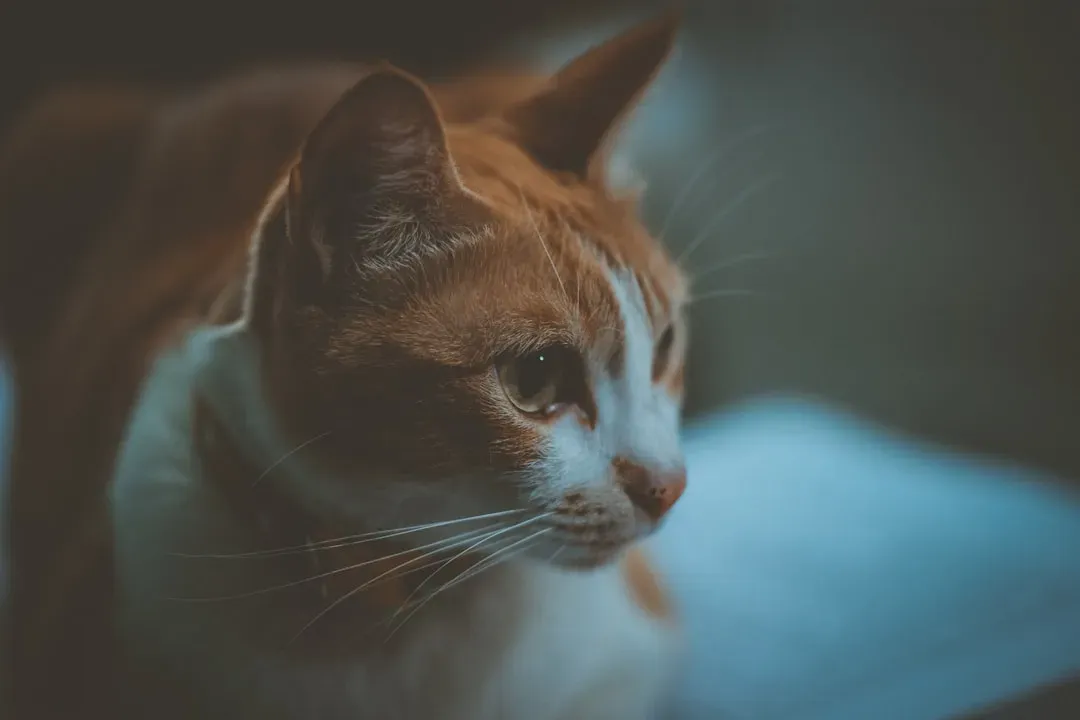
Researchers Jennifer Vonk and Brittany Greene surveyed 412 cat caregivers about how their feline companion acted after another pet in the house died. The results were striking. They found that, after the death of a fellow pet, cats on average sought more attention from their owners, spent more time alone, appeared to look for the deceased animal, ate less, and slept more.
The study, titled “Is Companion Animal Loss Cat-Astrophic?” and published in the journal Applied Animal Behaviour Science, found that cats do exhibit behaviors often linked to grief. What is especially fascinating is that cats seem to show signs of grief after the passing of another pet in the household, and this other pet doesn’t even need to be another cat – it may even be a dog. That last detail, I think, is the one that should make even the biggest skeptic pause.
The Surprising Science Behind Animal Grief
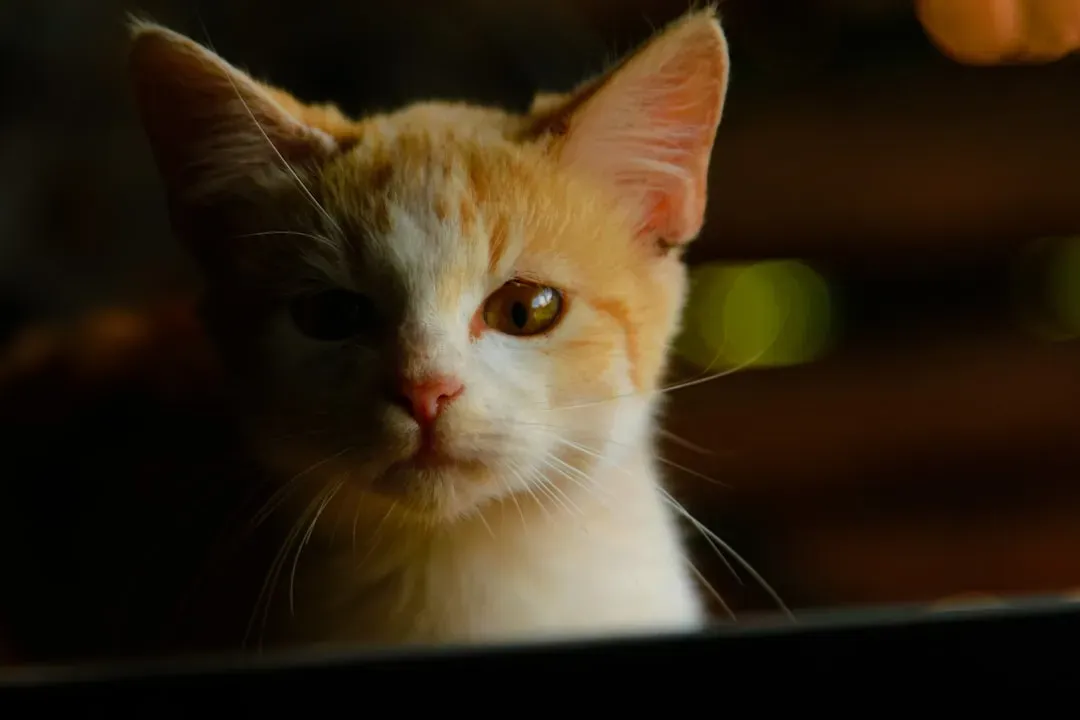
There is actually a scientific discipline dedicated to studying this phenomenon. It is called comparative thanatology, and its purpose is to study the responses of non-human animals to the dead and dying. Think of it as the science of animal mourning. Studies in comparative thanatology suggest that the experience of grief is actually widespread in the animal kingdom, and it is believed that a range of animals, especially highly social ones like birds, dolphins, whales, primates, and dogs, experience grief.
Corvids, members of the crow family, primates, and marine mammals like dolphins and whales have all been observed to change their behavior when one of their own dies, from carrying dead offspring for days to staying close by the body, as if keeping vigil. Cats, as it turns out, are not so different. One theory is that grief is a by-product of the natural stress response to separation seen in social animals, and that distress and searching behavior probably evolved to encourage animals to reunite with lost group members, which was beneficial for survival.
How the Bond Between Cats Shapes the Depth of Their Grief
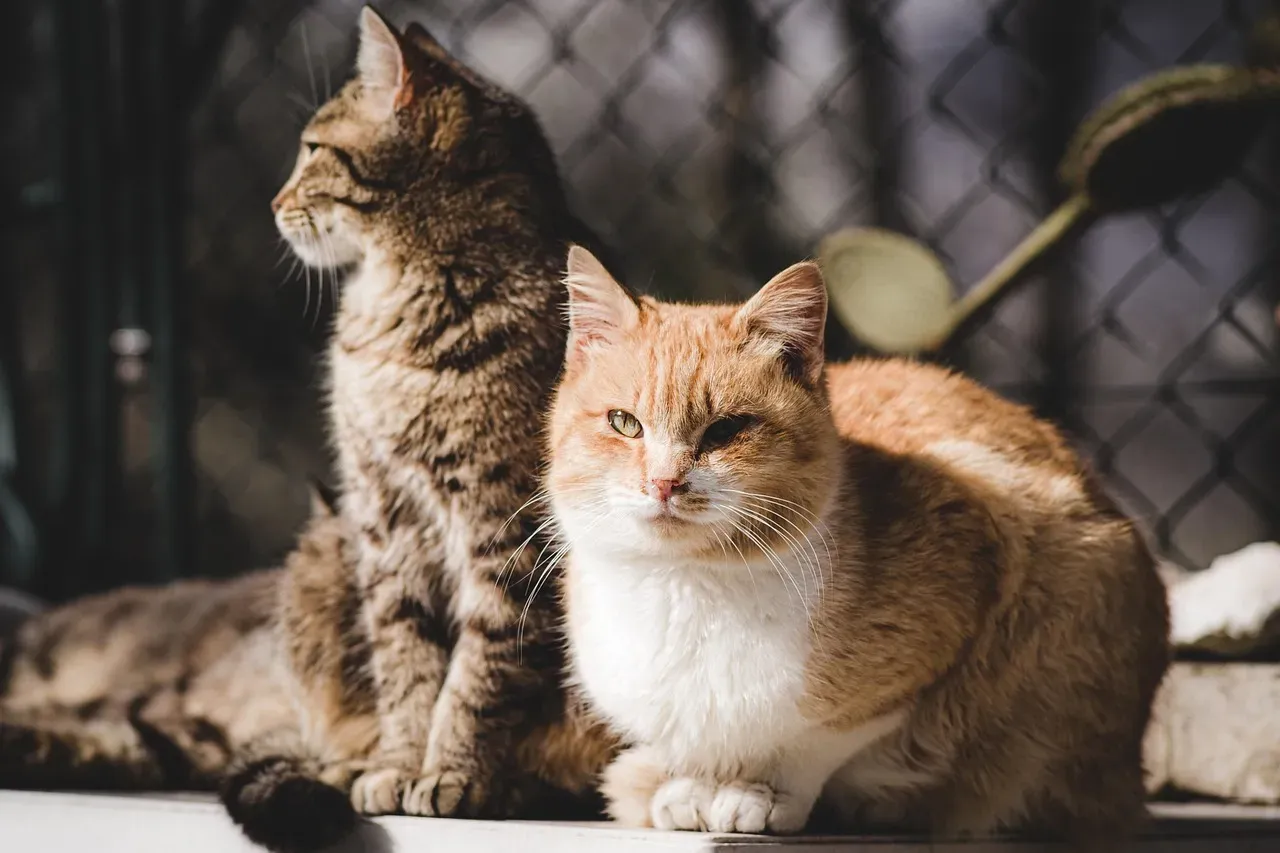
The study found that the strength of the bond between the animals, their time spent together, and daily interactions were key factors in grief-like behavior. This makes intuitive sense, the same way losing a close friend hits far harder than losing a distant acquaintance. If cats are bonded and part of the same social group, then the length of time they have lived together, as well as the amount of time they have spent engaging in friendly social activities such as resting close together, grooming each other, nose touching, or body rubbing have been reported by caregivers to influence the remaining cat’s behavior more strongly.
Cats have an interesting social system, and this will affect the way they feel about losing a cat they live with, so it is difficult to generalize about how your own cat may react. Some cats, usually those who are related, have very close bonds with each other, whereas some will just tolerate living with each other. Here’s the thing: not every cat pair is deeply bonded, and that matters enormously when it comes to understanding whether your cat will show signs of grief at all.
The Most Common Signs That Your Cat Is Grieving
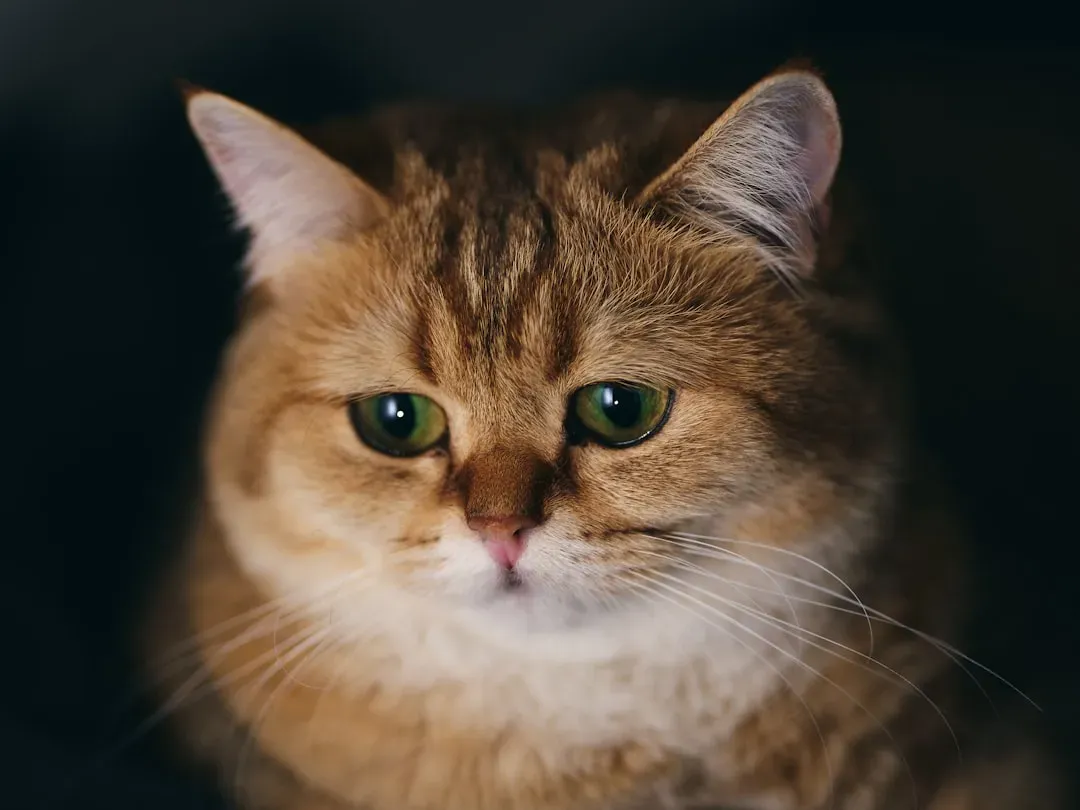
When a cat loses a companion, whether animal or human, she grieves and reacts to the changes in her life. Cats alter their behavior when they mourn, much like people do. They may become depressed and listless. They may have a decreased appetite and decline to play. They may sleep more than usual and move more slowly, sulking around. They may hide under the bed, choosing to be alone even more than usual for cats.
According to the Companion Animal Mourning Project conducted by the ASPCA, cats typically experience changes in vocalization, with about nearly three quarters of cats exhibiting changes in vocal patterns. Some meowed more while others were quieter than they were prior to their loss of a companion. Close to half of cats experienced a decreased appetite following a loss. The study found that nearly two thirds of cats experienced four or more behavioral changes after the loss of a family pet, and that normal behavior would typically resume within six months.
The Searching Behavior: When Cats Look for What Is Gone
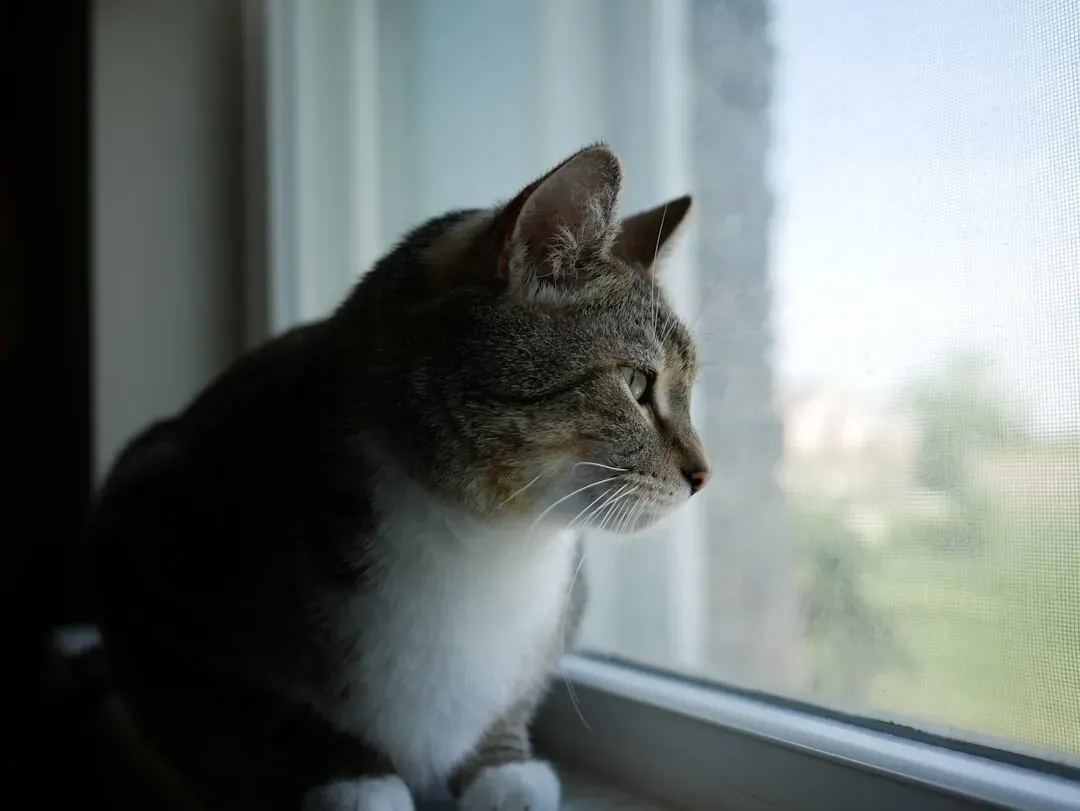
A cat may wander the home and surrounding areas for their lost companion. You may notice your cat investigating areas they have never shown interest in before, or your cat may constantly stare out the window, hoping the lost companion returns home. It is one of the most heartbreaking things to witness. A cat sniffing a favorite sleeping spot that now holds only memory.
In the first stage of feline grief, which is quite short, you will notice your cat is more vocal, pacing and searching the house. Your cat might be attempting to find the missing cat and may be seen looking out of windows or sniffing as they go from room to room. Some cats even search the house for their missing family member, lingering around the places where they used to play or sleep. It is quiet, dignified, and genuinely moving.
Changes in Personality and Unexpected Responses
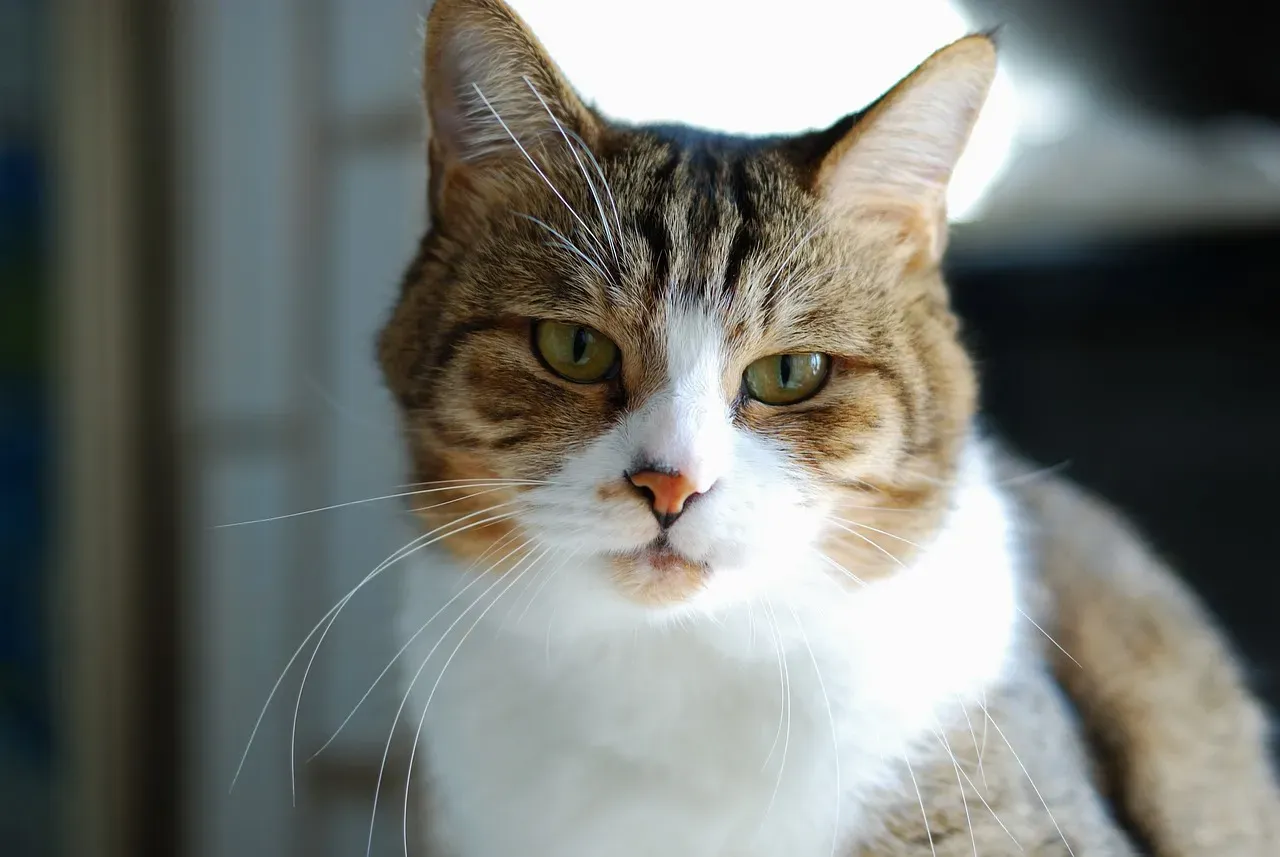
Some cats will become more friendly and attentive toward their owners. Others will appear to blossom after losing their companion and become more vocal and active. This is especially true for cats that live together but do not have a strong bond and are not part of the same social group. Grief, it turns out, does not always look like sadness. Sometimes it looks like relief, or even liberation.
If you lose a confident cat and the shy one is left behind, you may even see a slight change of personality in the surviving cat. If you have more than one surviving cat in the home, you may notice a change in relationship between these cats following the death of another. Others may stop eating and lose interest in their surroundings, simply sitting and staring, seeming to become depressed. A few cats undergo personality or behavioral changes when a companion is lost. Every cat writes its own grief story.
Can Cats Also Sense Your Grief and Mirror It?
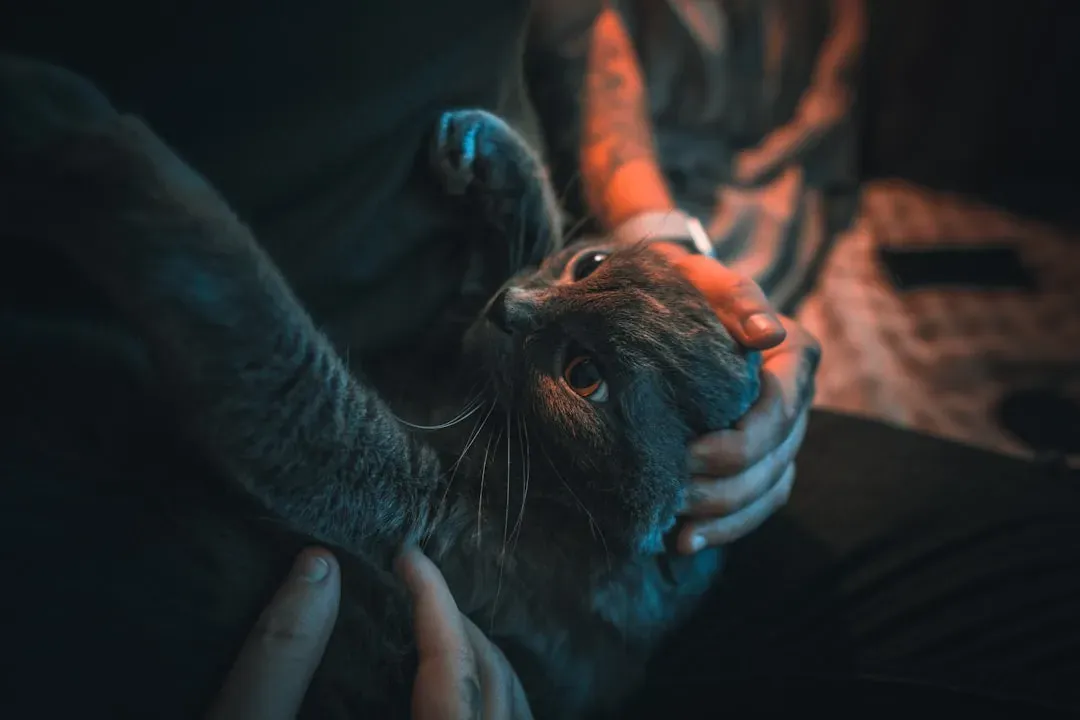
This is where things get philosophically interesting, and I’ll admit, a little complicated. Another possible explanation is that the cats’ behavior doesn’t change as a result of the loss of the other pet but as a result of the grief of the human caregiver. This would explain the correlation between the grieving behavior and the strength of the emotional involvement of the human caregiver. Given what we know about how attuned cats and dogs are to the emotions of their humans, this would be a plausible explanation.
Maybe they do not feel grief at the death of another animal directly. But if cats, instead, react to the grief of their caregivers, this would be in some ways an even more complex, and more human-like, emotional response. Cats may also react if they become aware that you are grieving. Your behavior changes when you are visibly upset, and your cat may pick up on this or experience confusion. Either way you look at it, your cat is paying close attention to you – more than you probably realize.
How Long Does Feline Grief Last?
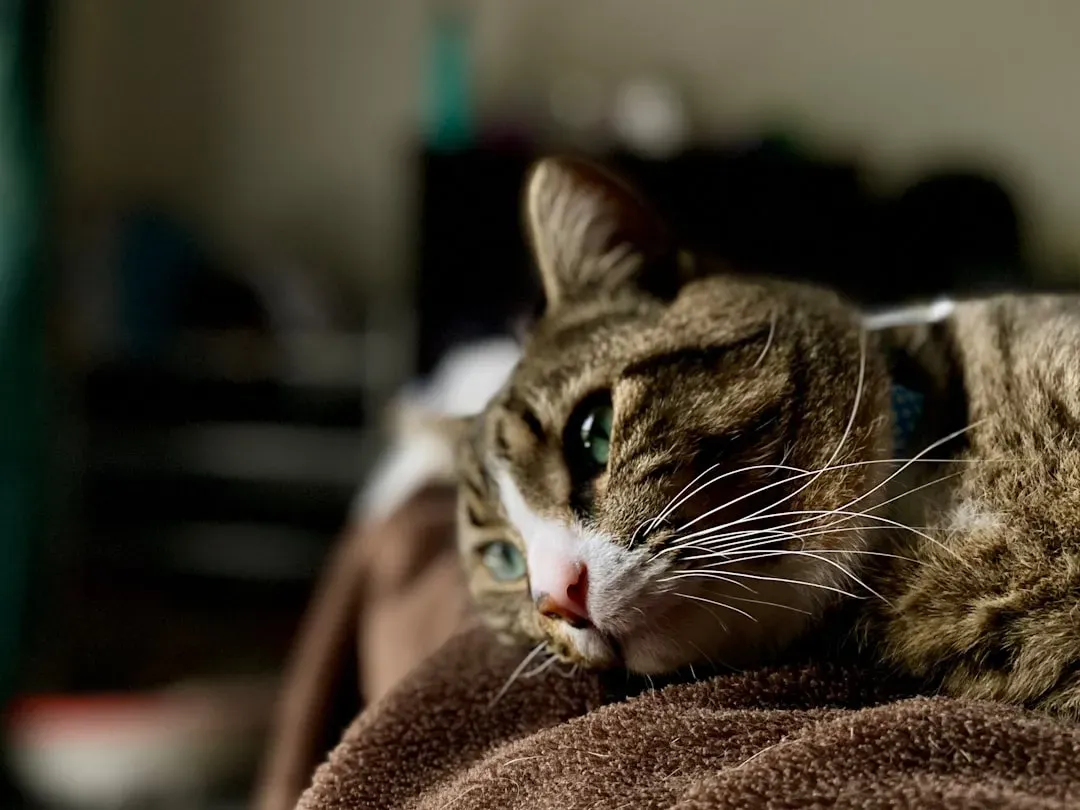
There is no set period for grieving in cats. Some cats will go through the process in a matter of days, others will skip the withdrawn, depressed phase, and a few may be unsettled for several weeks or months. Some cats will show no response at all. The variability here is real, and it mirrors human grief more than most people are comfortable admitting.
Let’s be real: you cannot put a timer on loss. Grieving is a personal process, and each cat will require different amounts of time and support to heal. A grieving cat may go off its food, and a cat that goes off its food for several days is in danger of a potentially fatal liver disease called hepatic lipidosis. So while emotional patience is important, physical health monitoring during this period is absolutely non-negotiable.
How You Can Help Your Cat Grieve With Grace
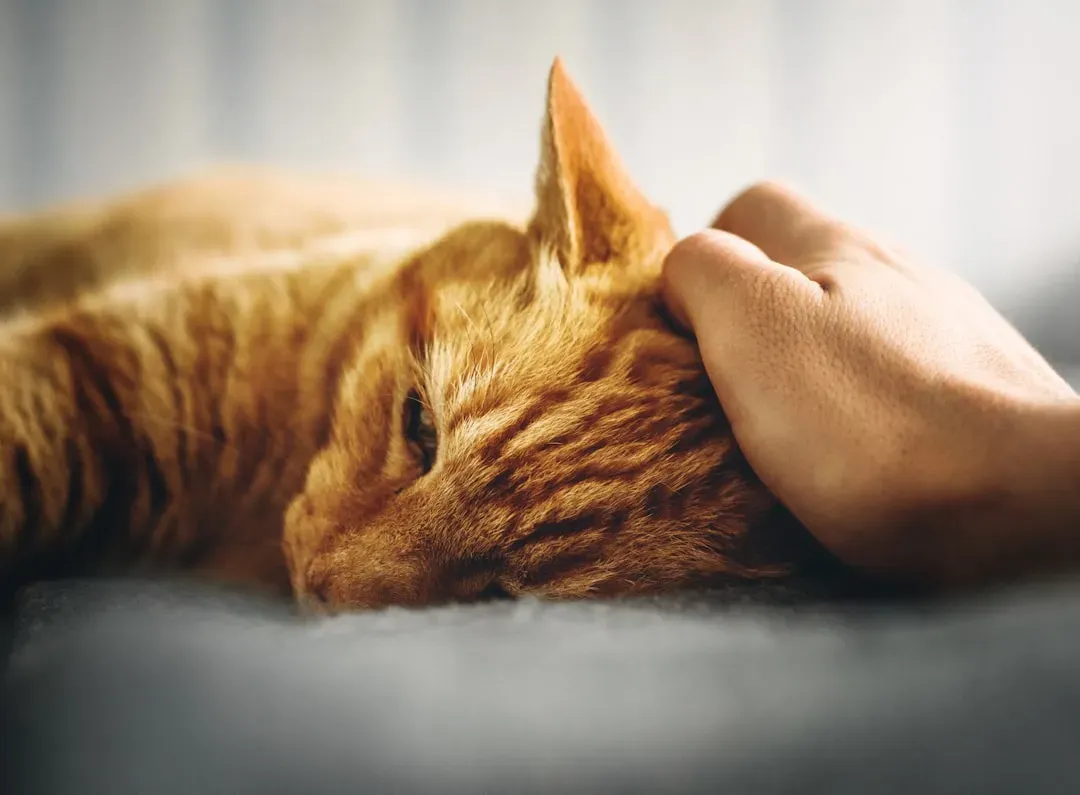
Minimizing change gives the cat time to come to terms with the loss of a companion. Keep the cat’s routine the same. Changes in feeding times or even simply moving furniture around can cause further stress. Routine is like an anchor for a grieving cat. It says, even if one thing is gone, the rest of the world still makes sense.
Try to maintain the general routines of the house as much as possible, since predictability is important at any time but especially now. If possible, don’t be too quick to remove the deceased cat’s favorite bedding, as the gradually fading scent will confirm that the individual is no longer around. Don’t attempt to replace a lost cat immediately. While your remaining cat may be missing a long-term companion, they are unlikely to welcome a stranger when they are still unsettled about the loss. A new cat at this time simply provides an extra source of stress.
Conclusion
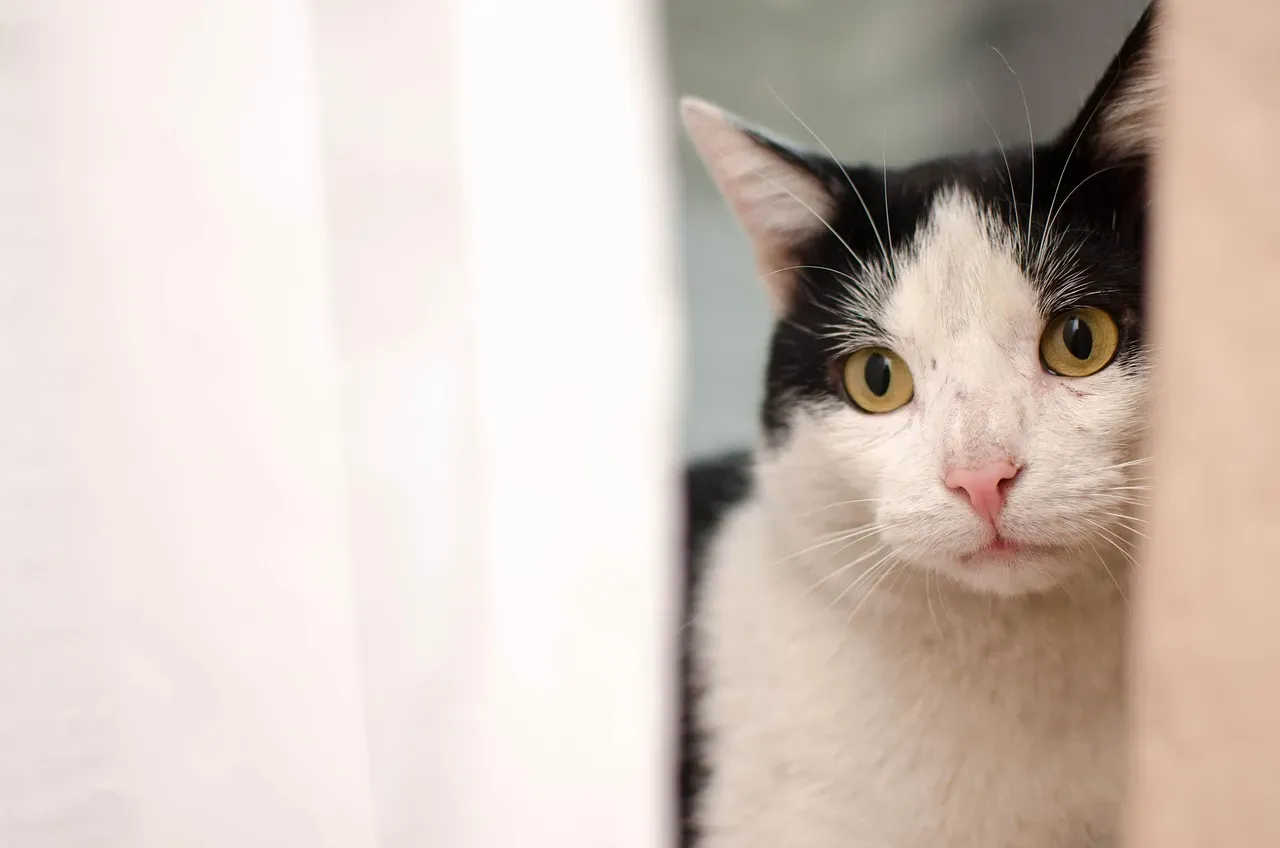
Cats grieve. Not loudly. Not dramatically. Not with tears streaming down their faces or dramatic howls into the night. They do it the way they do most things in life: on their own terms, with a quiet, self-contained dignity that can be easy to miss if you aren’t paying close attention. The science is still young, the questions are still many, but what is undeniable is that something changes in a cat when a beloved companion disappears from their world.
If your cat is sitting in that familiar spot, staring at nothing, give them a little more grace. They may be carrying something surprisingly heavy for such a small creature. And honestly, maybe what they need most is exactly what you need too: time, presence, and the gentle comfort of not being alone in the loss. The next time someone tells you cats don’t feel anything deeply, you’ll know exactly what to say. What do you think? Have you ever witnessed your cat grieve? Share your story in the comments below.
Kristina is a young writer from India. An arts graduate and an avid content creator, Kristina is passionate about animals and wildlife. She enjoys exploring topics related to pet care, animal behavior, conservation, and nature, combining thorough research with engaging storytelling.