Cats have a reputation. They knock things off countertops, stare into walls like tiny haunted philosophers, and treat your lap as optional seating only when they feel like it. Most people laugh it off as weird cat behavior. But here’s the thing – a growing body of research suggests those bizarre habits aren’t random at all.
What looks like mischief is often something far more fascinating. Your cat might be solving problems, reading your emotions, testing boundaries, or exercising a memory that puts you to shame. Let’s dive into the telling you something brilliant about your feline companion.
1. Knocking Things Off Tables on Purpose
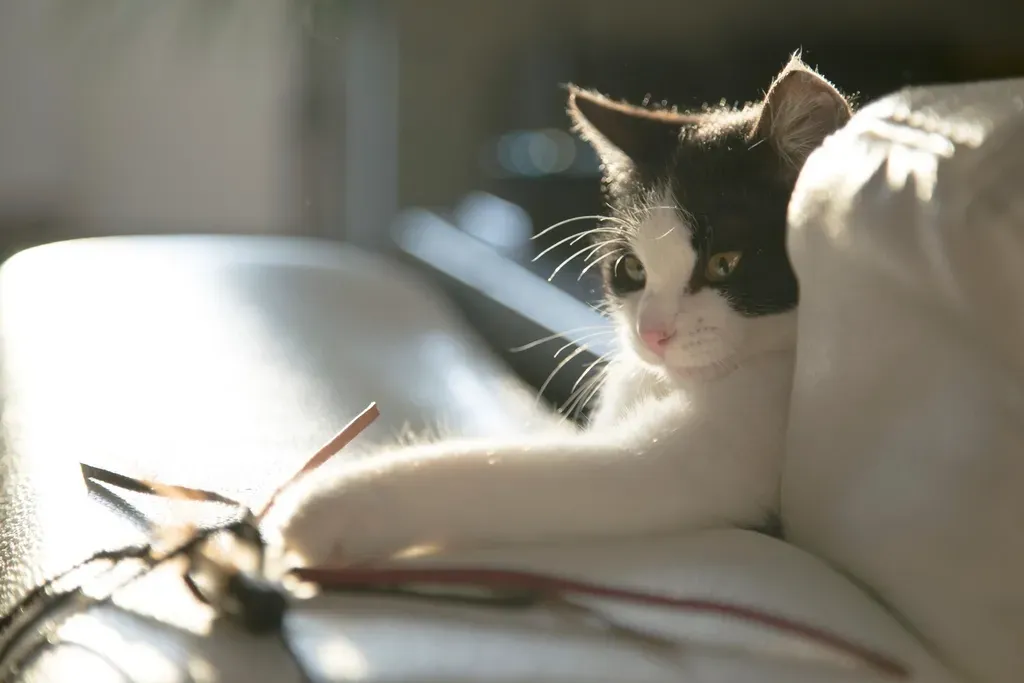
You’ve seen it a hundred times. Your cat makes deliberate, unhurried eye contact with you, raises a paw, and sends your glass sliding off the counter. It feels personal. Honestly, in a way, it is.
It’s easy to dismiss cat antics as mere mischief, but many of these everyday behaviors reveal real intelligence at work. Cats that manipulate environments and communicate clearly are using the same mental skills researchers study in labs: memory, problem-solving, and social cognition. Pushing objects off surfaces is your cat testing physics, cause and effect, and your reaction simultaneously. That’s three cognitive exercises in one swat.
When your cat uses attention-getting behaviors to prompt a reaction from you at a specific time, it actually indicates that your cat understands the concepts of time and cause and effect. So the next time that coffee mug goes flying, remember – you’re not living with a chaos agent. You’re living with a tiny scientist.
2. Staring at You Without Blinking

Few things are as unsettling as a cat who just… stares. Unblinking. Unmoving. Judging. You start to wonder what they know. And the answer might surprise you.
There are a few explanations for a cat’s steady stare, but the main reason is fascination. In other circumstances, they’re looking to you for answers. A study by Animal Cognition revealed that cats look to their owner in the presence of possible danger to know how to react – just as children gauge the severity of a situation by their parents’ reaction. Your cat is literally reading your face for social cues.
Intelligent cats often understand social cues, responding appropriately to your emotions or the actions of other pets. Their ability to communicate through various sounds and physical cues highlights their social intelligence. That intense gaze isn’t creepy. It’s your cat doing emotional homework.
3. Vocalizing Differently for Different Needs

Your cat doesn’t just meow. It chirps, trills, yowls, chatters, and produces a whole orchestra of sounds that somehow always feels directed specifically at you. And you’ve probably noticed that different sounds mean different things. You’re not imagining it.
Meowing is a cat’s way of communicating with humans. Saying hello, seeking attention, or begging for food can all be behind a chatty kitty. Essentially, cats have learned that meowing prompts their family members to give them something they want. That’s learned behavior. That’s communication with a goal. That’s clever.
A study suggests that cats can even distinguish between people’s voices, and that human vocalizations elicit measurable changes in their behavior. Your cat has essentially built a personalized language system just for you. Let that sink in for a moment.
4. Hiding in Tiny Boxes and Tight Spaces
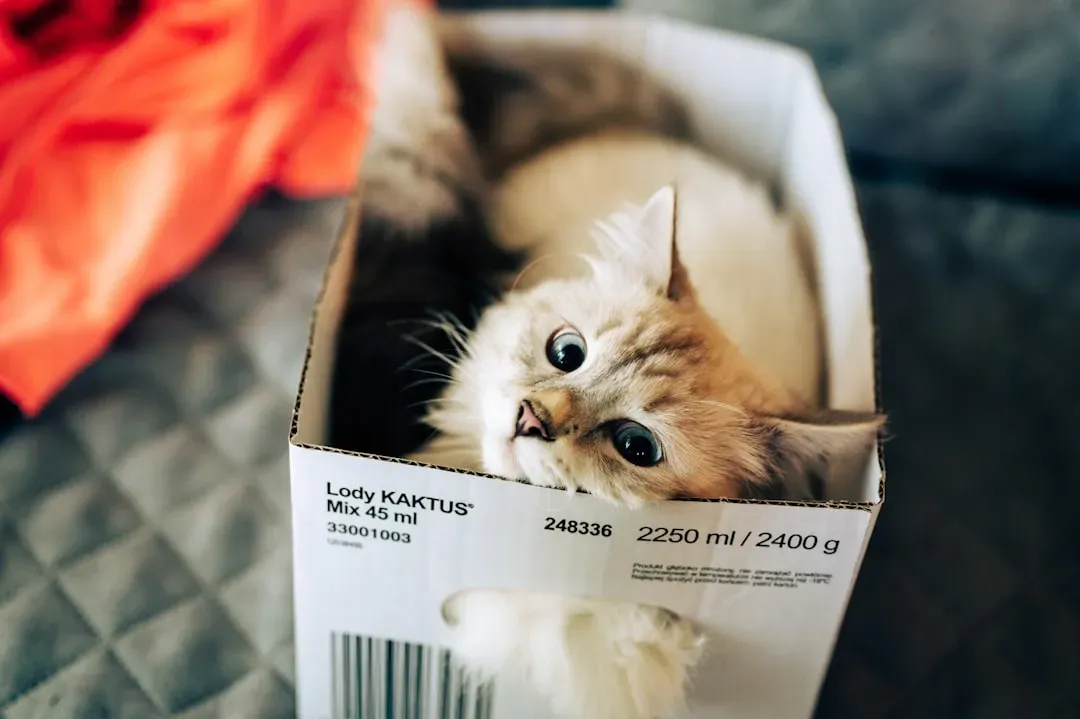
You spent real money on a luxurious cat bed. You picked the color, the cushion depth, everything. Your cat took one look at it and chose a shoebox. This feels like a personal insult. It isn’t.
Cats are instinctively drawn to enclosed spaces, which provide security and warmth. Think of it like this – a cat choosing a tight space is the same as a chess player choosing a strategically defensible corner. They’re not being awkward; they’re being tactically smart.
A truly intelligent feline adjusts their behavior in new environments. If your cat quickly learns to navigate a new home or adapts to changes in routine, it shows impressive cognitive flexibility. The box isn’t just comfort. It’s a chosen vantage point, a controlled environment, and proof that your cat understands spatial strategy better than most humans realize.
5. Following You Into Every Room
You go to the bathroom. The cat follows. You move to the kitchen. The cat appears. You wonder, half-jokingly, if you’re being monitored. You kind of are.
Your feline following you to the restroom starts at their ancestral roots. Your home is your cat’s territory, and you are a part of their circle. If they are acting nosy, it is because they want to know what’s going on in their space. This is territorial awareness combined with social intelligence, which is a genuinely sophisticated combination.
If your cat waits by the door just before their favorite human comes home or materializes in the kitchen the second the fridge opens, that’s not magic. Studies suggest cats use temporal learning, recognizing patterns in time and associating them with predictable outcomes. Your cat has essentially memorized your daily routine. That’s not clinginess. That’s pattern recognition.
6. The Midnight Zoomies
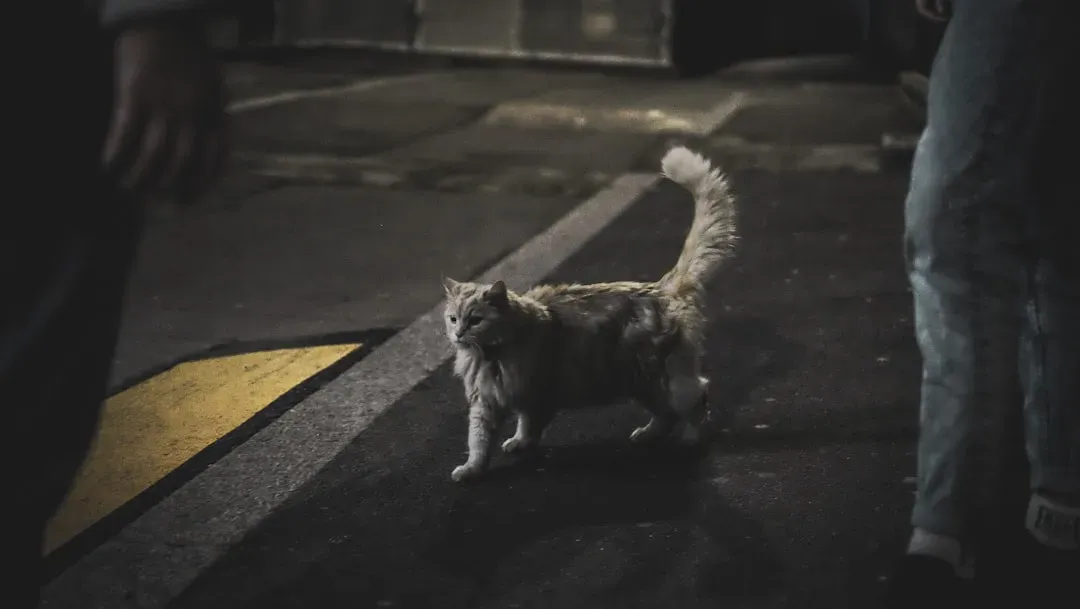
It’s 2 AM. Everything is quiet. Then suddenly, a sound like a herd of horses stampedes through your hallway. Your cat has entered full zoomie mode and no one asked for permission.
Most house cats have a lot of energy they pent up and need to release during the day. They are also nocturnal by nature, so their instinct to hunt at night could keep you up. This is ancient predatory intelligence still living in your domesticated companion. Think of it as a wolf in a tiny, ridiculous body.
Highly intelligent cats often crave extra stimulation, and when they don’t get it, they invent their own entertainment. Behaviorists emphasize that these aren’t acts of defiance but signs of boredom or unmet cognitive needs. So those 3 AM sprints? Your cat is essentially telling you their brain needs more to do. It’s a cognitive complaint wrapped in chaos.
7. Bringing You Dead Animals as Gifts
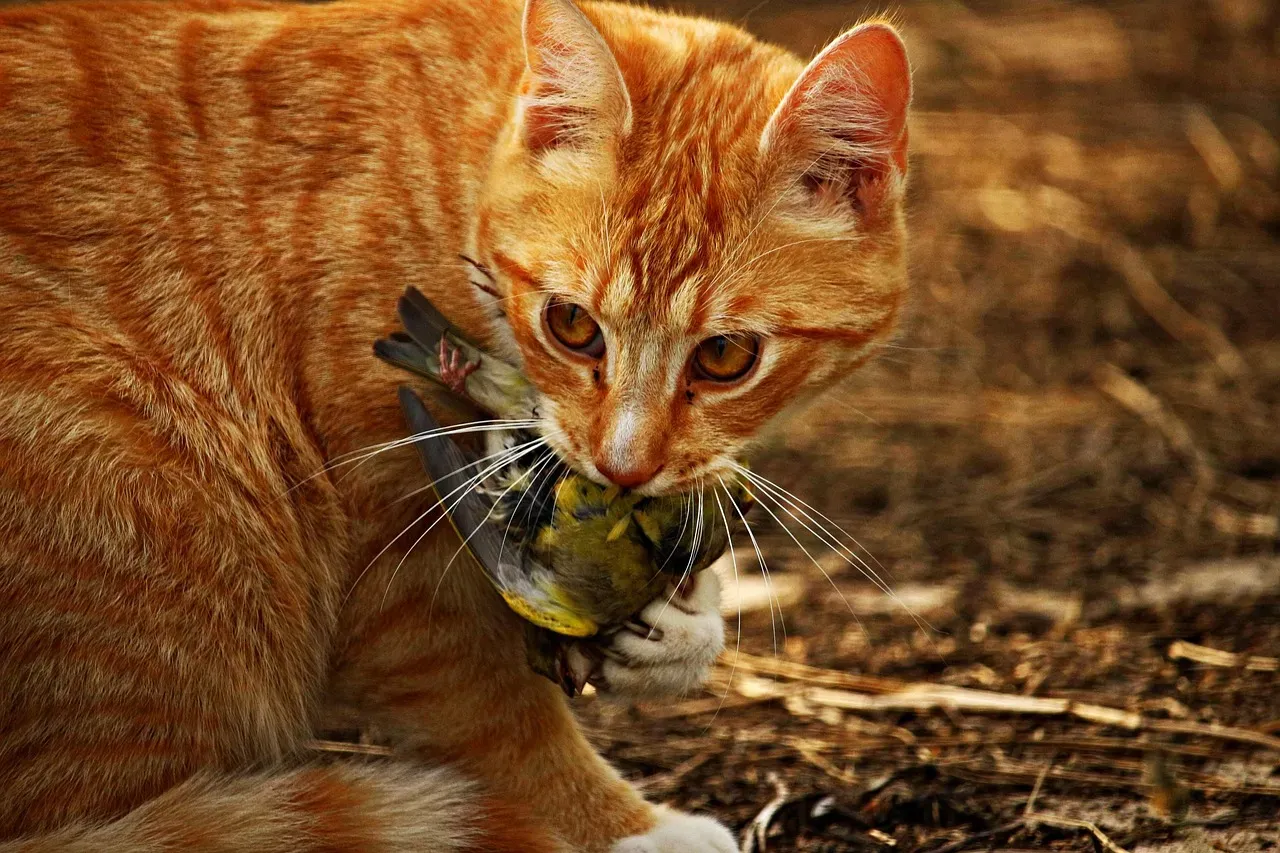
Nothing says “good morning” like a dead mouse on the welcome mat. Or a half-alive bird. Or, if you’re particularly fortunate, a leaf they apparently decided was threatening enough to defeat. Your reaction is probably horror. Your cat’s intent is something else entirely.
Behaviorists have a few theories on why cats persist in leaving you their kills. Even though this habit may be perceived as unpleasant, your cat is acknowledging you as a member of their group, sharing their hunting success with you. They could be thanking you for taking care of them. That’s emotional intelligence. That’s gift-giving as a social bonding mechanism.
Think of it like a toddler presenting you with a finger painting they made just for you. The art itself might be questionable, but the intention reveals a complex understanding of social relationships and reciprocity. Research indicates that cats can understand human emotions and perceived dangers, further demonstrating their social awareness. Your cat understands family. They’re just expressing it differently.
8. Kneading You Like Bread Dough
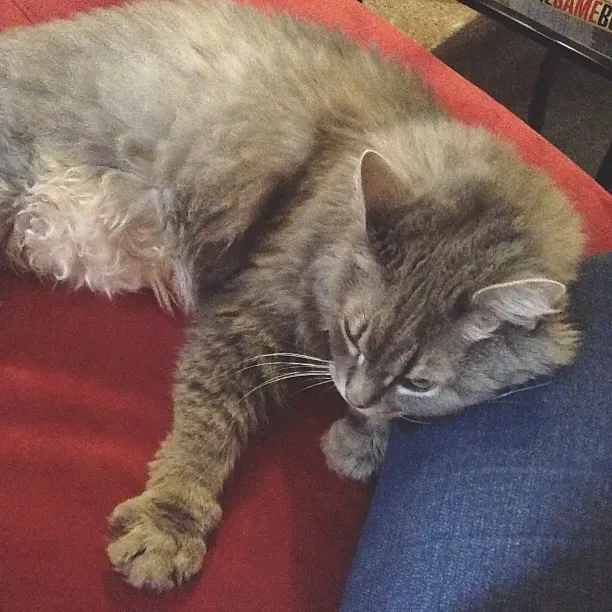
Your cat settles onto your lap, begins rhythmically pressing their paws into you, and looks utterly blissed out. It’s adorable. It’s also a behavior rooted in some surprisingly deep cognitive and emotional wiring.
Kneading, often called “making biscuits,” is when a cat rhythmically presses its paws into a soft surface. This behavior originates from kittenhood when they knead their mother’s milk ducts to stimulate milk flow. Many cats continue this habit into adulthood to self-soothe and express comfort. Kneading also serves another purpose – cats have scent glands in their paw pads, so by kneading, they mark their territory and reinforce their claim on a particular space or person.
In other words, your cat is simultaneously self-regulating their emotions and marking you as theirs using scent-based communication. That’s emotional regulation and territorial intelligence happening at the same time. Honestly, it’s impressive. A little damp, but impressive.
9. Opening Doors and Cabinets
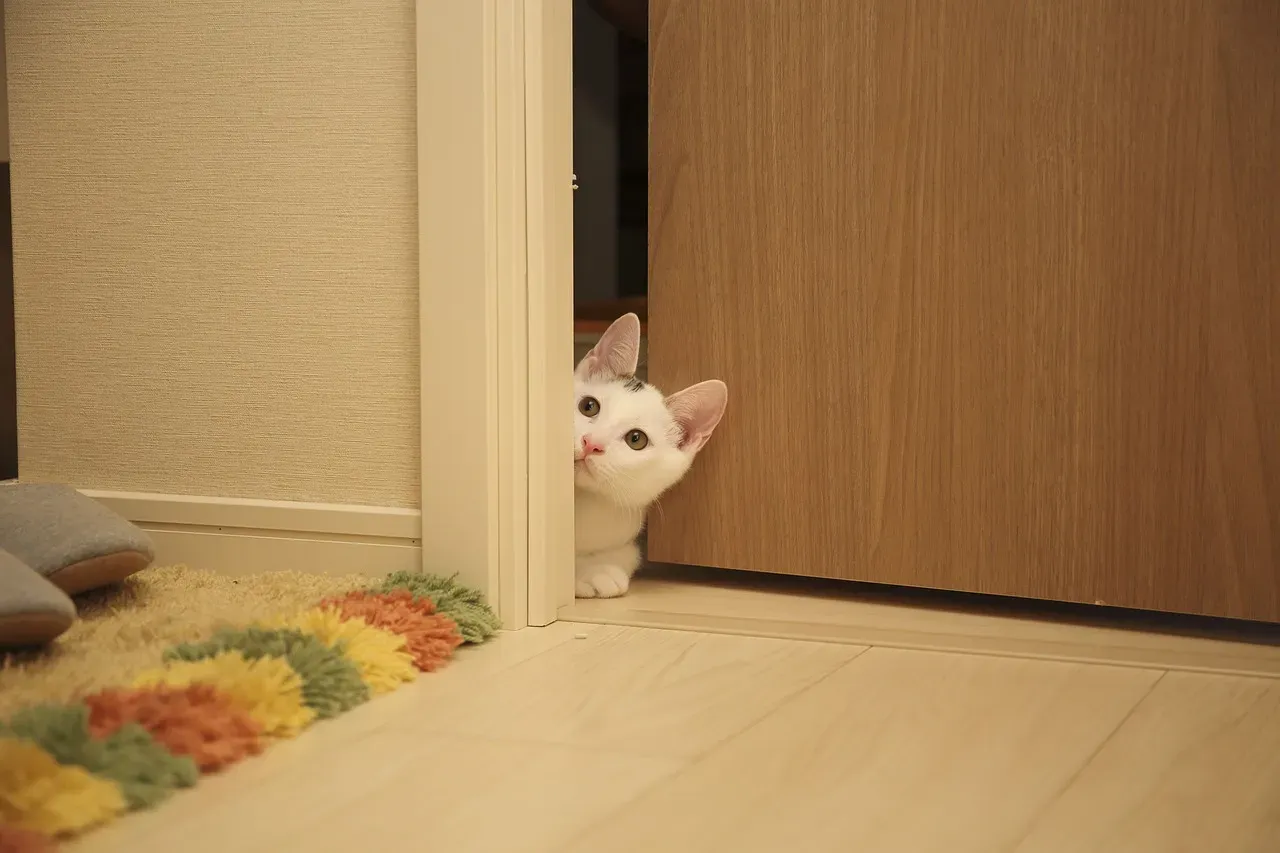
One day you come home to discover a cabinet door hanging open and your cat sitting next to a shredded treat bag with the energy of someone who has absolutely no regrets. This is not chaos. This is engineering.
Cats learn by observation, imitation, trial and error just as humans do. Stories abound of cats turning doorknobs to open doors, ringing doorbells, opening cupboards, turning off lights, and even using the toilet solely by observing the owner performing these activities. Your cat watched you. Remembered it. Then applied it. That is a three-step cognitive process that many children take years to master.
Research shows these procedural memories can last ten years or more. Thorndike’s experiments demonstrated that cats could learn to manipulate levers and latches through trial-and-error, revealing their capacity for associative learning. So your cat breaking into the treat cabinet isn’t destruction of property. It’s a doctoral thesis in applied problem-solving.
10. Drinking From the Faucet Instead of Their Bowl
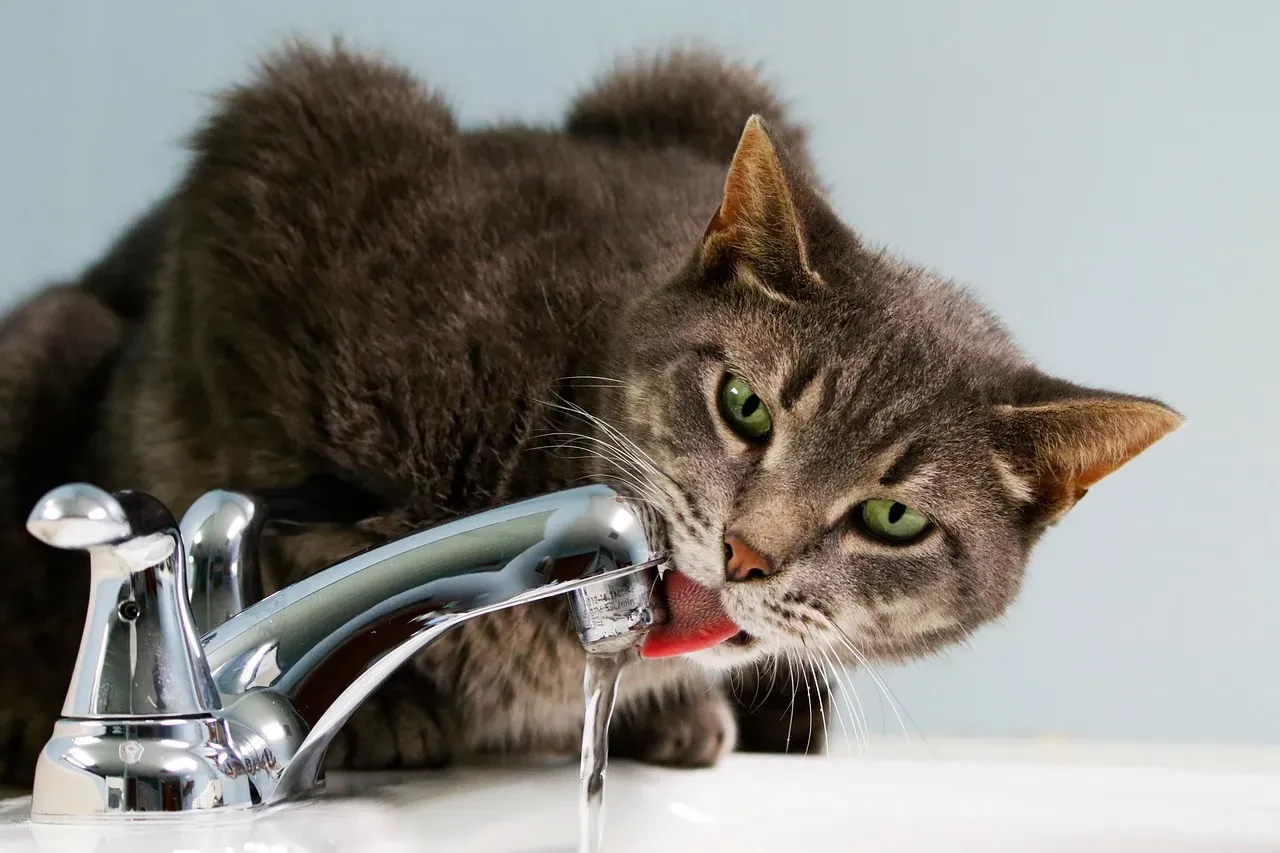
You set out a fresh, clean water bowl. Your cat stares at it with contempt, then waits patiently until you turn on the tap and drinks from the running stream instead. Picky? Maybe. Smart? Absolutely.
This behavior may actually originate from feline wild ancestors. Out in the wild, it’s safer to drink from running water sources such as a river than a stagnant water source that could be home to bacteria and other contaminants. Your cat is just playing it safe. That’s an inherited risk-assessment behavior that has survived thousands of years of domestication. Not too shabby for a creature who also fears cucumbers.
Cats display neuroplasticity, allowing their brains to reorganize based on experiences. They have well-developed memory, retaining information for a decade or longer. These memories are often intertwined with emotions, allowing cats to recall both positive and negative experiences associated with specific places. Your cat’s preference for the tap is essentially a safety protocol backed by ancient memory. A protocol, may I add, that actually makes scientific sense.
11. Responding to Their Own Name
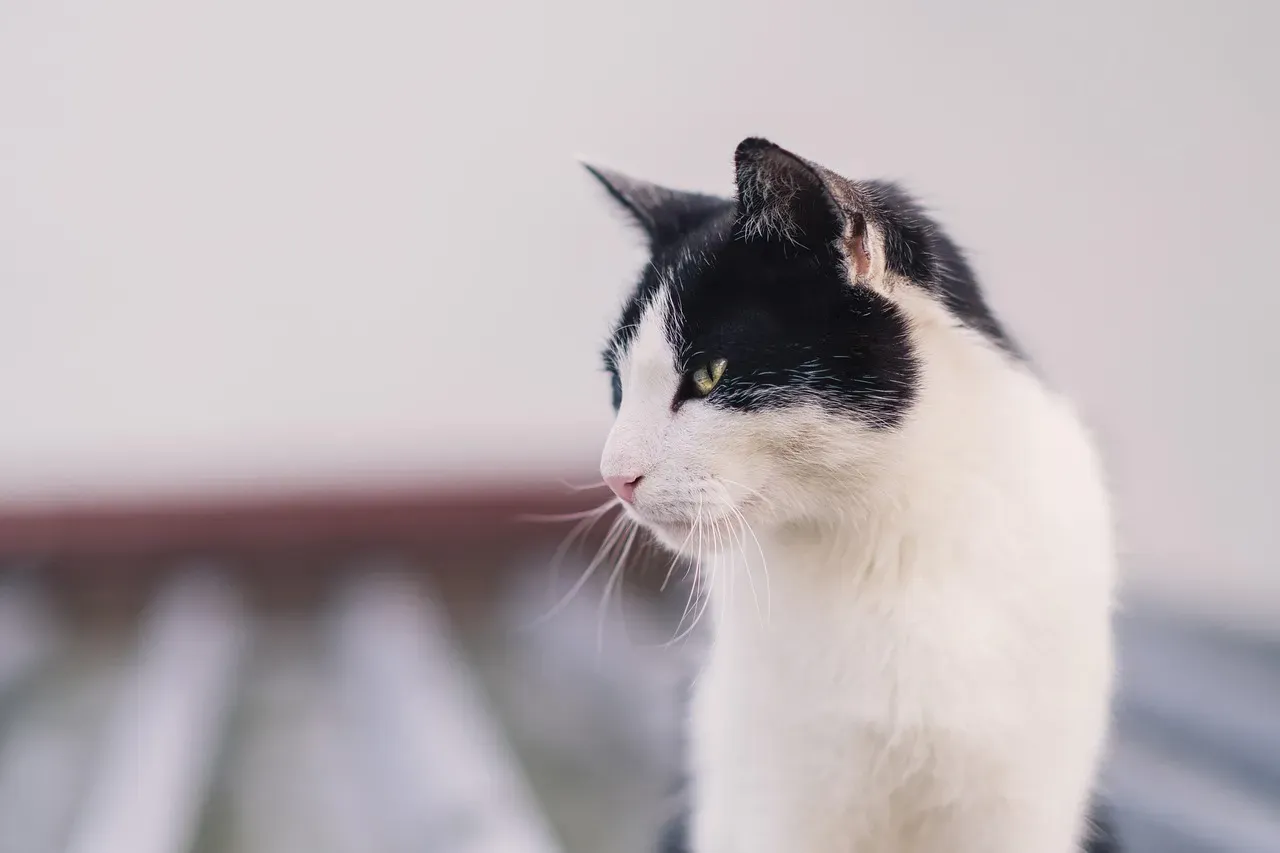
You call your dog and they sprint to you like you’re the greatest thing on Earth. You call your cat and… nothing. Or a single ear twitch. You probably assume they didn’t hear you. Here’s the wild part: they did.
Cats can recognize their own names and their owners’ voices, responding with subtle behaviors like head and ear movements. That’s not indifference. That’s your cat making an active, conscious decision about whether to engage. There’s a huge difference between not understanding something and simply choosing not to respond to it.
Unlike dogs, whose cleverness is often assessed by their compliance and trainability, cats showcase their intelligence through independent actions and unique problem-solving skills. Think of it this way: if a coworker ignores an email they clearly read, you wouldn’t say they’re unintelligent. You’d say they have priorities. Your cat has priorities too.
12. Watching You Closely When You’re Upset
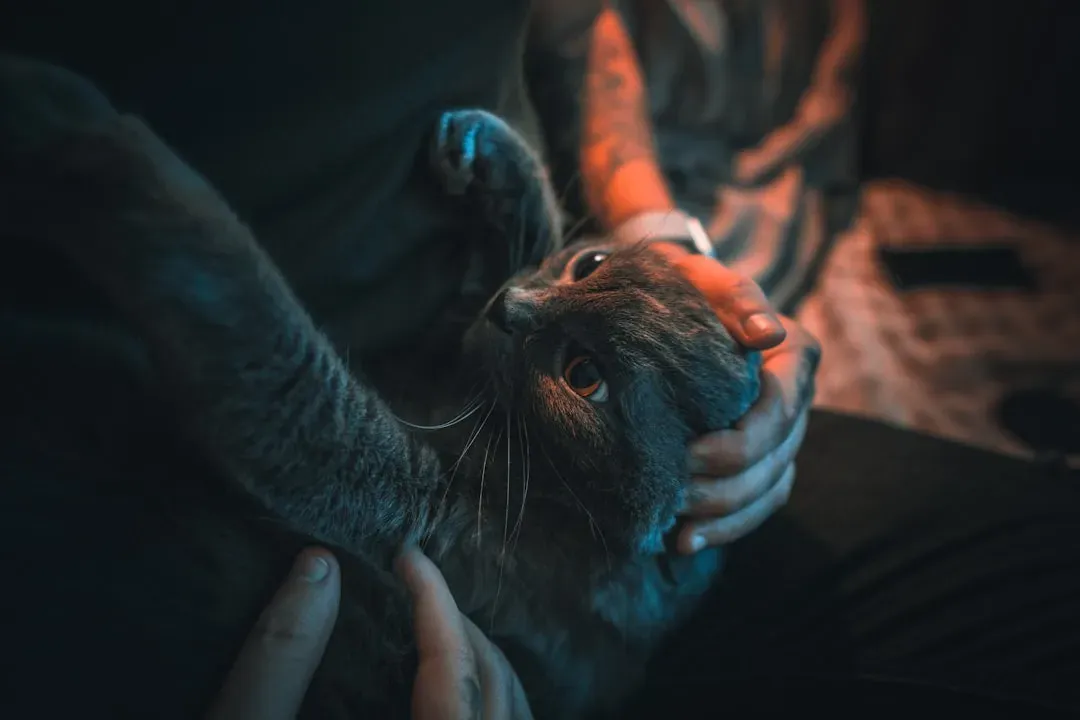
You’ve had a rough day. You slump onto the couch, and within minutes, your cat materializes beside you, quietly sitting closer than usual. It doesn’t seem random. That’s because it isn’t.
Cats are susceptible to their owner’s emotions, often mirroring their feelings, which means a stressed or grieving human can unintentionally contribute to their cat’s sadness. Your emotional state genuinely registers with your cat. They’re not just sensing something vague and fuzzy – they’re processing your emotional signals with real cognitive awareness.
Signs of cat intelligence include being very responsive to your emotions, gestures, or pointing cues. Cat intelligence refers to a cat’s ability to solve problems, adapt to its environment, learn new behaviors, and communicate its needs. When your cat sits with you in a quiet, knowing way during difficult moments, that’s not coincidence. That’s emotional intelligence in action, and it’s one of the most genuinely moving things these remarkable animals can do.
Conclusion
Let’s be real – cats have been wildly underestimated for a long time. They get labeled as aloof, indifferent, or just plain weird, when in reality, almost every quirky thing they do is connected to something cognitively complex. From their crafty cabinet break-ins to their emotionally aware nighttime cuddles, your cat is constantly processing the world in ways that continue to surprise researchers.
Cats clearly have a superior ability to learn new information, mesh it with existing information, recall it, and use that information in other situations. This cognitive ability makes them card-carrying members of the highly intelligent class. The next time your cat does something that makes you laugh, roll your eyes, or reach for your phone to film it, take a moment to consider what’s actually happening behind those curious eyes.
You might not be living with a weird little gremlin after all. You might be living with a genius. So – which of these habits does your cat pull off on a daily basis? Tell us in the comments!
Kristina is a young writer from India. An arts graduate and an avid content creator, Kristina is passionate about animals and wildlife. She enjoys exploring topics related to pet care, animal behavior, conservation, and nature, combining thorough research with engaging storytelling.