If you’ve ever watched your usually calm, nap-obsessed cat transform into a hissing, clawing whirlwind the moment you pull out a carrier, you already know the feeling. Vet visits and cats have a complicated relationship, to put it mildly. It’s one of those situations where you’re trying to do everything right for your furry companion, yet somehow it feels like you’re the villain in their personal drama.
The good news? It genuinely does not have to be this chaotic. With a little understanding of why cats react the way they do, plus a handful of smart, practical strategies, you can completely transform how your cat experiences vet visits. Be surprised by how simple some of these fixes really are. Let’s dive in.
1. Turn the Carrier Into a Safe, Everyday Hangout Spot
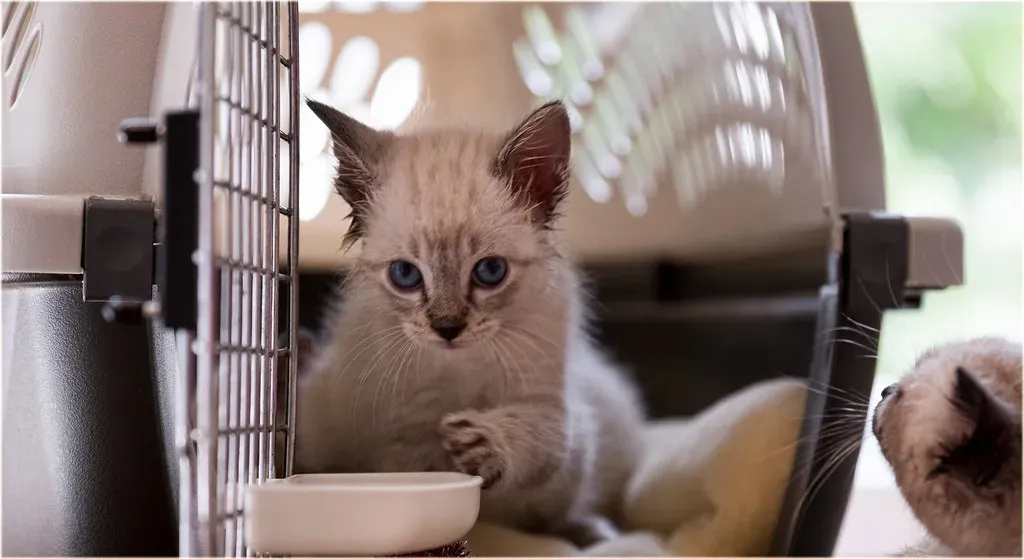
Here’s the thing most cat owners get completely wrong from the start. The only time most cats are put into their carrier is when they go to the veterinarian, so it’s no wonder they get freaked out as soon as their carrier comes out of the closet. Think about it from your cat’s perspective. That box only ever appears right before something terrifying happens. Of course they bolt under the bed.
The fix is surprisingly easy. Leave the carrier out in your home as much as possible, and make the inside comfortable and inviting by adding a favorite blanket or pillow, toys, and even treats to help your cat associate the carrier with things they like. If their scent is already on some of the items, it can help coax them inside. Basically, you’re turning a scary box into just another cozy piece of furniture your cat happens to love. It takes time, but it works.
2. Use Scent to Your Advantage Inside the Carrier
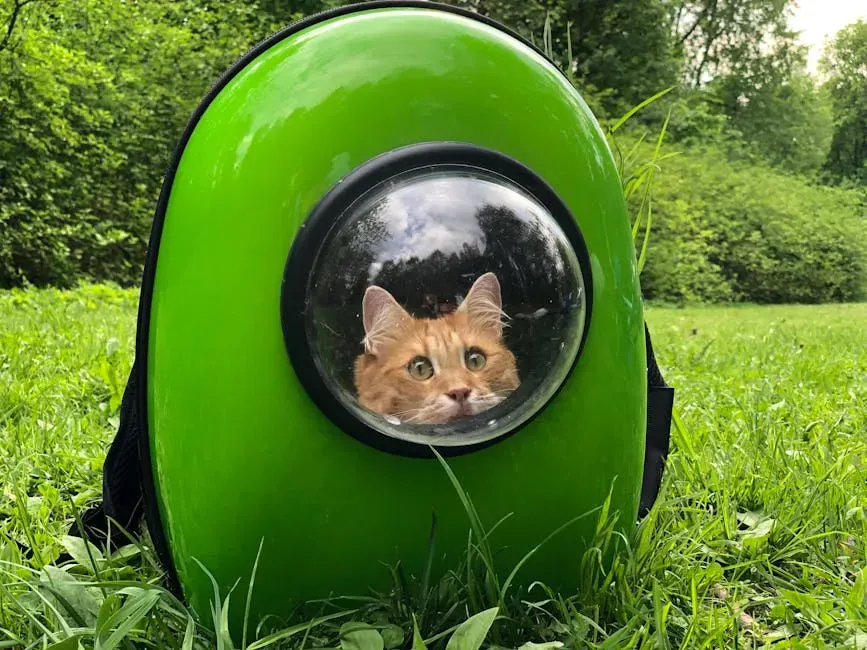
Cats are incredibly scent-driven creatures, far more than most people realize. Scent is huge for cats. Something that smells like them is calming and comforting. Grab a towel or small blanket your cat has laid on and put it in the carrier. This one small action can make a world of difference, especially during those first few anxious minutes after you close the carrier door.
You can take it even further with pheromone sprays. Pheromone diffusers like Feliway mimic the natural “happy” signals cats produce. They’re great for general stress reduction and event-specific situations like travel. You could try a pheromone spray inside the cat carrier about 30 minutes before using it. It’s honestly one of the most underrated tools in a cat owner’s toolkit, and most people have no idea it even exists.
3. Practice Short Car Rides Long Before Appointment Day
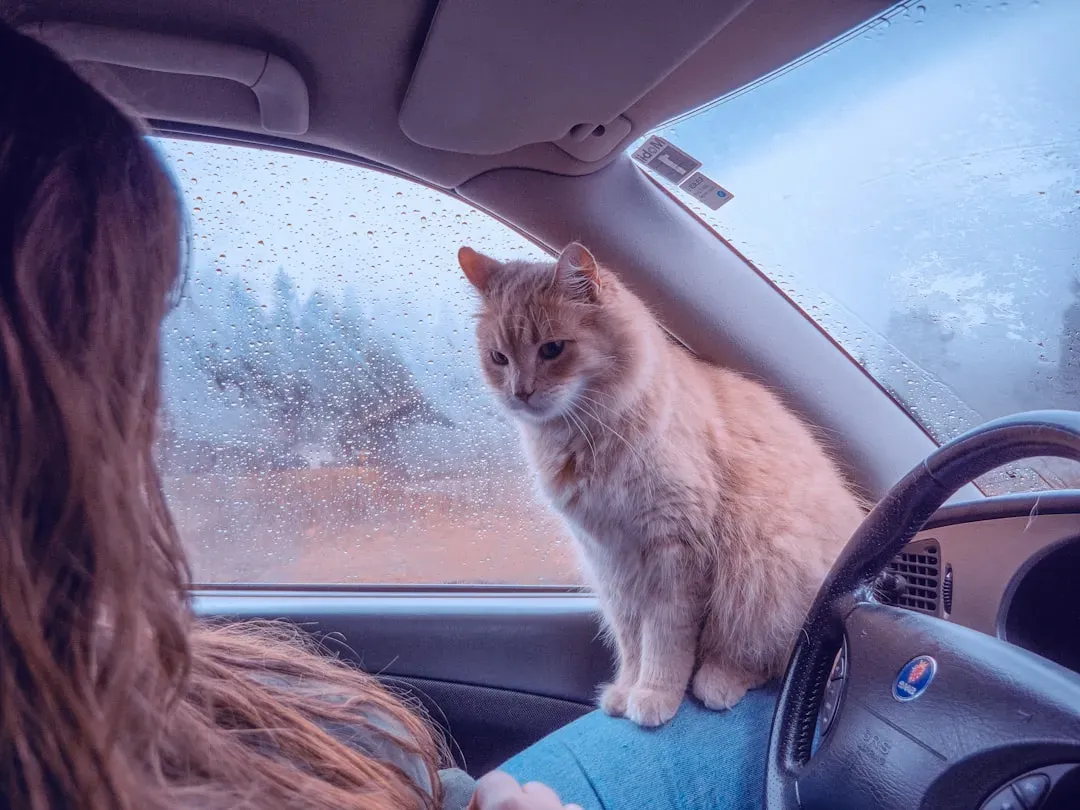
Unlike dogs, who often associate car trips with fun destinations such as the park or trail, few cats go in the car for a pleasant adventure. That’s the root of a huge chunk of vet-visit dread. Your cat has essentially learned that “car equals trauma,” and every single ride reinforces that memory deeper and deeper.
You can actually retrain that association with some patience. If your cat is particularly anxious, start car training a week or two ahead of the appointment. Begin by sitting with your cat in a parked car, then progress to short drives around the block. Reward them with treats and calm praise after each successful outing. If desensitizing your cat to the car works, make sure to take your cat on rides every once in a while to keep them from becoming distressed again. Consistency is everything here.
4. Keep Your Own Calm Because Your Cat Is Watching You
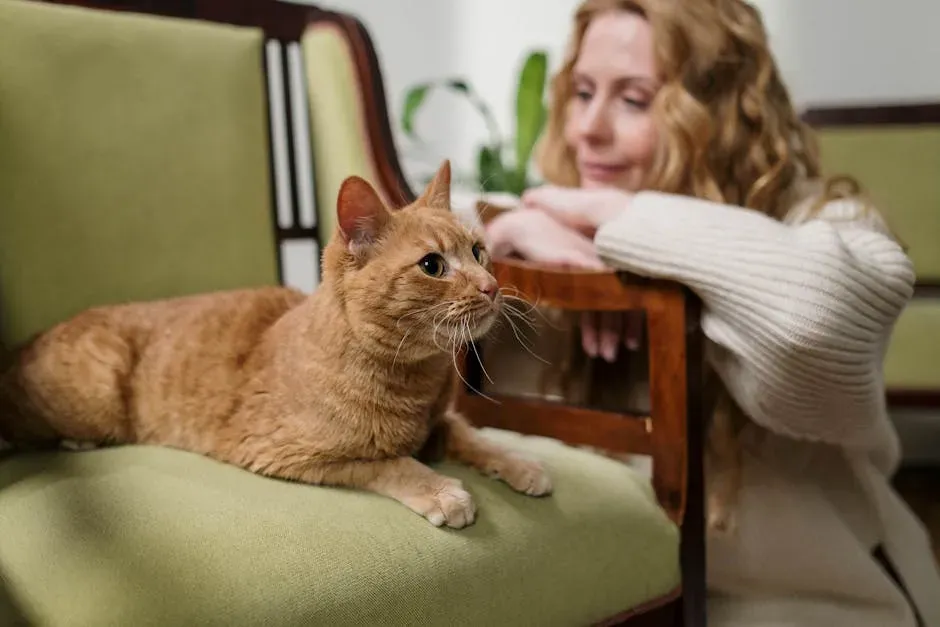
This one might sting a little, but it’s worth hearing. Knowing your cat is stressed because you’re trying to help them can leave you feeling stressed and anxious too. Your cat will notice your anxiety and start to feel even more anxious as a result. It’s essentially a stress feedback loop, and you’re both feeding into it without even realizing it.
One of the most effective ways to decrease your cat’s anxiety is to remain calm and relaxed during the visit. Speak to your cat in a calm and soothing voice. Be sure to arrive early so you aren’t rushed and stressed yourself. Remember, your own stress levels will affect your cat’s. Give yourself time to breathe and focus on staying calm. I know it sounds easier said than done, but even faking calmness helps. Cats read body language with shocking precision.
5. Be Smart About Timing and the Waiting Room
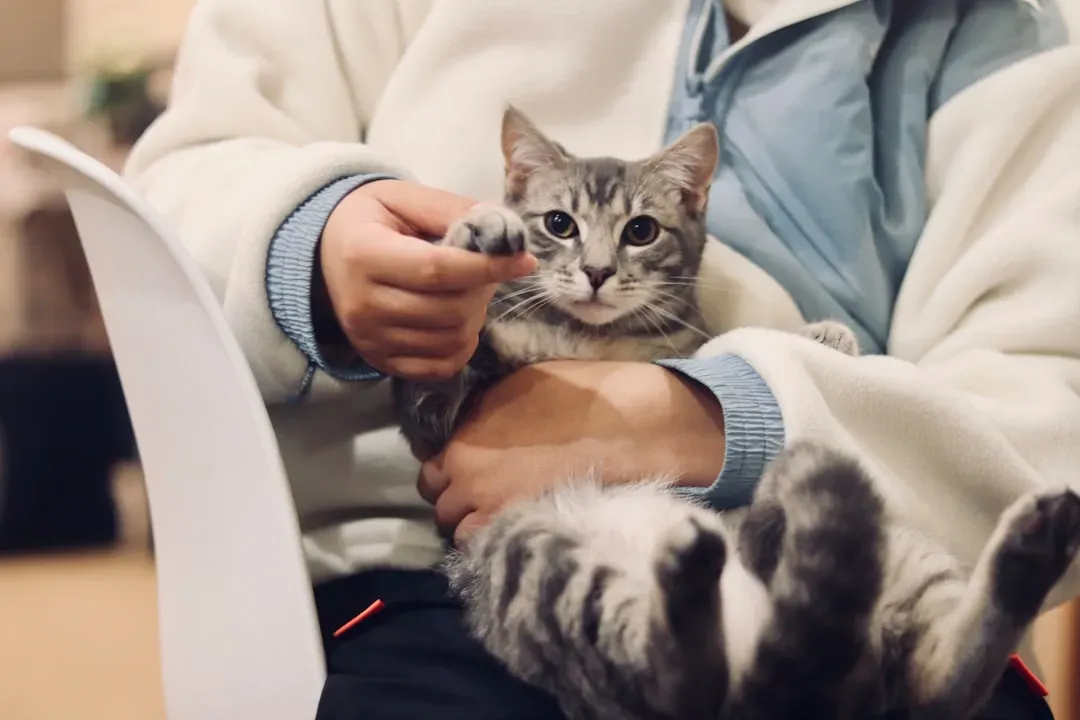
Not all vet visits are created equal. When scheduling your cat’s appointment, ask when their slow times are and try scheduling appointments when the vet clinic is less busy. This can help reduce the stress your cat experiences before they even get into the exam room. An early morning slot on a Tuesday is a very different experience from a busy Saturday afternoon packed with barking dogs and crying kittens.
Once you arrive, think carefully about where you wait. Once you arrive and check in at the front desk, ask if it’s okay for you and your cat to wait in the car until their appointment. Avoiding the waiting area minimizes interactions with other animals and strangers, eliminating one of the biggest potential stressors. Keep the carrier off the floor to make your cat feel more secure and prevent curious dogs from peeking in and frightening your cat. These small logistical moves genuinely add up.
6. Choose a Cat-Friendly Clinic and the Right Carrier
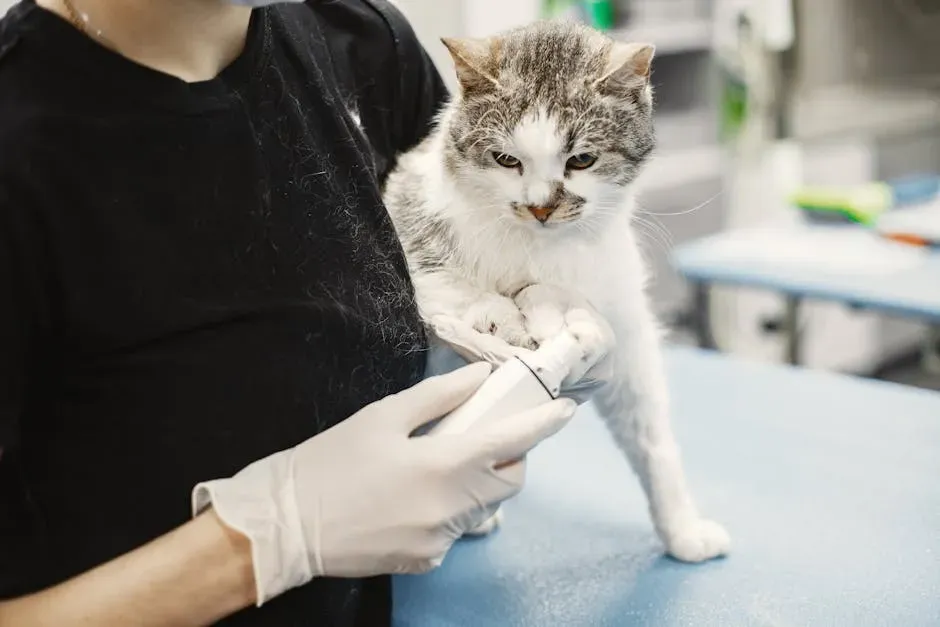
Honestly, not all vet clinics are the same when it comes to feline stress management, and it’s worth doing your homework. There are veterinary practices that have completed specific training and taken additional steps to focus on the needs and care of cats. Certified Cat Friendly Practices understand the unique needs and behaviors of cats and provide a lower-stress environment to help your kitty get the best possible care. Some clinics even offer separate cat-only waiting areas, which is a game-changer.
Your carrier choice matters more than you might think too. The ideal carrier is strong, lightweight, and waterproof, with a large opening to allow easy access to the cat and an easy-to-remove top with “quick release” fasteners. If you have a carrier with a removable top, your cat may be able to remain nestled in the bottom of the carrier while your veterinarian performs some parts of the routine physical examination. Top-opening carriers are ideal as you will be able to gently lift your cat out if necessary, or the vet may even be able to examine them while they stay in the bottom of the carrier. Less forced removal means less panic. Simple as that.
7. Consider Calming Supplements or Pre-Visit Medication
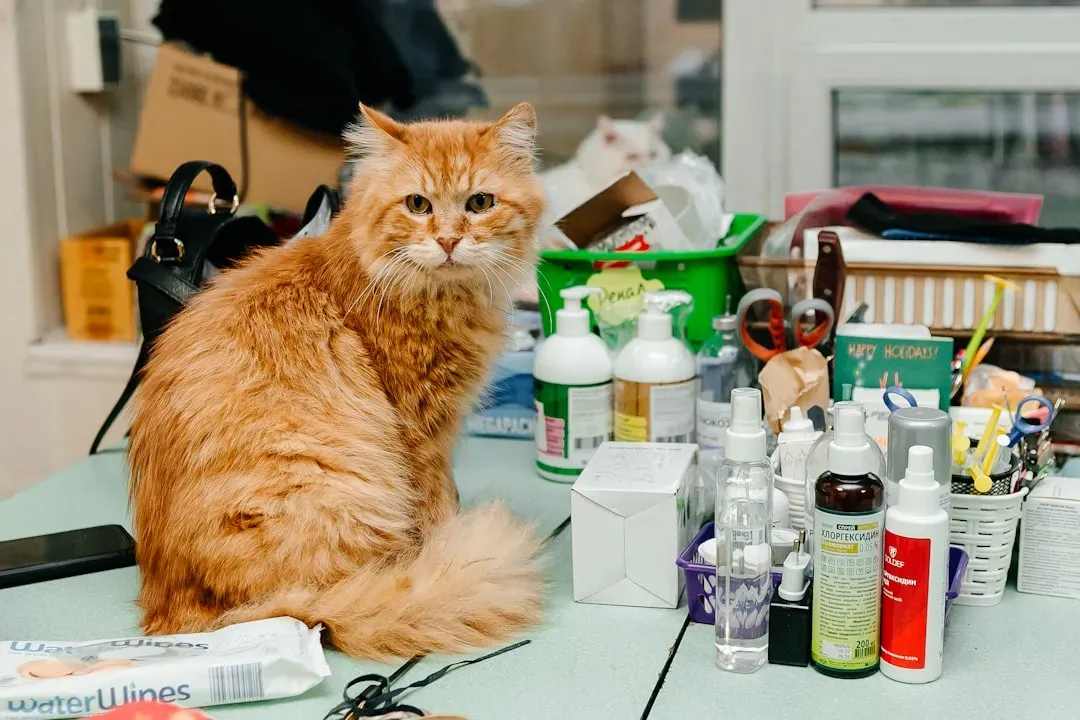
Sometimes, despite every effort, some cats are still genuinely overwhelmed by the whole experience. It’s hard to say for sure what pushes some cats past their threshold, but for high-anxiety cats, behavioral tools alone may not be enough. In more extreme cases, if your cat does not tolerate being handled during an exam, ask your veterinary professionals about prescribing medications you can administer before your appointment. Certain medications might be able to help calm your cat enough during visits that your veterinary staff can safely perform an exam and treatments without having to use full sedation.
Talk to your veterinarian about prescription options like gabapentin, which is often used to reduce stress during vet visits. This is not about drugging your cat into submission. It’s about giving a genuinely anxious animal a fighting chance at a tolerable experience. If you are concerned about your cat’s level of stress, ask your veterinarian whether pre-visit medication is an option. Since medications can have side effects, your veterinarian will consider your cat’s general health and current medications to determine whether medication would be appropriate. Always loop in your vet first, obviously.
A Final Word: Small Efforts, Big Difference
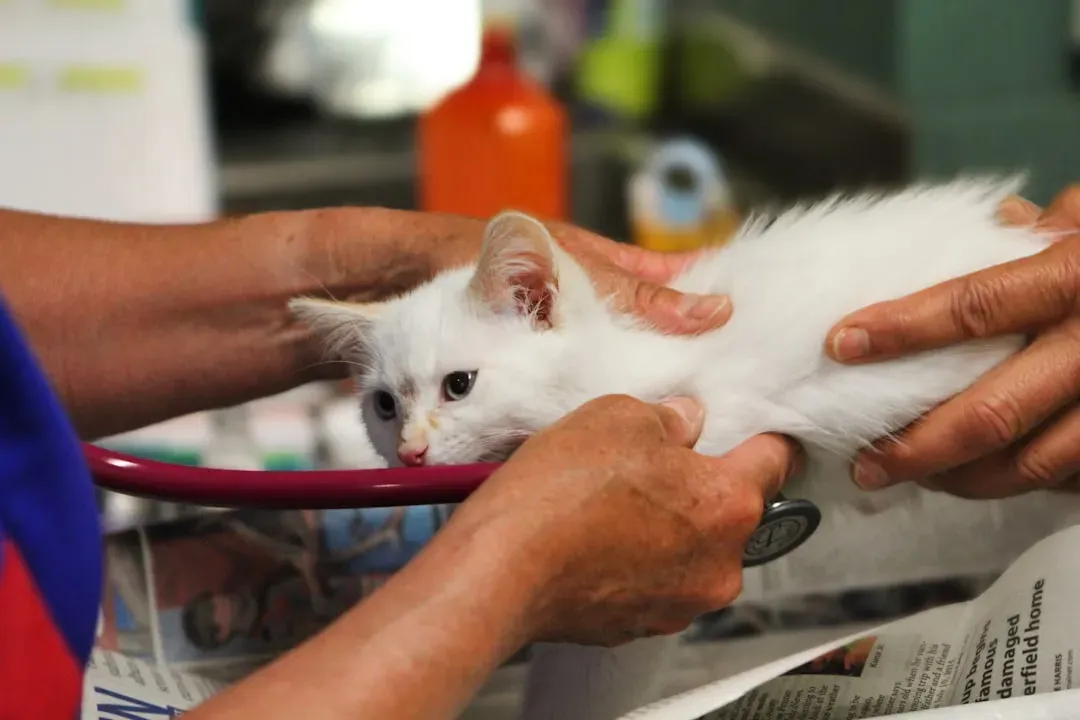
Let’s be real, none of this requires a dramatic lifestyle overhaul. Most of these tricks come down to small, consistent habits: keeping the carrier out, taking occasional car rides, arriving a few minutes early, picking the right clinic. They’re almost embarrassingly simple once you know them.
What’s truly surprising is how much of a cat’s vet-visit terror is actually learned and reversible. Though your cat may never love riding in the car or spending time at the vet’s office, they can adjust and learn to be more accepting of the experience. That alone is worth every effort. Your cat depends on regular care to live a long, healthy life, and making that care less traumatic is one of the most loving things you can do for them.
So next time you reach for that carrier, try a few of these approaches first. Your cat might just surprise you. Did you expect any of these tricks to be this straightforward? Drop your thoughts in the comments, we’d love to hear what’s worked (or not worked) for your cat.
Kristina is a young writer from India. An arts graduate and an avid content creator, Kristina is passionate about animals and wildlife. She enjoys exploring topics related to pet care, animal behavior, conservation, and nature, combining thorough research with engaging storytelling.