Most cat owners know the routine well. You get up, head to the bathroom, and within seconds you hear the soft padding of paws on the floor behind you. Your cat, who was apparently dead asleep moments ago, has materialized at your side like a tiny furry detective called to the scene. It’s strange, a little funny, and oddly touching all at once.
The thing is, most people chalk it up to neediness or plain weirdness. The real explanation is far more layered and rooted in genuine feline psychology. Understanding why your cat does this can actually tell you a lot about how they see you, their environment, and their world.
Your Cat Has Claimed the Entire House as Their Territory
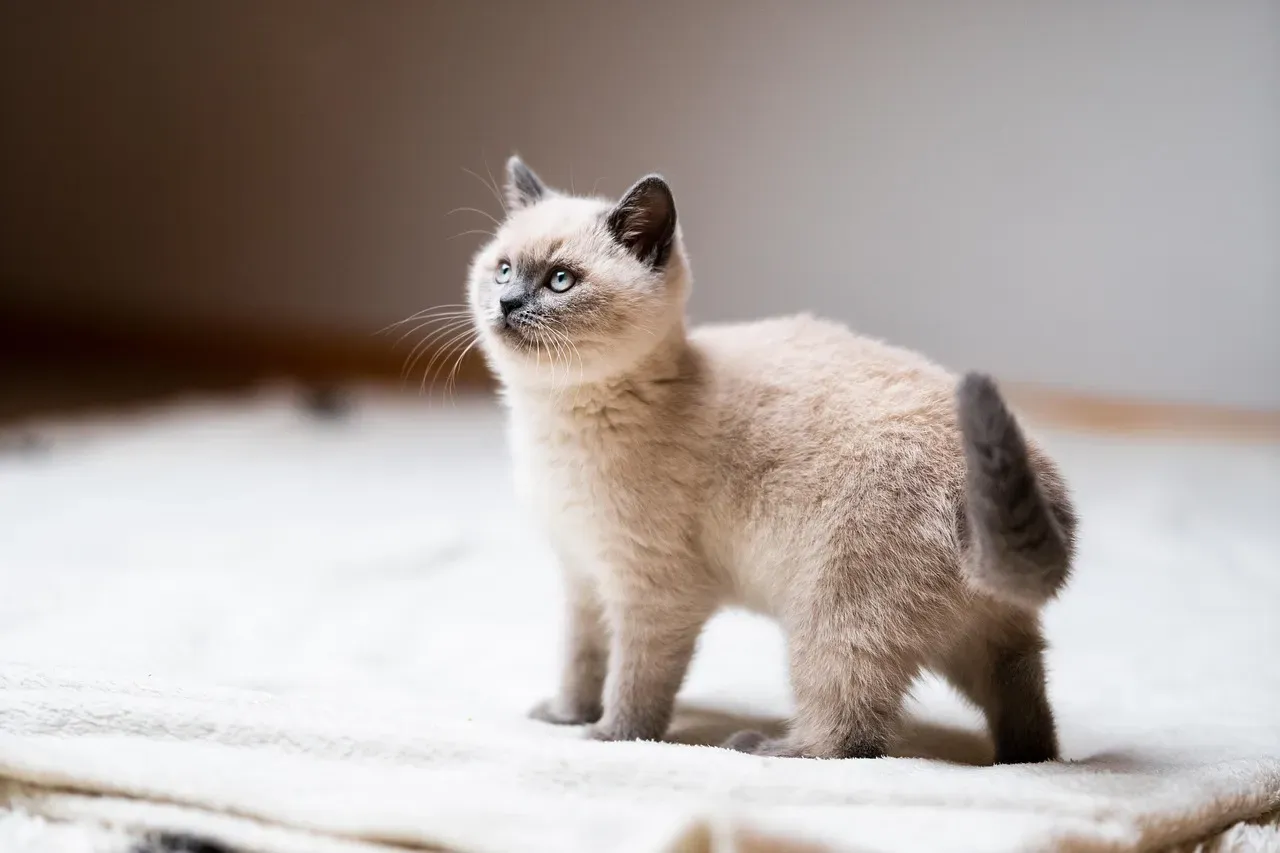
Claiming territory is a part of natural feline behavior, and that includes indoor cats. Your bathroom is no exception. To your cat, every room in your home falls within their domain, and any space they’re regularly excluded from is a space that demands investigation.
Bathrooms are part of the cat’s home range. A cat that patrols or inspects its territory may follow you to ensure the area is secure and that your scent is where it expects. When you shut that door behind you, your cat isn’t just missing you. They’re checking on a corner of their territory they suddenly can’t access.
You’re More Predictable Than You Realize
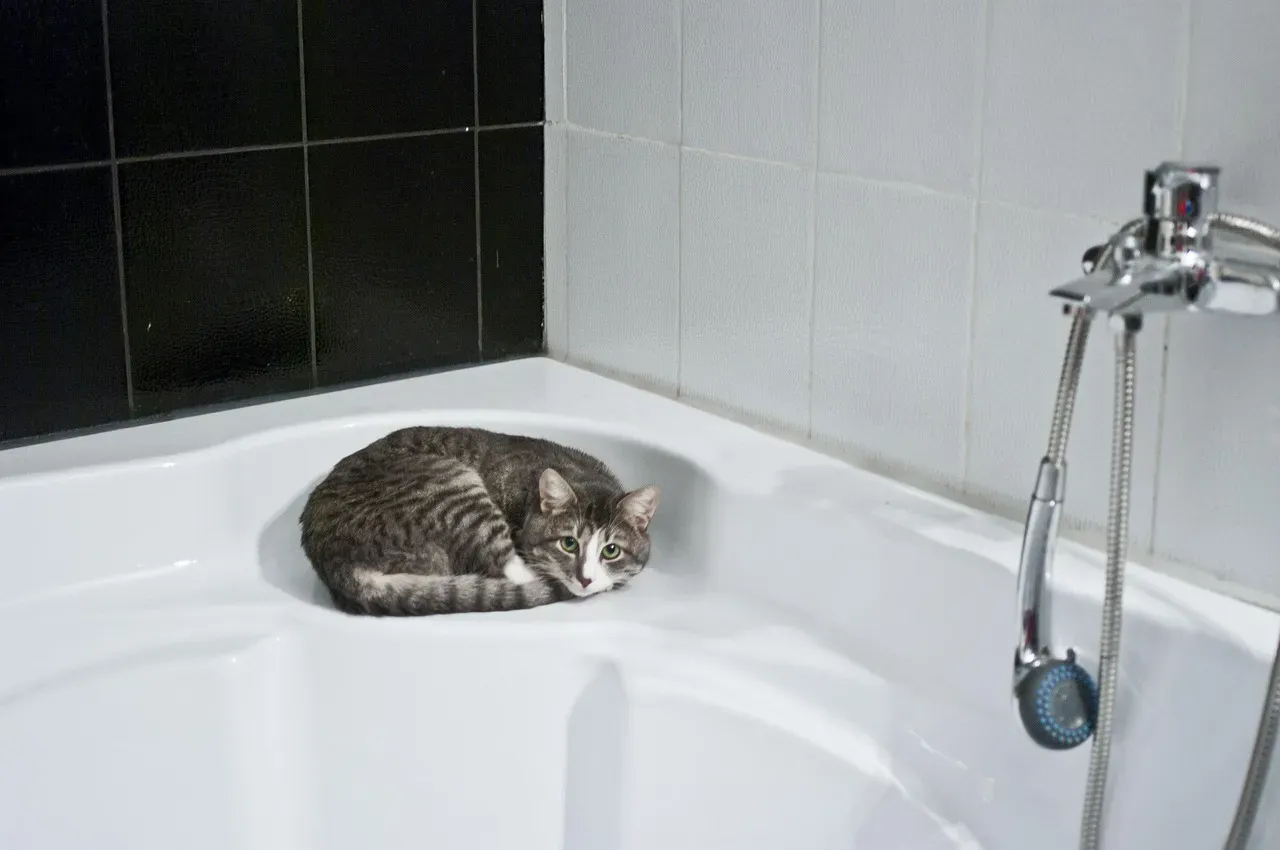
Cats, as well as most other animals, love routines in their daily schedule. If you usually visit the bathroom around a similar time during the day, your cat may develop a routine of spending time with you while you’re taking care of business. Cats are remarkably good at reading the rhythms of a household.
Cats are social and drawn to predictability. Because your bathroom trips tend to follow a regular schedule, this makes them prime bonding opportunities for a cat seeking comfort or connection. Your morning routine is essentially a calendar event your cat has memorized and RSVP’d to without your permission.
They See a Rare Window for Your Undivided Attention
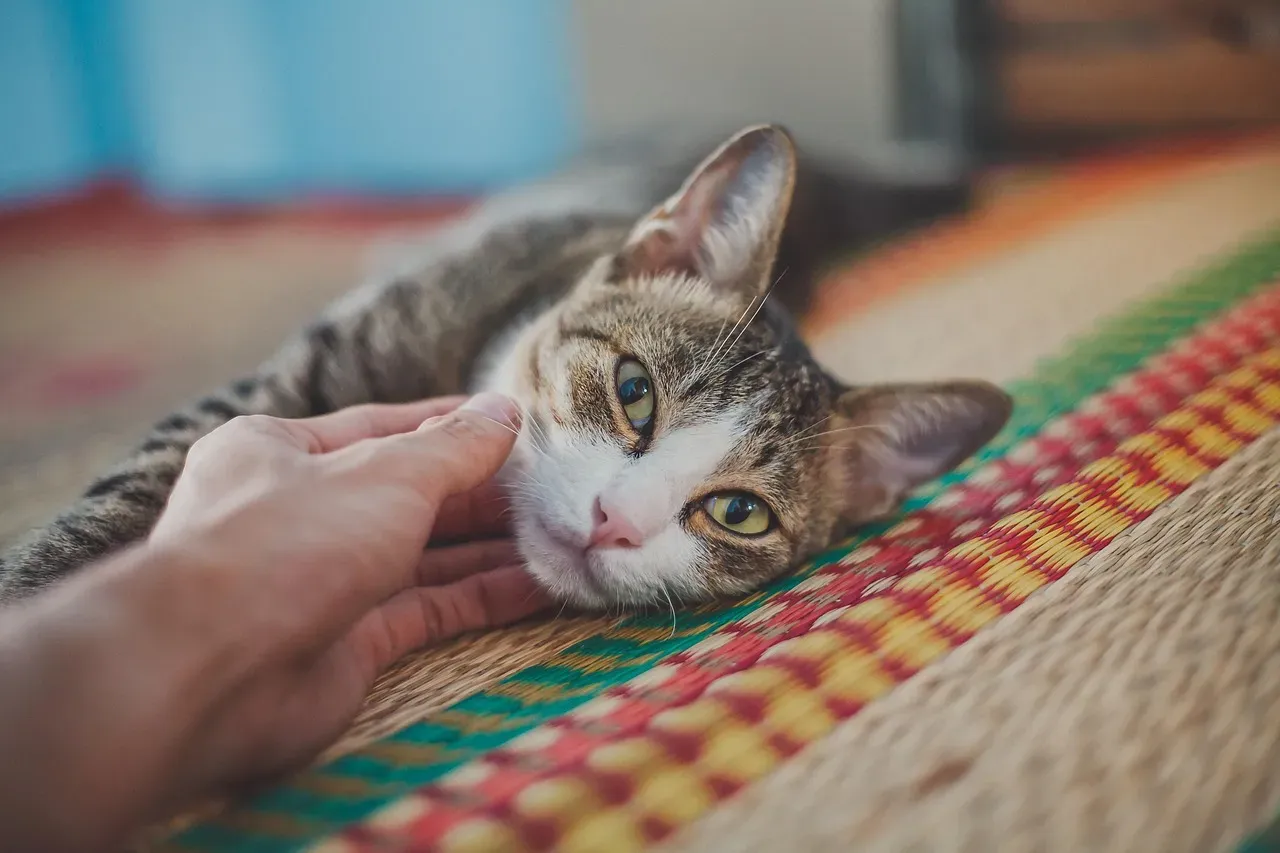
This is a time when your kitty knows they can soak up undivided attention from their preferred captive audience. Think about it from your cat’s perspective. You’re seated, you’re not on your phone (usually), and you’re not rushing around. You are, by every measure, available.
Any kind of attention you give your cat inadvertently teaches them that the bathroom is the place to get it and encourages this behavior. Even a brief glance or a quiet scratch behind the ears is enough positive feedback to cement the habit. You may have trained your cat to follow you there without ever meaning to.
Closed Doors Are a Personal Insult to Your Cat
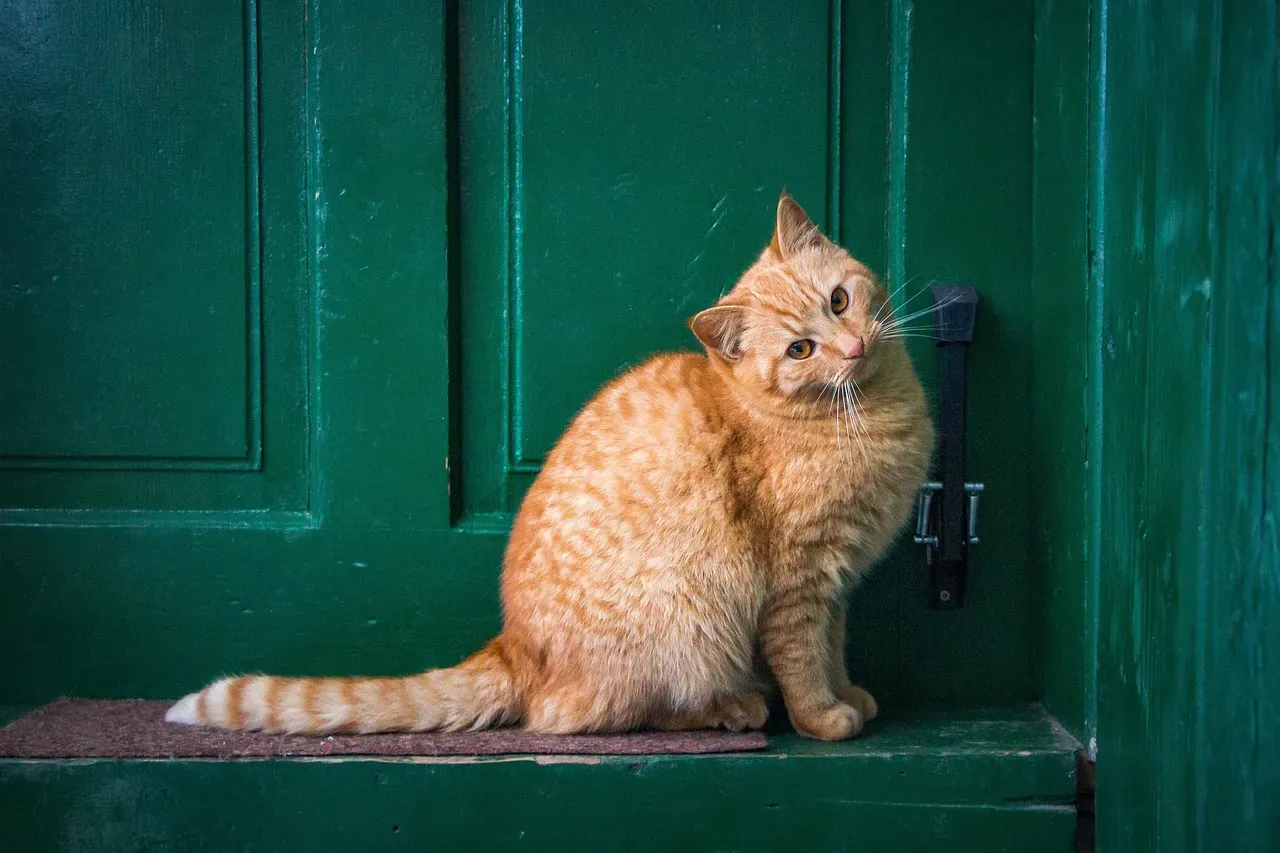
Cats hate closed doors. It’s not just about the bathroom. Any door you shut becomes a challenge to their authority. This is one of the more distinctly feline quirks that baffles new cat owners. It’s less about the room itself and more about the principle of the thing.
Some cats find it stressful to be separated from their owners. A closed door between you and your cat can make them anxious, cling to you, and do their utmost to get into the bathroom with you. For a cat, a shut door isn’t a neutral object. It’s a barrier in their own territory, and that feels wrong to them on a fairly deep instinctual level.
Your Cat Is Wired for Social Bonding
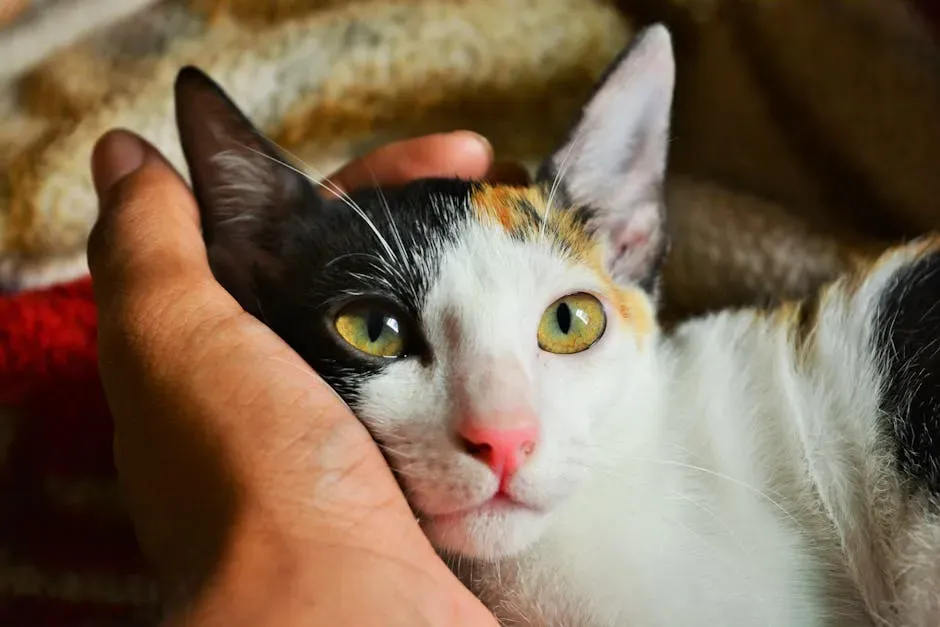
Cats naturally form tight family units with each other and their human family members. Because of this, the need for social interaction and the security of a group is ingrained in them. Cats in close-knit family units stick close to each other for protection. As such, when your cat follows you around, it may be because they enjoy your company and feel you are both safest when you’re together.
Cats living with humans often form attachment bonds and include you in their “trusted group.” Following you and waiting at the doorway is a low-arousal way to stay close and maintain that social connection. That escort to the bathroom at two in the morning isn’t random. It’s your cat quietly affirming that you’re part of their group and they’d like to keep it that way.
The Bathroom Is a Surprisingly Stimulating Environment
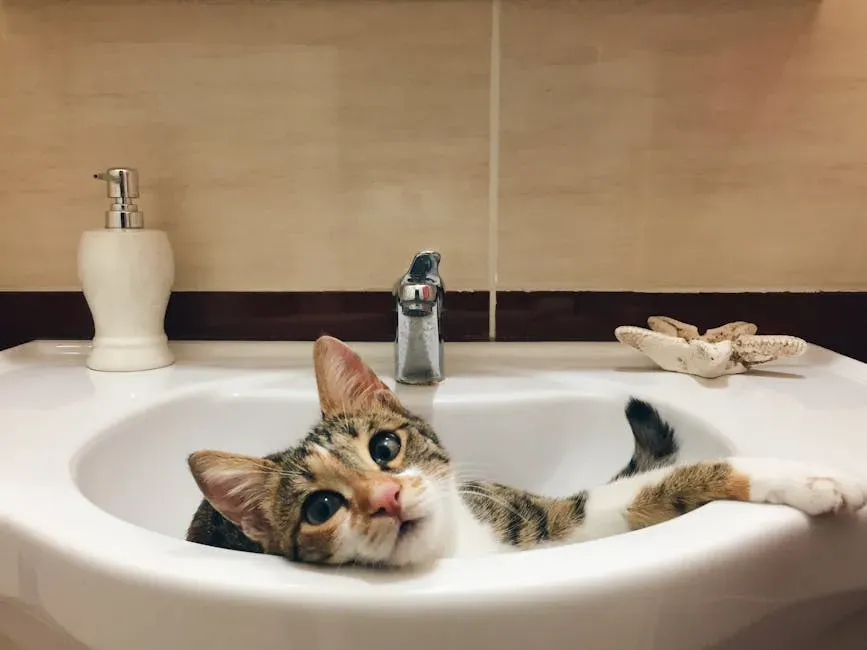
Bathrooms are important cat territories and entertainment spaces containing familiar human smells and their own scent. The mix of sounds, surfaces, running water, and interesting smells makes the bathroom genuinely engaging for a creature wired to investigate everything.
Your cat might be interested in water and want to drink from the tap. They might fancy having a snooze in the sink. They might want to climb up on shelves and bathtubs to explore. Sometimes the motivation isn’t about you at all. Your cat just happens to follow you in because you’re the one who opened the door to this excellent room full of interesting things.
It Could Be Their Way of Telling You Something Is Off
Because the family unit is necessary for a cat to feel secure, your kitty may follow you more often and for longer periods when they don’t feel well. If your cat is following you around more often and showing signs like changes in appetite, changes in water intake, vomiting, diarrhea, breathing issues, or trouble walking normally, take them to the veterinarian to rule out any underlying medical concerns.
Any change in routine can make a cat clingy, but big changes like new family members or moving can make them even more attached as they try to figure out what’s going on. Stressful experiences like being abandoned or neglected can also make a cat more attached to new owners. So if the bathroom shadowing has suddenly intensified, it’s worth paying attention to what else might have shifted in your cat’s world. If your cat isn’t usually clingy but suddenly becomes so, they could be trying to tell you that something is wrong. Check in with your vet if there are other behaviors present, such as hiding or eating less.
Conclusion
Your cat following you to the bathroom is rarely the quirky, inexplicable habit it appears to be on the surface. It’s instinct, affection, routine, and a healthy dose of feline territorial logic all rolled into one surprisingly consistent behavior. This is completely normal behavior. It’s so common among cats that it’s safe to say it’s just part of their evolved survival instincts.
The real takeaway here is that this small, daily ritual is actually a sign of trust. Some cats simply enjoy following their families around. It means that they love and trust you and are curious about what you are up to. So the next time your cat squeezes through the door before you can close it and settles in to watch you with total confidence, take it as a compliment. You’ve earned a spot in their inner circle. Privacy, apparently, was always the price of admission.
Kristina is a young writer from India. An arts graduate and an avid content creator, Kristina is passionate about animals and wildlife. She enjoys exploring topics related to pet care, animal behavior, conservation, and nature, combining thorough research with engaging storytelling.