There is something quietly magical about the moment your cat locks eyes with a dangling feather toy and transforms from a sleepy couch loaf into a focused, athletic little predator. It happens in seconds. One minute you are sharing a room with a mildly indifferent feline, and the next, you are both completely absorbed in the same game. That shift, right there, is where the real bond lives.
Most people underestimate how deeply interactive play shapes the relationship between a cat and their human. It is not just entertainment. It is communication, trust-building, and emotional connection all rolled into one. If you have ever wondered why some cats are devoted to their owners while others barely acknowledge their existence, the answer often comes down to how much meaningful time has been invested in play. So let’s dive in.
Tap Into Your Cat’s Natural Hunting Instincts
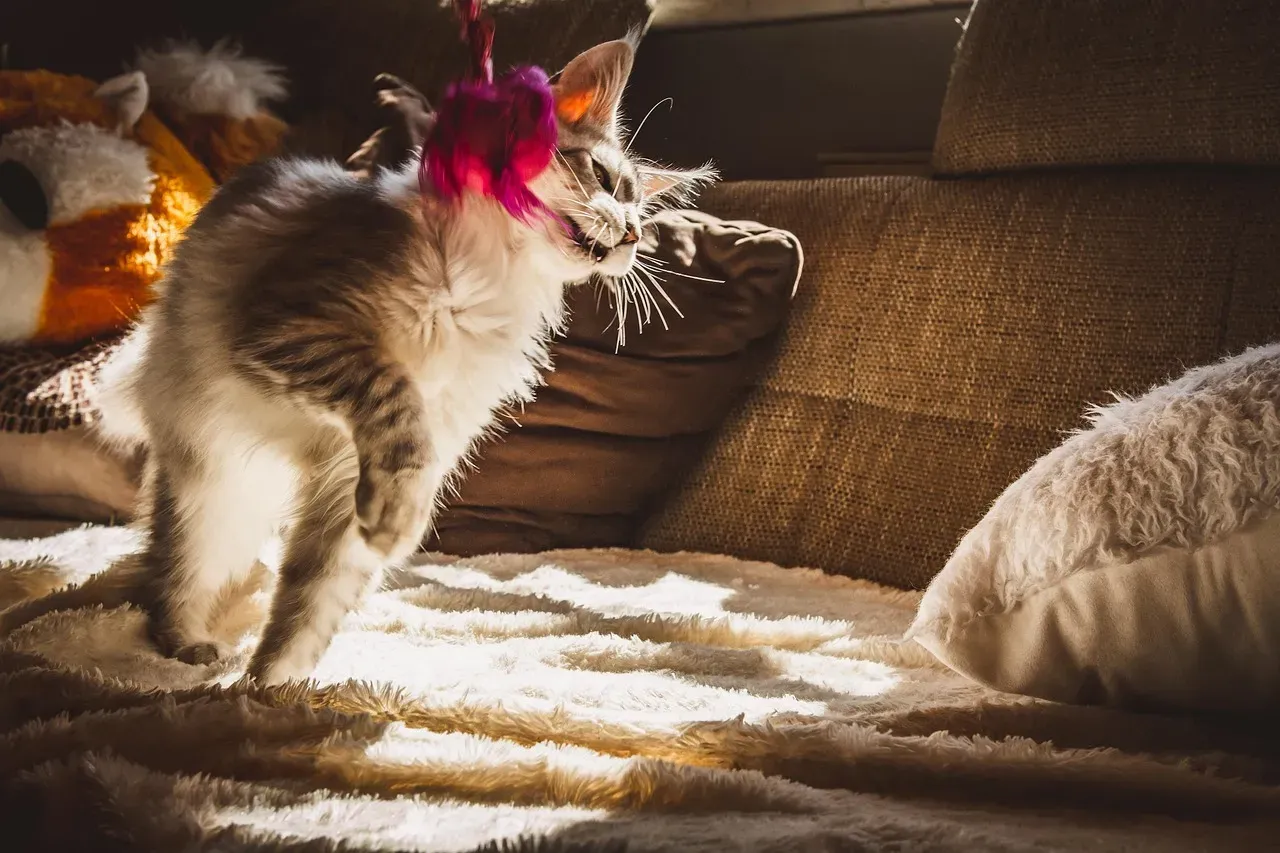
Cats are natural hunters, and playtime mimics hunting behavior. When you pick up a wand toy and start moving it like a darting mouse, you are not just playing a game. You are speaking your cat’s most native language. Think of it like having a conversation in someone’s mother tongue for the very first time. You will notice the difference immediately.
The best way to play with a cat means mimicking those natural hunter behaviors: stalk, pounce, capture. Move the toy with unpredictable zigzag motions, let it hide behind furniture, and allow your cat to actually “catch” it. That final capture moment matters more than most people realize. When playing with any teaser toy, always let your cat “catch” their “prey,” because never being able to catch a thing is likely frustrating.
Use Wand Toys to Activate the Full Prey Sequence
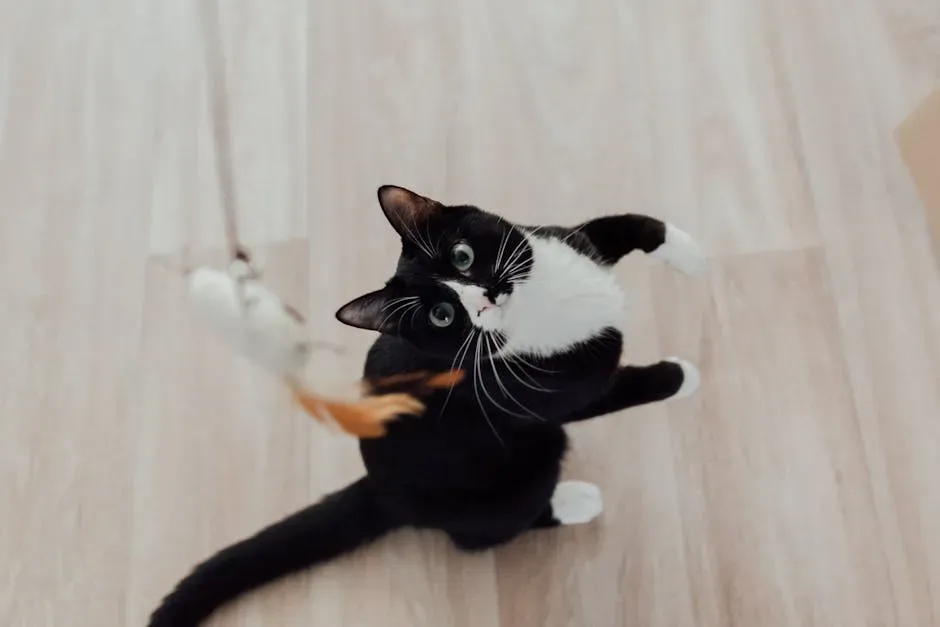
Indoor cats don’t have a natural way to express their innate predatory behavior, and the best way to provide that is through interactive play. A wand toy is not just a cheap strip of feathers on a stick. When you wield it thoughtfully, it gives your cat the complete experience: the stalk, the sprint, the leap, the grab. It is essentially a full cardio and mental workout compressed into fifteen minutes.
Interactive play is special because your cat doesn’t have to do any extra work to make the toy come to life. You are in charge of that part of the game. Using a wand toy, you make the “prey” come alive through your movements. That active participation from you is precisely what makes it a bonding exercise rather than mere solo entertainment. Your presence becomes part of the magic.
Build Consistency with a Daily Play Routine
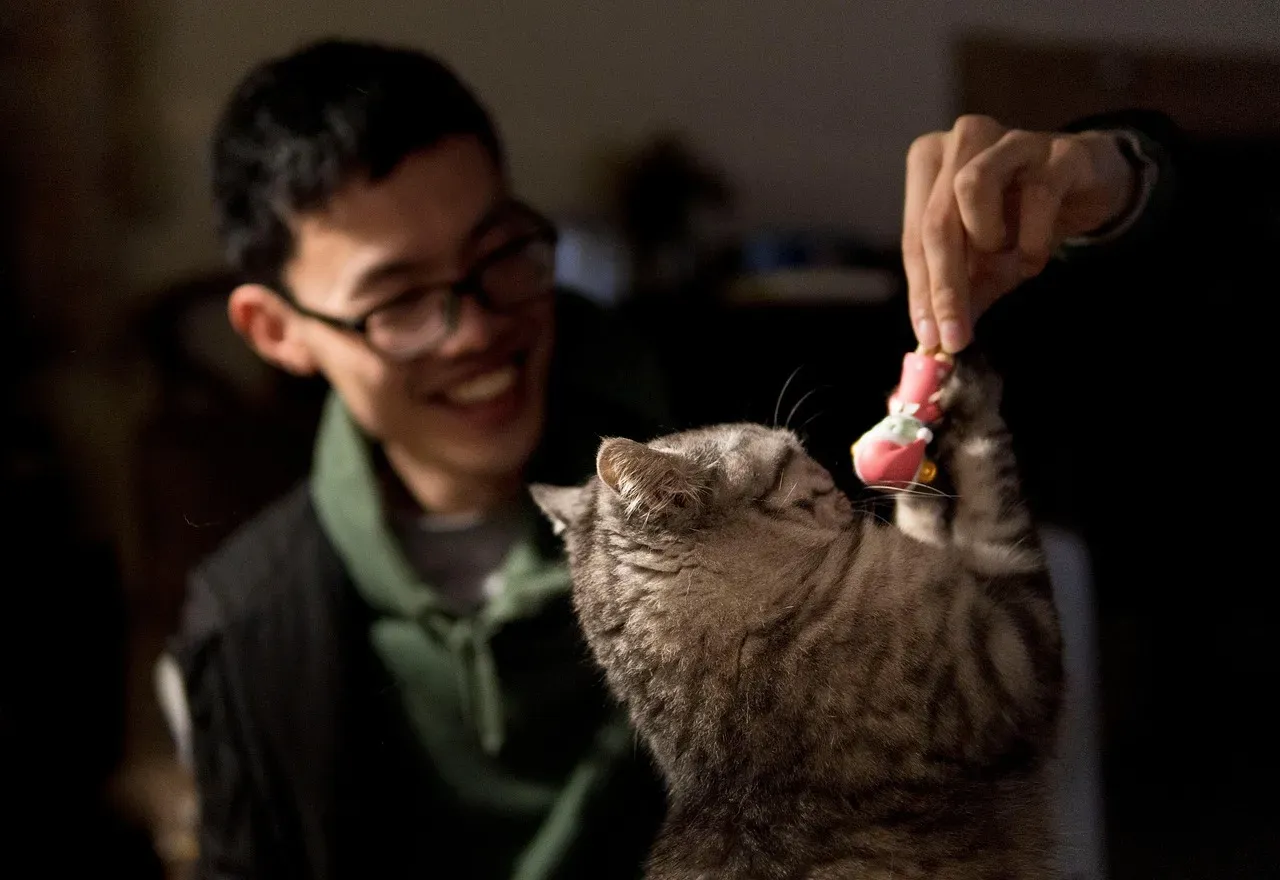
Here is the thing most cat owners get wrong. They play with their cat for three days in a row, then skip a week, then wonder why their cat seems distant. Consistency is everything. The key is to play daily, ideally during early morning or evening when your cat’s instincts kick in. Cats are creatures of habit in a way that borders on obsession, and a predictable play routine creates a sense of safety that deepens trust.
Spending time playing with your cat on a regular basis can really improve your bond. The more you play with your cat, the more they’ll associate fun and excitement with you and look forward to time together. Aim for two or three short sessions spread through the day rather than one marathon session. Many behavior experts recommend two or three sessions of 10 to 15 minutes each, as short bursts match a cat’s natural energy pattern.
Introduce Puzzle Feeders and Brain Games
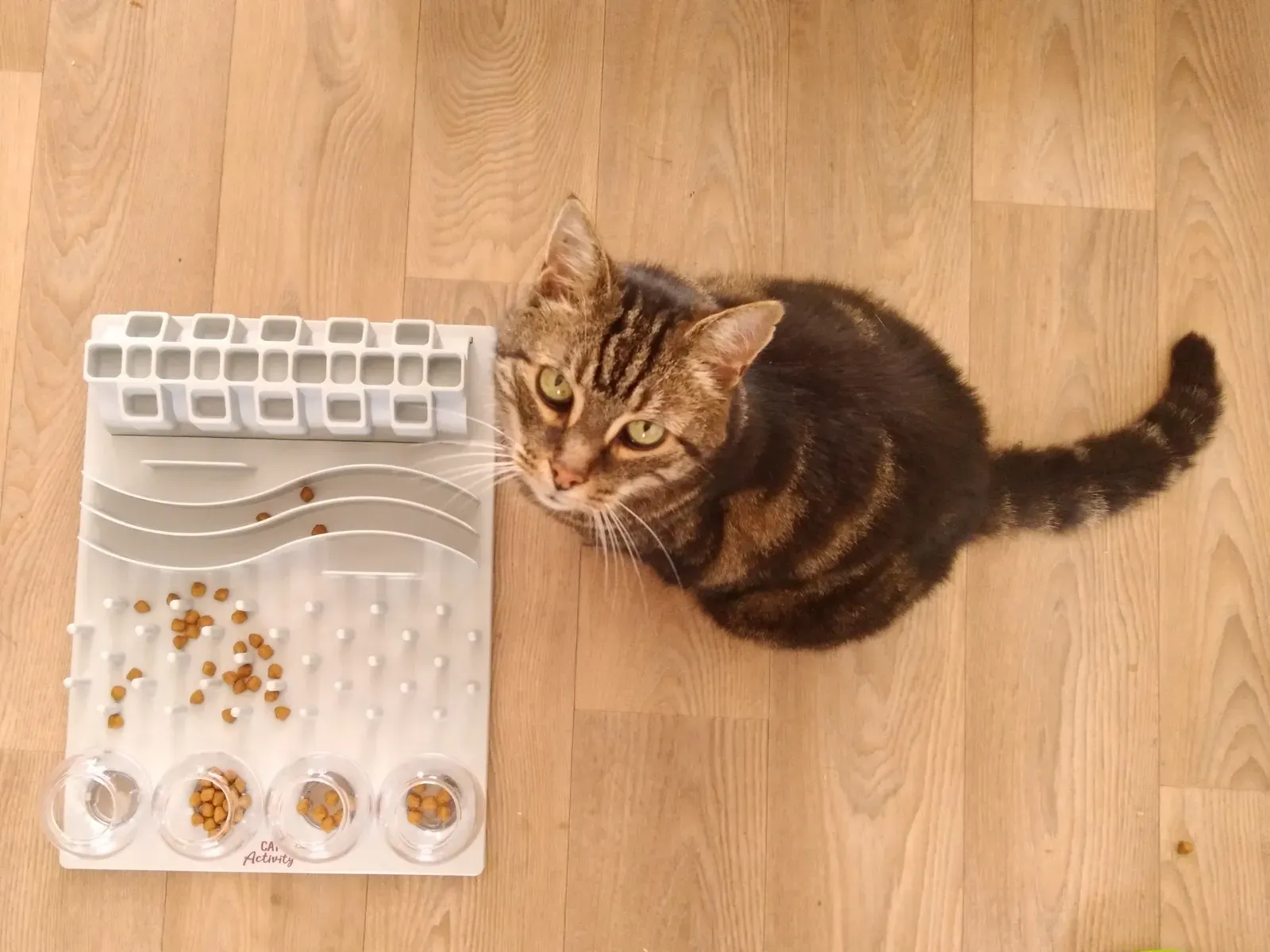
Honestly, the puzzle feeder might be one of the most underrated bonding tools a cat owner has access to. It transforms something as mundane as mealtime into a full mental workout. Rather than just filling up your cat’s bowl, a puzzle feeder requires them to figure out how to get the food out of a maze or series of obstacles in order to eat it. Sit beside your cat while they work on it and you become part of an exciting shared experience.
“Solving” food puzzles provides important mental stimulation for cats. There are plenty of interactive toys on the market, but you can also make your own with common household items. A cardboard box with holes cut into it, a muffin tin covered with tennis balls, or a toilet paper roll stuffed with treats can all work brilliantly. The improvised options are often just as effective as anything you would buy at a pet store, which I think is genuinely great news for everyone’s wallet.
Try Clicker Training to Build a Unique Communication Bridge
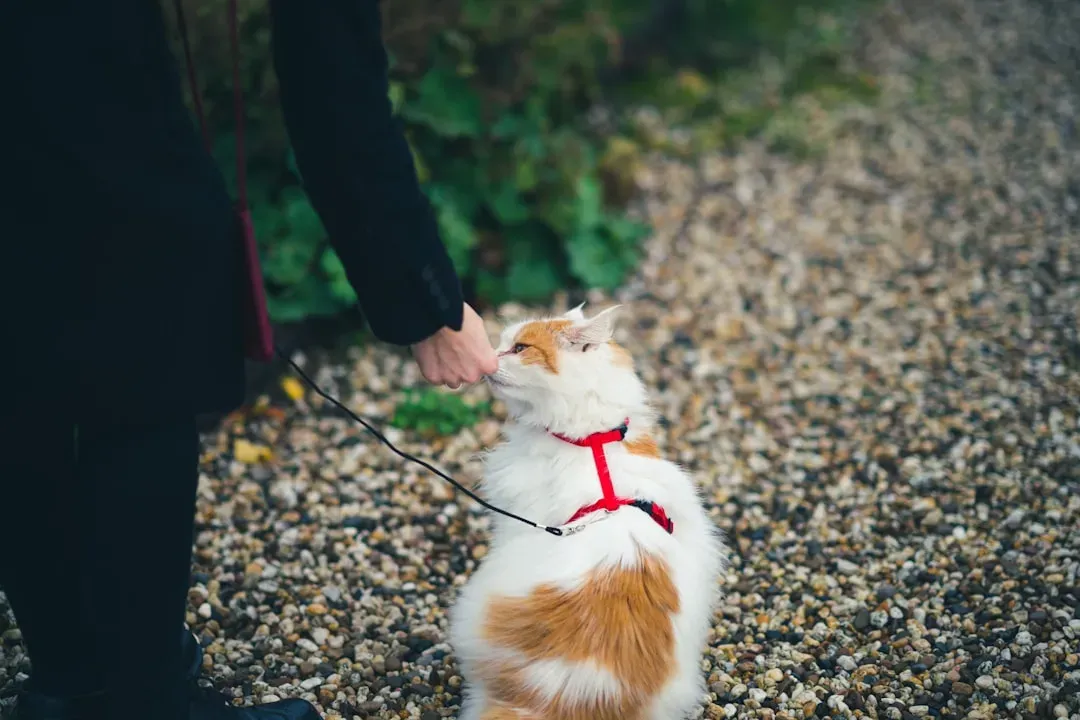
Most people associate clicker training with dogs and forget entirely that cats are perfectly capable of learning tricks. In fact, training your cat might be one of the fastest ways to dramatically deepen your relationship. Clicker training teaches tricks and creates mental stimulation while reinforcing your bond. The repeated cycle of cue, action, and reward builds a tiny loop of communication that your cat starts to genuinely enjoy.
Training isn’t just for dogs. Just like dogs, cats can be taught to do tricks, and they benefit from the mental stimulation from training. Clicker training is a popular method, and cats can learn lots of tricks, like fetching and high-fiving. Start with something small, like sitting on command, and build from there. The intensive one-on-one time spent through this form of training can help strengthen the bond between cat and pet parent, and it allows you to communicate with them in a very positive, fun way.
Play Hide-and-Seek to Spark Curiosity and Delight
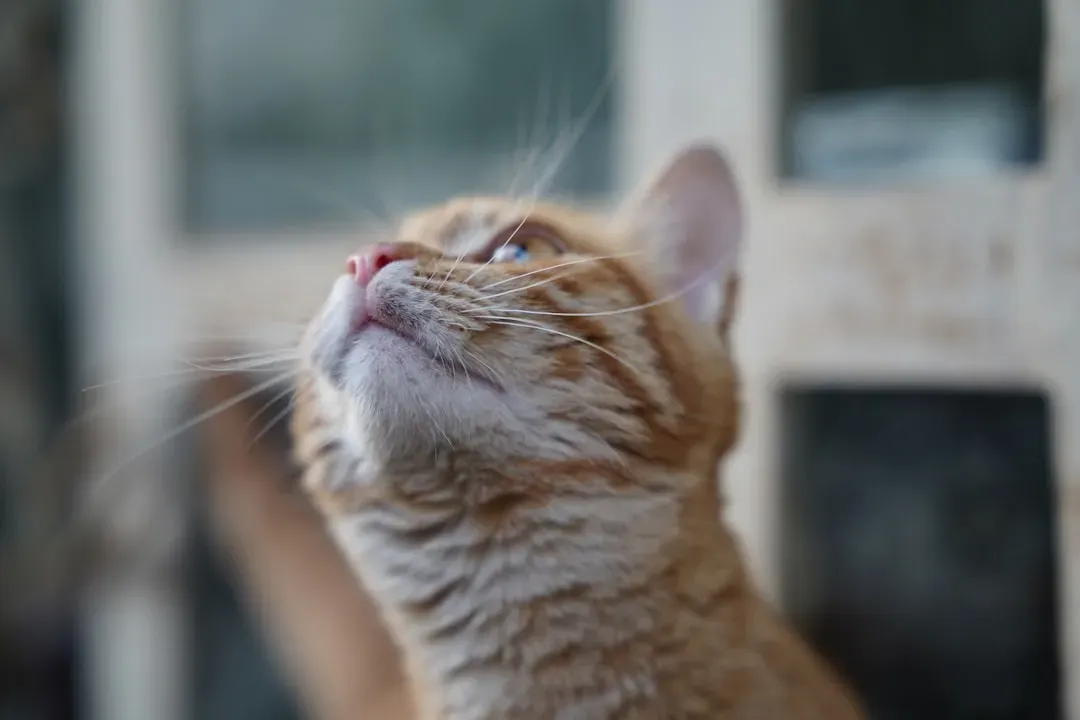
This one might sound a little silly, but stick with it. Hide-and-seek is one of those simple games that lights up something ancient and wonderful inside a cat’s brain. For a fun twist, try a game of hide-and-seek with your cat. Hide their favorite toy or treat in a room or under a piece of furniture, and encourage them to “find it.” You can also hide behind furniture or a door and gently peek out to surprise your cat, creating an unpredictable and exciting element to the play.
The beauty of this game is that it requires almost nothing except your presence and imagination. Your cat gets to practice their tracking instincts, you get to watch them do something hilarious, and the whole interaction builds positive associations between you and genuine excitement. A scavenger hunt for cats is easy to set up and a great way to keep your cat entertained while also encouraging physical activity. You can take it up a notch by varying the hiding spots every single day so the game never gets predictable.
Rotate Toys Regularly to Keep Play Fresh and Exciting
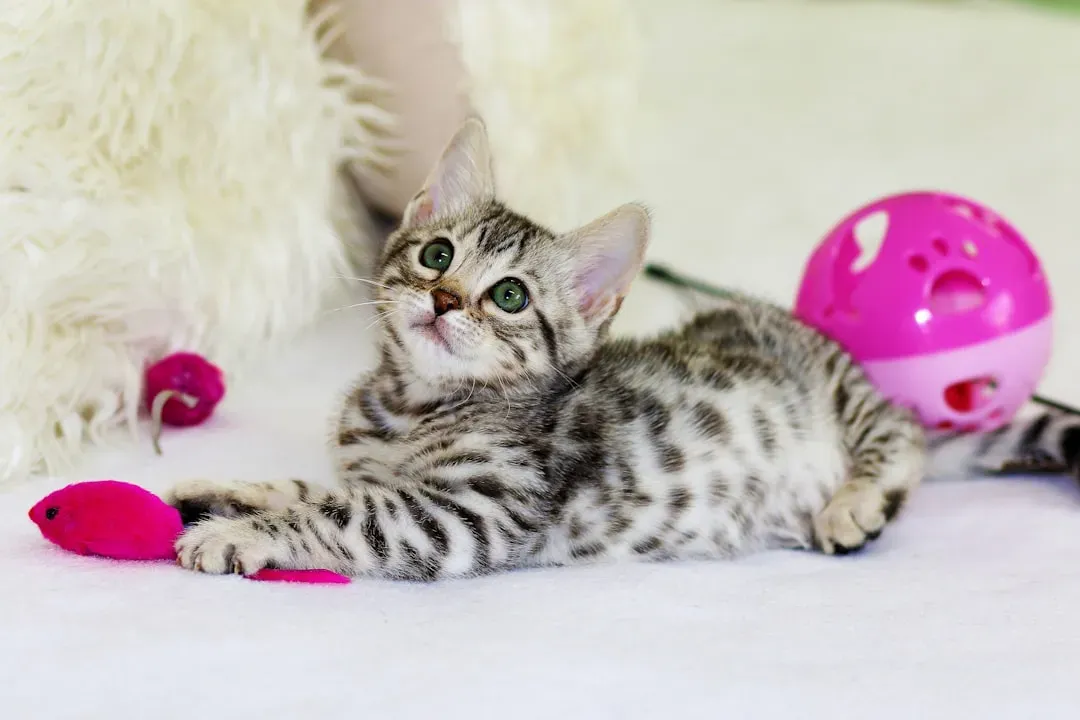
Imagine eating the same meal every day for a year. That is roughly what it feels like to a cat who stares at the same three toys for months on end. Aim for a few short play sessions each day, choosing toys that mimic the hunting experience, like cat teasers and wand toys. Rotate the toys frequently so your cat doesn’t become bored. Novelty is genuinely one of the most powerful motivators in a cat’s mind.
Rotate toys regularly. If your cat ignores something, put it away for a while and reintroduce it later. It sounds almost too simple to be effective, but the reintroduction of a forgotten toy can trigger the same excitement as a brand new one. You are essentially creating a rotation of novelty on a budget. Interactive play allows you to observe your cat’s behavior and preferences, giving you valuable insights into their personality. This understanding can help you tailor future play sessions to suit your cat’s needs, ensuring they remain engaged and happy.
Always End Play Sessions on a Positive and Satisfying Note
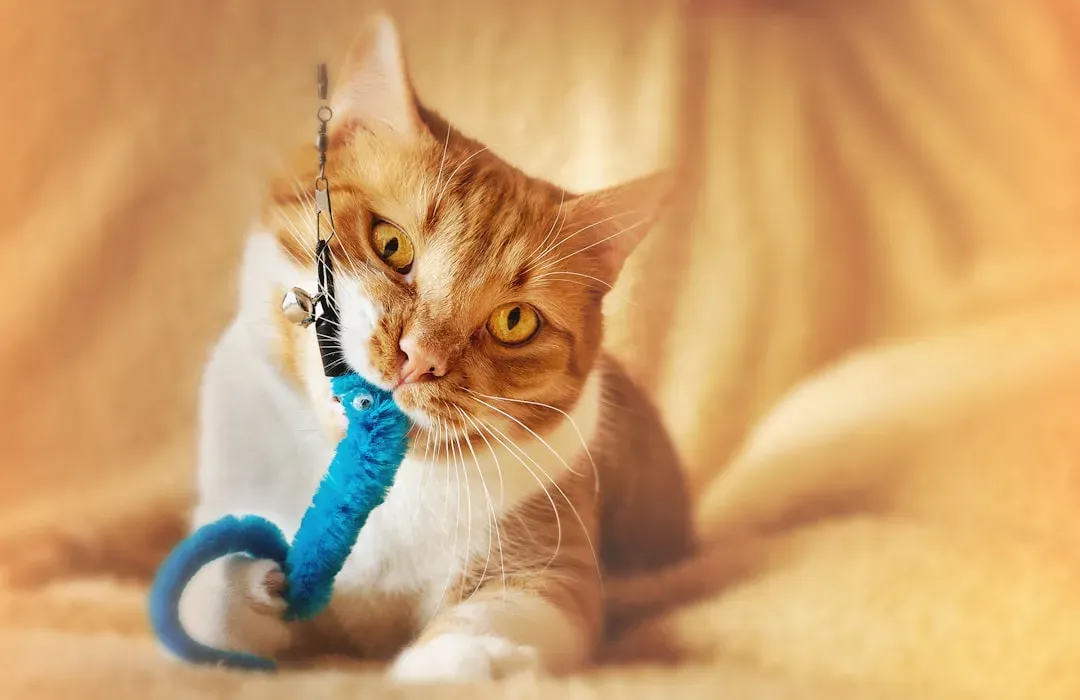
The way a play session ends matters just as much as how it begins. A cat that finishes a play session feeling frustrated, overstimulated, or simply cut off mid-chase is not going to associate you with positive feelings. Be sure to vary the types of toys and movement you use to keep things exciting and always allow your cat to “catch” the prey occasionally, especially at the end. To add even more enjoyment to their “successful catch,” you can give them a treat or meal afterwards to mimic their natural hunting sequence.
Senior cats or those with limited mobility may need briefer sessions, yet they still benefit from gentle, controlled activities. Once a cat begins to show signs of fatigue like disinterest or walking away, it’s time to wrap up. Watch your cat’s body language closely throughout the session. Playtime promotes bonding by encouraging positive interactions between you and your cat. It’s a time when you can be present, playful, and focused on each other, creating moments of joy that help solidify your relationship. Cats often respond to playtime by becoming more affectionate, and this mutual enjoyment reinforces the connection between you.
Conclusion
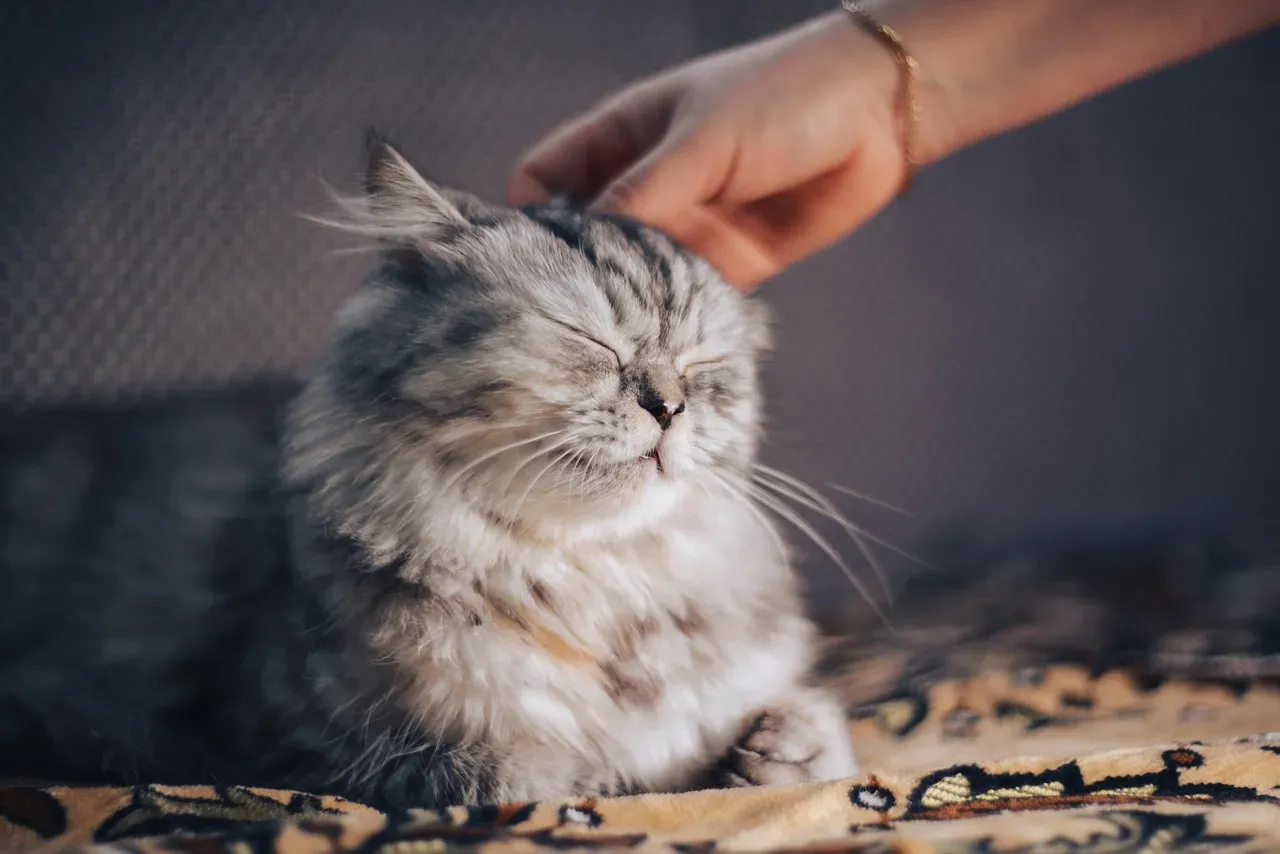
Bonding deeply with your cat is not some mysterious process reserved for people who have owned cats their whole lives. It is a skill, and like any skill, it improves dramatically with intention and consistency. Every one of these eight approaches gives you a practical, research-backed way to show your cat that you are not just a person who fills the food bowl. You are their most trusted, most exciting playmate.
The beautiful thing about cats is that their affection, when it is truly earned, feels like something special precisely because it is never given cheaply. You earn each slow blink, each gentle headbutt, each purring nap on your lap through time, respect, and genuinely engaging play. Start with just one of these approaches this week and pay attention to how your cat responds. You might be surprised by just how much they were waiting for you to show up and play. What has your cat’s reaction been the very first time you really engaged them in meaningful play? Share your story in the comments below.
Kristina is a young writer from India. An arts graduate and an avid content creator, Kristina is passionate about animals and wildlife. She enjoys exploring topics related to pet care, animal behavior, conservation, and nature, combining thorough research with engaging storytelling.