If you share a home with a cat, you already know the feeling. You’re the one who fills the food bowl every single morning. You’re the one who cleans the litter box without complaint. Yet somehow, your cat has decided that your partner – the one who barely acknowledges its existence – is the most important creature on the planet. It trots over to them, purrs like a motor, and settles directly into their lap. You sit there, slightly offended, wondering what on earth you did wrong.
Here’s the thing: you probably didn’t do anything wrong. A growing body of research in feline behavior and human-animal bonding shows that cats are highly selective, emotionally intelligent creatures who form deep but calculated attachments. The way they choose their people is far more nuanced than most of us ever imagined. Let’s dive in.
Cats Are Silently Judging You – All the Time
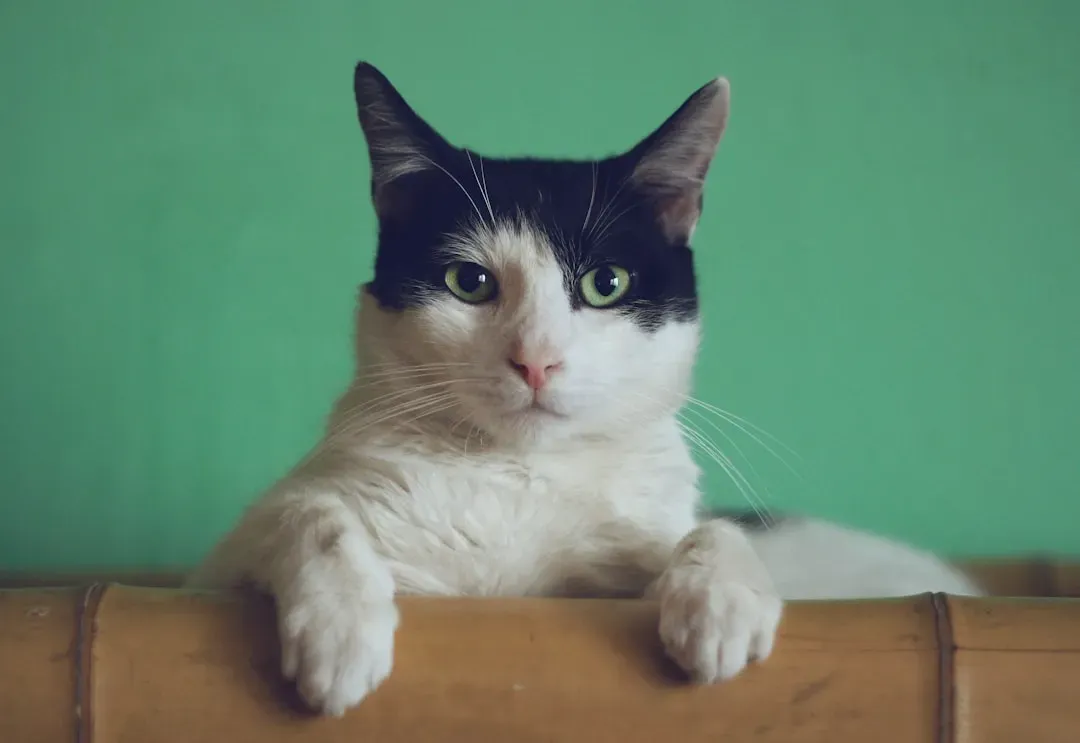
It might sound dramatic, but your cat really is watching your every move. Science confirms that cats are highly selective, emotionally intelligent creatures who evaluate humans constantly. Every tone of voice, every sudden movement, every mood shift – your cat files all of it away.
Cats are nervous and afraid of humans by default. Even when domesticated, cats do not default to a position of subservience to their owners. In the mind of a cat, you are just a large, loud, and clumsy animal. Humans are therefore a threat until proven otherwise. The person who consistently passes the “not a threat” test becomes the chosen one. Think of it like a silent audition – and most people don’t even know they’re performing.
The Power of Scent: Your Smell Matters More Than You Think
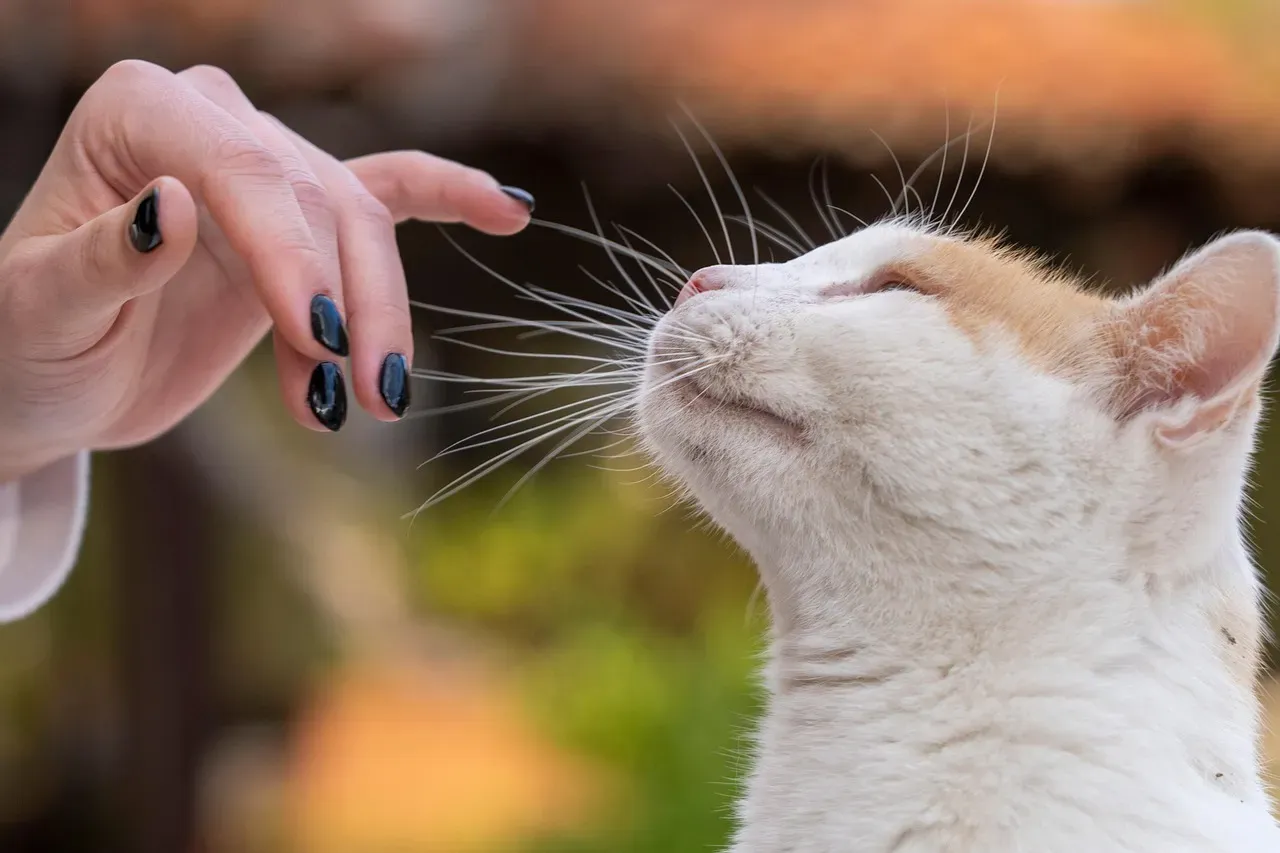
You might think your cat gravitates toward someone because of personality, but scent plays a much bigger role than most people realize. Cats experience the world through scent more than sight. The natural smell of a person’s body becomes deeply associated with safety, familiarity, and comfort over time.
On a very basic level, if a cat seems to prefer one person over another, all things being equal, it could simply be that they are gravitating toward the person whose smell they enjoy the most. That’s a humbling thought, honestly. You could be the kindest, most attentive person in the room, but if your perfume sets off alarm bells in your cat’s nose, you’re already losing the competition. Experimenting with different scents, such as changing your perfume or cologne, can sometimes make a noticeable difference.
Routine Is a Love Language for Cats
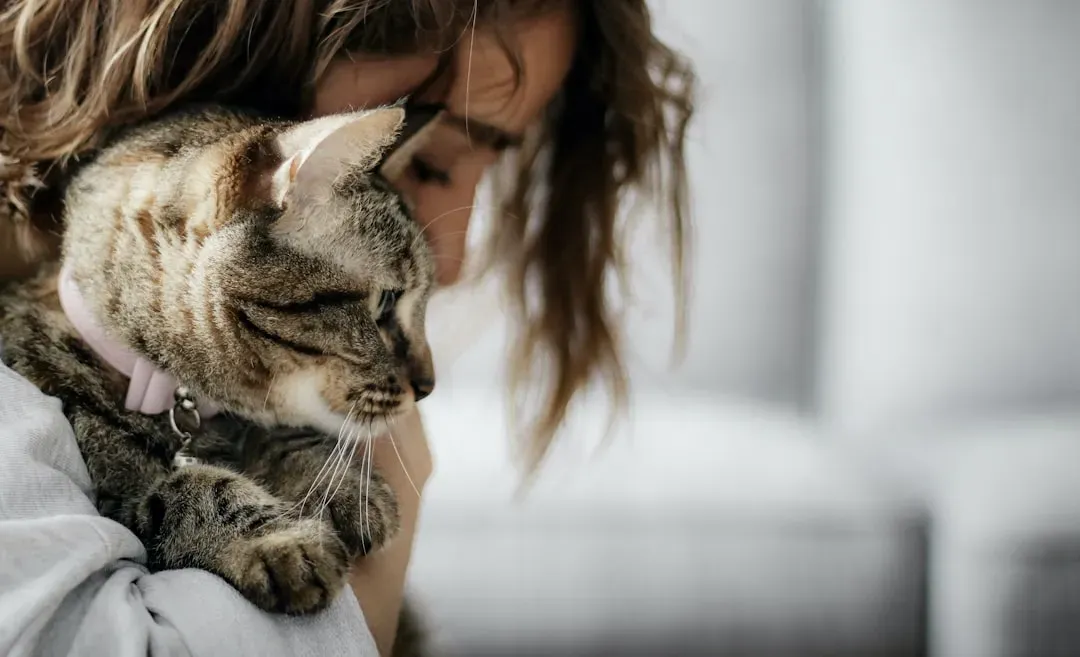
Cats are anecdotally drawn to people with predictable schedules. Those who wake up every day at the same time are often tapped as favorites. To a cat, consistency isn’t boring – it’s deeply reassuring. Think of it like this: a reliable person is a safe person, and safe people become beloved people.
Cats are creatures of habit. Literally. Keeping a regular schedule is one of the simplest ways to help you bond with your cat and become their favorite person. Cats thrive on consistency, so feeding them at the same time every day shows them that they can rely on you. Establishing other routines too – daily brushing, consistent litter box maintenance, and gentle petting – reinforces that bond further. It’s almost like building trust with a very small, very opinionated coworker.
Body Language Speaks Louder Than Words to a Feline
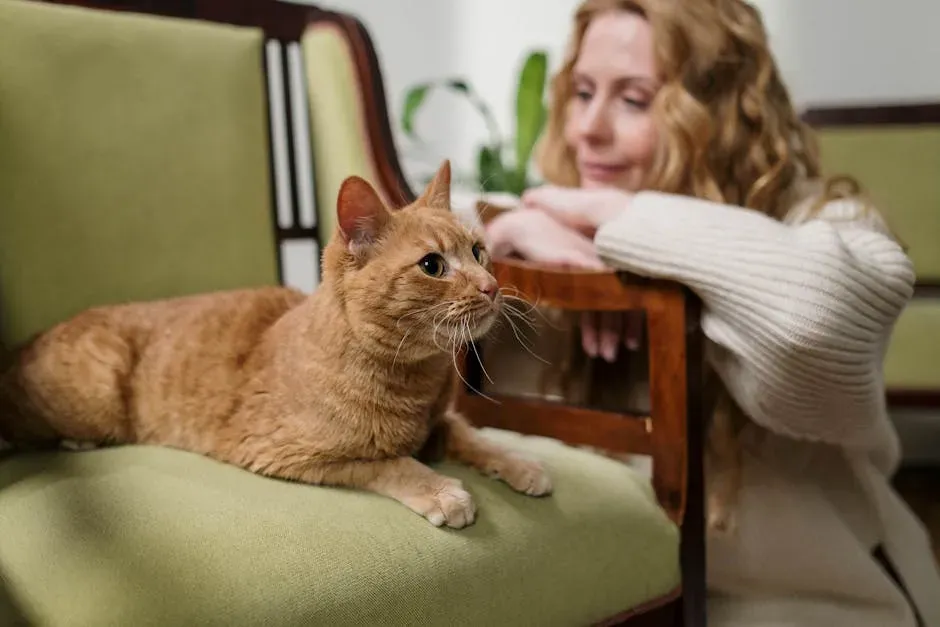
Cats are often attracted to individuals who exhibit calm and non-threatening body language. This explains one of the most puzzling things that ever happens in a cat-owning household: the cat ignores you and goes straight to the one guest who is allergic or indifferent. This is why cats seem to inexplicably approach people with feline allergies, rubbing themselves against the unfortunate human. A cat lover is likely to make a fuss of a feline, stroking and picking them up. Somebody who experiences an adverse reaction to cats will show no interest. The cat acknowledges this and shows a preference for the apathetic human.
Let’s be real – it can feel wildly unfair. But from the cat’s perspective, the person sitting still with averted eyes is sending every signal that says “safe.” Research found that men tended to remain seated while women and girls moved down onto the floor to the level of the cats. Children, especially boys, tried to approach the cats immediately, to which the cats usually reacted negatively by fleeing from them, even though they were all well-socialized. Approach matters enormously.
Early Socialization Shapes a Cat’s Preferences for Life
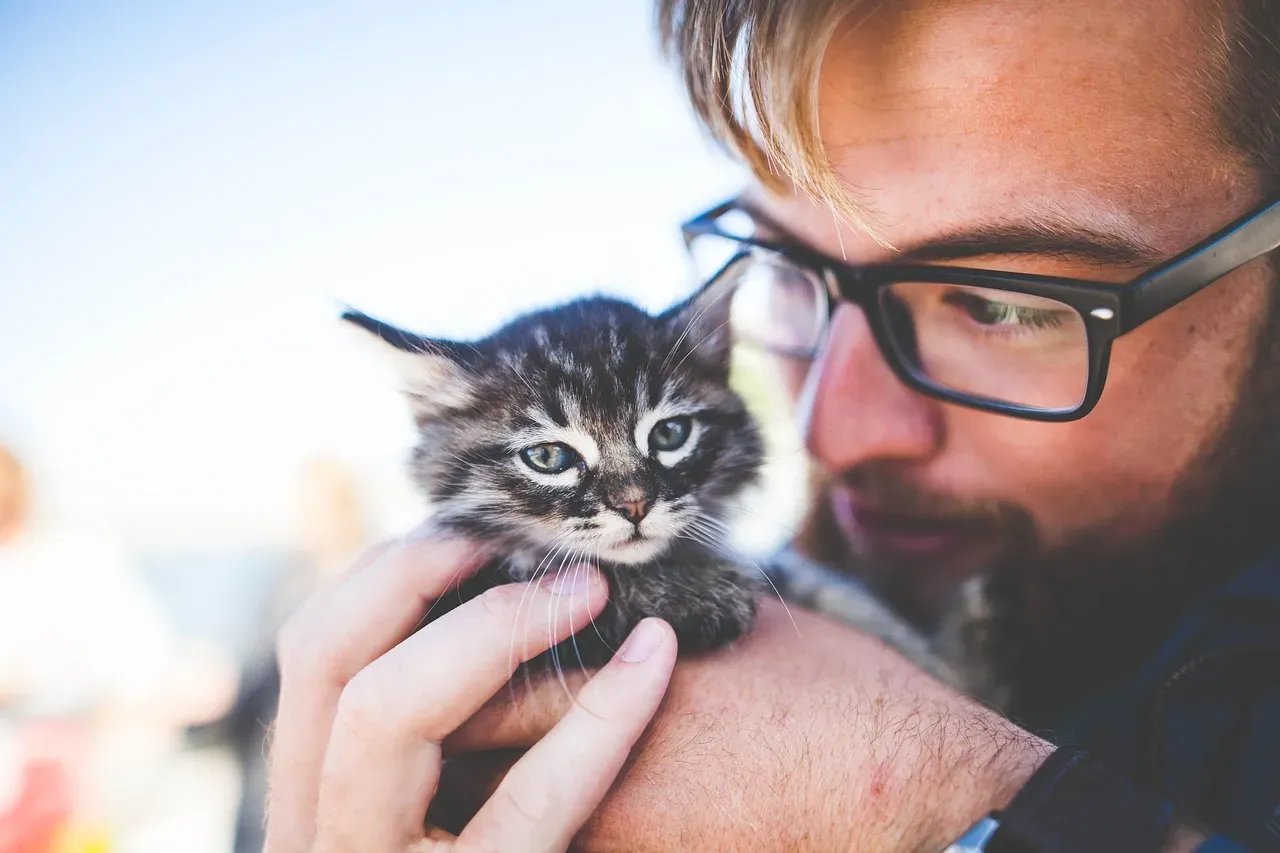
You might not be able to control who your cat prefers, especially if their early weeks shaped everything. Kittens who are positively socialized with humans between two and seven weeks old are more likely to develop strong attachments to people later in life. That narrow window is critical. What happens during it echoes throughout the cat’s entire adult life.
Kittens exposed to various humans in a positive context tend to be more friendly and less fearful than adults. Conversely, a cat raised in a single-person household might appear more bonded to that individual simply due to familiarity and comfort. Trauma also shapes a cat’s ability to attach to specific people. If a cat or kitten was in an abusive or neglectful situation with a certain demographic, they’re more likely to feel uncomfortable and unsafe around some types of people. Rescue cats especially carry these invisible histories with them.
Personality Matching: Cats Find Their Mirror Image
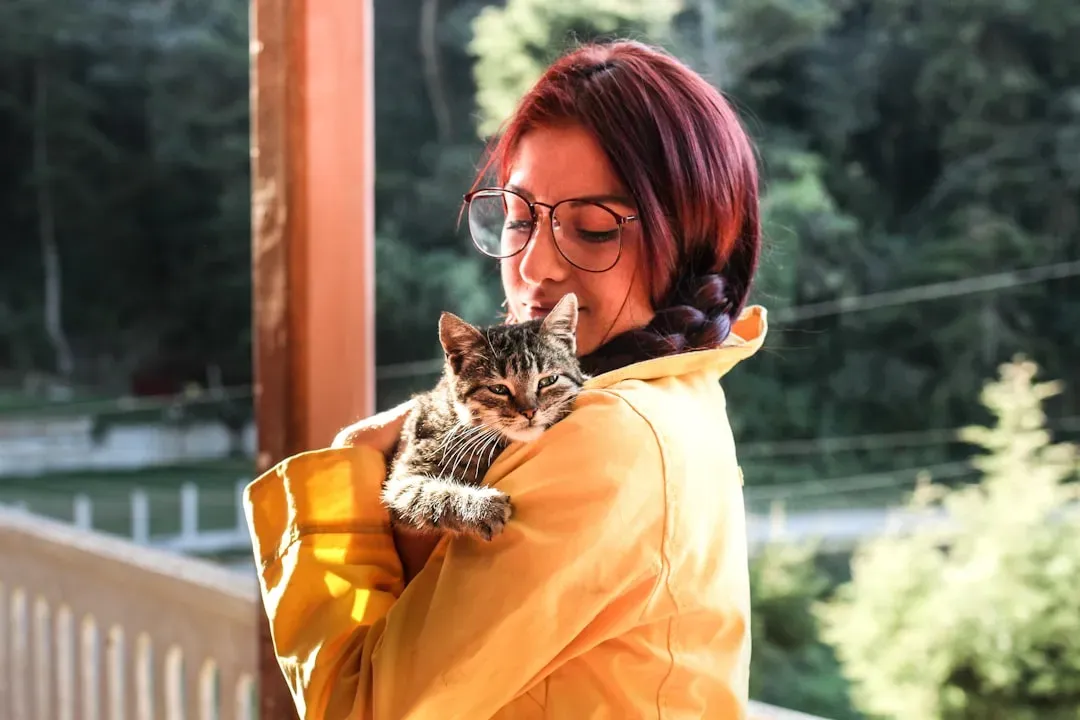
Cats choose their friends based on who best matches their own personalities. Cats have great observation skills, and they know who in the family is fun, who is quiet, who is boring, and who is loud and intimidating. They gravitate toward the person who behaves similarly to themselves and act more standoffish toward everyone else. It’s basically the same way humans form friendships – you just vibe with certain people more than others.
If a cat is the sort who just wants to be chill and relax, they will probably go for the family member who is calm and quiet. Playful, energetic cats who love to stay active will likely choose a friend who gives them this exercise and attention. So if your cat is a high-energy, chaotic little gremlin and you’re someone who loves a quiet evening with a book, don’t be surprised if it bonds harder with the most energetic person in the house. It’s not personal. It’s just compatibility.
The Science of Attachment: Cats Bond Like Infants
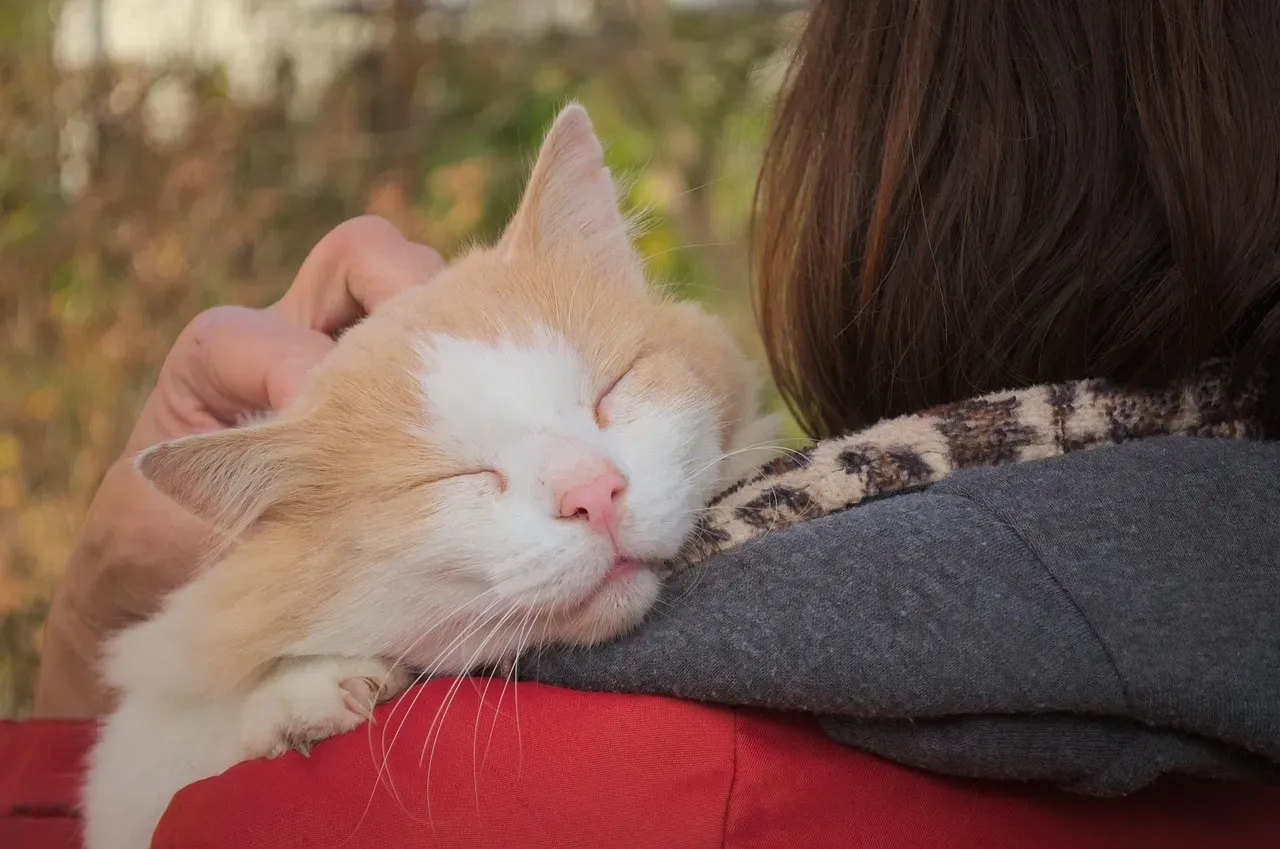
This one genuinely surprised me when I first came across the research. In a study on kitten attachment styles led by Kristyn Vitale at Oregon State University, researchers employed a method known as the “secure base test” to explore attachment behaviors in cats. This test, similar to those used for infants and dogs, involves a reunion phase where the cat’s response to their caregiver’s return after a brief absence is observed. Cats demonstrating secure attachment were observed to balance their attention between exploring their environment and interacting with their human, showing signs of comfort and reduced stress upon their caregiver’s return.
Of the 70 kittens that were classifiable, roughly two thirds were categorized as securely attached and about one third were categorized as insecurely attached. It was surprising to find how closely the proportion of secure and insecure attachments in the kitten and adult cat populations matched the human infant population. In humans, roughly two thirds of infants are securely attached to their caregiver. Once you learn that, you start seeing your cat’s preferences in a completely different light. They’re not being random or mysterious. They’re deeply attached – in their own quiet, feline way.
What Cats Actually Want From You (It’s Not What You Expect)
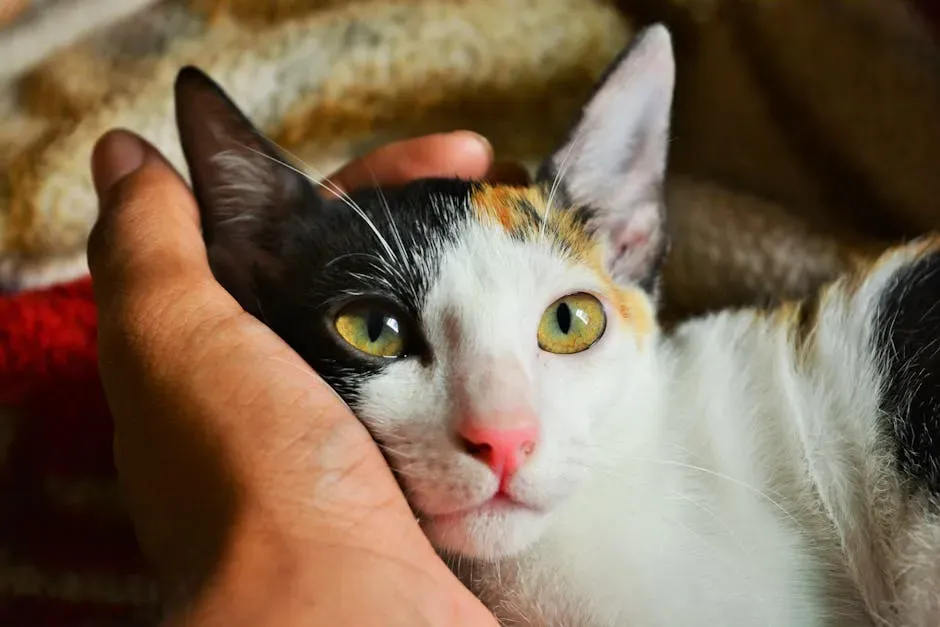
Here’s the counterintuitive part. You might think smothering your cat with love and attention is the path to becoming their favorite. It is not. What you shouldn’t do is try to smother your cat with affection. Giving cats heaps of attention without their permission is a terrible idea. The more you dote on a cat, the more suspicious it’s likely to become of you.
You’ll have a better chance of forming a good relationship with your cat if you let them stay in control. Cats like people who respect their space. If someone does that, the cat will learn to appreciate their restraint. They’ll reward them with attention later on when their mood changes. It’s like the most exhausting game of reverse psychology imaginable – but once you understand the rules, it actually makes perfect sense. The general consensus is that cats prefer to spend time with people who understand their body language and around whom they feel safe.
How to Tell If You’re Already the Chosen One
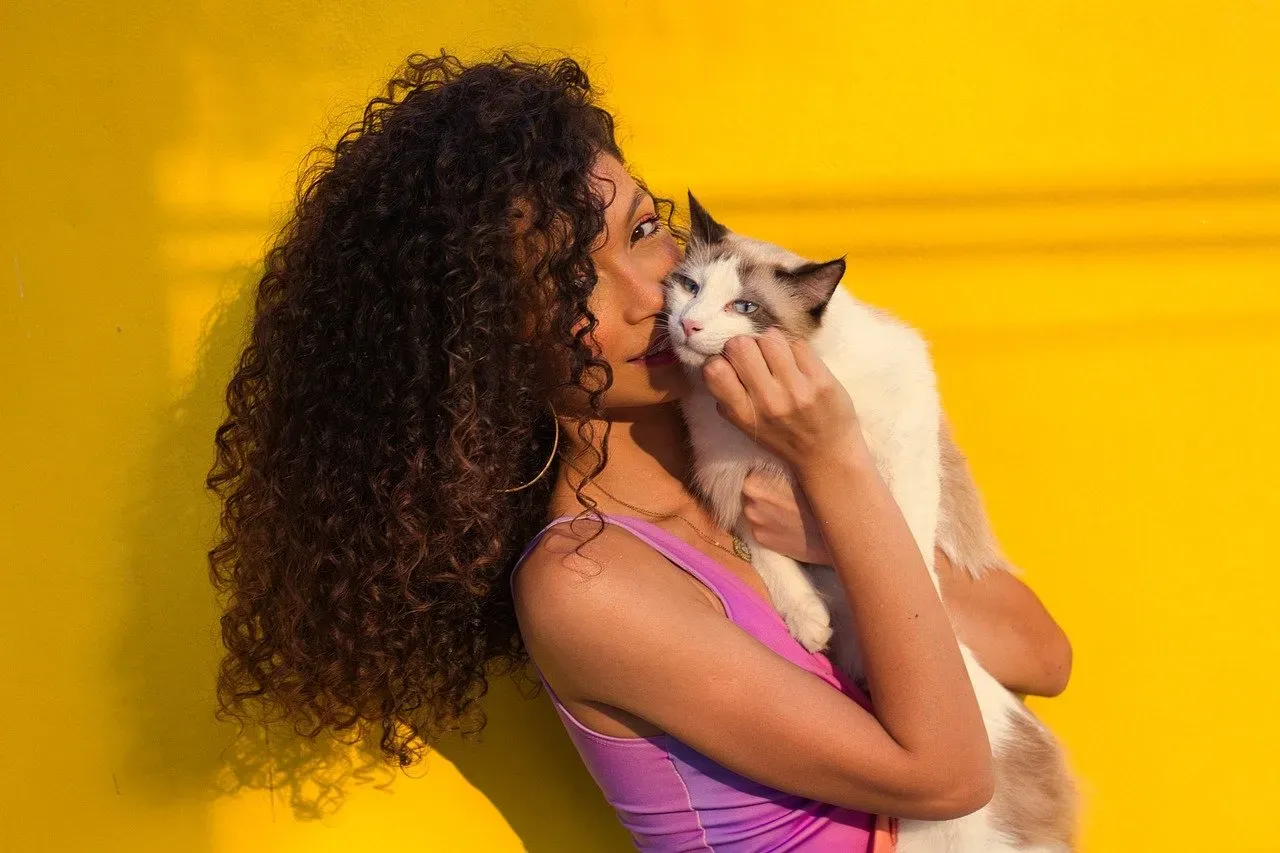
Maybe you’ve been wondering whether your cat has already quietly crowned you as its favorite. There are some very real signs to look out for. If a cat is keen on you being their number one human, they’ll do things like headbutt your hands, legs, and even forehead. They’ll bring you their toys, rub their scent on you, rub their teeth or mouth on you, and groom you by licking your hair. When a cat exposes their belly or flops around briefly, it displays a deep level of trust.
In general, behaviors that may point to one person in the house being preferred over others include: your cat tends to sit on your lap only, your cat seeks you out for attention over others, your cat vocalizes or meows a lot when you leave the house, and your cat shows signs of stress when you’re gone. Some cats are more vocal with their favorite person, engaging in conversations through meows and trills. Bringing “gifts” like toys or even prey is a sign that a cat considers you part of their group. Choosing to sleep near or on you is a strong indicator of trust and affection. If your cat is doing several of these things around you, congratulations – you’ve been chosen.
Conclusion
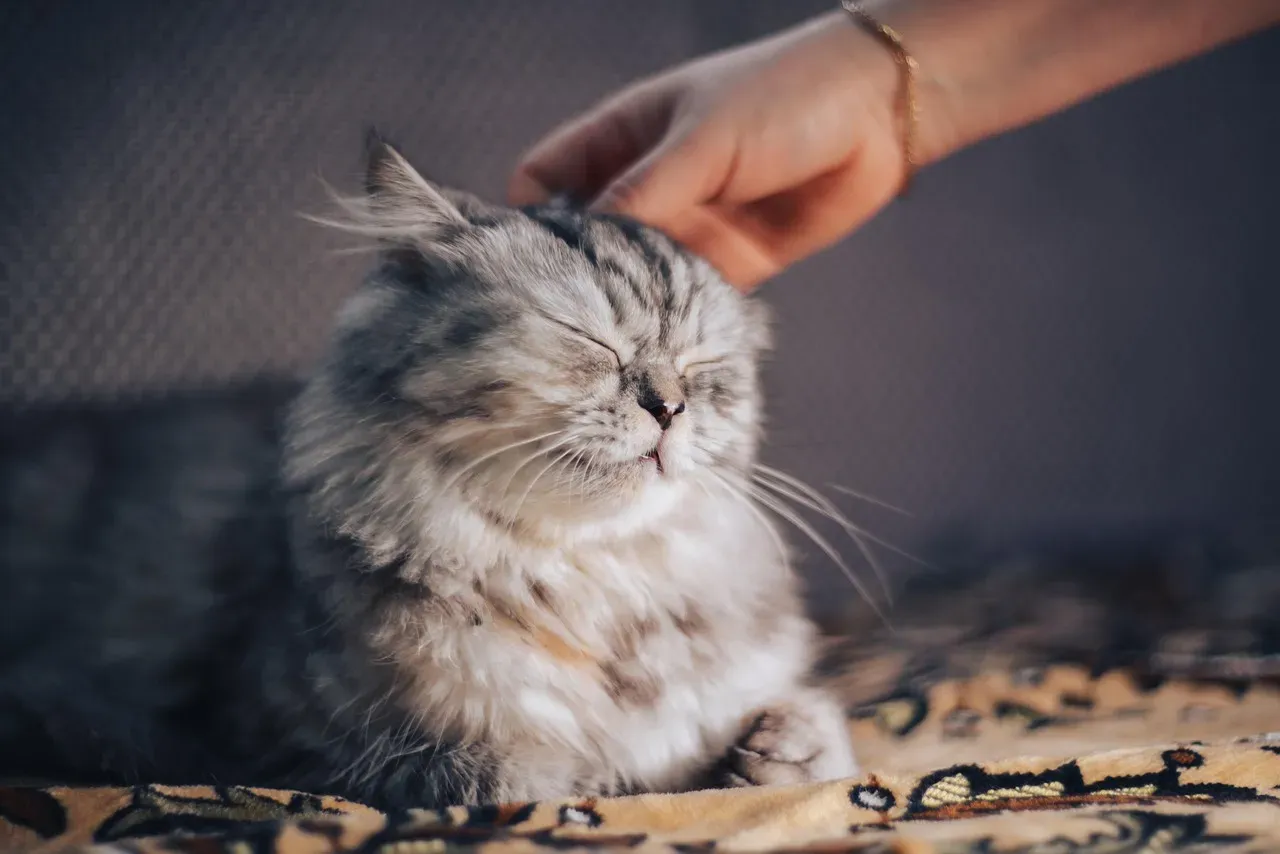
There is something genuinely wonderful about understanding that your cat’s preferences are not random and not personal slights. They are the product of deeply wired instincts, early experiences, personality compatibility, and the quiet language of trust built over time. Cats have different relationships with different people, with different preferences when it comes to how they like to play and get affection, and one person may provide things another simply cannot.
If you’re not currently your cat’s number one, that’s okay. If you’re not your cat’s favorite, don’t fret. It doesn’t mean she doesn’t love you – she still appreciates how well you take care of her and might even suffer from separation anxiety when you’re not around. The goal was never to win a competition. The goal is a relationship built on respect, consistency, and the quiet understanding that cats offer their trust on their own terms – and when they finally give it to you, it means everything.
So take a step back, stop chasing the purr, and let your cat come to you. You might be more surprised than you ever expected. What does your cat’s behavior say about the people in your household? Tell us in the comments.
Kristina is a young writer from India. An arts graduate and an avid content creator, Kristina is passionate about animals and wildlife. She enjoys exploring topics related to pet care, animal behavior, conservation, and nature, combining thorough research with engaging storytelling.