You’re watching your cat nap on the couch, completely relaxed, paws tucked in, looking absolutely peaceful. Then, out of nowhere, a tiny paw flicks. A whisker quivers. A soft, almost inaudible sound escapes those little lips. And you think to yourself, “Is my cat…dreaming?” Honestly, that moment is one of the most quietly magical things about living with a cat.
The answer is a resounding yes, and the science behind it is far more fascinating than you might expect. From decades of neuroscience research to the quirky behaviors you can observe on your living room couch, there is a whole world unfolding behind those closed eyelids. So let’s dive in.
The Science That Proved Cats Dream
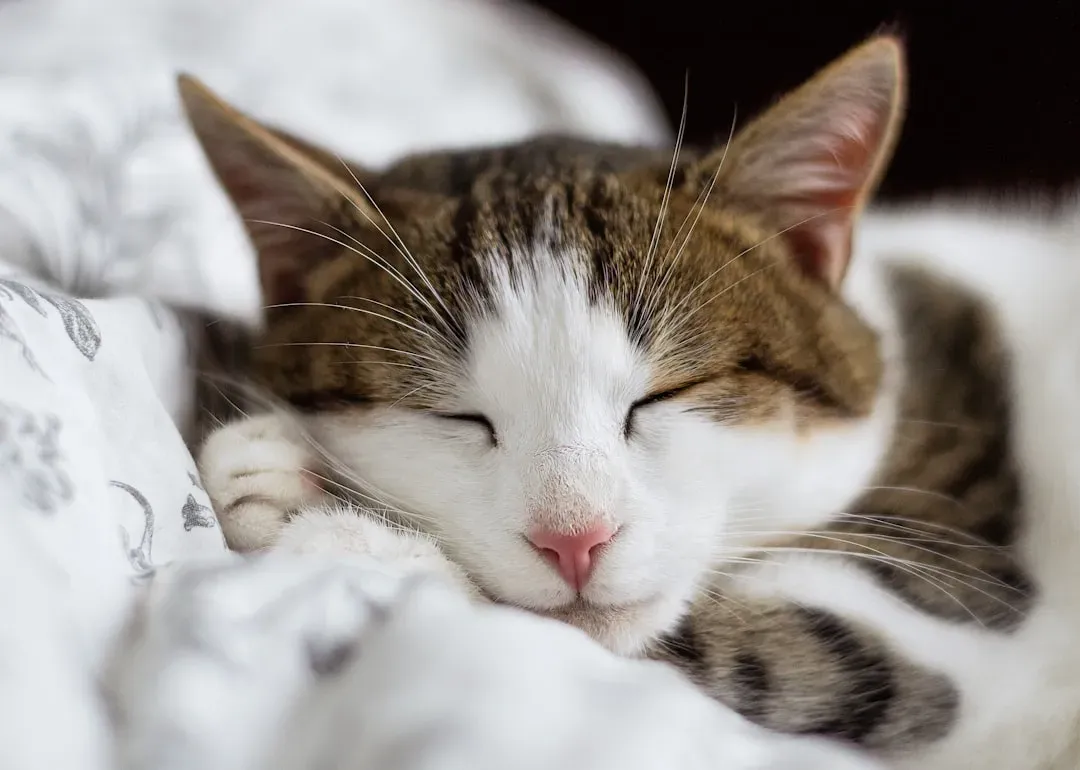
This isn’t guesswork or wishful thinking on the part of cat lovers. The scientific investigation of cat dreaming stretches back more than six decades to the groundbreaking work of French neuroscientist Michel Jouvet. Think of him as the man who accidentally discovered a whole secret world inside a sleeping cat’s brain.
In the 1960s, sleep researcher Michel Jouvet did a breakthrough study. He found that when a cat’s brain lost its REM-related muscle paralysis, the cat would “act out” its dreams. While still asleep, it pounced, swatted, and hunted invisible prey – all while lying on the lab floor. That’s not a subtle clue. That’s practically a neon sign.
William Dement, “The Father of Sleep Medicine,” discovered REM sleep in cats in 1958. Independently, French physiologist Michel Jouvet realized he’d seen the same behavior in his sleep research with cats. Jouvet called it “paradoxical” (meaning strange or contradictory), because in this deep sleep phase, animals showed behaviors similar to an awake animal. It’s one of those moments in science where two separate researchers stumble onto the same extraordinary truth.
How a Cat’s Sleep Cycle Actually Works
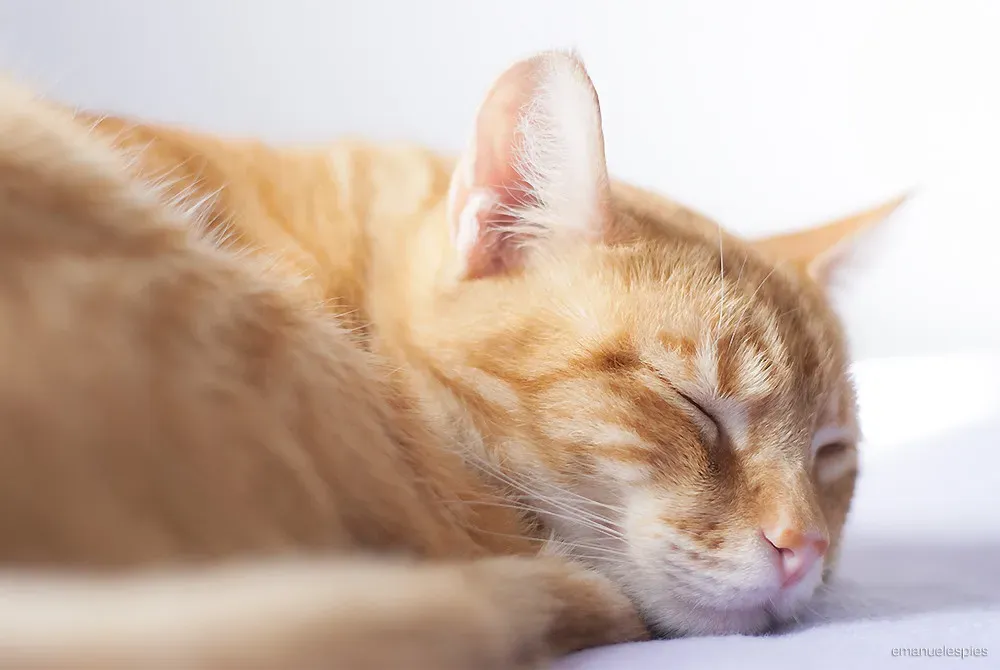
Cats, like humans, go through different sleep phases. These include NREM and REM sleep. During the NREM (non-rapid eye movement) phase, cats are in a light sleep and can wake up easily. Their brain waves are slower and more irregular compared to REM sleep. Think of it like the warm-up lap before the real race begins.
During REM sleep the EEG shows rapid, erratic brain wave activity similar to the waking pattern. REM activity includes fast, irregular breathing and fluctuating heart rates. Eyes make bursts of jerky movements under the lids both horizontally and vertically. There are between eight and 30 movements per burst. This is when you may notice twitching whiskers, tail flicks, paw movement, and perhaps snoring.
Horses, giraffes, and elephants spend very little time, if any, in REM sleep each day, whereas ferrets, platypuses, and house cats can spend three to eight hours per day in REM sleep. So your cat isn’t just napping. Your cat is experiencing one of the most REM-rich sleep lives in the entire animal kingdom.
What’s Happening in Your Cat’s Brain Right Now
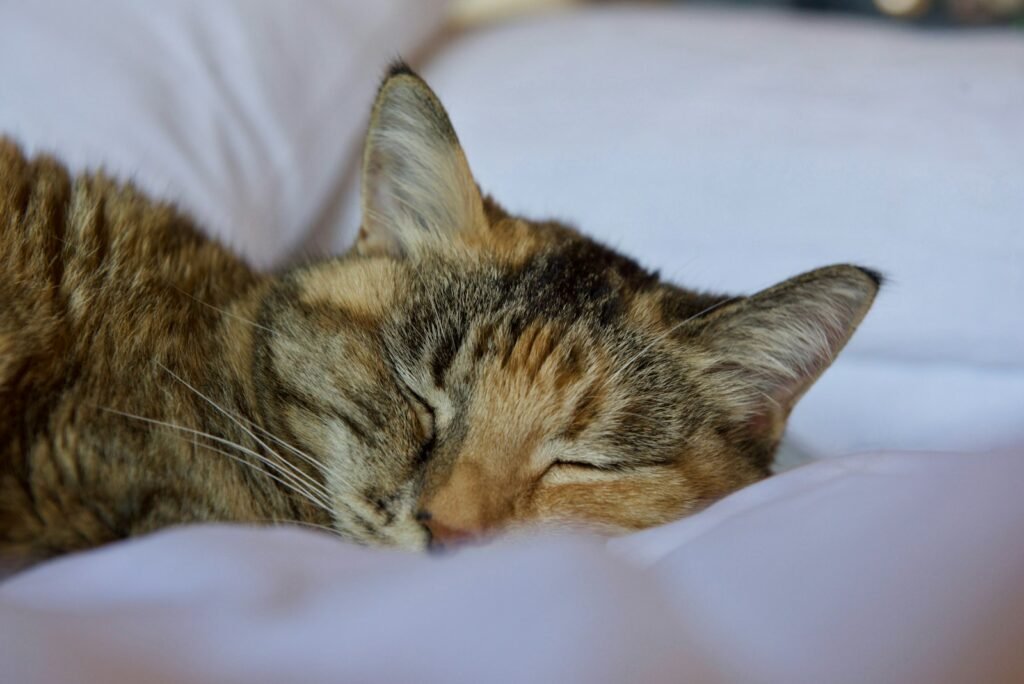
The hippocampus, the memory part of the brain, is highly active during feline REM sleep. That means dreams may also help cats process learning, solve problems, or solidify new routines. It’s almost like the brain is filing away the day’s adventures into long-term storage while the body rests.
Scientists have tracked this activity in cats using EEG (electroencephalogram) machines. The results? Cat brainwaves in REM sleep look strikingly similar to those of dreaming humans. I think that’s one of those facts that should make you look at your cat just a little differently.
Further evidence comes from a 2001 MIT study in which rats were trained to run a maze. Researchers recorded their brain activity during the task and again during REM sleep, finding nearly identical patterns. This suggests the rats were likely dreaming about navigating the maze they had practiced earlier that day – and it’s not a stretch to think that cats would behave the same way.
Decoding the Twitch: What Each Movement Means
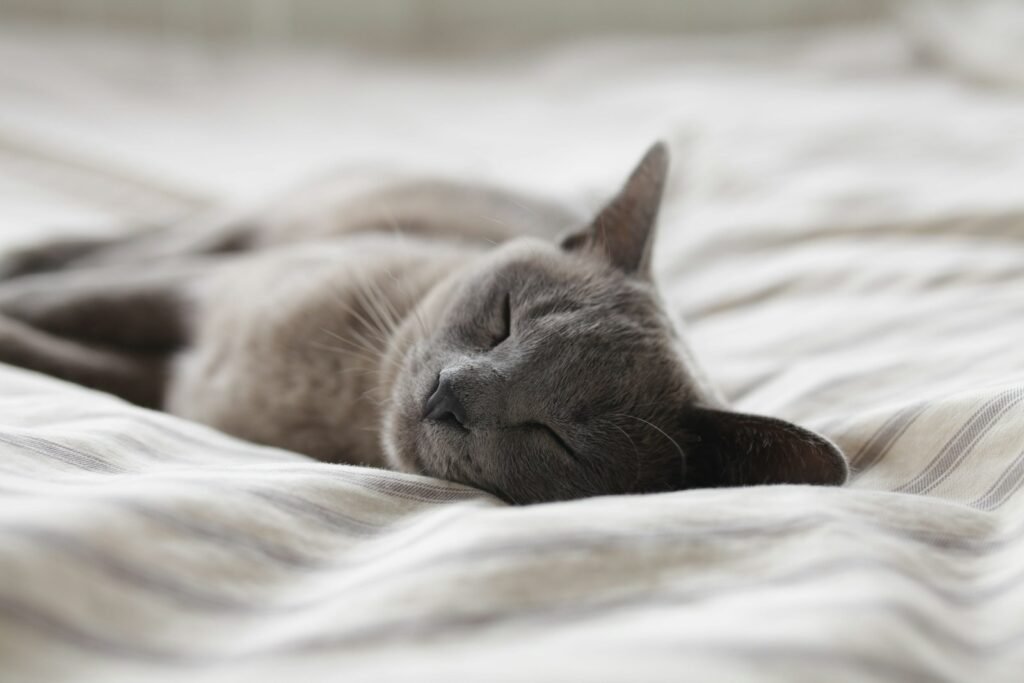
During REM sleep, a cat’s body might twitch, paws may move, whiskers can flick, and the eyes often shift rapidly beneath closed lids. Every little movement is like a tiny transmission from a dream world you’re not invited into. But you can still decode the signals if you pay attention.
If your cat’s paws are twitching, tail flicking, or whiskers fluttering, it may be that they’re dreaming about chasing something. Gentle vocalizations may signal a social dream, such as interacting with a human or another pet. So those soft little meows? Your cat might be talking to you in a dream. That thought alone is worth pausing on.
Slight changes in breathing patterns, like faster or more shallow breaths, can accompany active dreams. Next time your cat’s breath quickens while they sleep, they might just be mid-chase in their very own feline adventure film.
What Do Cats Actually Dream About?
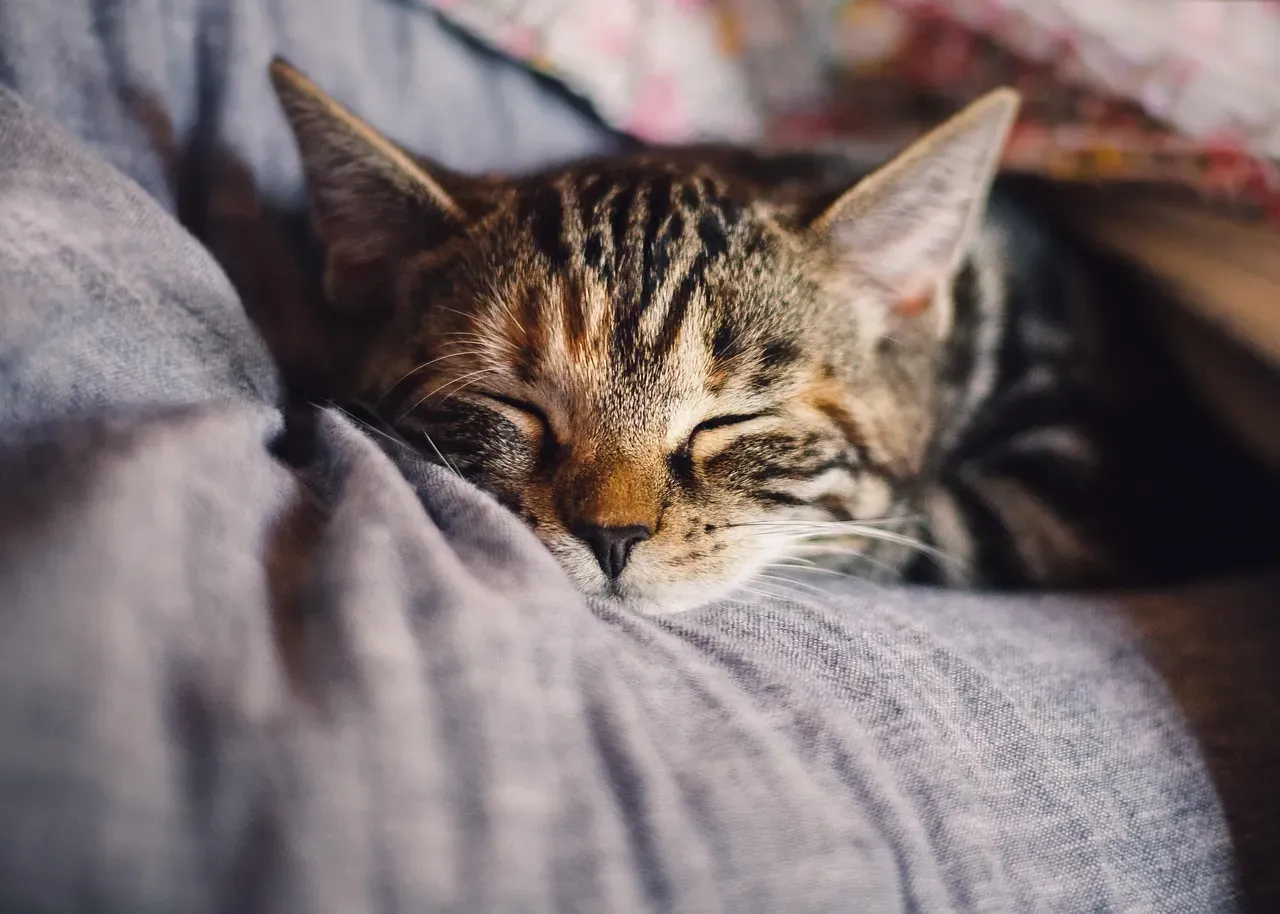
Here’s the thing – we can’t ask them. No dream journal, no morning debrief over breakfast. But the clues are everywhere. Most mammals use dreams to process the events they’ve experienced, so it’s reasonable to expect that cats relive their daily experiences at night, perhaps with some imaginative additions. Whatever a kitty was interested in during the day likely plays a role in their dreams that night.
Cats with damage to the pons area of the brain displayed movements during REM sleep that appeared consistent with hunting, such as pouncing on imaginary prey or reacting to nonexistent predators, providing some scientific support for the content of cat dreams. So yes, there’s a genuinely strong case that your cat is hunting in their sleep.
An even more intriguing idea is that animals might dream using more senses than humans do. For example, because smell is very important for both cats and dogs, their dreams might focus more on odors than ours do. This suggests that dogs and cats may dream in smells. Imagine dreaming in scent. That’s a whole different dream world compared to ours.
Kittens Twitch Way More – Here’s Why
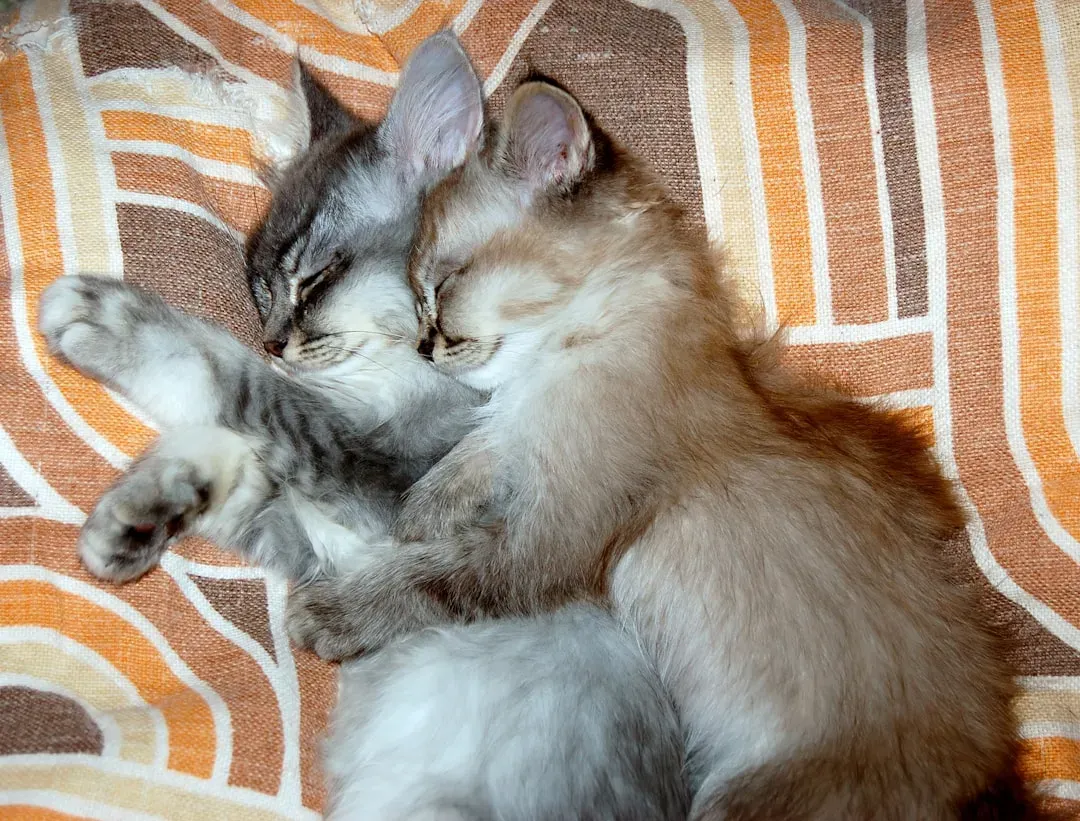
Some experts say kittens spend up to roughly four-fifths of their sleep in REM, while adult cats only spend around a quarter to just under a third of their sleep time there. More dream time means more twitching, and when you watch a tiny kitten trembling and paddling in their sleep, that’s exactly what’s happening.
Kittens are still learning how to move and use their bodies. Their brains are super busy during sleep, helping their muscles and nerves grow stronger. One reason they twitch so much is something called “activated sleep.” It’s a special sleep stage that only kittens go through. It’s like they’re training for life while technically unconscious.
Twitching helps stimulate and develop their motor skills and neural pathways as they grow. So when a kitten’s tiny paws flutter in sleep, that adorable little spasm is literally helping build the athletic, coordinated creature they’ll become. Nature is genuinely remarkable.
Can Cats Have Nightmares?
This is where things get a little emotionally complicated. If a cat has a particularly frightening experience, such as a fight with another cat, a close call with a car, or a fall off a roof, they might even have nightmares. It’s a sobering thought, especially if you’ve adopted a cat with an unknown past.
Cats can have nightmares related to truly unpleasant things that have happened to them in real life. For example, separation anxiety, painful landings, fights with other animals, and other experiences can induce nightmares. Rescued animals which have spent some time on the streets, in overcrowded shelters, or among abusive pet parents, are more likely to have nightmares even if they’re currently residing in safe, happy, and relaxing surroundings.
If you notice your cat twitching, whimpering, or growling during sleep, they may be in the midst of a bad dream. Other signs can include erratic movements of their paws, tails, or ears. A cat having a nightmare might also vocalize softly, making sounds that suggest they are distressed. However, it’s important not to wake your cat during a dream, as doing so can startle them, leading to confusion or aggression.
Normal Twitching vs. Something More Serious
Let’s be real – this is the question that keeps cat owners up at night. There is a clear difference between seizures and sleep twitching in your cat. Generally speaking, twitches in sleep are small and sporadic, whereas seizures are intense and rhythmic. The contrast, once you understand it, is actually pretty clear.
While a dreaming cat may subtly paddle their legs as if walking or running in a way that mimics normal movements, a cat that is having a seizure will be tense across their entire body with exaggerated movements of the limbs – any paddling will be rhythmic and exaggerated; totally different to the relaxed dream movements that most cats exhibit.
Cats with seizures will demonstrate full-body convulsions. They could also lose consciousness or urinate or defecate uncontrollably. Call your vet immediately if you believe your cat is having a seizure. If in doubt, film the episode on your phone and show it to your vet. That video can make all the difference in a diagnosis.
Should You Wake a Dreaming Cat?
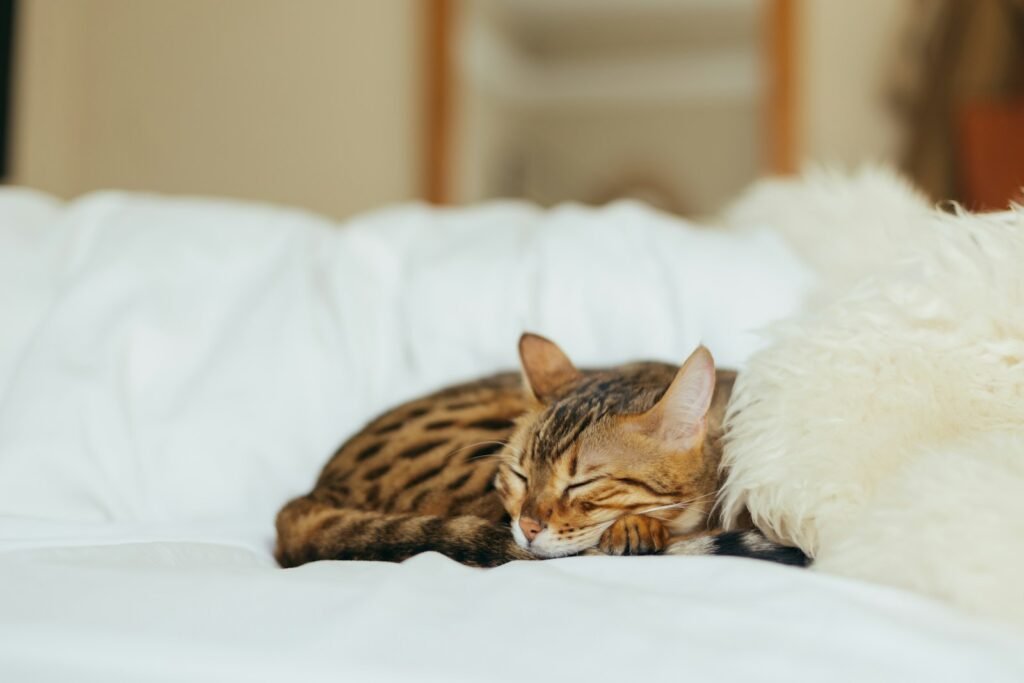
The short answer? No. And here’s exactly why. Cats that are woken up during REM sleep may be disoriented, and may even act aggressively toward their owners. Additionally, REM sleep is the most restful and restorative sleep for pets. If you wake your cat up from REM sleep, you are limiting its ability to obtain needed rest.
NREM sleep may help the body recharge and conserve energy, while REM sleep can help regulate emotions and other recovery processes. So interrupting that cycle isn’t just annoying for your cat. It’s genuinely harmful to their wellbeing over time.
It’s best to let them continue their sleep uninterrupted, as it’s crucial for their overall health and well-being. Think of it this way: would you want someone shaking you awake during the most vivid dream of your life? Exactly. Let them sleep.
How to Support Your Cat’s Best Sleep Life
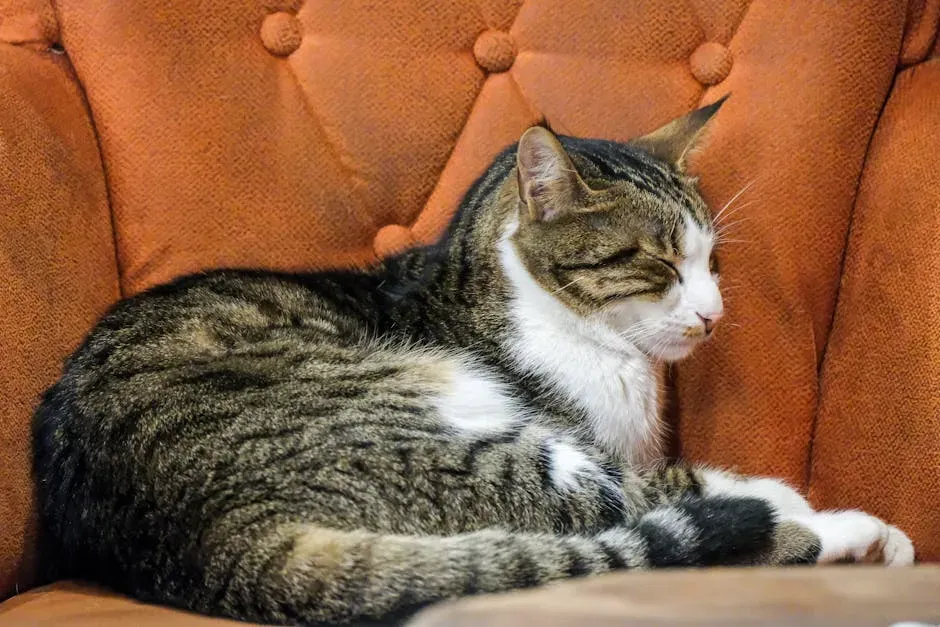
It’s usually a good idea to provide cats with cozy, secluded spaces where they feel safe enough to enter the deep sleep phase. This matters more than most people realize. A cat that doesn’t feel secure is a cat that can’t relax deeply enough to reach the REM stage where real rest and dreaming occur.
Providing your cat with wand toys, treat-dispensing toys, cat trees, and other forms of enrichment can help them have fun things to dream about. It sounds almost too sweet to be true, but the logic makes total sense. A stimulating, joyful day creates the raw material for good dreams.
If your cat seems to be having frequent night terrors, it may be helpful to look at their sleeping environment and overall health. Making sure they have a calm, comfortable sleeping area can likely reduce the occurrence of nightmares. You have more influence over your cat’s dream life than you might think. And that’s a genuinely comforting thought.
Conclusion: A Window Into a Secret World
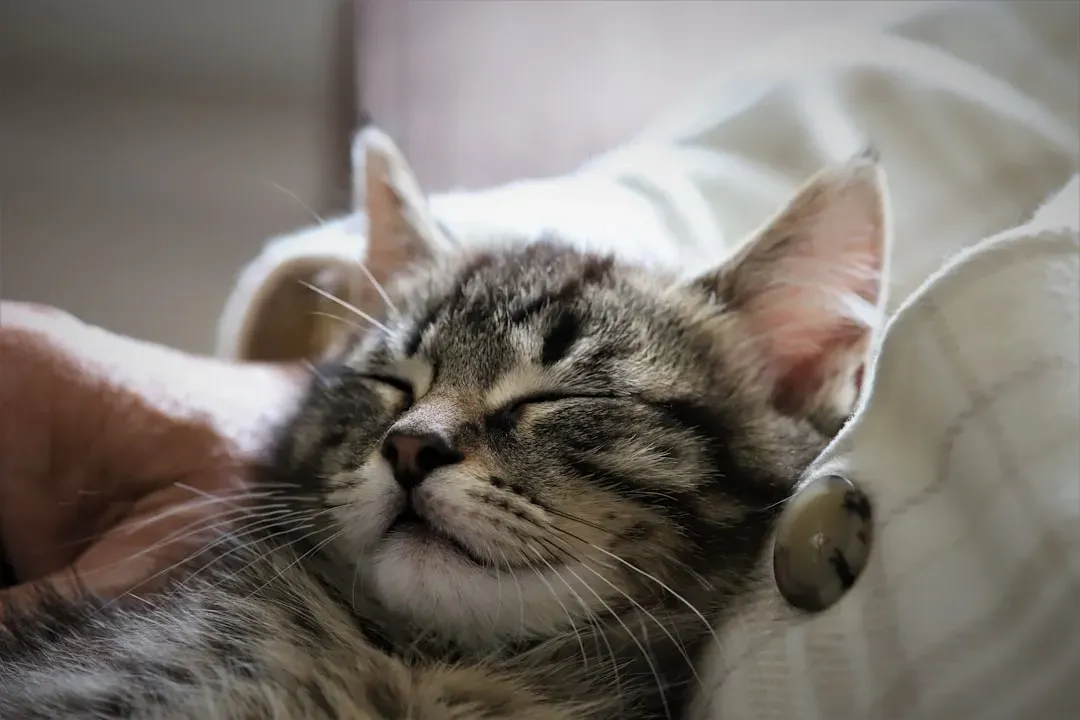
There’s something deeply moving about knowing that the creature curled up next to you is living an entire inner life, full of chases, familiar scents, and adventures you’ll never fully see. Since cats learn and remember things throughout the day, it’s likely they replay these experiences in their dreams. That little twitch isn’t random. It’s a story.
The science is clear, the behavior is observable, and the implications are beautiful. Your cat is not just sleeping. They are processing, remembering, and perhaps even replaying the moments they shared with you. Cats might replay moments of affection or play in their dreams, processing the day’s interactions and solidifying memories. So when you see your cat’s paws twitching or hear a soft purr as they sleep, they could very well be dreaming of cuddling with you or chasing toys you’ve tossed for them.
So the next time you spot that tiny paw flicker, or hear that barely-there murmur from your sleeping cat, smile. You’re watching something rare and real. A mind at rest, a dreamer at work. What would you guess your cat is dreaming about right now?
Kristina is a young writer from India. An arts graduate and an avid content creator, Kristina is passionate about animals and wildlife. She enjoys exploring topics related to pet care, animal behavior, conservation, and nature, combining thorough research with engaging storytelling.