You have probably watched your cat lower its head to the bowl dozens of times and thought absolutely nothing of it. Just a cat drinking. Nothing to see here. Honestly, that is a reasonable assumption – until you learn that what is happening in those few split seconds is a masterclass in physics, survival instinct, evolutionary memory, and even a window into your cat’s current health.
There is a whole world buried inside that simple daily ritual. The bowl placement, the lapping speed, the paw dipping, the faucet obsession – none of it is random. Every single habit your cat has around water is telling you something important. Let’s dive in.
Your Cat Is Basically a Tiny Physics Genius at the Water Bowl
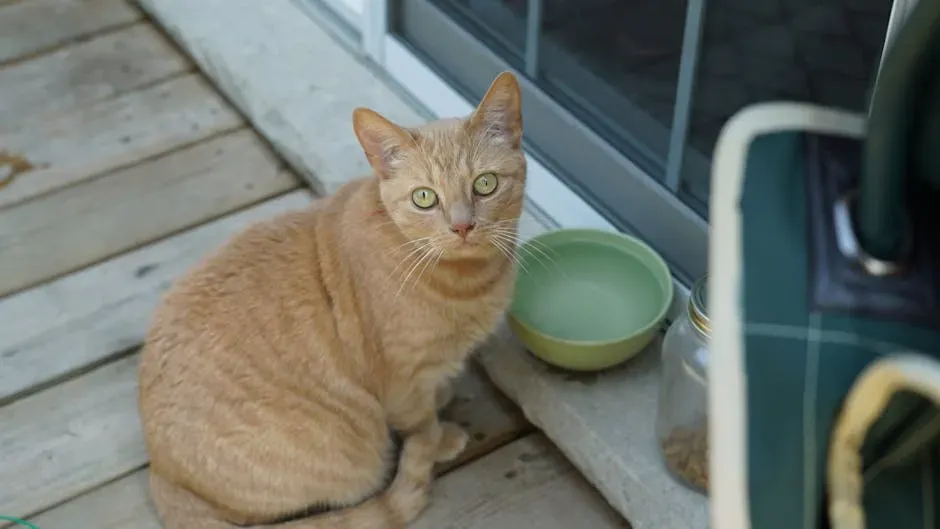
Let’s be real – most of us assume drinking is one of the more mindless things a creature can do. You get thirsty, you drink. Simple. Watching a cat drink is actually an amazing feat of physics that requires perfect timing and a constant balance between inertia and gravity. Think of it like a tightrope act happening four times every single second.
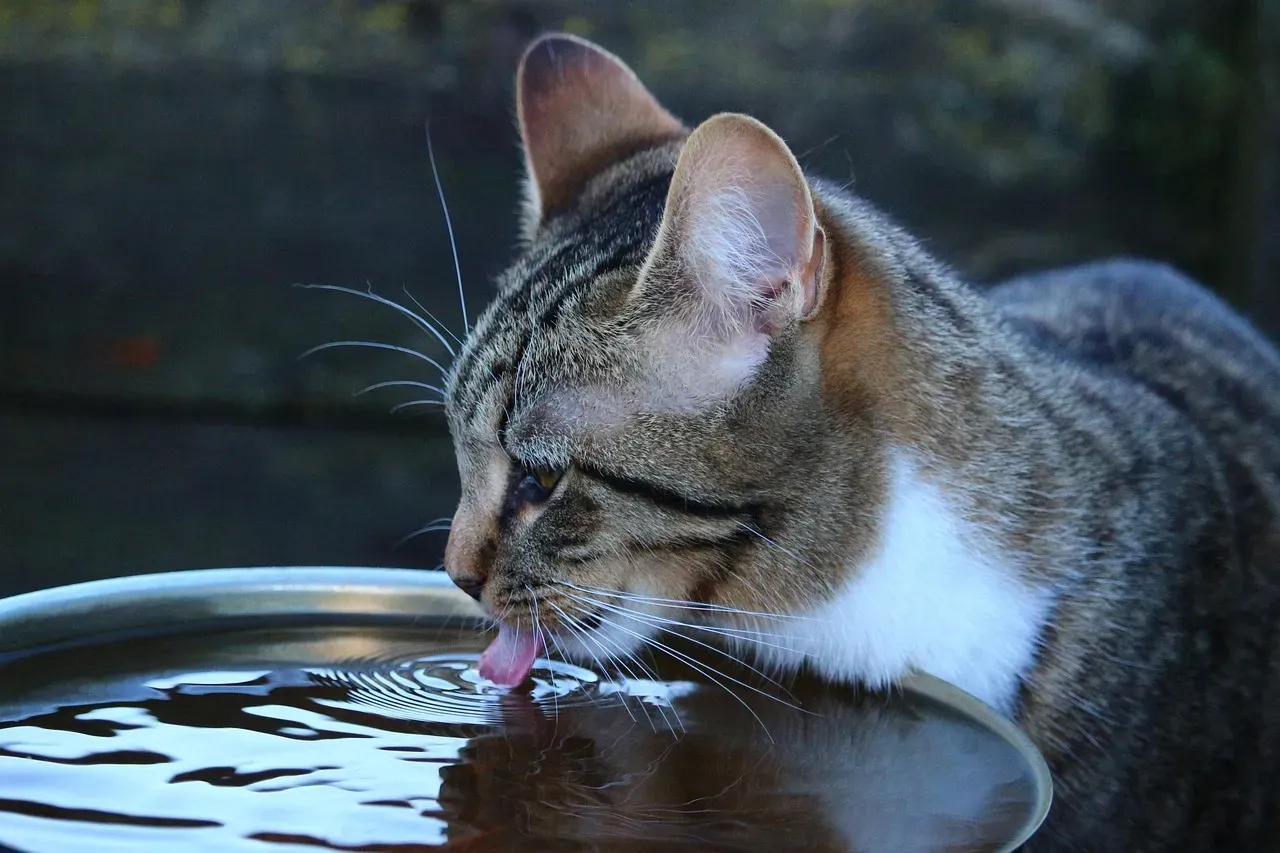
High-speed video research revealed that only the very tip of a cat’s tongue ever touches the liquid surface, and it does so so lightly that it does not even break the surface tension. As the tongue pulls back upward, a column of liquid forms between the tongue and the water’s surface, and the cat snaps its mouth shut around it in a flash. It is less like drinking and more like catching a tiny jet of water mid-air – every single time.
This method requires lapping at precisely the right speed to balance the inertial force keeping the water moving upward with gravity pulling it back down, and cats seem to do this instinctively without any training whatsoever. Researchers at MIT found this so remarkable that they built a robotic version of a cat’s tongue that moves up and down over a dish of water, allowing them to systematically explore the mechanics of lapping.
Even Big Cats Like Lions and Tigers Use the Same Elegant Technique
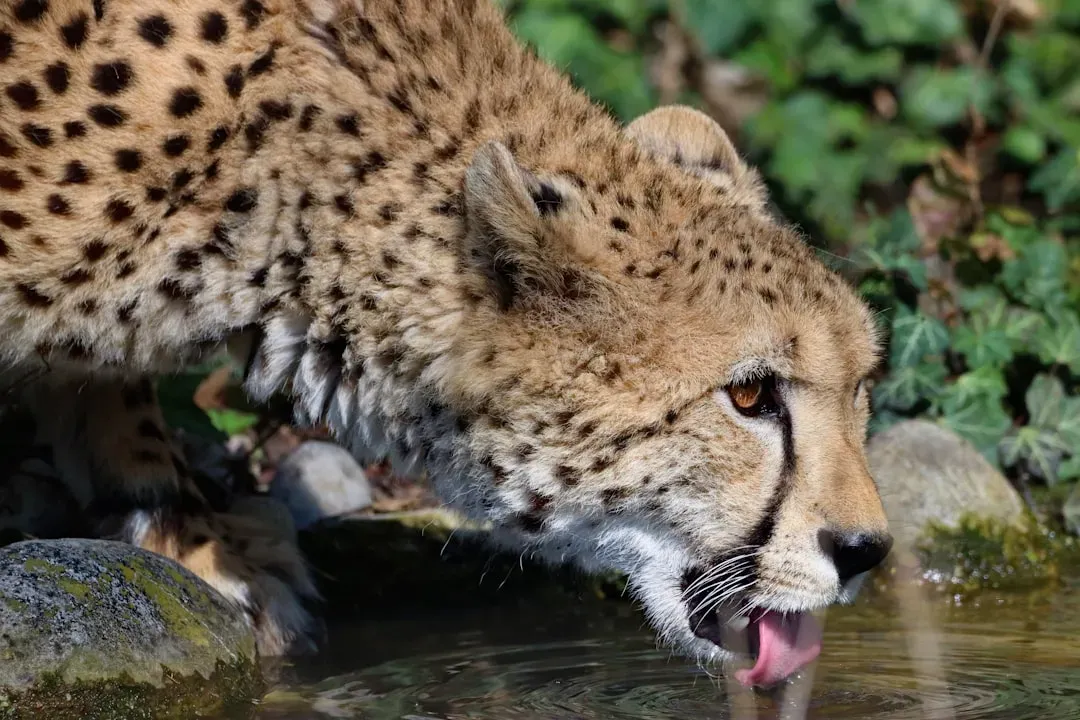
Your domesticated cat’s wild counterparts – lions and tigers – drink in exactly the same way. That is a remarkable example of evolutionary consistency. The mechanics are identical across feline species, though the pace differs significantly based on body size.
The larger the cat, the slower it needs to lap to maintain that fine balance between inertia and gravity, and videos of big cats confirmed this, showing them lapping less than twice per second compared to the four laps per second a domestic cat achieves. It is essentially the same elegant system, just tuned to a different body size. Your living room tabby and a tiger in the Sundarbans are running the same ancient program.
Why Your Cat Refuses to Drink Near the Food Bowl
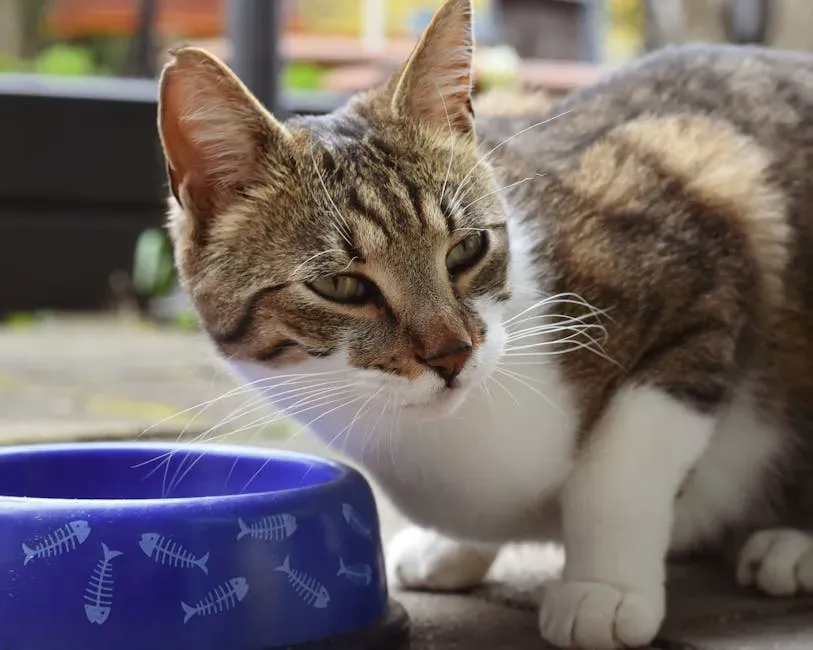
You may have noticed your cat walking right past the water bowl sitting next to its food dish, only to sip from a glass across the room or beg at the bathroom sink. This is not stubbornness. It is deeply wired survival behavior. Many cats avoid drinking water placed right next to their food bowl, a behavior rooted in their survival instinct – wild African wildcats naturally avoided drinking near their prey because the remains could contaminate their water source.
Instinctively, cats prefer to drink water that is located away from their dead prey, which in nature could contaminate their water with bacteria. In your home, your cat’s food is that “dead prey.” So placing the water bowl right next to the food dish is, from your cat’s evolutionary perspective, basically asking it to drink from a potentially poisoned source. Moving the water bowl away from the food – not just a foot or two, but significantly further, even against an opposite wall – can make a noticeable difference.
The Obsession With Running Water Is Not Just a Quirk
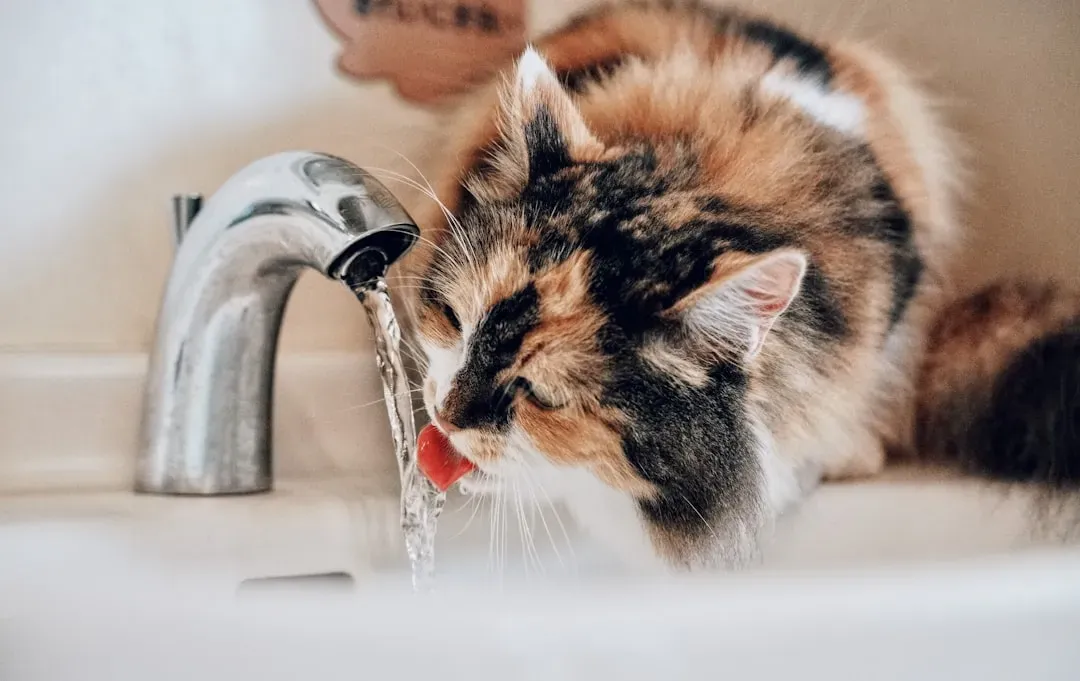
If your cat stares longingly at the faucet, paws at the tap, or positions itself under a dripping spout like it is some kind of luxury spa treatment, you are seeing thousands of years of evolutionary wiring in action. To understand why cats love running water, you only need to look at their wild ancestors. Domestic cats evolved from African wildcats, which naturally sought fresh, flowing streams because running water is generally cleaner and safer than stagnant pools that could harbor disease.
The movement, sound, and light reflections of running water are genuinely stimulating and interesting to cats, making running water both a hydration source and a form of entertainment for some. On a practical level, some cats may actually avoid tap water due to its taste or smell, as tap water often contains chemicals like chlorine that cats are highly sensitive to. It’s hard to say for sure whether your cat is a true water connoisseur or just being dramatic, but either way – the preference is real.
Why Some Cats Dip Their Paw in Water Before Drinking
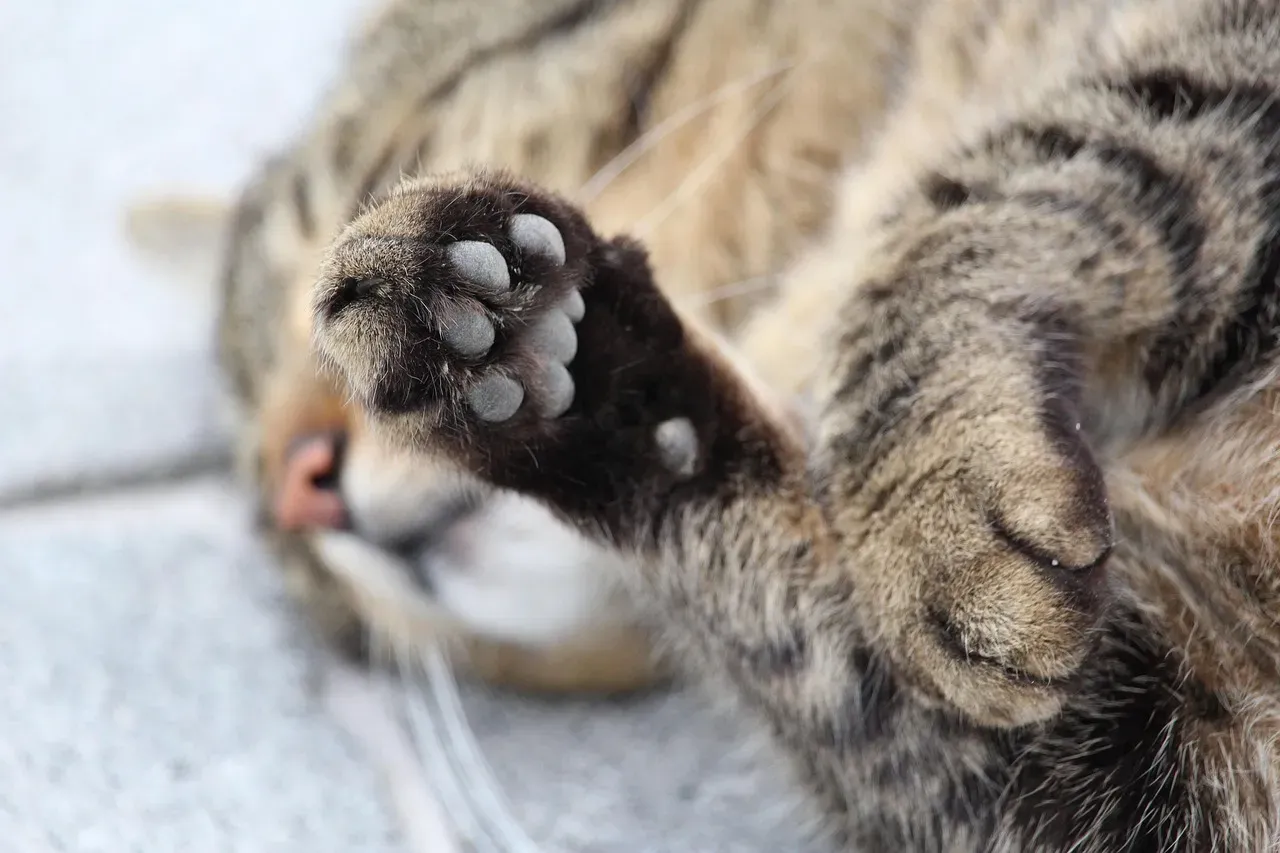
This has to be one of the most charming, baffling, and genuinely fascinating things cats do. They stare at the bowl, gently lower one paw in, stir it around a bit, and then lick the water off their foot. In the wild, cats are cautious hunters and careful drinkers, and pawing at the water surface helps them test the safety of what they are about to consume – an ancient instinct that may still be playing out in your kitchen.
Cats also have difficulty seeing still water clearly, as their eyes are more adapted to detecting movement. By dipping their paw, they create ripples that make it easier to gauge the water’s depth and location. There is also a whisker component: one reason relates to the sensitivity of their whiskers. If a cat dips its head into a bowl without knowing how deep it is, the whiskers risk being pressed against the sides, causing discomfort, so some cats use their paw like a spoon instead. Honestly, it is a creative workaround.
Whisker Fatigue Is Real and It May Be Why Your Cat Avoids Its Bowl
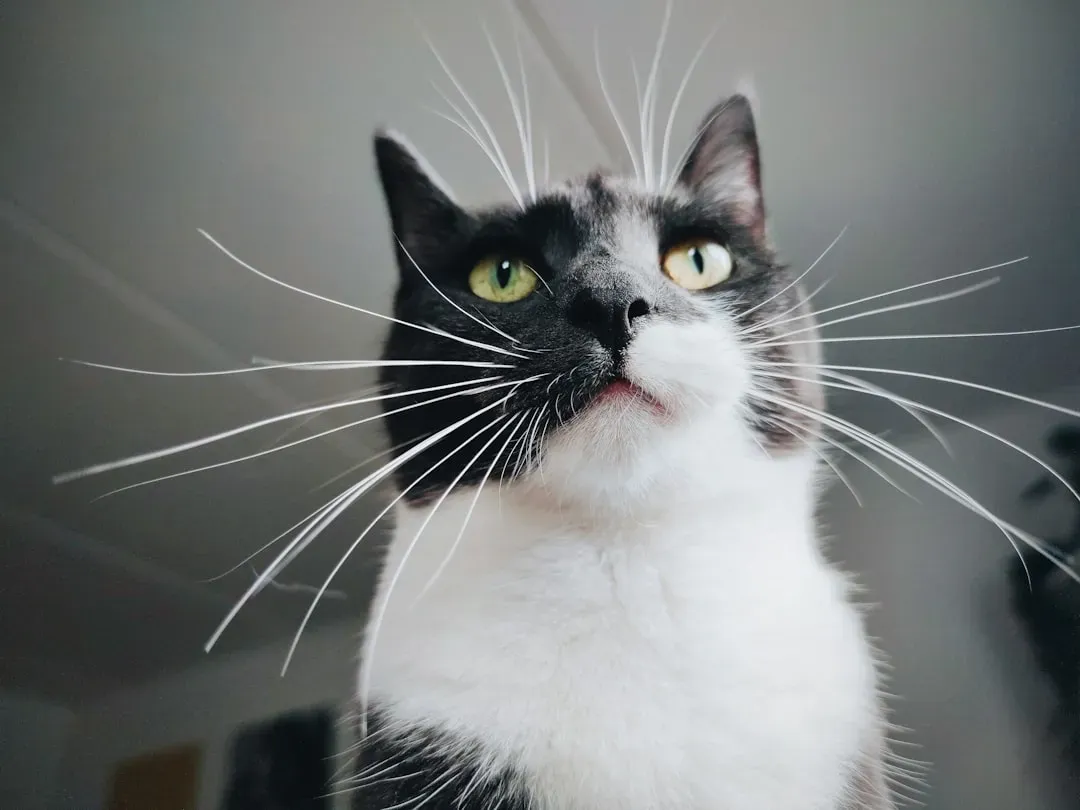
Here is a detail many cat owners miss entirely. If your cat approaches its water bowl, seems hesitant, or walks away without drinking, the bowl itself might be the problem. Whisker fatigue occurs when a cat’s sensitive whiskers repeatedly brush against the sides of a deep or narrow bowl, leading to stress, frustration, and even refusal to eat or drink – something many pet owners mistake for picky behavior when the cat is simply uncomfortable.
Whisker fatigue is a condition caused by overstimulated whiskers. Cats use their whiskers as sensory tools to navigate their environment, detect changes in air currents, and even measure the width of spaces, so when their whiskers repeatedly touch the sides of a narrow or deep bowl, it can cause genuine discomfort, stress, and even pain. The fix is surprisingly simple: a whisker-friendly bowl needs to be both wide and shallow, giving your cat’s whiskers room to extend naturally without touching the edges at all.
How Much Your Cat Drinks Can Signal Serious Health Issues
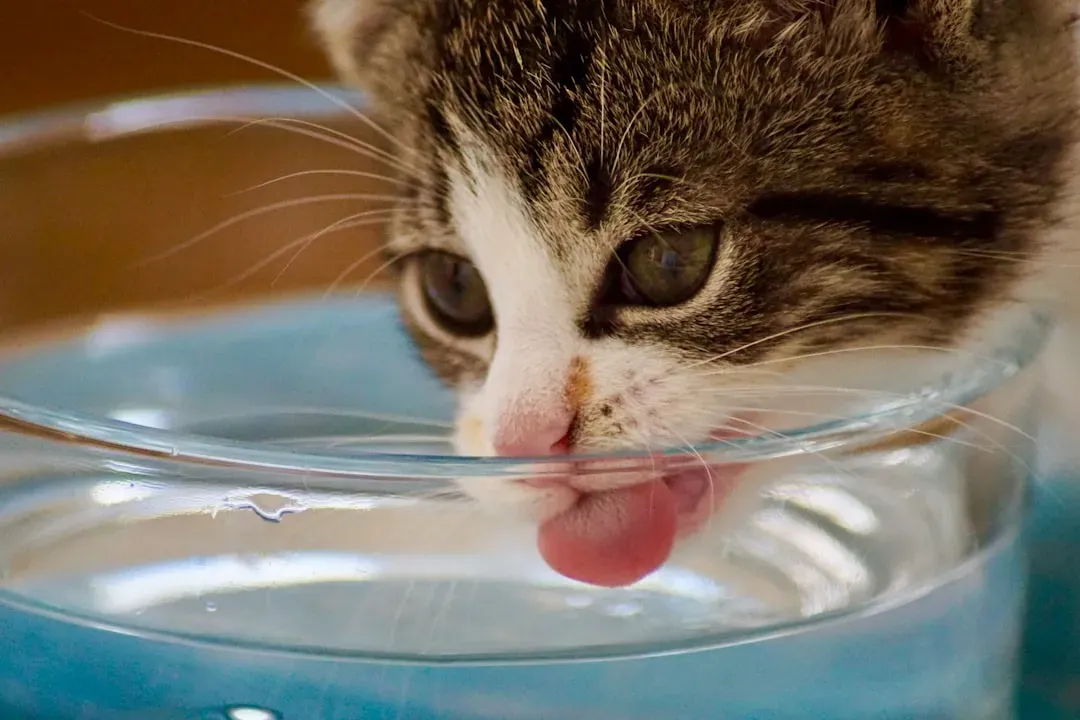
Your cat’s water consumption is one of the most useful health indicators you have access to every single day. Cats will generally drink about four ounces of water per five pounds of body weight, meaning a typical ten-pound cat should drink roughly eight ounces of water daily. That is your baseline. Deviating significantly from that number in either direction deserves attention.
Excessive drinking carries the medical term polydipsia, and it typically accompanies polyuria, meaning increased urination frequency and volume. Diabetes is one of the most common conditions that cause excessive thirst in cats, affecting how the body regulates blood sugar and leading to increased water consumption and urination. Chronic kidney disease is another leading cause, especially in older felines, as kidneys that are not functioning properly lose the ability to concentrate urine, causing the body to demand more fluid intake. Pay attention to those bowl levels.
Your Cat’s Diet Directly Controls How Thirsty It Gets
This one surprises a lot of cat owners. You switch your cat from wet food to dry kibble and suddenly it seems to be drinking all day. That is not a coincidence. Dry food contains very little moisture, usually around ten percent, while canned food contains roughly seventy to eighty percent water, especially varieties that include gravy. The shift in thirst levels is a direct physiological response, not a behavioral change.
Cats are biologically designed to get most of their water from their food source, much like mice in the wild which are about seventy percent water. Cats fed a canned food diet not only stay better hydrated but also have a lower risk of illnesses such as hyperthyroidism, diabetes, constipation, and obesity. Cats can obtain a large percentage of their fluid requirements through food if given a diet with high water content, but if cats eat mainly dry food, their overall fluid intake will be noticeably lower. It is a simple equation with real consequences.
How to Actually Check If Your Cat Is Properly Hydrated
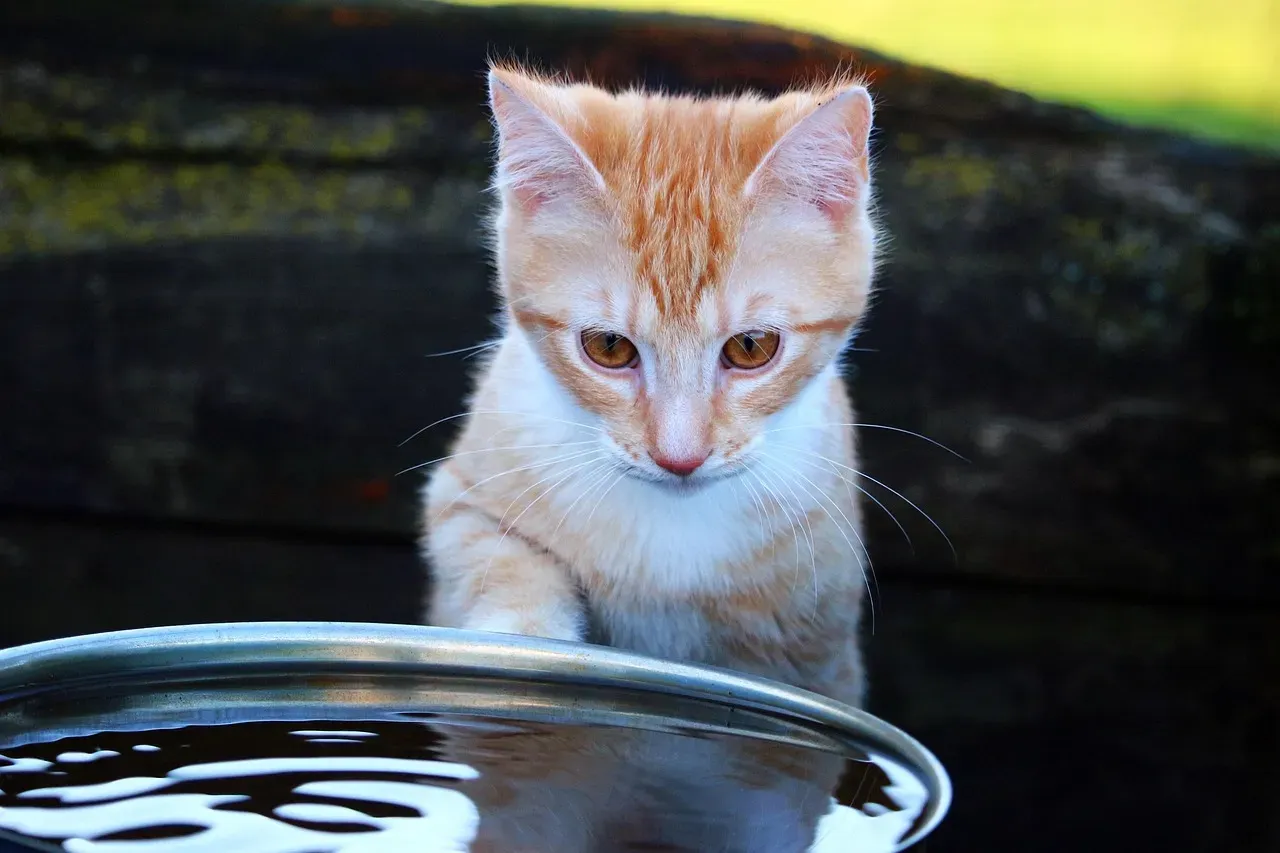
Most cats will not walk up to you and signal they are dehydrated. They are famously private about discomfort. Unlike humans who reach for water when thirsty, cats evolved from desert ancestors with a weak thirst drive, making dehydration in cats a genuinely silent threat. That means you need to check proactively rather than wait for obvious signs.
Well-hydrated cats have good skin elasticity. You can test this by gently lifting the scruff between the neck and shoulder blades. Ideally, the skin will snap back almost immediately. If it takes a while to sink back down, your cat is likely dehydrated. Offering water in multiple spots around your home, using wide shallow bowls to prevent whisker stress, and keeping water fresh and away from food and litter areas are all practical steps you can take right away. Small changes, big impact.
Conclusion: The Bowl Is a Window
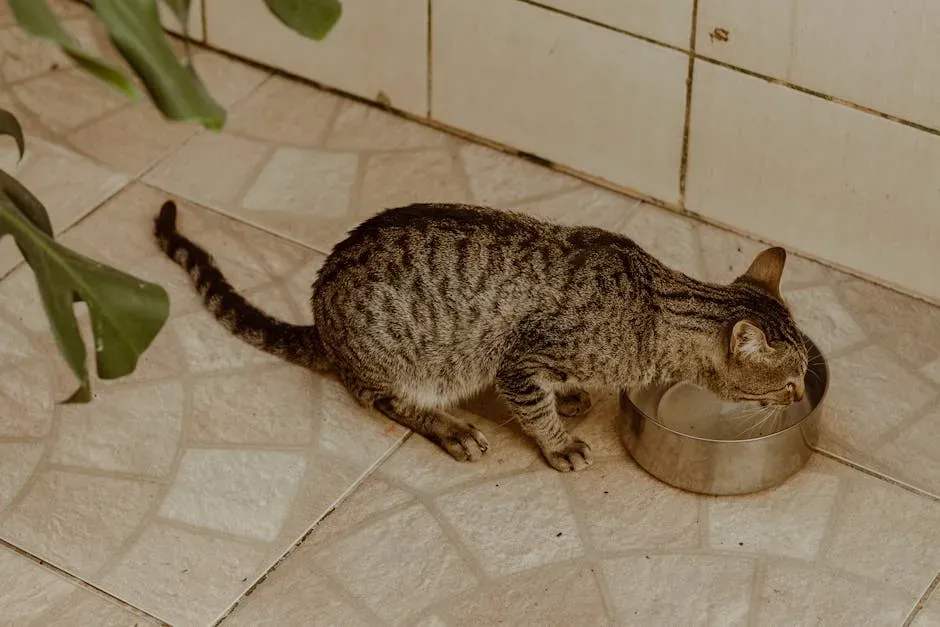
It is genuinely astounding how much information hides inside the simplest daily ritual. A cat drinking water is not just a cat drinking water. It is a live display of evolved physics, ancient survival memory, sensory sensitivity, emotional state, and even organ health all rolled into one quiet, unassuming moment by the bowl.
Once you start paying attention, you realize your cat is constantly communicating through its habits. Where it drinks, how it drinks, how often it drinks, whether it uses its paw, whether it avoids the bowl entirely – all of it matters. The good news is that most of what you learn only requires small, easy adjustments to your cat’s setup to make a real difference in its wellbeing.
So the next time you catch your cat in that familiar crouch at the water bowl, take a moment to actually watch. You might be seeing a tiny physicist at work, a wild predator checking for threats, or a quiet signal that something needs your attention. What has your cat’s drinking habit been trying to tell you all along?
Kristina is a young writer from India. An arts graduate and an avid content creator, Kristina is passionate about animals and wildlife. She enjoys exploring topics related to pet care, animal behavior, conservation, and nature, combining thorough research with engaging storytelling.