Your cat is sitting there on the couch, tucked in, eyes half-closed, perfectly still. To most people, that reads as simple contentment. But feline body language is far more layered than it looks, and what appears calm on the outside sometimes tells a very different story underneath.
Unlike dogs, cats haven’t evolved to have many facial muscles, which means their faces aren’t nearly as expressive. That’s exactly why recognizing even the smallest shifts in their body language matters so much. Those small signals carry a lot of meaning. If you’ve been reading your cat’s “relaxed” pose at face value, there’s a good chance you’ve been missing the real conversation.
The Language Your Cat Speaks Without Words
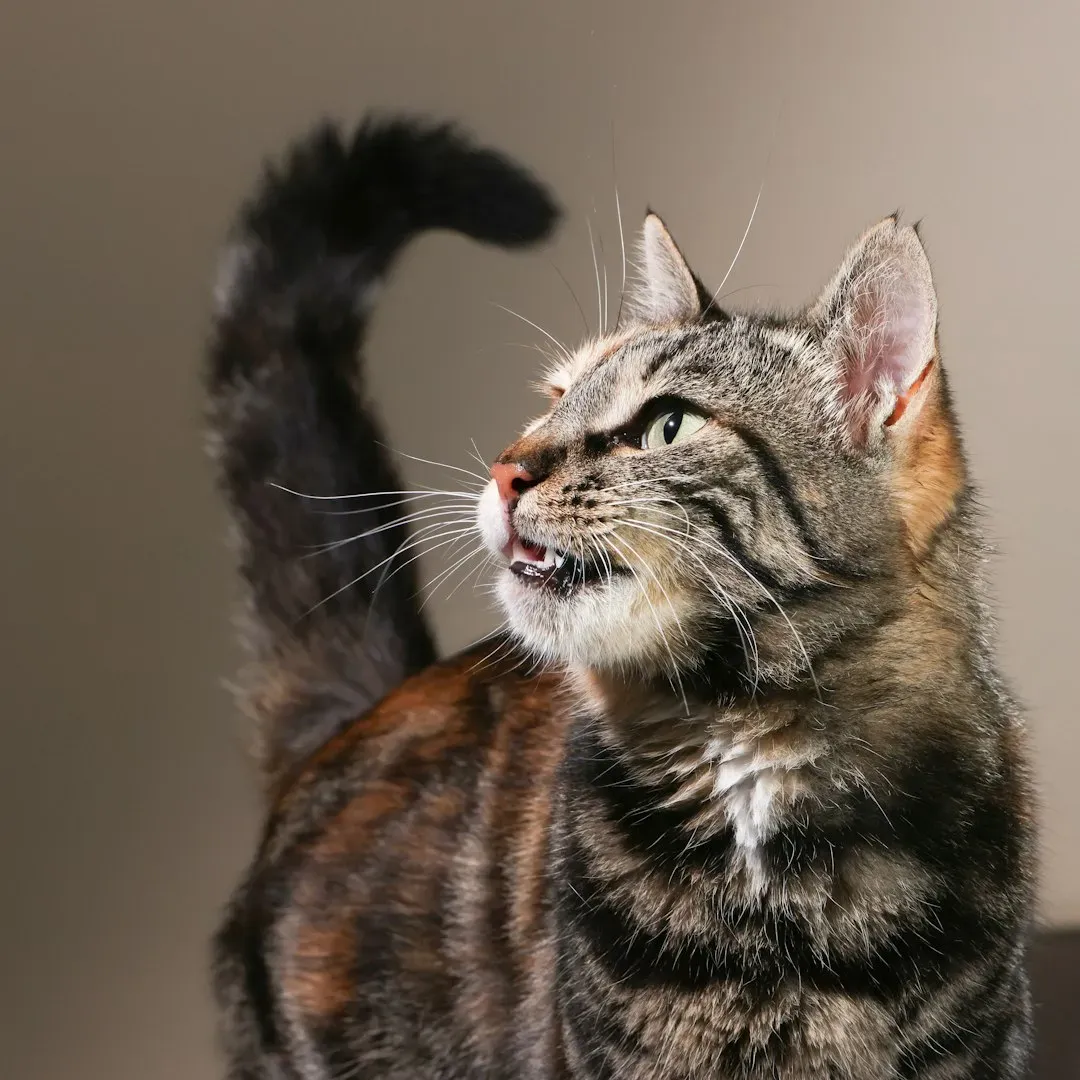
Cats communicate visually through facial expressions, body positions, and postures. Everything from the position of their ears and whiskers to the movement of their tail carries a distinct meaning. It’s a quiet, physical vocabulary that most people never fully learn to read.
Domestic cats descend from the African wildcat, a small, solitary, territorial predator that rarely encountered other cats. They had no need to develop the complex visual communication system that more social animals like dogs and humans did. Instead, they evolved to rely on visual, tactile, and vocal signals, along with scent marking.
The Cat Loaf: Cute Pose or Calculated Posture?
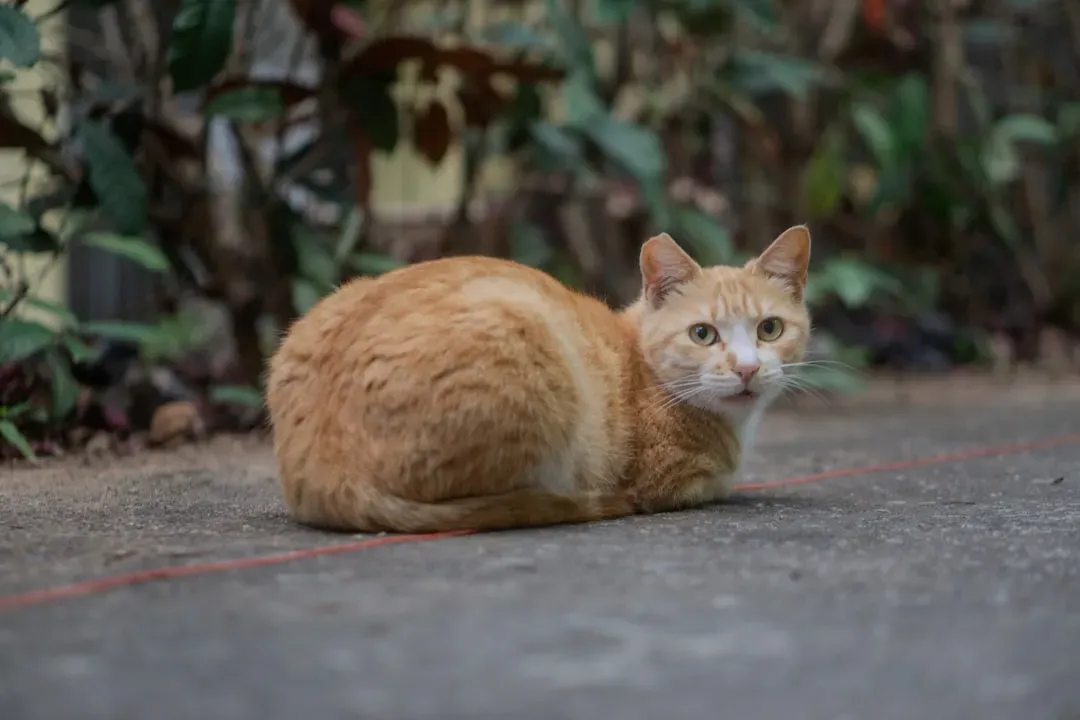
The cat loaf position is exactly what it sounds like: your cat tucks all four paws and tail underneath their body. While there can be slight variations, such as a visible tail, this position earned its name for a very descriptive reason. It’s one of the most iconic resting postures in the feline world.
Generally speaking, a cat assumes the loaf position to relax while instinctively remaining alert. Cats are both predators and prey in the wild, and this dual role has influenced many of their behaviors, including how they rest. When sitting in the loaf position, a cat can stay very still while keeping its muscles slightly engaged, ready to react at a moment’s notice.
What ‘Fully Relaxed’ Actually Looks Like
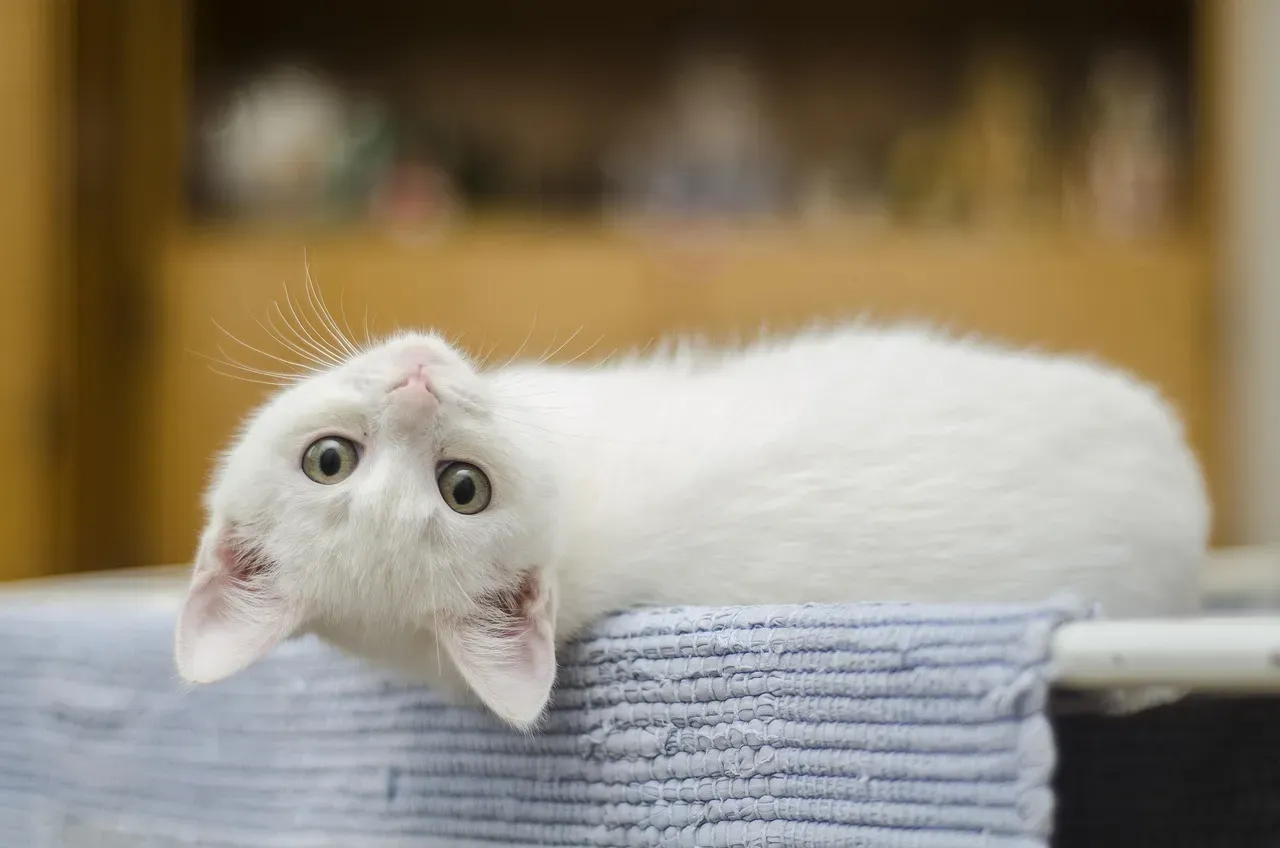
Cats who are genuinely relaxed will have loose, fluid body movements, and their breathing will be slow and steady. They might fold their feet in front of themselves, stretch their feet way out in front, or slouch over the side of a perch. That kind of physical looseness is one of the clearest indicators of true comfort.
A relaxed cat’s ears and whiskers will rest at their neutral positions, perhaps slightly forward. Their pupils will be an average size, somewhere between wide circles and thin slits, and their eyelids will appear soft, perhaps blinking slowly. When you see all of those cues together, you’re looking at a cat that genuinely feels at ease.
The Slow Blink: A Feline Gesture Worth Understanding
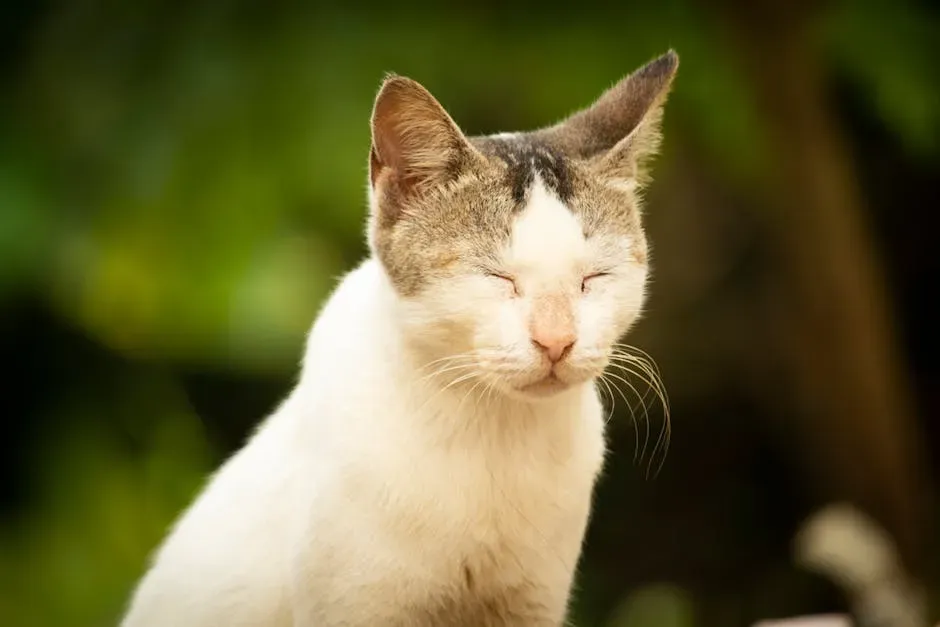
The slow blink is particularly significant because it’s essentially the opposite of a stare. When your cat slowly closes its eyes in your presence, it’s signaling that it feels safe enough to lower its guard, even momentarily disabling one of its primary senses: sight. That’s a meaningful act of trust in feline terms.
A 2020 study published in Nature Scientific Reports confirmed that cats are more likely to slow blink at humans who have previously slow blinked at them. Researchers observed that cats approached experimenters more readily after a slow blink exchange, suggesting the behavior functions as a positive social signal. The study concluded that slow blinking may serve as a deliberate, calming gesture used to foster connection.
When the Loaf Signals Something Else Entirely
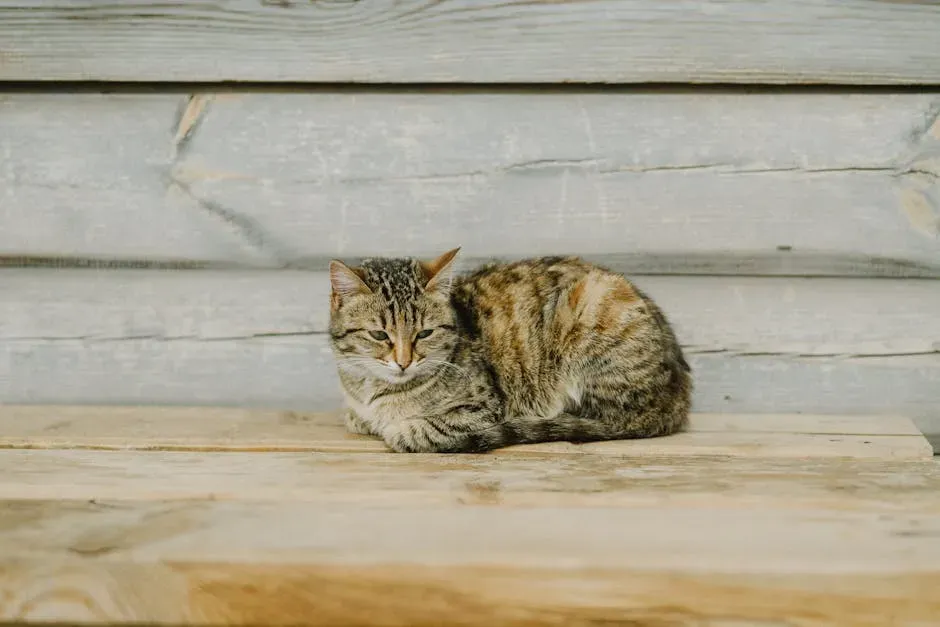
On the other hand, a loafing position can sometimes signal that your cat is sick or injured. Cats sometimes loaf to protect injured vital organs, or because they are in general pain or experiencing stress. The feline meatloaf position in particular is sometimes linked to illness.
Certain variations of the loafing position, along with changes in your cat’s posture, vocalizations, or activity level, can signal health issues. Any sudden change in behavior should increase your level of concern. If your cat starts spending a lot of time loafing when it didn’t before, it could be a sign that it’s running a fever and not feeling well. Context is everything when reading this pose.
What Purring Really Tells You
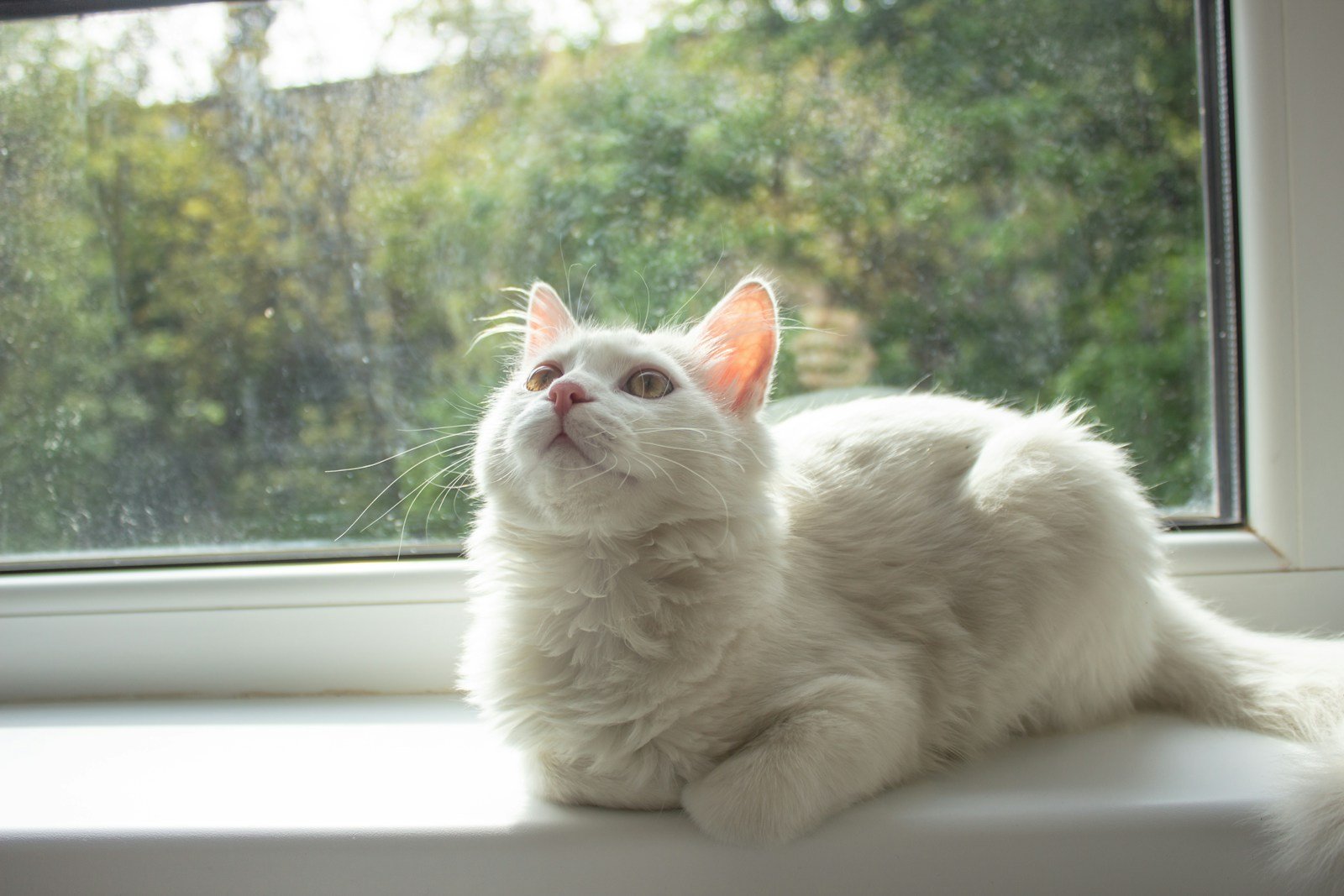
We often assume that a purring cat is a happy cat, but that’s only true when their body language is also relaxed. Cats can also purr to get your attention and affection, and sometimes they purr in stressful situations, such as a vet visit. That purr at the clinic definitely isn’t a sign of a good time.
Purrs fall roughly between 20 and 150 Hz, with most domestic cats sitting between 25 and 50 Hz. Those frequencies overlap with ranges used in vibrational therapies that can stimulate tissue healing, bone growth, and pain relief in mammals. In other words, purring might do more than communicate – it might actually help cats heal themselves. That changes how you think about the sound entirely.
Ears, Whiskers, and the Signals You’re Probably Missing
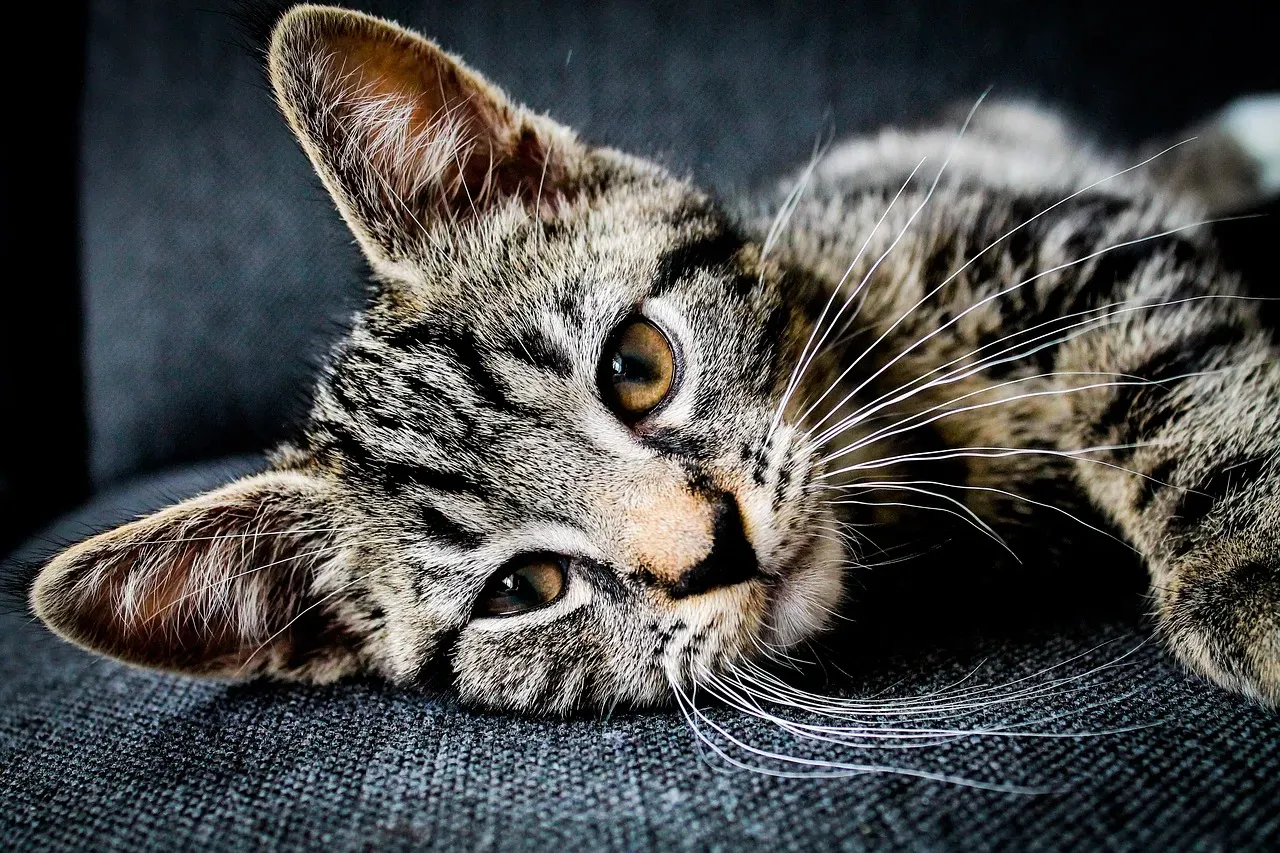
A cat that holds its ears flattened or pinned back is usually afraid, agitated, or aggressive, and this is a defensive body posture used when the cat feels annoyed or threatened. Forward-facing whiskers are generally a sign of a relaxed, calm cat. When your cat’s whiskers are pointing slightly outward, neither fully backward nor forward, that generally indicates a neutral or relaxed state of mind.
Whiskers pulled backward generally indicate discomfort or fear, and you might also notice this when your cat smells something particularly unpleasant to them. A happy cat will have ears that are erect and facing forward, with whiskers pointing directly outward. Broken eye contact with a slow blink rate and sometimes half-closed eyes signals that your cat feels safe and comfortable with you.
The Belly Trap: Why That Exposed Tummy Isn’t an Invitation
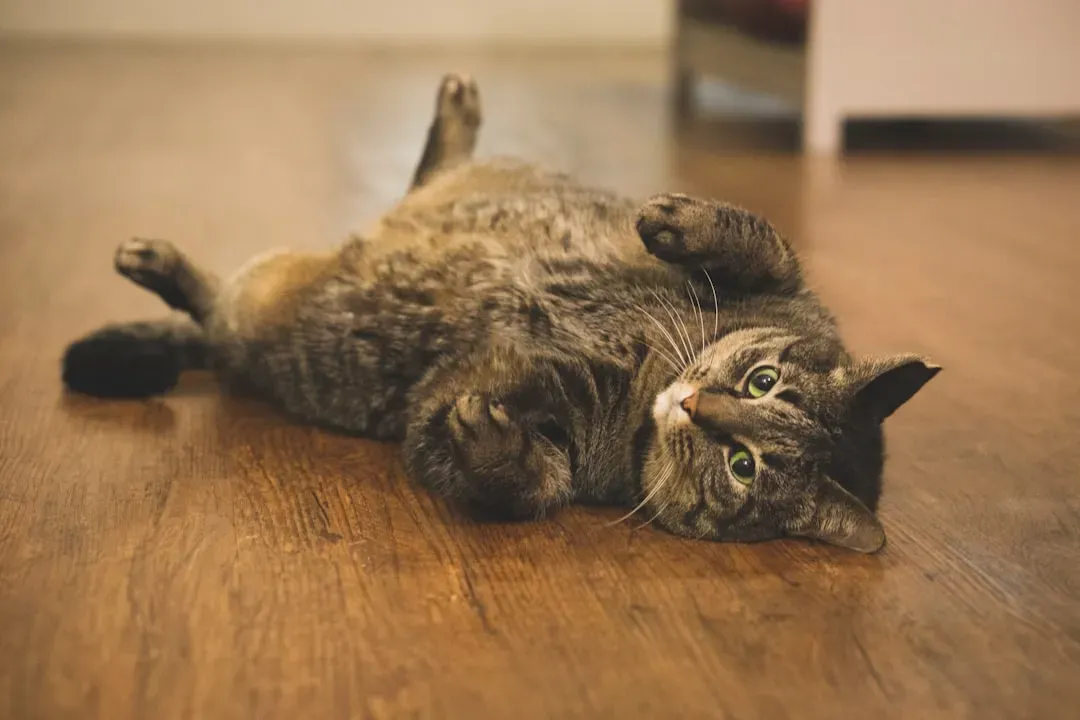
Exposing the belly is a significant sign of trust. It means your cat feels totally secure and relaxed around you. However, it doesn’t mean they want you to rub their belly. This is one of the most common misreadings people make, and it tends to end with scratches.
Cats often roll on their backs exposing their tummies. This behavior isn’t completely understood – it can be a sign of greeting and trust, but it could also be defensive behavior. Don’t automatically assume they want belly rubs, or you could end up feeling their claws. Treat it as a compliment, not a cue.
How to Tell Real Calm from a Cat Hiding Stress
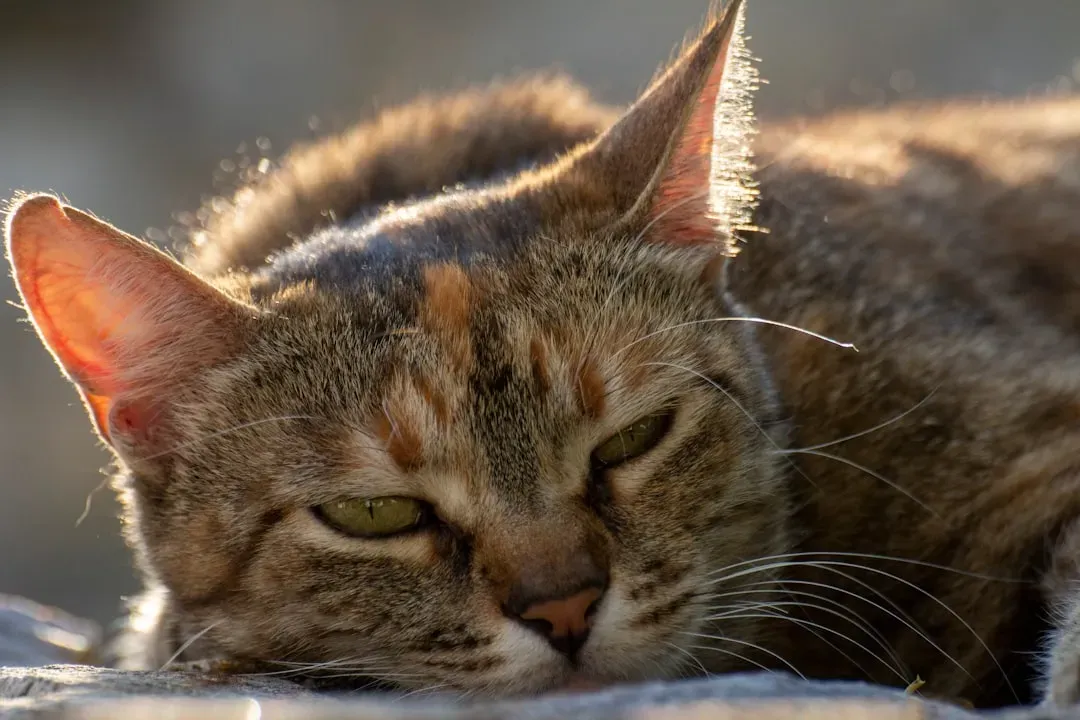
When a cat is feeling stressed, they may have a stiff and tense body held low to the ground. They may also engage in displacement behaviors, meaning normal behaviors like licking their lips, scratching, grooming, and yawning that are performed out of context, as a way to cope with underlying stress. These habits can look completely routine, which is what makes them so easy to miss.
Cats hide illness and pain because showing weakness in the wild attracts predators. A sudden increase in hiding, especially combined with decreased appetite or reduced social interaction, warrants veterinary attention. When warning signals like tail twitching, flat ears, or dilated pupils conflict with comfort signals like purring, always prioritize the warning signals. Cats often purr during stress.
Conclusion: Learning the Real Dialect of Feline Calm
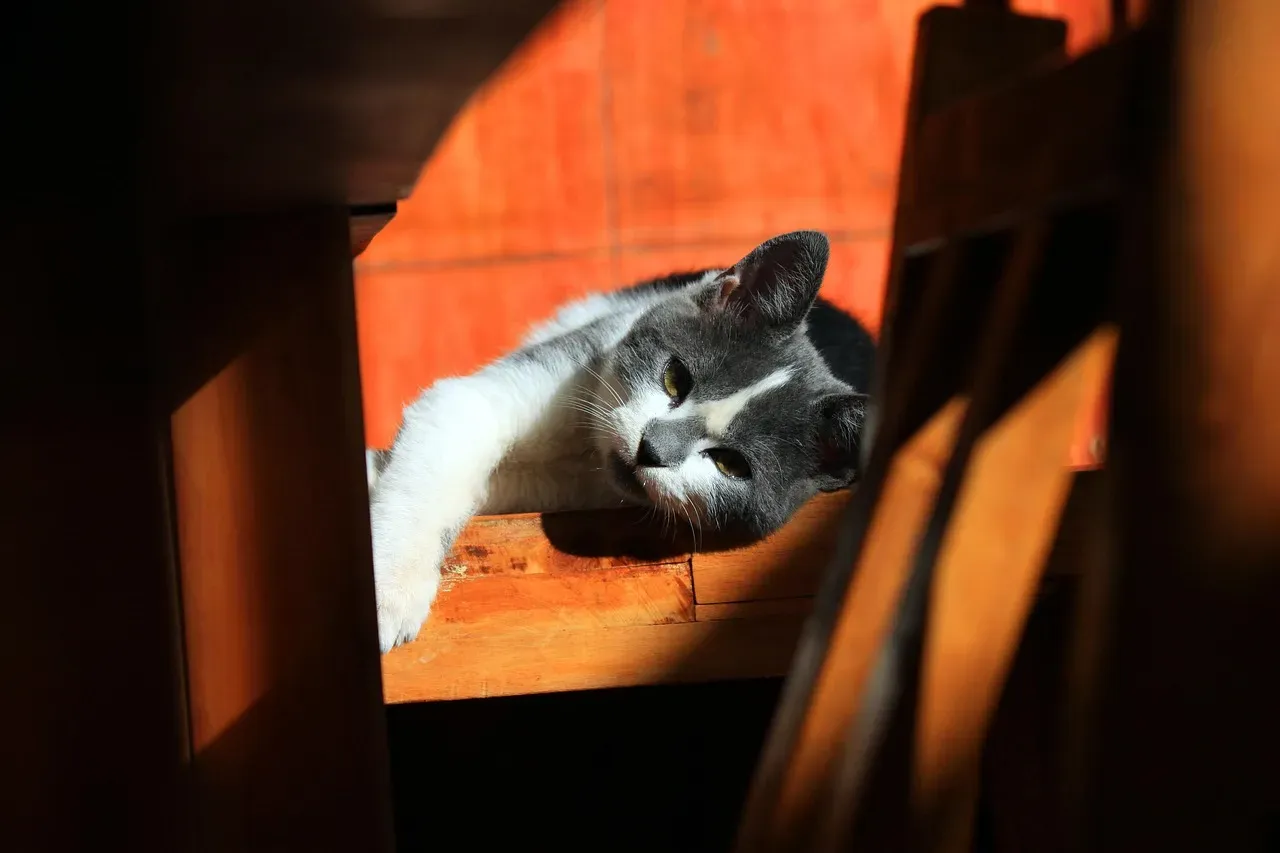
Your cat is never just sitting there. Every paw placement, blink rate, ear angle, and whisker position is part of an ongoing, silent communication you’re now better equipped to understand. Getting familiar with your cat’s communication can not only help strengthen your bond – it can also be a critical way to help you notice if they’re experiencing a medical emergency.
No single gesture tells the whole story. Always consider posture, tail, ears, eyes, and whiskers together, along with recent events, environmental changes, and routine shifts, before drawing conclusions about your cat’s mood or intentions. The more you observe, the more fluent you become in a language that’s been spoken quietly right in front of you all along.
Cats don’t give much away deliberately. That stillness you’ve been reading as pure relaxation is really an invitation to pay closer attention. Once you start seeing it that way, the relationship shifts in a quiet but meaningful direction.
Kristina is a young writer from India. An arts graduate and an avid content creator, Kristina is passionate about animals and wildlife. She enjoys exploring topics related to pet care, animal behavior, conservation, and nature, combining thorough research with engaging storytelling.