You’ve probably seen it happen. Everyone’s gathered in the living room, and your cat walks in, scans the crowd, and heads directly to you – ignoring the person who just offered a treat, stepping past the outstretched hand, and settling precisely on your lap. It can feel almost personal, because in a way, it is.
Anyone who’s ever lived with a cat and a few other people has probably witnessed the feline tendency to develop a particularly strong bond with one specific individual. It happens in families, and among friends – anywhere there are several humans and one cat. At some point, some cats will gravitate almost exclusively towards one person. The question of why has fascinated cat owners and researchers alike for years, and the answers turn out to be more layered than most people expect.
In recent years, research on cat behavior has begun to back up what many owners intuitively sense. Scientists are studying the relationships we form with our cats and are gaining new insight into cats’ social and cognitive abilities – finding that cats may be far more socially smart than they usually get credit for. If you’ve ever wondered why your cat singles you out from the room, read on. The science is genuinely interesting.
You Speak Their Language Without Realizing It
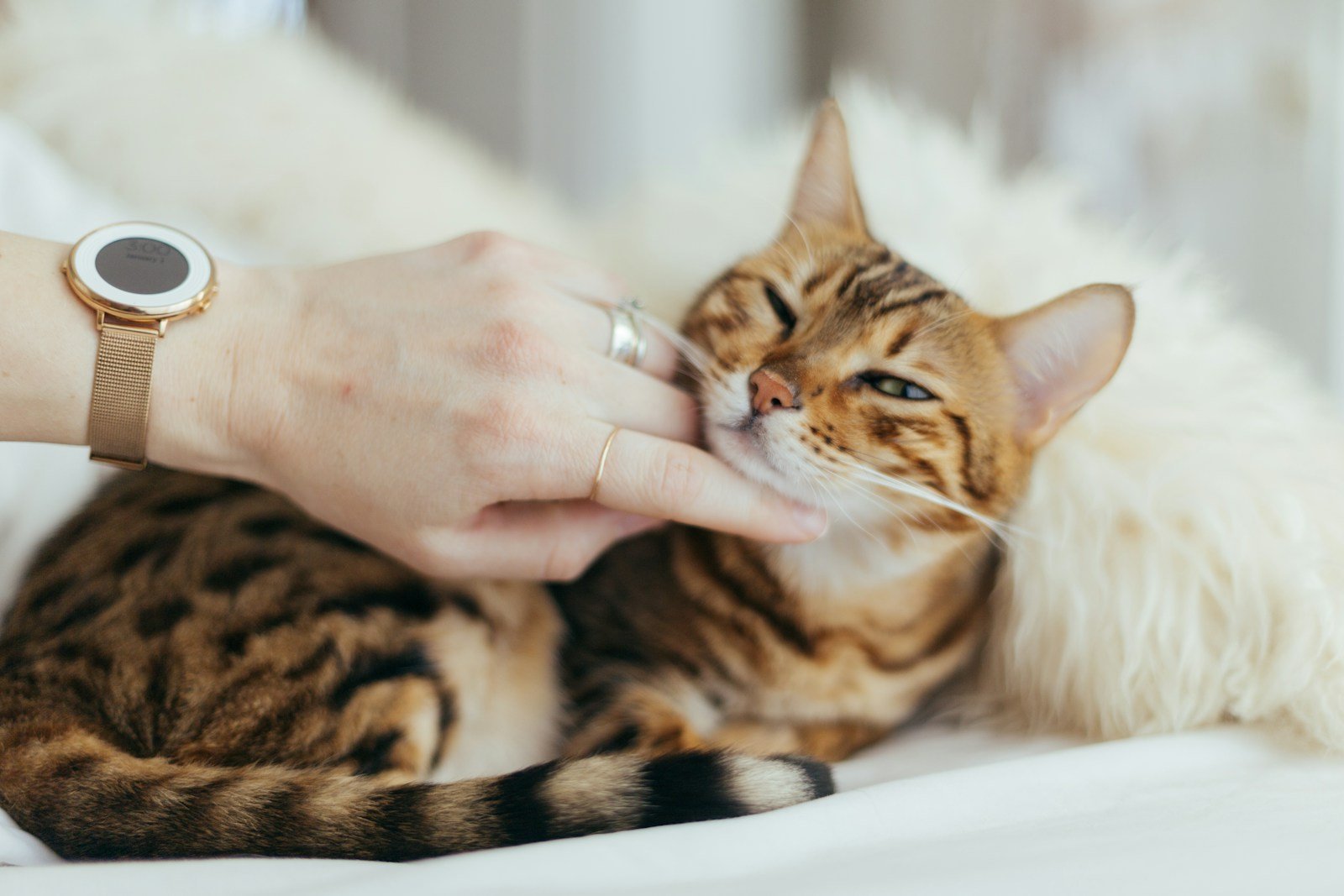
Cats express themselves through slow blinks, tail position, ear angle, and the direction of their whiskers. The person in a household who notices and responds to these cues – who backs off when the tail starts flicking and reaches out when the slow blink is offered – is the person a cat is most likely to bond with deeply. You may be doing this instinctively, without ever consciously thinking about it.
The best cat-human relationships happen when you communicate with your kitty in a way they like. Importantly, that communication style doesn’t always include an invitation to pet them. One communication style cats love is eye contact. In a cat’s world, slow blinking communicates safety and is non-threatening, while staring is a challenging gesture. Research suggests slow blinks are associated with a positive emotional state and can be a sign of trust, contentment, and affection, similar to a human smile.
Your Calm Energy Matters More Than You Think
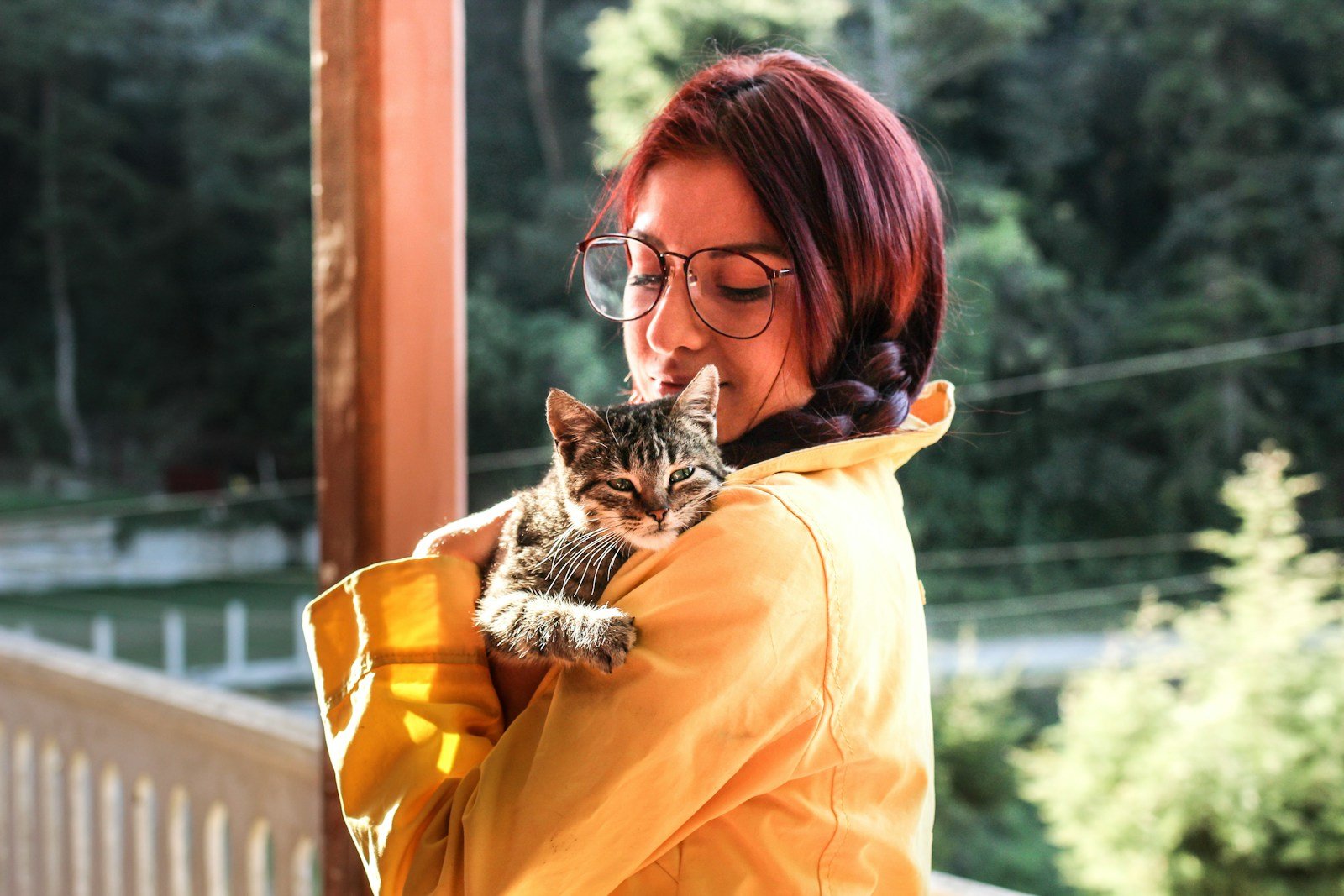
Cats are very sensitive to body language and energy. People who are calm, relaxed, and gentle are often more appealing to cats. Conversely, people who are loud, make sudden movements, or are overly aggressive in their approach might make a cat feel uneasy or stressed. This is why a quiet person in the corner can end up being the cat’s first choice, even without trying.
At their core, cats are still animals wired for survival. They’re attracted to people who project calm, consistent energy. A cat may be more attracted to particular people due to their overall personality, early socialization, and past experiences. Docile, calm cats will naturally be attracted to people who have the same temperament, as opposed to excited, loud, and active people. Matching the cat’s vibe, in other words, is a real thing.
The Role of Early Socialization and Kittenhood
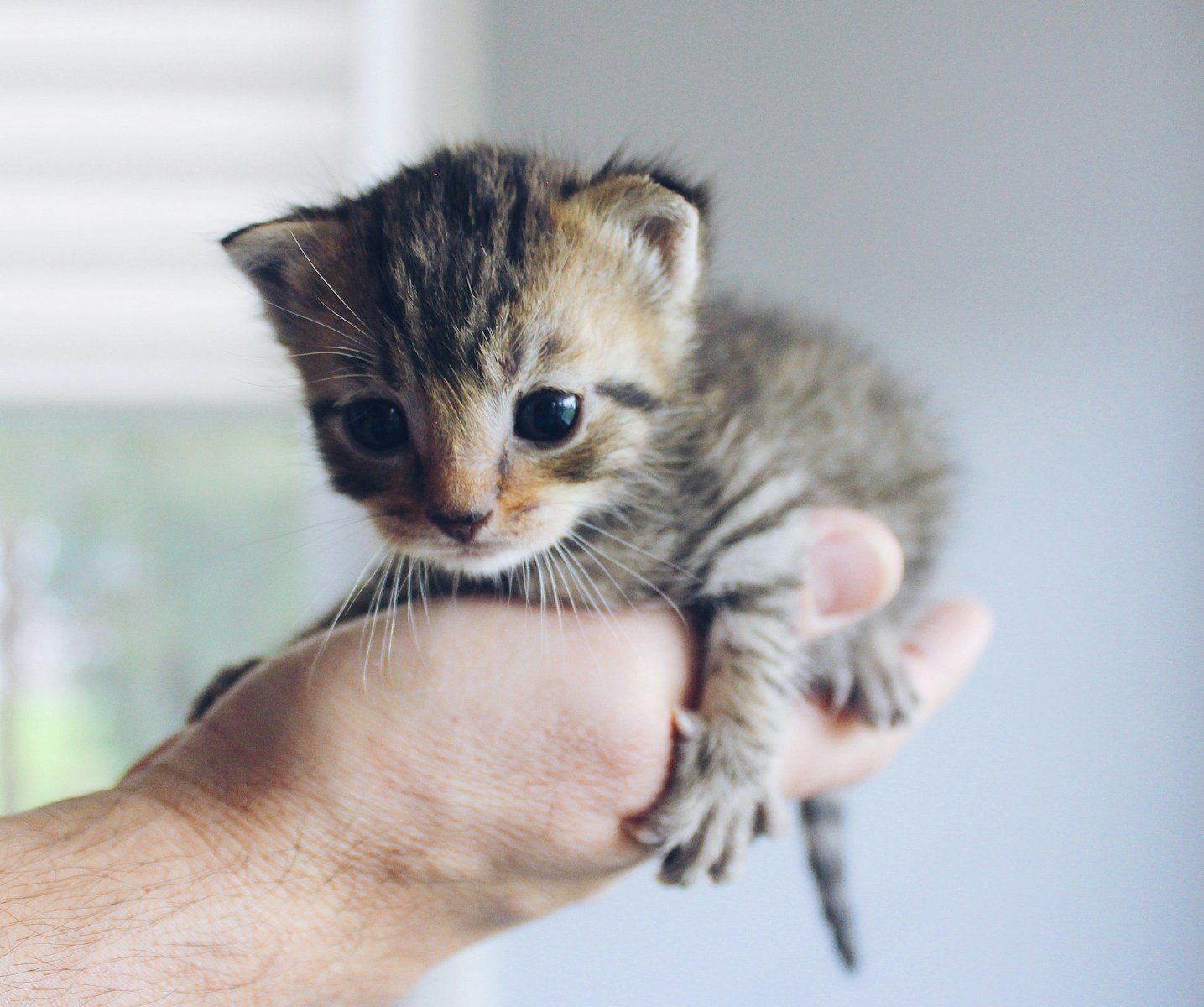
There’s a critical window in a kitten’s early social development. The first three to seven weeks of their life play a significant role in how kittens respond to people. Regular handling and exposure to different sounds and smells can help kittens grow into well-adjusted, human-bonded cats. However, kittens without any human interaction during that period will be more guarded, suspicious of other people, or even fearful.
When kittens are young, they will bond with the person who takes care of them and interacts with them the most after being separated from their mother, as this person is now their figure of safety and comfort and becomes their trusted caregiver. A cat that literally grew up around a particular person is likely to be deeply bonded to that individual. That early blueprint can last a lifetime.
Consistency and Routine Build Trust
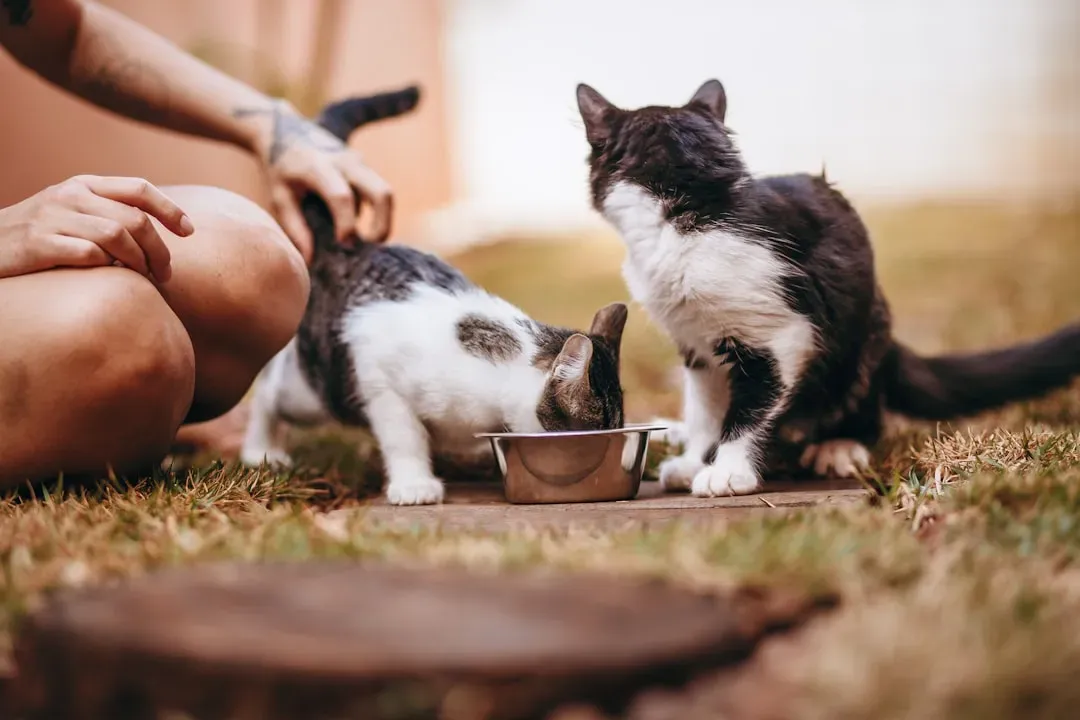
The person who shows up reliably at mealtime, especially on a consistent schedule, is signaling something deeply important to a cat: I will keep you alive and safe. Cats thrive on predictability, and a regular feeding schedule builds trust faster than almost anything else. It’s less about the food itself and more about what the routine communicates.
Cats are anecdotally drawn to people with predictable schedules. Those who wake up every day at the same time and maintain consistent weekend habits are often tapped as favorites. Keeping a regular schedule is one of the simplest ways to help you bond with your cat and become their favorite person. An established feeding schedule can help your cat build trust. Reliability, it turns out, is deeply appealing to cats.
Respecting Boundaries Is Everything
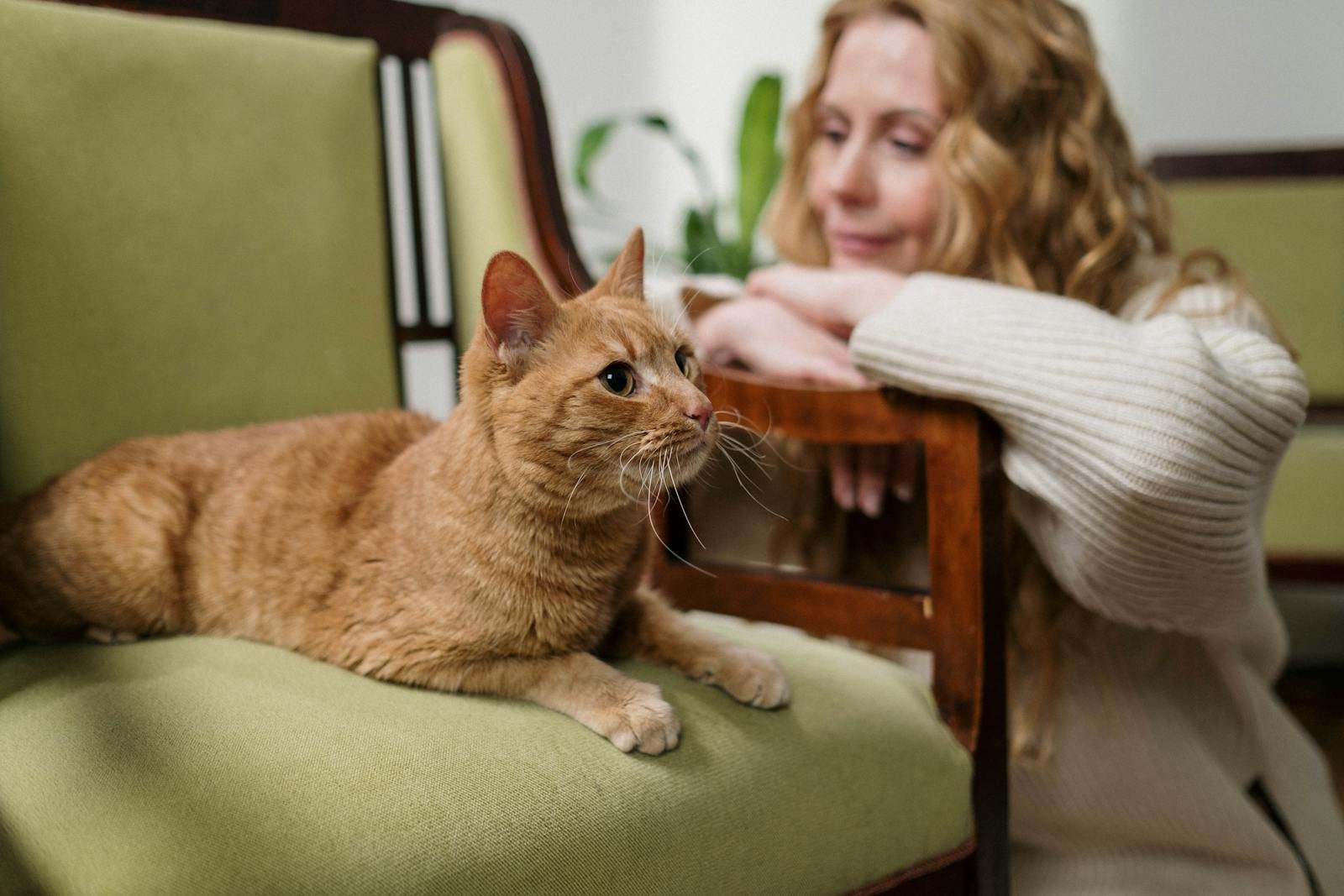
Cats like to remain in control of their environment. Being scooped up and handled without request is a fast way to agitate a feline. Most handling is born of affection or necessity, but cats do not know this – they just know they feel powerless. Cats will almost always gravitate more toward humans who do not subject them to handling.
One of the best ways to respect your cat’s boundaries and become their preferred person is to understand and honor their uncomfortable zones. This means keeping your hands off their no-petting places, like their bellies, legs, and paws, and over their heads. It also means not interacting with cats while they’re sleeping or forcing them to do something they don’t want to. The person who gives a cat room to breathe is almost always the one the cat gravitates toward.
Scent Plays a Surprisingly Powerful Role
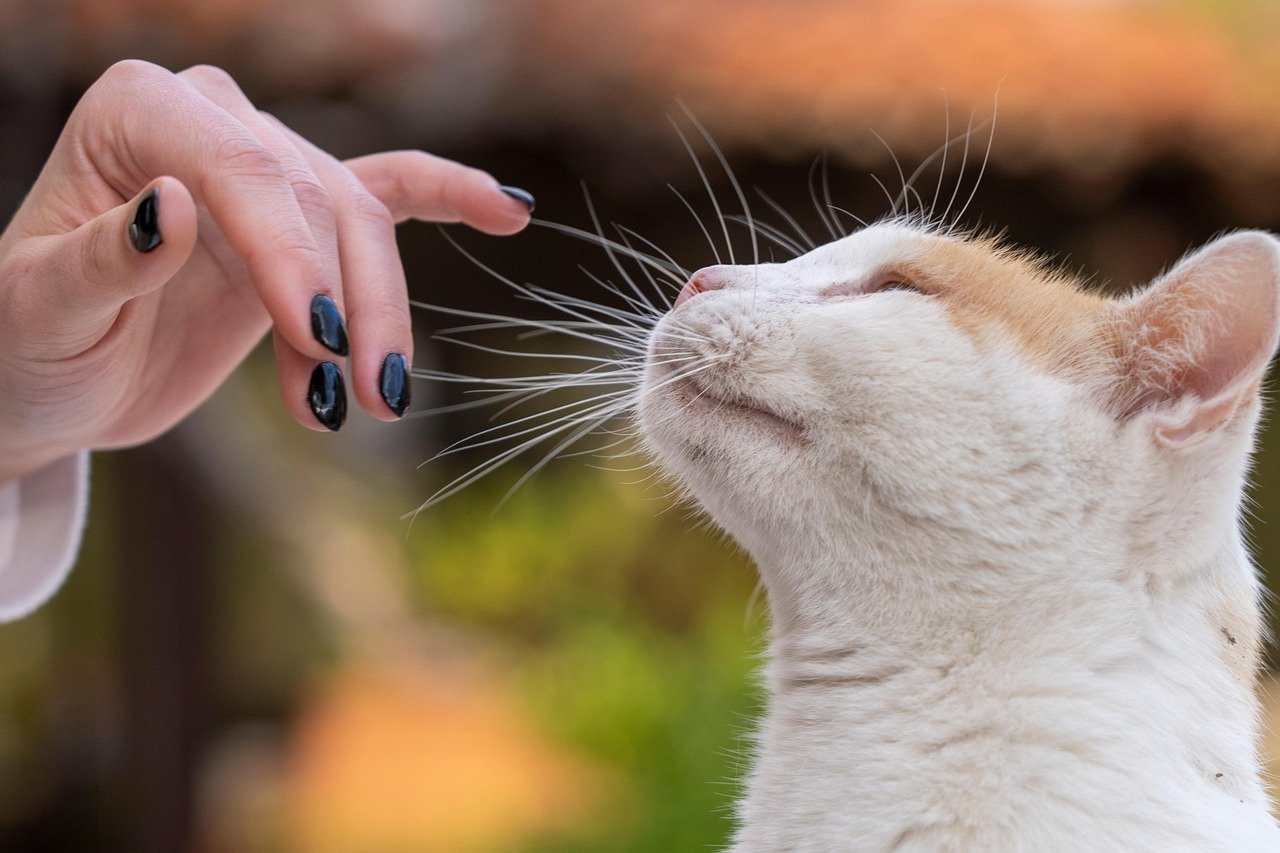
In particular, cats use scent to identify members of their social group or family, by sharing a group scent profile. Cats have scent glands on their flanks, head and around their ears, and often rub their heads against people and objects that are familiar and comforting. When your cat rubs against you, they’re doing something that carries real social meaning in feline terms.
Cats perceive the world primarily through smell. Some cats simply prefer one person’s natural scent over another’s, and there’s not much you can do about that one. Cats have scent glands all over their body. When they rub their cheeks, paws, or tails against you, it creates a shared scent profile, strengthening your bond. Being marked by a cat, in this sense, is genuinely an honor.
The Counterintuitive Pull Toward Disinterested People
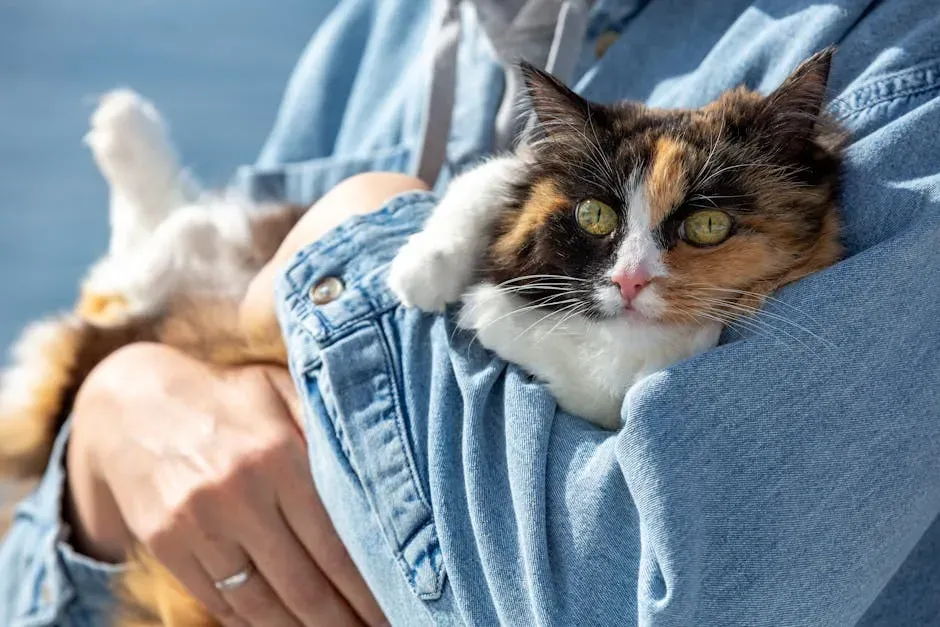
Feline behavior researchers consistently find that cats gravitate toward humans who speak cat. Counterintuitively, the person who loves cats the least often ends up being the cat’s favorite. Why? Because they don’t smother the cat with uninvited attention. They sit calmly, mind their own business, and let the cat come to them. Cats are drawn to people who give them autonomy and don’t invade their personal space.
This is why cats seem to inexplicably approach people with feline allergies, rubbing themselves against the unfortunate human. A cat lover is likely to make a fuss of a feline, stroking and picking them up. Somebody that experiences an adverse reaction to cats will show no interest. The absence of pressure is magnetic to a cat. Less pursuit, more presence.
How Personality Matching Shapes the Bond
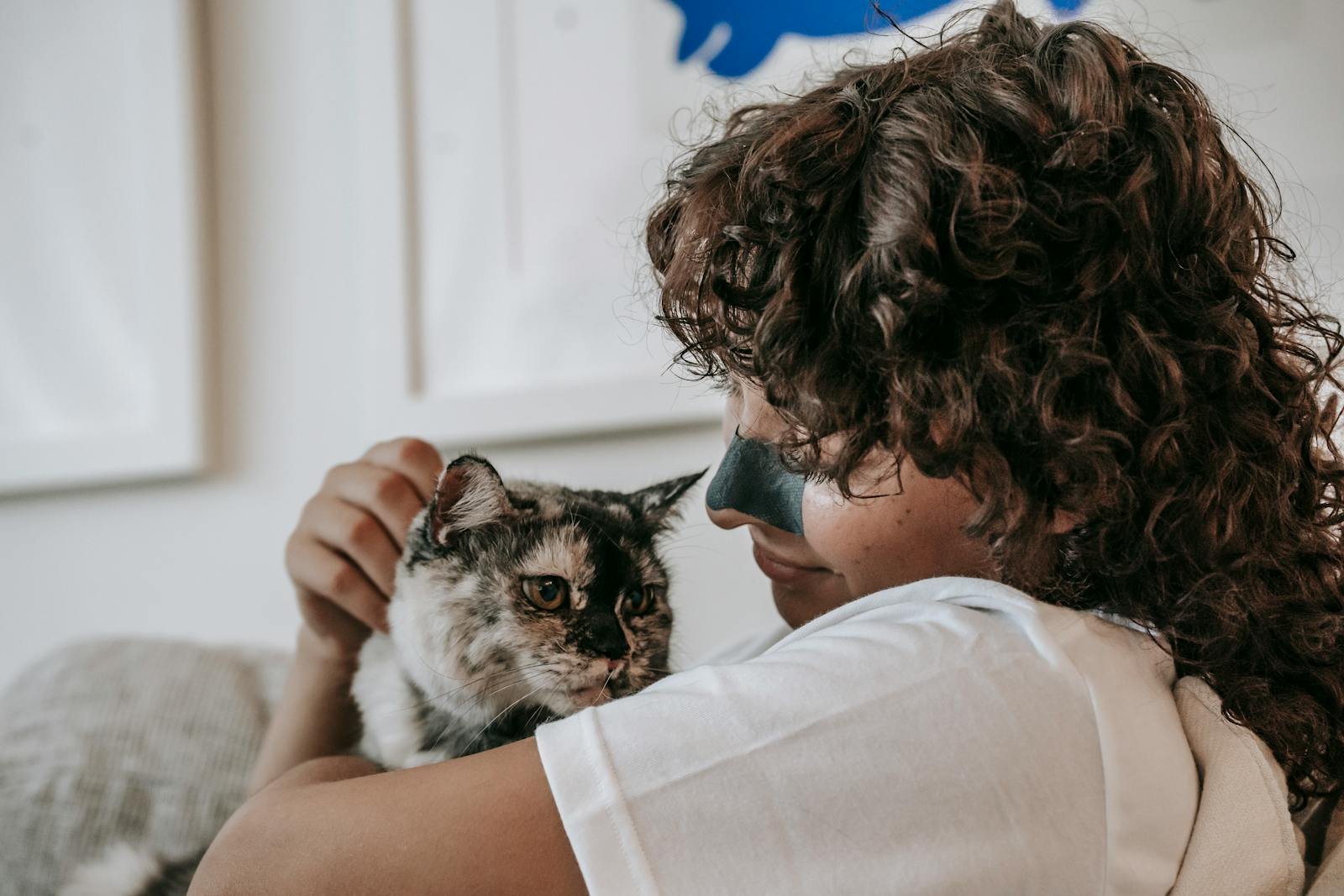
Cats, like people, have unique personalities. Some cats prefer quiet and introverted individuals, while others might be drawn to more outgoing and playful people. If a person’s personality aligns with the cat’s temperament, a stronger bond is likely to form. This matching isn’t random – it reflects genuine compatibility at a behavioral level.
Docile, calm cats will naturally be attracted to people who have the same temperament, as opposed to excited, loud, and active people such as children. Conversely, playful, active cats tend to enjoy being around kids who will engage and play with them. As with any complex social relationship, the type of cat-owner bond that develops is the product of the dynamic that exists between both the individuals involved, along with certain personality features.
The Signs That Confirm You’ve Been Chosen
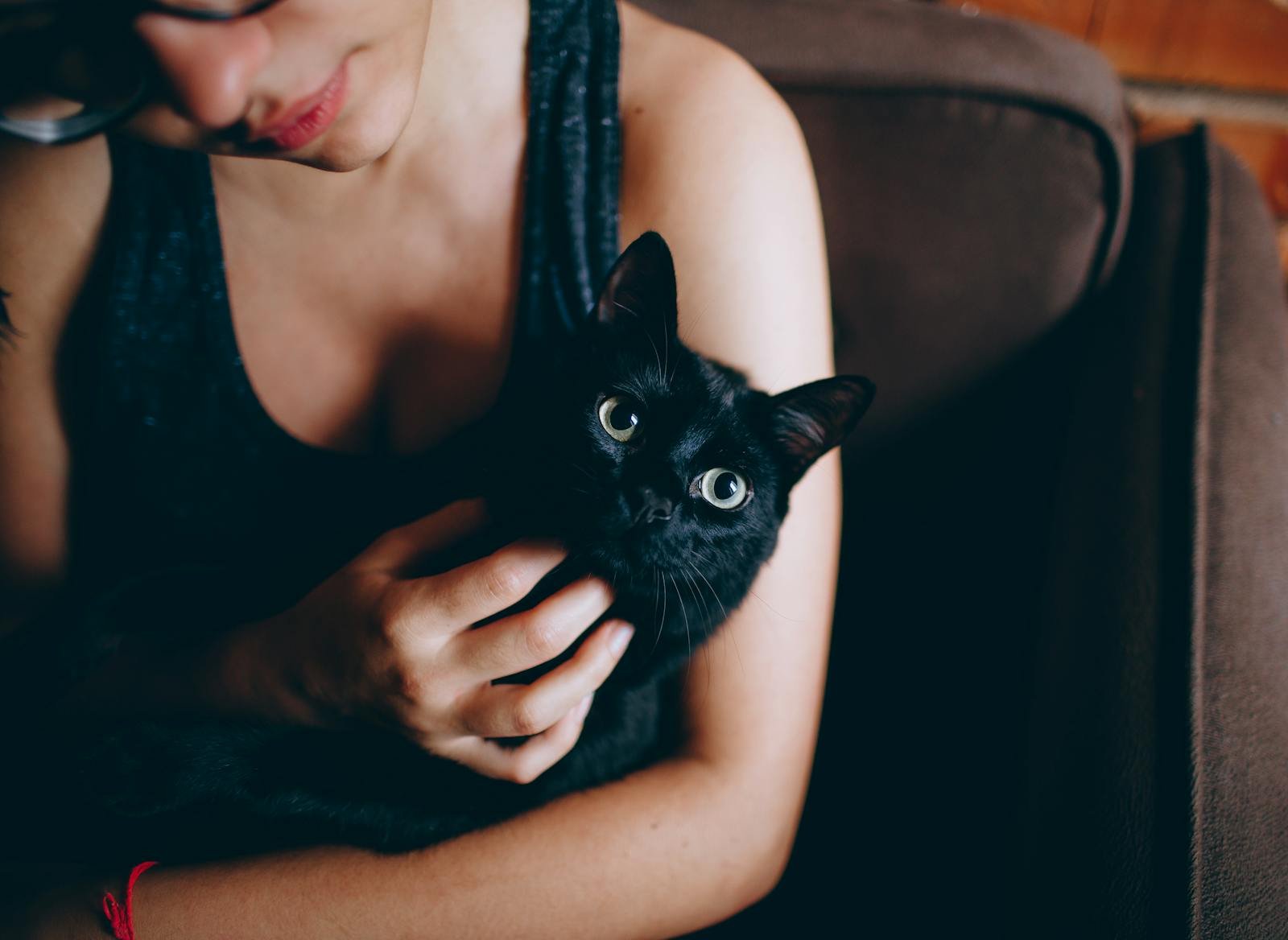
Slow blinking at you, often called a “cat kiss,” is one of the most meaningful signs of trust and affection. Bunting, when your cat rubs their cheeks or head against you, means they’re marking you with their scent glands. Kneading traces back to kittenhood and is a sign of deep comfort and security. Following you from room to room displays a form of attachment behavior, and sleeping on or near you is the highest expression of trust.
Rolling over and exposing their vulnerable underbelly is another gesture that a cat has ultimate trust in you. Cats groom each other as a bonding ritual, so when they lick your hair, hands, or face, it means your cat considers you as part of its tribe. In short, it’s a way cats show attachment to their owner. These are quiet signals, but they’re deeply sincere ones.
The Bond Can Be Deepened Over Time
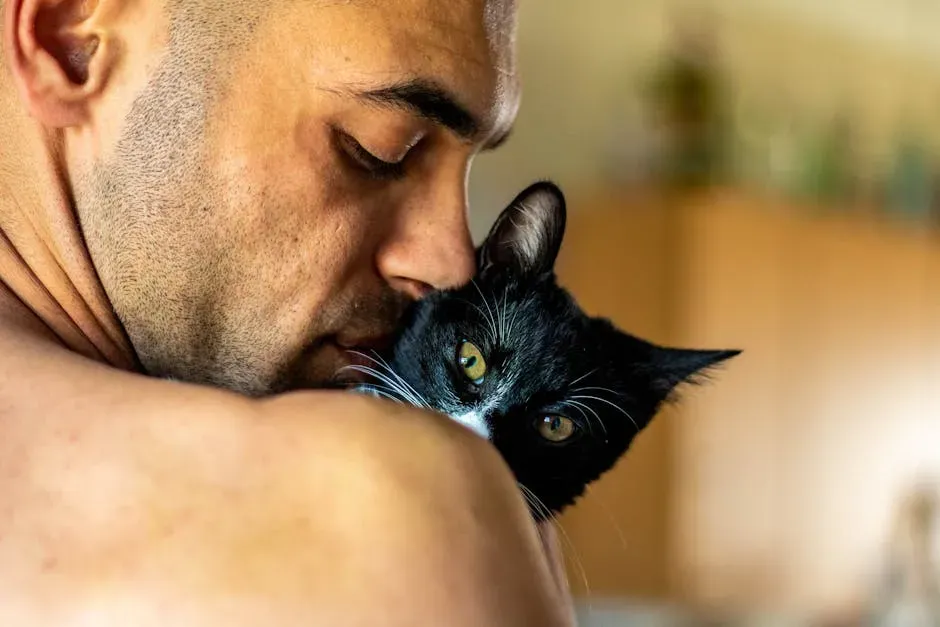
If one human consistently feeds, pets, plays with, snuggles, and pays attention to a cat, it’s only natural that the two will become better attuned to each other’s body language and mood. This person will, over time, become extremely well-equipped to understand that cat’s needs. The relationship compounds gradually, and patience genuinely pays off.
It’s natural to want to be your cat’s favorite person right away, but sometimes that’s not possible. With cats, trust and love are not guaranteed immediately; instead, the relationship needs careful but worthwhile nurturing. If you take meaningful steps to develop a trusting, loving relationship, you’ll become your cat’s favorite person in no time. Several studies have shown that cats develop affection towards their owners. However, the effect of these pets on human health is closely related to the time and effort the cat owner is able to invest in it, in terms of bonding and playing.
Conclusion
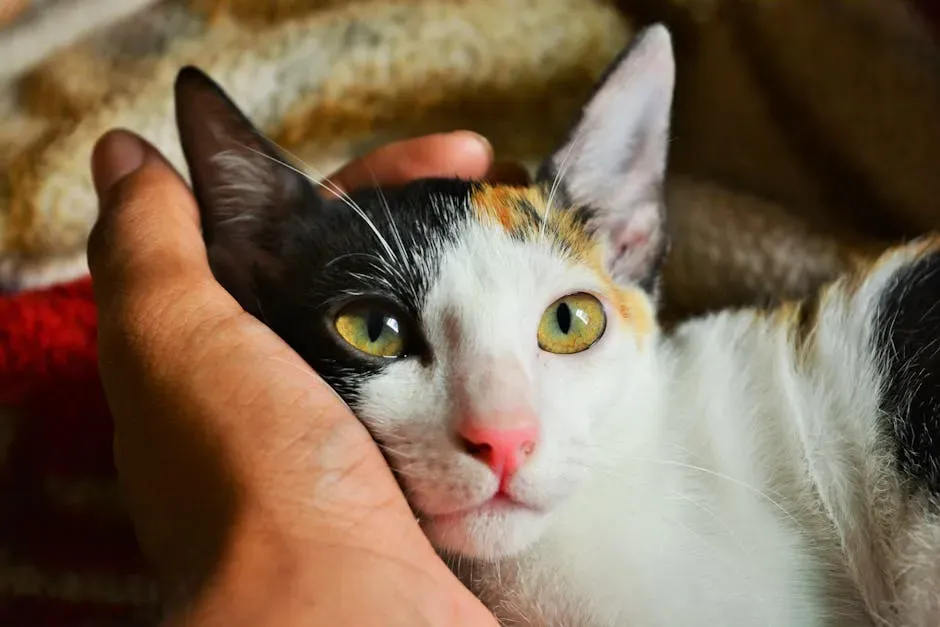
When your cat chooses you from a room full of people, it’s not random, and it’s not flattery. It reflects something real – a recognition built on cues, history, and a kind of quiet attunement that cats take seriously even when we don’t. Ultimately, cats will always gravitate toward whoever they feel understands them best.
If a cat does choose you, do not take its affection for granted. The love of a cat is not unconditional. You will need to continually prove yourself worthy of that dedication. That might sound demanding, but it’s also what makes the bond meaningful. A cat that chooses you has done the work of weighing its options, reading the room, and deciding you were worth the trust. That’s not nothing. That’s quite a lot.
Kristina is a young writer from India. An arts graduate and an avid content creator, Kristina is passionate about animals and wildlife. She enjoys exploring topics related to pet care, animal behavior, conservation, and nature, combining thorough research with engaging storytelling.