You’re deep in something important when your cat pads quietly across the room, drops a well-loved toy mouse at your feet, and looks up at you with an expression that clearly expects a response. It’s one of those small, oddly touching moments that most cat owners know well, even if they can’t quite explain it.
In the world of cat behavior, the act of your feline companion bringing you toys is far from random. It’s a complex behavior rooted in their instincts, emotions, and their desire for interaction and bonding. The gesture says something real, something that goes deeper than a simple request to play. Understanding it can genuinely shift how you relate to your cat.
It’s Rooted in Ancient Hunting Instincts
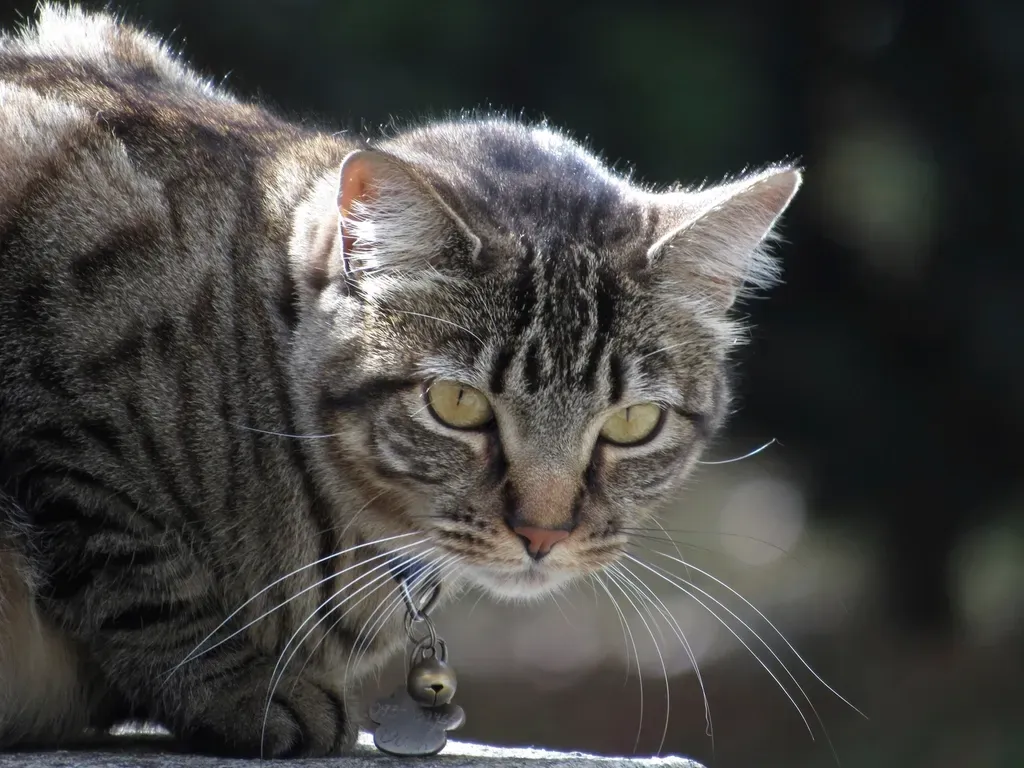
Cats are natural hunters, and their tendency to bring items home replicates their wild hunting instincts. Even domesticated cats retain strong hunting instincts, making them proficient at stalking and capturing prey. The domesticated life didn’t erase those millions of years of evolution. Your cat still operates, at least partly, on the same wiring as their wild cousins.
Even indoor cats who’ve never hunted live prey demonstrate this behavior with toys, showing that the instinct transcends the need for food. This explains why your cat might proudly present you with a favorite stuffed mouse or ball in the same way they would actual prey. The toy, in your cat’s mind, is every bit as meaningful as a real catch.
Your Cat Is Treating You Like Family
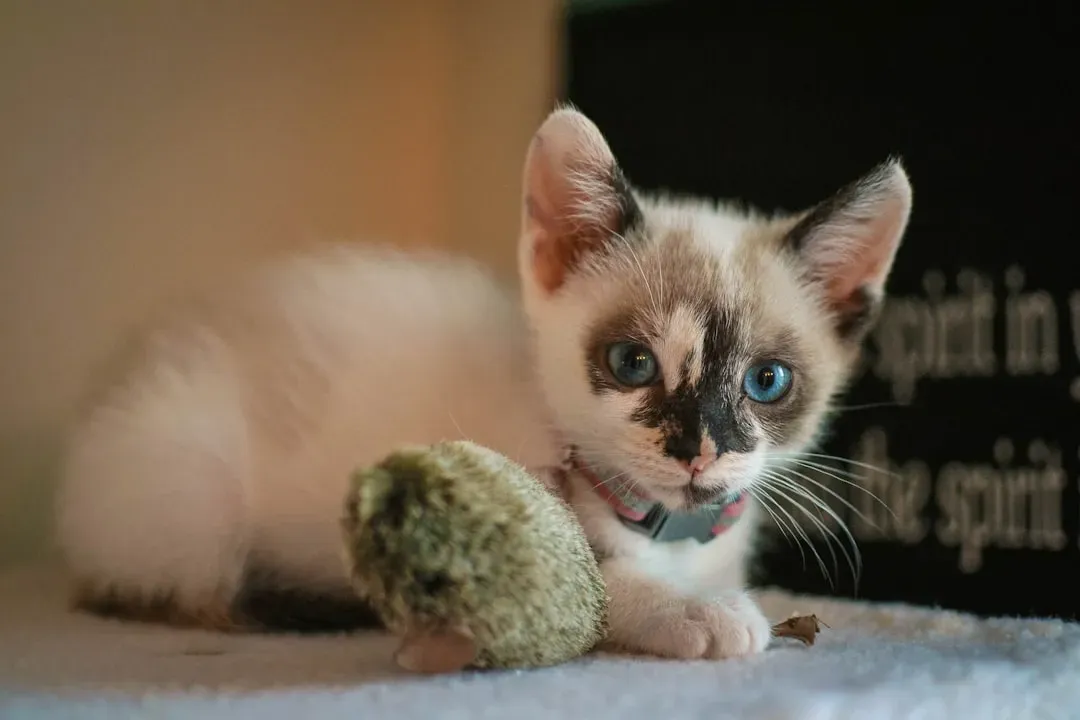
One of the most heartwarming interpretations of why your cat brings you toys is that they see you as family. Cats form strong emotional attachments to their human caregivers, and bringing you a toy can be a gesture of inclusion and trust. It’s similar to how cats in multi-cat households might share kills or play objects with their companions.
When your cat brings you a toy, it’s a manifestation of their hunting prowess. They see you as a member of their “pride” and are essentially sharing their hunting successes with you. Being welcomed into a cat’s inner circle isn’t something they do lightly. If it’s happening with you, that means something.
They May Be Trying to Teach You to Hunt
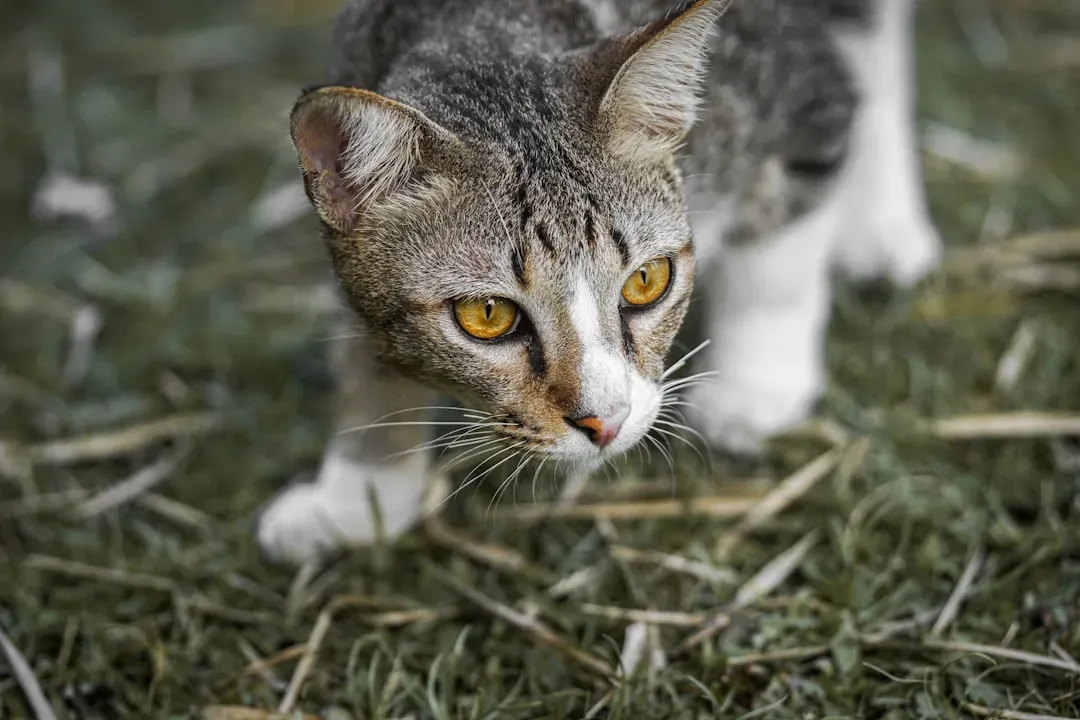
An intriguing explanation for why cats bring toys to humans comes from observations of maternal behavior. Mother cats often bring injured but live prey to their kittens to teach them how to hunt. Over time, the kittens learn the skills needed for survival by practicing on weakened animals.
When your cat brings you a toy, especially if they nudge it around or bat it toward you, they might be trying to “teach” you. From their perspective, you’re a clumsy member of the group who doesn’t know how to catch food. While this may sound amusing, it underscores how deeply ingrained these instincts are. Consider it a compliment wrapped in mild feline condescension.
It’s a Genuine Expression of Affection
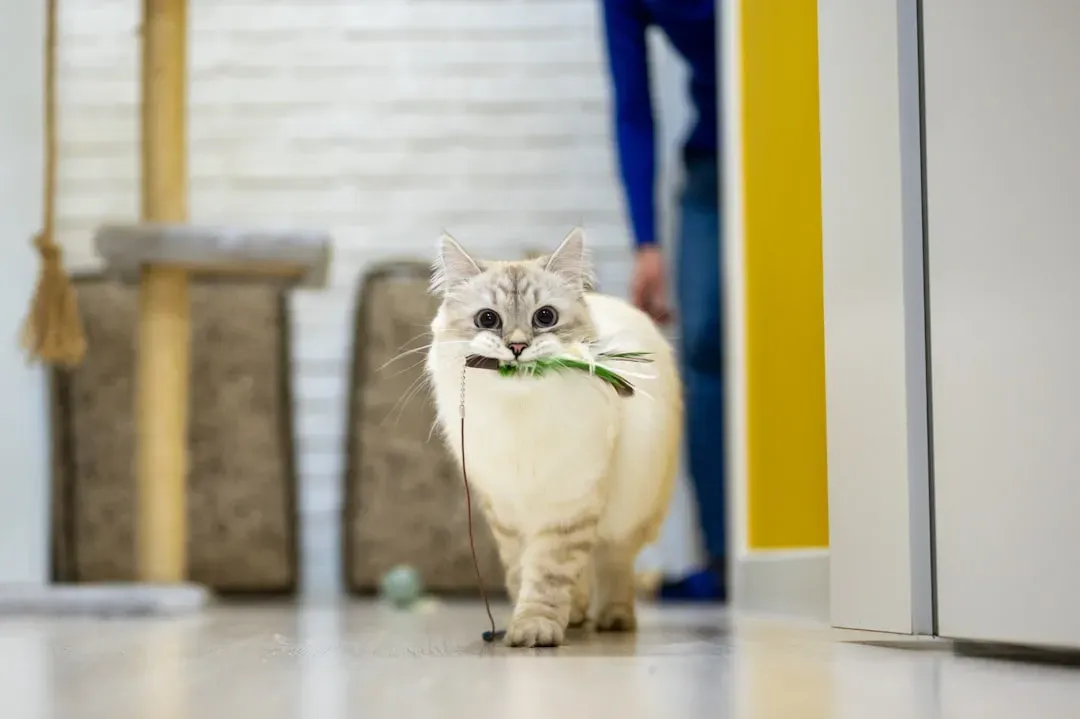
With a reputation for being aloof to uphold, cats can’t always make it obvious how much they adore their human family members. Instead, they’ll find subtle ways to show their affection. While they know precisely what they mean to say, their meaning isn’t always the most understandable to us. Dropping their favorite toy in your lap might be your cat’s way of showing their trust in you, their faith that you’ll keep them safe, and their gratefulness that you care so much.
In human terms, giving gifts often reflects love, gratitude, or appreciation. For cats, presenting a toy to you may have similar meaning. They’re showing: you’re part of my family; I trust you; I feel safe with you. By offering a prized possession, their toy, seen as valuable, they’re saying you matter. The currency is different, but the sentiment is surprisingly close to what you’d feel leaving a thoughtful gift on someone’s doorstep.
Your Cat Might Simply Be Bored and Asking for Playtime
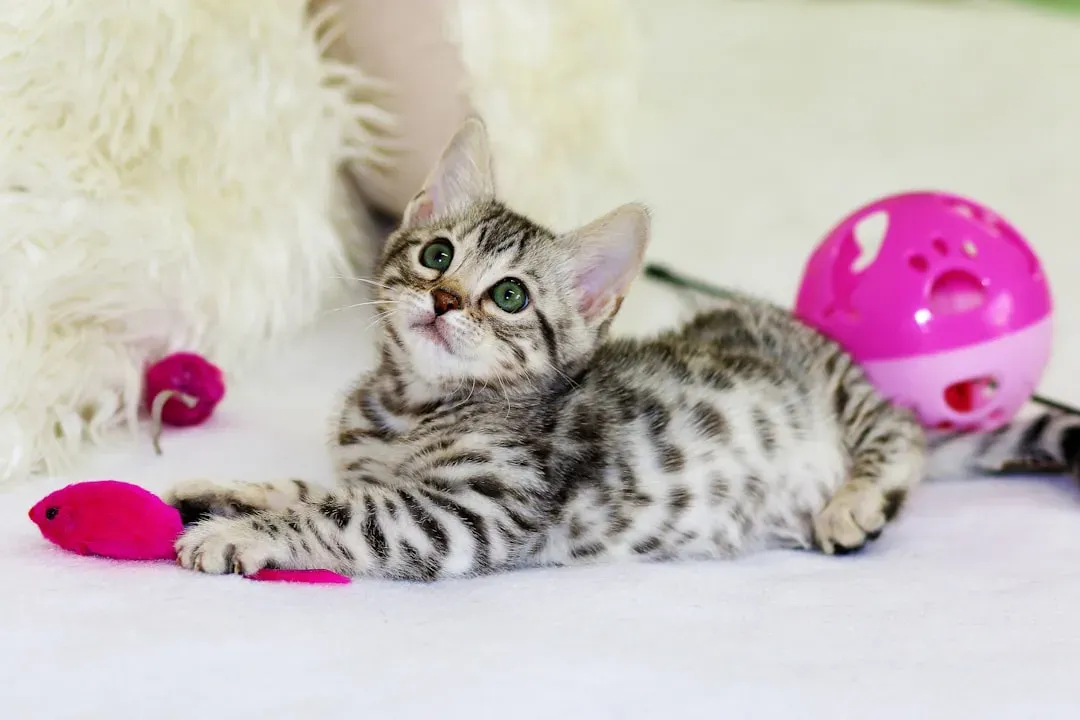
It’s not uncommon to see cats bringing toys to their owners when they’re bored and need some playtime. This is especially true if you’ve been out of the house for an extended period and haven’t had a chance to spend quality time with your furry friend. The gesture indicates that your cat craves your attention and affection and wants to engage with you as soon as possible.
Cats are natural predators even when living indoors, and without a wild environment to roam and hunt, their energy and instincts still seek an outlet. If a cat doesn’t get enough stimulation, it might bring you toys to express restlessness or boredom. Think of it as a polite but persistent nudge. Your cat has energy and they know you’re the person most likely to do something about it.
It Could Also Be an Attention-Seeking Strategy That Worked Before
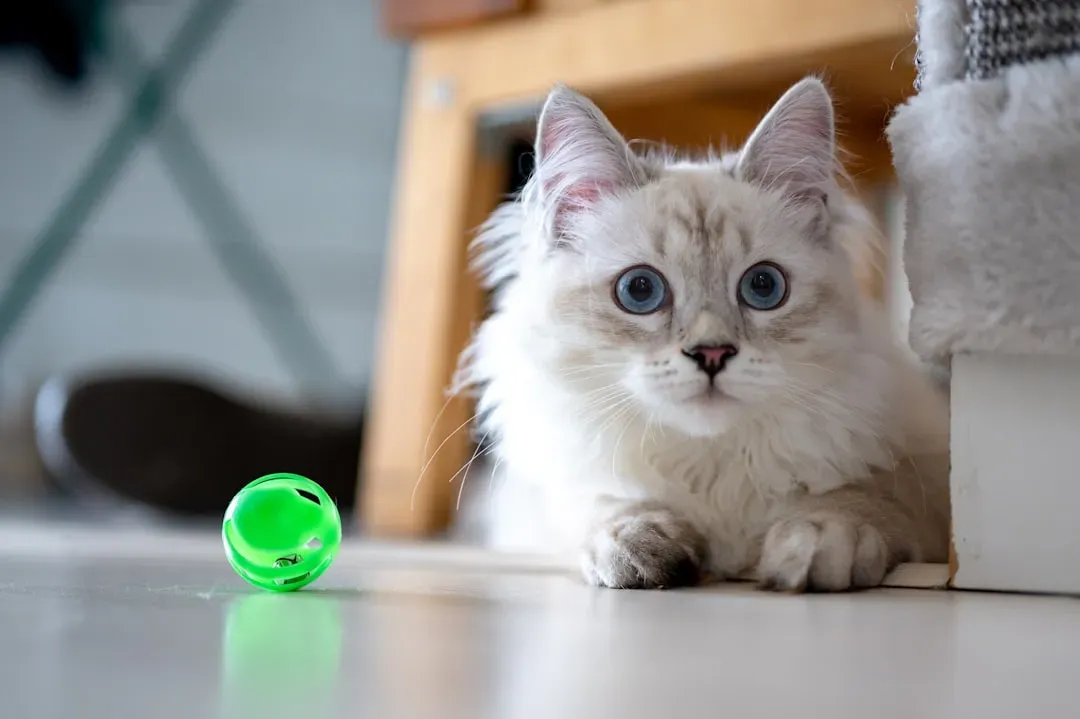
If your cat drops their favorite toy in bed at night and meows at you, you might pet your cat, set them aside, or even toss the toy. All these actions are positive reinforcement, signaling to your cat that they’ll be rewarded with attention for bringing a toy to bed. Cats are quick learners when it comes to human behavior.
As a result, when they want attention, they’ll bring the toy, expecting the “reward” they’ve gotten in the past. Your cat may be looping you into their hunting behavior by bringing you the toy. Cats are smart observers of human behavior. Some experts believe that bringing a “gift” is a way for your cat to get your attention or approval. While it may not always be your favorite surprise, your cat might be hoping for a reward, or at least some acknowledgment, for their hunting skills.
Your Cat May Be Asking You to Keep It Safe
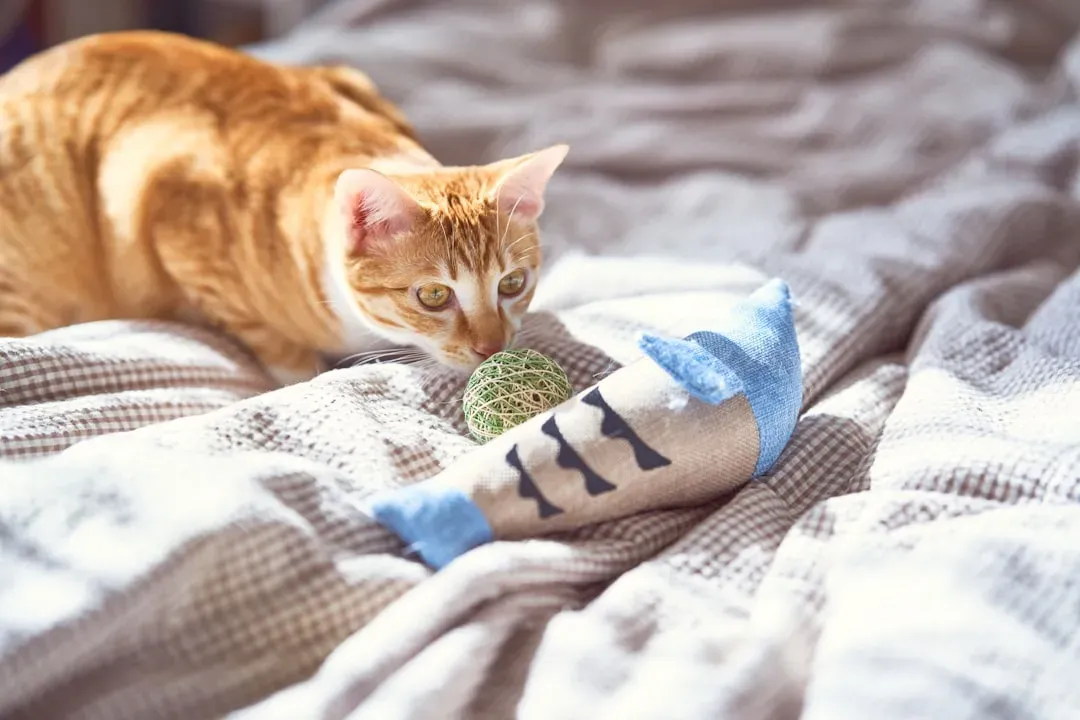
When cats hunt in the wild, their instincts are to move their catch to a safe place away from predators and competition. They might not eat their catch right away and instead leave it in a safe spot to eat later. Cats see their pet parents as safe and trustworthy, so they give you their toy to look after.
Your cat could be bringing you their toys after a hunt, as that “homebase.” It’s like, “Hey, can you keep an eye on this for me? I know you won’t eat it or let it get away.” That’s why you might also find toys hidden in your cat’s favorite spots, like under the bed, in your clothes, and sometimes in their water or food bowl. You’re essentially being designated as the most trustworthy storage facility in the house.
How You Should Respond When It Happens
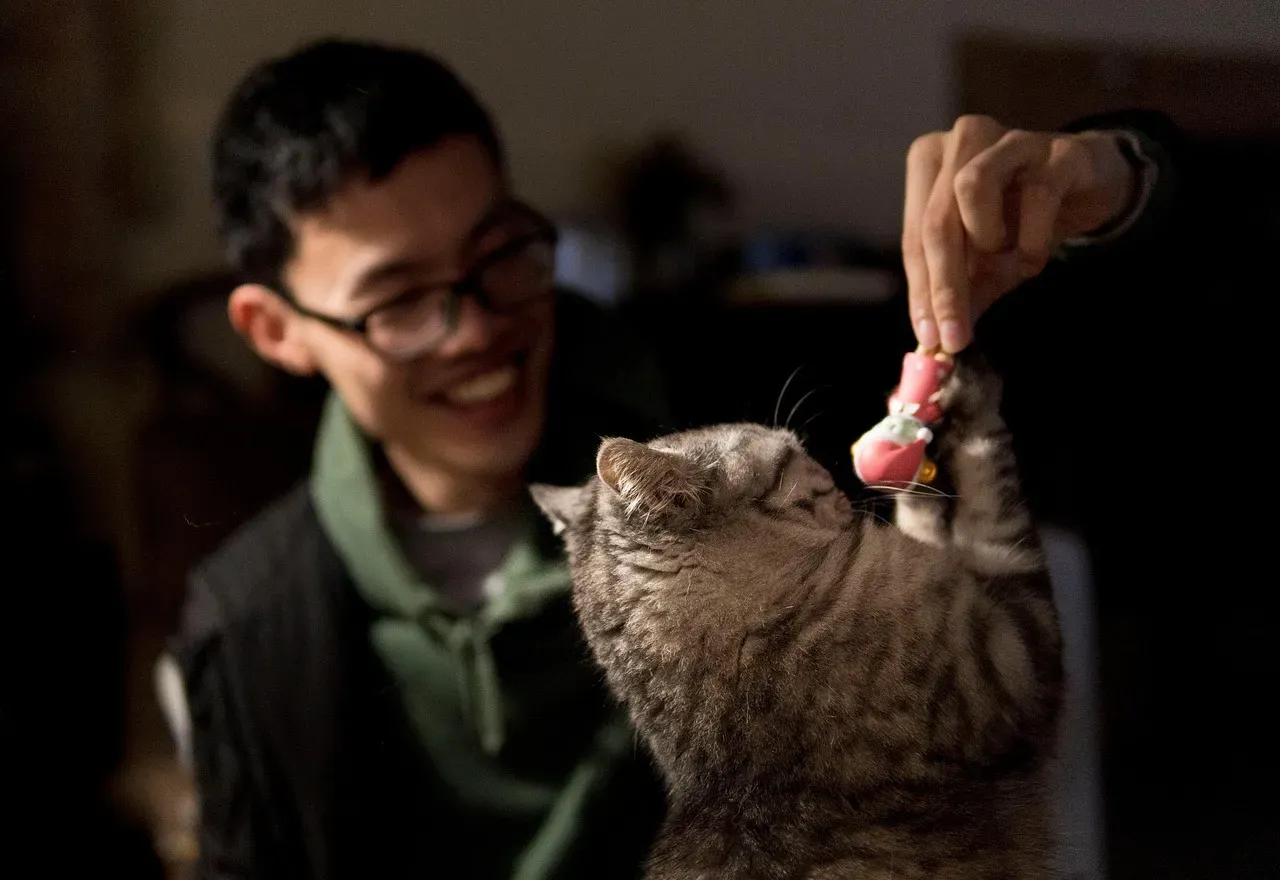
When your cat brings you one of their toys, it’s a sign of affection. It’s important to respond appropriately. Avoid scolding or ignoring them. Instead, show your gratitude and react positively so they feel encouraged to continue displaying their fondness for you in this way.
Cats are possessive with their toys, so giving the toy to you is a sign that they trust you and something to be cherished. If your cat did not trust you, they would keep their distance. That’s why it’s essential that if your cat brings a toy over to you, you take it gently, then praise your cat and give it scratches, cuddles, and pets. A short play session goes even further. Not all cats will bring you their toys, but when they do, shower them with praise and take a break for a quick game. You’ll strengthen your bond and encourage your cat’s hunting skills to develop properly.
When to Pay Closer Attention to the Behavior
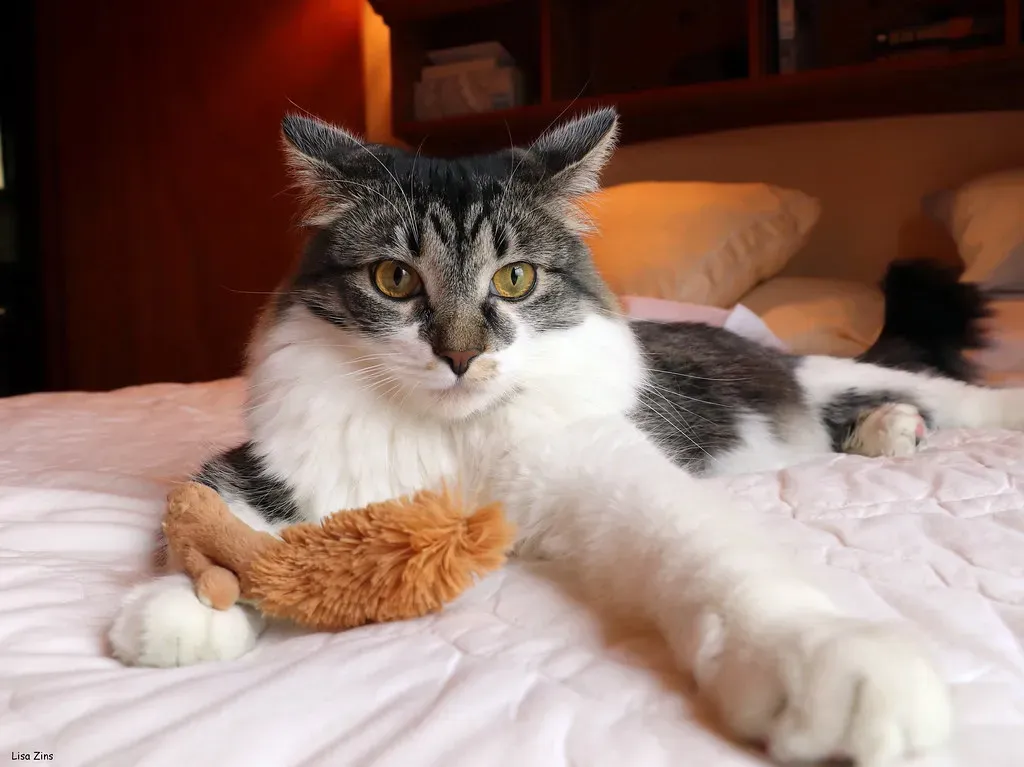
Excessive toy-carrying could stem from anxiety, boredom, or medical conditions like hyperthyroidism. While the behavior is almost always harmless and positive, a sudden dramatic increase in frequency, combined with other changes like restlessness or unusual vocalizing, can occasionally point to something worth investigating.
If you notice increased toy-carrying or more intense meowing, it may be your cat’s way of signaling they need more attention, playtime, or environmental enrichment. To support your cat’s instinct to hunt and “gift,” provide an enriched environment that satisfies their psychological needs. Cats can become bored with the same toys. Rotating a selection of toys every few days keeps novelty high and maintains interest. If you’ve ruled out boredom and the behavior still feels excessive, a quick conversation with your vet is always worthwhile.
Conclusion
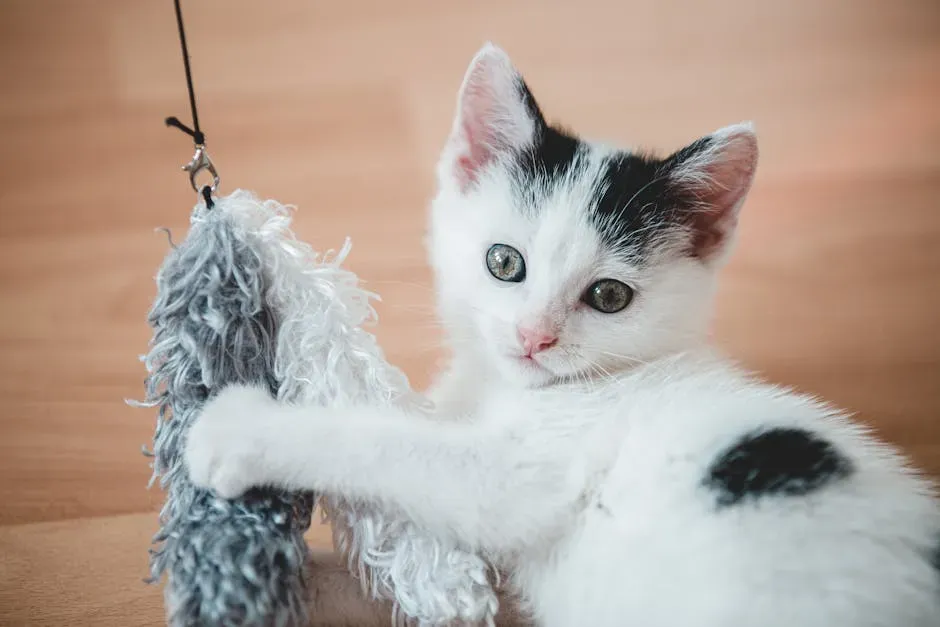
The next time your cat drops their favorite toy at your feet, you’re getting a glimpse into one of the more quietly remarkable aspects of the human-feline relationship. This gift-giving behavior is as instinctual for cats as scratching their scratching posts, grooming their fur, kneading, and other classic feline activities, and it’s actually a positive indicator of how they feel about you.
Far from being random or purely utilitarian, this act of gifting can strengthen the emotional bond between you and your cat. What feels like a strange performance is actually a profound expression of trust and attachment. Cats don’t come with instruction manuals, but moments like these are about as clear as feline communication gets. When you meet that gesture with warmth, you’re not just playing along with a quirk. You’re answering your cat in a language they genuinely understand.
Kristina is a young writer from India. An arts graduate and an avid content creator, Kristina is passionate about animals and wildlife. She enjoys exploring topics related to pet care, animal behavior, conservation, and nature, combining thorough research with engaging storytelling.