You set down a fresh bowl of food, your cat takes one long sniff, and walks away. No explanation. No apology. Just a swish of the tail and an air of complete indifference. If you’ve ever watched this little performance play out on your kitchen floor, you’re not alone – millions of cat owners have felt the quiet sting of being rejected by a seven-pound creature who apparently has very specific opinions about dinner.
The truth is, your cat’s selective eating is rarely about stubbornness or spite. There’s genuine biology behind it, layered with instinct, early experience, sensory wiring, and even emotional state. Understanding what drives your cat to accept one food and refuse another can change the way you approach feeding entirely – and it might just make mealtime a lot less frustrating for both of you.
The Obligate Carnivore: Why Your Cat Is Hard-Wired for Meat
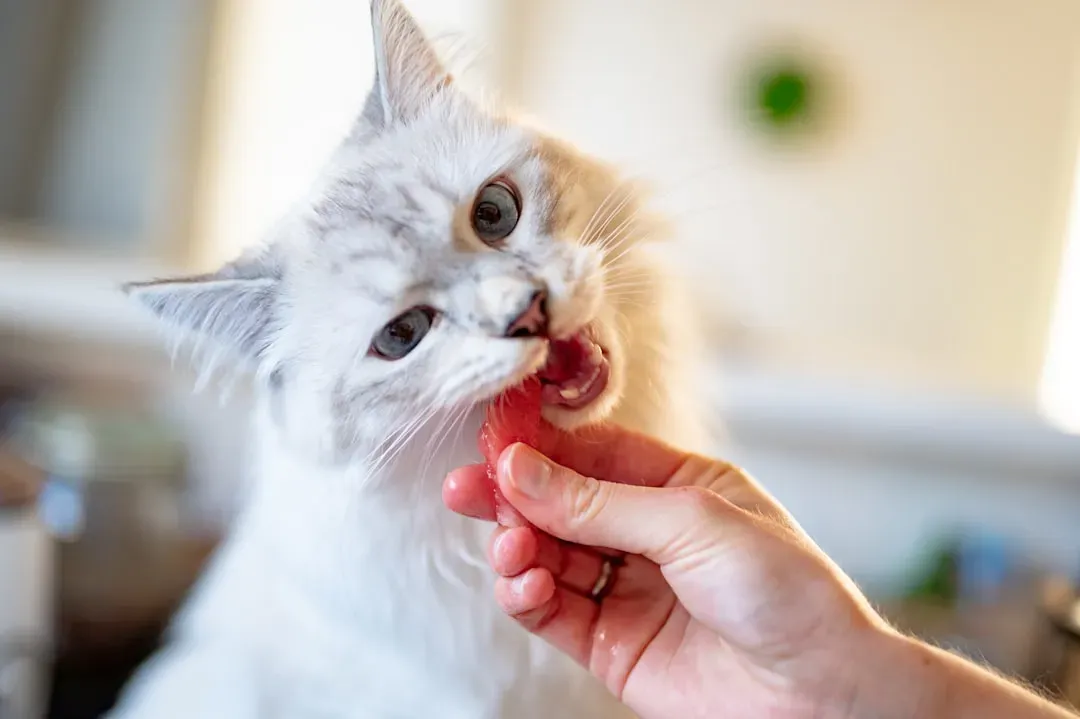
Cats are obligate carnivores, meaning they have to eat some meat to obtain essential nutrients, with a natural diet consisting of a variety of small prey animals. This isn’t a preference – it’s a biological requirement that shapes everything about how your cat interacts with food.
Cats display feeding behavior that stems from specific nutritional requirements associated with their strict carnivore physiology, including high levels of total crude protein linked to the presence of specific amino acids in the diet such as arginine and taurine, along with vitamins A, D, and complex B, as well as arachidonic acid. When your cat turns down something that doesn’t meet these deep biological needs, their body is essentially doing its job.
They’re finely tuned to seek out high-protein, meat-based meals, and their fussiness often stems from this biological predisposition. A cat may turn their nose up at certain foods simply because it doesn’t meet their nutritional requirements. In that light, calling them “picky” is almost an oversimplification.
The Nose Knows: How Smell Drives Every Mealtime Decision
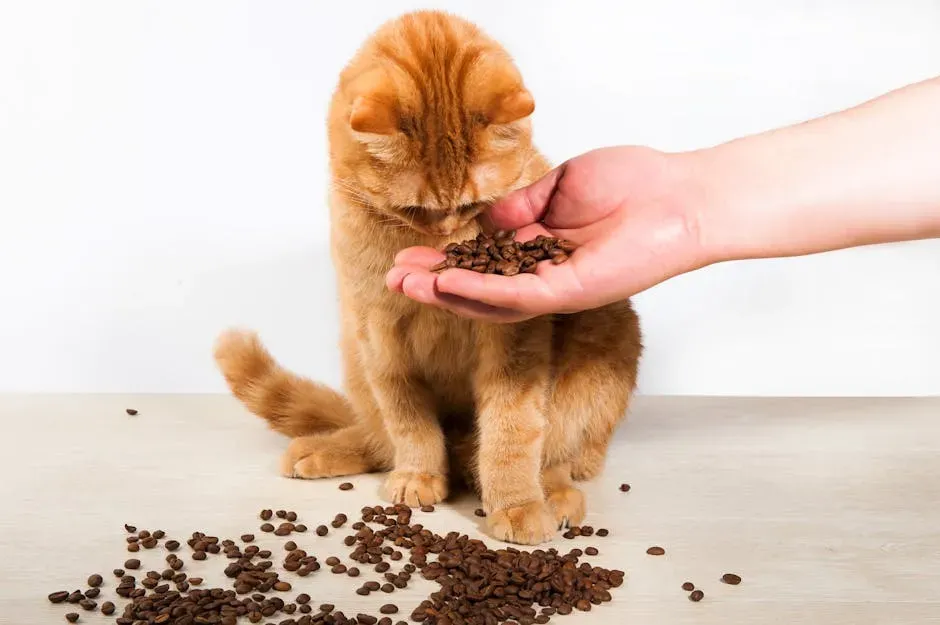
Cats rely heavily on their sense of smell when deciding whether or not to eat something. Their sense of smell is much more powerful than ours, and if food doesn’t smell appealing to them, they may refuse to eat it, even if it tastes good. Aroma isn’t just a bonus signal for cats – it’s the main event.
Odour perception is very important for cats and plays a key role in choosing whether to eat a food item or not. Cats will use odour to define what foods are appropriate for their needs and also to help them perceive toxic substances. In this regard, cats compensate for their relatively low ability to taste foods because of having low numbers of taste buds by using their much more developed olfactory system.
Research suggests that cats do not stop eating simply because they are full. Rather, their feeding motivation decreases as they become accustomed to the smell of the food, and it can be restored by introducing a new odor. Sensory novelty, especially olfactory novelty, can reactivate feeding motivation in cats. So if your cat is abandoning a half-full bowl, boredom with the scent may be partly to blame.
A Taste Profile Unlike Any Other Animal
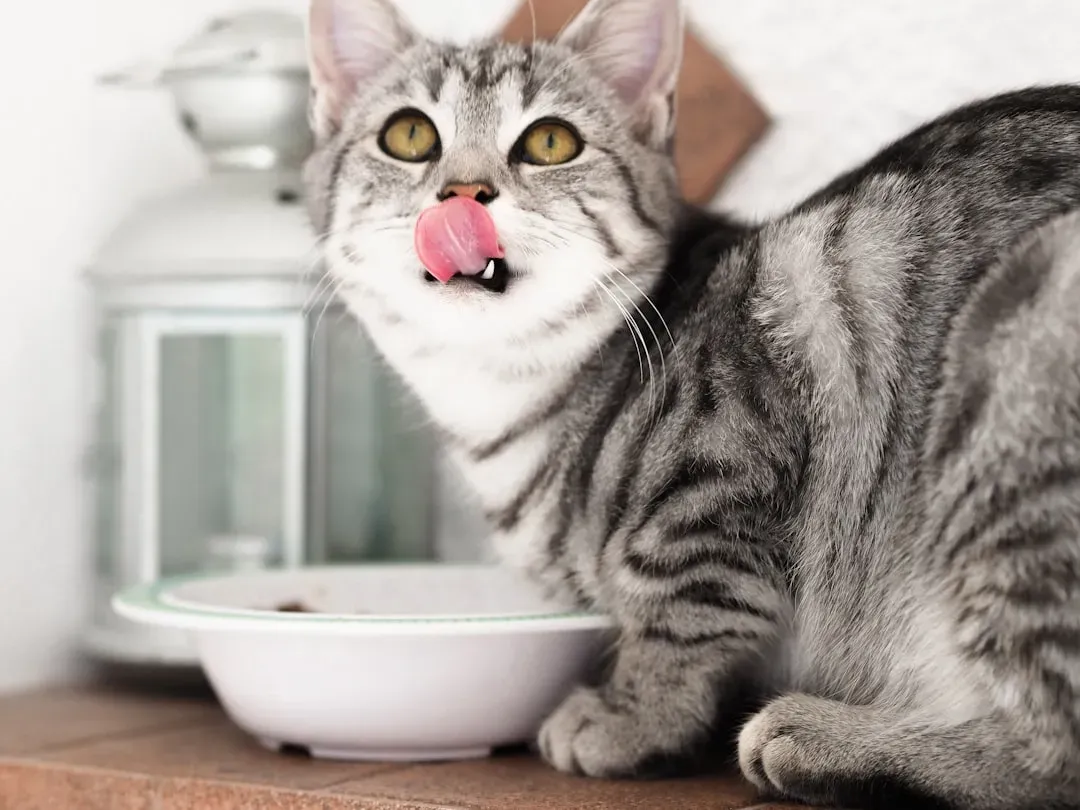
Cats are shown to lack the taste receptors for sweetness that many animals, including dogs, possess. Scientists examined the DNA of several healthy domestic cats, along with some tigers and cheetahs, analyzing the genes that usually work together to allow sweetness to be detected. The study’s results indicate that one gene in cats works fine, but another does not, causing cats to be unable to perceive sweetness.
Sometimes called savoriness, umami is the rich, meaty flavor characteristic of cheese, mushrooms, wine, broth, and cooked meats. Cats are innately drawn to foods with a strong umami flavor, which is typically linked to a high concentration of amino acids. This craving for deep, savory flavors explains a lot about what ends up in your cat’s bowl and what gets ignored.
Research finds that domestic cats perceive bitterness at the molecular level, allowing them to detect off ingredients with incredible precision. This could further help to explain why felines so often turn up their noses to particular foods and medicines. Your cat isn’t being dramatic – they may genuinely be detecting something you’d never notice.
Temperature and Texture: The Details That Make or Break a Meal
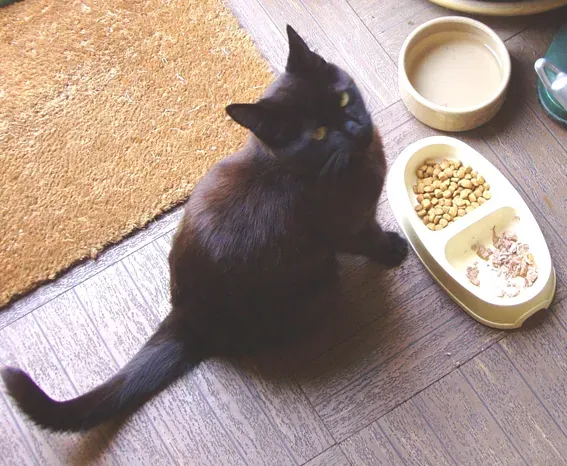
Cats often prefer food that mimics the temperature of freshly caught prey, which is why they may refuse cold food straight from the fridge. When you think about it from the cat’s evolutionary perspective, that instinct makes perfect sense – fresh prey is always warm.
In a study with cats over seven years old, those given chunks in gravy at different temperatures preferred the test food as the serving temperature increased, with the warmest temperature being the most preferred, probably due to enhanced flavor intensity. Something as simple as warming your cat’s wet food for a few seconds can meaningfully change how appealing it seems to them.
Cats, which tend to nibble and take smaller bites than dogs, may be more sensitive to the texture and shape of their food, with properties such as tackiness and stickiness being more important. Texture preferences can vary significantly between individual cats. One cat thrives on smooth pâté; another refuses anything that isn’t chunks in gravy. Both are perfectly normal.
Neophobia and the Fear of Anything New
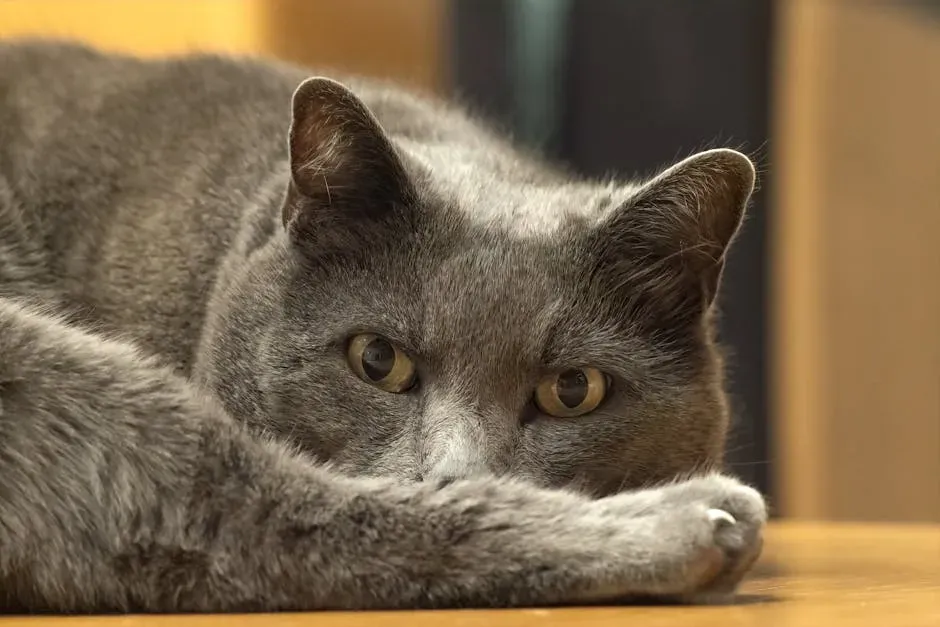
Cats can display neophobia, meaning they are unwilling to try a food that is new or different to their normal food, which may make them appear fussy. This tendency isn’t a personality flaw – it’s a survival mechanism that has been refined over thousands of years.
Their diet was based almost exclusively on hunting small prey that offered a complete and constant nutritional profile. Unlike dogs, which descended from social scavengers and developed a greater tolerance for dietary variability, cats were not scavengers, nor did they consume rotting food. In the wild, eating a new food can lead to stomach upset or worse, making neophobia a lifesaver outside safe home environments.
It is always a good idea to introduce a new food under positive and usual circumstances to avoid a neophobia situation. If you’re switching foods, timing and environment matter as much as the food itself. Introducing something new when your cat is calm, healthy, and comfortable at home gives you the best chance of acceptance.
Early Life Imprinting: What Kittens Learn Shapes Adult Preferences
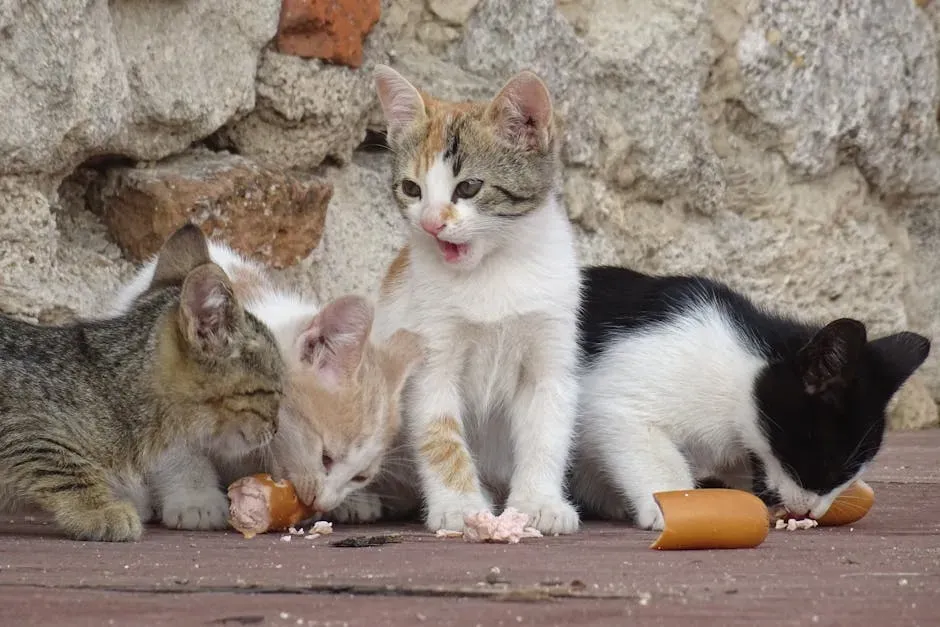
Kittens learn what to eat by observing their mother and experiencing different foods during critical developmental periods. Limited exposure to varied foods during these early stages can lead to increased pickiness in adulthood. The window for establishing broad food preferences is narrow, and once it closes, change becomes harder.
Research shows that kittens exposed to different textures, flavors, and food types between 4 and 12 weeks of age are more likely to accept varied diets as adults. This “food imprinting” period plays a crucial role in developing future eating habits. If you’re raising a kitten, this is genuinely valuable information to act on early.
A cat’s diet as a kitten influences what they’ll eat as an adult. If a kitten is raised on only dry food, they may resist wet food later in life. Similarly, a cat that grew up eating only fish-flavored food may reject poultry-based meals. The patterns formed in those first months are remarkably persistent and can last a lifetime.
The Monotony Effect: Why Your Cat Suddenly Rejects a Food They Used to Love
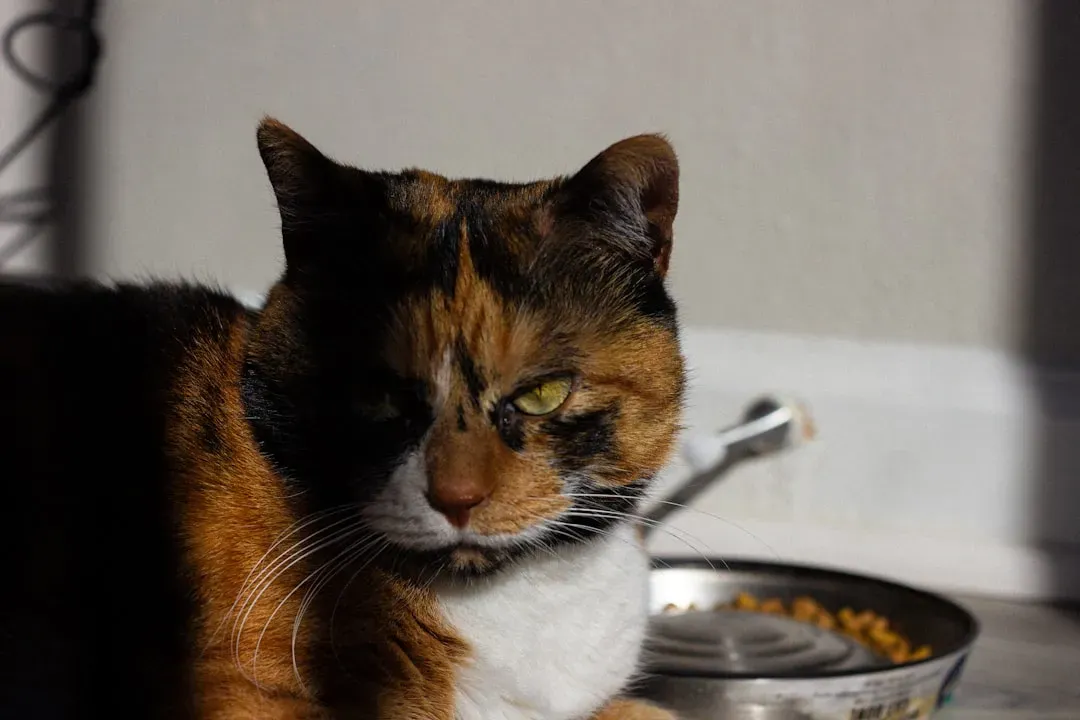
Additional influences on cats’ dietary choices include neophobia and monotony. On one hand, a cat may naturally reject a new food offering or might only eat small amounts of it at first. On the other hand, if fed the same diet for too long, the cat may be struck by the monotony and look to find a new or novel food instead.
The novelty effect, or neophilia, is mostly observed in cats that have been fed a single food or diet for a long time. These cats show a higher preference for a new diet when given a chance to select between the diet they used to eat and a new one. This response has been attributed to cats’ evolutionary habit toward consuming more than one food source to prevent any nutritional deficiencies.
Research suggests that cats simply grow bored of repetitive food smells, and the solution could be as easy as varying their meals – or even just the nearby odors. Rotating between two or three trusted recipes rather than cycling endlessly through new brands is a practical way to manage this at home.
The Feeding Environment Matters More Than You Think
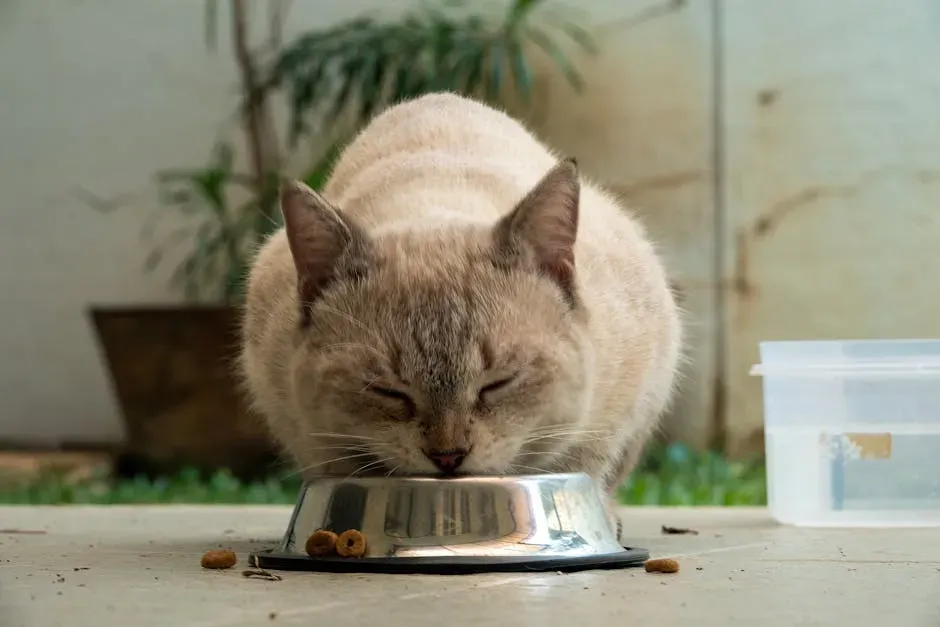
Where you place your cat’s food bowl can influence their eating behavior. Cats are creatures of habit and can be quite particular about their surroundings. A poorly placed food bowl can lead to stress, reduced appetite, and even health issues.
Whisker fatigue is a condition where a cat’s whiskers become overstimulated from repeatedly touching the sides of a bowl. This can cause stress and discomfort, leading them to avoid eating or drinking. Using wider, shallower bowls can help alleviate whisker fatigue. Something as overlooked as bowl depth can be the difference between a cat that eats well and one that approaches the bowl and then backs away.
Having the litter box and the smells that come with it close to the food dish is a big source of stress for your cat and can result in them not wanting to eat. The food and water bowls should be at least six feet away from the litter box. Different rooms are best – if you can, put the food in one room and the litter box in another. It’s a small logistical change that can have a surprisingly big effect.
When Picky Eating Becomes a Medical Warning Sign
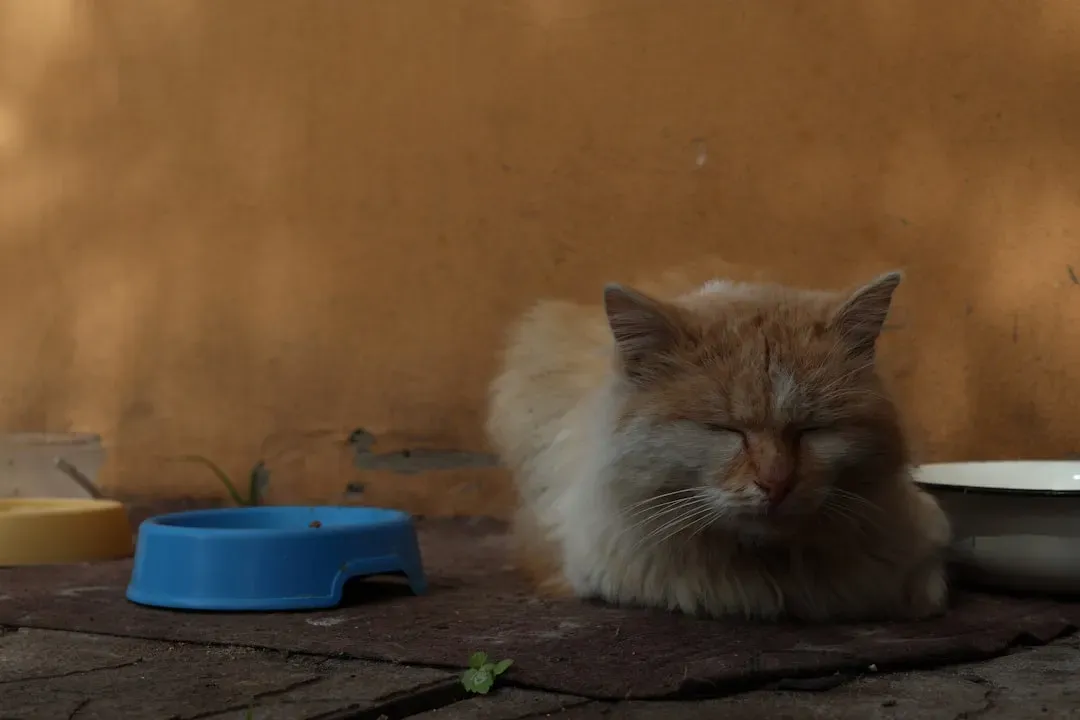
If your cat has suddenly become a picky eater, most of the time there’s a medical reason. This can include kidney disease, gastrointestinal issues, dental disease, arthritis, respiratory infections, and heart disease. Sudden changes in appetite are the body’s way of signaling that something is wrong – and cats are notoriously skilled at hiding discomfort.
Cats naturally hide illness, so appetite changes may be one of the first noticeable signs something is wrong. This makes it especially important to pay attention when your cat’s eating habits change suddenly. What looks like pickiness from the outside can sometimes be the earliest warning of a serious condition.
Cats can develop potentially life-threatening hepatic lipidosis, also known as fatty liver disease, if they don’t eat regularly, so making an urgent veterinary appointment is crucial if you see any changes in your cat’s appetite. If your cat goes more than 24 hours without eating, veterinary guidance is recommended – even sooner for kittens or senior cats. This is one situation where it’s always better to act early than to wait and see.
Conclusion
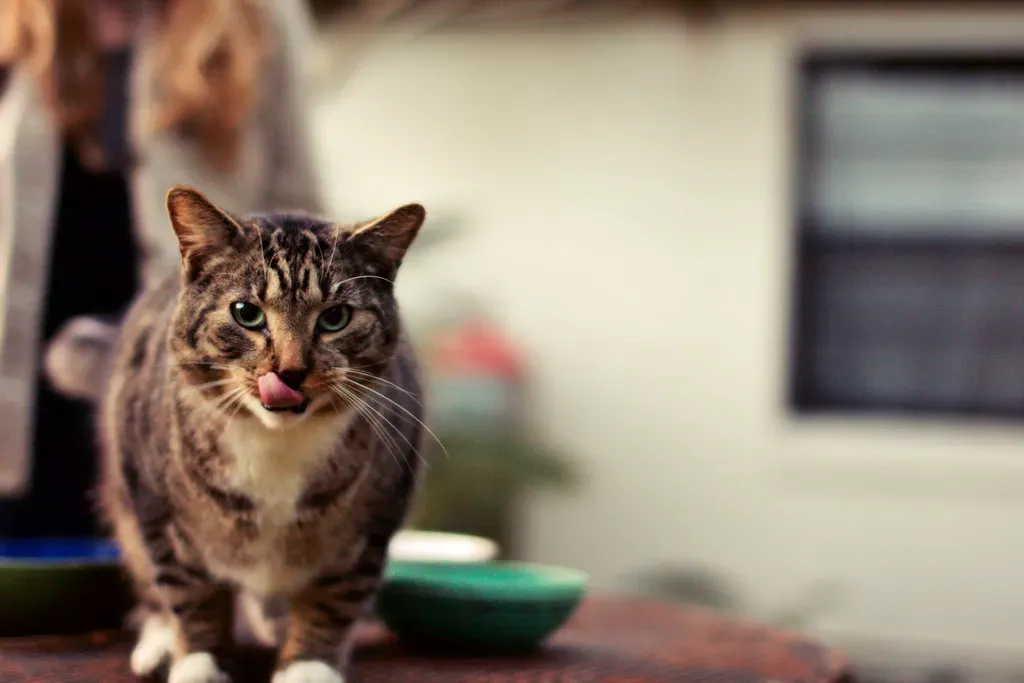
Your cat’s relationship with food is layered in ways that are easy to underestimate. Their preferences aren’t arbitrary – they reflect millions of years of evolutionary refinement, early developmental experiences, and a sensory system that processes food in a completely different way than yours does. Understanding that context doesn’t make every mealtime mystery instantly solvable, but it does shift the frame. You stop seeing stubbornness and start seeing biology.
The most practical takeaway is simple: pay attention. Watch your cat’s patterns, respect what their body is communicating, keep the feeding environment calm, and treat any sudden change in appetite as something worth investigating. A cat who’s genuinely finicky is manageable with patience and a little experimentation. A cat whose pickiness is quietly signaling something medical deserves to be taken seriously.
Ultimately, what looks like food snobbery at the bowl is usually your cat telling you something real. You just have to learn how to listen.
Kristina is a young writer from India. An arts graduate and an avid content creator, Kristina is passionate about animals and wildlife. She enjoys exploring topics related to pet care, animal behavior, conservation, and nature, combining thorough research with engaging storytelling.