You’ve probably seen it happen. Your dog’s brand-new, generously sized bed is sitting perfectly placed in the living room, and your cat has claimed it with what can only be described as sovereign confidence. Your dog, meanwhile, looks on from a distance, unsure whether to negotiate or just accept defeat.
It’s one of those quietly amusing scenes that plays out in multi-pet households everywhere. On the surface, it seems like a quirky personality thing. Dig a little deeper, though, and there’s a surprisingly rich mix of instinct, sensory preference, and feline psychology at work. Understanding why your cat does this can actually tell you a lot about how your pets experience their shared home.
Your Cat Doesn’t Recognize Ownership the Way You Think
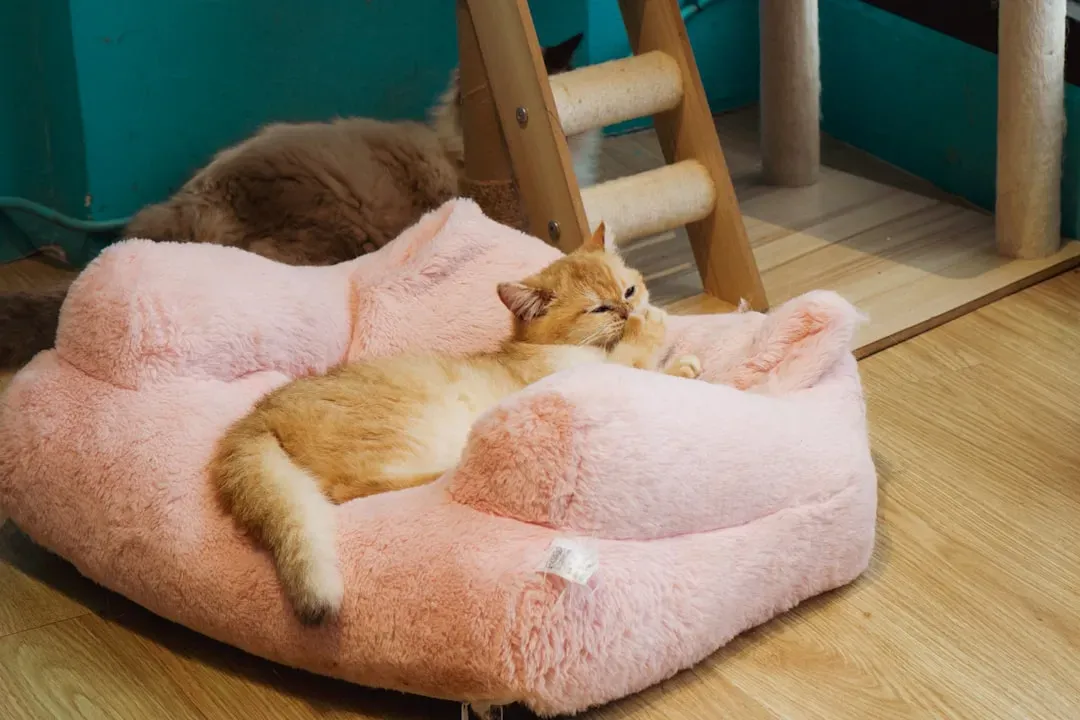
One of the first things worth understanding is that your cat doesn’t operate with the same concept of property that you do. Your cat does not think about ownership the way humans or even dogs might. To her, it’s simply a bed: comfy, possibly warmed from use, and likely pleasant in texture. The label “dog bed” means absolutely nothing to a cat weighing up comfort options.
This is actually a normal scenario. Cats like to occupy a wider space, which is partly why they love to take over dog beds. It’s not about the dog’s smell specifically; it’s simply about finding comfort in a particular place. You’re not dealing with a cat that’s being spiteful or dominant in some deliberate way. You’re dealing with a cat that found something soft and decided it was hers now.
The Irresistible Pull of Memory Foam and Plush Materials
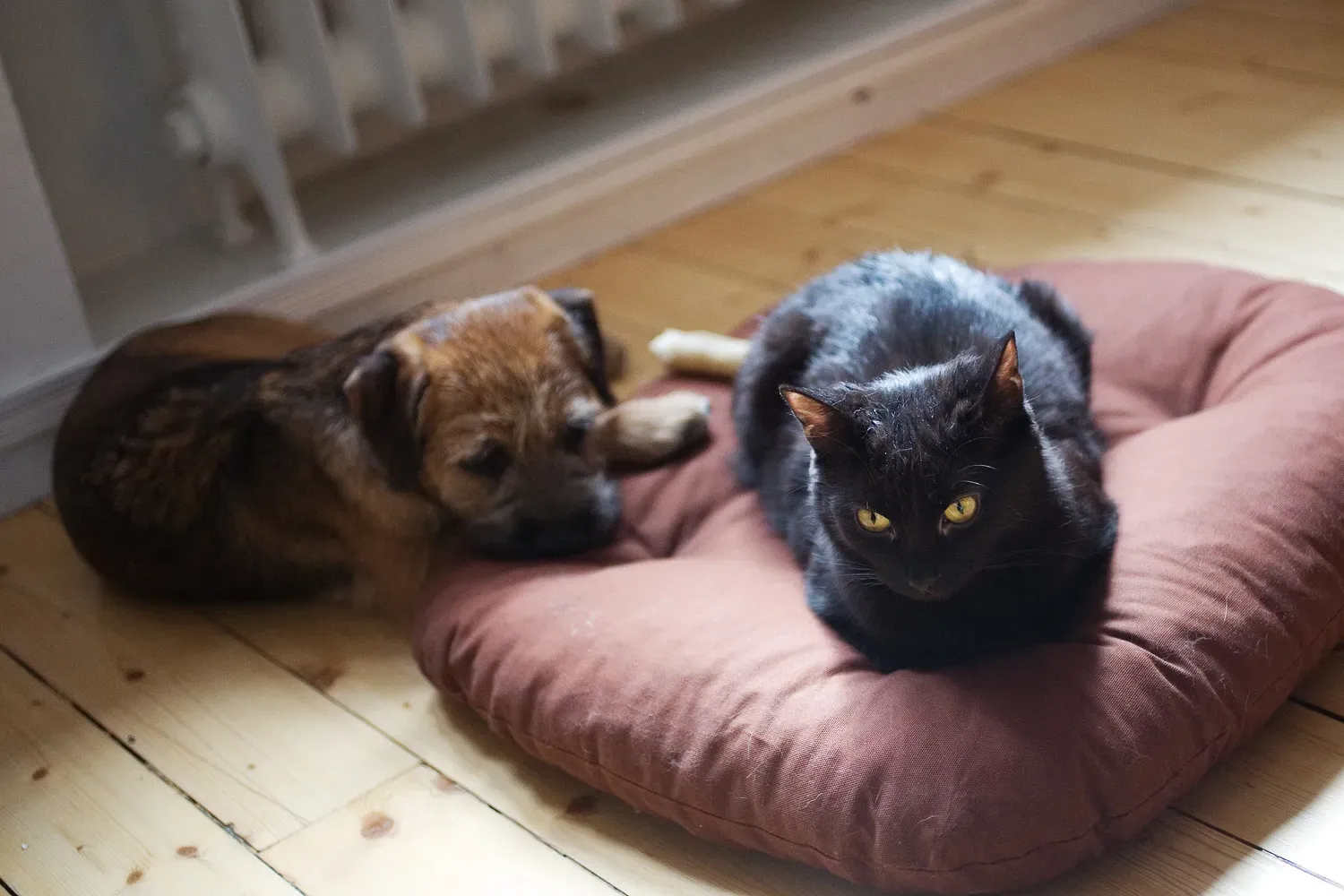
Dog beds are often made with materials like memory foam, faux fur, and soft mattress toppers that can be genuinely attractive to cats. Blankets in particular are especially appealing because they fulfill the natural urge to knead and burrow while staying comfortable. If you’ve ever watched a cat knead a dog bed before settling in, you already know what that looks like in practice.
The right type of bed for a cat isn’t always found in the cat department. That’s why many pet parents end up choosing dog beds as a more lavish alternative that suits feline preferences perfectly. In short, your cat may have simply made a better shopping decision than you did on her behalf. She found the premium option and went for it.
Heat-Seeking Is Hardwired Into Your Cat’s Brain
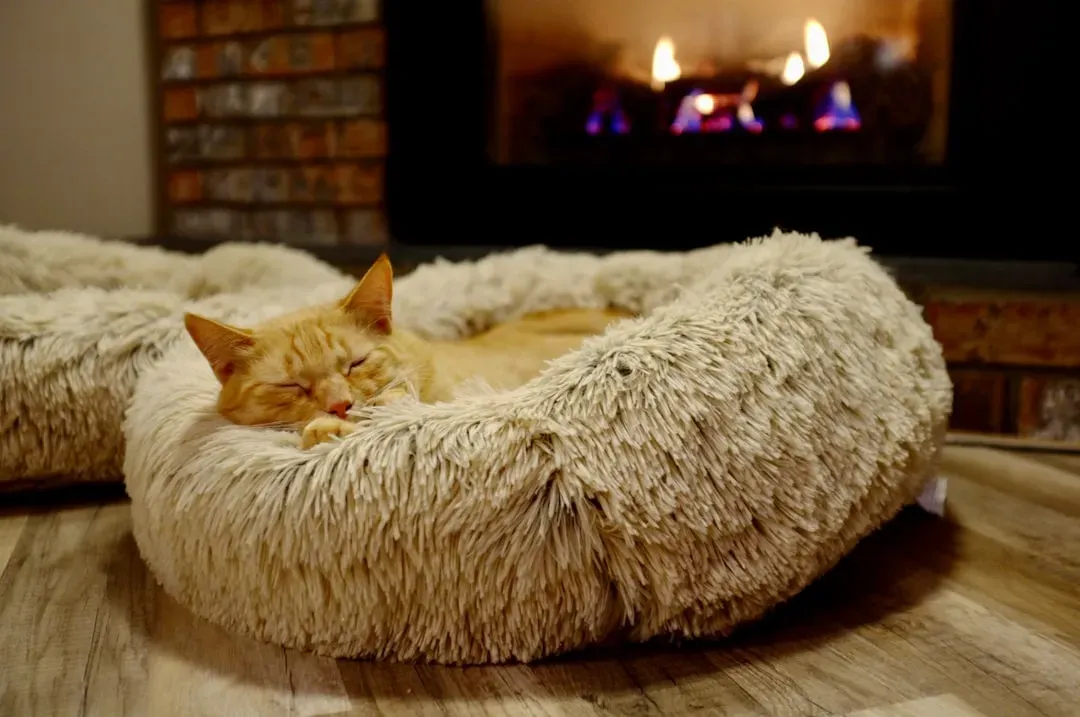
Cats have a higher resting body temperature than humans, and they instinctively seek out warmth to conserve energy. Curling up in a warm spot helps them maintain their ideal body temperature without expending much effort. A dog bed that has been recently used is essentially a pre-warmed resting spot, and that’s a detail your cat’s body notices before her brain has even consciously registered it.
Self-warming beds that trap heat when the weather turns cool are ideal for cats as well as dogs, although these are most commonly sold as large dog beds. So when your cat gravitates toward your dog’s sleeping space on a cold evening, she’s not making a territorial statement. Maintaining proper body temperature requires significant metabolic effort, and snuggling into a warm spot reduces the energy expenditure needed to stay comfortable.
The Role of Scent: It’s More Complex Than You’d Expect
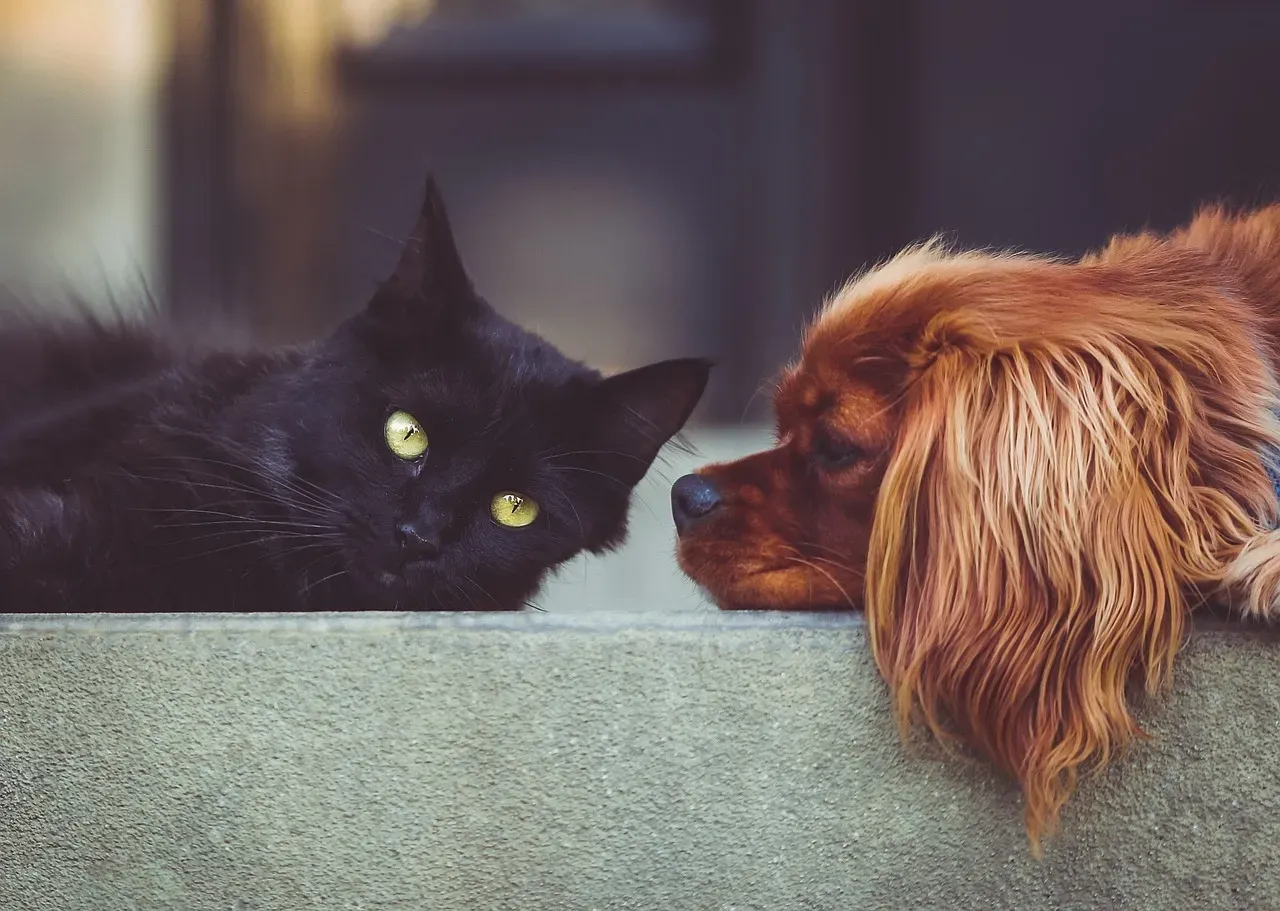
Both dogs and cats use scent to mark territories, and they can tell when other animals have been in an area. Dogs and cats have such strong senses of smell that you should consider odors when finding ways to provide enrichment or reduce anxiety. A dog bed is essentially a concentrated scent map of the household, and your cat is reading every detail of it.
The scent receptor protein V1R is thought to be responsible for giving mammals the ability to distinguish one scent from another. Humans have two forms of this protein, dogs have nine, and cats have 30, allowing them to identify and differentiate between a far larger variety of scents. Your cat isn’t just smelling the dog bed; she’s processing it in remarkable detail. When a cat rubs her face and body into a dog’s bed, she may well be claiming it as hers, letting every other animal in the home know it now belongs to her.
Feline Territory Isn’t Fixed, It’s Fluid
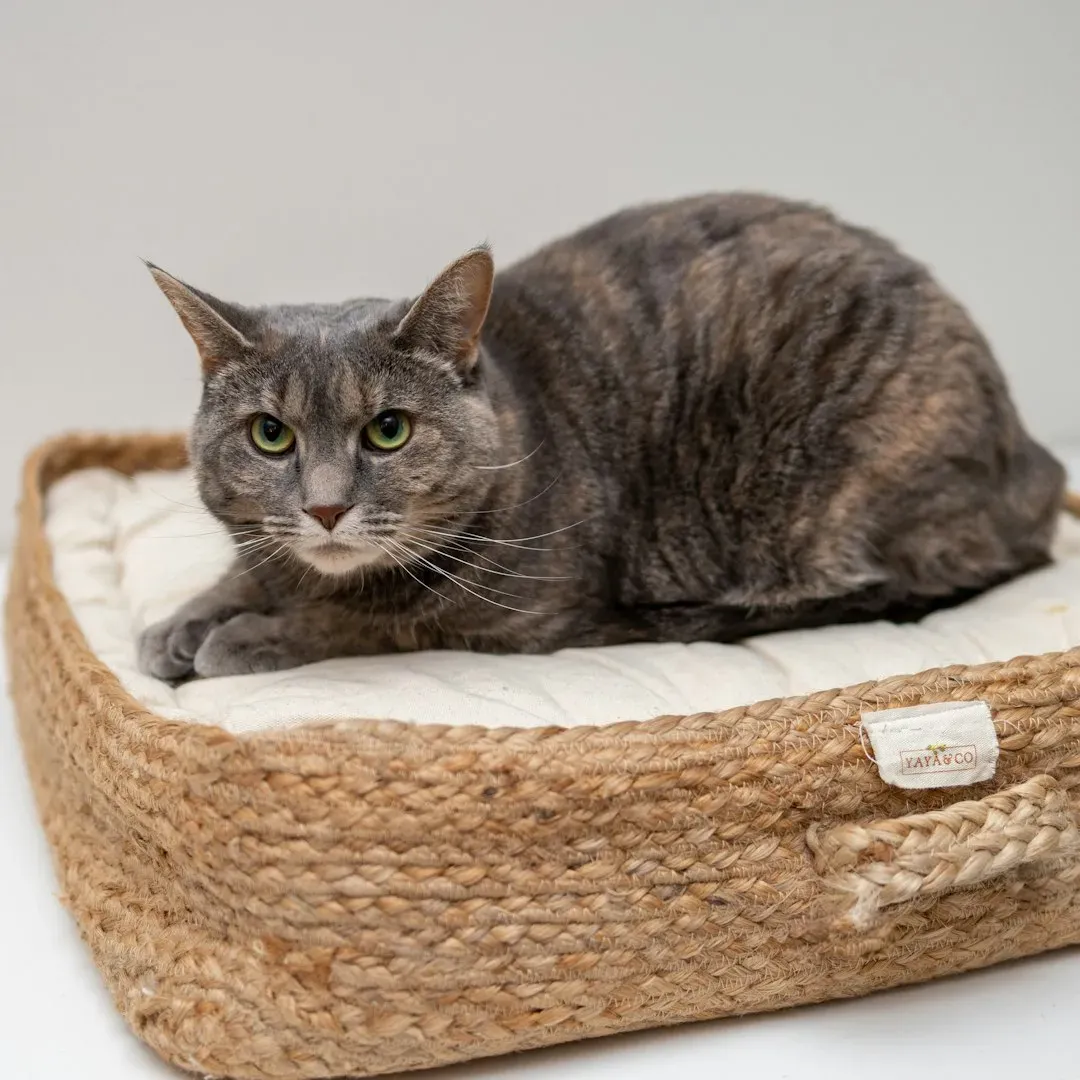
Even if your cat is indoor-only, she still has a strong natural instinct to establish territories. She doesn’t need to hunt for her food, but due to her instinct to claim space, your home must provide an environment that meets all of her territorial needs. This includes access to resting areas that feel securely “hers,” regardless of which label the manufacturer put on the product.
Usually, the area where your cat spends the majority of her time becomes her territory. To define that territory, cats exhibit natural marking behaviors like scent rubbing and scratching. Occupying the dog’s bed regularly is one quiet, low-conflict way your cat expands her claimed space. Such nuances in behavior reveal the cat’s unique way of asserting herself, marking territory, and also seeking companionship at the same time.
Sleep Is Vulnerable Time, and Location Matters Enormously
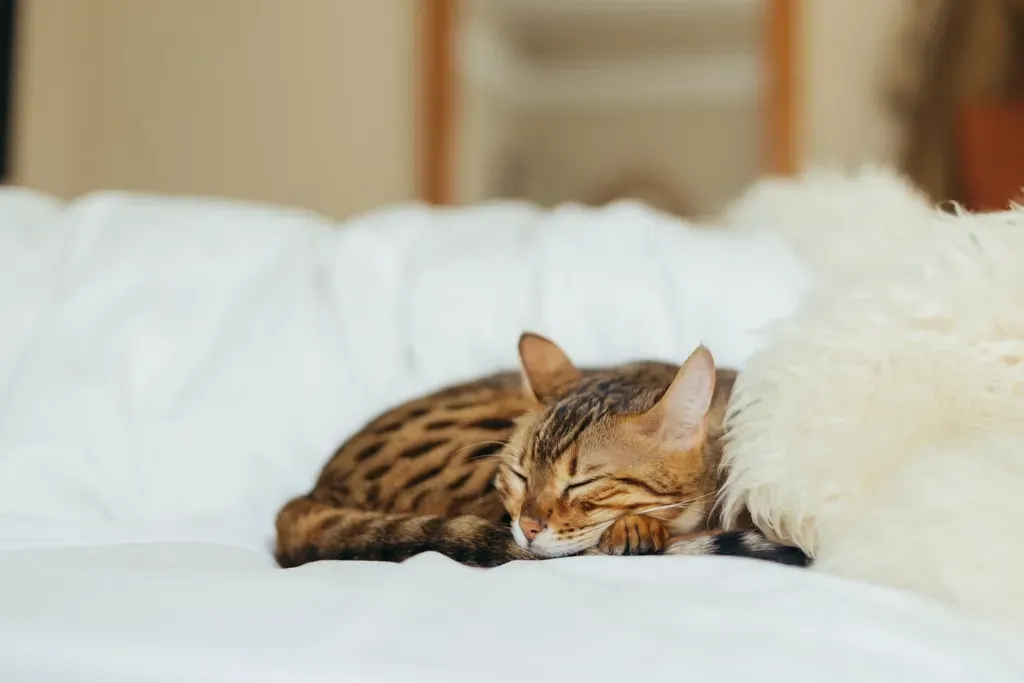
Sleep is one of the most vulnerable states for any animal, and cats are no exception. In the wild, cats must balance their role as predators with the reality that they can also become prey, so even resting cats stay partially alert and choose safe places to nap. The choice of where to sleep is never casual for a cat; it’s a calculated one.
Sleep can be a vulnerable time, and cats instinctively gravitate toward places where they feel safe. By choosing to sleep near a familiar companion, cats find not only warmth and comfort but also a sense of security that reinforces their bond. The dog bed, placed in a familiar part of your home and carrying the scent of a known housemate, may actually register to your cat as a safer place to rest than her own isolated cat bed in another corner.
How Your Dog Usually Responds (And Why)
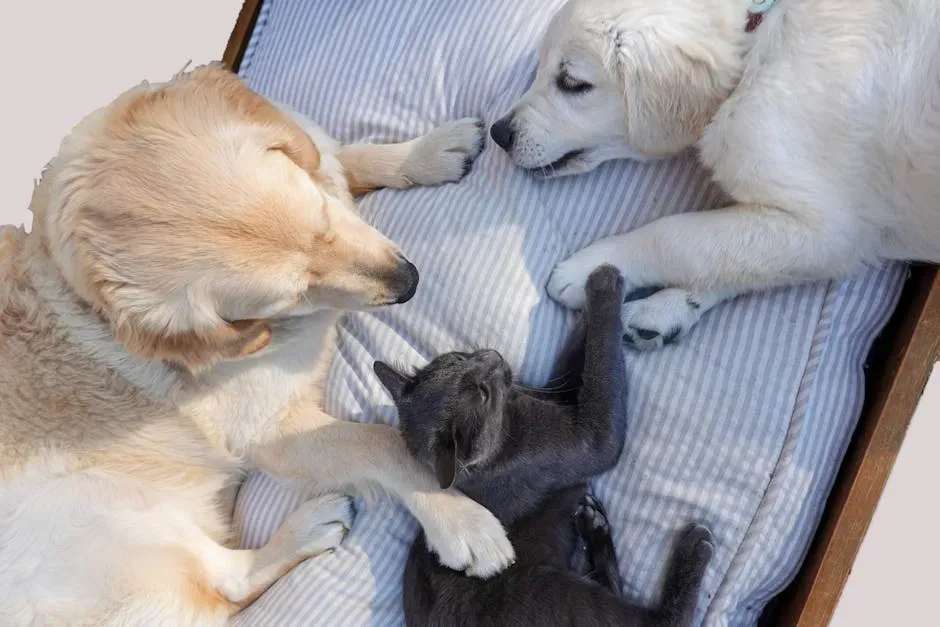
Some dogs don’t mind sharing their bed with their feline housemate and might even enjoy having their cat friend around. If that’s the case, there may be no issue at all. Dogs are often far more tolerant of this arrangement than their owners expect. Many dogs are simply too polite or too easygoing to reclaim their space, and so they just allow the cat to occupy it.
That said, not every dog is indifferent. Your dog may feel the need to guard certain areas of the home, like his bed or food bowl. To manage this, it helps to ensure that each pet has its own space and resources, such as separate feeding stations and sleeping areas. If your dog has resource-guarding issues around the bed space, or gets upset when moved while sleeping, it’s best to have them sleep in a separate space. This increases safety and is the first step in addressing the behavioral issue.
What You Can Actually Do About It
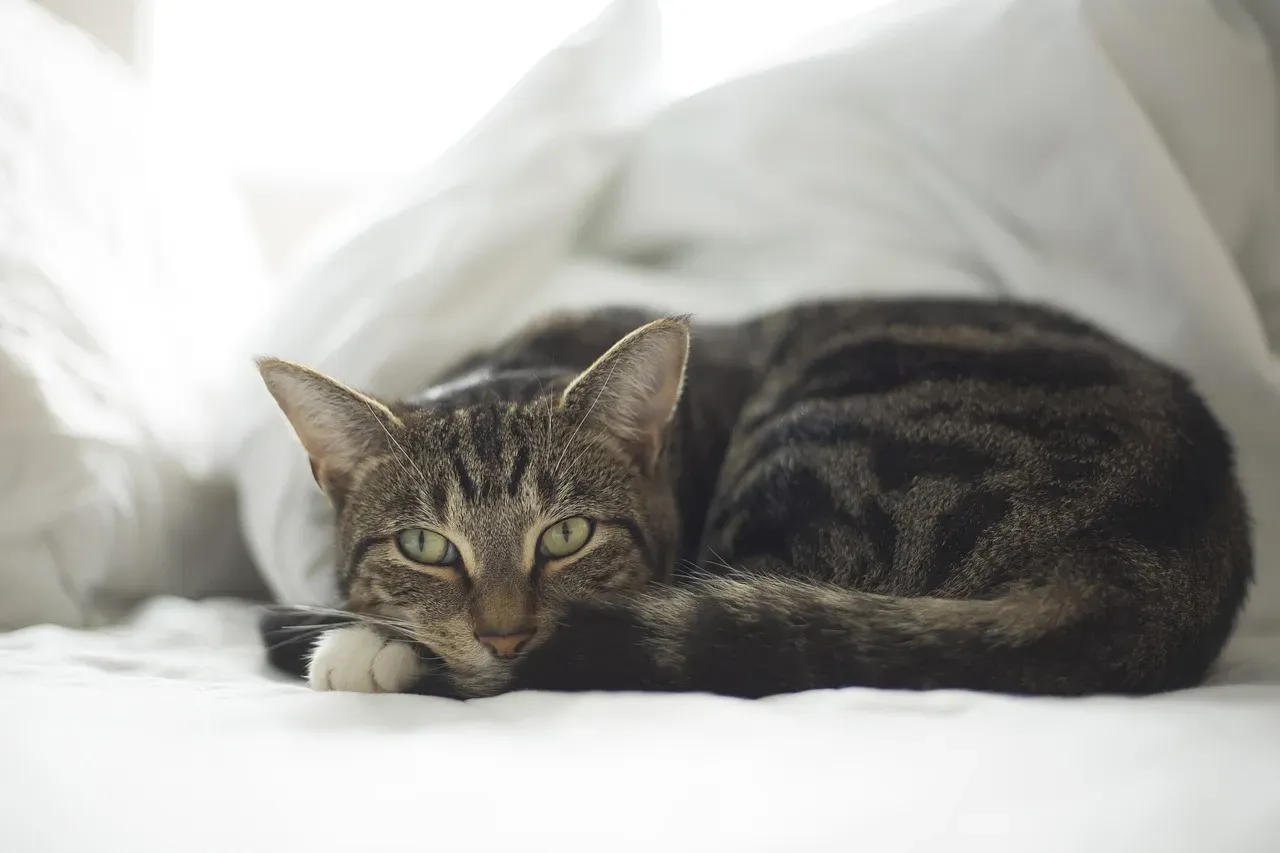
Cats don’t enjoy change and may not take to a new bed right away. Moving a favorite blanket or toy onto the new bed can help your cat get acclimated with her own scent on the material. Sherpa beds are especially inviting as they trap a cat’s scent easily. Making your cat’s own bed more personally scented and physically appealing is one of the most effective first steps you can take.
Positive reinforcement training means rewarding your pet as soon as they do something you like. The reward reinforces the behavior, making it more likely to occur again. Positive reinforcement is a powerful tool for changing your pet’s behavior. Once you’re making it more appealing for your cat to rest elsewhere, keep an eye out for when she’s choosing to relax in spots that aren’t the dog’s bed, and calmly reinforce that behavior with attention or a small reward.
When the Behavior Actually Signals Something More
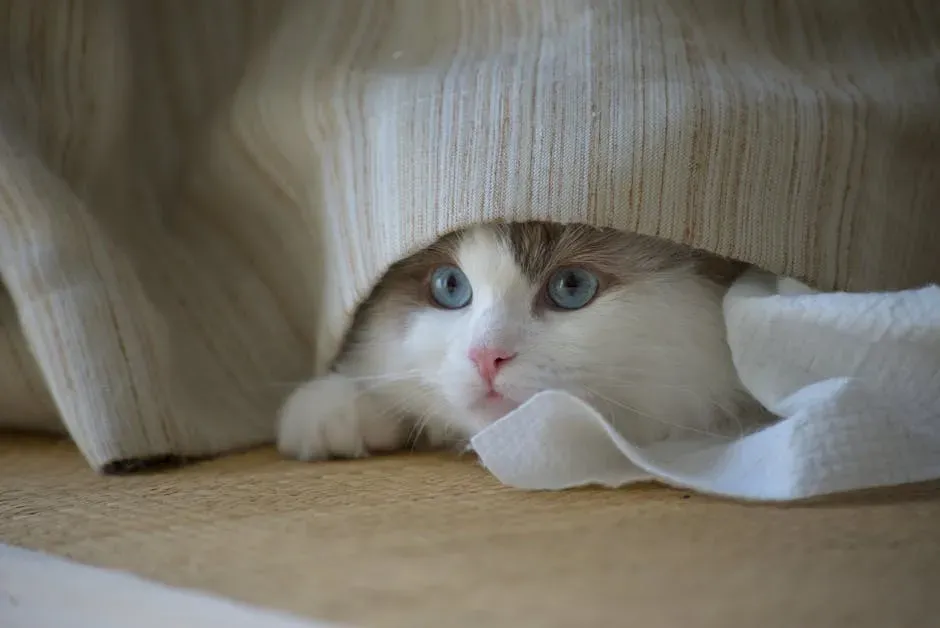
Cats who suddenly switch from relaxed, sprawling positions to tense curling in hidden locations could be signaling illness or stress. If your cat has always ignored the dog’s bed and suddenly starts occupying it, or if sleep location changes dramatically in a short time, it may be worth paying attention. A cat that suddenly starts sleeping in a hunched, tense position, hides in dark or enclosed spaces more than usual, or stops stretching out entirely may be in pain. Combined with changes in appetite, grooming, or litter box habits, altered sleeping behavior is a good reason to schedule a vet visit.
Environmental factors play a significant role in a cat’s sleep patterns. Lighting, for instance, can impact their circadian rhythm. Cats are sensitive to changes in natural light, so ensuring they have access to natural daylight and a dimly lit space at night can help regulate their sleep-wake cycle. Major household changes, new pets, or rearranged furniture can all quietly shift where your cat feels safest sleeping. Changes in the household, such as new pets, moving, or changes in routine, can affect the dynamic between your dog and cat, so it’s worth providing extra support during transitions.
Conclusion
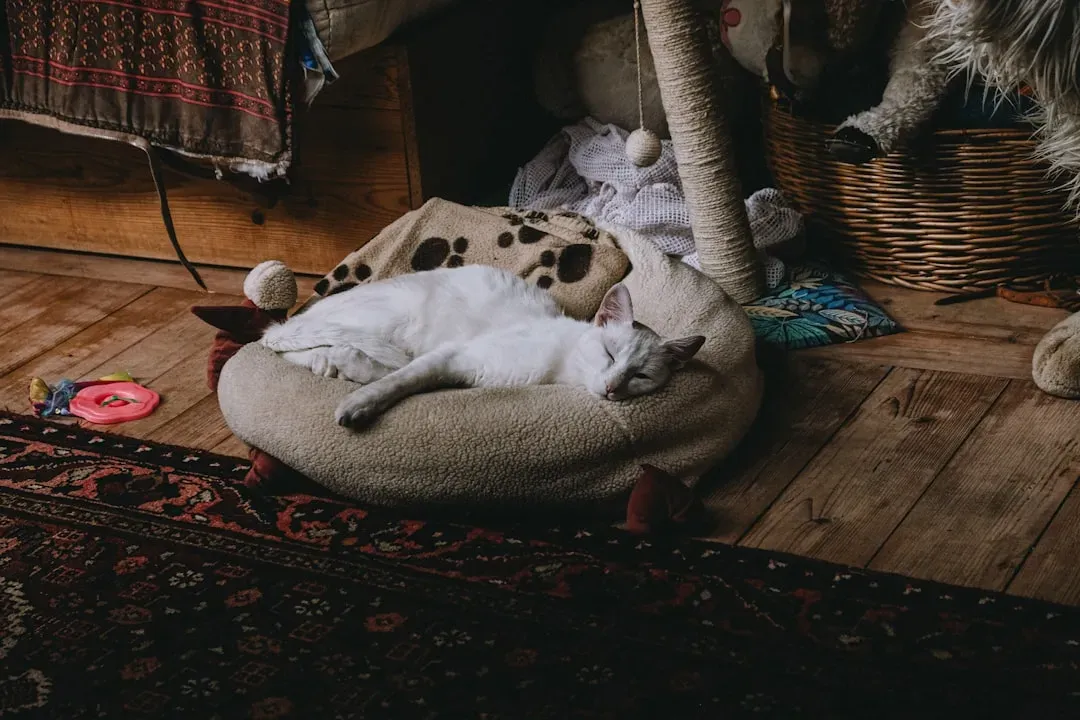
Your cat stealing the dog’s bed isn’t really a mystery once you understand the layers behind it. Warmth, texture, scent familiarity, territorial instinct, and the quiet logic of feline comfort-seeking all point in the same direction. She’s not trying to antagonize your dog. She found the best seat in the house, and she took it.
The practical takeaway is straightforward. If you want your cat to use her own bed, make it as appealing as the dog’s. If the sharing arrangement works for everyone in the household and nobody’s stressed, there’s genuinely no reason to intervene. Sometimes the most curious household dynamics are also the most harmless, and a cat curled up in a dog bed, with the dog sitting politely nearby, is one of those small, oddly wholesome details that multi-pet life quietly offers you.
Kristina is a young writer from India. An arts graduate and an avid content creator, Kristina is passionate about animals and wildlife. She enjoys exploring topics related to pet care, animal behavior, conservation, and nature, combining thorough research with engaging storytelling.