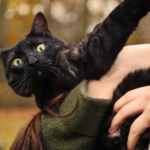
You glance across the room. Your cat is sitting there, watching you with that unreadable expression, completely unmoved by your presence. You call their name. Nothing. Then, the moment you sit down with your laptop or finally get comfortable on the couch, they’re right there in your face, meowing insistently and nudging your hand for a pet.
If you’ve ever felt mildly insulted by this cycle, you’re far from alone. Research shows that roughly a quarter of cat owners say their pet snubs them all day, only to demand attention the very moment they sit down to relax. The good news is that this isn’t evidence that your cat secretly dislikes you. The real explanation is woven into their biology, communication style, and evolutionary history, and once you understand it, the whole dynamic starts to make a lot more sense.
Your Cat Is Wired as a Solitary Hunter, Not a Pack Animal
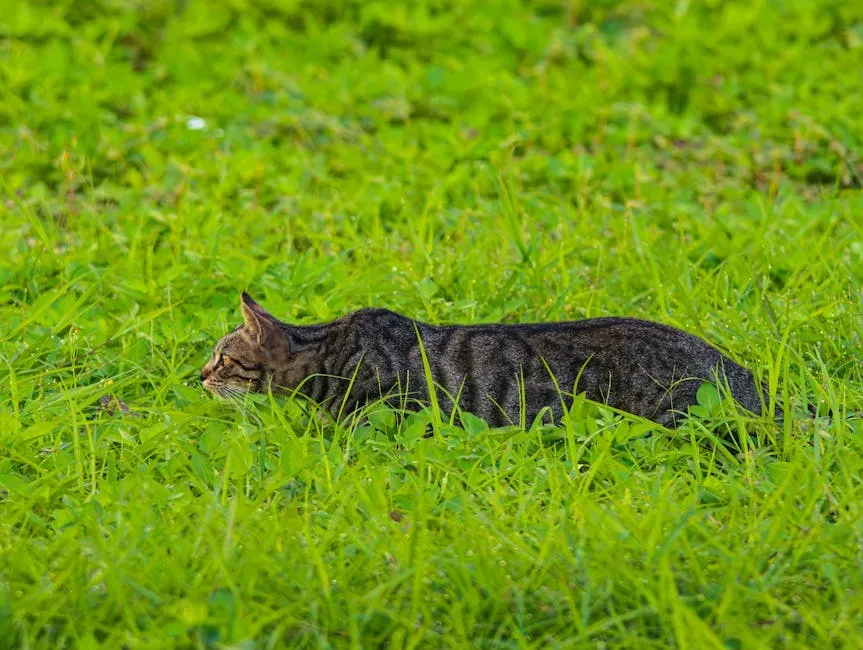
Unlike dogs, which evolved alongside humans in group settings that reward constant social signaling, cats took a very different path. Domestic cats are descended from wild cats, and they still retain many of the instincts and behaviors of their wild ancestors. In the wild, cats are solitary hunters who rely on their keen senses to catch prey and defend themselves from predators. This innate independence makes cats less likely to rely on humans for social interaction in the same way that dogs do.
Dogs are pack-oriented and often enjoy sustained, long-term affection. Cats, however, are solitary hunters by nature. In a feline’s mind, social interaction is often about “touching base.” That’s a fundamental difference in social wiring, and it explains why your cat checks in briefly and then disappears rather than wanting to hang out all afternoon.
They Have a Social Battery, and It Runs Out Fast
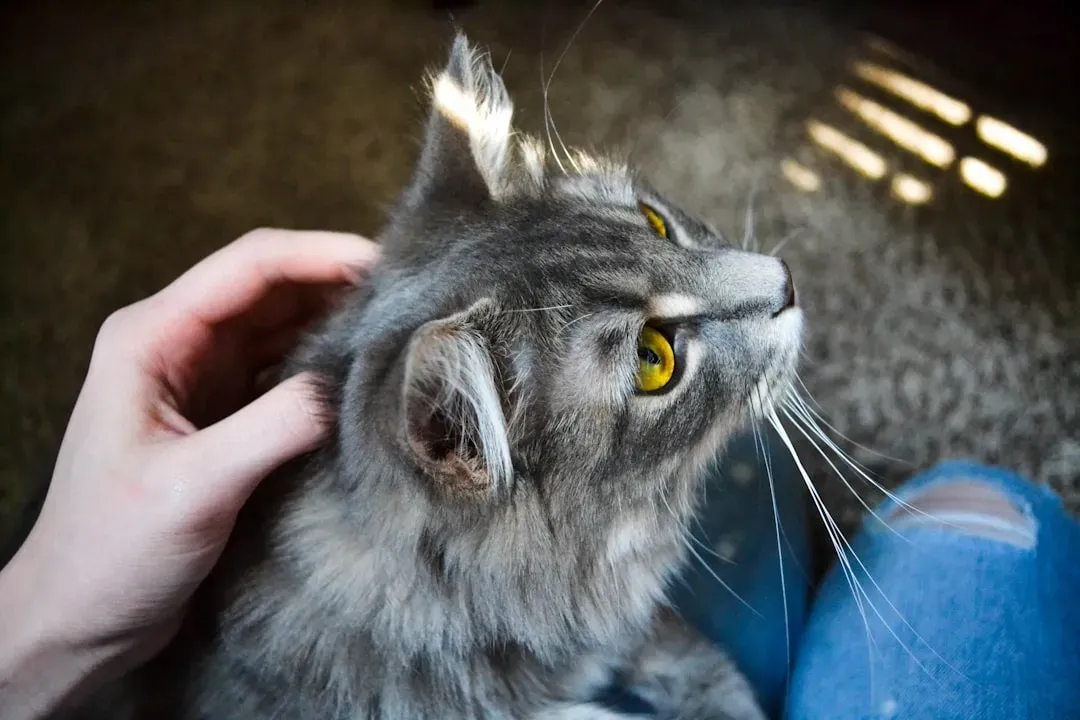
When your cat demands attention, they are often seeking reassurance. They just want to test if the bond between you is still intact. Once you’ve acknowledged them, petted them, or spoken to them, their “social battery” is recharged. They have confirmed you are a friend and a provider. Think of it as a quick emotional check-in rather than a long conversation.
Cats are often perceived as more independent and self-sufficient animals, displaying less overt social dependence and a more selective approach to interaction. This relative autonomy may result in fewer opportunities for intense or frequent bonding experiences. That selectiveness isn’t coldness, it’s simply how their emotional architecture is built.
Science Confirms Your Cat Actually Cares About You
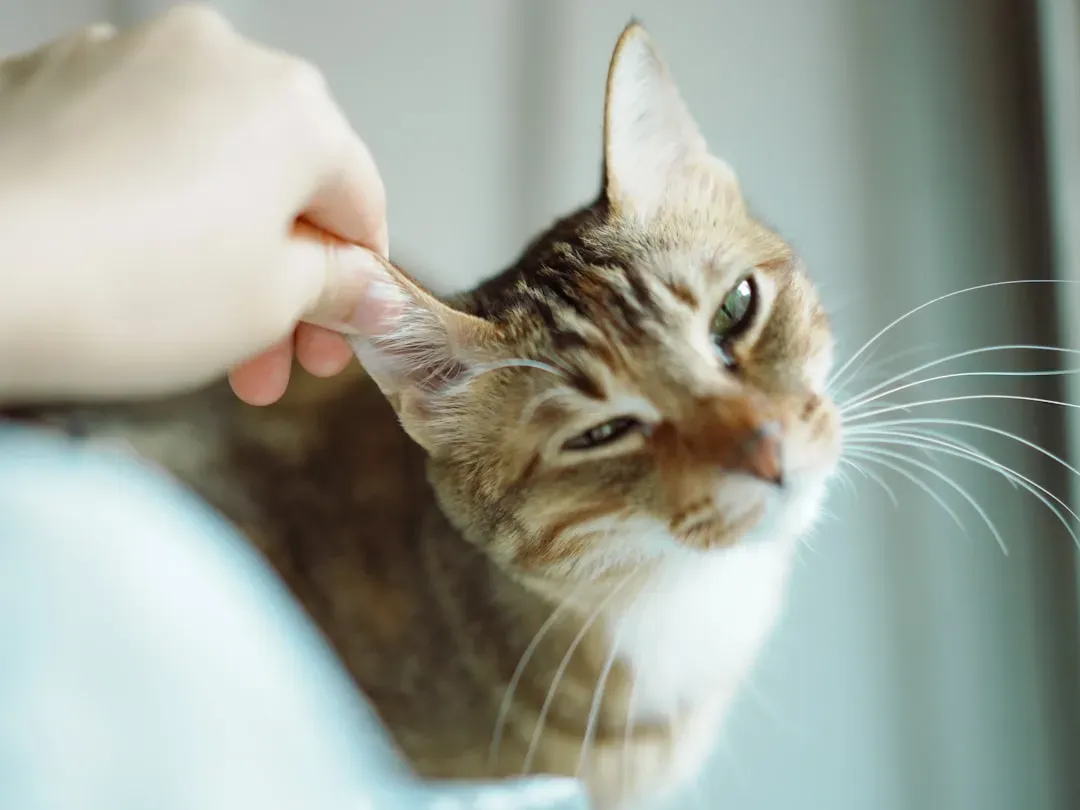
The stereotype of the emotionally detached cat has taken some serious hits from researchers in recent years. An Oregon State University study found that pet cats form attachments with their human owners that are similar to the bonds formed by children and dogs with their caretakers. It was the first time researchers empirically demonstrated that cats display the same main attachment styles as babies and dogs.
Distinct attachment styles were evident in adult cats, with a distribution similar to the kitten population, where roughly two thirds showed a secure attachment style. Upon the caregiver’s return from a brief absence, cats with secure attachment to the person are less stressed and balance their attention between the person and their surroundings, for example, by continuing to explore the room. Their indifference, in many cases, is actually a sign of comfort, not rejection.
Your Cat Reads Your Body Language Better Than You Think
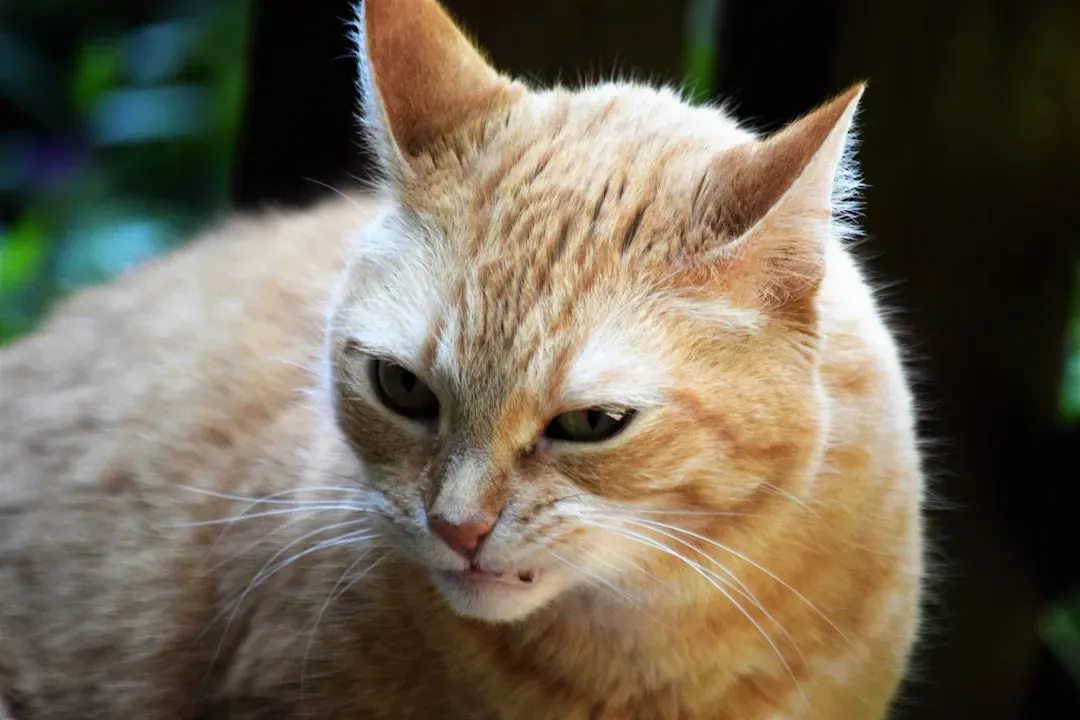
Cats are remarkably perceptive creatures with sophisticated social intelligence, and research confirms they can indeed tell when their owners are ignoring them, though their reactions might surprise you. So when your cat marches over the moment you settle in for the evening, they’re not acting randomly. They’re responding to a specific shift in your body language and energy.
Cats learn specifically how their owners react when they make particular noises. If a cat thinks, “I want to get my owner from the other room,” vocalizing works. They use straightforward learning. They’re much smarter than we give them credit for: they learn what works with what person. They know if one member of the family is prone to get up at 4 a.m. and give them some treats.
Overstimulation Is Why They Walk Away Mid-Pet
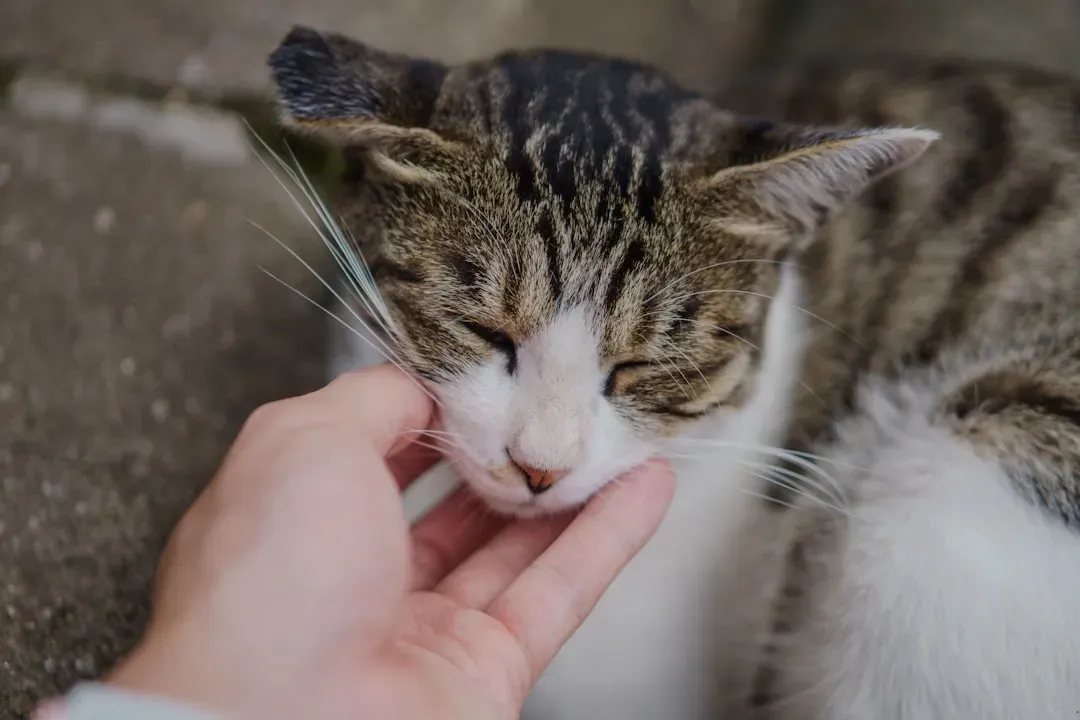
One of the most baffling moments in cat ownership is the abrupt end of a petting session that seemed to be going well. Your cat was purring, leaning in, and then suddenly bit your hand and walked off. Overstimulation refers to the irritation or aggression that occurs when your cat passes their physical tolerance for handling. The majority of cats experience overstimulation to some degree, but individuals vary greatly in how long they will tolerate petting before finding it aversive.
This type of aggression isn’t well understood, but behaviorists think that physical contact, like stroking, can quickly become unpleasant if it’s repeated over and over. Repetitive contact can cause arousal, excitement, pain, and even static electricity in a cat’s fur. Tail lashing or thumping, shifting of body position, skin twitching, and direct stares are indications that your cat has had enough petting. If the petting continues, they will likely scratch or bite.
Their Attention Demands Are Tied to Your Routine, Not the Clock
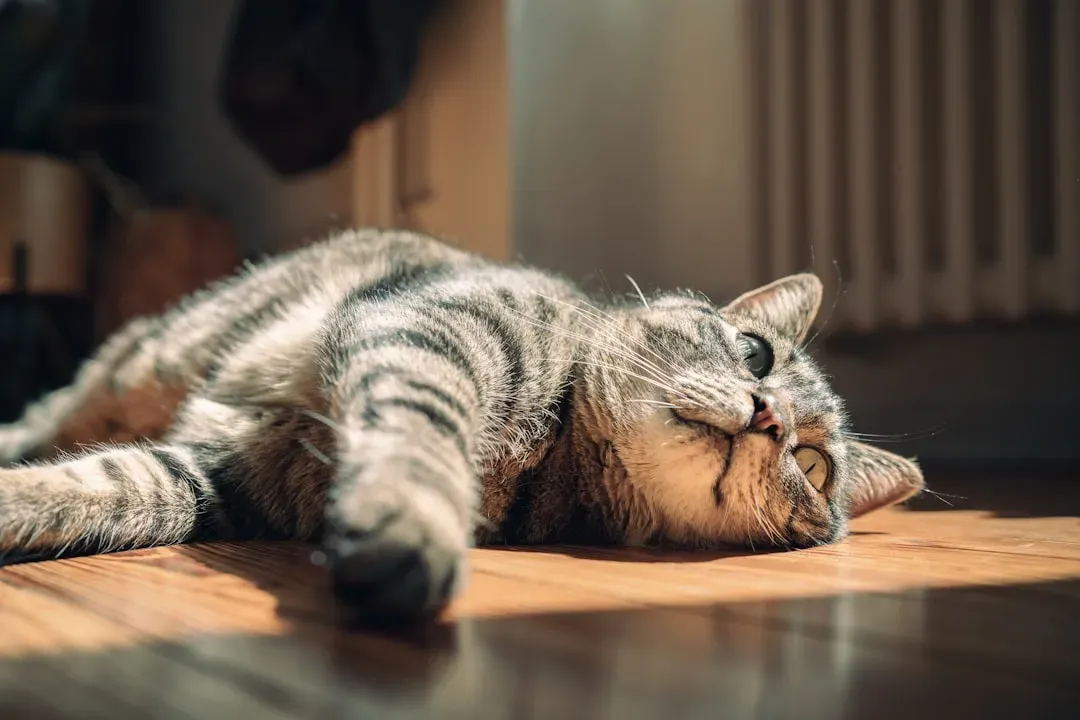
If your cat seems to demand your attention at eerily consistent times each day, that’s not a coincidence. Cats rely on something called a circadian rhythm, a biological internal clock that helps regulate sleep-wake cycles, hunger, activity levels, and pretty much everything that makes your cat a creature of habit. Their “demands” are built into a finely tuned biological schedule.
Cats are crepuscular, so their bodies are genetically hardwired to be wide awake at daybreak. This is why your cat wakes you up at the same time each morning with loud meows asking for food and attention. What they do have is a finely tuned sense of patterns and a deeply ingrained internal clock that lines up with natural light cycles and predictable daily events. Your cat isn’t thinking about hours and minutes; instead, they interpret time through changes in sunlight, your routines, and the rhythm of household life.
The Way They Demand Attention Is a Personalized Language
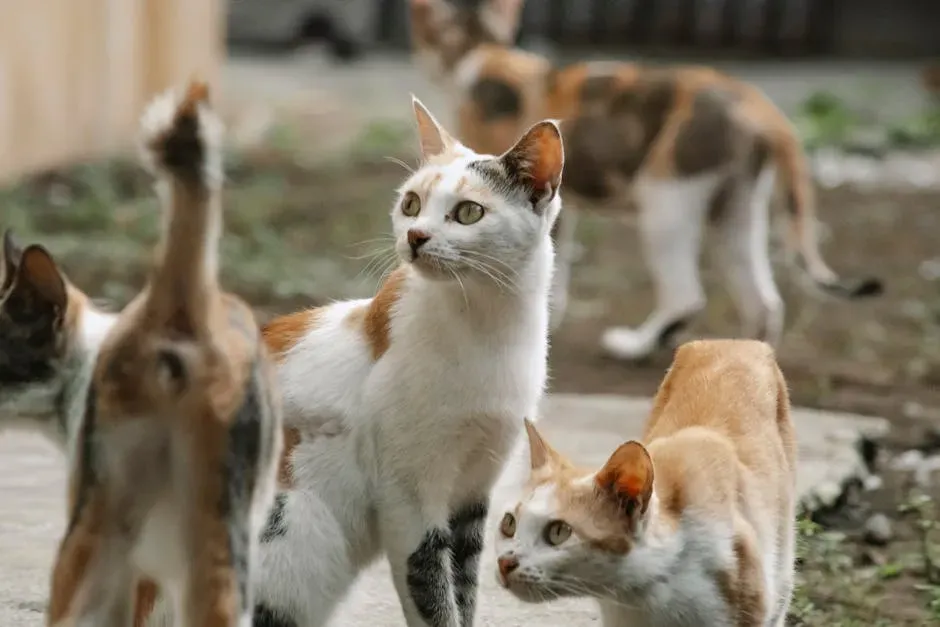
You might have noticed that your cat’s meows sound different depending on what they want. That’s not your imagination. Each individual cat has developed their own version of the meow to be effective under their particular circumstances with their human caregiver. The attentive owner develops an understanding which aids communication, and both the cat and the owner develop their own personalized language.
Cats may use vocal cues to get your attention and eye contact. This might start as a meow but can become a persistent wail if they are not getting the desired attention and continue to be ignored. If your cat gently taps you with their paw or claws on your face or limbs, they may be trying to signal that they want you to engage with them. Each gesture, each sound, has been calibrated specifically for you.
Early Life Experiences Shape How Much Attention They Seek
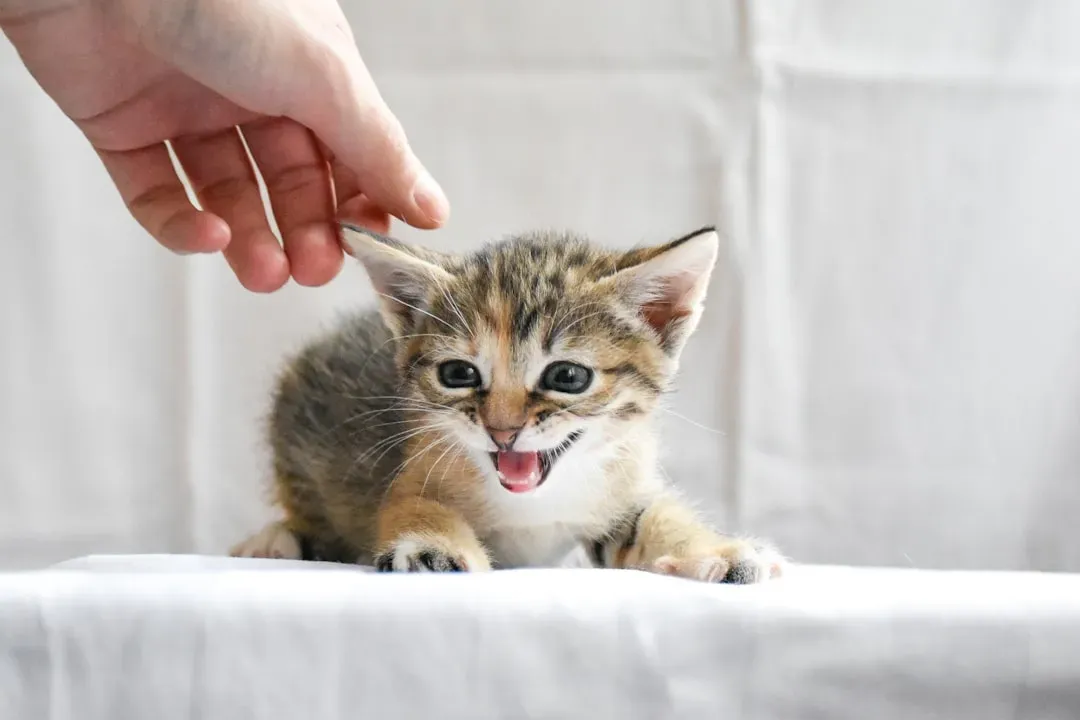
Not all cats are equally demanding or equally aloof, and a significant part of that variation traces back to their earliest weeks of life. Just like human relationships, feline attachment forms through early socialization, consistent care, and emotional safety. Kittens handled gently and frequently between two and nine weeks of age are more likely to develop positive bonds with humans. Those deprived of human contact during this period may grow anxious or distant, often clinging to one trusted person later in life.
If young kittens are abandoned by their mothers and then hand-raised by a human, they can become excessively attention-seeking towards their first owners. Kittens that are stressed in the first few weeks of life may develop emotional and cognitive problems. On their mother’s departure, kittens’ brains have to process high levels of stress hormones, which can cause permanent changes in the developing brain. This may lead to them overreacting to unsettling events later in life.
Being Alone Together Is a Real Form of Cat Affection
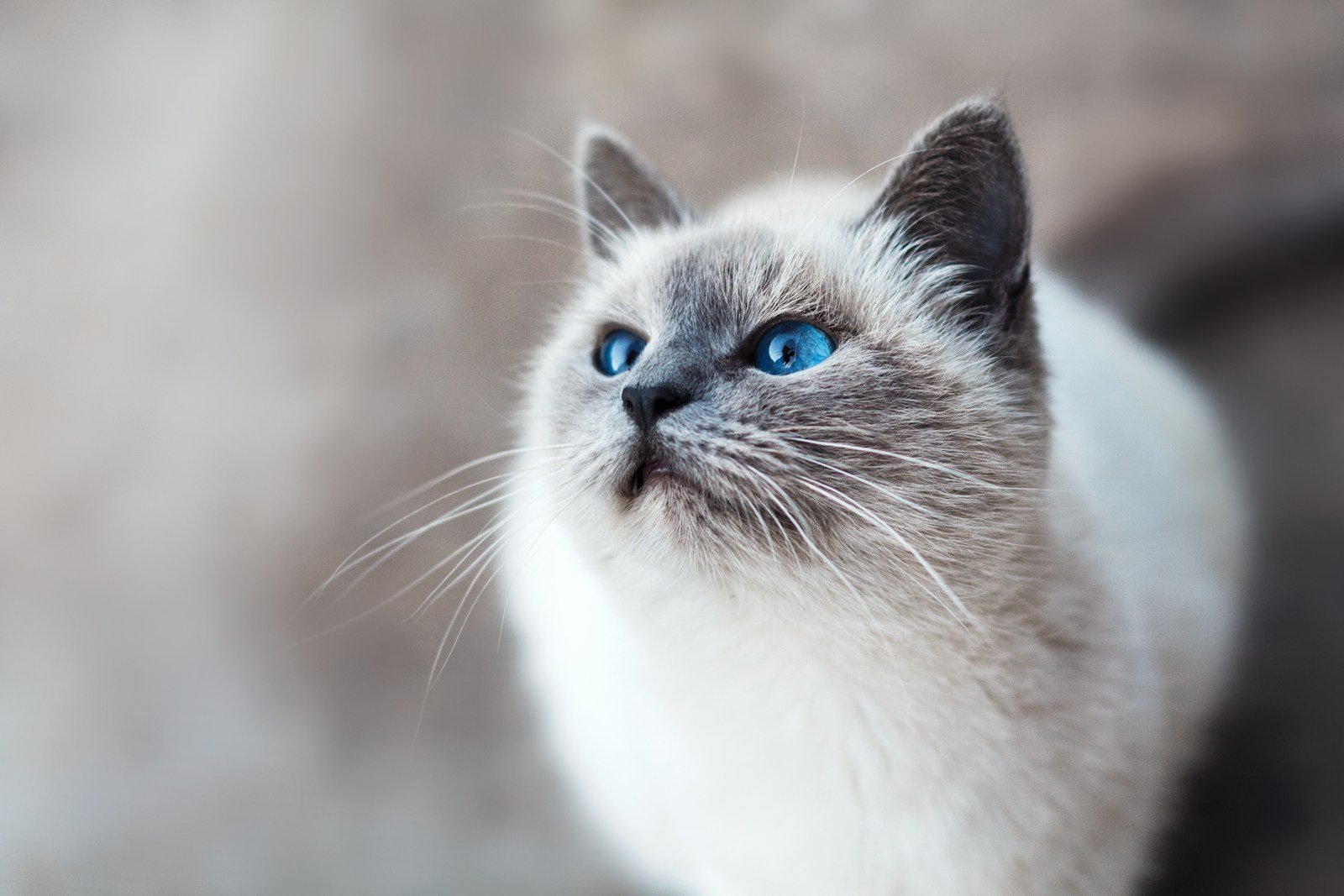
Sometimes your cat doesn’t want interaction at all. They just want to be in the same room as you. This is easy to misread as indifference, but it’s actually a meaningful expression of trust. In the world of cats, being “alone together” is one of the highest forms of intimacy. Your presence is reassuring even without active engagement.
Sometimes cats may seem to be ignoring their owners when in reality they are just seeking attention in their own way. For example, a cat that rubs against its owner’s leg or sits nearby while they’re working may be expressing affection and seeking attention without being overtly demanding. Watch for body language cues: a raised tail, slow blinks, and approaching you usually indicate a desire for interaction. Flattened ears, tail swishing, or turning away suggest they prefer space.
What You Can Actually Do to Improve the Dynamic
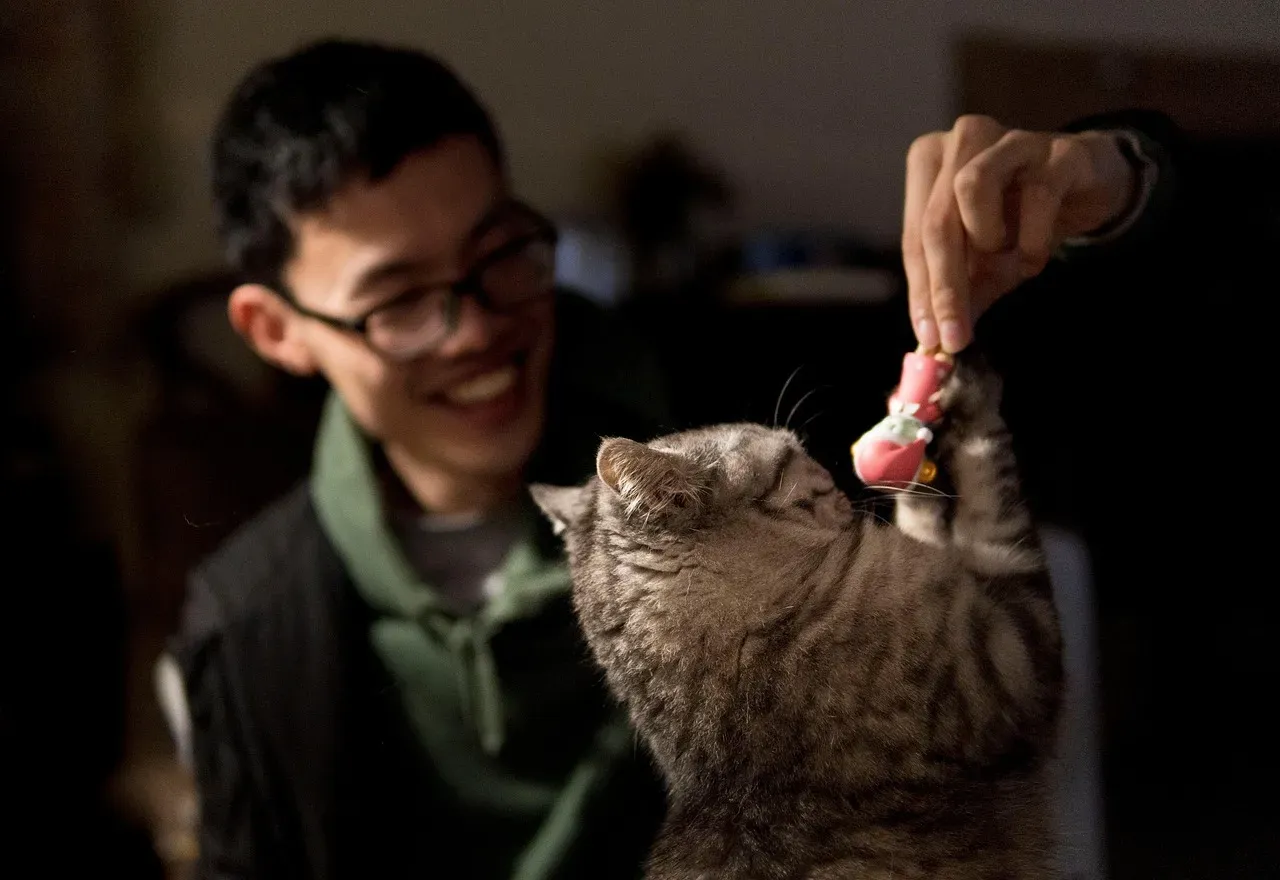
Understanding your cat’s attention behavior isn’t just satisfying from a knowledge standpoint. It genuinely helps you respond in ways that strengthen the relationship. Cats thrive on routine. By setting aside predictable times each day for engagement, whether it be play, feeding, grooming, or affection, you can help reduce their urge to demand attention in the first instance. Try using toys that mimic prey to stimulate their hunting instincts.
Attention-seeking behavior in cats can indicate that they crave more human interaction, engagement, or predictability in their lives. Addressing their welfare needs critically and creating a stimulating, engaging environment can help your cat feel satiated and secure without having to resort to rehearsing disruptive behaviors. By respecting boundaries, observing body language, and providing enrichment, you create an environment where your cat chooses to engage rather than feeling pressured to. Training through positive reinforcement, offering routine and security, and using interactive play all help transform distant moments into opportunities for connection.
Conclusion
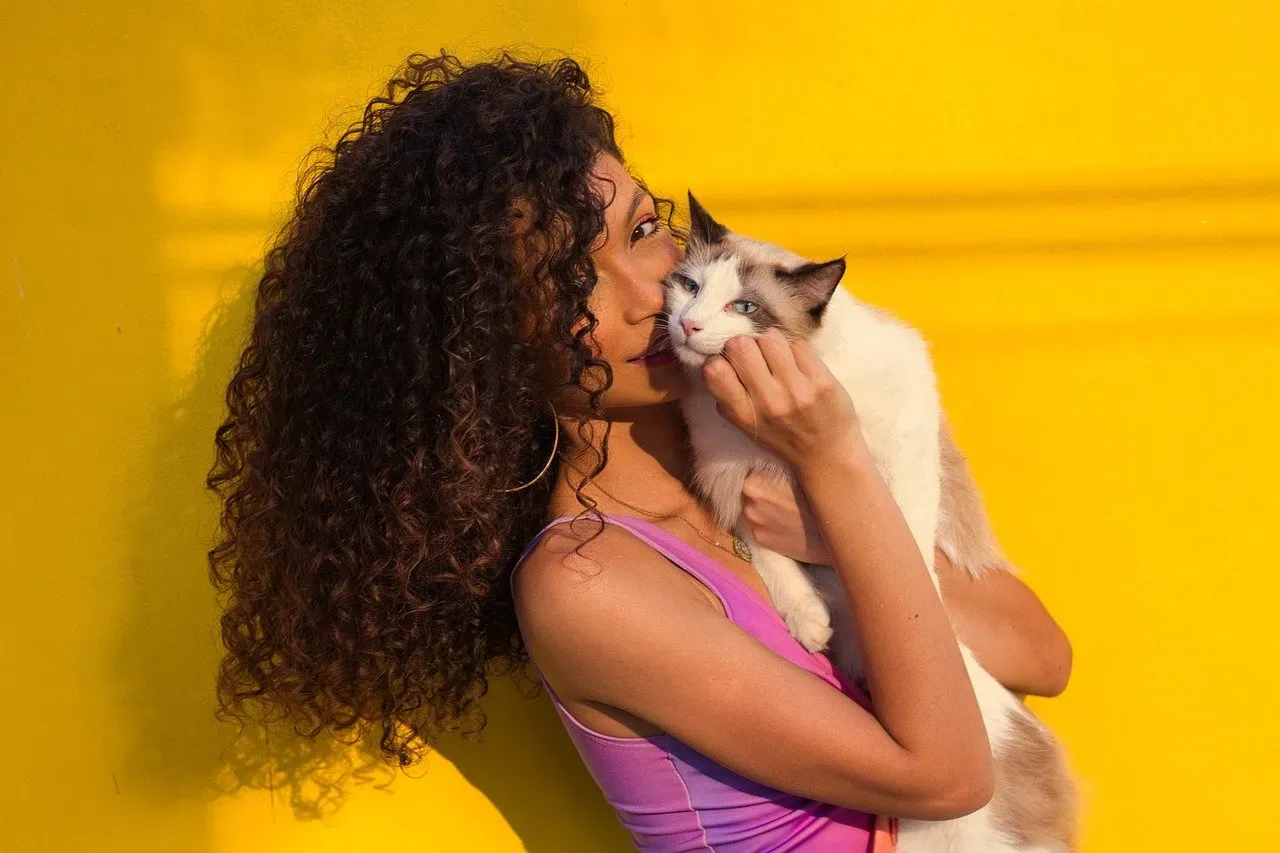
Your cat’s push-and-pull behavior isn’t spite, manipulation, or a sign that they’re indifferent to you. It’s the product of evolutionary biology, individual temperament, early life experience, and a communication style that is simply very different from a dog’s, or a human’s. Once you start reading their cues rather than expecting them to meet you on your terms, the whole relationship shifts.
The cat who sat with her back to you all morning and then cried at your feet when you picked up your keys is telling you something real. She noticed. She always does. The space cats hold between closeness and independence isn’t a flaw in the relationship. In many ways, it’s the whole point of it.
Kristina is a young writer from India. An arts graduate and an avid content creator, Kristina is passionate about animals and wildlife. She enjoys exploring topics related to pet care, animal behavior, conservation, and nature, combining thorough research with engaging storytelling.