Most cat owners consider themselves attentive and caring. You top up the food bowl, you talk to your cat in that embarrassingly soft voice, and you genuinely believe the relationship is going well. Then your cat walks away mid-petting, flattens its ears, or simply vanishes under the bed for the rest of the evening. Sound familiar?
Cats communicate displeasure in ways that are far more subtle than an outright swat or hiss. They talk through body language, and those signals are often already being sent long before things escalate. Most of us just don’t know they’re there. The truth is, some of the most common sources of feline frustration are things you’re doing right now, with the best of intentions.
You’re Not Respecting Your Cat’s Personal Space
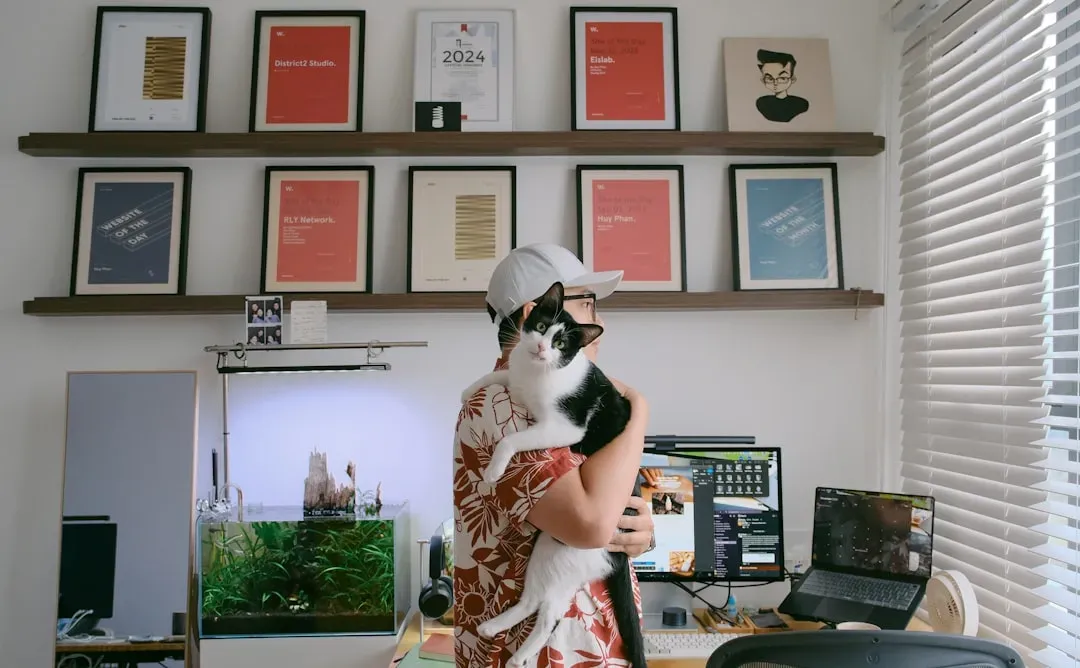
Cats value their independence and can become irritated when they feel crowded or constantly handled. Many cats prefer attention on their own terms and on their own schedule. That doesn’t mean your cat doesn’t like you. It means they want to choose the moment.
Recent research reveals that two fundamental interaction errors are surprisingly common, even among experienced cat enthusiasts. These mistakes involve misunderstanding where cats like to be touched and failing to respect their need for personal space. Simply waiting for your cat to come to you, rather than reaching for them first, can shift the dynamic completely.
You’re Petting Them in the Wrong Places
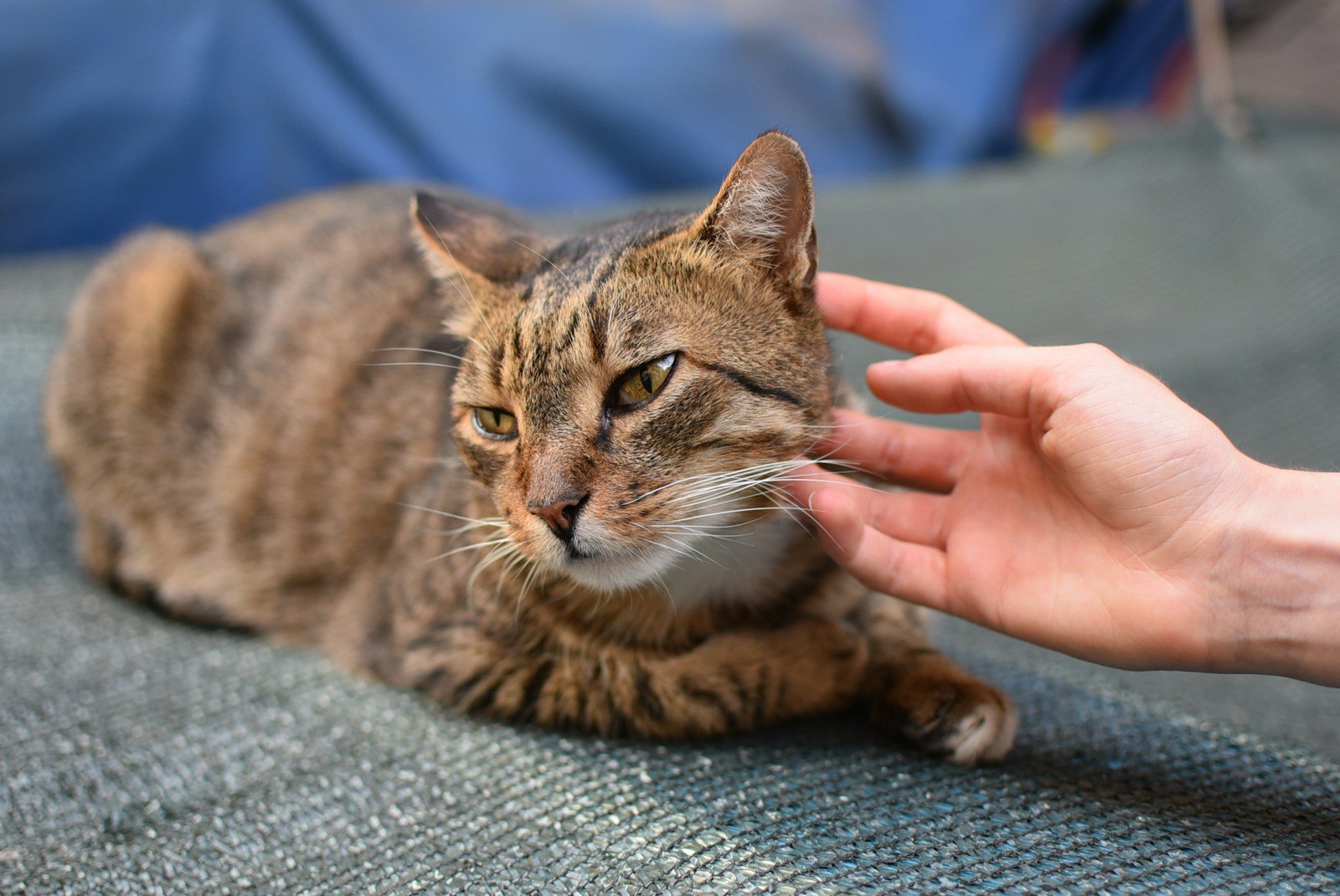
Your cat’s belly and paws may be irresistibly cute, but it’s important to prioritize consent before interacting with these sensitive areas. This applies to all forms of handling, including petting, picking up, and giving hugs or kisses. It’s not personal rejection, it’s just anatomy and instinct.
Although some cats tolerate belly touching and may even enjoy it, most cats hate it. When cats stretch out and expose their belly, it’s a sign of trust and relaxation. Unless you know for certain that your cat enjoys being touched there, respect their boundaries. Many cats usually adore being petted on spots like the head, neck, and back, so start there and read their reaction carefully.
You’re Maintaining Prolonged Eye Contact
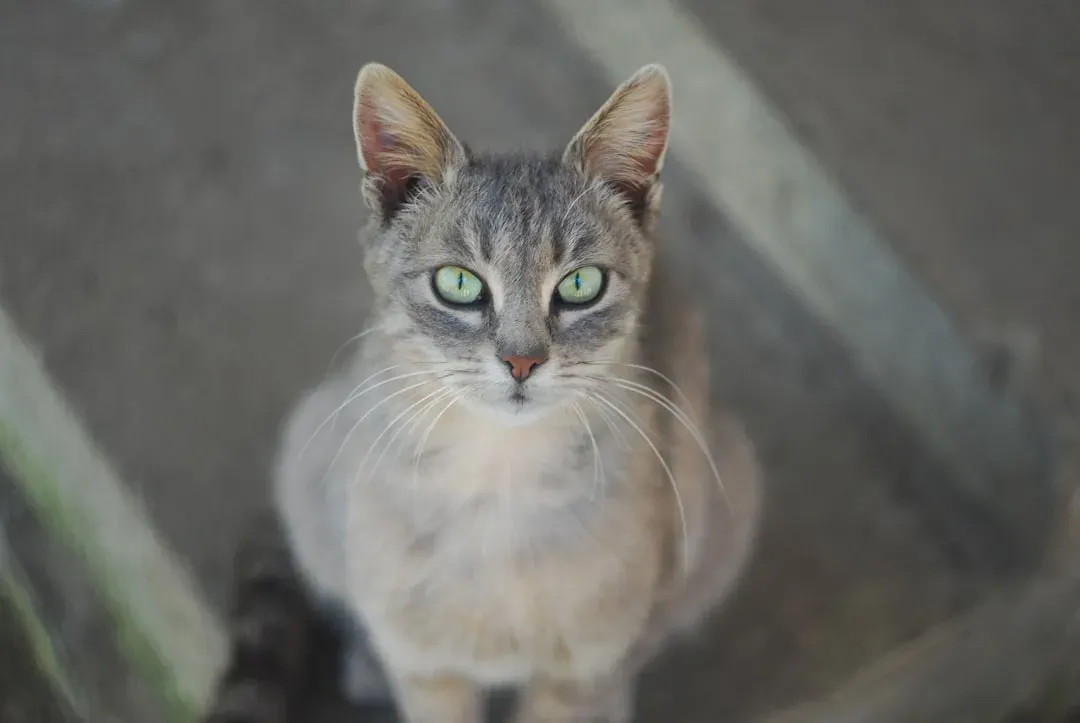
In the animal world, prolonged eye contact is seen as an act of aggression and dominance. You probably don’t mean it that way at all, but your cat doesn’t know that. In cat language, maintaining eye contact is seen as a show of dominance or aggression. Your size is also one of the reasons a kitty might dislike when you stare at them. It can feel intimidating, and as a result they may see you as a threat instead of a friend.
Humans lock eyes to bond, but in cat language prolonged direct staring can be seen as threatening. If you’re trying to get closer to a shy or aloof cat, eye contact could actually push them away. Use soft blinks instead to communicate calm and affection, as it’s like a quiet acknowledgment in cat terms. It’s a small habit shift with a surprisingly noticeable payoff.
You’re Ignoring the Tail and Ear Signals
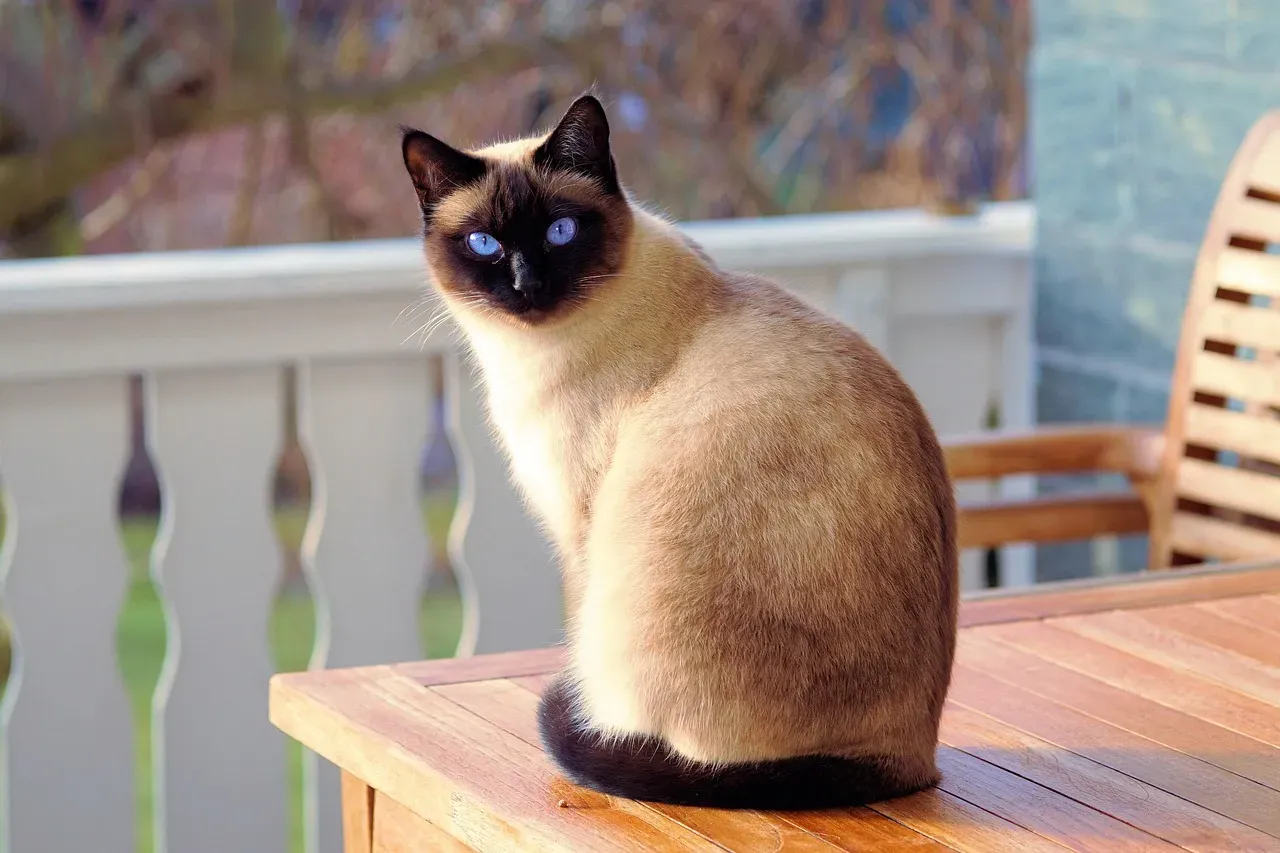
A cat experiencing annoyance will often display rapid tail flicking or thrashing motions. This flicking can range from subtle twitches at the tip to vigorous side-to-side movements involving the entire tail. Understanding your cat’s emotional state through body language is one of the most valuable skills any cat owner can develop.
Understanding ear positions is crucial for recognizing signs of annoyance before they escalate. When cats begin to feel annoyed or agitated, their ears will often turn sideways, creating what many experts call “airplane ears.” This sideways ear position serves as an early warning sign that your cat is becoming uncomfortable and may need space or a change in environment. If you’re seeing these signals and continuing to pet anyway, you’re likely pushing past a boundary your cat already clearly drew.
You’re Filling the House With Strong Smells
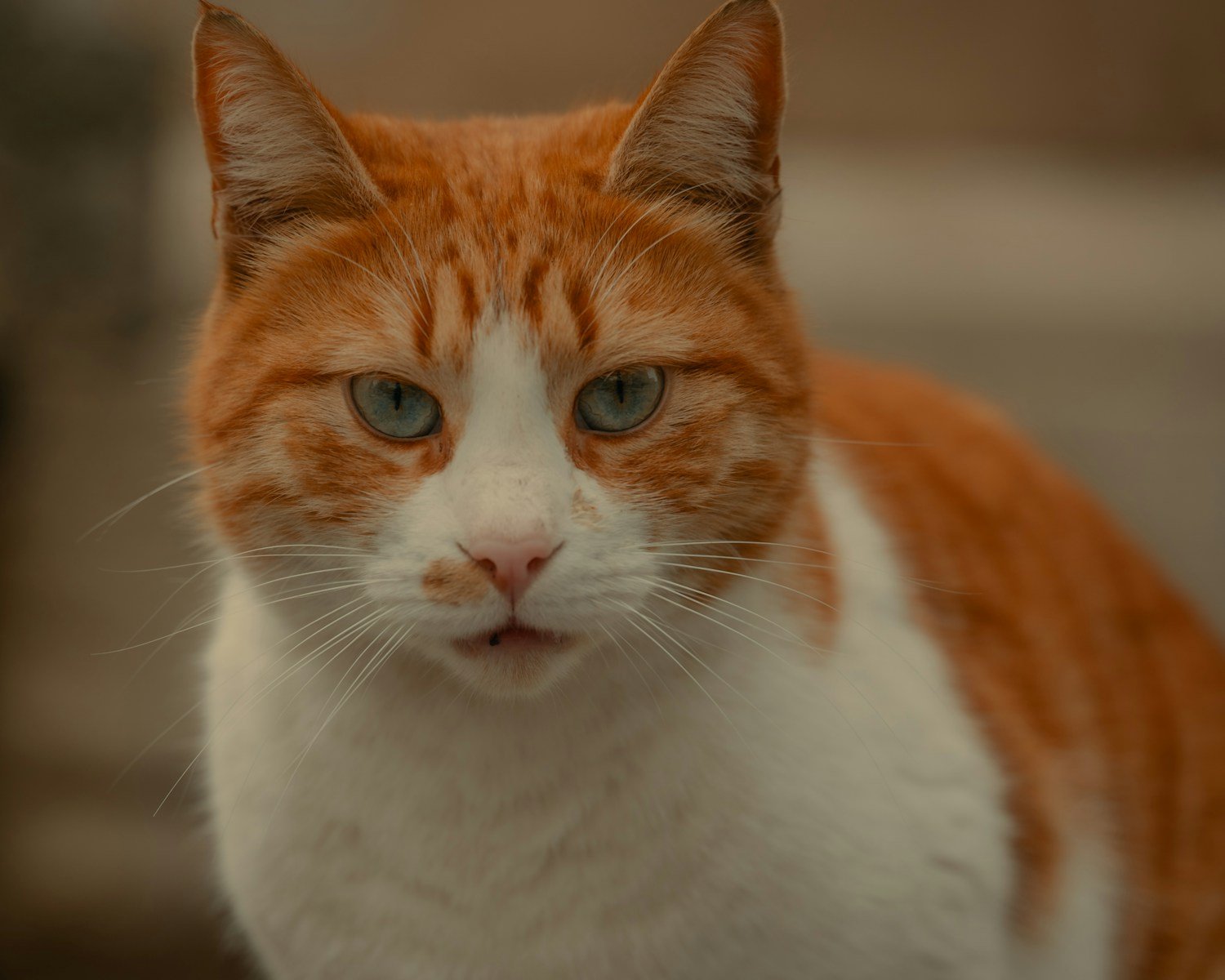
Cats have an extraordinarily sensitive sense of smell, roughly about fourteen times more powerful than a human’s. This heightened olfactory ability means they are often repelled by odors that don’t bother people at all. Your perfume, scented candles, or heavily fragranced cleaning products may genuinely be overwhelming for them.
Strong smells like your favorite perfume, air freshener, or cleaning product can be overwhelming and off-putting to your cat. Common scents that cats hate include citrus, vinegar, fresh herbs, spicy foods, and even coffee and essential oils. Cats also have a keen sense of smell, and strong scents such as air fresheners, cleaning products, heavily scented litter, litter additives, or perfumes can be overwhelming. Being mindful of the products you use in areas where cats will be makes a real difference.
You’re Letting the Litter Box Go Too Long Without Cleaning
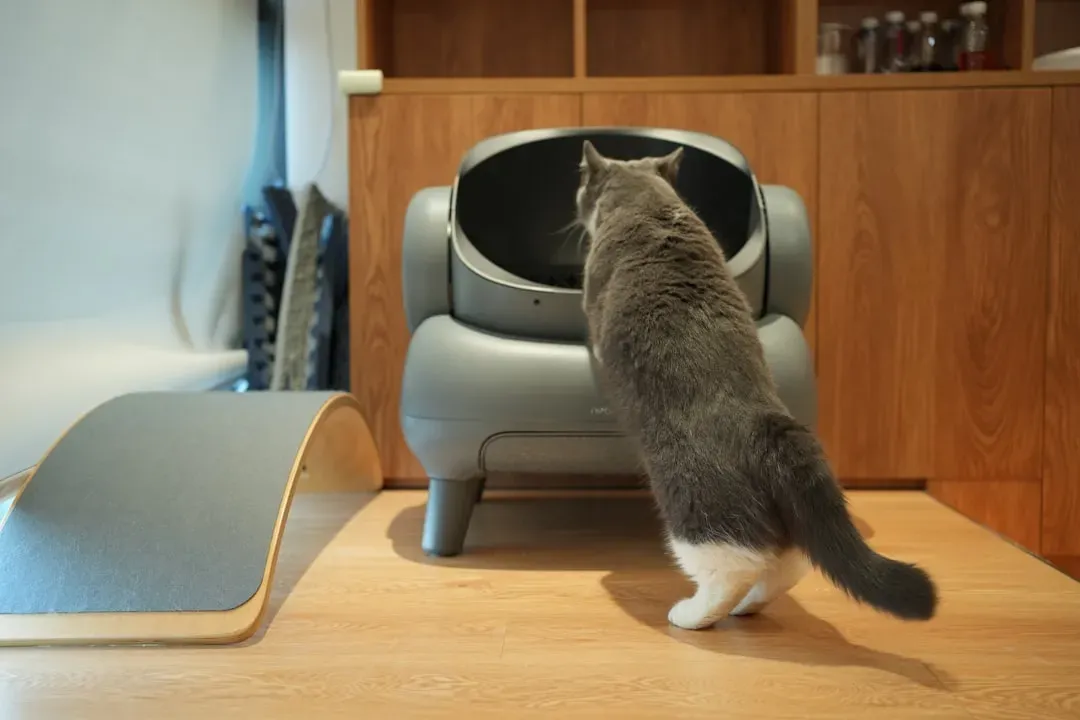
Cats are meticulous about their litter boxes and a dirty one can cause serious stress and can even develop into health issues. If the litter is too dirty it will smell. Even if you don’t notice the offensive odor, your cat will. If your nose were in such close proximity to the litter, you’d certainly be aware of whether the maintenance was being neglected.
Litter should be scooped at least once daily and changed weekly. While owners may appreciate pleasant-smelling litter, cats often find artificial scents offensive. Cats generally prefer clumping litter with a medium to fine texture, and they also usually prefer unscented litter. Getting this one right removes one of the most common sources of daily cat frustration in the home.
You’re Making Too Much Noise Around Them
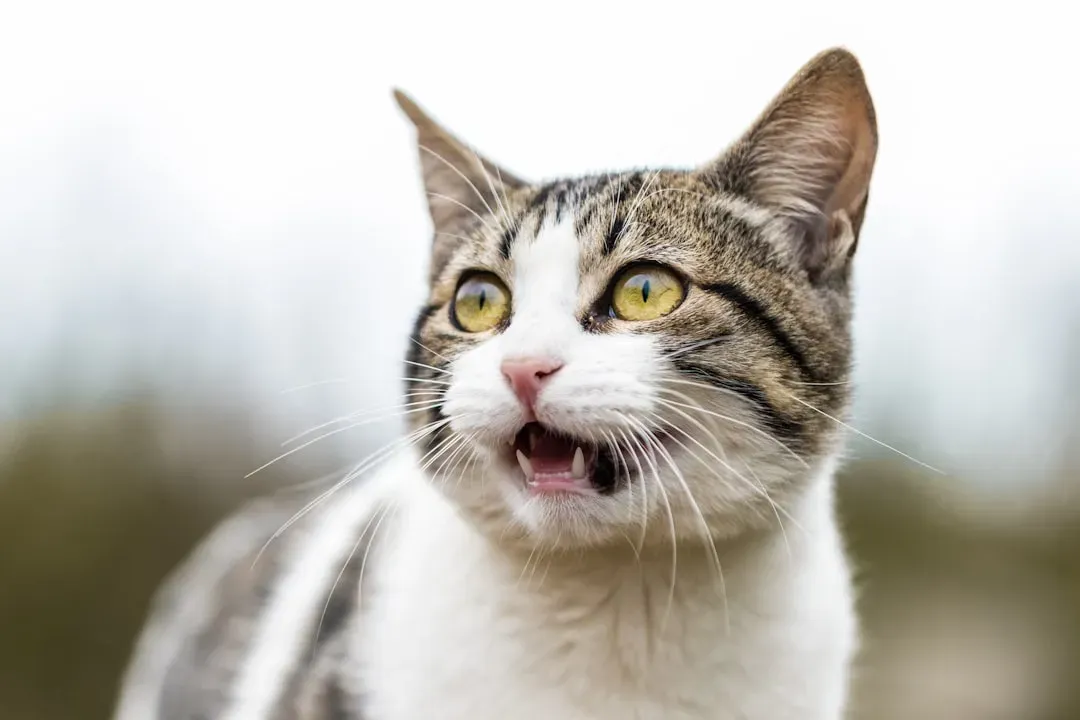
Cats have very sensitive hearing and loud noises can be startling and even downright frightening. Their keen hearing means that sudden or sustained loud noises can startle or grate on your cat’s nerves. Washing machines, loud conversations, blaring music, fireworks, parties, and yelling are all sounds that can stress your cat. Most cats will find a quiet place to wait out the commotion, so if you notice your cat hiding more than usual, take stock of the noise level in your home.
Things such as vacuum cleaners, loud music, loud TV, people shouting, and construction noises can add stress. Ensure there are quiet places in your home where cats can retreat when things get too noisy. Never force cats to stay in the room with you if the noise level is high. Giving them an easy escape route to a calm room is one of the simplest forms of respect you can offer.
You’re Disrupting Their Routine Without Warning
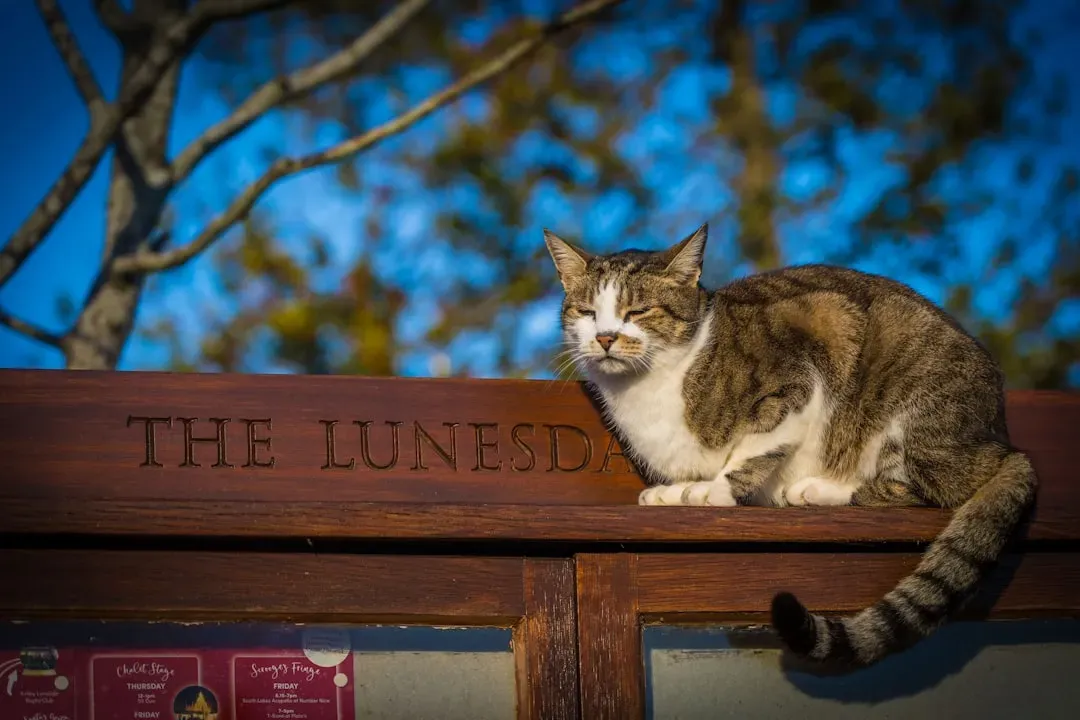
Cats are much like their owners when it comes to dreading change. They are creatures of habit who take comfort in routines and predictability. Any changes to their environment or daily schedule can make them anxious and uncomfortable. This includes things as seemingly minor as rearranging furniture or moving their food bowl to a new spot.
One of the main psychological factors that increase the aversive dimension of a given stimulus is a perceived sense of unpredictability and lack of control. In the domestic environment, both changes in the husbandry routine and inconsistency in the owner’s reaction to the cat’s behavior may cause chronic stress. Cats take comfort in routine and predictability. An inconsistent schedule often disrupts their sense of security. From feeding times to play sessions, try to maintain consistency for your cat’s comfort and peace of mind.
You’re Playing Too Rough or for Too Long
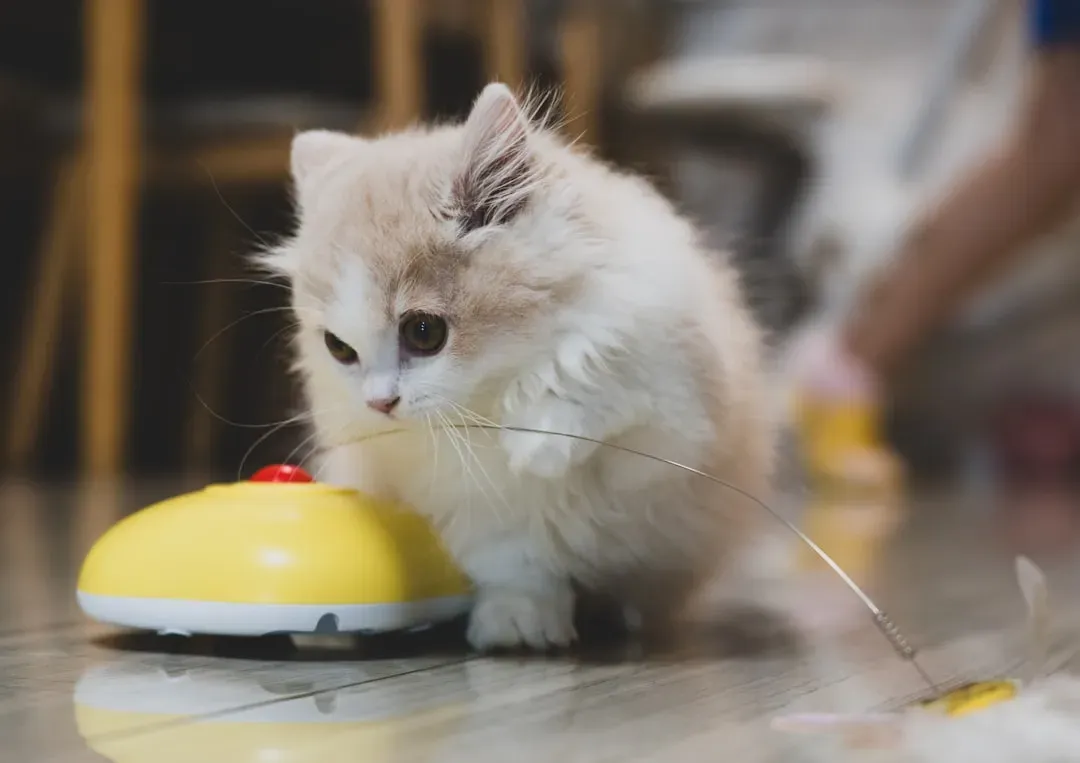
Cats need daily play to burn energy and stay sharp, but too much roughhousing or the wrong kind of play can irritate them. Signs like biting, scratching, or sudden running away mean your cat is overwhelmed. What starts as a fun interaction can tip into overstimulation surprisingly quickly, especially with excitable play styles.
When a cat is annoyed, many people think they will bite or scratch. In reality, physical violence is usually a last resort. Before they lash out with claws or teeth, cats will try to remove themselves from the situation by walking away or hiding. When your cat walks away, respect their need for downtime. That walk-away is a clean, clear signal that the session is over.
You’re Missing the Early Warning Signs Altogether
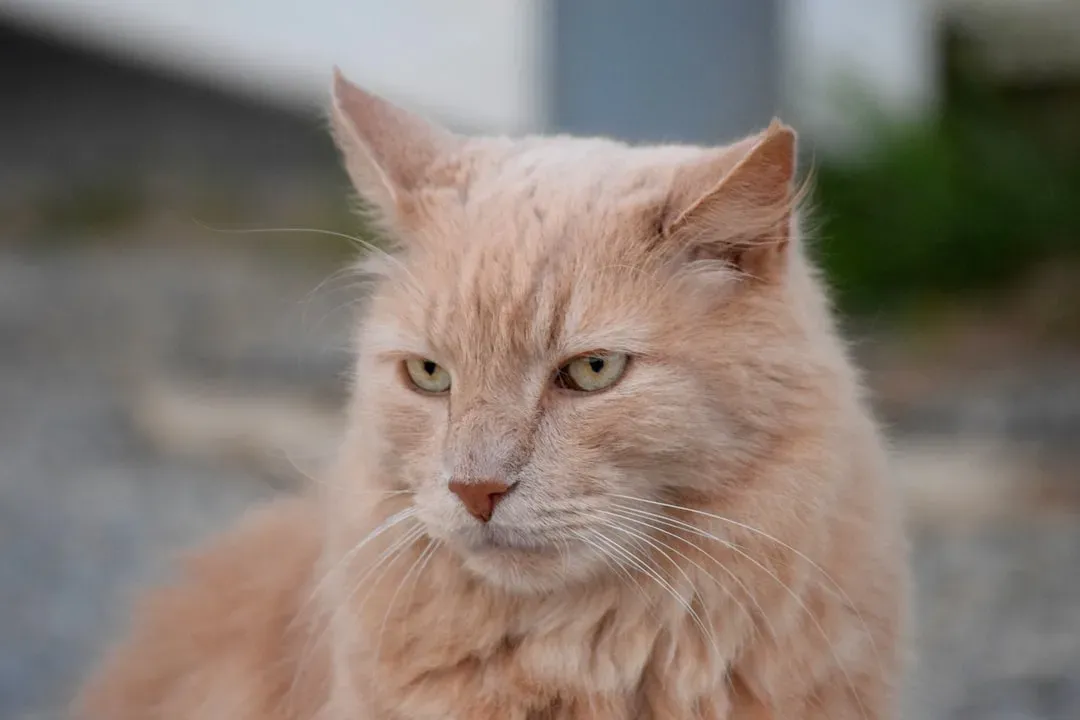
Annoyed cats often have a hunched, tucked-up posture, dilated pupils, and swishing tails. They might also have their ears held back and may growl or hiss. Of course, the signs start subtle and mild, but they will ramp up if the message isn’t getting through. The problem is that most owners only notice once the situation has already escalated.
Each cat expresses stress differently, and what constitutes “normal” varies between individuals. Your familiarity with your cat’s unique personality positions you perfectly to notice when something seems off. If you observe potential stress signals, first consult your veterinarian to rule out medical causes. Every cat is unique, and understanding their specific needs and sensitivities is key to providing them with a safe and happy environment. By avoiding common stressors and being mindful of your cat’s body language and preferences, you can create a more relaxed and comfortable life for your feline friend.
Final Thoughts
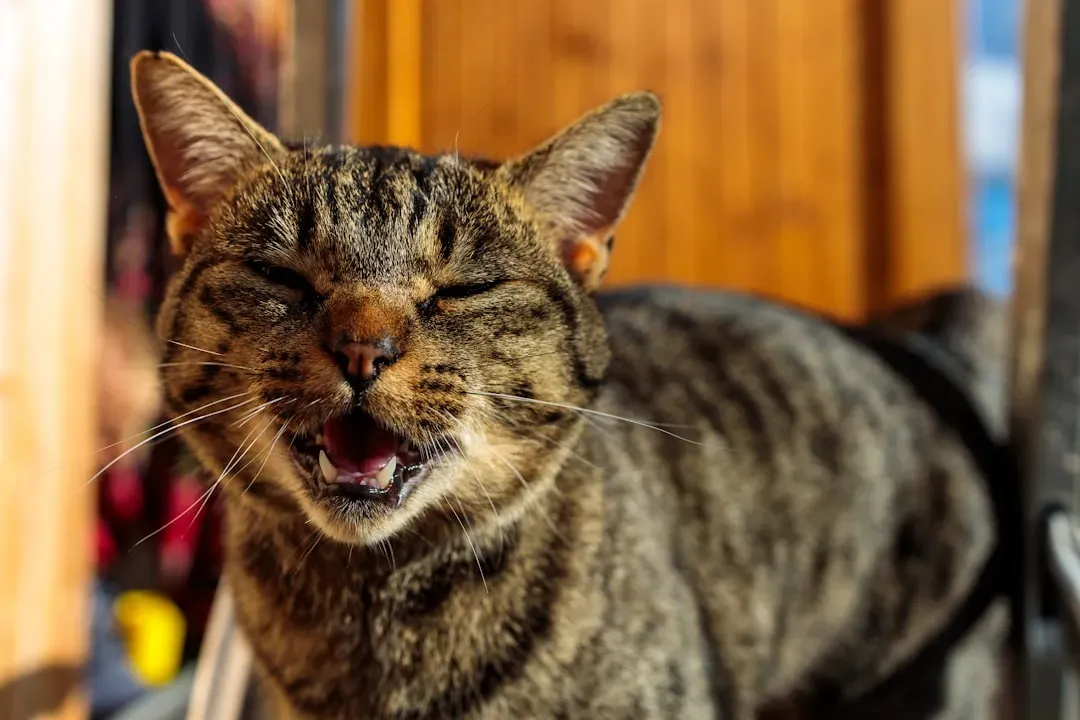
None of the behaviors covered here come from malice. Most of them come from genuine affection, or simply from not knowing what to look for. Cats are remarkably clear communicators once you understand their language.
Mastering the art of reading cat body language transforms your relationship with your feline companion from reactive to proactive. By learning to recognize the subtle signals cats use to communicate their emotional state, you can respond appropriately to their needs and prevent minor irritation from escalating into serious behavioral problems.
The gap between an annoyed cat and a contented one is often smaller than you’d think. It mostly comes down to watching more carefully, acting less impulsively, and letting your cat set the pace. They’ve been trying to tell you all along.
Kristina is a young writer from India. An arts graduate and an avid content creator, Kristina is passionate about animals and wildlife. She enjoys exploring topics related to pet care, animal behavior, conservation, and nature, combining thorough research with engaging storytelling.