Most people assume their cat’s morning behavior boils down to two things: food and affection. Wake up, feed the cat, accept a headbutt, move on. The reality is a good deal richer than that. Your cat’s first hours of the day follow a layered sequence driven by biology, instinct, memory, and emotional need, all unfolding in ways that are surprisingly well-documented by feline behavioral science.
Understanding what your cat is actually doing each morning can shift the whole dynamic between you. It turns passive observation into something closer to a genuine conversation, one you’ve been having without realizing it.
The Biological Clock Behind the Early Wake-Up
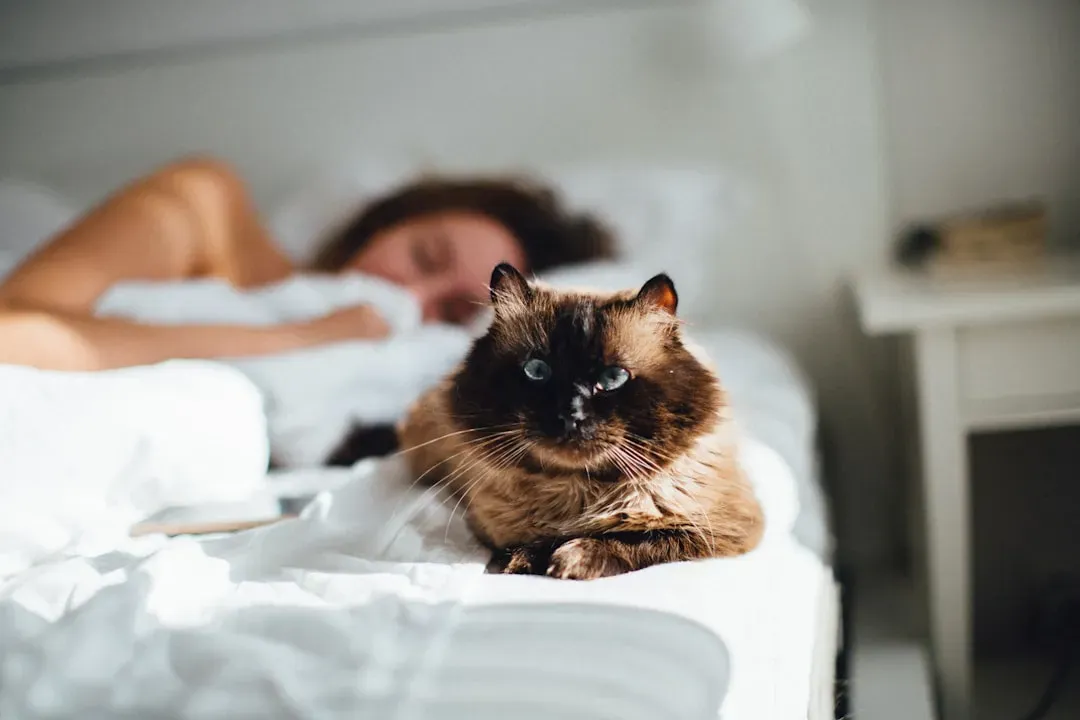
If your cat seems determined to drag you out of bed before your alarm goes off, that’s not stubbornness. Cats are crepuscular animals, meaning they’re naturally most active during dawn and dusk, and this evolutionary trait explains why your cat may be particularly energetic and social when you’re just opening your eyes. Their peak alertness doesn’t wait for a convenient hour.
This evolutionary trait stems from their wild ancestors’ hunting patterns, when prey was most abundant during twilight hours, and despite domestication, this internal clock remains hardwired in household cats. Think of it as a biological alarm that no amount of modern living has managed to override.
Cats tend to wake up between 4 AM and 6 AM, often coinciding with the pre-dawn hours, and this timing is rooted in their natural hunting instincts and internal biological clocks. That’s not random restlessness. It’s a deeply embedded schedule your cat follows with remarkable precision.
How Your Cat Actually Tells Time
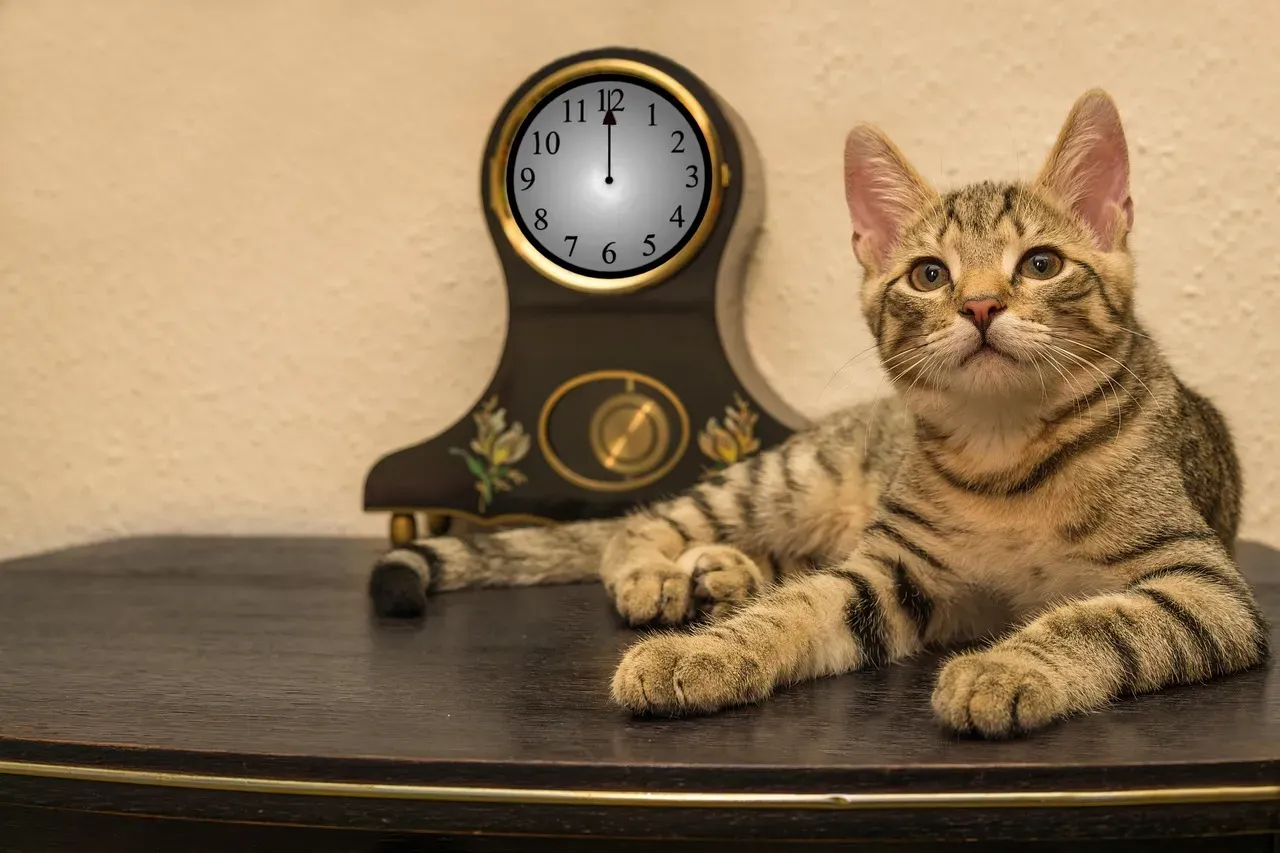
Researchers have found that cats perceive the passing of time, but they do so somewhat differently than humans. Your cat doesn’t perceive time as you do, but instead relies on several of their senses, including visual cues, the routine of their owners, internal sensors, and even the environment, such as sunlight and darkness. There’s no clock on the wall your cat is consulting, yet somehow they’re never late for breakfast.
The feline circadian rhythm works like an internal timer that nudges your cat toward activity around dawn and dusk. This rhythm determines sleep-wake habits and daily expectations rather than a calendar or clock. That’s why your cat may still wake you up at the same time even after daylight saving shifts, responding to familiar signals like the early glow of sunrise or the sound of your alarm.
Felines will often wake their owners at the same time every day, accurate to the minute. This further reinforces the concept that cats can sense time passing and can learn when to expect certain things on a daily basis. Your cat isn’t guessing. They’re tracking.
The Morning Stretch Is Not Just a Cute Moment
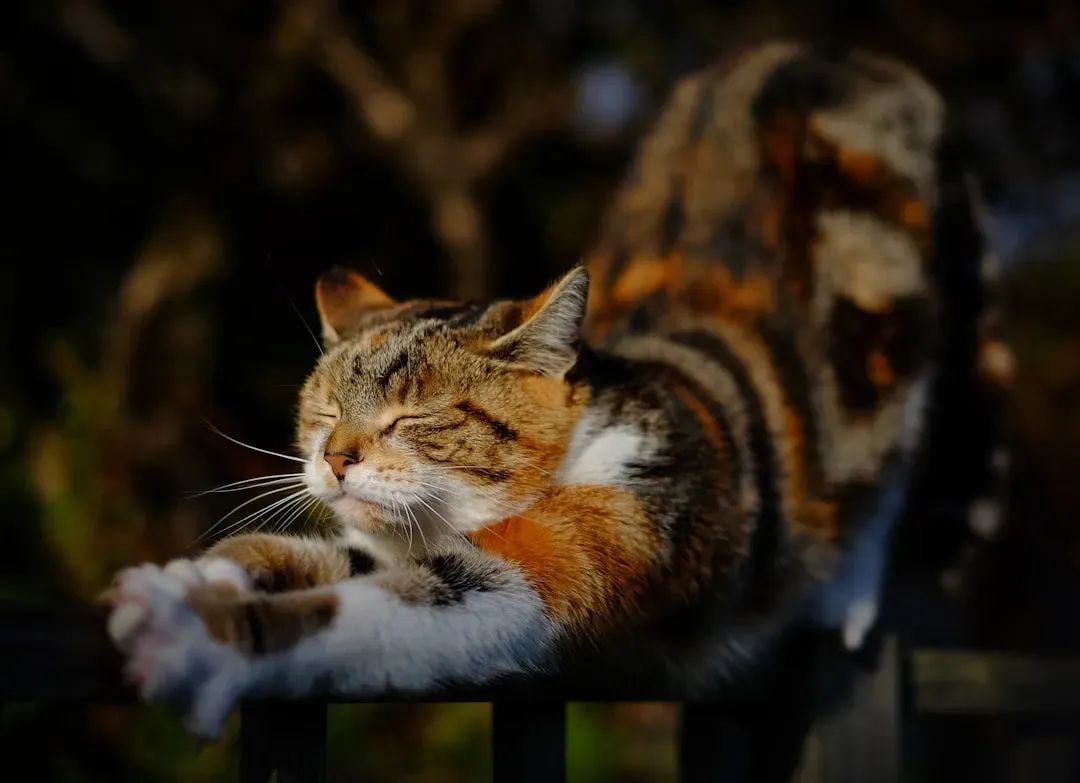
When your cat wakes from sleep, their first instinct is to extend their limbs and shake off the stiffness, and these morning stretches help prep the body and sharpen the senses. It looks casual, but it’s actually functional preparation for whatever comes next.
Stretching is a survival instinct deeply embedded in feline biology. In the wild, cats are ambush predators, and when they wake up, their bodies must be ready for sudden bursts of movement whether to hunt, climb, or escape danger. This instinct still exists in domestic cats, and even though your cat may be waking up on a soft couch instead of a forest floor, the body reacts the same way.
The act of stretching releases endorphins in cats, a brain chemical that leads to an overall improvement in their mood, and this can help relieve stress or anxiety from a tense situation or traumatic event. So that long, dramatic full-body stretch your cat does every morning is actually a self-regulating wellness ritual.
Your Cat Is Reading the Room Before You’ve Said a Word
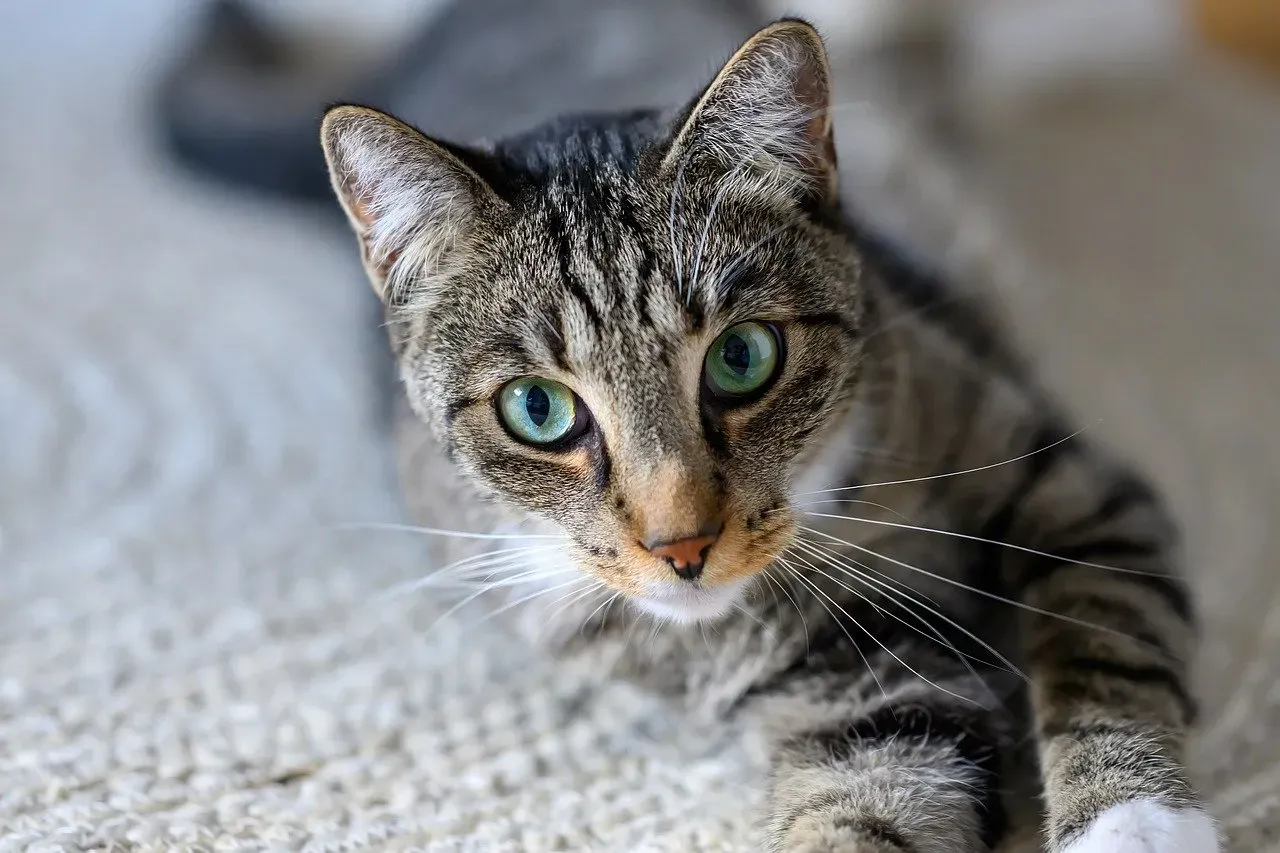
While you go about getting ready for your day, your cat wants to supervise from a vantage point somewhere nearby. By giving them a little perch or a place with a cat bed, nice and high up, they feel included while getting an opportunity to watch and learn about all the fascinating things you do. That perch near your bathroom or bedroom door isn’t random. Your cat chose it deliberately.
The activity of domestic cats is also significantly influenced by human activity, and in conditions that more closely resemble an average domestic environment, cats that were more closely involved with their owners showed greater levels of activity during daylight. Your morning movements are, in effect, your cat’s programming guide for the day.
Cats notice all the signals that you’re leaving, like keys jingling, putting your shoes on, or the sound of coats rustling. They’ve catalogued every detail of your routine, and the morning is when that catalogue gets consulted most heavily.
Morning Hunger Is More Urgent Than You Realize
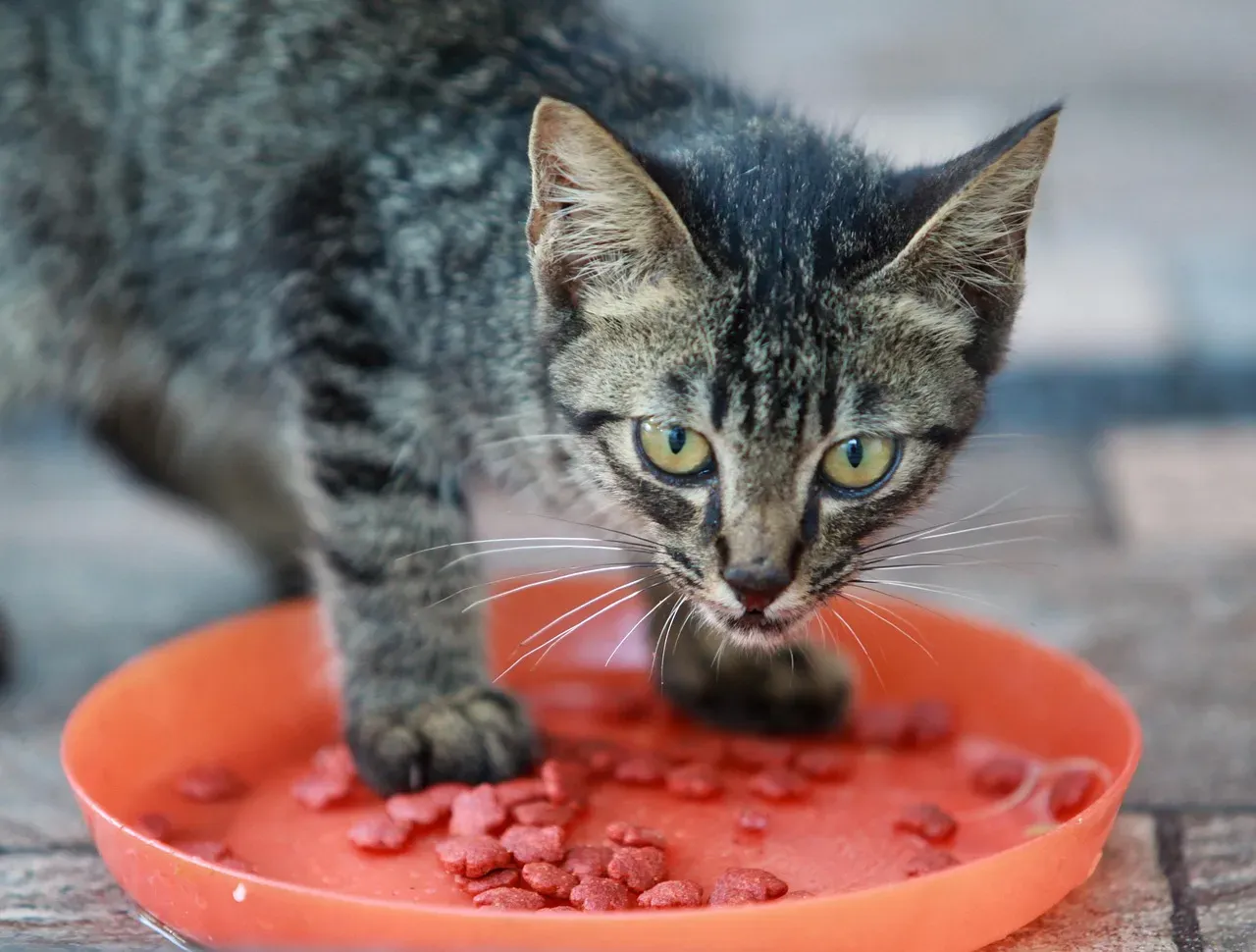
Many cats wake their owners up simply because they’re hungry. Their small stomachs empty quickly, and if there’s a long gap between dinner and breakfast, they may become uncomfortable and seek food. What feels like persistent nagging is genuinely physical discomfort for your cat, not a personality quirk.
Generally, cats like to eat several times a day. They are nibblers and will often eat several small meals. Their digestive system is built for frequent, smaller portions, which means a long overnight gap between meals can feel much more pressing to them than it might to you.
Morning affection often correlates with feeding schedules, and cats learn to associate morning attention-seeking with successful food acquisition, making it a learned behavior reinforced by routine. This is worth knowing, because it means your own behavior shapes how intense the morning food campaign becomes over time.
The Grooming Ritual Has Layers of Purpose
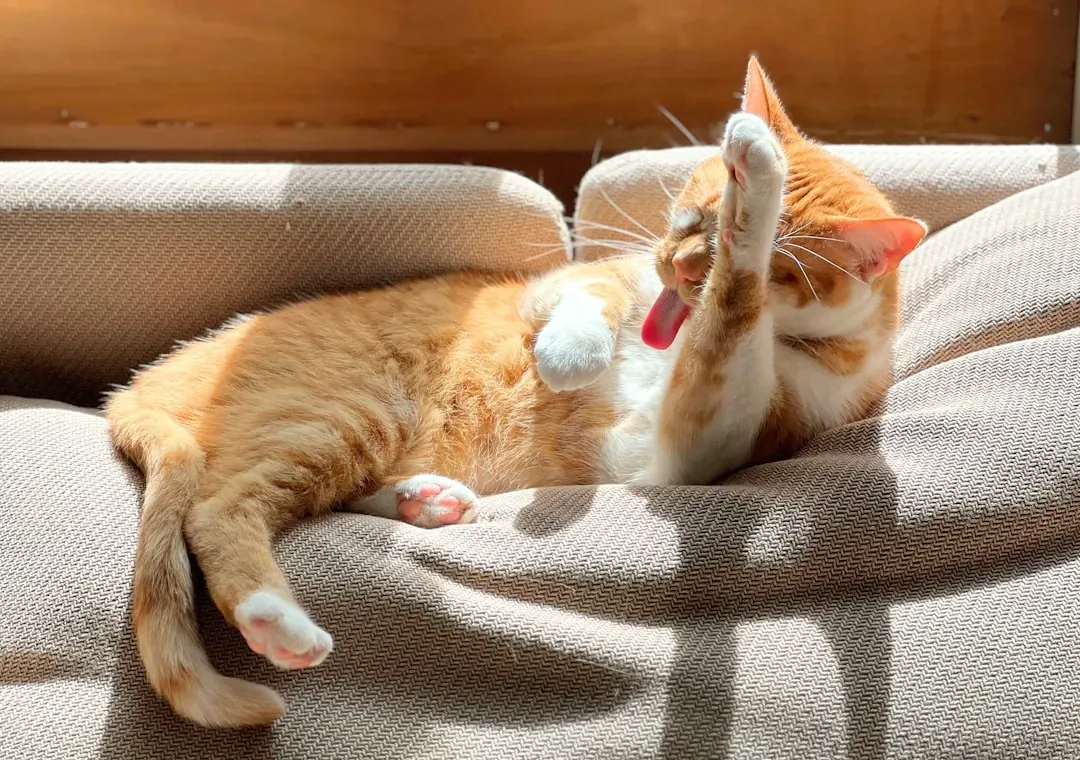
Oral grooming for domestic and feral cats is a common behavior, and studies on domestic cats show that they spend about 8% of resting time grooming themselves. Grooming is extremely important not only to clean themselves but also to ensure ectoparasite control. That focused self-care routine your cat launches into after eating isn’t vanity. It’s maintenance.
Grooming keeps cats clean. It’s a habit instilled in them from kittenhood by their mothers, who gave them thorough washes from the moment they were born, partly to induce breathing and bowel movements, and partly to hide their scent from predators. This instinct to stay clean and odor-free is more than just a survival mechanism. It’s a coping mechanism.
A quick grooming session in the morning can make a big difference for both you and your cat. Light brushing reduces shedding and prevents hairballs, while also helping you spot early signs of skin or coat issues. If your cat allows or invites you to join in this morning ritual, treat it as a genuine bonding window.
Scent Marking: Your Cat’s Morning Claim on the World
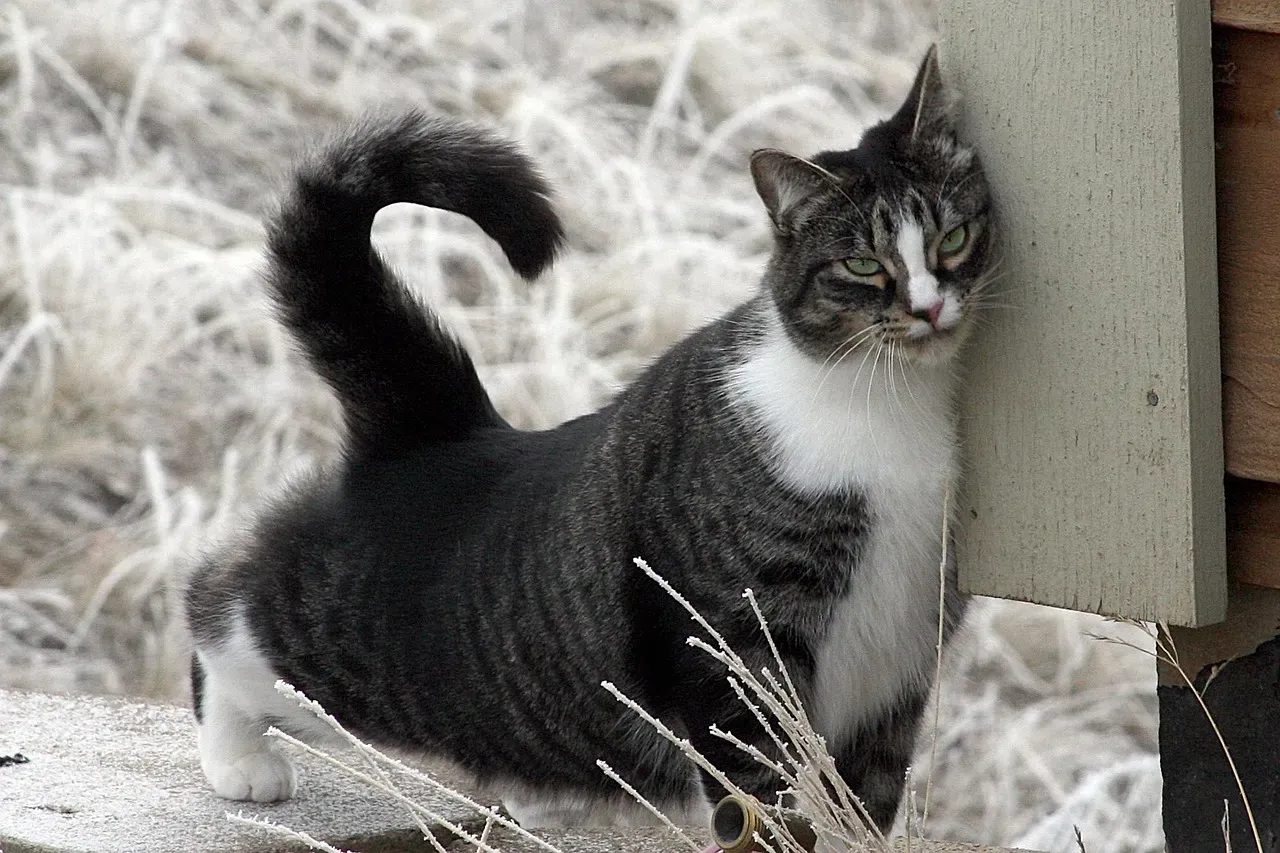
Cats are highly territorial animals, and scent marking is one of the primary ways they establish boundaries. They have scent glands located in multiple areas, including their cheeks, forehead, paws, flanks, and the base of their tail. When a cat rubs its face against furniture, doorways, or even people, it deposits pheromones that signal ownership and familiarity. That face rub against your ankle first thing in the morning is not accidental affection.
Cats scratch to leave a distinctive visual mark to attract other cats to approach and investigate the chemical signal left behind. Cats leave scratch marks within the core of their territories along their most traveled routes, not the periphery. The morning scratching post ritual is your cat refreshing their territorial signature on the places that matter most to them.
Bunting, when cats rub their heads against objects, often happens in the core area of their territory and seems to be associated with comfort, reassurance, and friendly social interactions. If your cat frequently head-bumps you, it is transferring its scent to you, which is often a good sign that the cat sees you as an affiliate member of its social group. You’re being claimed, and that’s a compliment.
Morning Affection Is a Form of Reconnection

In the wild, cats use early morning hours for hunting and social bonding with their family groups. Your domestic cat maintains these instincts, often seeking connection with you, their adopted family member, after their nighttime activities. This behavior can include bringing gifts, seeking warmth, or simply checking in on their trusted companion. The night effectively creates a small separation, and the morning is when your cat reestablishes the bond.
Morning affection often represents a genuine emotional bond between cats and their owners. After hours of separation during sleep, your cat may simply miss you and want to reinforce your social connection. It’s easy to dismiss this as food-motivated behavior, but the evidence suggests it’s genuinely relational for many cats.
Morning sunshine provides warmth, and cats may seek out sunny spots to bask in, which can make them more relaxed and receptive to affection. The combination of light, warmth, and your presence after hours of quiet creates what is, from your cat’s perspective, an ideal social moment.
Routine Disruption Matters More Than You Might Expect
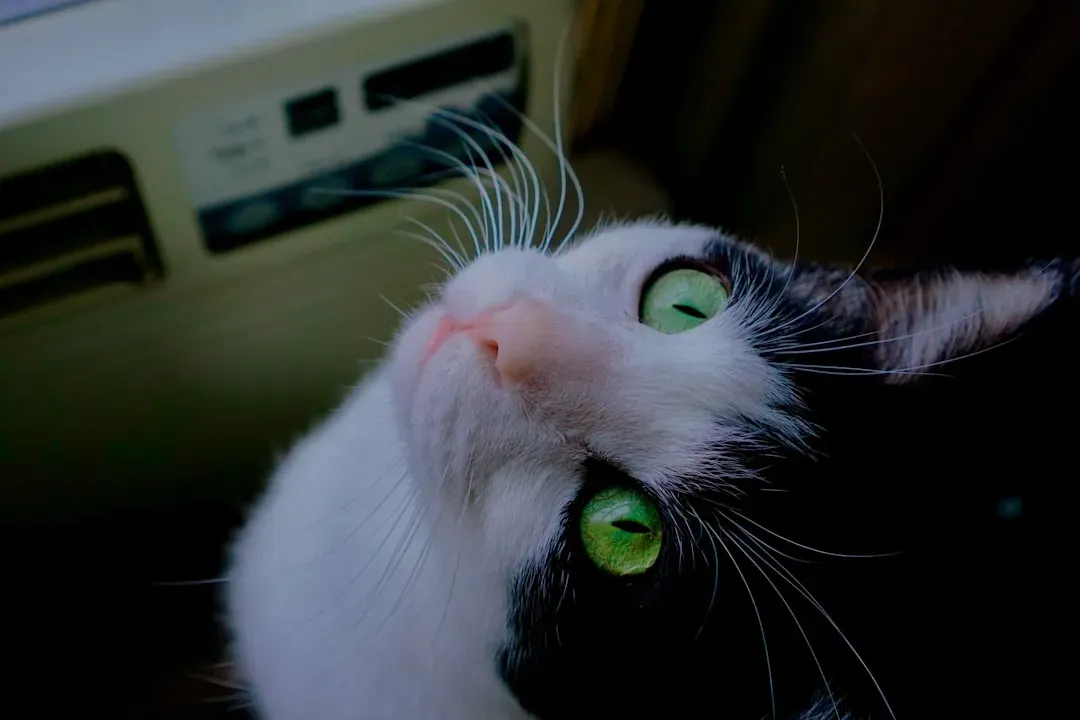
In a cat’s mind, routine means control. When mornings follow a predictable pattern, cats feel secure, and this is why creating a consistent morning routine can dramatically reduce anxiety-related behaviors. The mornings you run late or skip certain steps are the mornings your cat is most likely to act out.
Cats are sensitive to routine changes, and alterations in schedule, environment, or household dynamics can lead to increased attention-seeking behavior, particularly during morning hours. What reads to you as a minor shift in timing can register as a genuine disruption for your cat.
Cats don’t like to eat next to people’s feet rushing around them, or while loud noises are everywhere. It gets stressful, and their natural instincts tell them to eat and run, or not eat at all, when there is a lot of commotion. A chaotic morning doesn’t just inconvenience your cat. It can genuinely undermine their sense of safety for the hours that follow.
Conclusion

Your cat’s morning isn’t a collection of random, adorable habits. It’s a layered behavioral sequence shaped by millions of years of evolution, refined through domestication, and fine-tuned to your specific household rhythms. Every stretch, every rub, every well-timed meow is part of a system that is more purposeful than it looks.
By building consistent morning routines, you support better behavior, healthier eating, reduced anxiety, and stronger trust. Small changes like consistent feeding, gentle interaction, and predictable order make a powerful difference. When mornings feel safe, cats carry that calm into the rest of their day.
The more you understand what’s actually happening in those first quiet hours, the less mysterious your cat becomes and the more rewarding the relationship gets. There’s real depth there, if you know where to look.
Kristina is a young writer from India. An arts graduate and an avid content creator, Kristina is passionate about animals and wildlife. She enjoys exploring topics related to pet care, animal behavior, conservation, and nature, combining thorough research with engaging storytelling.