Cats have shared our homes for thousands of years, yet many people still feel like they’re living with a creature from another dimension. Your cat stares at you with those unblinking eyes, twitches a tail, pushes its forehead against your chin, and then walks away as if none of it happened. There’s no shared language, no translation app, and certainly no instruction manual.
The truth is, your cat is talking to you constantly. Cats can use a range of communication methods, including vocal, visual, tactile, and olfactory communication. The problem isn’t that they’re silent. It’s that most of us were never taught how to listen. Once you start paying attention to the full picture, the conversation becomes surprisingly readable.
The Meow Was Made for You
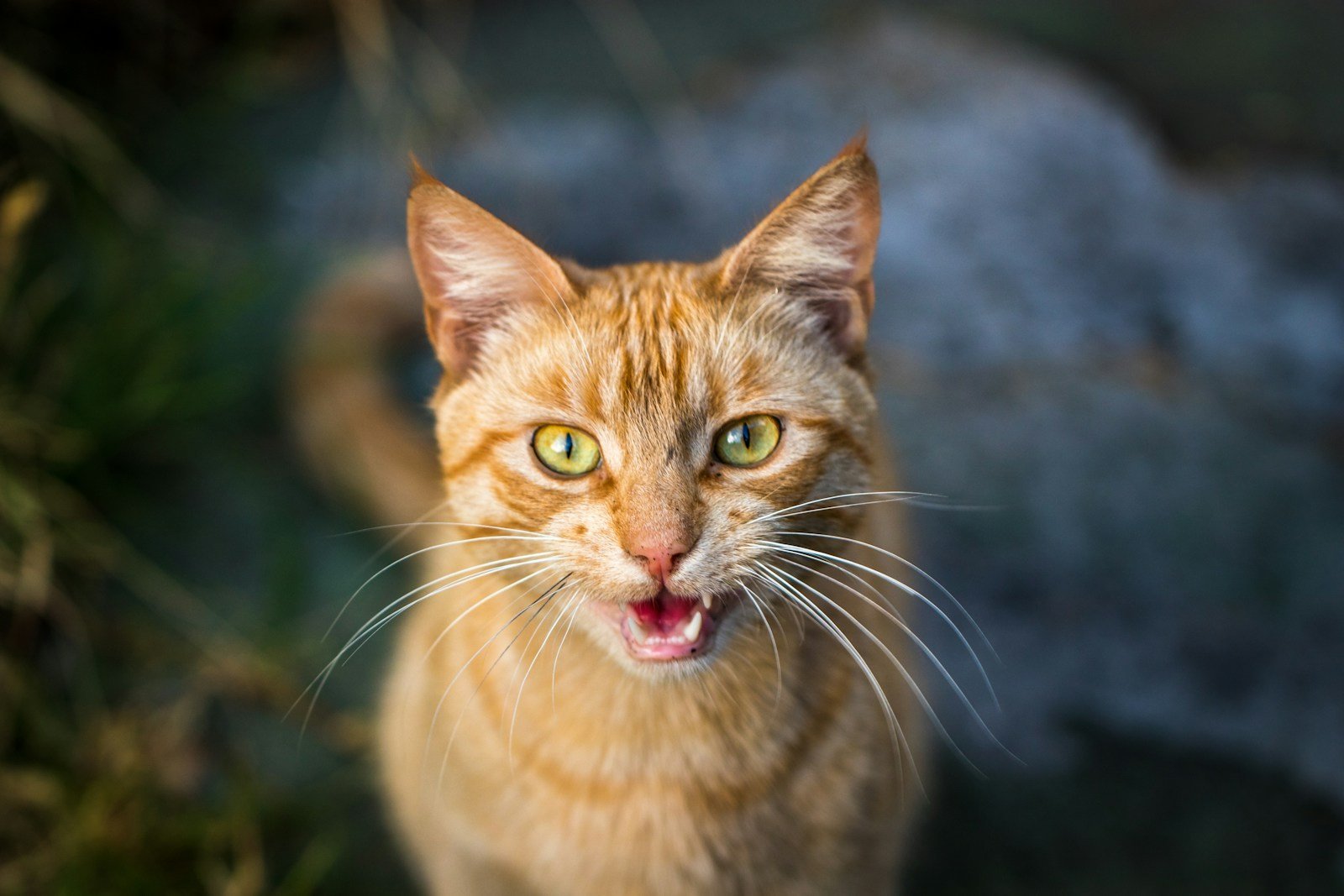
Here’s something most cat owners don’t know: your cat’s meow is almost exclusively aimed at you. Studies have shown that domestic cats tend to meow much more than feral cats, and they rarely meow to communicate with fellow cats or other animals. The meow, in many ways, is a human-targeted tool that evolved through domestication.
According to a study dubbed “Meowsic,” launched in 2016 by Lund and Linköping universities in Sweden, it was found that adult cats only meow to humans and not to each other, most likely because their mothers stopped responding once they were weaned off her milk. That means every meow your cat directs at you is a deliberate, personalized attempt at communication. A meow can be assertive, plaintive, friendly, bold, welcoming, attention-soliciting, demanding, or complaining. It can even be silent, where the cat opens its mouth but does not produce any sound.
Reading the Tail Like a Signal Flag
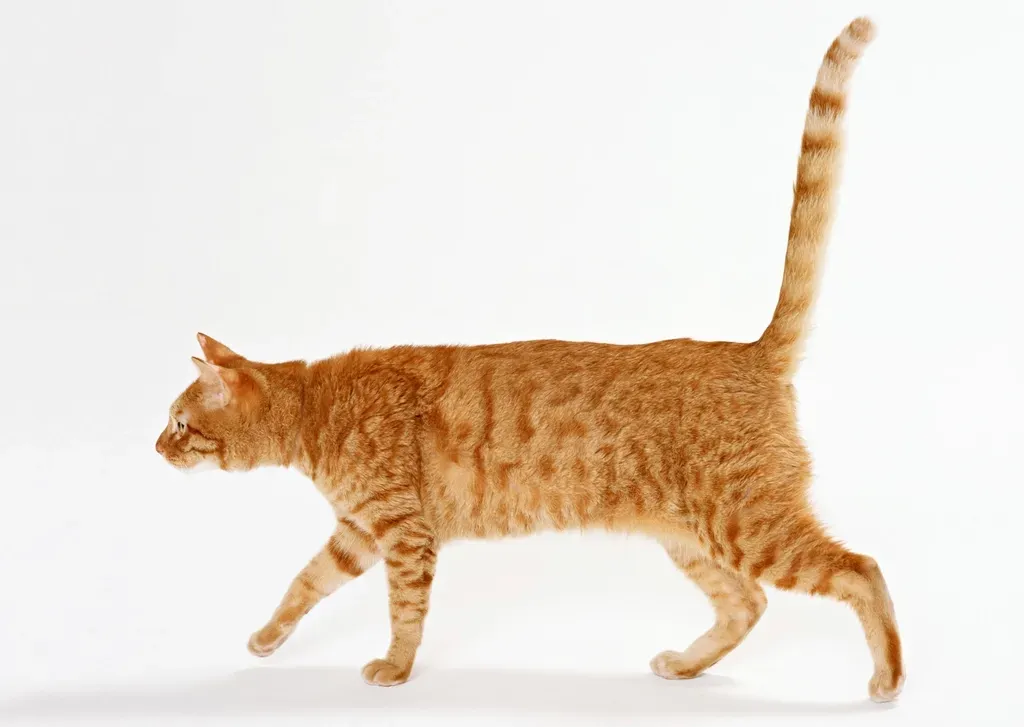
If you want one fast shortcut to understanding your cat’s mood, watch the tail. The tail position is a well-known way that cats communicate visually. Generally, the “tail up” position, where the tail is held vertically in the air at a right angle to the ground, signals friendly intent when a cat approaches another cat, animal, or person. A cat walking toward you with its tail raised is essentially saying hello.
A tail tucked between the back legs is often a sign that a cat is anxious or fearful, whereas a tail held out, moving slowly side-to-side across the body, may signal frustration. If that tail begins wagging faster and more aggressively, almost like a thrash, that means the cat is getting irritated and you should stop petting, or whatever it is you’re doing. The tail doesn’t lie, and once you know what to look for, it becomes one of the most reliable signals your cat sends.
What the Eyes Are Really Saying
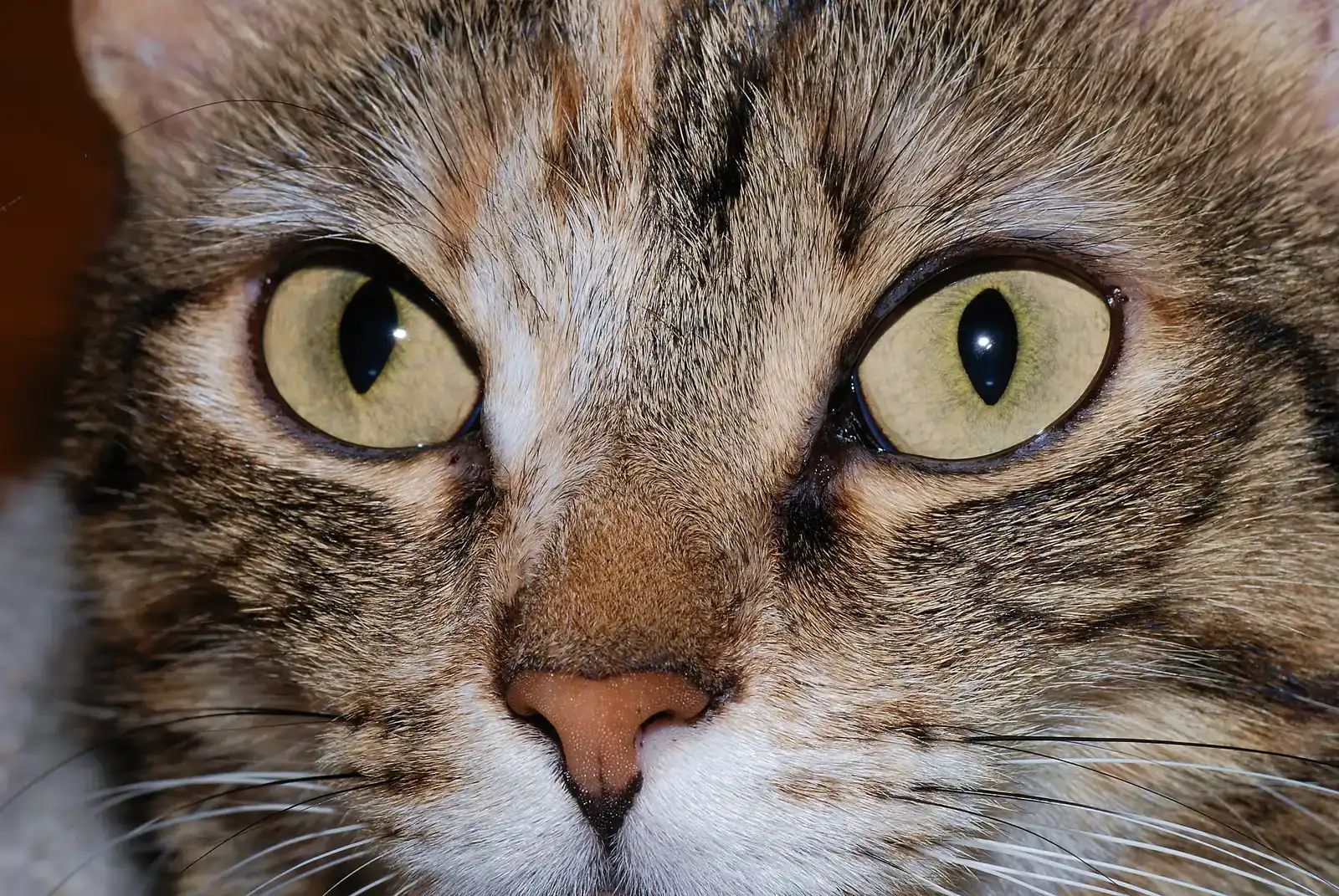
Eye contact between humans and cats carries a lot of weight, though it works differently than it does between people. Studies have shown that a slow blink is a cat’s equivalent of saying “I love you,” so feel the warm fuzzies. Direct, unblinking eye contact, however, alongside a tense body posture, indicates a challenge, and potential aggression. The distinction matters quite a bit in practice.
One of the most heartwarming behaviors you might notice in your cat is the slow blink, often termed a “kitty kiss,” which signifies love and trust. When your cat looks at you and slowly closes and opens its eyes, it’s their way of communicating that they feel secure and content. According to behavioral studies, returning this slow blink can further reinforce that bond, as it mimics their gentle form of communication. Try it the next time your cat holds your gaze from across the room.
The Purr Is More Complicated Than You Think
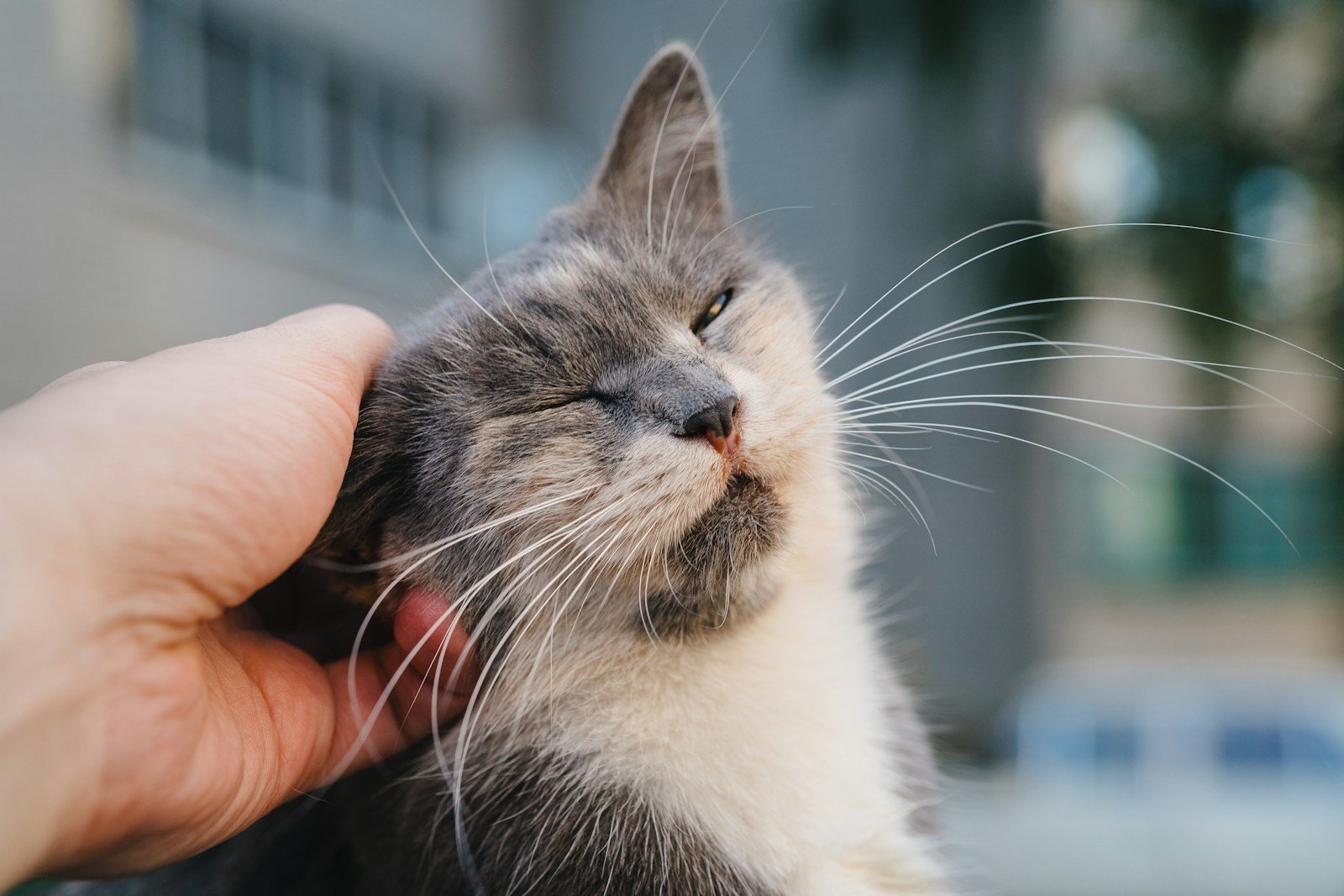
Most people assume that a purring cat is a happy cat. That’s often true, but it’s only part of the story. Most of us think of cats purring when they are happy or content, but cats also purr at times of fear, stress, and pain. It’s possible the act of purring when less than happy is a bit like humans whistling in the dark, as they may be attempting to self-soothe with an act that is usually associated with a happier time.
While purring often occurs when a cat is relaxed or content, it can also appear during stress, pain, or discomfort. Cats may purr to self-soothe in unfamiliar or stressful situations, such as veterinary visits or recovery from illness. Interpreting purring correctly requires observing body language and overall behavior. A relaxed tail, soft facial expression, and slow blinking alongside purring usually indicate contentment. In contrast, flattened ears, tense muscles, or avoidance behaviors suggest that the cat is using these actions to cope with discomfort rather than express happiness.
The Silent Meow and What It Signals
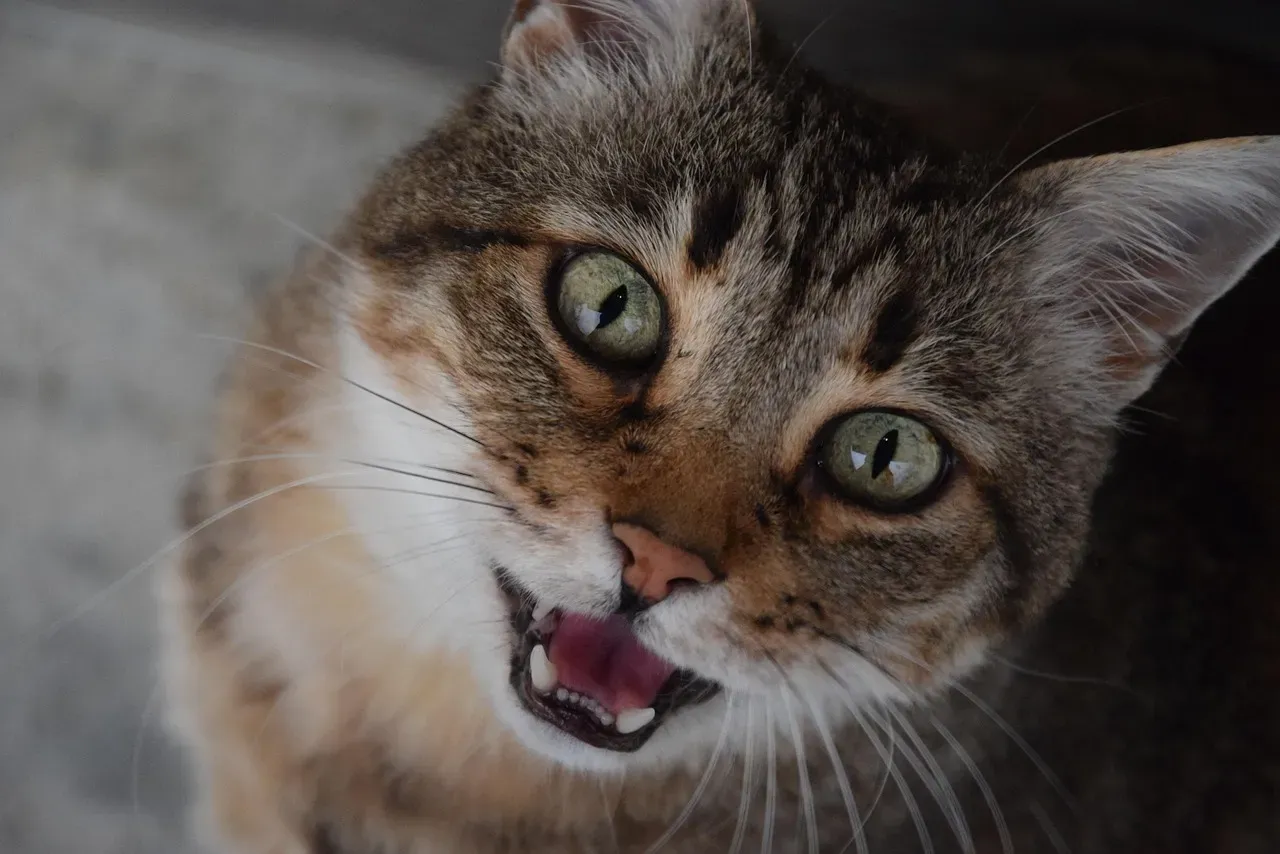
Few cat behaviors are as oddly endearing as the silent meow. Your cat opens its mouth, shapes the motion of a full meow, and produces absolutely nothing your ears can detect. It’s a quiet gesture where a cat opens their mouth but emits no sound that’s audible to the human ear. This subtle form of communication can be easily missed but is significant in the world of feline interaction, expressing a range of emotions and desires.
The silent meow may not even be silent at all. It’s entirely possible the cat is making noise on a frequency human ears can’t hear, like a dog whistle. As one expert notes, “Many cat vocalizations are outside of our hearing range.” A silent meow directed at a human often signifies trust and a desire for attention or food. Without vocal sound, the silent meow can be a polite way of asking for something, displaying less urgency than vocal meows. Consider yourself trusted when you receive one.
Head Bumps, Bunting, and Cheek Rubs
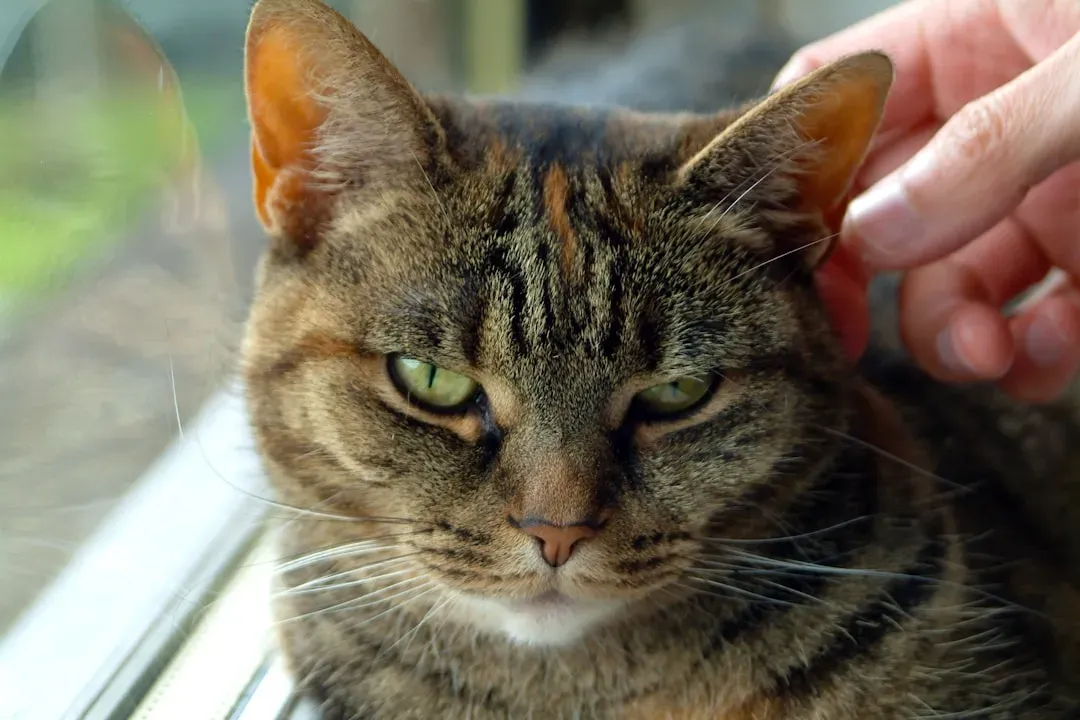
When your cat pushes its forehead firmly into your face or winds its cheeks along your leg, it’s doing something deeply intentional. Cats sometimes head-bump humans or other cats with the front part of the head, in a behavior referred to as “bunting.” This communication might have an olfactory component, as there are scent glands in this area of the body. You’re essentially being marked as safe and familiar.
When a cat rubs their cheeks or head against another cat or a human, they are often depositing scent from glands located in these areas to mark their territory, while simultaneously signaling friendliness and trust. Behavior experts explain that this action is a strong display of affection and trust. By marking you, your cat is signaling that you’re part of their territory and, in a way, part of their family. It’s one of the most sincere forms of feline affection. Few compliments from a cat come higher than this one.
Kneading: Comfort Pressed Into Your Lap
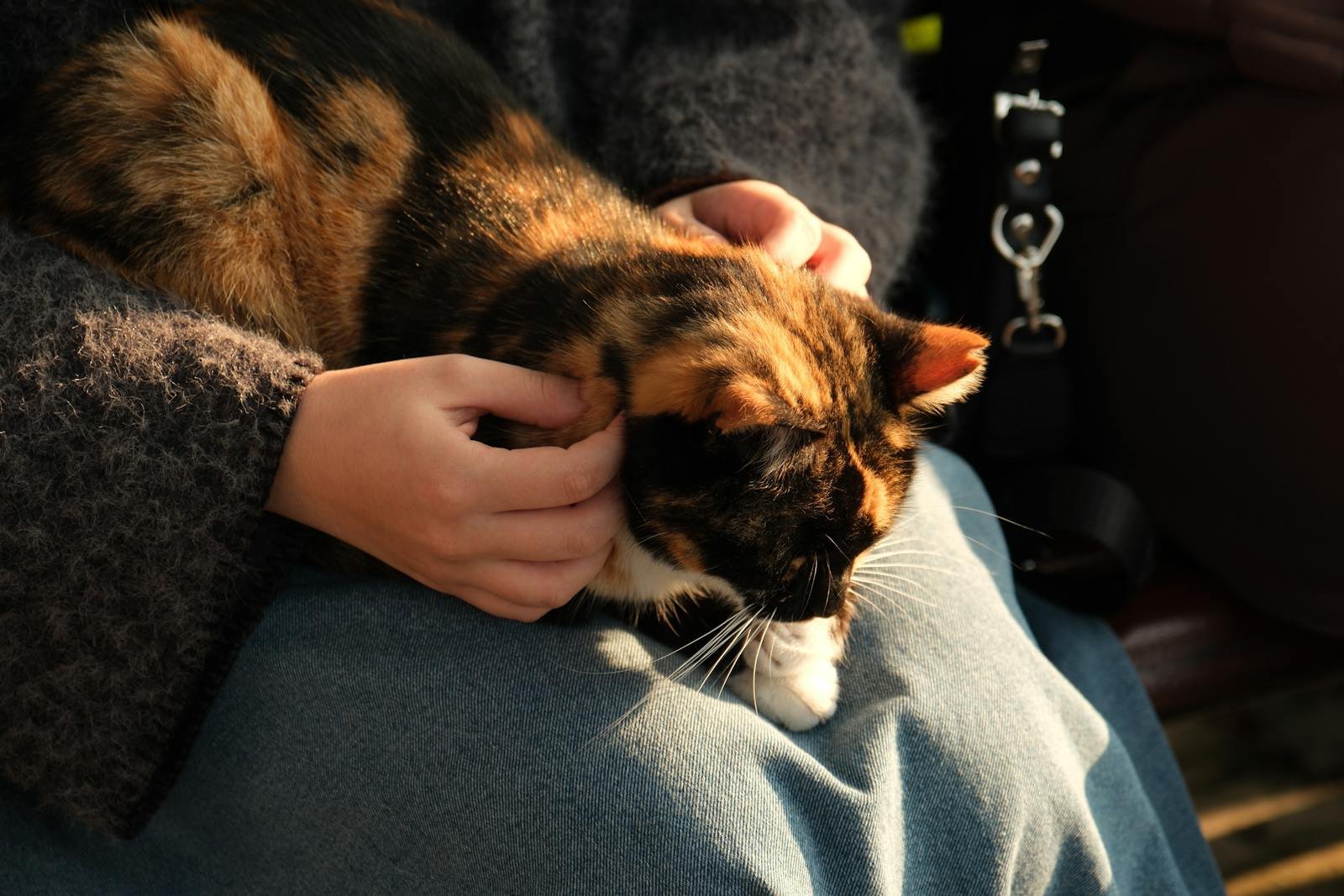
That rhythmic pressing motion your cat performs on your lap, a blanket, or a soft cushion has a name, and it has roots in early life. One of the earliest reasons for cat kneading begins when kittens nurse from their mothers. Young kittens knead their mother’s belly to help stimulate milk flow while feeding. This repetitive paw motion becomes associated with warmth, nourishment, and safety. Even after cats grow up, the same instinct can resurface when they feel relaxed or secure.
Cats may also knead to mark territory. Their paws contain scent glands that release subtle pheromones. When a cat kneads a surface, they leave behind a scent marker that signals familiarity and ownership. Many veterinarians interpret kneading as a social behavior that strengthens a cat’s bond with their owner. Cats also mark their trusted humans with scent when they knead. If your lap is a favorite target, that’s actually high praise.
Ear Position Tells the Whole Story
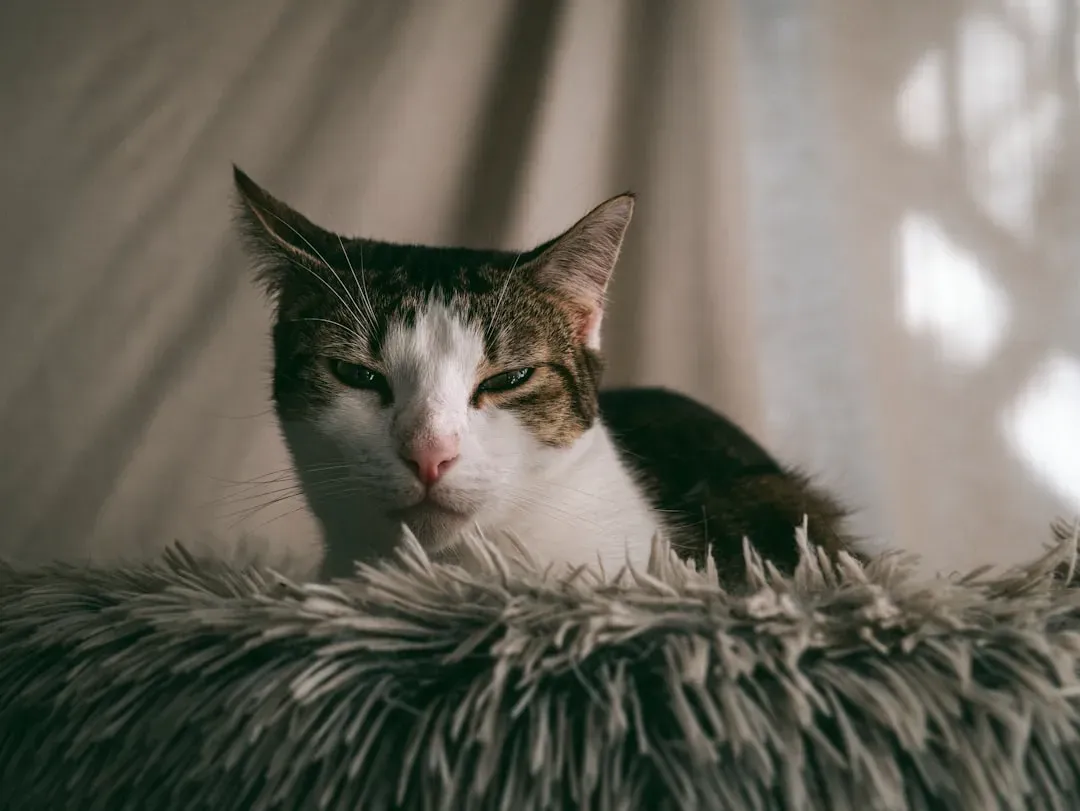
Ears are one of the fastest-moving and most expressive parts of your cat’s face. Ears held naturally means the cat is relaxed, while ears pinned back mean the cat is afraid. When a cat’s ears are facing forward and close together, that means the cat is interested in something. These shifts happen quickly and often telegraph a mood change before anything else does.
When cats are in pain or feeling sick, they will hold their ears low, rotated to the side. Cats also show feelings of playfulness and happiness when their ears are pointing forward, straight up. This means the cat is alert and content. Forward-facing ears indicate interest and contentment, while flattened ears signal fear or aggression. Ears swiveling like radar dishes show your cat is monitoring their environment. Think of the ears as a live emotional dashboard.
Scent Marking: The Language You Can’t See
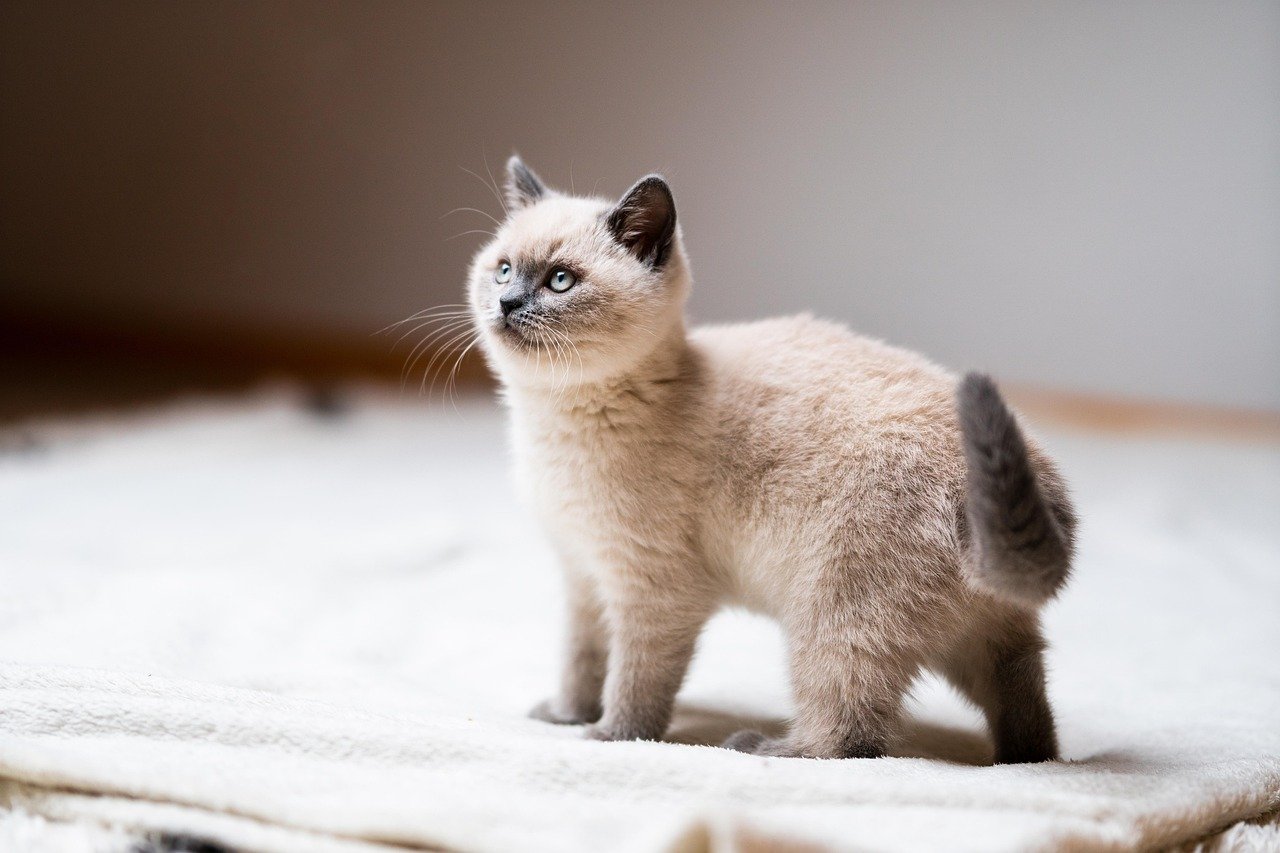
A large portion of what your cat communicates never reaches your nose at all. Pheromones are chemicals secreted in different areas of the body by all cats and are used for cat-to-cat communication. Cats have an extremely well-developed sense of smell, and this is used extensively for communication. Chemical signalling involving odours and pheromones can be very specific, last for a long time, and can spread over long distances.
Facial marking behavior is used to mark territory as “safe.” The cat rubs its cheeks on prominent objects in the preferred territory, depositing a chemical pheromone known as a contentment pheromone. Scratching behaviors are not just playful quirks; they are vital activities deeply rooted in evolutionary history. Scratching helps cats stretch their muscles, maintain claw sharpness by removing old outer sheaths, and mark their territory with scent glands in their paws, reinforcing a sense of security and ownership. The scratch marks on your furniture are messages left for the whole household.
When Your Cat’s Demands Signal Something Medical
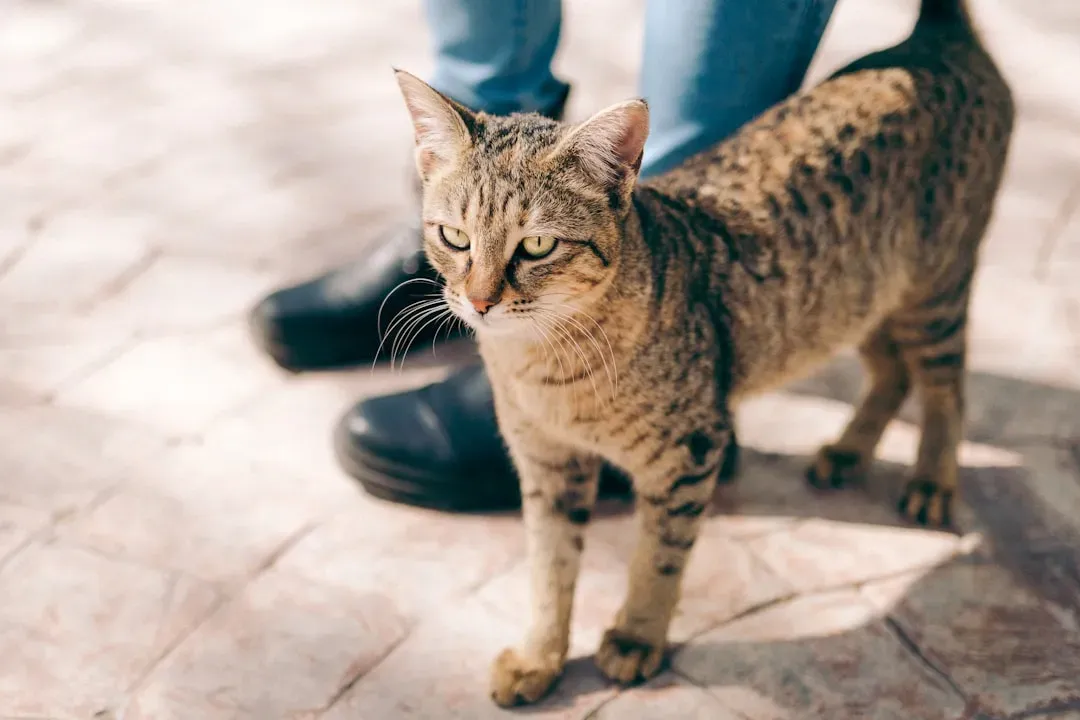
Sometimes a change in how your cat communicates isn’t about personality. It’s a health signal worth taking seriously. A cat who meows a lot should be checked thoroughly by a veterinarian to ensure a medical condition is not the cause of the cat’s distress. Numerous diseases can cause cats to feel unusually hungry, thirsty, restless, or irritable, any of which is likely to prompt meowing.
In time, you may become so attuned to your kitty’s personality and habits that you’re able to detect subtle changes in their mood and even recognize health problems before physical signs of illness appear. As cats age, they’re prone to developing an overactive thyroid and kidney disease, and either one may result in excessive meowing. Behaviorists agree that a sudden change in vocalization is typically worth monitoring closely. Paying close attention if a normally vocal cat suddenly seems to be having trouble producing sound, along with other symptoms like lethargy or lack of appetite, is always a sound approach. Trusting your instincts about behavioral shifts is one of the most practical things you can do as a cat owner.
Conclusion
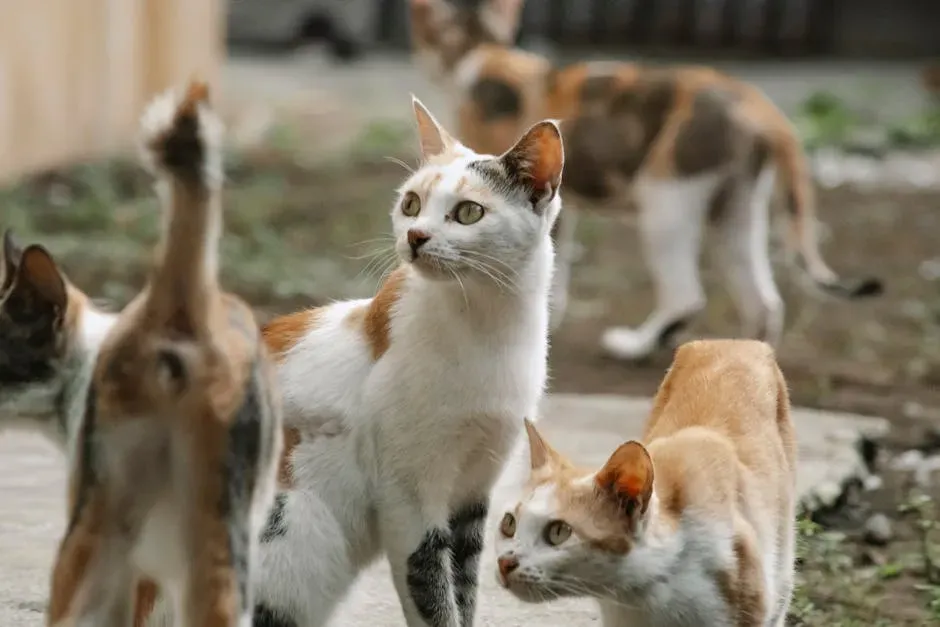
Your cat doesn’t need words. Cats might not be able to talk using human language, but they can certainly communicate their emotions, wants, and needs to us, if only we pay attention. It can be enlightening to watch out for subtle signs that our cats give us through their body language and posture, their behaviors, vocalizations, and use of scent and touch. The full conversation has always been there.
Every slow blink, raised tail, head bump, and silent meow is a sentence in a language worth learning. You can better understand your furry friend by paying attention to their vocalizations, body postures, and daily routines. In time, you may become so attuned to your kitty’s personality and habits that you’re able to detect subtle changes in their mood. The relationship you build from that fluency tends to run deeper than most people expect. Your cat was never silent. You just needed the right vocabulary to hear them.
Kristina is a young writer from India. An arts graduate and an avid content creator, Kristina is passionate about animals and wildlife. She enjoys exploring topics related to pet care, animal behavior, conservation, and nature, combining thorough research with engaging storytelling.