There’s something quietly fascinating happening every time your cat pounces on a crinkle ball, drags a plush mouse across the floor, or stares down a feather wand like it owes them money. Most people see it as cute. A little entertaining. Maybe even funny. But what’s really going on is something far richer than a pet simply passing the time.
Your cat’s toy choices are, in a very real sense, a window into who they are. Their preferences, their anxieties, their instincts, their confidence, even their emotional wellbeing. All of it is being broadcast every single time they play. You just need to know how to read the signal. Let’s dive in.
Play Is Never Just Play: The Deep Instinct Behind Every Pounce
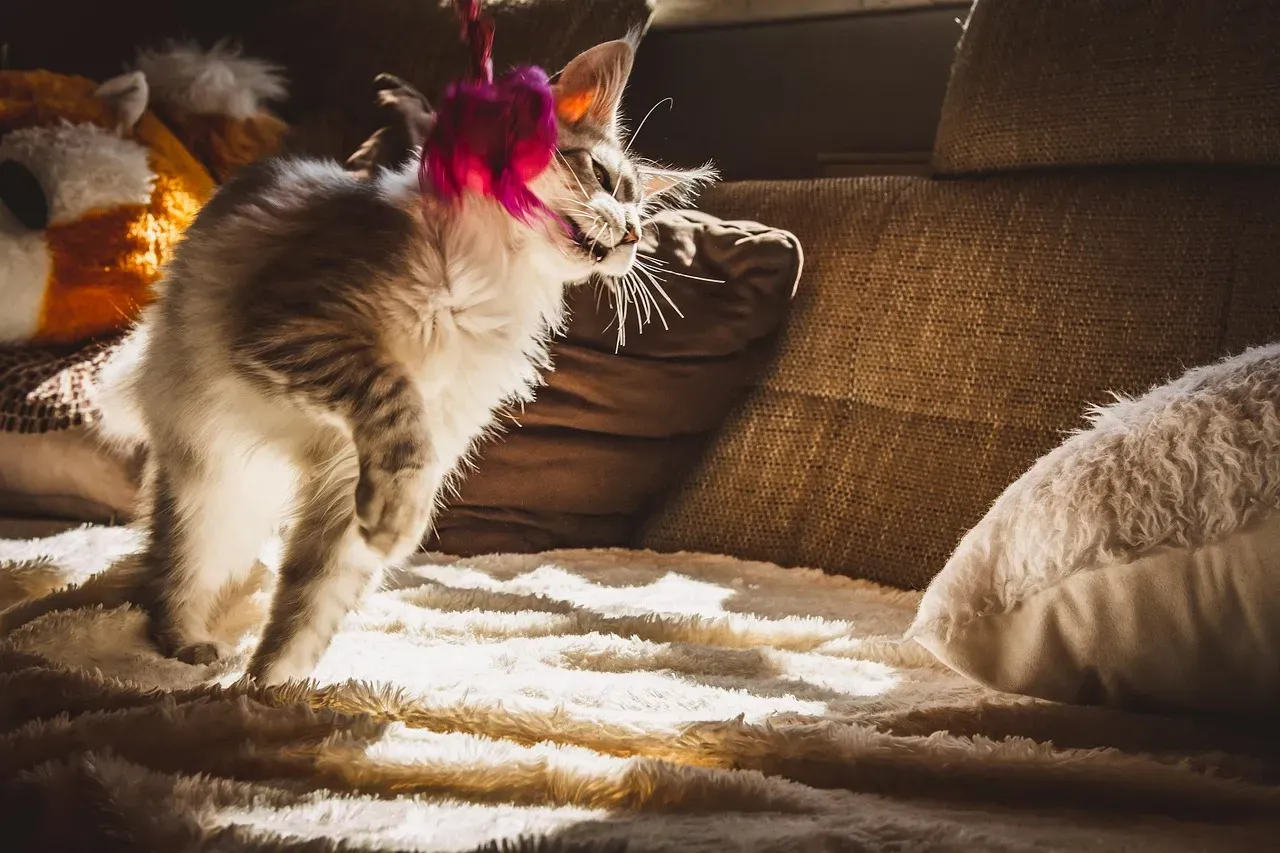
Here’s the thing about cats. They didn’t evolve to lounge on a sofa and bat at hanging tags on new furniture, even though that can absolutely happen. Hunting and predatory drives motivate cats to engage in play, and these instincts developed for survival, honing skills like stalking and pouncing. Every swipe of a paw at a toy mouse is, in essence, a rehearsal for something their ancestors did to survive.
Play is considered an indicator and promotor of good welfare in many species, including cats, because it is most often observed in times of good health, where there are ample resources, and when fitness threats are absent. So when your cat is happily chasing things around the living room, that’s actually a sign they feel safe and well. Think of it as their version of telling you everything’s okay.
The Feather Wand Fan: Your Cat Is a Bold, Focused Hunter
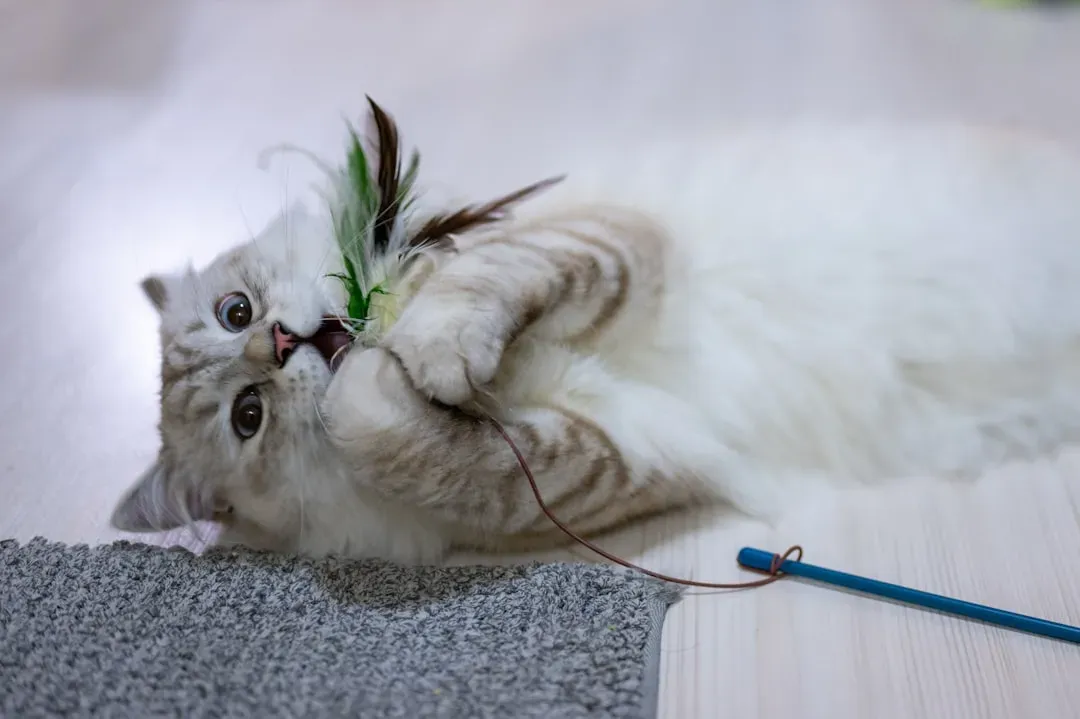
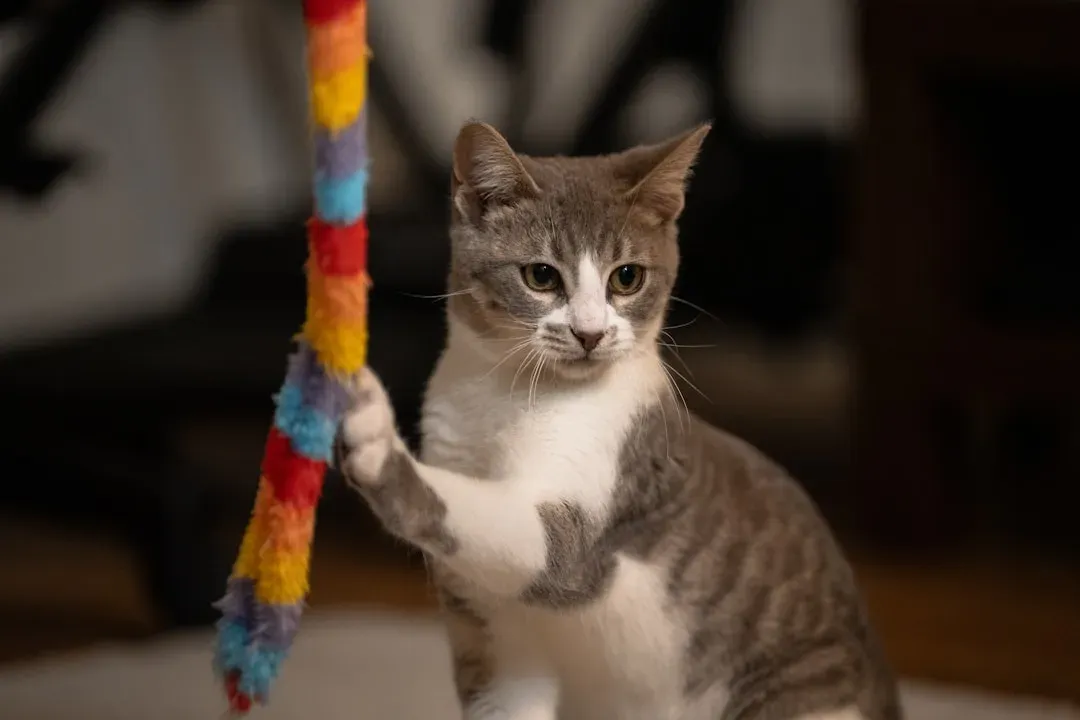
If your cat’s go-to toy is a laser pointer or a feather wand, you’re living with a natural-born hunter. These cats are often agile, focused, and full of energy. They love the thrill of the chase and are always ready for a playful ambush. Honestly, if you watch closely, you’ll notice they don’t just randomly bat at it. They study it. They plan. There’s real strategy happening.
Teaser wand toys are among the most effective and engaging interactive toys for cats. These toys consist of a wand or stick with a dangling attachment, such as feathers, ribbons, or small plush toys, that simulates the movement of birds or small animals. By tapping into your cat’s predatory instincts, teaser wand toys provide a satisfying and enriching hunting experience. If your cat goes absolutely wild for a feather wand, you’re dealing with a high-drive personality that needs consistent daily stimulation to stay balanced and happy.
The Puzzle Toy Player: Intelligence and a Mind That Craves Challenge
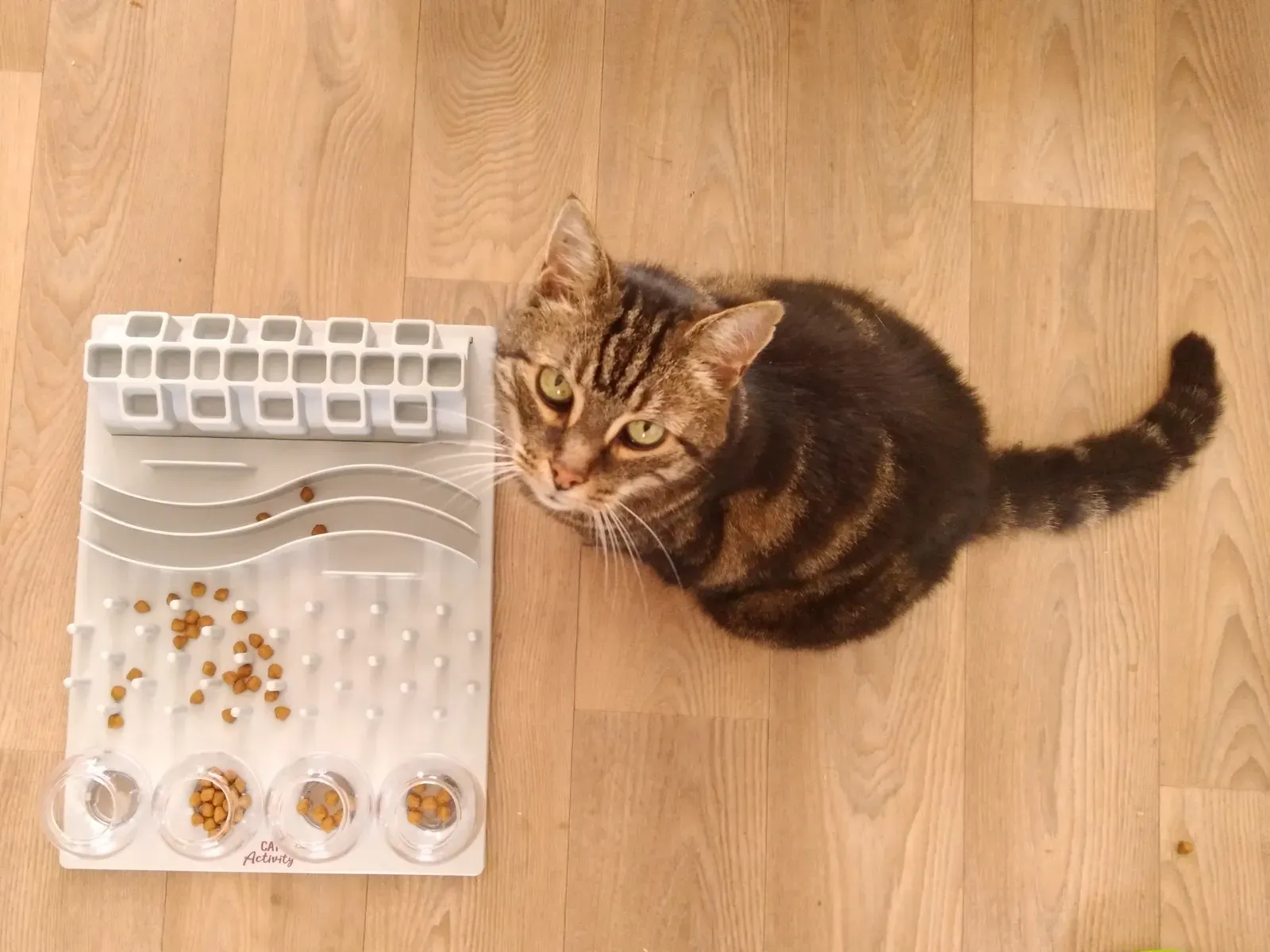
Cats are natural-born hunters, and puzzles stimulate their natural foraging instincts. Cats “hunt” for their reward by working to reveal hidden treats and food. Indoor cats especially become easily bored and under-stimulated, and puzzles are great enrichment for them. If your cat chooses a puzzle feeder over a simple toy, pay attention. That preference says a lot about how their brain is wired.
Smart puzzles are designed to challenge your cat’s brain while rewarding them with their favorite snack. These toys require your cat to slide, push, or bat at different components to reveal a hidden treat. It’s a fantastic way to engage their problem-solving skills and satisfy their natural foraging instincts. A cat who seeks out puzzles is communicating something important: they need mental engagement just as much as physical activity. Boredom is genuinely one of the biggest stressors in a cat’s life, and puzzle toys are one of the cleanest solutions.
The Soft Plush Devotee: Comfort Seekers With a Gentle Inner Life
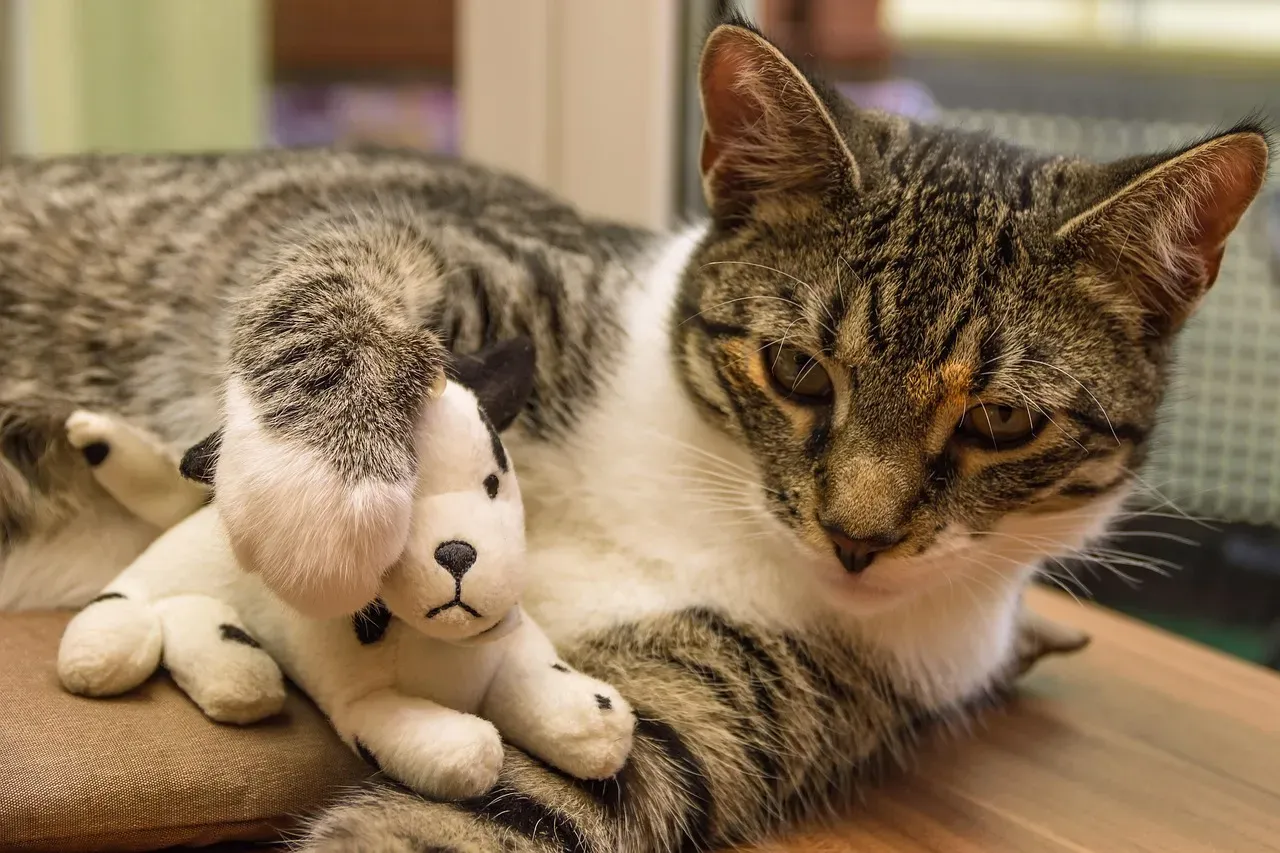
Soft plush toys are comforting for some cats, providing a “cuddle buddy” experience that satisfies their nurturing instincts. If your cat carries a soft toy from room to room, sleeps curled around it, or kneads it like dough, you’re watching something genuinely tender unfold. It’s a behavior that often points to a cat who places strong value on security and emotional comfort.
Plush toys provide comfort and a sense of security. Stuffed animals are soft, cuddly toys that your cat can snuggle with. Some stuffed animals may also contain crinkly material or other sensory features. Cats who bond deeply with plush toys tend to be emotionally sensitive animals. They may be slower to trust strangers, more attached to routine, and more deeply affected by changes in their environment. In short, their soft toy preference is telling you they have a rich emotional interior.
The Catnip Toy Enthusiast: Sensory-Driven and Emotionally Expressive
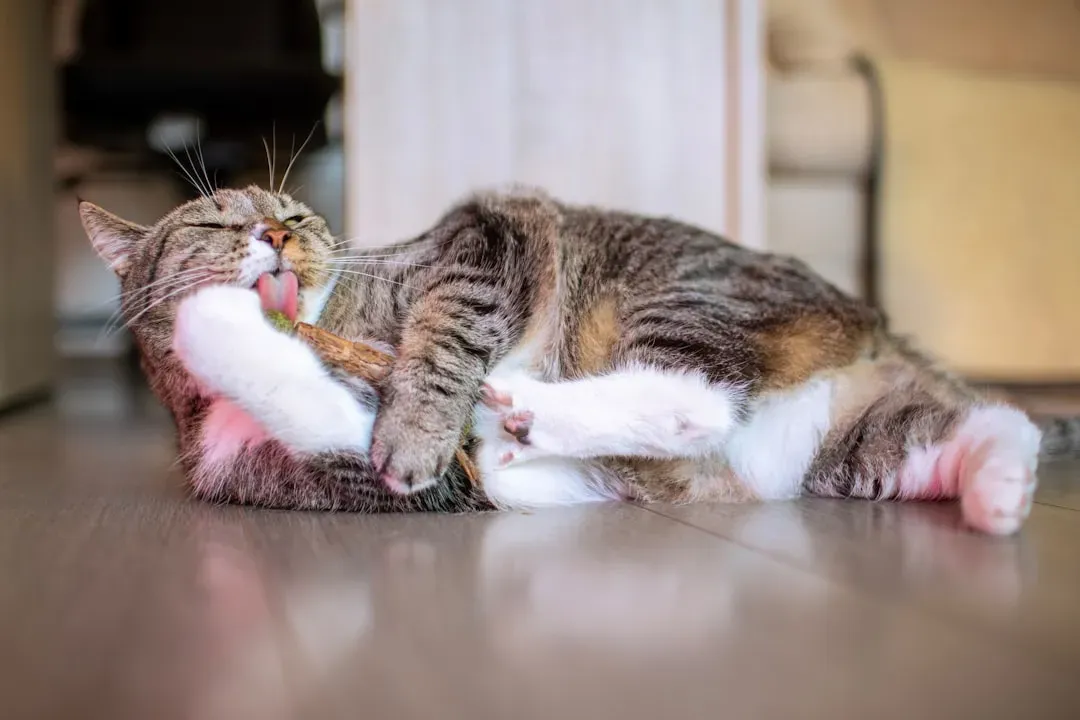
Catnip can induce euphoric reactions in many cats. Toys filled with catnip can become favoured items for playful interactions. Roughly about two thirds of cats respond to catnip at all, thanks to a genetic sensitivity. Those who do respond tend to show a personality that is expressive, reactive, and emotionally present. They’re not shy about telling you how they feel.
Shelter cats spent relatively little time with scent stimuli overall, but catnip elicited the most interest, indicating this scent could be a useful form of enrichment, especially in captive settings. What’s interesting is that strong reactions to catnip toys can also reveal a cat who is particularly scent-sensitive and sensory-driven. These cats are often highly perceptive of their environment, noticing changes in smell, layout, or atmosphere that most humans would completely miss.
The Laser Pointer Chaser: Energy Without an Outlet Can Be a Warning Sign
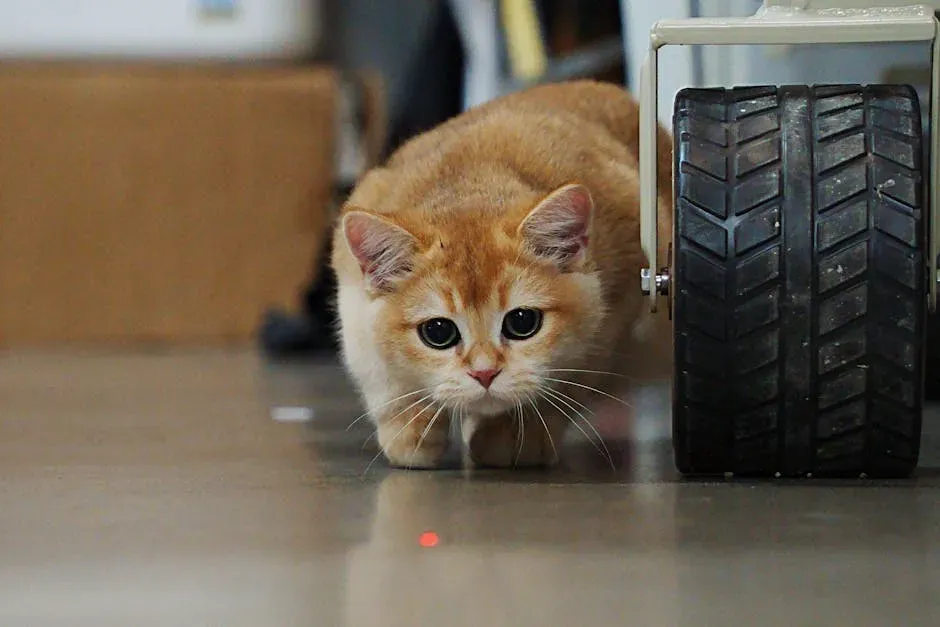
Laser light play can be an enjoyable shared interaction and provide an opportunity for feline exercise. However, laser light play alone does not allow cats to complete the hunting sequence, and it has been suggested that this may trigger frustration and stress, common contributors to compulsive behaviors. This is something most cat owners don’t realize, and I think it’s one of the most important insights in feline behavior research.
A total of 618 responses were analyzed and researchers found significant associations between the frequency of laser light play and the occurrence of all surveyed abnormal repetitive behaviors, apart from overgrooming. If your cat is obsessed with the laser and you never pair it with a physical toy they can actually catch, you might unknowingly be creating anxiety. The hunting loop needs a satisfying conclusion. Always end laser sessions by directing the beam to a physical toy your cat can pounce on and grab.
Texture and Sound Preferences: What Your Cat’s Senses Reveal
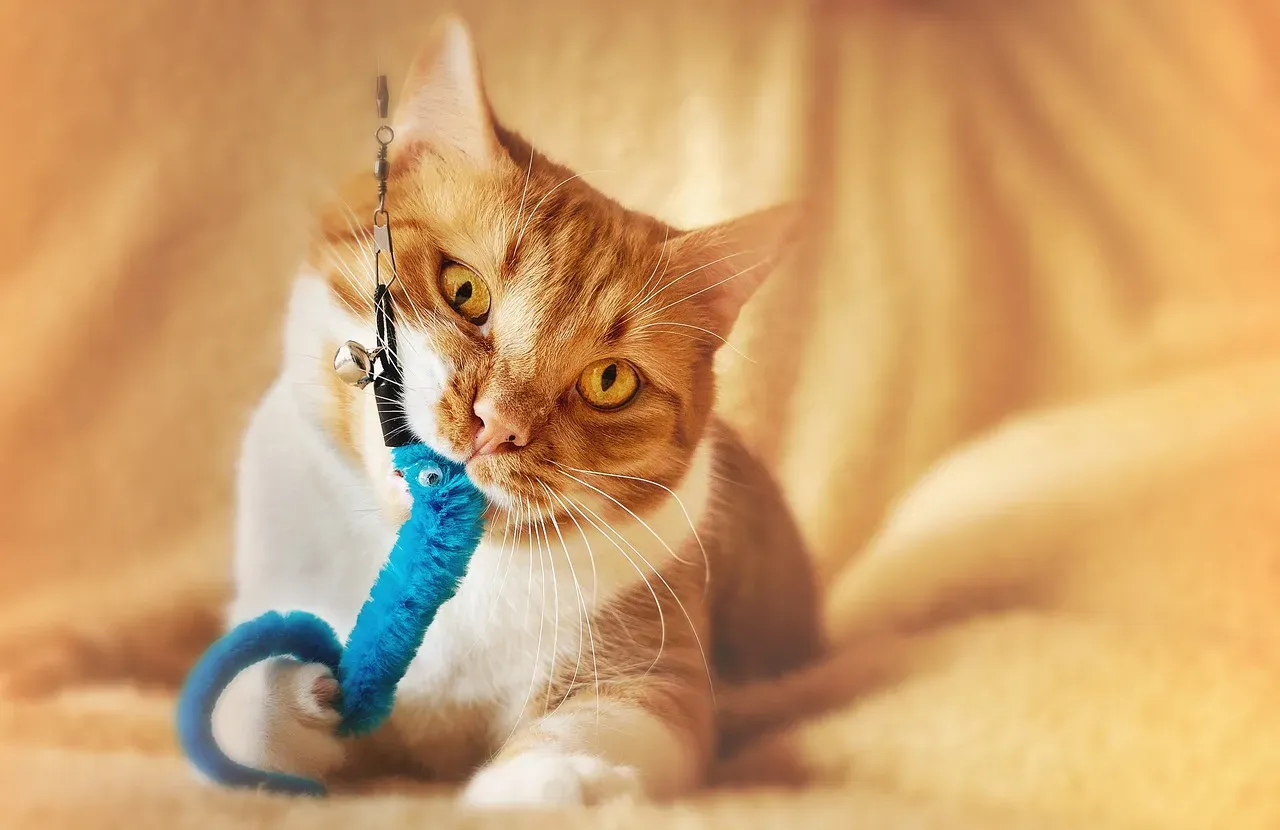
Cats have sensitive paws and mouths, so the texture and material of a toy can greatly influence their interest. Some cats may prefer soft, plush toys, while others might be drawn to toys with feathers, strings, or crinkly materials. A cat who consistently gravitates toward crinkly, noisy materials is telling you their auditory sense is sharply tuned. They’re detail-oriented and highly responsive to environmental cues.
Cats are natural hunters, and toys that mimic the movements and sounds of prey can be particularly enticing. Toys that dart, bounce, or make rustling noises can capture a cat’s attention and keep them engaged. Meanwhile, your cat may have a texture preference and might prefer a soft toy they can sink their teeth into over a hard plastic toy. Sound also plays a part in whether your cat will enjoy or ignore the toy. Paying attention to these sensory preferences gives you a remarkably precise map of what excites and grounds your specific cat.
Play Frequency Tells You About Emotional Wellbeing

Cat playfulness may be reflective of how a cat is feeling physically or emotionally, with sick, injured or stressed cats being less likely to exhibit playfulness. This is worth reading twice. If your once-playful cat has gone quiet, stopped engaging with their favorite toys, or seems indifferent to things that used to excite them, it’s not them being moody. It’s a signal.
The higher the number of games a cat regularly engaged in was significantly correlated with higher quality of life scores. This may indicate that it is the quality or variety of play available, and not simply the quantity, that may be associated with positive welfare outcomes for cats. So it’s not about forcing a two-hour play marathon each day. It’s about variety. A cat who gets to experience five different types of engagement is far better off than one who has one toy thrown at them daily like a routine obligation.
Shy Cats Versus Bold Cats: What Toy Choice Signals About Personality
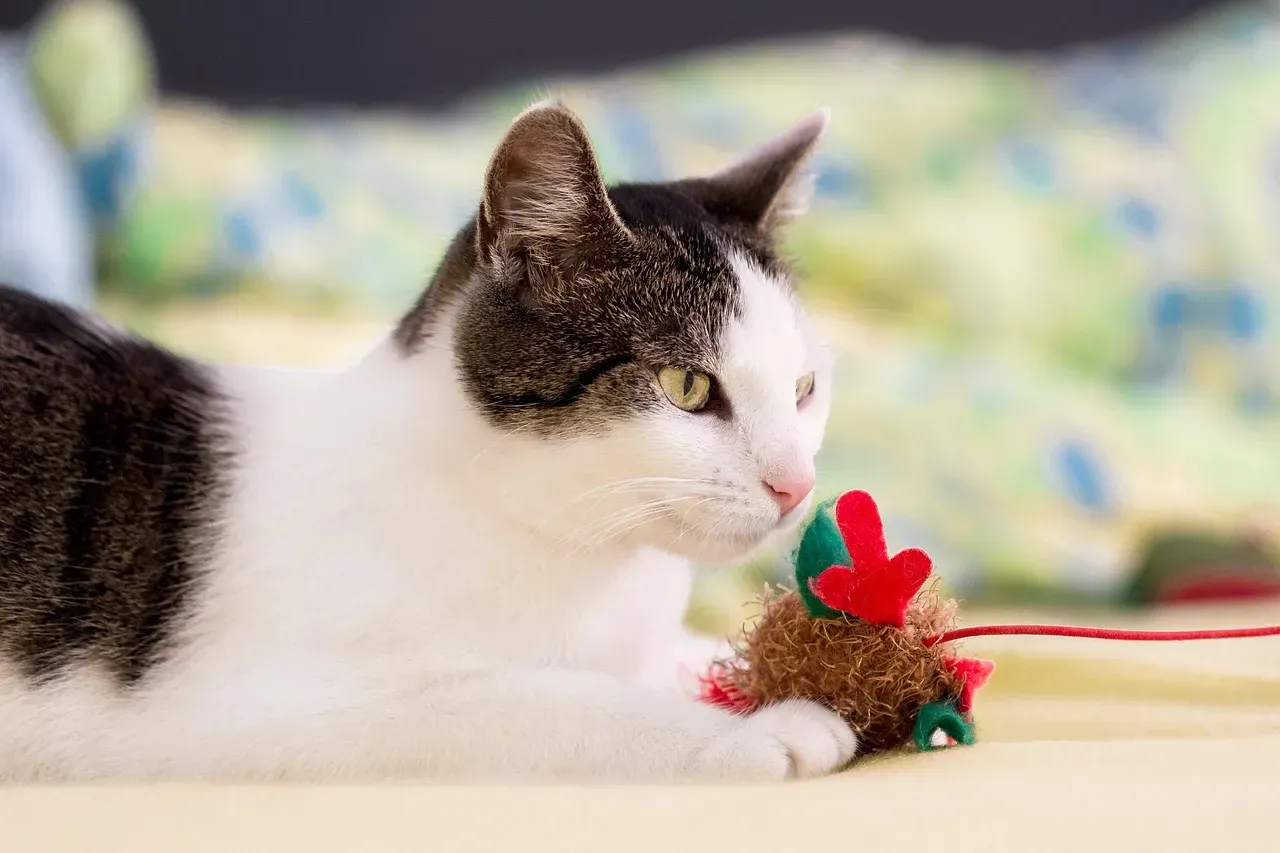
Just like humans have different preferences for entertainment, cats have distinct personalities that affect their toy preferences. Some cats are bold hunters who prefer challenging, fast-moving targets, while others are more cautious and prefer predictable, gentle play experiences. Shy cats might be overwhelmed by toys that confident cats find thrilling. Understanding your individual cat’s personality is crucial for selecting toys that bring joy rather than stress.
There’s a sweet spot in toy sizing that taps directly into feline psychology. Too big, and the toy becomes intimidating rather than exciting. Too small, and it doesn’t register as worthy prey, failing to trigger that crucial predator response. The perfect toy size mimics a mouse, small bird, or large insect. This size triggers confidence rather than anxiety, allowing cats to engage their hunting instincts without feeling overwhelmed or underwhelmed. A timid cat choosing small, slow-moving toys is essentially showing you the edges of their comfort zone.
Conclusion: Your Cat Has Been Telling You Who They Are All Along
The toys your cat reaches for, ignores, obsesses over, or carries around like treasured possessions are not random. They form a living map of that animal’s instincts, emotional needs, personality, and current sense of safety in the world. A cat’s attachment to a particular toy can be attributed to a combination of their individual preferences, their unique personalities, and positive associations formed with that toy. Cats may associate their favourite toy with play, comfort, or even previous positive interactions with their owners.
Observing a pet’s behavior during play can provide valuable insights into their mental state and preferences, enabling owners to tailor their approach for maximum benefit. The next time your cat goes wild for a feather wand, you’ll know they’re running a deeply ancient hunting algorithm. And the next time they carry their soft mouse to bed, you’ll understand they’re seeking something that feels safe and familiar. Play is their language. The toys are the words. All you have to do is listen.
What does your cat’s favorite toy say about them? Tell us in the comments – you might be more surprised by the answer than you expect.
Kristina is a young writer from India. An arts graduate and an avid content creator, Kristina is passionate about animals and wildlife. She enjoys exploring topics related to pet care, animal behavior, conservation, and nature, combining thorough research with engaging storytelling.