You’ve probably noticed it at some point. You’re in the middle of something and your cat strolls over, delivers a very specific kind of look, and within seconds you’ve abandoned whatever you were doing to fill the food bowl. It doesn’t feel like coincidence. That’s because it isn’t.
Researchers have spent years studying the dynamics between cats and their owners, and the findings are genuinely surprising. Owners often lament that their cats seem to own them rather than the other way around, and scientific studies have confirmed that cats can indeed manipulate and control humans in small and subtle ways. What’s even more interesting is how deliberately some of these behaviors appear to be.
The Ancient Partnership That Started It All
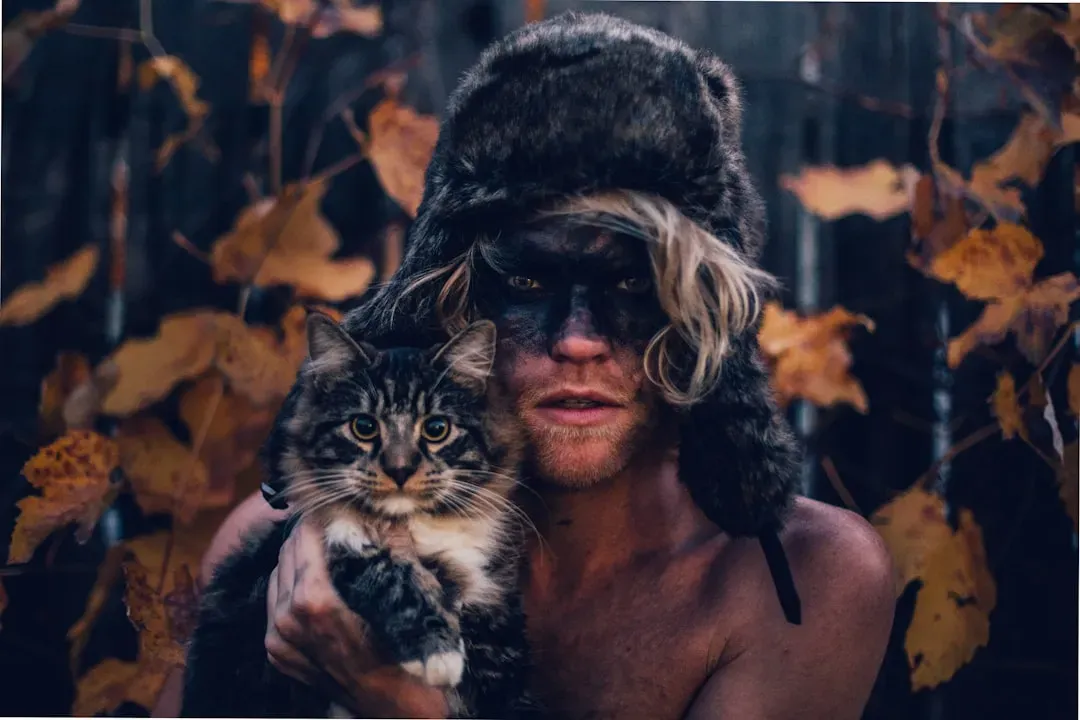
DNA analysis suggests that cats lived for thousands of years alongside humans before they were fully domesticated. The arrangement wasn’t forced. Cats likely started hanging around farming communities in the Fertile Crescent about 8,000 years ago, where they settled into a mutually beneficial relationship as humans’ rodent patrol.
Whereas humans domesticated dogs through artificial selection by breeding for desirable traits, domestic cats evolved through natural selection, as friendlier and more docile cats thrived in close contact with humans. In other words, your cat’s ancestors chose you. Unlike dogs, who were molded to fit human needs, cats retained their independence and chose coexistence on their own terms. That streak of self-determination hasn’t gone anywhere.
The Solicitation Purr: A Trick Hidden in Plain Sound
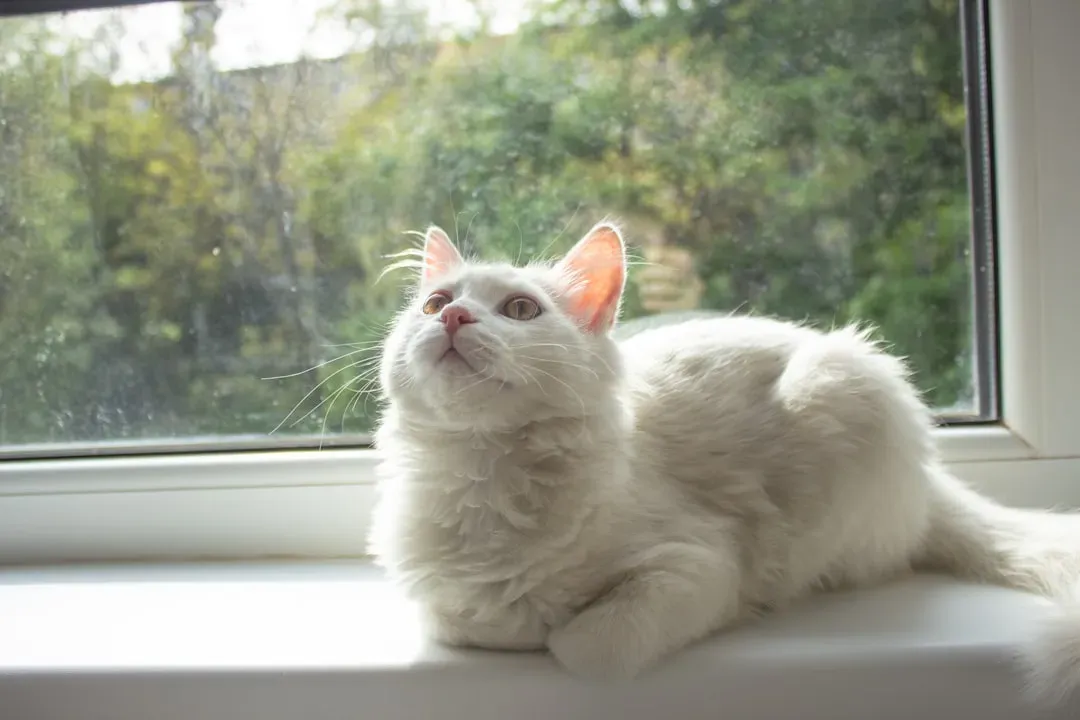
Domestic cats make subtle use of one of their most characteristic vocalizations, purring, to solicit food from their human hosts, apparently exploiting sensory biases that humans have for providing care. The mechanism behind this is surprisingly precise. On the surface, the “solicitation purrs” are based on the same low-pitched sounds that contented cats make, but embedded within them is a high-pitched signal that sounds like a cry or a meow.
Cat owners find this “solicitation” purr irresistible because a high-frequency element embedded within it, similar to a cry or meow, subtly triggers a sense of urgency. There’s a reason it works on nearly everyone. The frequency is actually very similar to that of a crying infant, so small wonder that it tugs on the human heartstrings. Your cat isn’t mimicking a baby on purpose, but the effect on your brain is much the same.
How Your Cat Learns What Works on You Specifically
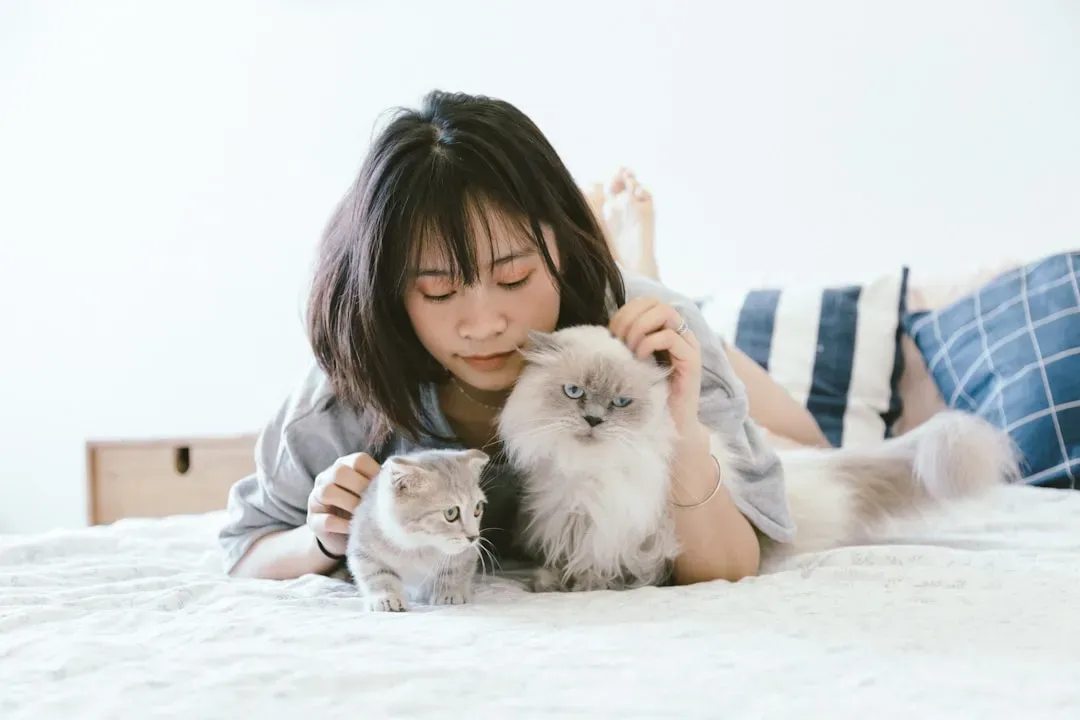
Cats learn to dramatically exaggerate the cry within their purr when it proves effective in generating a response from humans. This isn’t a pre-wired behavior so much as a learned skill. If purring in a certain way results in cats getting the food or attention they want, they are going to do it again. If a person’s reaction to hearing a certain sound a cat makes is to feed them, the cat’s behavior is being positively reinforced and will be more likely to happen again.
Not all cats use this form of purring at all. It seems to most often develop in cats that have a one-on-one relationship with their owners rather than those living in large households, where their purrs might be overlooked. So the closer the bond you have with your cat, the more finely tuned their manipulation toolkit becomes. There’s something almost flattering about that, if you think about it.
The Meow That Was Designed for Human Ears
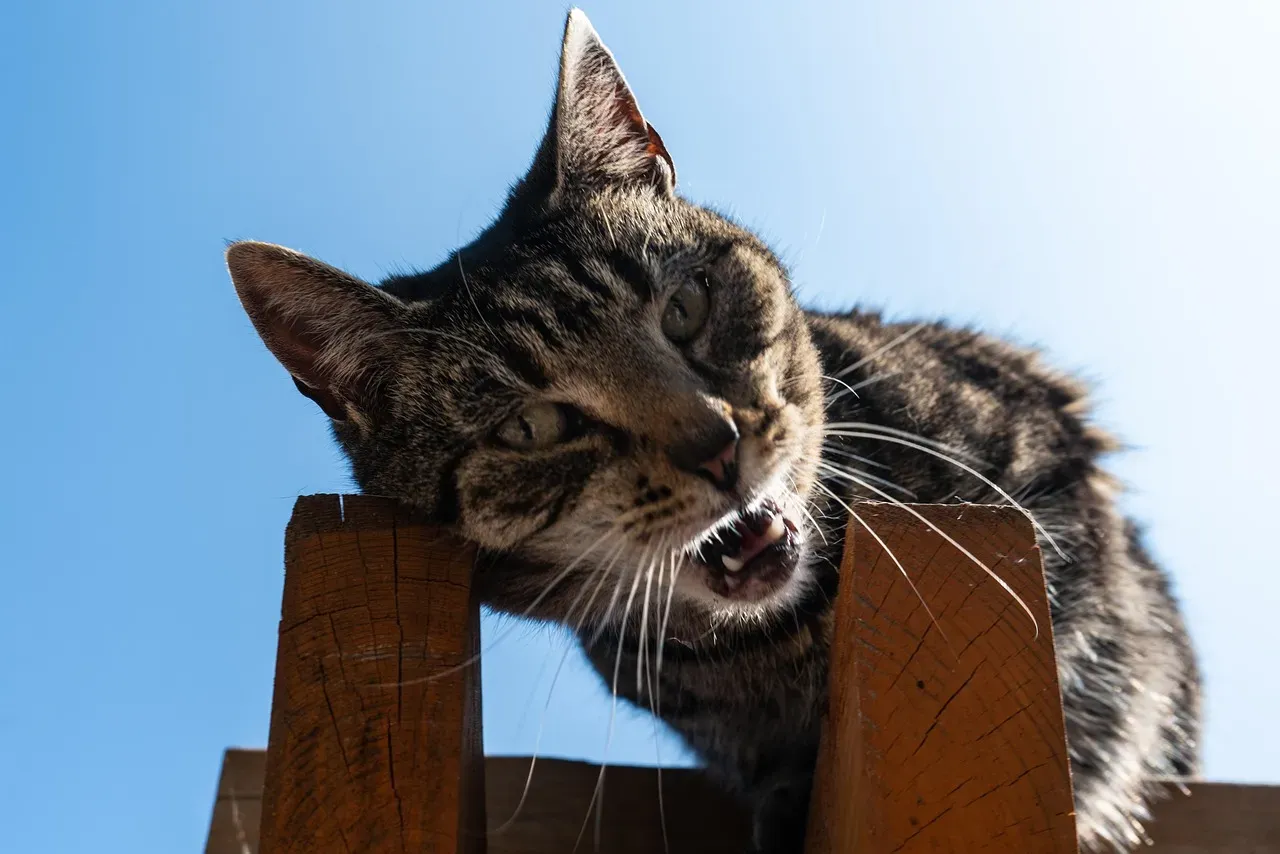
A study from Nature found that cats developed unique vocalizations to communicate with humans, while wild cats rarely meow at each other. That fact alone is worth sitting with. Your cat’s meow isn’t a noise it uses with other cats. It’s directed squarely at you. One particular study in the Journal of Comparative Psychology revealed that the most urgent meows were much longer and vocalized at lower frequencies, while pleasant meows were shorter, with power spread across both high and low frequencies.
Domestic cats don’t understand the significance of their own meows in any abstract sense. What they do know, nevertheless, is which meows elicit the wanted human behaviors. It’s a form of trial-and-error refinement that happens over time, shaped entirely by how you respond. Research shows that cats modify their vocalizations based on their owners’ responses, meaning they effectively “train” humans to respond in specific ways.
The Power of the Slow Blink
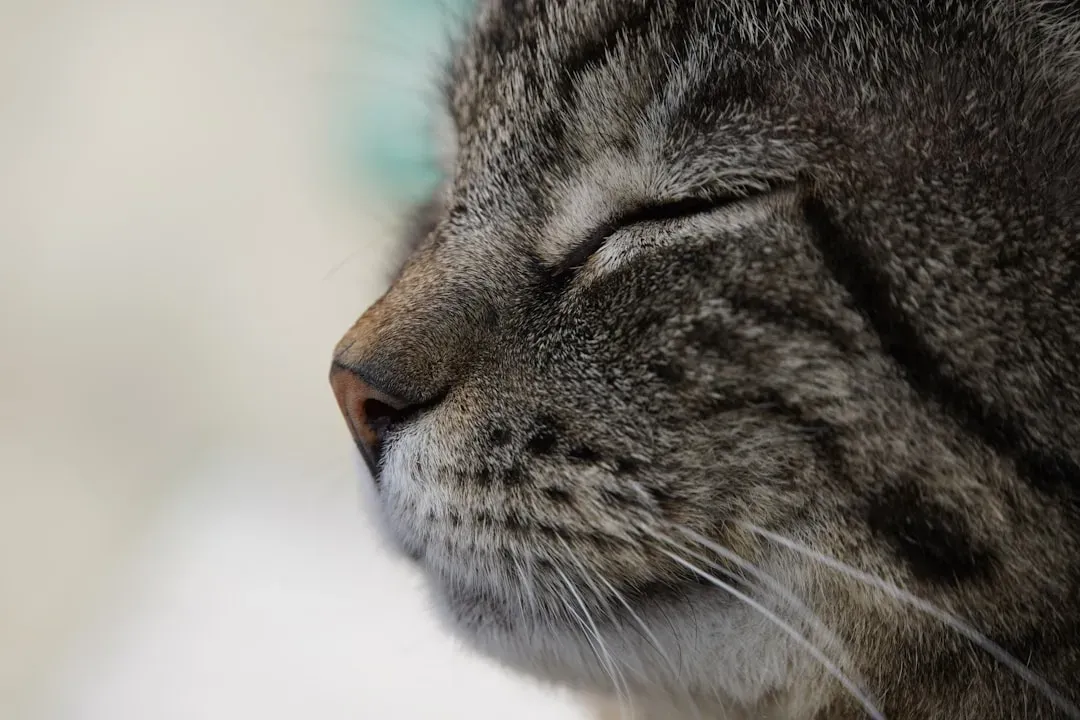
Research suggests that slow blink sequences may function as a form of positive emotional communication between cats and humans. It’s one of the more elegant tools in the feline communication kit. When a cat slow blinks at you, they are often expressing a sense of trust, contentment, and affection. In the feline world, closing their eyes in the presence of another creature makes them vulnerable, as they are unable to detect potential threats.
The results of research showed that cats are more likely to slow-blink at their humans after their humans have slow-blinked at them, compared to the no-interaction condition. The behavior isn’t just passive. It could be argued that cats developed the slow blink behaviors because humans perceived slow blinking as positive, and cats may have learned that humans reward them for responding to slow blinking. Whether it’s affection, strategy, or both, it clearly works.
Social Referencing: Watching You to Read the Room
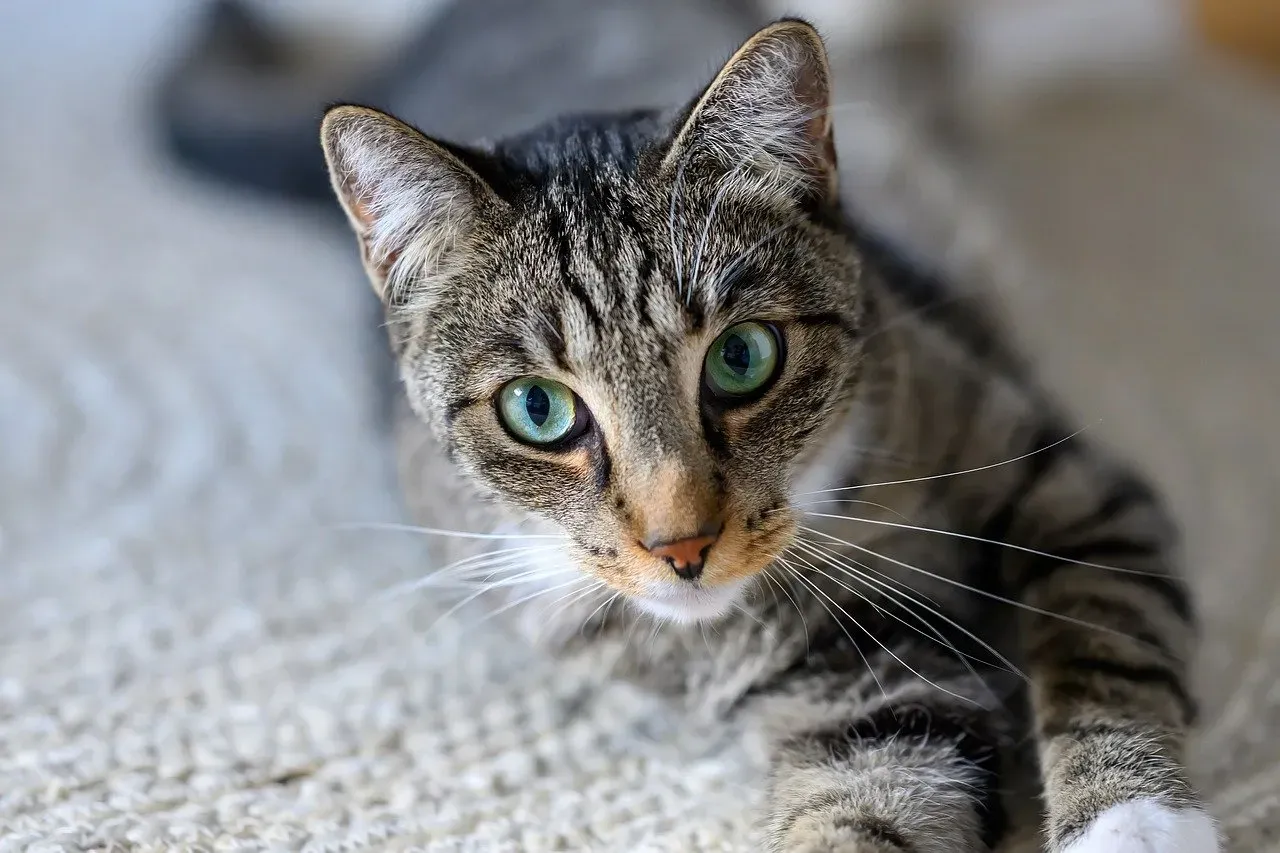
Cats observe human behavior using a process called social referencing. This is something that children learn to do and continue into adulthood. It’s when you’re in an unfamiliar situation and look to the people around you to learn how to react. Your cat does this regularly, and the implications are worth noting.
Felines have evolved around humans, permitting them to observe human actions. They use these observations to develop habits that can get them the results they want. This isn’t random behavior. It’s attentive, adaptive, and shaped by thousands of years of close living with people. Cats, merely by their presence and of course their behavior, can affect human moods, and human mood differences have been shown to affect the behavior of the cats in turn. The influence runs both ways.
How Gender Affects Your Cat’s Tactics
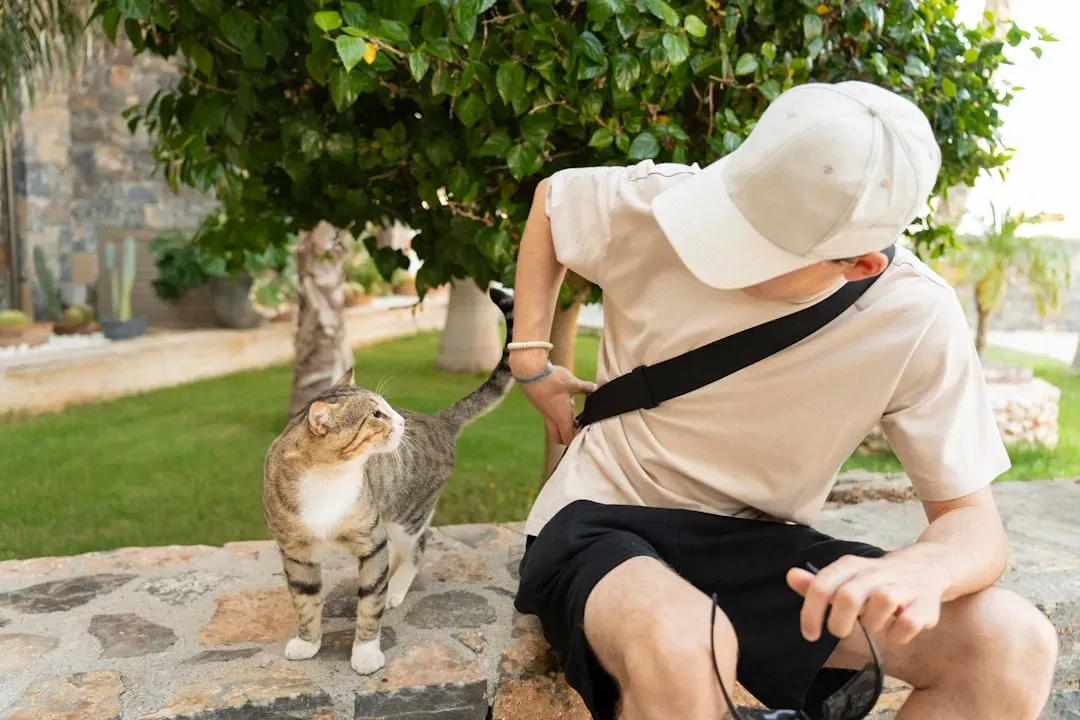
While cats tend to manipulate their male owners more than their female owners, it seems to be less about preference and has more to do with communication. The distinction is measurable. Male cat owners produced an average of roughly four vocalizations during the first 100 seconds of entering a room, compared to fewer than two for female owners.
It is therefore possible that male caregivers require more explicit vocalizations to notice and respond to the needs of their cats, which in turn reinforces cats’ tendency to use more directed and frequent vocal behavior to attract their attention. In other words, if you’re less perceptive of your cat’s cues, your cat simply turns up the volume. More mood subscales in women than in men are affected by the cat, and they are more strongly affected. The relationship genuinely differs depending on the person.
Head Rubbing, Kneading, and Other Strategic Affections
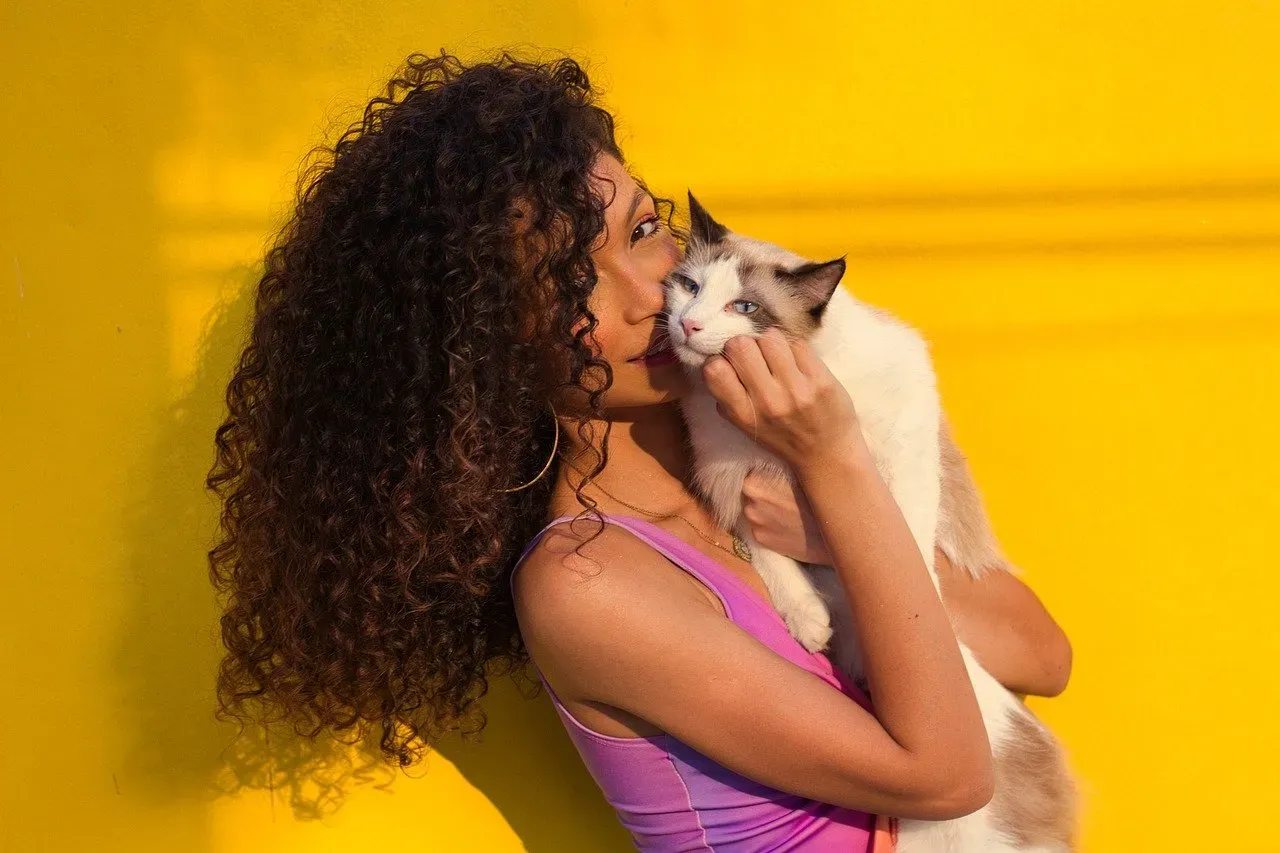
Head boops are a sign of affection, but also a way for cats to mark you as “theirs.” These physical gestures aren’t purely spontaneous. They’re layered signals. Studies show that cats can form strong attachments to their owners, similar to the bonds dogs exhibit with their human counterparts. They can recognize their owners’ voices and show a preference for their company. This attachment can manifest in behaviors such as following humans around, seeking out affection, or exhibiting signs of distress when separated from their owners for extended periods.
Research published in the journal Behavioral Processes found that cats’ and humans’ bonds may be similar to humans’ bonds with other people. Among the findings was evidence of cats following their human’s wishes, but only after the human fulfilled the cat’s wants first. The relationship, when examined carefully, looks more like a negotiation than simple companionship. Cats tend to wait for humans to initiate interaction, and in some cases won’t reciprocate at all. They set the terms.
Is This Really Manipulation, or Just Communication?
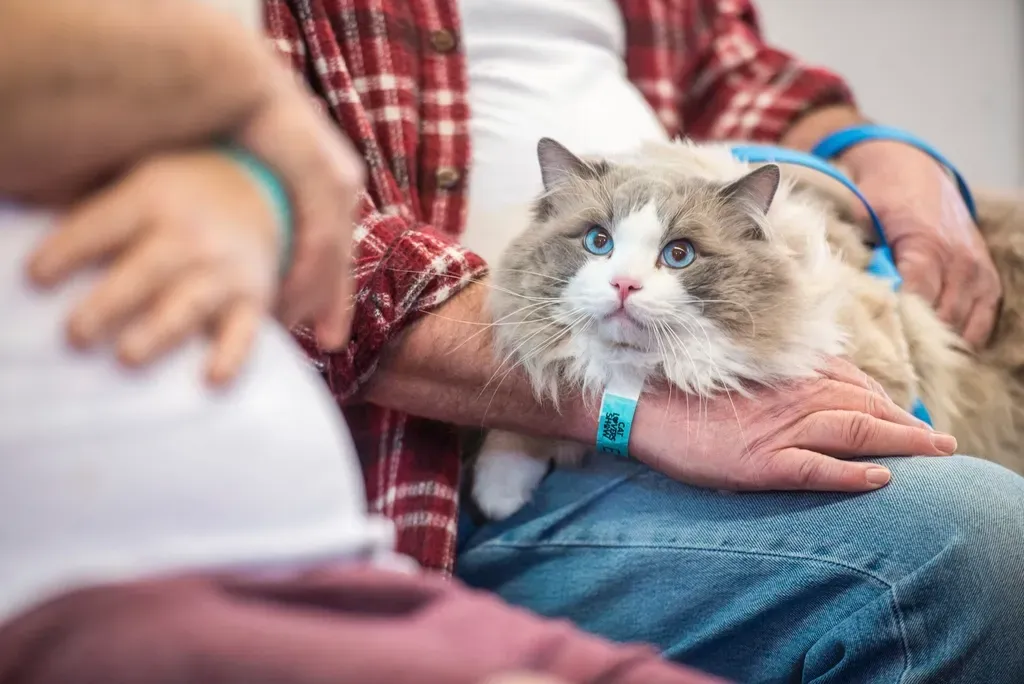
The word “manipulate” carries very negative undertones. When it comes to cats, it does not necessarily indicate evil or malevolence. Researchers believe that these manipulative behaviors are simply a way cats engage with human beings. The framing matters here. Cats are exploiting human caregiving tendencies, and it’s working out well for them. But it’s working out fine for the humans too: we love our cats, we want to take care of them, and solicitation purrs are easy for us to understand.
Any communication across species that helps us understand our cats and figure out what they want is a biological marvel. Clear communication allows us to respond to our cats appropriately, which improves their quality of life. So while “master manipulator” makes for a good headline, the reality is more nuanced. These manipulative behaviors are deeply ingrained in how felines develop connections with people and how people connect with them. It’s a partnership, and both sides benefit.
Conclusion
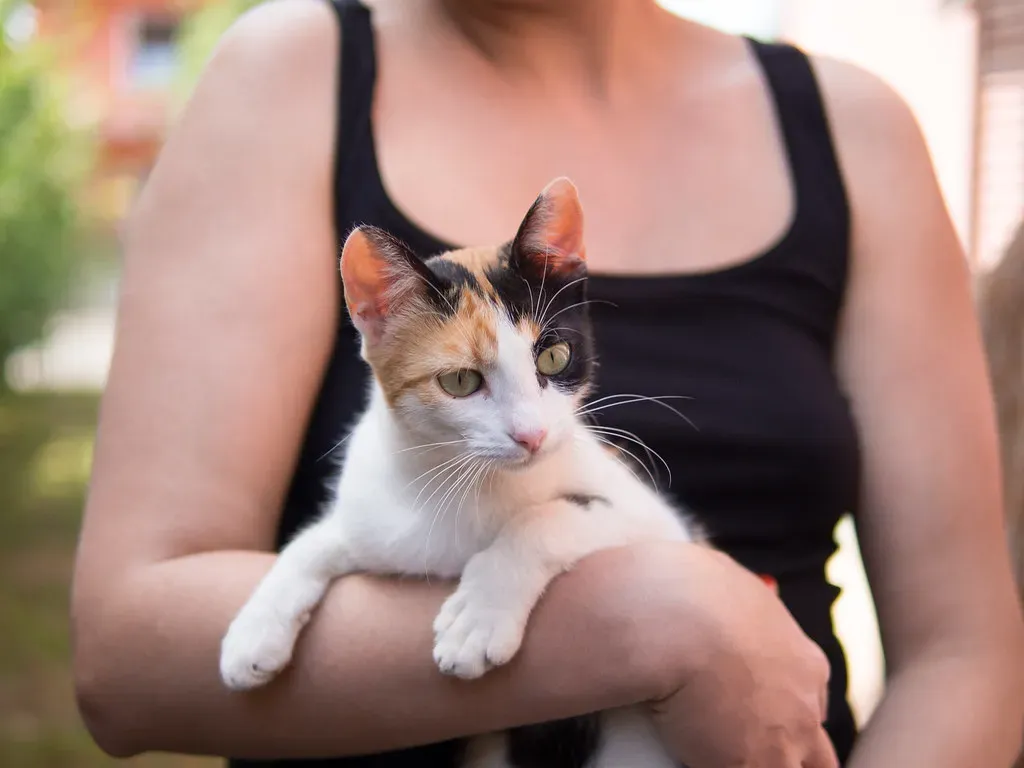
Your cat isn’t plotting against you. The behaviors that look like manipulation are, at their core, a finely calibrated communication system that has been refined over thousands of years of shared life with humans. The solicitation purr, the slow blink, the strategic meow at precisely 5 a.m., all of it has a purpose rooted in survival, bonding, and the quiet negotiation that defines the human-cat relationship.
What makes cats genuinely fascinating isn’t just that these behaviors exist, but that they are largely learned and adjusted over the course of each individual relationship. Your cat studies you. It knows which sounds work on you, which expressions soften you, and exactly when to deploy them. Whether that counts as manipulation or simply very effective communication may depend entirely on how much you’ve already given in this morning. Either way, the science is clear: your cat has figured you out far more thoroughly than you’ve figured out your cat.
Kristina is a young writer from India. An arts graduate and an avid content creator, Kristina is passionate about animals and wildlife. She enjoys exploring topics related to pet care, animal behavior, conservation, and nature, combining thorough research with engaging storytelling.