Columbus, Ohio – The Columbus Zoo and Aquarium marked a triumphant moment on March 10, 2026, with the arrival of a healthy male Masai giraffe calf in its Heart of Africa region. Born at 6:16 p.m. to 15-year-old mother Zuri and 6-year-old father Bobbie, the newborn stood and nursed shortly after delivery, signaling a strong start to life. This event underscores the zoo’s ongoing dedication to bolstering populations of an endangered species facing steep declines in the wild.
A Picture of Health from the Start
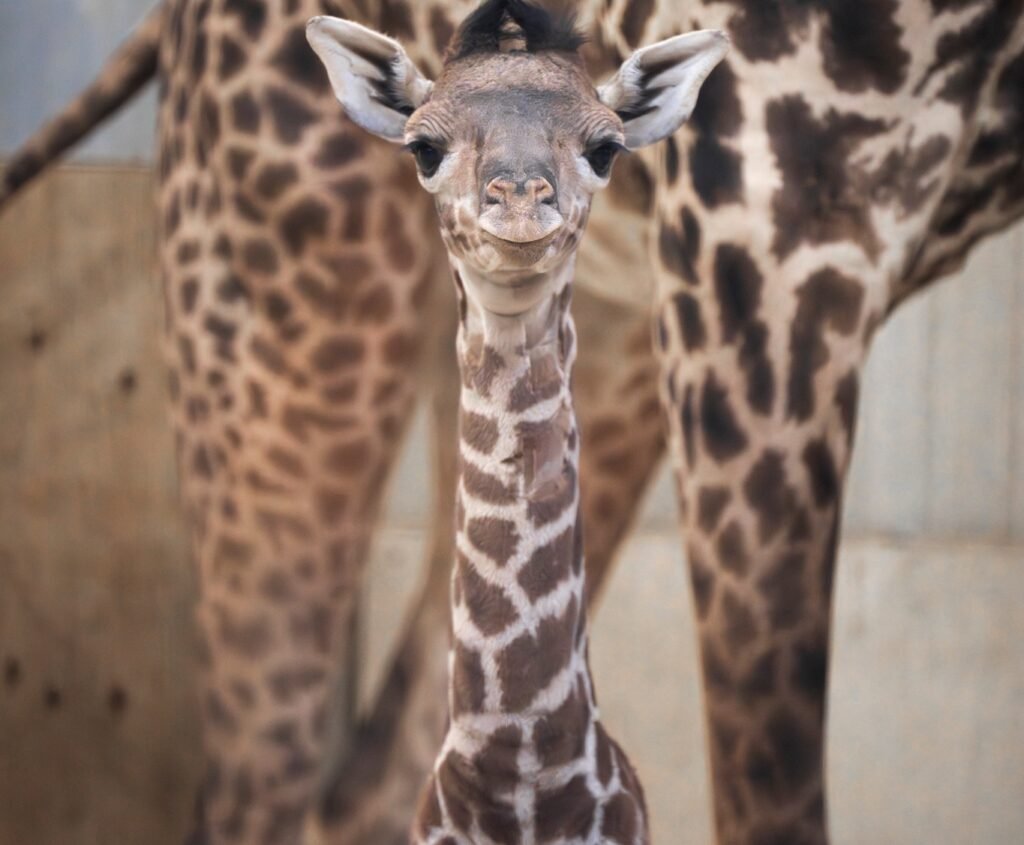
The calf’s birth followed a typical 15-month gestation period and proceeded smoothly under the watchful eyes of zoo staff. Veterinary teams conducted a wellness exam soon after, confirming the infant was robust and well-nourished. Zuri and her offspring now bond privately in the giraffe barn and a behind-the-scenes yard, away from public view.
Gradual introductions to the rest of the herd will follow as the calf gains strength. Zoo officials plan to share updates on his development, naming opportunities, and public debut in the coming weeks, coinciding with the full spring opening of the Heart of Africa exhibit. This careful approach ensures the young giraffe’s safety during these early, vulnerable days.
Experienced Mom and Proud First-Time Dad
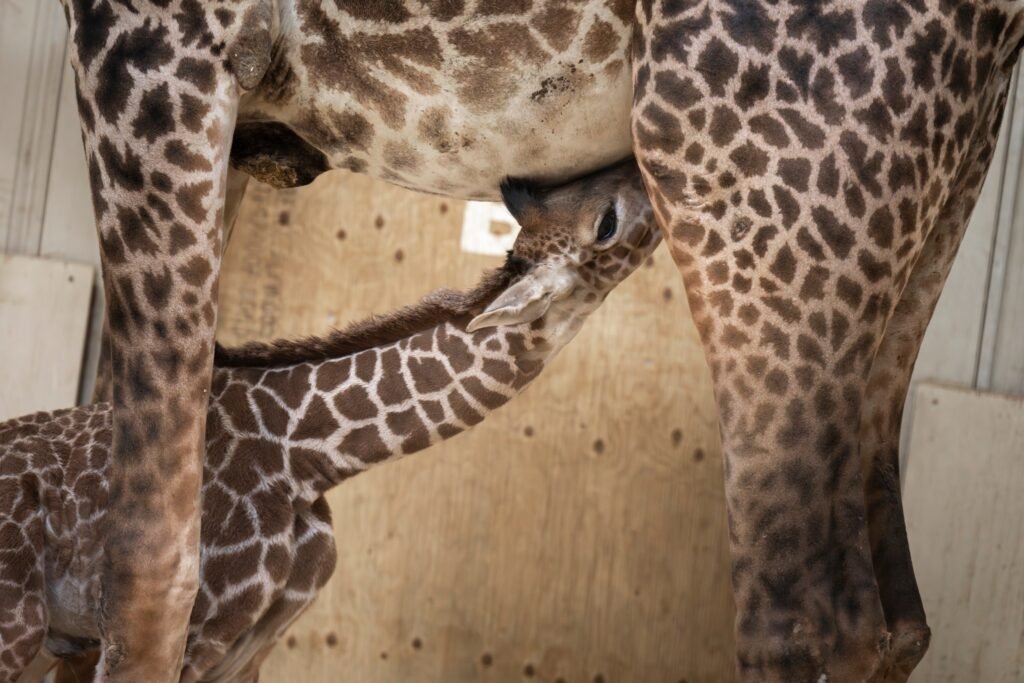
Zuri, who joined the Columbus Zoo in 2013 after transferring from The Wilds, has proven herself a devoted parent. This marks her third surviving calf; her previous sons, Ralph born in 2020 and Charlie in 2022, remain part of the zoo’s giraffe herd. Her nurturing instincts shone immediately as the newborn took his first steps.
Bobbie, transferred from the Houston Zoo in 2023, sired his first offspring with this birth. The pairing received a recommendation from the Association of Zoos and Aquariums’ Species Survival Plan, aimed at enhancing genetic diversity within the captive population. Together, they represent a vital link in sustaining the species’ future.
| Family Member | Age | Key Notes |
|---|---|---|
| Zuri (Mother) | 15 years | Third calf; sons Ralph (2020), Charlie (2022) |
| Bobbie (Father) | 6 years | First calf; arrived from Houston Zoo in 2023 |
| New Calf | Newborn | Male, healthy, unnamed |
The Urgent Plight of Masai Giraffes
Masai giraffes hold the IUCN Endangered status, with wild populations plummeting nearly 50 percent over the past three decades. Habitat loss, poaching, civil unrest, and environmental shifts have driven numbers down to roughly 43,000 individuals, concentrated in Kenya, Tanzania, and Rwanda’s Akagera National Park.
Every captive birth like this one contributes to a broader strategy against extinction. The Columbus Zoo has now welcomed 23 surviving giraffe calves over its history, each playing a role in breeding programs that support wild counterparts.
- Primary threats include expanding human settlements fragmenting habitats.
- Poaching for meat, hides, and tails used in traditional practices persists.
- Climate change alters vegetation patterns essential for their diet.
- Disease outbreaks and human-wildlife conflicts compound risks.
- Illegal trade in giraffe parts fuels further declines.
Columbus Zoo’s Frontline Role in Giraffe Preservation
Leaders at the institution hailed the birth as a reflection of their expertise. “Welcoming a giraffe calf reflects the care, expertise, and collaboration that guide our work every day,” stated Tom Schmid, President and CEO of the Columbus Zoo and The Wilds. “This birth is a testament to the dedication of our teams and our shared commitment to protecting Masai giraffes for the future.”
Since 2009, the zoo has raised over $400,000 for global giraffe conservation projects. Staff co-founded a giraffe plasma bank with Cheyenne Mountain Zoo, providing life-saving transfusions to bolster young giraffes’ immune systems. These initiatives extend beyond breeding to fieldwork aiding wild populations. For more details, visit the Columbus Zoo announcement.
Key Takeaways
- The calf’s birth advances AZA breeding goals for genetic diversity.
- Masai giraffe numbers hover at 43,000 amid ongoing threats.
- Columbus Zoo supports plasma banks and funds field conservation.
This latest arrival not only delights visitors but also reinforces the power of coordinated conservation to reverse a species’ fortunes. As the calf prepares for his public debut, he embodies hope for Masai giraffes everywhere. What do you think about this heartwarming development? Tell us in the comments.
Kristina is a young writer from India. An arts graduate and an avid content creator, Kristina is passionate about animals and wildlife. She enjoys exploring topics related to pet care, animal behavior, conservation, and nature, combining thorough research with engaging storytelling.