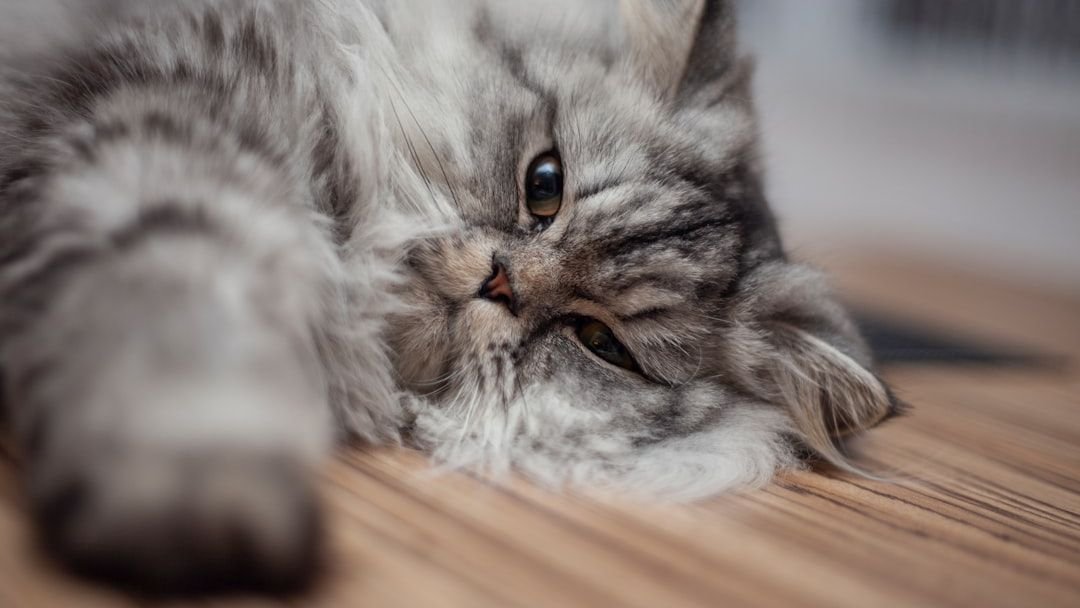
You love your cat. You feed them, buy them toys, keep their bed cozy, and honestly, you’d probably cancel plans just to stay home and hang out with them. So it might sting a little to hear this – but there’s a good chance you’re accidentally making your cat’s life more stressful than it needs to be.
Cats can be mysterious creatures, and it’s often hard to know when something in their environment is making them uncomfortable. If you’ve ever wondered whether you might be doing something that contributes to your cat’s stress, you’re not alone. Cats are sensitive beings, and even small changes can have a big impact on their well-being. The tricky part? Your cat isn’t going to tap you on the shoulder and explain what’s wrong. Let’s dive in and figure out what might be bothering your furry companion before things get worse.
The Hidden World of Feline Stress: More Common Than You Think
Here’s a surprising truth most cat owners don’t fully appreciate: your cat’s stress is far more common and far more complex than the occasional hiss at the vacuum cleaner. Stress in cats is more common than many people realize, and evidence suggests that changes in routines, environment, or the presence of new pets can quickly make them anxious or distressed. Stress in cats can manifest through various behaviors like hiding, overeating, or even refusing to use the litter box.
When a cat is threatened by something unpleasant or potentially dangerous in their environment, this naturally triggers a flood of the stress hormone cortisol as part of their short-term stress response, known as the fight-or-flight response. Think of it like a car alarm that keeps going off for no apparent reason. Eventually, the neighborhood stops noticing, but the alarm is still screaming. Over time, if left untreated, chronic stress could lead to health issues like urinary tract problems, weight loss, and infections.
You Might Be Loving Them a Little Too Hard
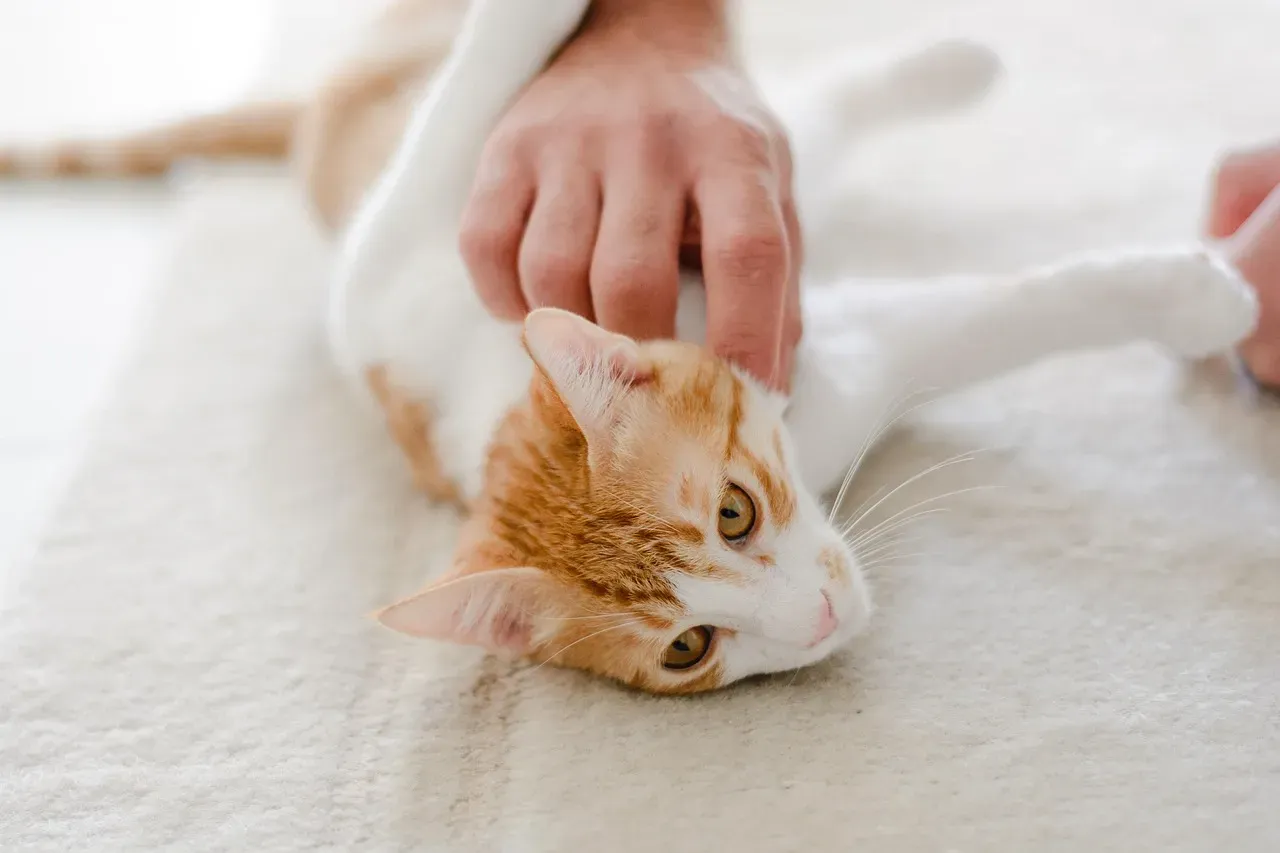
Pet parents are often an unexpected source of stress for cats. This may be because you’re being overly affectionate. Often, pet parents want to nuzzle their cats or squeeze them close when their cats would be content with the occasional ear scratch. Honestly, I get it. That fluffy belly is basically irresistible. Still, what feels like love to you might register as overwhelming pressure to your cat.
Showering your cat with constant affection can make them feel overwhelmed, especially if they prefer limited physical contact. Overstimulating cats with forced affection can also lead to overstimulation aggression, a common response in cats that are overwhelmed. The fix? Let your cat come to you. Learn to read your cat’s body language and respect their space if they seem anxious. There are plenty of ways to show affection, like playtime and treats, without smothering them.
Loud Noises and Sudden Movements Are a Bigger Deal Than You Realize
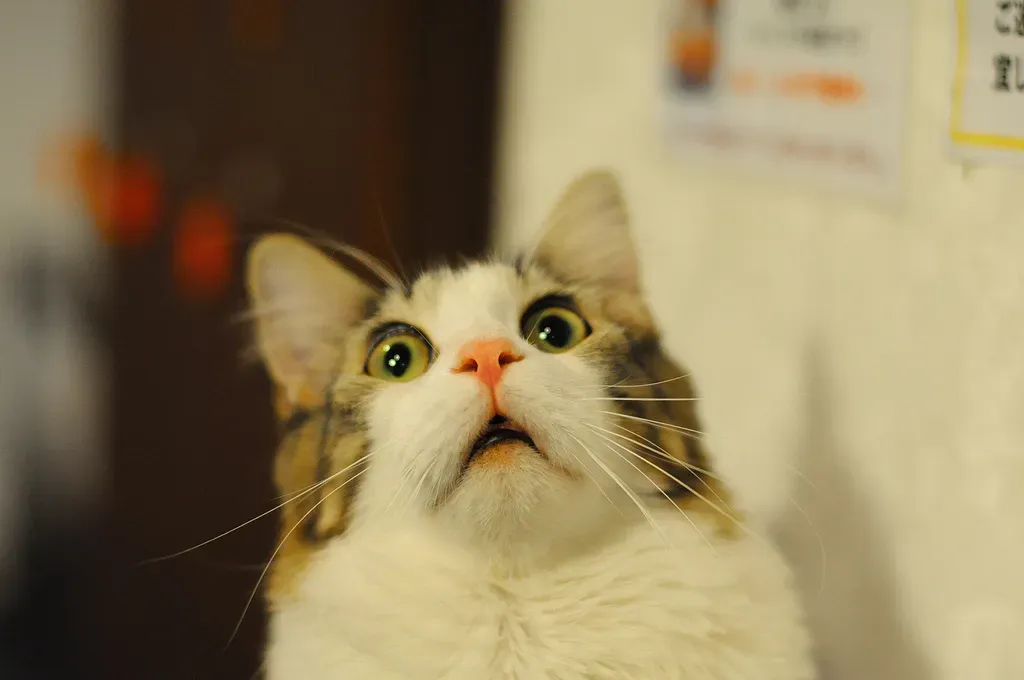
Cats are highly sensitive to noises and sudden movements, which can easily startle them. Loud sounds, such as slamming doors, vacuum cleaners, or fireworks, can trigger their fight-or-flight response, causing anxiety or even leading to hiding for hours. Dropping items, sudden shouting, or even unexpected laughter can leave your cat feeling unsafe.
Cats have highly sensitive hearing and can be easily startled by loud noises or sudden movements. Thunderstorms, fireworks, and even household appliances can cause significant stress. Imagine living in a world where ordinary sounds hit you like a thunderclap. That’s basically your cat’s daily reality. To keep your cat comfortable, try to minimize loud disruptions and provide a calm, stable environment where they can feel secure.
Your Scented Candles and Cleaning Products Could Be Torture
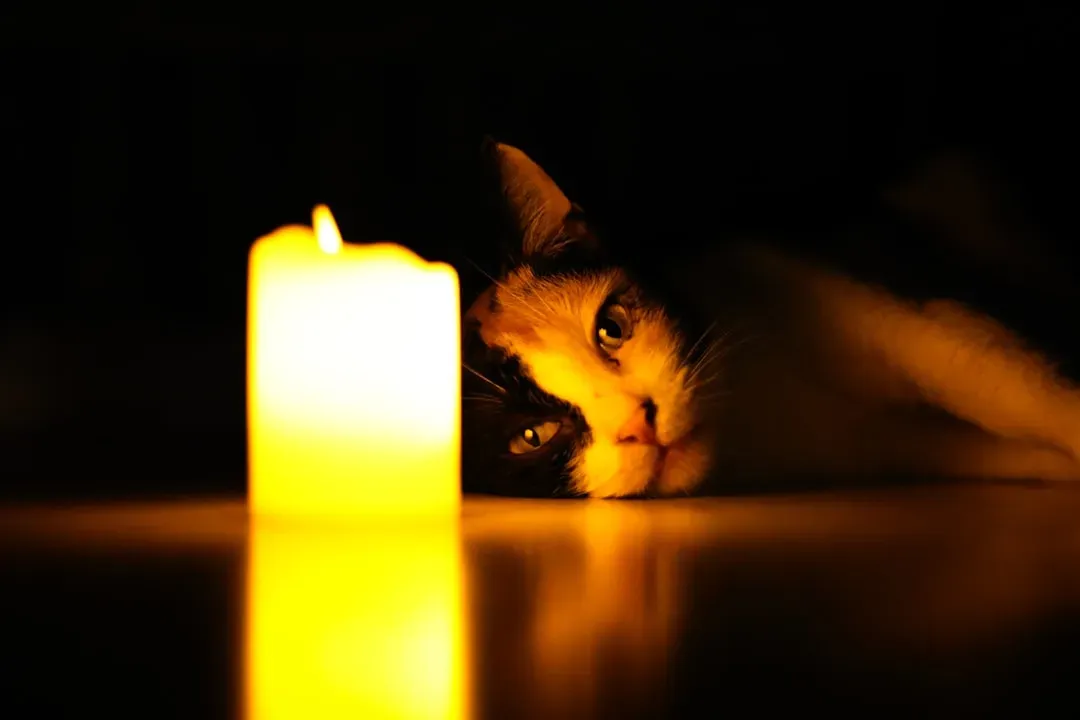
The smell of your favorite scented candle, lemon-scented cleaner, and even freshly laundered clothes might make you feel relaxed, but your cat might not feel the same way. Because cats have such a powerful sense of smell, an offensive odor that they cannot escape can become an unexpected trigger. It’s a bit like someone burning rubber tires next to your head while you’re trying to relax. Not exactly calming.
Cats have an incredible sense of smell which is much more powerful than ours. Significant changes to the smell of their home can be a real concern to cats, even though it may not be obvious to us. Avoiding citrus scents, which seem to stress out cats in particular, considering non-scented detergent, or keeping a well-ventilated home with fans or cracked windows when you’re cleaning can make a real difference. Simple swaps, but genuinely life-changing for your cat.
Disrupting Their Routine Is Basically Pulling the Rug Out From Under Them
Even small adjustments, such as changing your cat’s daily feeding time or play schedule, can trigger cat anxiety. Sometimes, something as simple as rearranging the furniture can upset your cat. Think of your cat’s routine as a carefully balanced stack of plates. You shift one, and the whole thing wobbles. Cats don’t adapt the way dogs or humans tend to.
Cats can be very sensitive to any changes in their owner’s routines, for example if you start getting up earlier in the mornings or spending more time away from home. Unpredictability can be quite stressful for cats, so if your routines change, try to keep your interactions with your cat as consistent and predictable as possible. Predictability and routine play a significant role in reducing stress in cats, and cats thrive on consistency. Maintaining a steady schedule for feeding, playtime, and interactions helps them feel secure.
The Litter Box Situation Might Be a Silent Stressor
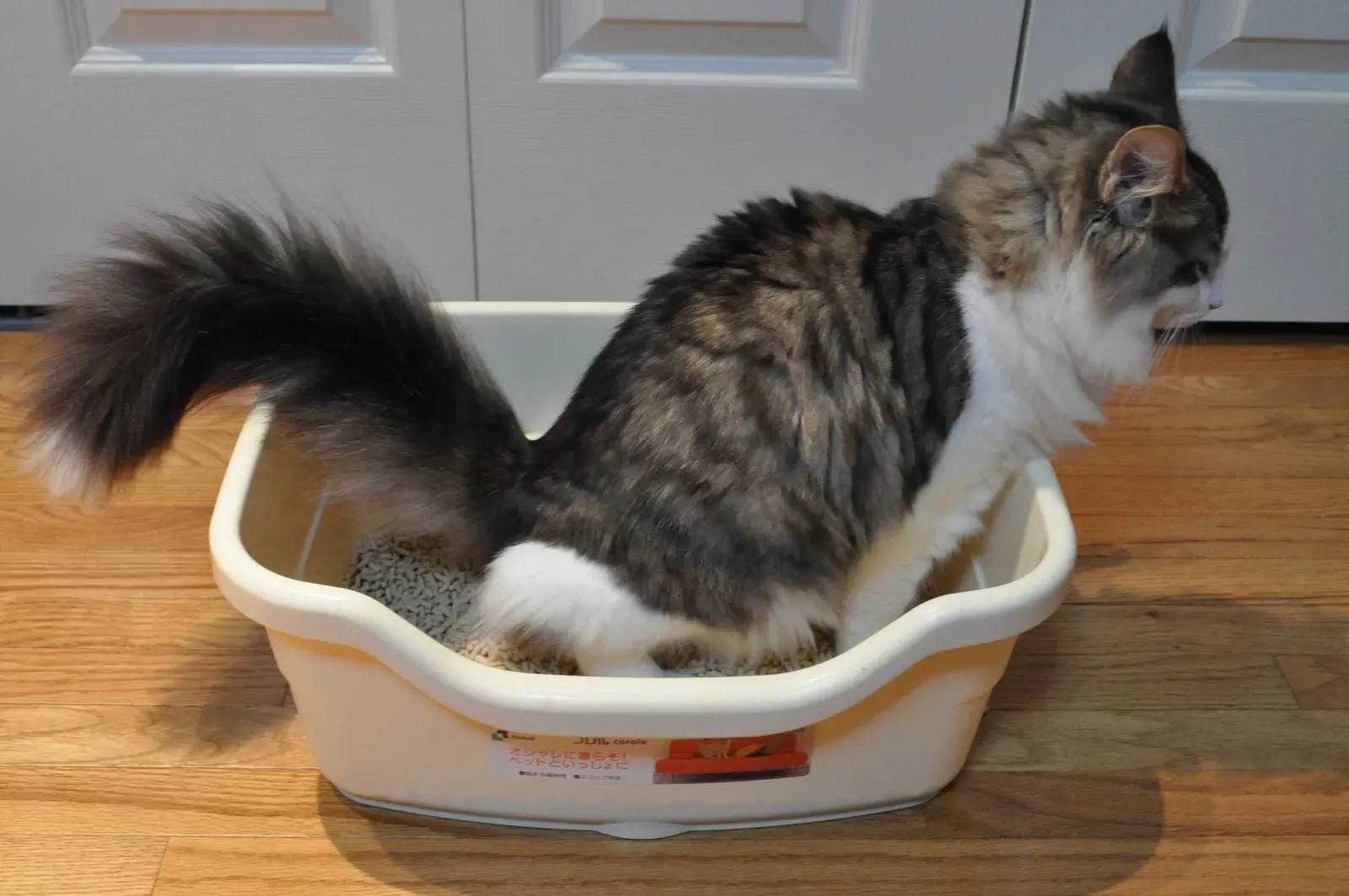
Cats are fastidious creatures and are very particular about their litter box. Failing to clean it regularly or moving it to a different location without any preparation can lead to stress and even litter box avoidance. They need a clean, accessible, and quiet spot to do their business, without frequent interruptions. Changing the type of litter abruptly or placing the box in a noisy area can also make them uncomfortable.
Sharing facilities is stressful for many cats, and some cats prefer one box for solids and another for liquids. It’s generally recommended to offer one litter box per cat plus one extra, placed in different rooms to ensure everyone has easy access. Litter boxes should be scooped at least one to two times a day. Some cats will avoid their litter box altogether if it’s uncomfortably close to where they eat. Little logistics matter enormously here.
Introducing New Pets or People Without Preparation Is a Recipe for Anxiety
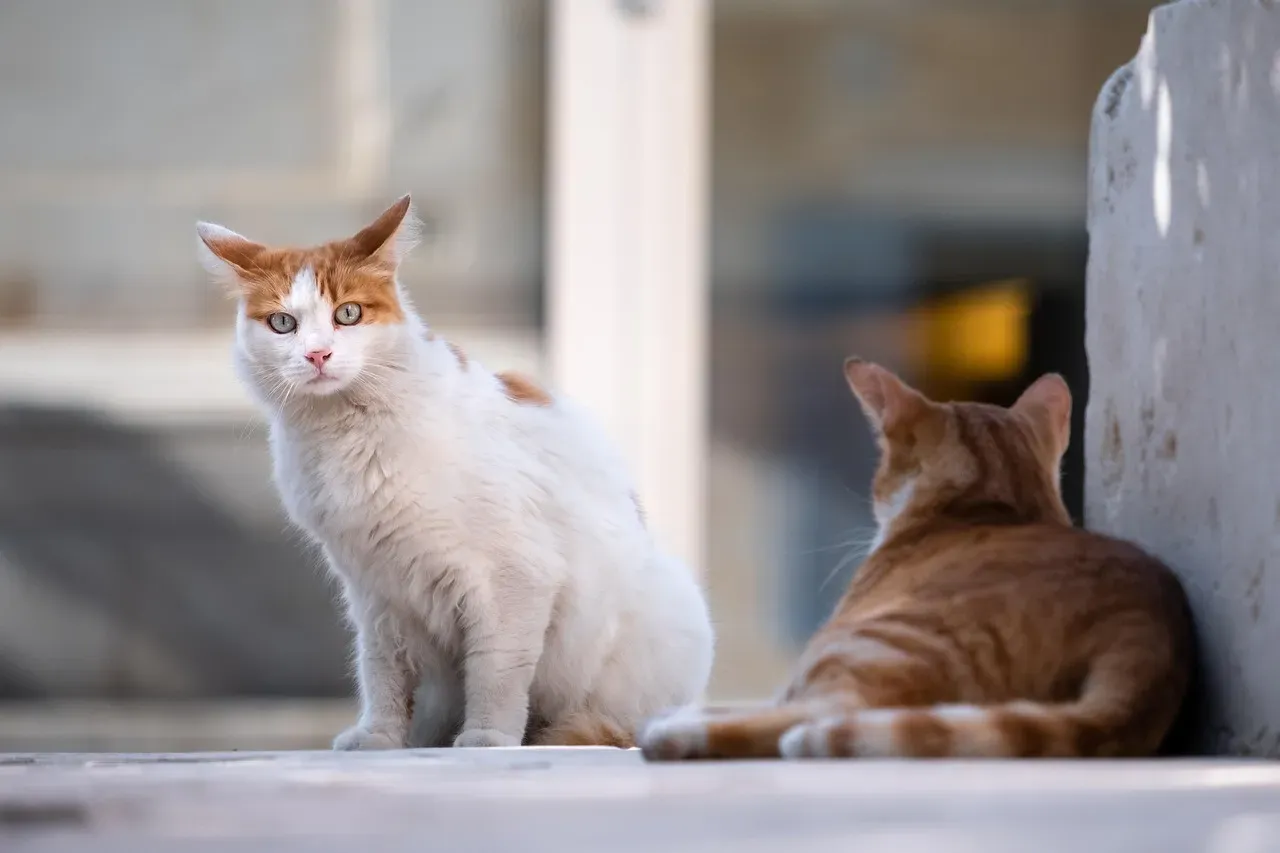
Bringing a new pet or person into the household can be a major stressor for cats. They might feel threatened or unsure about the new addition. Gradual introductions and providing a safe space for your cat can help ease this transition. Let’s be real: you wouldn’t enjoy a stranger suddenly moving into your home without warning either. Your cat feels that sense of intrusion on a deeply territorial level.
A large proportion of a cat’s stress comes from interactions with other cats. If your cat is sharing key resources like litter trays, food and water bowls, scratching posts, beds, and toys with cats they don’t get on with, this can cause them a great deal of stress, because they will compete with other cats for access to these resources, which may cause conflict. Try slowly acclimating new cats or other pets to your cat by keeping them in separate rooms and allowing them to smell each other before meeting.
Punishing Your Cat for Bad Behavior Backfires Badly
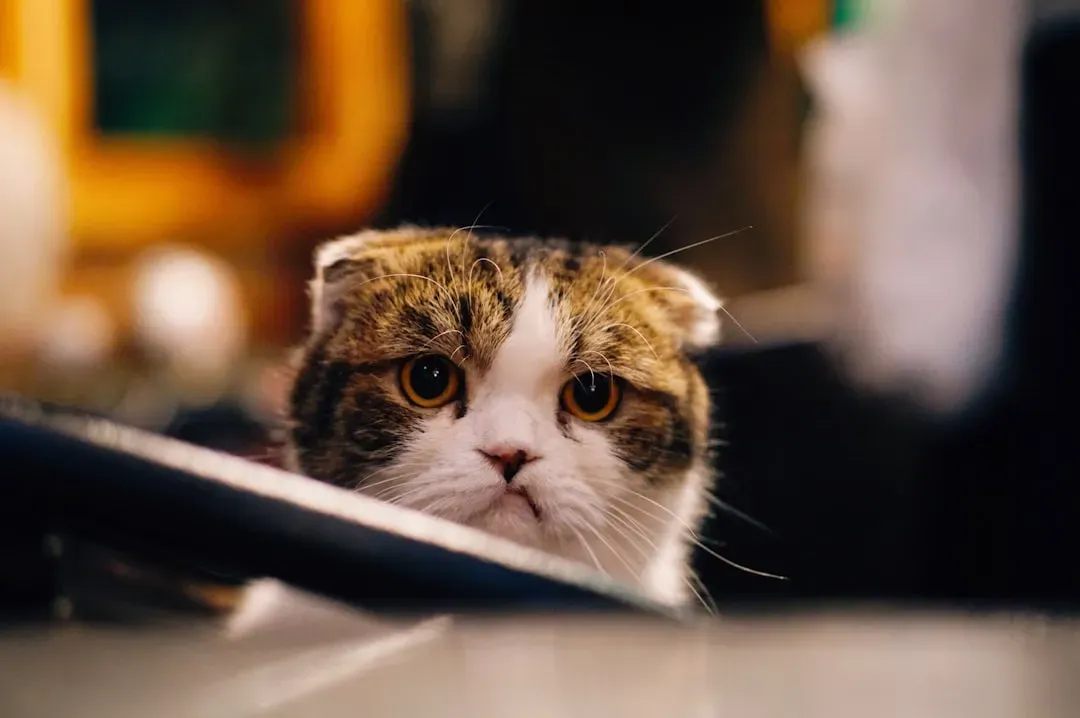
Owners can inadvertently increase their cat’s stress levels by being inconsistent in how they behave towards their cat. For instance, if the cat is punished for an unwanted behavior such as scratching the carpet, this can damage the relationship between a cat and their owner, as the cat may view their owner as unpredictable and choose to avoid them or even act defensively by scratching or biting. It’s a counterproductive loop that too many cat owners fall into without realizing it.
Never punish or scold your cat for unwanted behaviors. This only increases fear and makes things worse. Here’s the thing: your cat doesn’t connect punishment to the behavior that triggered it. To them, the punishment simply makes you unpredictable and scary. In the domestic environment, both changes in the husbandry routine and inconsistency in the owner’s reaction to cat behavior may cause chronic stress. Consistency and positive reinforcement are the only real tools worth using.
Boredom Is Quietly Eroding Your Cat’s Mental Health
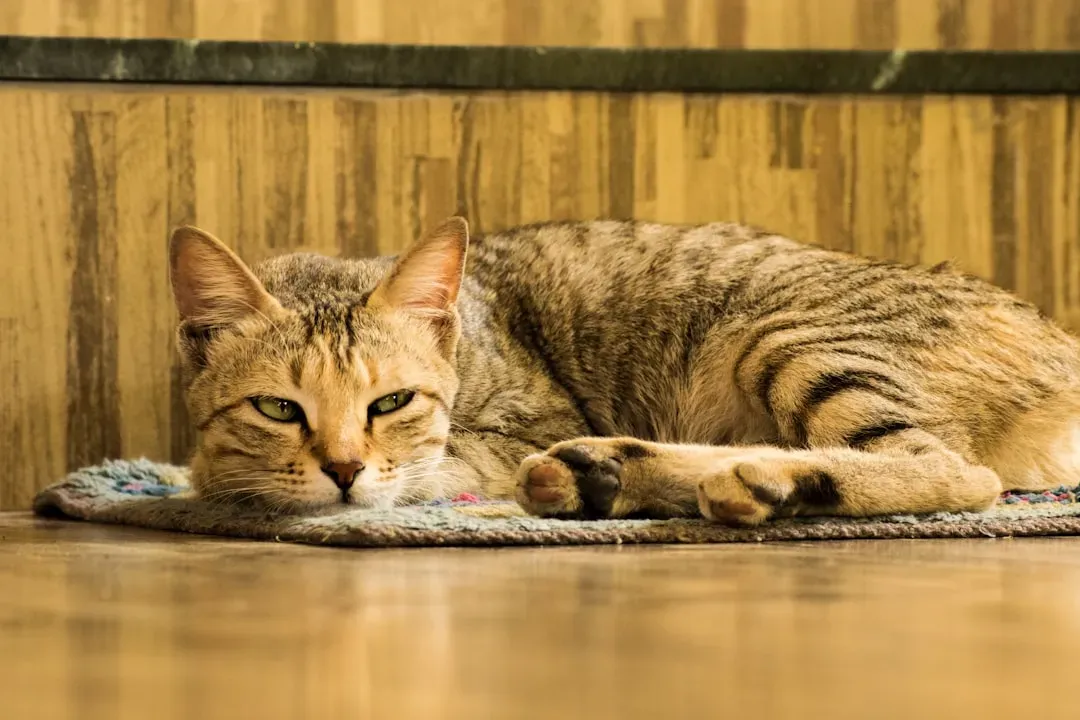
Although expert loungers, cats do require mental and physical stimulation, and without it, they can experience anxiety and engage in destructive behavior. You wouldn’t lock someone in a room with nothing to do for ten hours and expect them to come out calm and cheerful. A bored cat is a stressed cat, and the signs can sneak up on you slowly over time.
Relieving boredom and encouraging your cat’s natural hunting instinct by placing puzzle toys filled with treats or your cat’s usual food around the house is an excellent strategy. Environmental enrichment supports emotional and physical health and helps cats feel safe and relaxed. Cat trees, perches, and shelves allow cats to relax far away from perceived danger, and placing them near windows so they can watch birds and critters go by adds even more value. A little creativity in your home setup goes a surprisingly long way.
Chronic Stress Has Real, Lasting Consequences for Your Cat’s Health
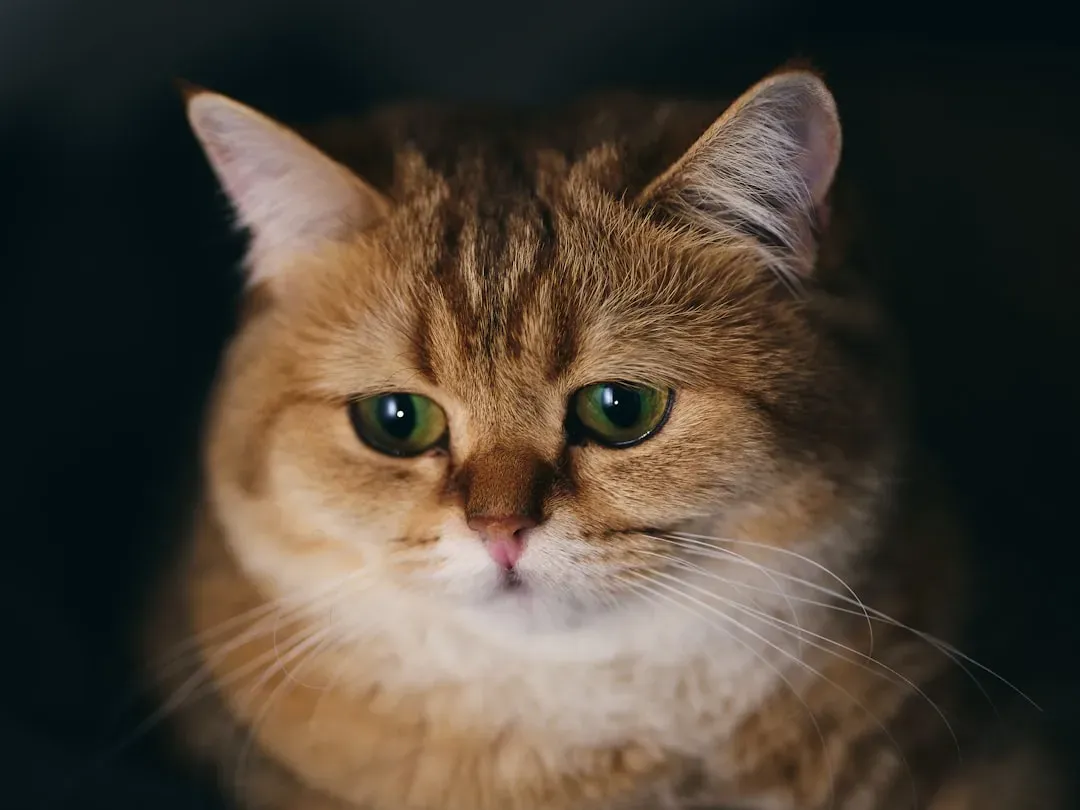
Experts have found that prolonged stress can compromise a cat’s immune system, leading to more frequent health issues. Recognizing early signs of anxiety allows caretakers to intervene promptly, potentially preventing more serious behavioral or medical complications. This isn’t just about behavior – it’s about your cat’s physical survival. Stress that goes untreated can quietly chip away at your cat’s health in ways that aren’t obvious until the damage is already done.
According to research, cats with high levels of stress are almost five times more prone to develop upper respiratory tract infections than cats with lower levels of stress. That’s a staggering difference. Stress-related diseases such as feline idiopathic cystitis are also linked to chronic stress in cats, and these conditions can be painful, expensive to treat, and deeply distressing for both you and your pet. While there are a lot of things you can do at home to calm a stressed cat, planning a visit to the vet should be top of your list, especially if you notice weight loss or issues with toileting.
Conclusion: Your Cat Needs You to Pay Better Attention

The good news is that most of the things stressing out your cat are fixable. Many of them are even simple. Adjusting a routine, swapping out a scented product, respecting personal space, cleaning the litter box more consistently – these aren’t huge sacrifices, but they can make an enormous difference in your cat’s quality of life.
Cats are constantly risk-assessing, looking for the presence of threat and danger in every new location or social encounter. Being predictable in your behavior and creating daily routines is a great way to minimize stress. Your cat doesn’t ask for much. Mostly, they want to feel safe, comfortable, and understood. Once you start seeing the world through their eyes, it becomes a lot easier to give them exactly that.
So take a fresh look around your home today. Ask yourself honestly: is something in your daily routine quietly stressing out the little creature who trusts you most? You might be more surprised than you expect.