The Purr-fect Misunderstanding: What Your Cat's Happy Sound REALLY Means
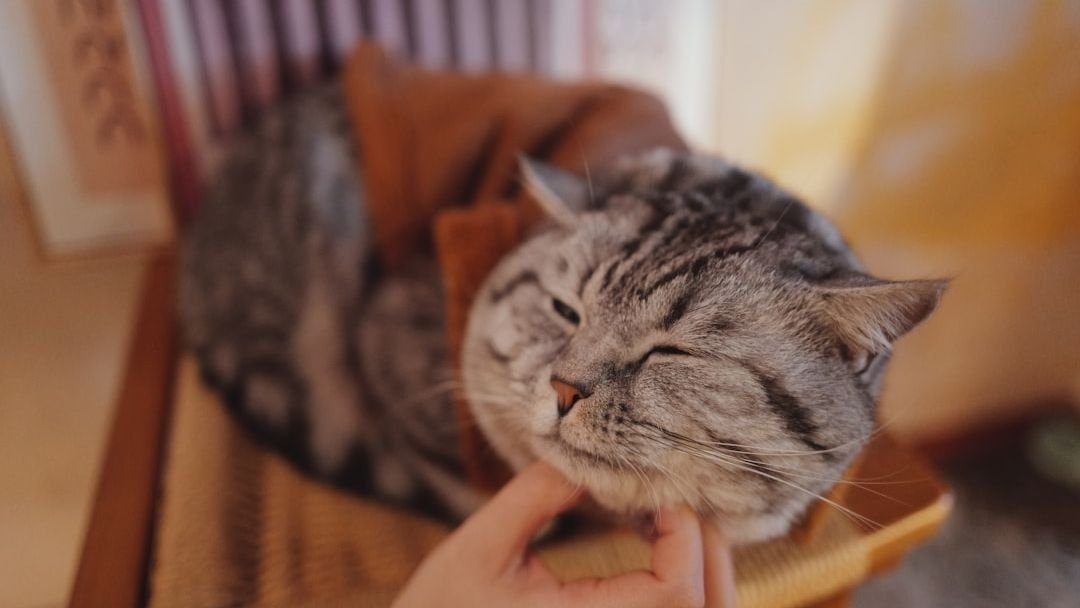
You're lounging on the couch, your cat curled up like a warm pretzel on your lap, and that unmistakable rumble starts filling the room. You smile, feeling like a certified cat whisperer. Your feline companion is happy. You're sure of it.
Except, here's the thing - you might not be as right as you think. The truth about your cat's purring is far more layered, stranger, and honestly way more fascinating than a simple signal of joy. Let's dive in.
The Mechanics of the Purr: It's All in the Throat
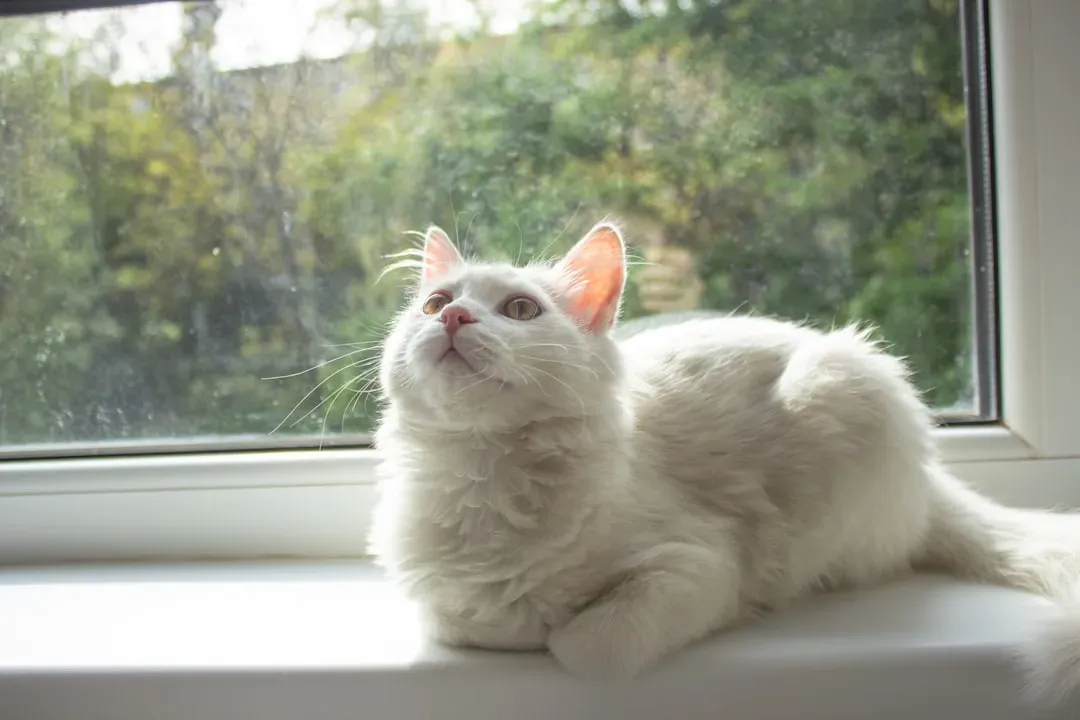
Before you can decode what the purr means, you need to understand where it even comes from. And honestly, it took scientists longer than you'd expect to figure this out. A repetitive neural oscillator in the brain sends messages to the laryngeal muscles, causing them to twitch at a rate of roughly 25 to 150 vibrations per second. This movement controls the glottis - the space between the vocal cords - which creates that purring sound during both inhalation and exhalation.
What makes it even more remarkable is what researchers discovered about the vocal anatomy. Domestic cats possess "pads" embedded within their vocal cords, which add an extra layer of fatty tissue that allows them to vibrate at surprisingly low frequencies. Think about that for a second - a small, four-kilogram animal producing frequencies normally associated with animals many times its size. What makes the purr distinctive from other vocalizations is that it's produced during the entire respiratory cycle, both inhaling and exhaling. Other sounds, like the meow, are limited to the expiration of breath alone.
Purring for Comfort: When Your Cat Really Is Happy
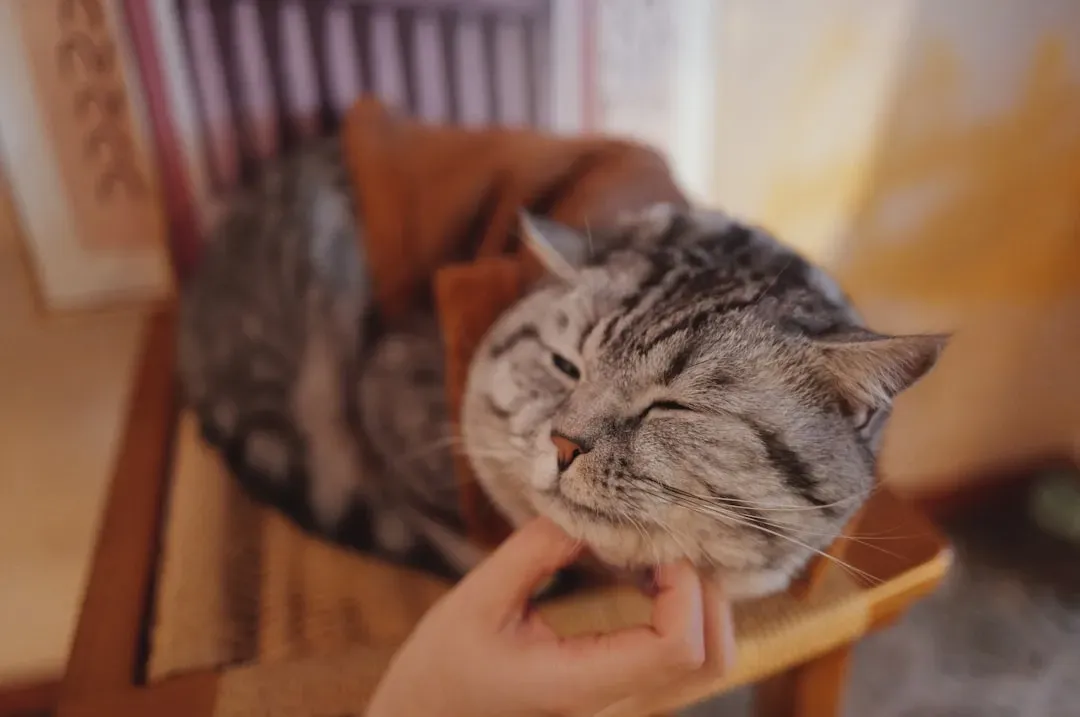
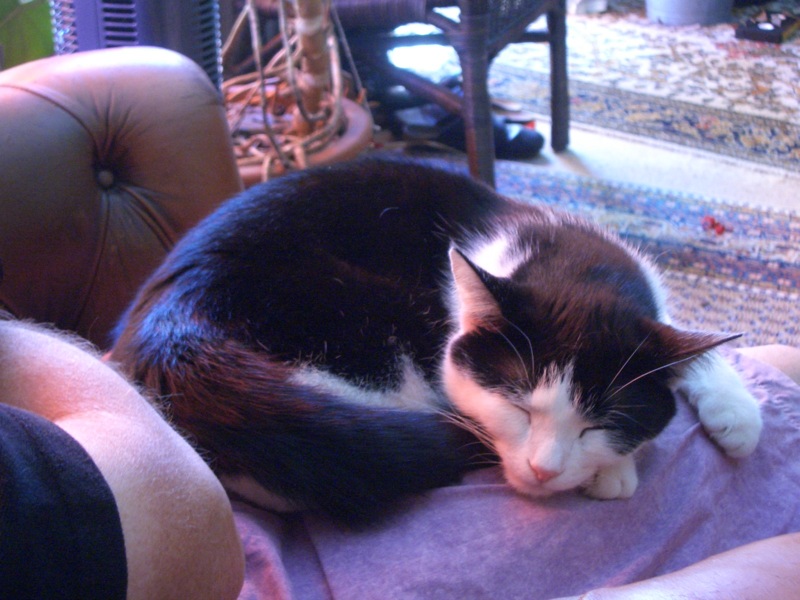
Let's be real - sometimes a purr really does mean pure bliss, and there's nothing wrong with celebrating that. When your cat curls up on your lap, closes their eyes, and begins to purr, they are clearly indicating that they feel safe, happy, and relaxed. It's the feline equivalent of sighing contentedly after a great meal. The classic image of a purring cat on a warm lap is very much a real thing.
You might notice a soft, rhythmic purr, accompanied by a relaxed body posture and half-closed eyes, signaling a happy and content feline. When you see that combination - slow blinking, relaxed muscles, no tension in the tail - you can feel genuinely confident your cat is living their best life. The rhythmic vibrations create a soothing environment, which in turn helps reinforce the bond between cats and their owners.
The Purr of Distress: When It Means the Opposite
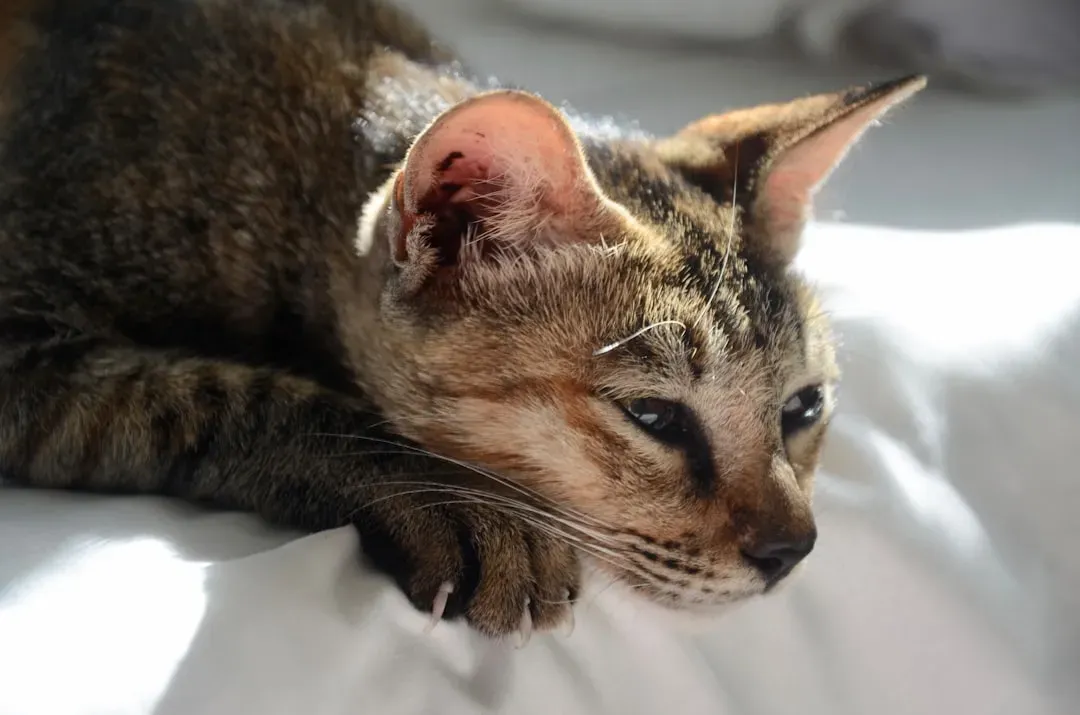
Here is where most cat owners get blindsided - and I think this is the most important thing you can learn about your cat. It's a common myth that cats only purr when they're happy. In reality, purring likely serves multiple purposes. Your cat at the vet, trembling slightly, with wide fearful eyes, might also be purring. And that sound is not contentment.
Cats also purr when they're frightened, in pain, or experiencing distress. This type of purring can be thought of as a self-comforting behavior - comparable to a child clutching a teddy bear or a blanket when upset. Stress-related purring has its own set of giveaway signals alongside the sound itself. Stress-related purring often comes with other signs of discomfort or anxiety, including a tense body posture, flattened ears, rapid breathing, or avoiding eye contact.
The Solicitation Purr: Your Cat Is Basically Playing You
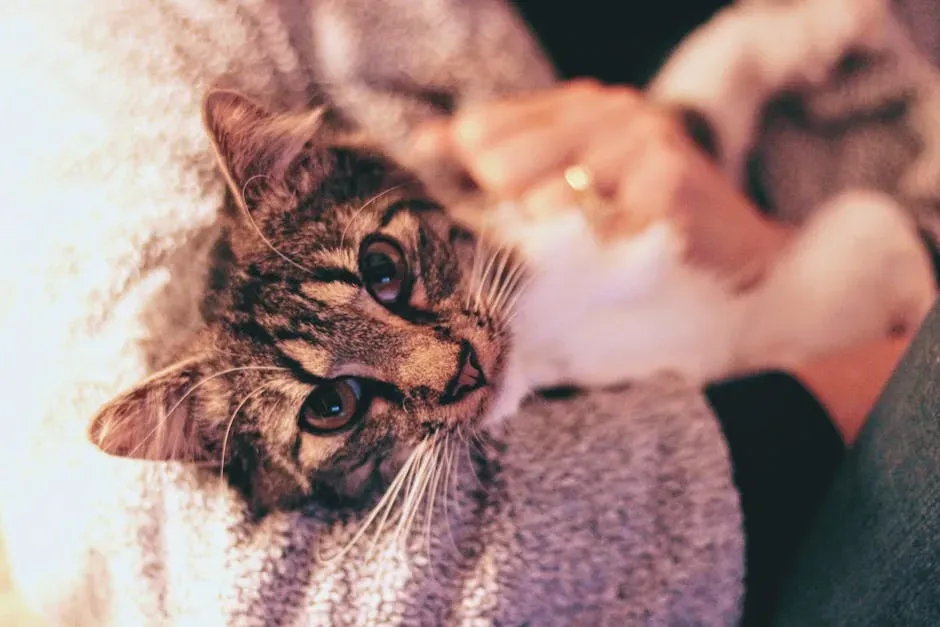
I know it sounds crazy, but your cat may have evolved a specific type of purr designed specifically to manipulate you into action. It's brilliant, honestly. Researchers have identified a "solicitation purr" - a specific type that includes a high-frequency element, similar to a baby's cry, designed to grab the attention of people and elicit a response, such as feeding. Your cat isn't just hungry - your cat is strategically deploying a sonic weapon.
Hungry cats looking to be fed contain an unusual high-frequency element akin to a human baby cry within their naturally low-pitched purr. With these solicitation purrs, domestic cats are effectively tapping into our own nurturing instincts to give them attention. Their cries of "feed me" are hidden in what may sound like a pleasant purr. So next time you jump up from the couch at 6 AM to refill the food bowl, just know - your cat planned that.
The Purr as a Healing Mechanism: Science Gets Fascinating
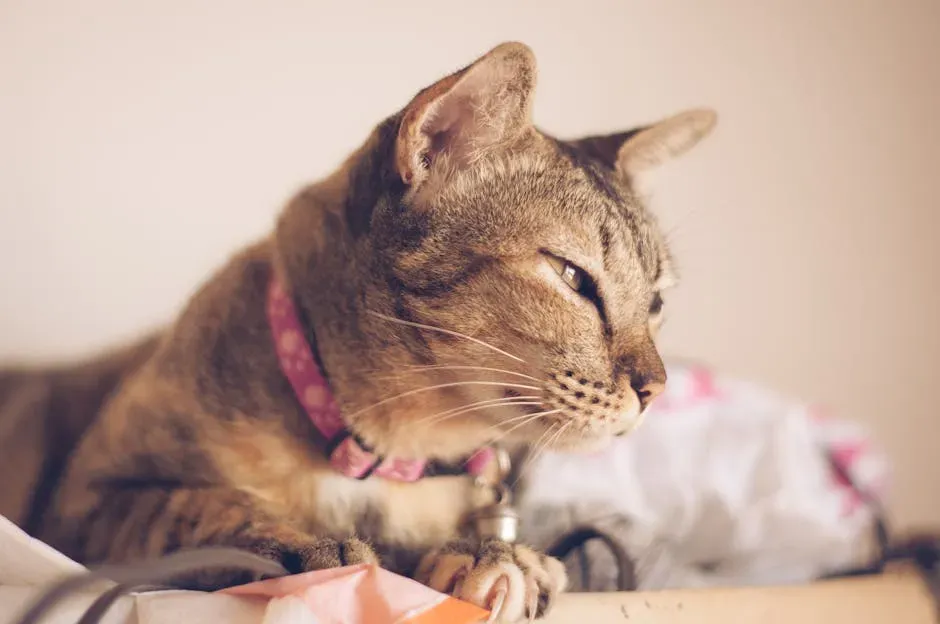
This is where the story takes a genuinely awe-inspiring turn. The frequencies at which cats purr are not random. The vibrations produced during purring occur at a frequency of 25 to 150 Hertz, which has been shown to promote healing and tissue regeneration and is known to positively affect bone density and tendon and muscle repair. Essentially, your cat carries a built-in ultrasound device in its throat.
Because cats have adapted to conserve energy via long periods of rest and sleep, it is possible that purring is a low energy mechanism that stimulates muscles and bones without a lot of energy. It's like doing physiotherapy in your sleep - which, incidentally, is exactly when cats tend to do it. Some veterinarians and cat enthusiasts have even seen cats lying alongside each other and purring when one is injured, a behavior known as "purr therapy." Nature is remarkable sometimes.
The Kitten Connection: How It All Begins
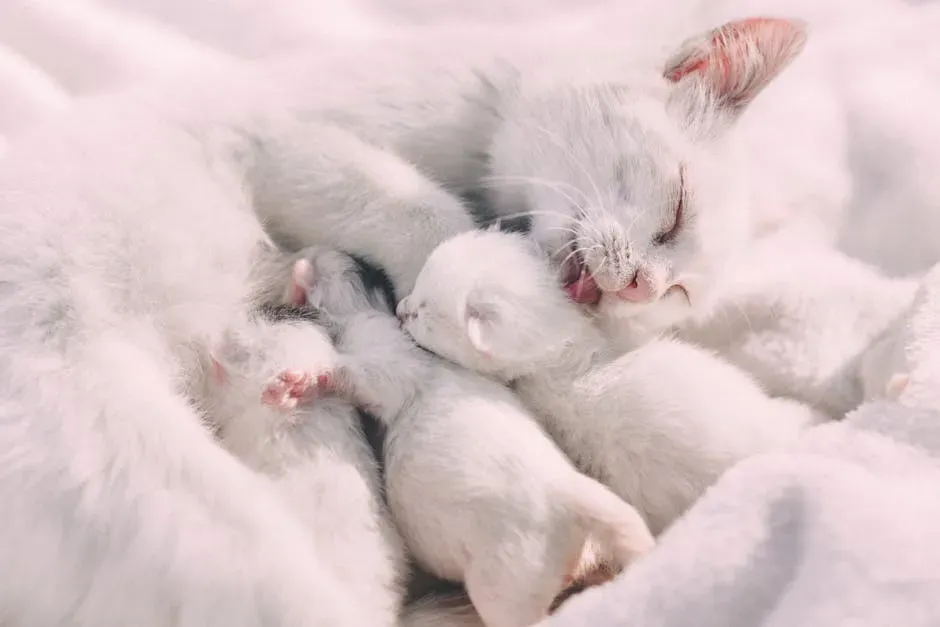
You might assume purring is something cats develop over time, but you would be wrong. Purring starts shockingly early. Kittens can purr as young as two days of age. They purr when they are nursing from their mother and only stop long enough to swallow. At two days old, they've already mastered one of the most complex vocalizations in the animal kingdom. Not bad for someone who can't even open their eyes yet.
The significance of purring extends to the earliest moments of cat life, as kittens begin purring shortly after birth. This helps the mother keep track of her babies. Born deaf and blind, newborns also rely on the vibrations of their mother's purr to help locate her, initiating bonding in those early days. Think of the purr as a built-in GPS system between mother and offspring - warm, rumbling, and life-sustaining right from the very start.
How Purring Affects You: The Human Side of the Sound
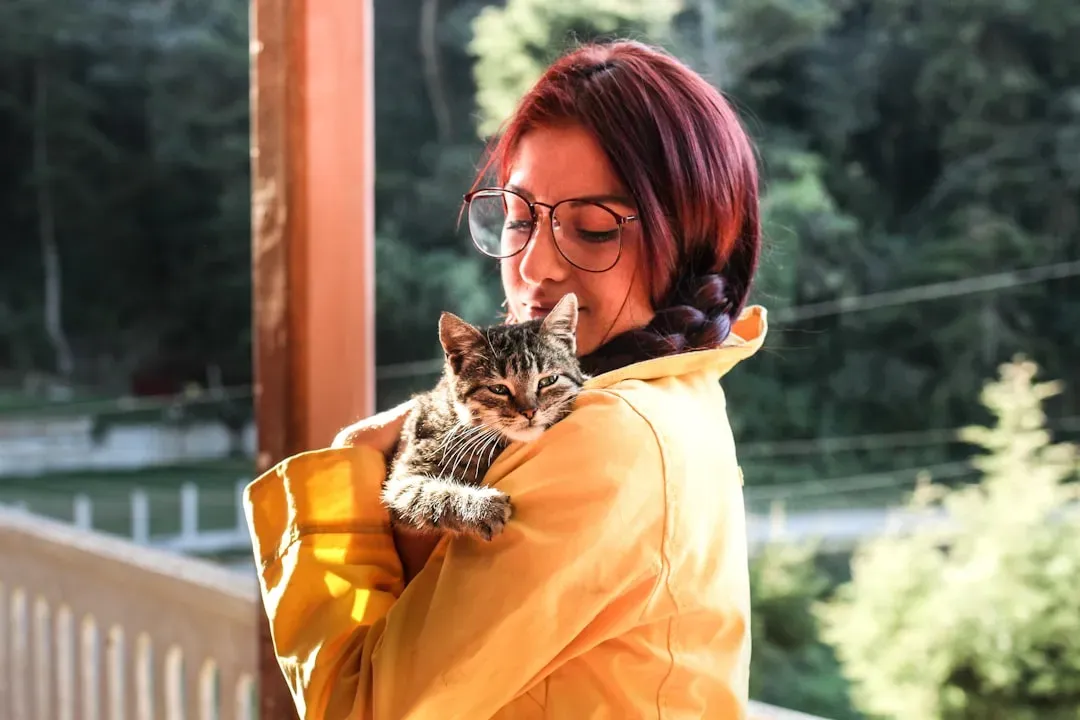
Here is the part that tends to genuinely surprise people. Your cat's purring doesn't just benefit your cat - it benefits you, too, in ways backed by real research. Studies have shown that owning a cat and being exposed to their purring can reduce stress, lower blood pressure, and even decrease the risk of heart disease and stroke by roughly one third. That warm, rumbling presence on your chest is doing more work than you ever imagined.
Purring not only releases endorphins in cats but can also induce the same thing in humans too. Endorphins help decrease stress hormone levels, and lowered stress hormones are helpful for healing, lowering blood pressure, and helping people cope with illness. It's a mutual exchange you never consciously signed up for, yet somehow both parties keep showing up. Research suggests that people who own cats have a significantly lower risk of heart attacks than non-cat owners, and blood pressure has been shown to be lowered in owners after interacting with their purring cats.
Conclusion
The purr you hear every day is not a single, simple statement. It's a layered, nuanced, multifunctional sound that your cat has been perfecting over thousands of years of co-evolution with humans. It means happiness, yes - but also distress, hunger, healing, comfort, and connection all bundled into one low, rhythmic frequency.
The smartest thing you can do is learn to read the whole picture: the body language, the context, the situation. Understanding the context of your cat's purring can help you better care for their physical and emotional needs. Once you start paying attention at that level, you stop just hearing your cat and start truly listening to them.
Your cat has been trying to tell you something for years. The only question is: were you really listening all along?