Your Cat Knows Your Secrets: They're Reading Your Moods, Even When You Can't
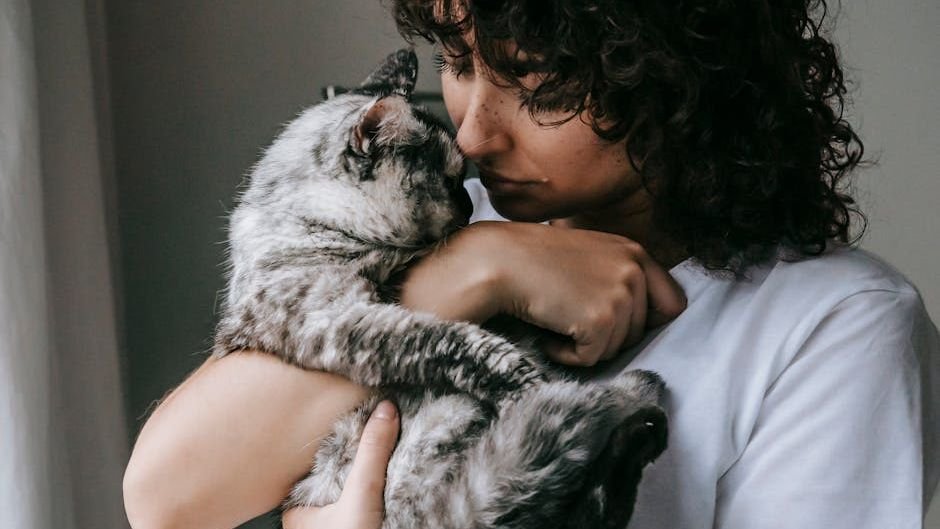
You think you're doing a great job hiding it. You paste on that half-smile, you keep your voice steady, and you go about your day. Then your cat walks over, sits directly on your chest, and stares at you with those unblinking eyes like they know something you're not ready to admit. Honestly? They probably do.
Cats have spent thousands of years watching us. Not just living with us, but genuinely studying us. The idea that they're self-absorbed, indifferent little creatures couldn't be further from what science is revealing right now. Beneath that cool, mysterious exterior lies an emotional detective who's been quietly reading you the whole time. Let's dive in.
Your Cat Is Quietly Observing You - All Day Long
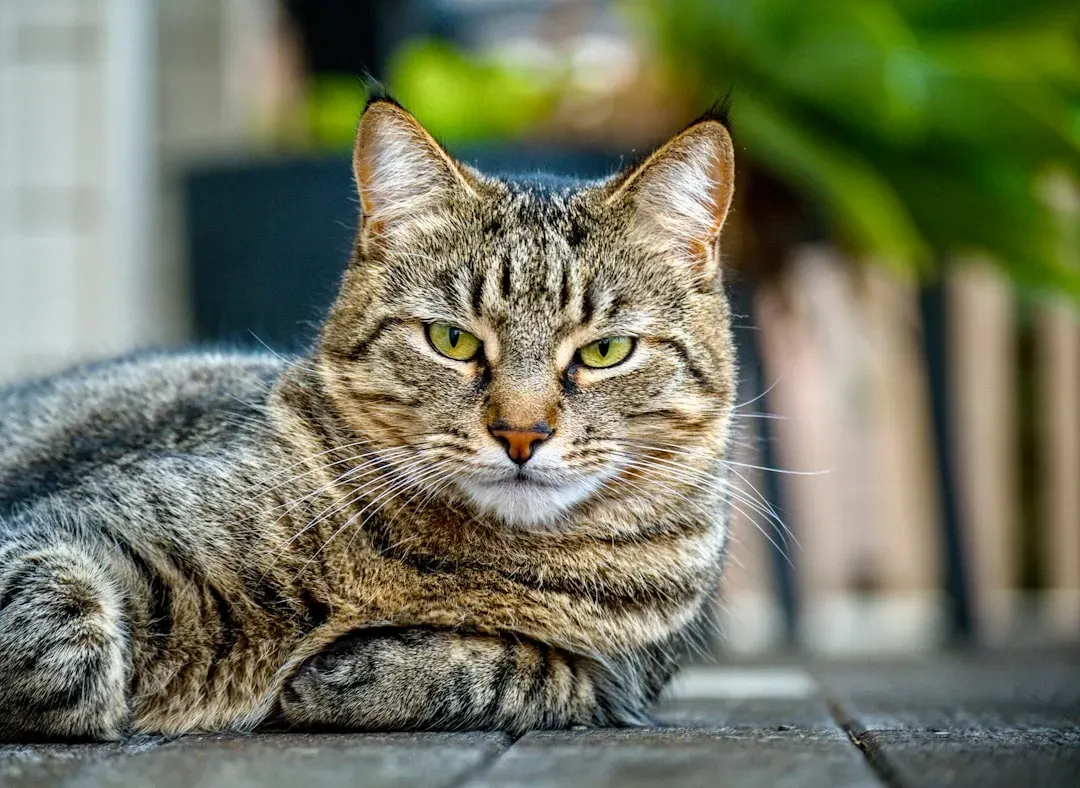
Your cat spends large parts of the day analyzing you, reacting to your emotions, and changing their behavior according to how you feel at any given moment. Think about that for a second. While you're sitting at your desk feeling overwhelmed, your cat isn't napping randomly nearby. They're watching.
For your cat, you are their main point of reference. You care for them practically, but you also provide them with security in the form of love and affection. Your wellness translates to their wellness, so it is actually in their self-interest to pay close attention to your state of being. It's less mystical and more strategic than you might think - but no less fascinating for it.
Science Proves Cats Can Read Your Face and Voice
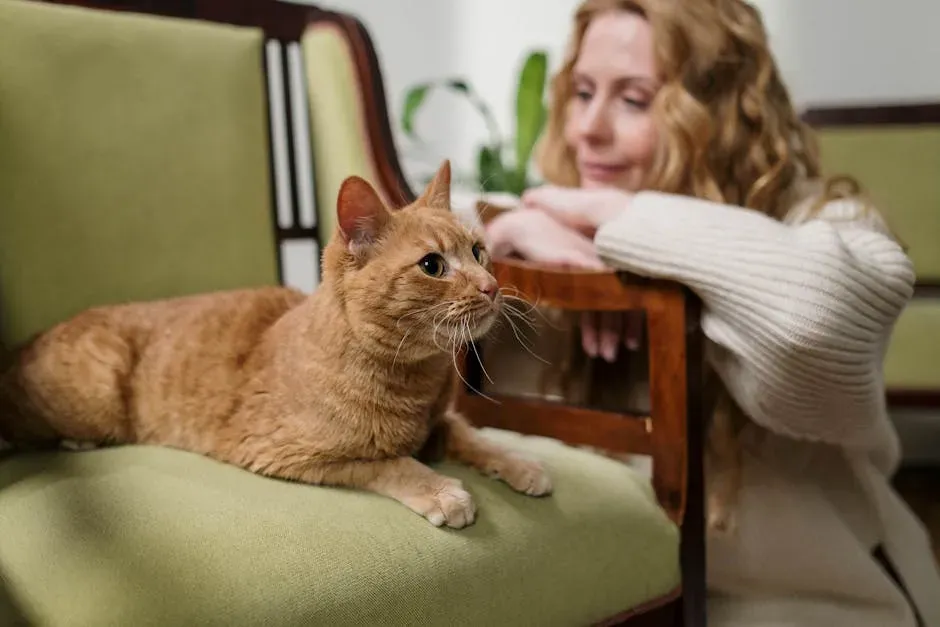
Let's be real: we've all dismissed our cat's interest in us as coincidence. But the research makes that pretty hard to argue. Studies have demonstrated that cats are able to recognize both their own kind and human emotions through auditory and visual observations. Your expression, your posture, the pitch in your voice - your cat is cataloging all of it.
Cats are able to sense sadness by associating the visual and auditory signals of human sadness, such as frowning and a listless voice, with how they are addressed or treated whenever their human is in a sad state. It's almost like they've built a personal emotional dictionary based entirely on you. Unique to you. Tailored to your particular flavors of joy and grief.
They Can Actually Smell Your Emotions
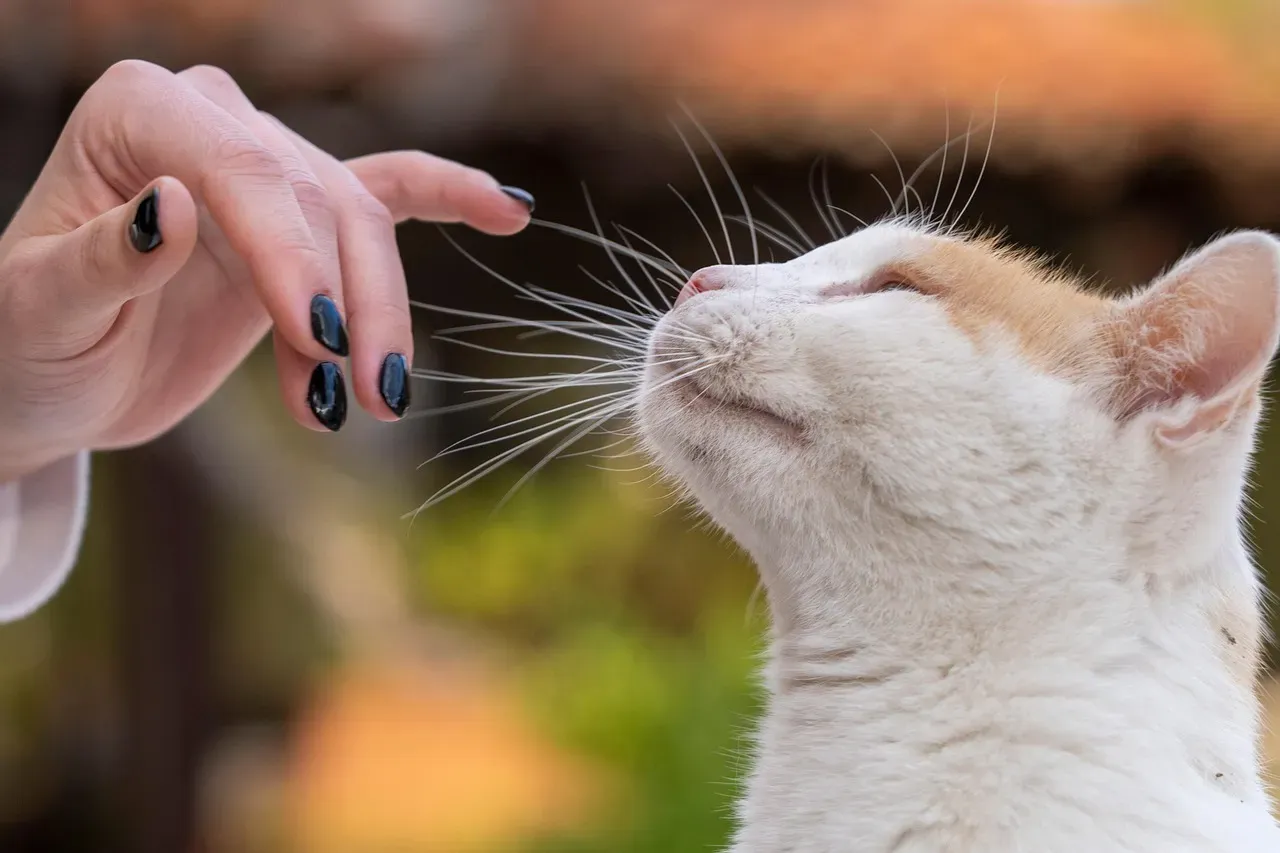
Here's where things get genuinely astonishing. You might believe you've masked your anxiety perfectly. Your cat, however, is operating on a whole other sensory level. Recent research shows cats can detect human emotions through scent, especially fear, suggesting these animals understand us more than we ever realized.
Cats relied on their right nostril more when displaying stress behaviors while smelling "fear" and "physical stress" odors. Since the right nostril connects to the right brain hemisphere, which is responsible for processing intense emotions like anger and fear, this suggests that those odors trigger a heightened emotional response in the cat. So your stress isn't just visible to your cat. It's literally detectable in your sweat. There is nowhere to hide.
Social Referencing: Your Cat Looks to You for Cues
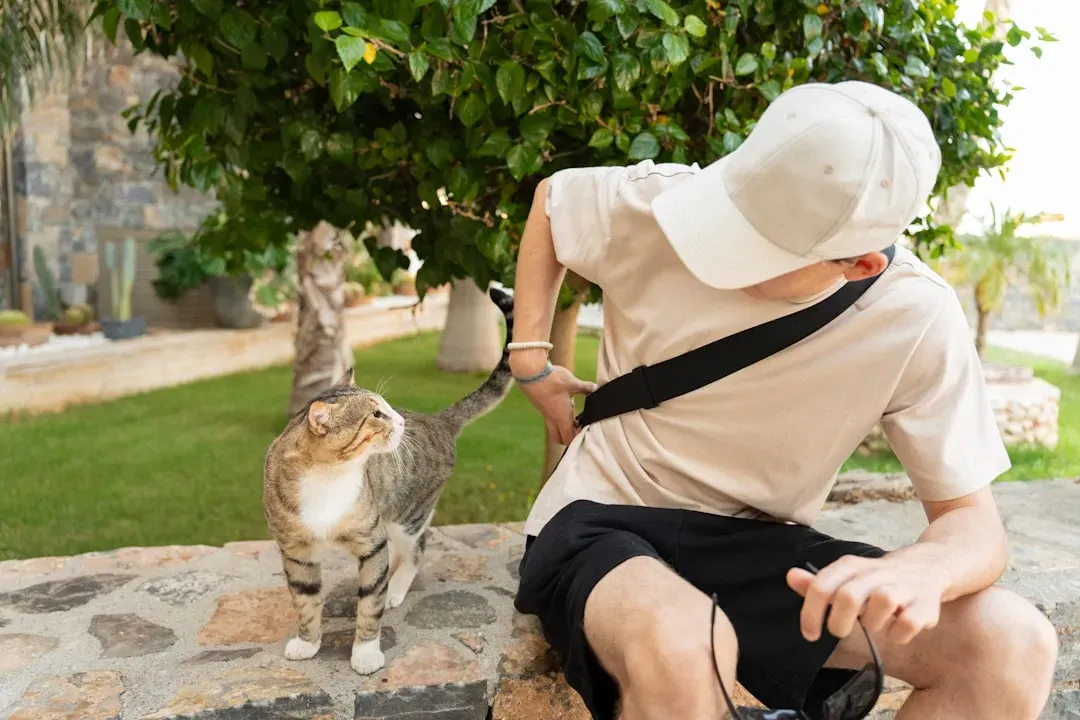
You've probably seen how small children look to their parents for emotional guidance when something new or scary appears. Guess what? Your cat does the same thing. Cats' communicative behavior was explored using a social referencing approach in the presence of a potentially frightening object. One group of cats observed their owner delivering a positive emotional message, while another received a negative one. The goal was to evaluate whether cats use the emotional information from their owners about an unfamiliar object to guide their own behavior toward it.
Most cats, roughly around four in five, exhibited referential looking between the owner and the object, and also changed their behavior in line with the emotional message they received. That is extraordinary. Your cat genuinely checks in with you before deciding how to feel about something unfamiliar. You are their emotional compass. No pressure.
Your Stress Becomes Their Stress - Mirror Emotions Are Real
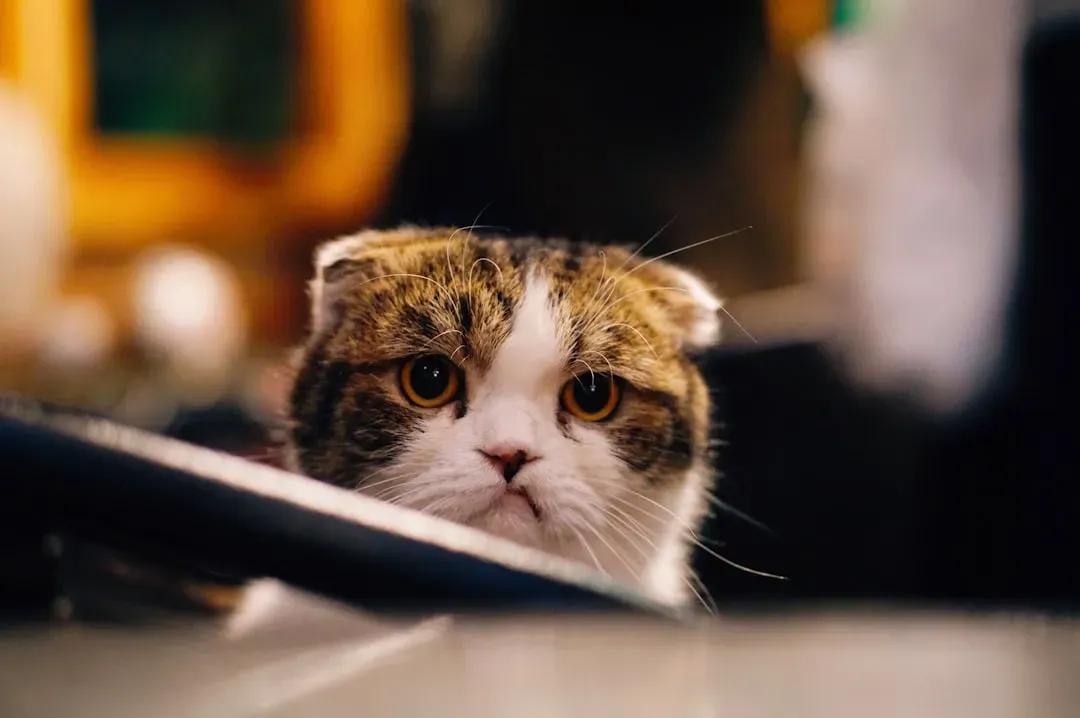
This is the part that should probably make every cat owner pause. The mood you carry around your home doesn't just affect you. Researchers studied over three thousand cats and their owners and found that cats mirrored their owner's wellbeing and behavior, and vice versa. Owners who were generally healthy and happy were more likely to report that their cats were healthy and happy. Owners who felt stressed and anxious were more likely to report that their cats were aggressive, anxious, or fearful, and had ongoing medical conditions.
Cats demonstrate remarkable emotional intelligence through their ability to mirror their owners' moods and emotional states. They may become more subdued when you are sad, more playful when you are happy, or even display signs of stress when you are anxious. It's a bit like having a small, furry, highly sensitive emotional barometer living in your home. Their behavior is, in many ways, a reflection of yours.
How Your Cat Responds When You're Struggling
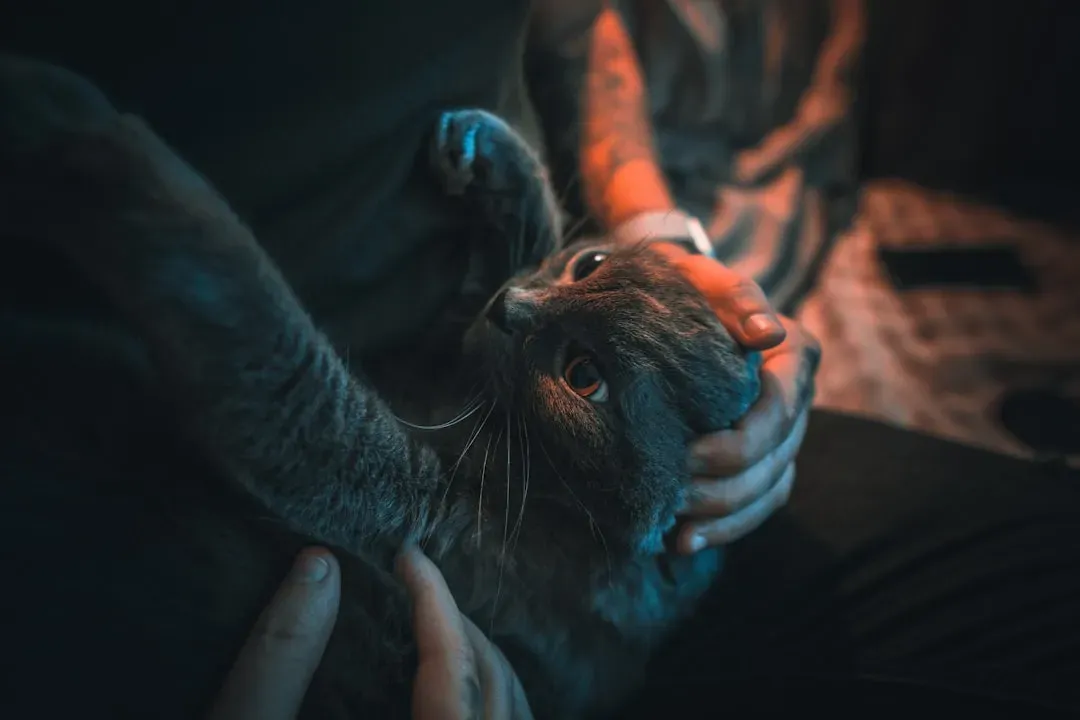
So when your cat senses something is wrong, what do they actually do about it? The responses vary from cat to cat, but the patterns are remarkably consistent. Cats may come in closer proximity when their owners are depressed. Some even purr and rub themselves more once they sense their human is low, though it also depends on each cat's individual personality and their own ways of adjusting behavior.
Common responses include increased affection, purring, bringing toys, staying closer to you, and gentle vocalizations. Some cats may also become more protective or vigilant. It's worth thinking of this not as random cat behavior but as a deliberate, emotionally driven response. Your cat is, in their own quiet way, trying to help.
The Healing Power Hidden in Your Cat's Purr
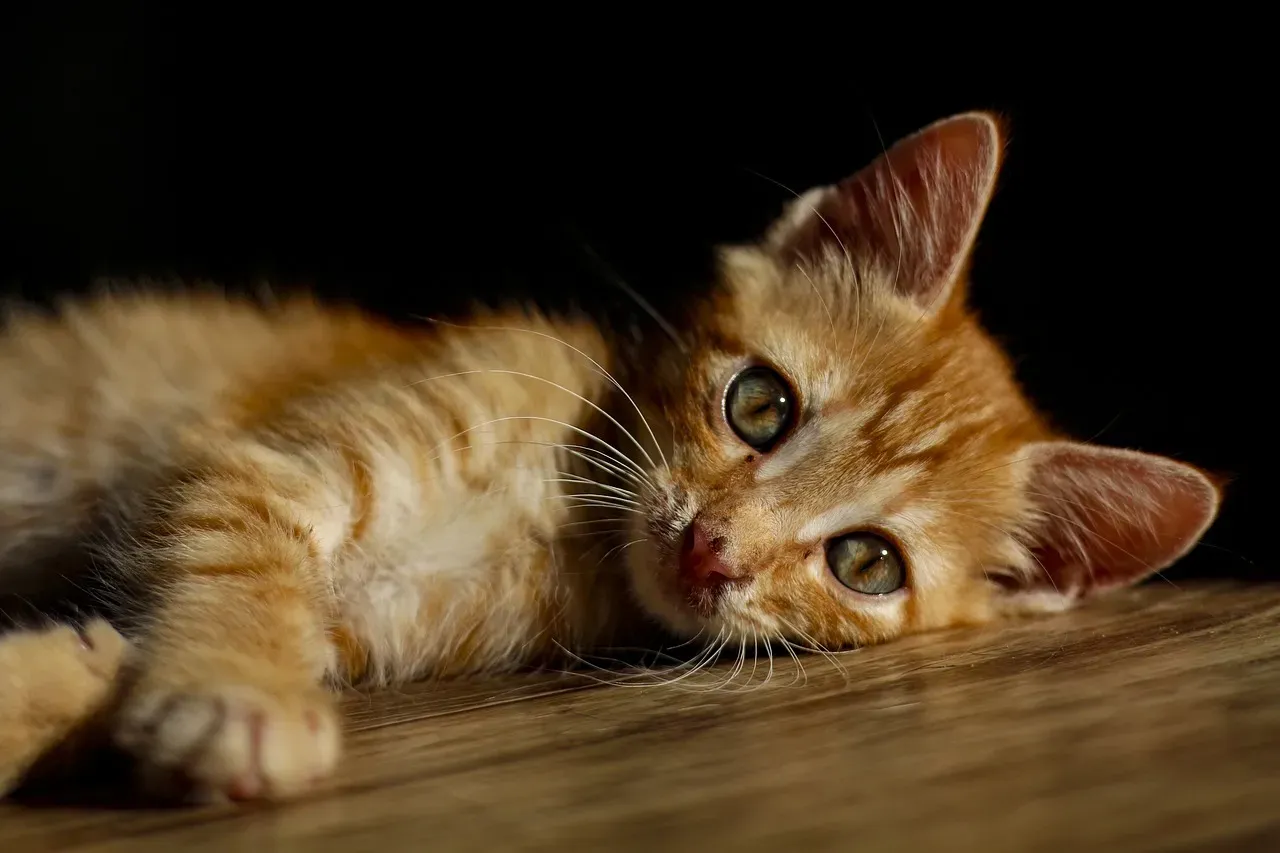
Of all the things your cat does in response to your emotional state, purring might be the most remarkable - and the most physically beneficial to you. Research suggests that the frequency of a cat's purring, typically between 25 and 150 hertz, could have therapeutic effects on both the body and the mind. That's not folk wisdom. That's measurable science.
The soothing vibrations of a cat's purr can help regulate the autonomic nervous system, which controls involuntary bodily functions like heart rate and breathing. By lowering stress and triggering the body's relaxation response, purring promotes a sense of calm, balance, and emotional well-being. Think of it as a tiny, warm, vibrating therapy device that also knocks things off your counter. Worth it.
The Deeper Bond: Cats Form Real Attachment to You
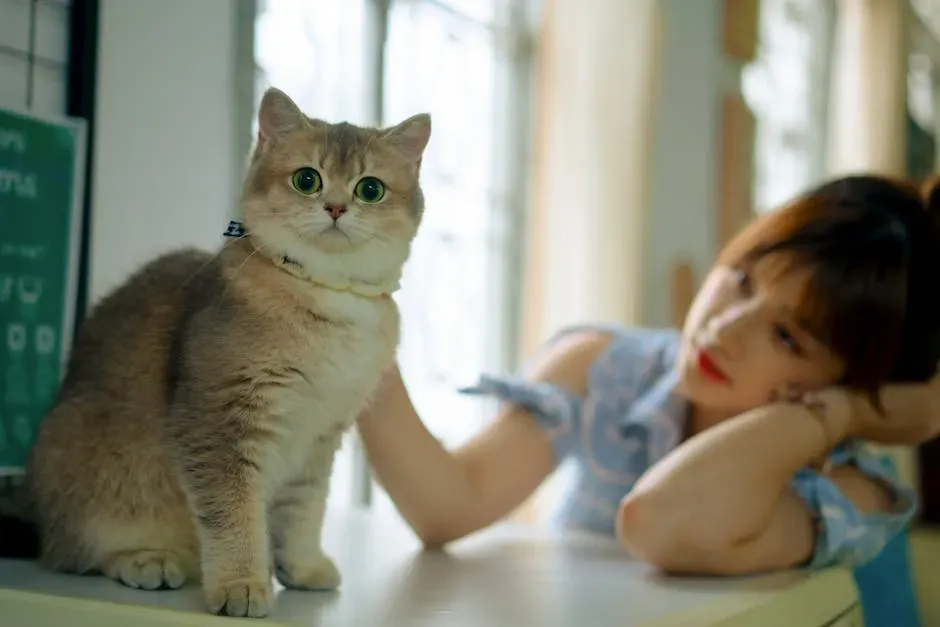
This might be the finding that surprises people the most. The whole "cats don't really care" narrative? Science has been quietly dismantling it. A study published in 2020 showed that cats can integrate both visual and auditory signals to interpret human emotions, changing their behavior accordingly. This emotional recognition helps the cat maintain positive social bonds with humans and any other cat they happen to live with regularly.
Research shows that roughly two thirds of cats can form secure attachment bonds with their owners, similar to the bonds observed between human infants and their caregivers. There it is. Your cat isn't just tolerating you. They have formed an attachment bond. They have chosen you as their secure base. When the world feels uncertain, you are the one they look to first.
Conclusion
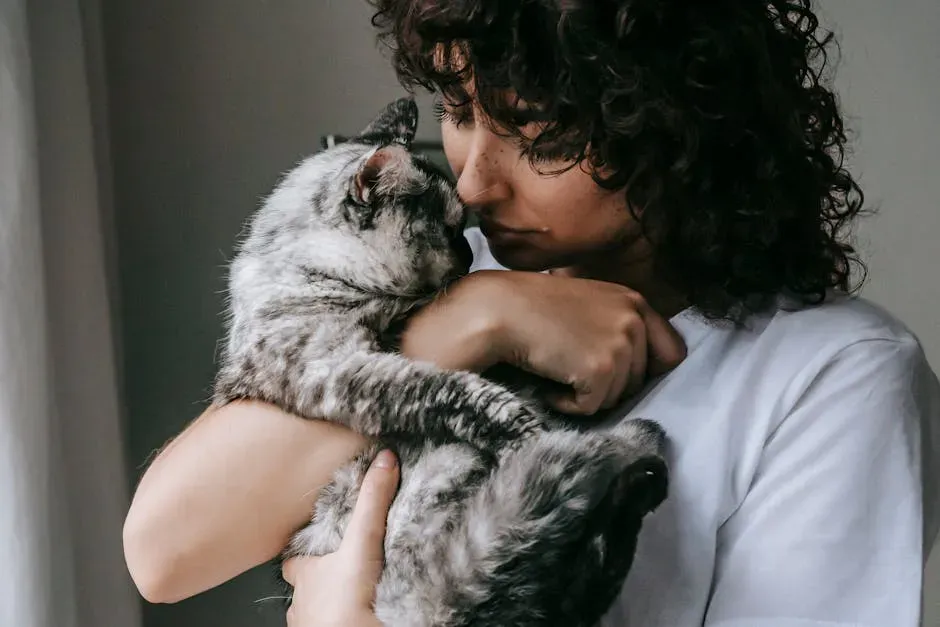
The next time you feel like you're falling apart on the inside while holding it together on the outside, know this: your cat already knows. They knew before you did. They sensed the shift in your breathing, cataloged the change in your posture, processed the emotional cues in your voice, and made a quiet decision to stay close.
That's not coincidence. That's a relationship built on a level of attentiveness most humans can only dream of. These findings challenge the stereotype of cats as indifferent to human emotions. While they may not express their attachment in the same obvious ways as dogs, cats are clearly tuned into the emotional states of their humans.
Your cat is reading you, every single day, in ways you probably haven't even noticed. The real question is: are you paying the same attention back to them? What do you think - has your cat ever surprised you with exactly the right response at exactly the right moment? Share your story in the comments.