There’s a version of events where your cat is a tiny, fur-covered chaos agent, dedicated to knocking over your coffee, sprinting through the house at midnight, and staring blankly through your soul while you call its name. It’s easy to frame all of this as misbehavior. It’s also completely wrong.
Most of what people label as feline mischief is, in reality, intelligent, purposeful behavior rooted in millions of years of evolution. The gap between “bad cat” and “brilliant cat” is often nothing more than perspective – and a little science.
Knocking Things Off Tables: Your Cat Is Running an Experiment
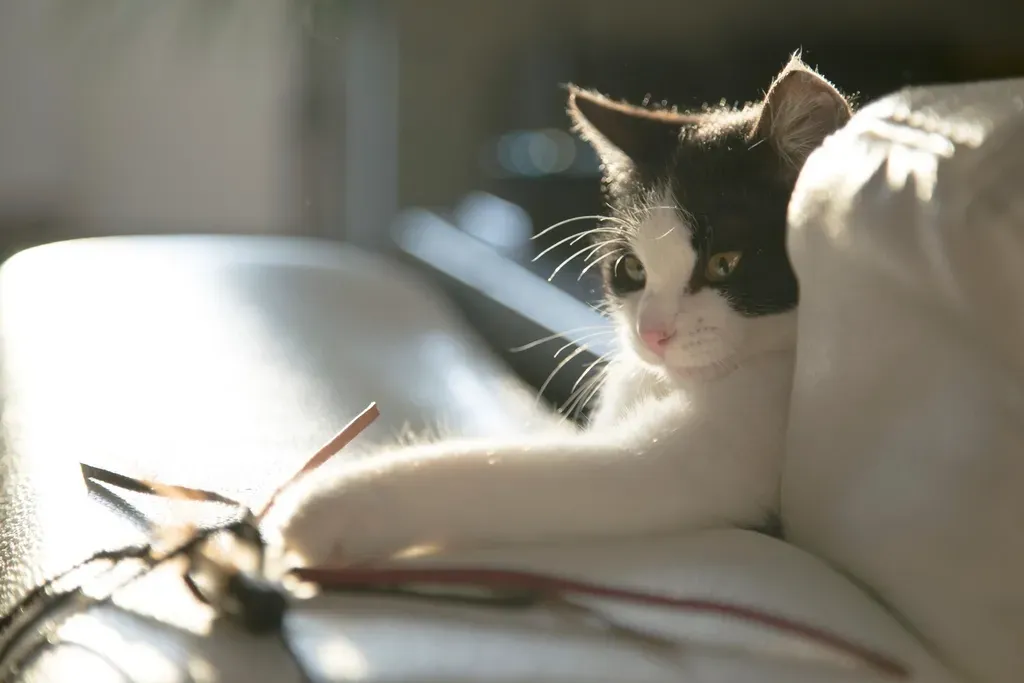
That moment your cat locks eyes with you and slowly pushes your glass off the edge of the counter? It’s not spite. Cats are remarkably intelligent when it comes to understanding cause and effect, particularly regarding human behavior. If knocking something off a table consistently gets you to jump up, make noise, or rush over, your cat has learned a valuable lesson: this behavior works.
Knocking things over is part of your cat’s way of examining the world around them. They’re looking to see how objects move, whether they break, and whether they contain something inside. Your cat’s particular combination of curiosity, precision paws, and access to elevated surfaces makes them excellent gravity experimenters. Each knocked-over object provides new data about how the physical world works.
The Midnight Zoomies: Hardwired Hunting in Your Living Room

You’re settling in for sleep. Then thunder. Your cat rockets off the sofa, tears a lap around the hallway, and vanishes. This is not madness. Also called Frenetic Random Activity Periods, or FRAPs, zoomies are sudden bursts of energy where cats run, leap, and spin in seemingly chaotic patterns. Though they look silly and sometimes destructive, zoomies are a perfectly natural behavior.
Cats are most active during dawn and dusk. Animals that share this trait are known as crepuscular. In the wild, these are prime hunting hours for small predators, and indoor cats still carry this instinct, which means the evening can trigger a natural surge of energy. Zoomies are their way of practicing survival skills or simply burning off pent-up energy, peaking at dawn and dusk when their ancestors would hunt.
Ignoring You When You Call: Intelligence, Not Rudeness
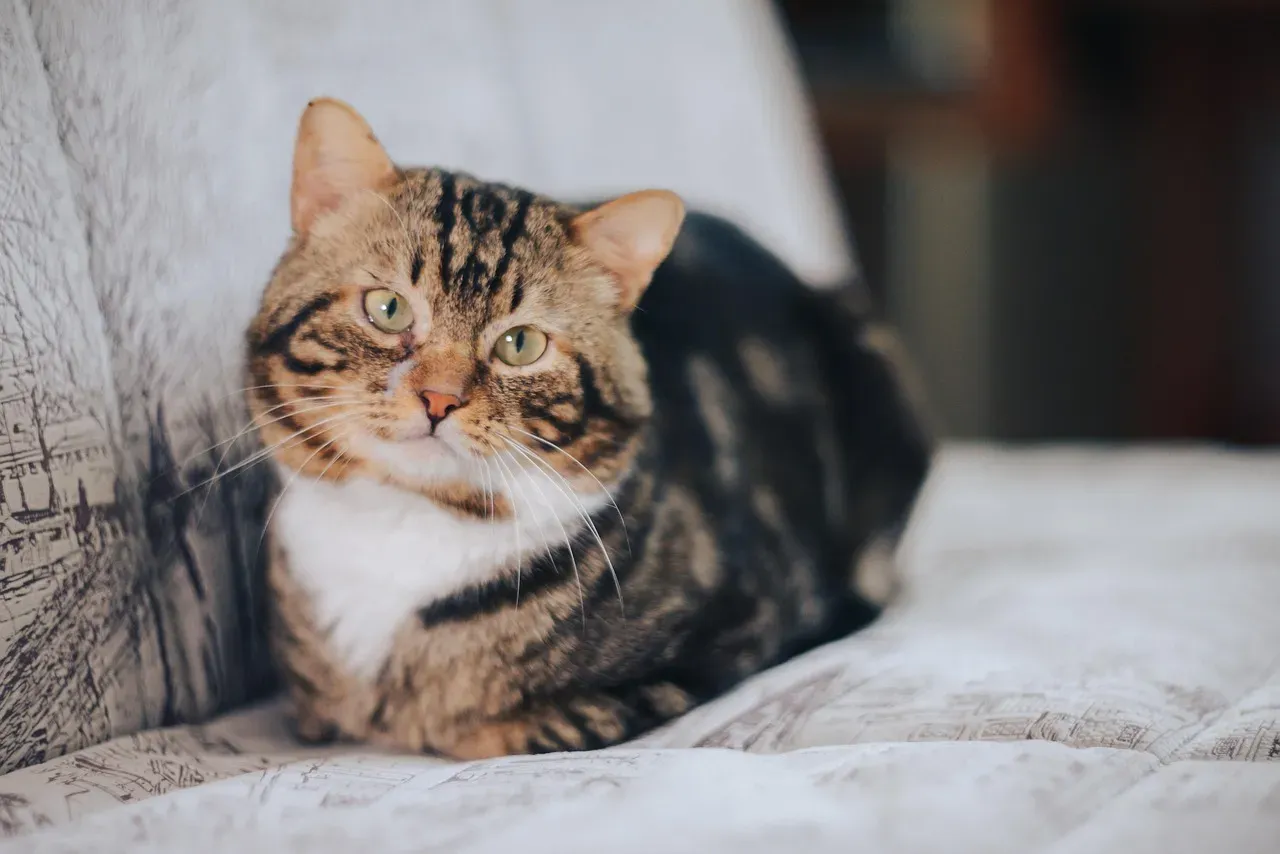
You call your cat’s name. It glances at you, turns away, and resumes staring at the wall. You feel dismissed. Reasonably so. The reality, though, is considerably more interesting. Habituated cats showed a significant rebound in response to the presentation of their owners’ voices compared to strangers’. This result indicates that cats are able to use vocal cues alone to distinguish between humans.
Research results showed that cats responded more noticeably when their owners called their names compared to when strangers did. However, despite recognizing their owners’ voices, the cats typically did not bother to get up or take further action. A cat that chooses not to come when called isn’t stupid – it’s exercising its natural independence. The ability to assess risk and act accordingly is a hallmark of intelligence in the animal kingdom.
Scratching Your Furniture: A Deeply Purposeful Act
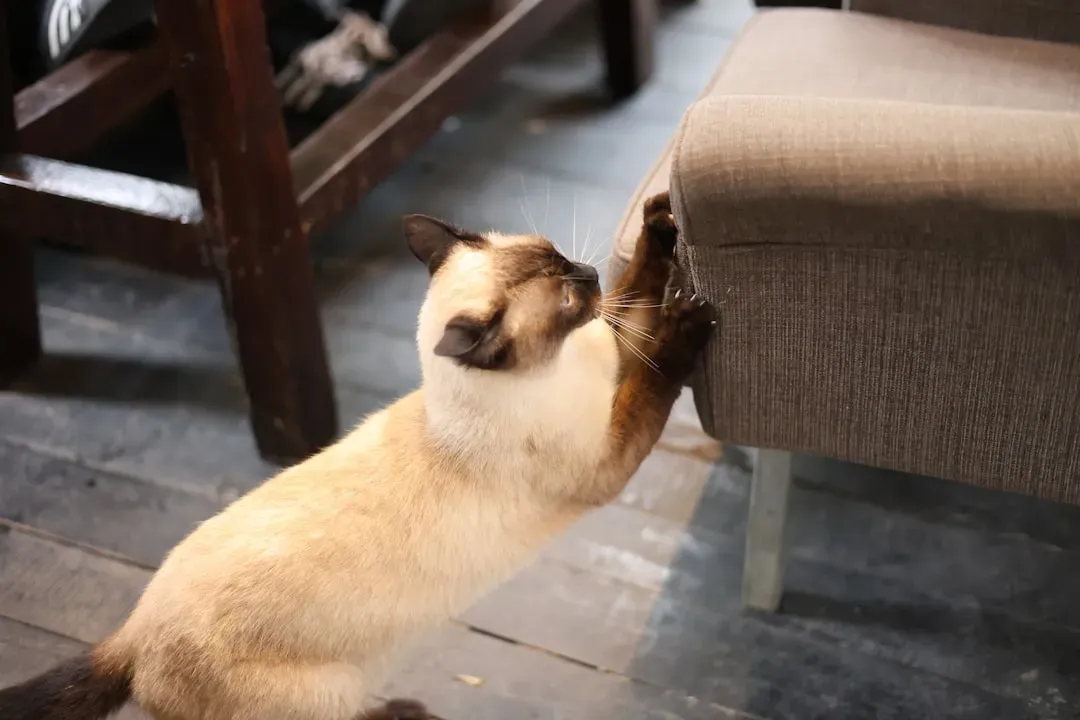
Your couch corners tell a story, and it’s one your cat is writing intentionally. If a cat scratches furniture, it’s likely fulfilling an instinctual need. Scratching isn’t random destruction; it serves several simultaneous functions that any smart animal would prioritize.
Scratching keeps your cat’s claws sharp and removes the outer sheath from growing nails. It also deposits scent from glands in the paws, marking territory in a way that is invisible to you but completely legible to other animals. It’s easy to dismiss cat antics as mere mischief, but many everyday behaviors reveal real intelligence at work. Cats that learn routines, manipulate environments, and communicate clearly are using the same mental skills researchers study in labs: memory, problem-solving, and social cognition.
Staring Into Space: Sensory Processing Beyond Your Range
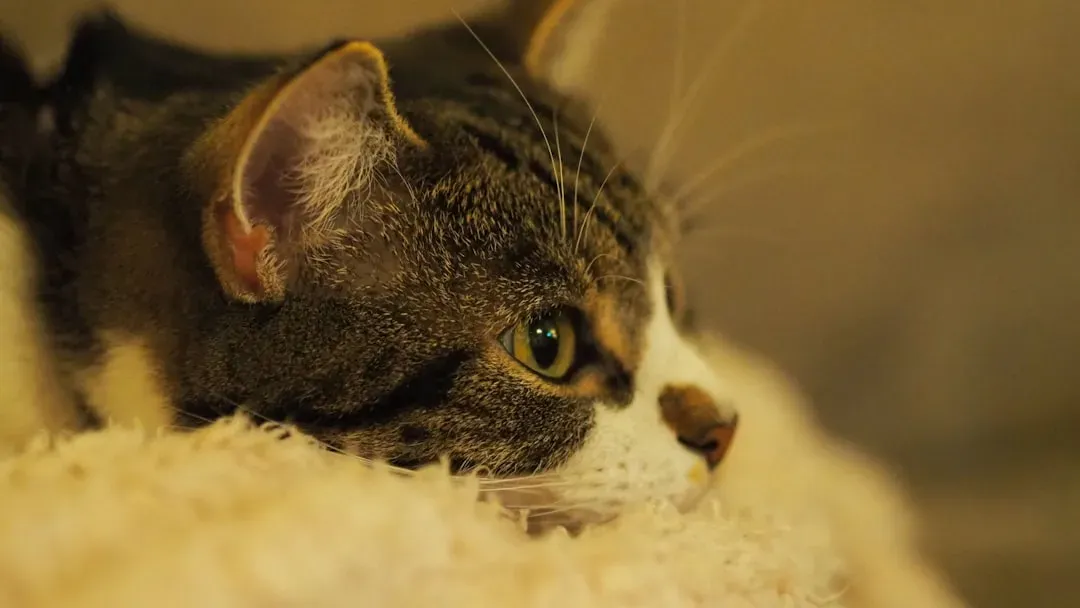
Your cat freezes, pupils wide, fixated on a blank patch of ceiling. You look. There’s nothing there. You start to worry. You probably shouldn’t. A cat’s sense of hearing is five times stronger than your own. Their sensitive ears allow them to distinguish how big or small a prey animal is and detect a wider range of species, predator and prey alike.
Lots of prey animals are nocturnal, like mice and insects. Your cat might be reacting to prey animals they can hear or sense that you simply can’t detect. What reads as a vacant stare is often acute sensory processing at full capacity, evaluating sounds and vibrations in frequencies you’ll never perceive. That’s not strange behavior; that’s a superior sensory system doing its job.
Bringing You ‘Gifts’: The Logic of a Natural Teacher
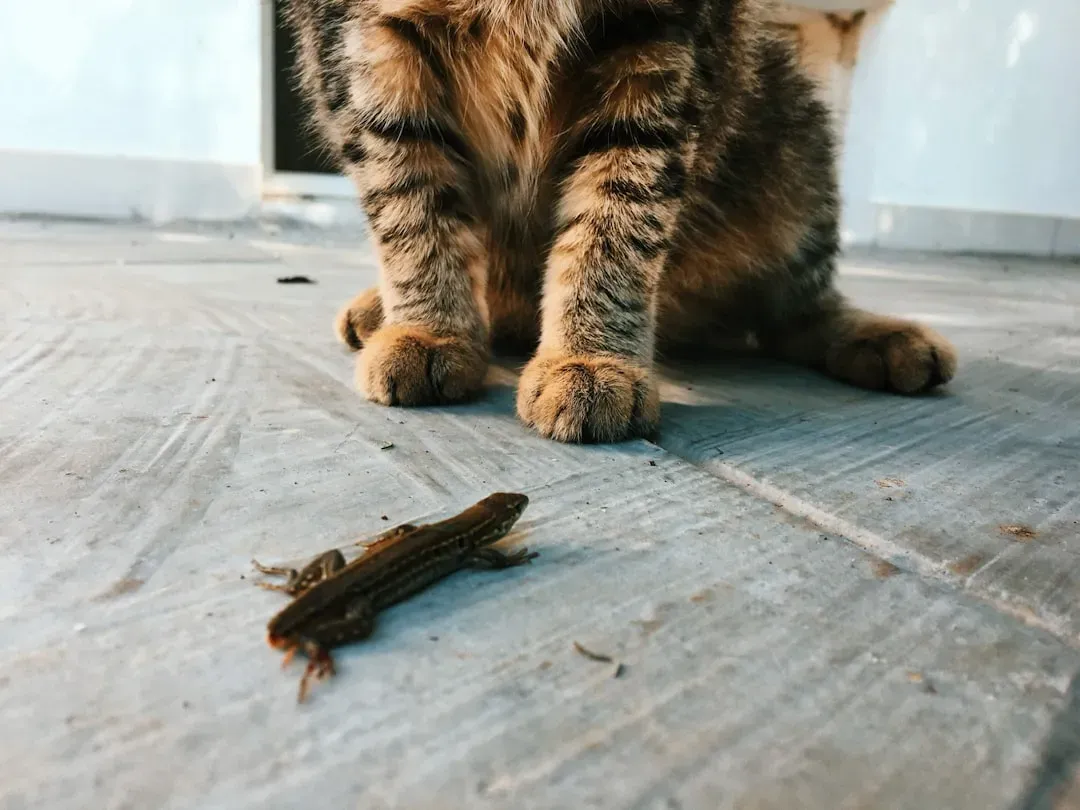
Few things are as startling as discovering a dead mouse on your doorstep or a slightly battered toy deposited at your feet with great ceremony. It’s tempting to see this as grim theater. The actual reasoning behind it is far more thoughtful. Your cat is treating you as a member of their social group who needs to be fed and educated.
Kittens that were able to observe their mothers performing an experimentally organized act were able to perform the same act sooner than kittens that observed no other cat performing it. The impulse to demonstrate and share skills is built into feline behavior from kittenhood. When your cat brings you a “gift,” they’re not being strange – they’re being a provider and a teacher, which takes genuine social awareness.
Sleeping Up to 16 Hours a Day: Strategic Energy Management
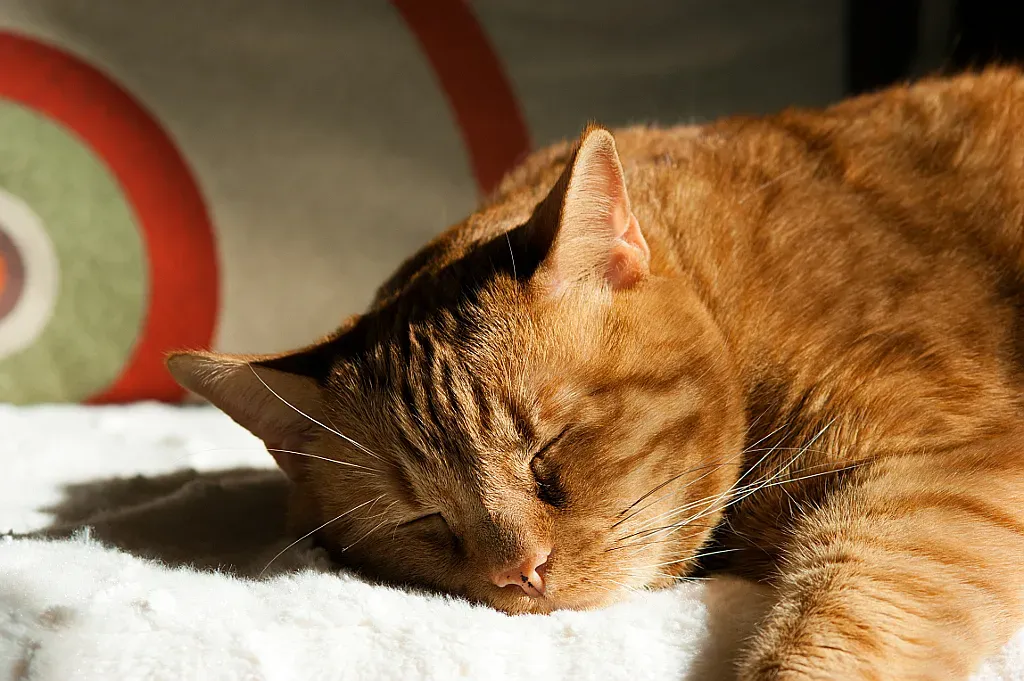
It might look like laziness. A cat sprawled across your laptop, completely unavailable from noon to four, sleeping through what feels like half its life. Cats sleep about twelve to sixteen hours a day. Generally speaking, cats sleep so much to conserve energy because, as predators, hunting and exploring are energy-consuming – sleeping so much is in their nature.
Cats are predators by nature. In the wild, short bursts of intense energy are crucial for hunting. Even though housecats don’t need to catch dinner, that instinct still runs deep. All that rest is essentially fuel storage. When your cat finally launches off the sofa and tears through the kitchen, that precision and speed are only possible because of the rest that came before it. That’s not laziness; that’s optimization.
Tracking Your Movements and Mapping Your Location
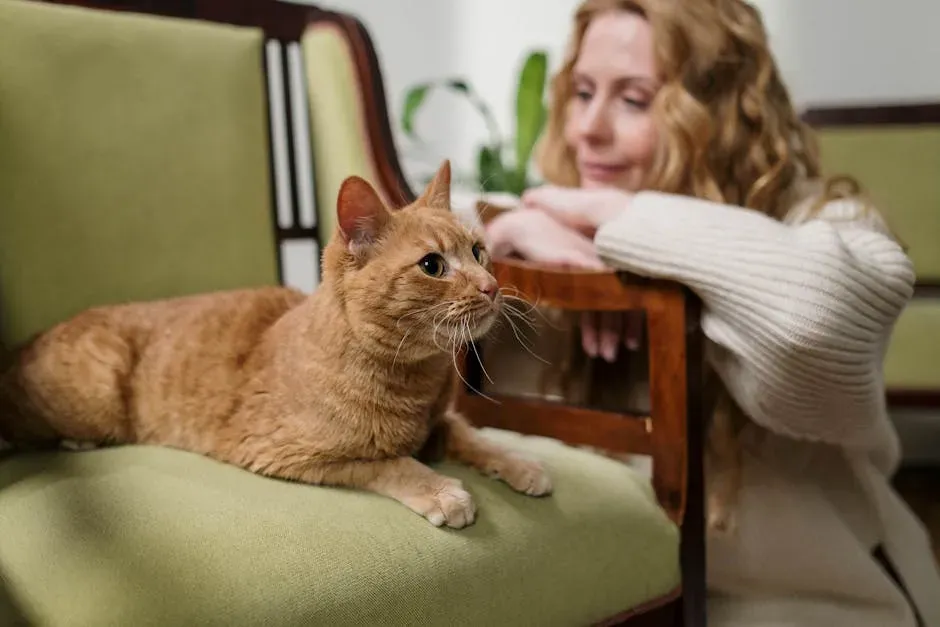
Your cat seems to know when you’re about to get up, when you’re heading to the kitchen, and when you’re five minutes from arriving home. This is not coincidence or magic. If your cat waits by the door just before their favorite human comes home or materializes in the kitchen the second the fridge opens, that’s not magic. Studies suggest cats use temporal learning – recognizing patterns in time and associating them with predictable outcomes.
Research published in PLOS One showed that cats were surprised when their owner appeared to be “teleported” to a new, unexpected location, but did not react in the same way when tested with non-social stimuli. These results suggest that cats hold a mental representation of the unseen owner and map their owner’s location from the owner’s voice, showing evidence of socio-spatial cognition. Your cat isn’t just observing you; they’re building and maintaining an active mental model of your whereabouts.
Solving Problems Quietly and on Their Own Terms
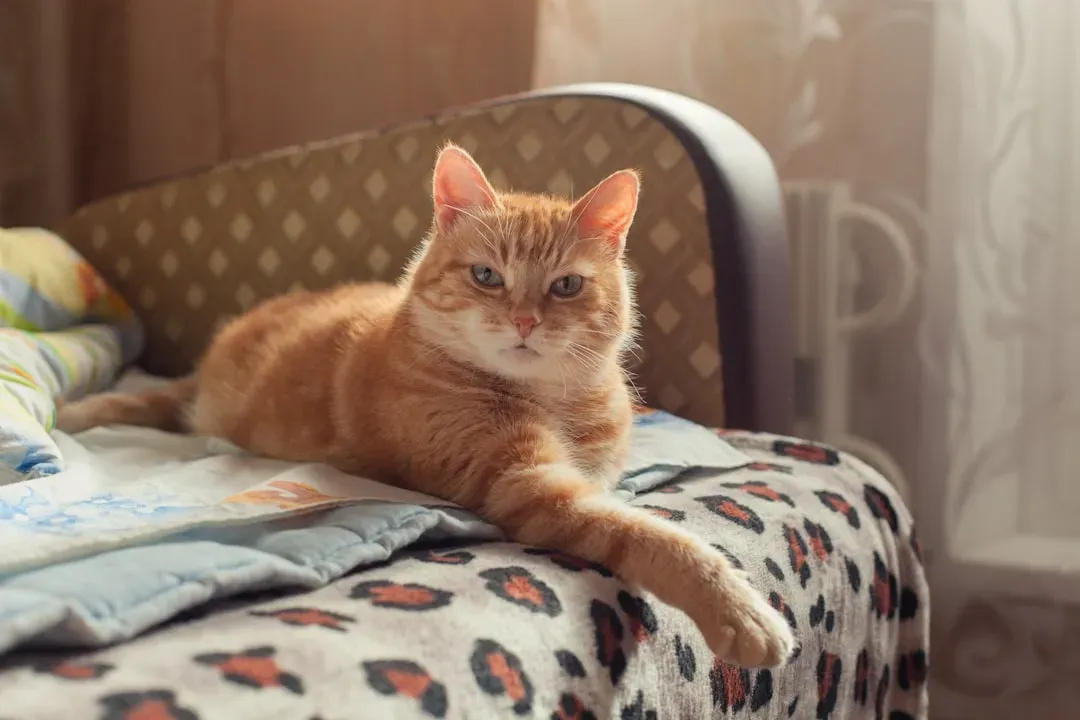
Your cat figured out how to open the treat cabinet. You watched it happen once by accident, and now it happens with unsettling regularity. Cats not only excel at learning new information, but they can also mesh that information with things they’ve learned previously, recall it when needed, and apply it to the current situation. That’s not a fluke; that’s a working memory with practical applications.
Early research on cat intelligence traced back to the late 19th and early 20th centuries, when psychologists such as Edward Thorndike used puzzle boxes to study animal learning. Thorndike’s experiments demonstrated that cats could learn to manipulate levers and latches through trial and error, revealing their capacity for associative learning. Over time, more refined experiments began to examine additional facets of cognition, including spatial awareness, memory, and problem-solving strategies. Centuries of scientific curiosity point to the same conclusion: your cat solves problems quietly, selectively, and entirely on their own schedule.
Conclusion
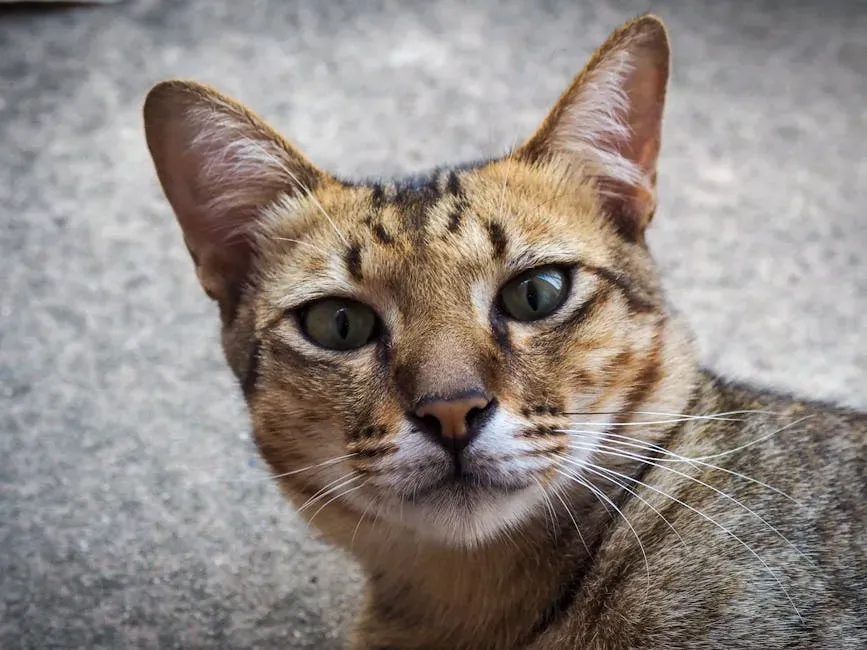
The behaviors that make cats seem difficult, aloof, or just plain odd are often the same behaviors that reveal how cognitively sophisticated they actually are. For a long time, cats have been stereotyped as “aloof,” “independent,” and even “untrainable.” However, from the perspective of cognitive science, these misunderstood behaviors are precisely a manifestation of their remarkable intelligence.
Your cat’s “bad” habits aren’t errors in judgment. They’re a different kind of judgment entirely – one built on instinct, observation, spatial reasoning, and a clear-eyed assessment of when acting is worth the effort. The next time your cat ignores your call, surveys your kitchen counter like an inspector, or presents you with a toy at two in the morning, consider that you might be living with one of the more quietly brilliant creatures on the planet. They just don’t feel the need to prove it.