There’s a widely shared assumption about cats that has shaped how millions of people treat them: that they’re self-contained, emotionally low-maintenance, and just as happy whether you’re home or not. You probably know the type of person who says it proudly – “Oh, I got a cat because I didn’t want the responsibility.” It sounds reasonable on the surface. Cats nap a lot, they don’t beg at the door, and they rarely make scenes.
The truth, as researchers are increasingly confirming, is more layered than that. In recent years, research on cat behavior has begun to back up what many cat owners have long suspected, with scientists studying the relationships we form with our cats and gaining new insight into their social and cognitive abilities. They’re finding that cats may be far more socially smart than they usually get credit for. If you’ve always quietly sensed that your cat notices when you leave and cares when you return, you were probably right.
The “Independent Cat” Is Mostly a Myth
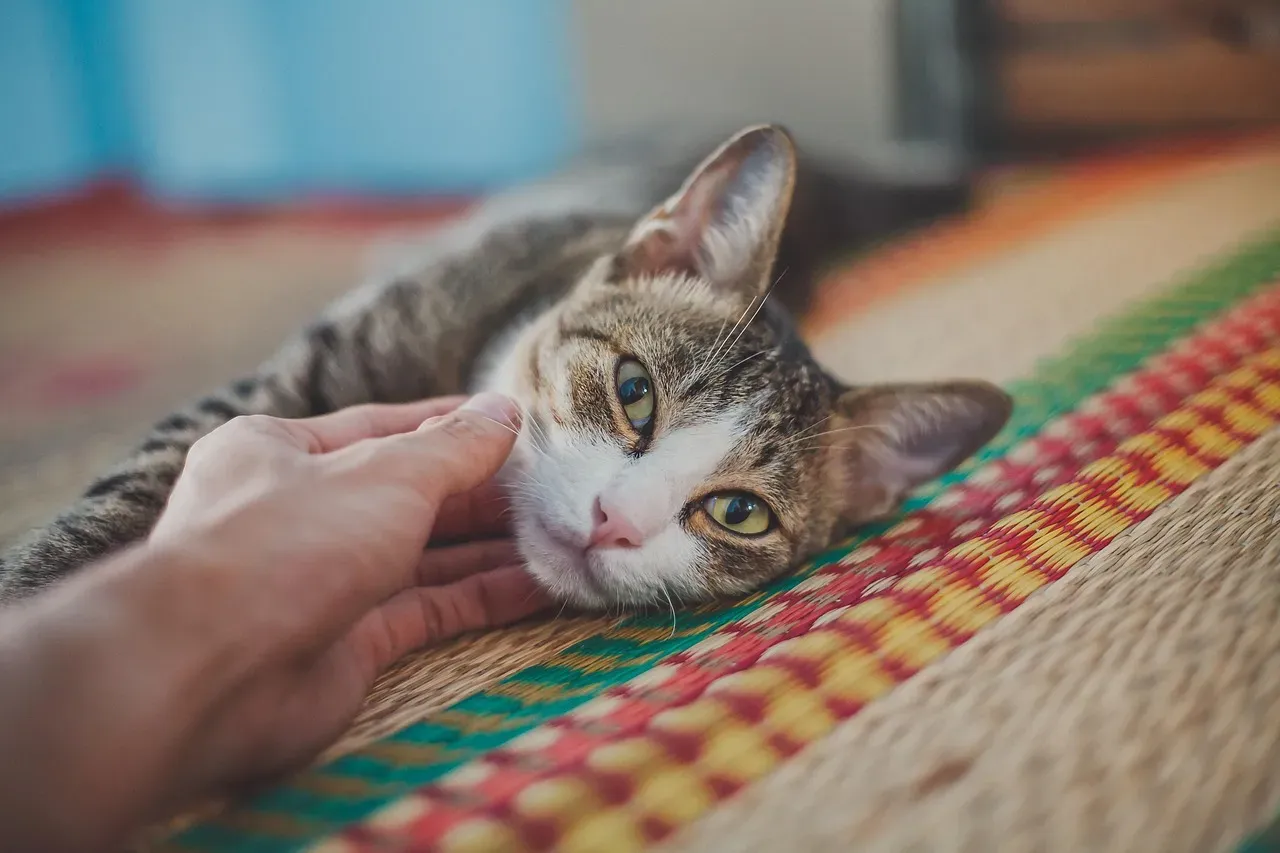
For decades, the image of the self-sufficient cat has been used to explain everything from their aloofness to their supposedly simple emotional lives. But that framing turns out to be misleading. For decades, cats have carried the reputation of being aloof and self-sufficient – animals who tolerate humans more than they love them. Yet recent behavioral research has dismantled that stereotype. Cats are not solitary creatures by nature; they are socially adaptive animals capable of forming deep emotional attachments to humans and other pets.
The misconception that cats are independent and require little or no care causes many of them to suffer needlessly both physically and emotionally. When you treat your cat like a piece of furniture that occasionally needs feeding, you’re not giving them what they actually need – and there’s a real cost to that, for them and for your relationship with them.
What Science Actually Says About Feline Attachment
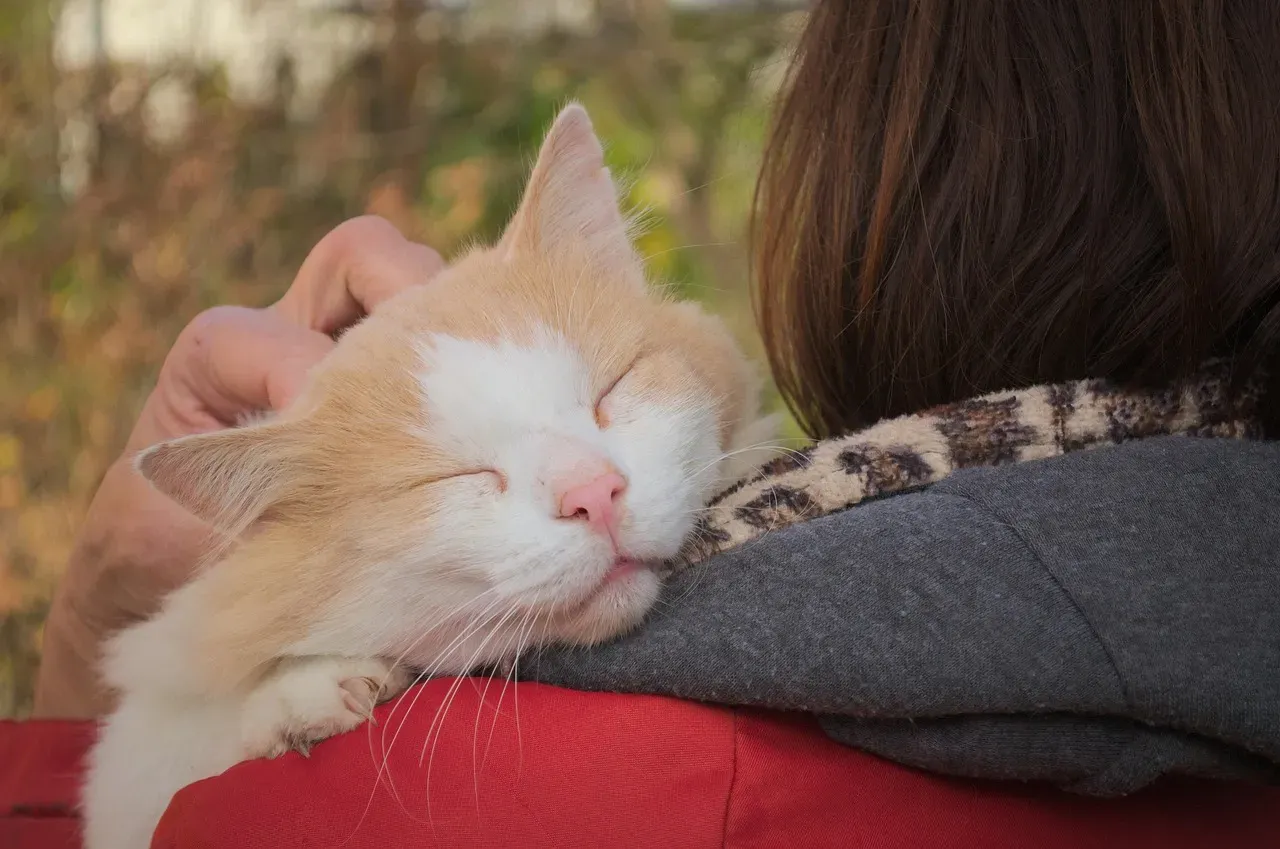
Studies using behavioral tests similar to those used with human infants and dogs have shown that cats exhibit signs of secure attachment to their owners. Secure attachment is characterized by seeking comfort and reassurance from the owner in stressful situations, distress upon separation from the owner, joyful reunion upon the owner’s return, and using the owner as a secure base to explore their environment.
In terms of attachments, the bond that cats and dogs display toward their owners shows basically the same styles of attachment in both species, and they’re the same styles of attachment that we actually see in human infants as well. That’s a striking parallel – the same psychological framework that describes how a child bonds with a parent also applies to how your cat bonds with you.
Your Cat Recognizes You in Ways You May Not Realize
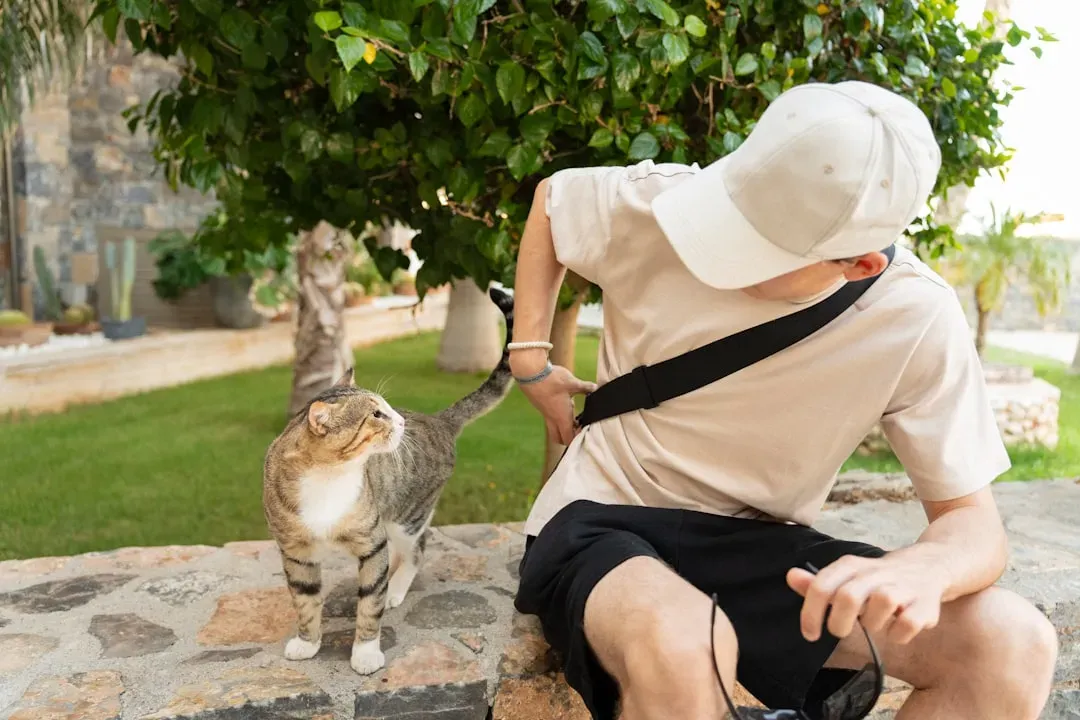
Research suggests cats respond differently toward their owners when compared with unfamiliar humans. A study examining vocal recognition found cats display a significantly higher orienting response – movement of ears and head – to their owner than to a stranger. Another study found that, similar to dogs and humans, cat blood pressure and heart rate increases significantly when presented with a human they are bonded to as compared with a stranger.
This physiological response to a bonded caretaker has been said to indicate excitement for interaction with a preferred human and may be due to the animal’s reinforcement history with that individual. In simpler terms: when you walk into the room, your cat’s body physically responds to you. That’s not indifference. That’s recognition – and something closer to anticipation.
Early Socialization Shapes How Much Your Cat Needs You
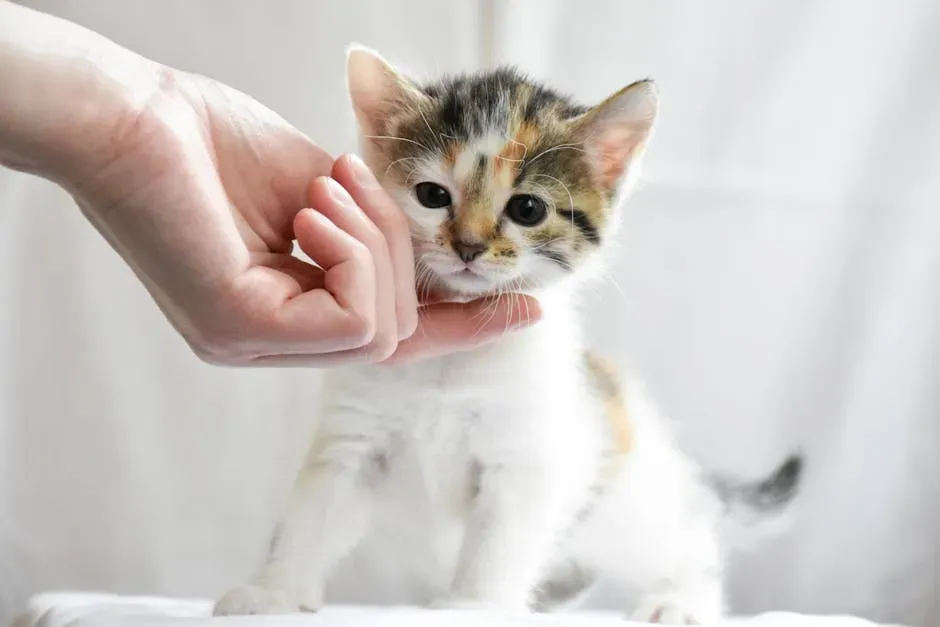
Whether or not cats are able to form a bond with humans or other species is influenced by early life experience. Proper socialization – the process through which an individual develops appropriate social behaviors toward a member of their own or another species – is an important component to forming bonds. If a cat does not receive social experiences with humans, especially early on in their lives during a sensitive period between 4 and 8 weeks old, it may be extremely difficult for them to bond to a human, or they may never be able to do so.
Several factors can influence the strength and nature of a cat’s attachment to its owner. Kittens who are handled and socialized with humans from a young age are more likely to form strong bonds. So if you’ve ever wondered why some cats seem naturally warmer and more emotionally open than others, early experience with humans plays a very significant role. It’s not purely personality or breed – it’s history.
Separation Affects Your Cat More Than You Think
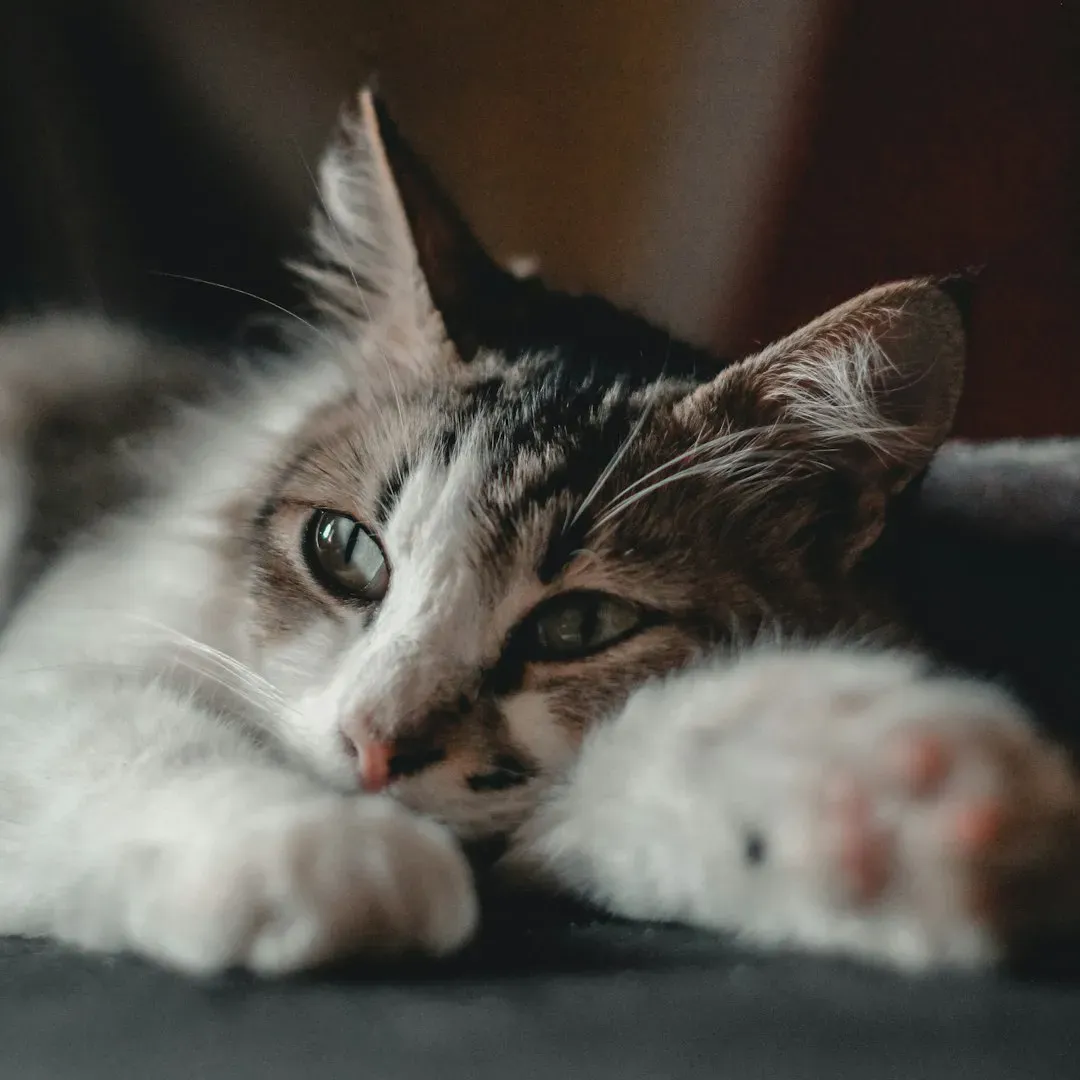
Cats may have a reputation for independence, but many can have a deep bond with their pet parents. When left alone for extended periods, some cats can become stressed or anxious, a condition known as separation anxiety in cats. Separation anxiety in cats causes them distress, and understanding the signs and knowing how to support your cat is crucial for their overall well-being.
When cats experience separation problems, it can lead to destructive behaviours, excessive vocalisation, and significant stress for both the cat and their family. These behaviours can become extreme if not treated properly. If your cat is scratching furniture or vocalizing more than usual when you’re gone, it’s worth pausing and asking whether loneliness could be the cause – not misbehavior.
The Quiet Signs Your Cat Is Telling You They Need You
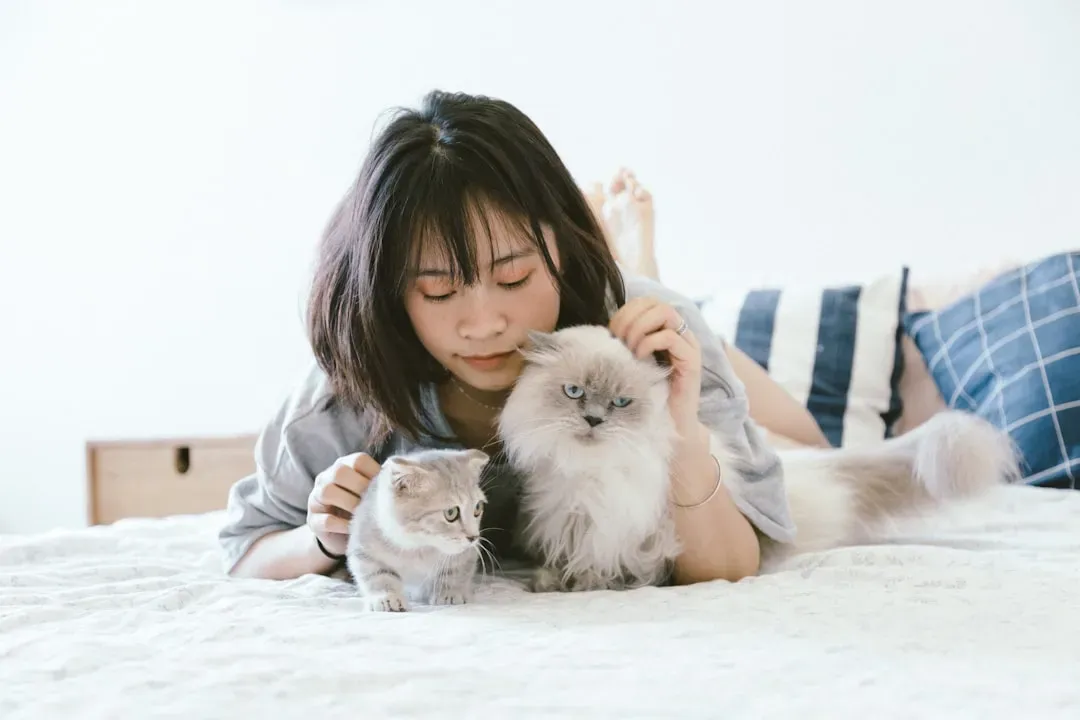
Cats show affection in so many ways and you might not even notice some of the more subtle ones. Your cat doesn’t have to be a lap cat to be affectionate. They may enjoy sitting next to you or maybe even a few inches away – but that doesn’t mean they’re not affectionate.
Signs of emotional attachment include following you around, rubbing against you, purring, kneading, sleeping near you, bringing you “gifts,” and slow blinking. These behaviors indicate that your cat feels safe, comfortable, and affectionate towards you. Recognizing these quieter signals matters. Your cat isn’t being shy – they’re showing you love in the only language they know.
The Chemistry of Bonding: Oxytocin Is Real for Cats Too
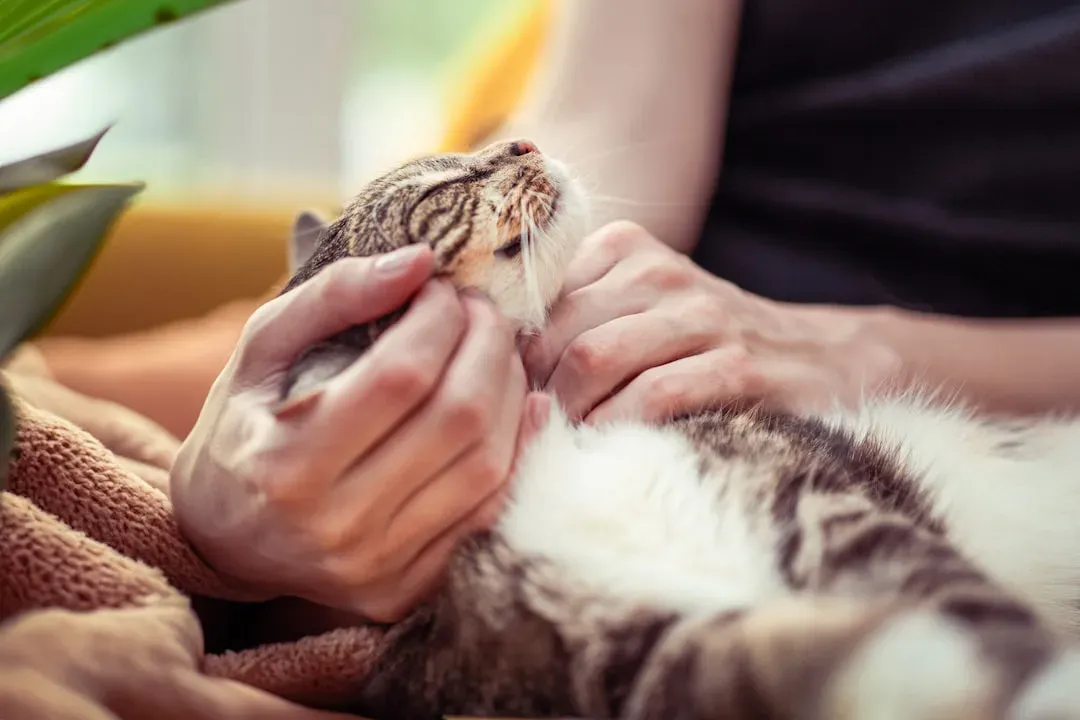
The main chemical involved in bonding is oxytocin, often called the love hormone. It’s the same neurochemical that surges when a mother cradles her baby or when friends hug, fostering trust and affection. Studies are now showing oxytocin is important for cat-human bonding too. Oxytocin plays a central role in social bonding, trust and stress regulation in many animals, including humans.
Researchers in Japan reported that brief petting sessions with their cats boosted oxytocin levels in many owners. In that study, women interacted with their cats for a few minutes while scientists measured the owners’ hormone levels. The results suggested that friendly contact – stroking the cat, talking in a gentle tone – was linked to elevated oxytocin in the humans’ saliva, compared with a quiet resting period without their cat. That exchange of warmth is biochemically real. It goes both ways.
How to Actually Strengthen Your Bond With Your Cat
You can’t have a strong relationship without trust, and predictability will help your cat feel comfortable around you. Cats are schedule- and routine-oriented. You want to do the same things at the same time each day – that can really help to acclimate cats. Create a routine wherever possible for your cat’s daily schedule, whether with feed time, playtime, or time outside. The more they know when to expect what, the more confident and relaxed they’ll feel at home.
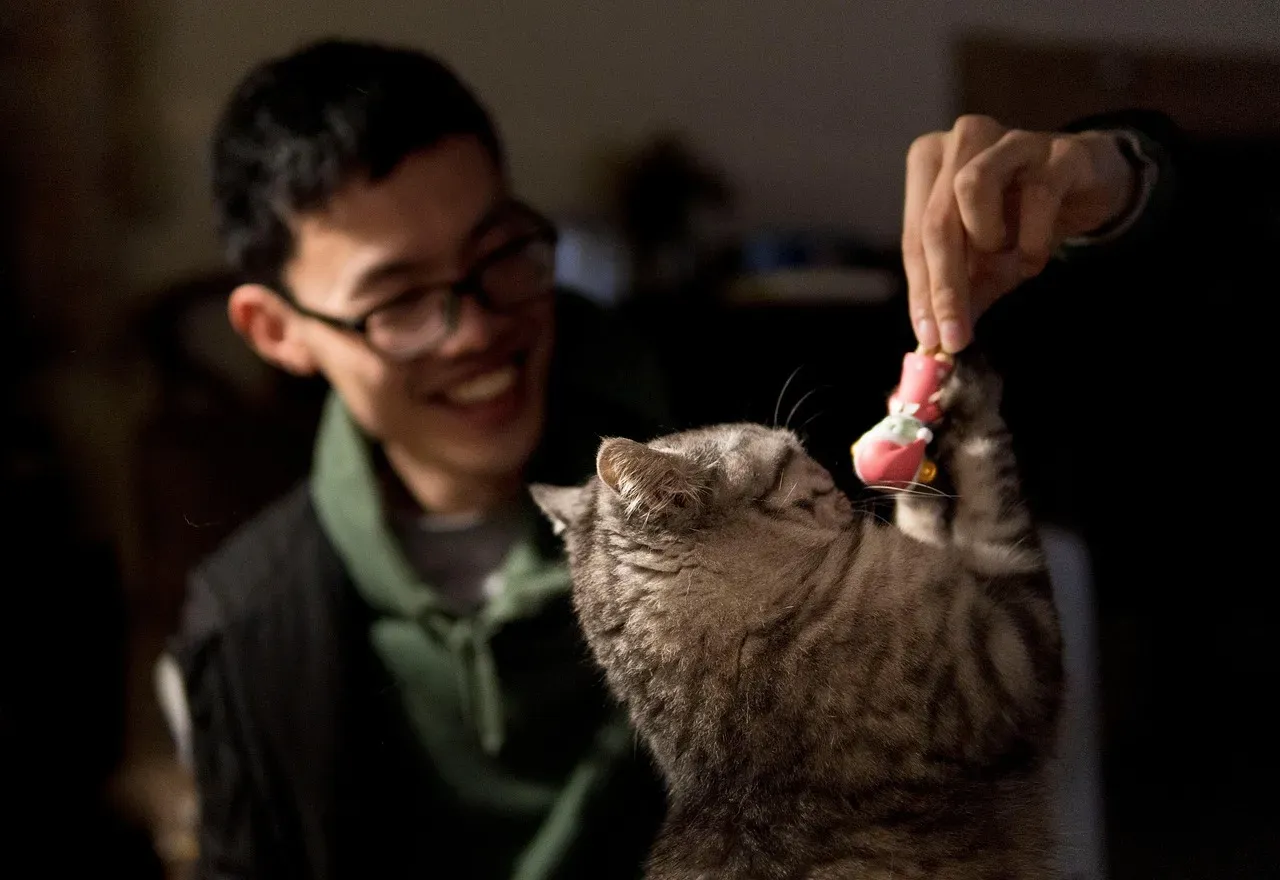
Playing together is an excellent way to bond with your cat. Through play, they’ll associate you with positive experiences, trust, and affection. This is especially important for cats who may be shy or nervous, as play can help build their confidence and strengthen your relationship. Aim for a few short interactive sessions a day. Feather wands, puzzle feeders, and even a simple ball of paper can do more for your relationship than any number of passive hours in the same room.
What Happens When the Bond Is Ignored or Broken
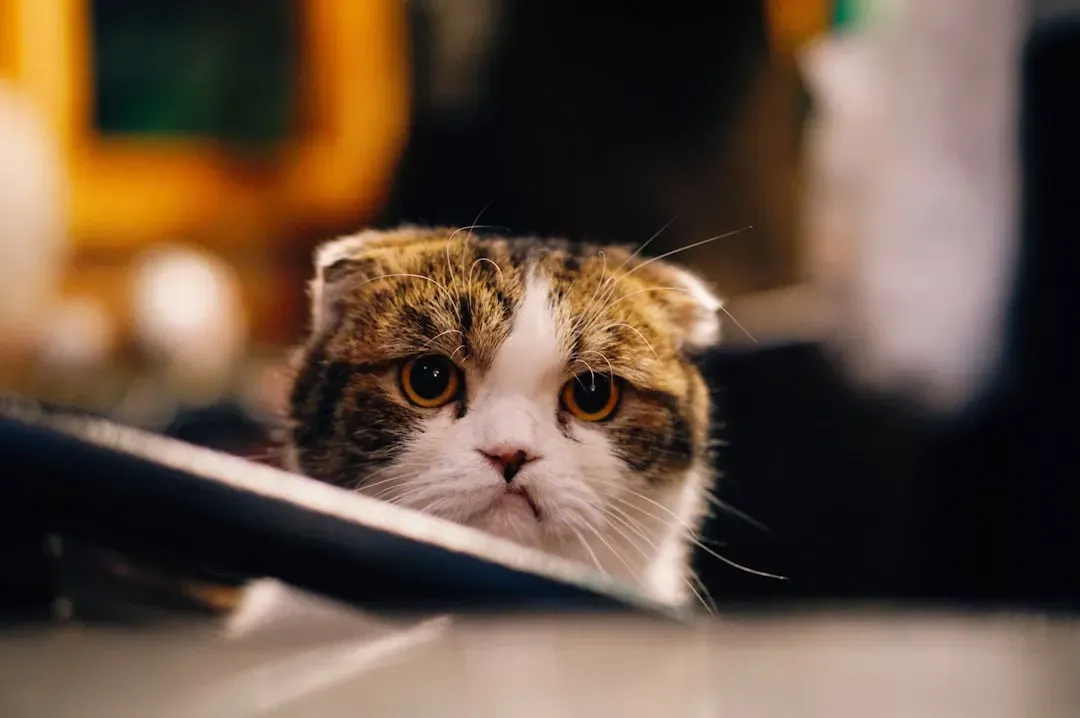
Cats are far more emotionally attached to their owners than commonly believed, and changing homes can cause deep, lasting trauma. Transferring a cat to another home is a major stressor. The cat loses not just a person, but also scents, routines, and its emotional anchor. This can result in anxiety, confusion, and behavioral problems.
A cat that seems indifferent is often grieving in silence. Rehomed cats often become more guarded or excessively clingy. Some develop separation anxiety and show distress when left alone. Others avoid attachment altogether, wary of being hurt again. The idea that cats “get over it” quickly and adapt without emotional consequence isn’t supported by what behaviorists observe in practice. Stability and consistent affection matter – a lot.
Conclusion
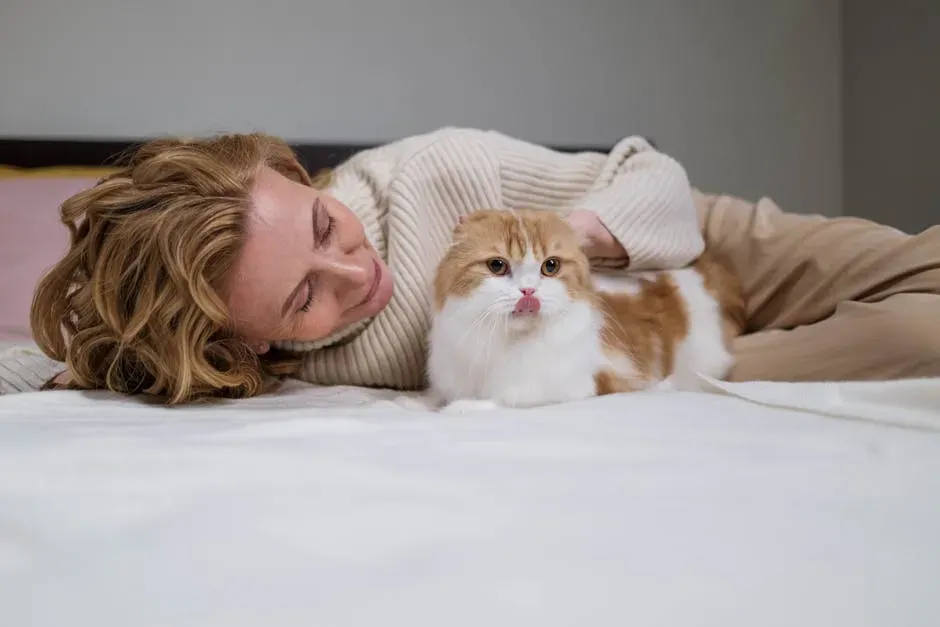
The most persistent myth in cat ownership is also one of the most quietly harmful: that your cat doesn’t really need you. Every time you leave the house and assume your cat is perfectly content, every time you skip a play session because “they seem fine,” you may be missing something that matters to them more than their calm exterior suggests.
Cats are actually surprisingly social creatures who need us probably much more than we realize. The science has been shifting steadily in this direction for years, and the picture it paints is clear enough: your cat has formed a real attachment to you, one that is maintained through routine, play, physical closeness, and your simple presence. A cat’s trust isn’t automatic; it must be earned. Once given, it is reinforced by the same chemical that bonds human parents, partners, and friends. That’s worth showing up for – consistently, and with more intention than the “independent cat” myth ever required of you.
Kristina is a young writer from India. An arts graduate and an avid content creator, Kristina is passionate about animals and wildlife. She enjoys exploring topics related to pet care, animal behavior, conservation, and nature, combining thorough research with engaging storytelling.