Watch your cat long enough and you’ll notice something almost theatrical about how they sleep. One moment they’re perched on the windowsill, pupils wide, ears rotating like satellite dishes. The next, they’re out cold, tucked into a perfect crescent shape, with no apparent concern for the world around them. It looks like laziness. It isn’t.
What you’re actually witnessing is one of the most refined sleep systems in the animal kingdom. Your cat’s relationship with rest isn’t accidental or indulgent. It’s biological, ancient, and remarkably precise. Understanding it changes how you see almost every nap your cat takes throughout the day.
Why Your Cat Sleeps So Much: The Evolutionary Blueprint
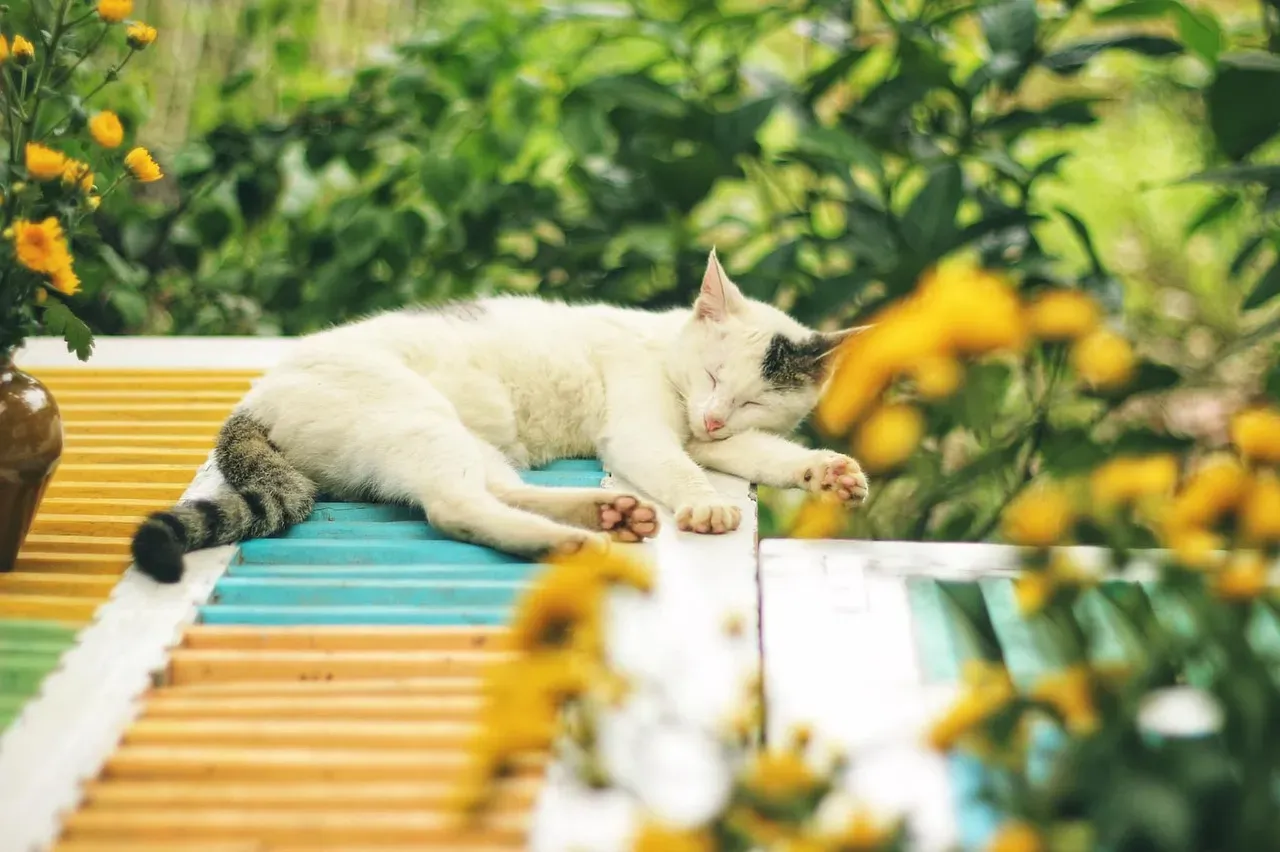
If you’ve ever wondered why your cat seems to be asleep every time you glance in their direction, the answer runs deeper than personality. Cats have developed a natural inclination to sleep for extended periods during the day, and this behavior stems from their evolutionary adaptation to conserve energy for hunting, chasing, and capturing prey in the wild. That ancestral programming doesn’t disappear just because your cat’s next meal is served in a ceramic bowl.
Even though domesticated house cats may not have the same need to hunt for survival, the instinctual pattern of sleeping and preparing for a hypothetical hunt remains deeply ingrained in their behavior. So every time your cat takes what looks like an afternoon nap, they’re essentially recharging for a hunt they’ll never actually need to go on. It’s biology running on autopilot, and honestly, it’s hard not to admire.
How Many Hours Is “Normal”? The Numbers Might Surprise You
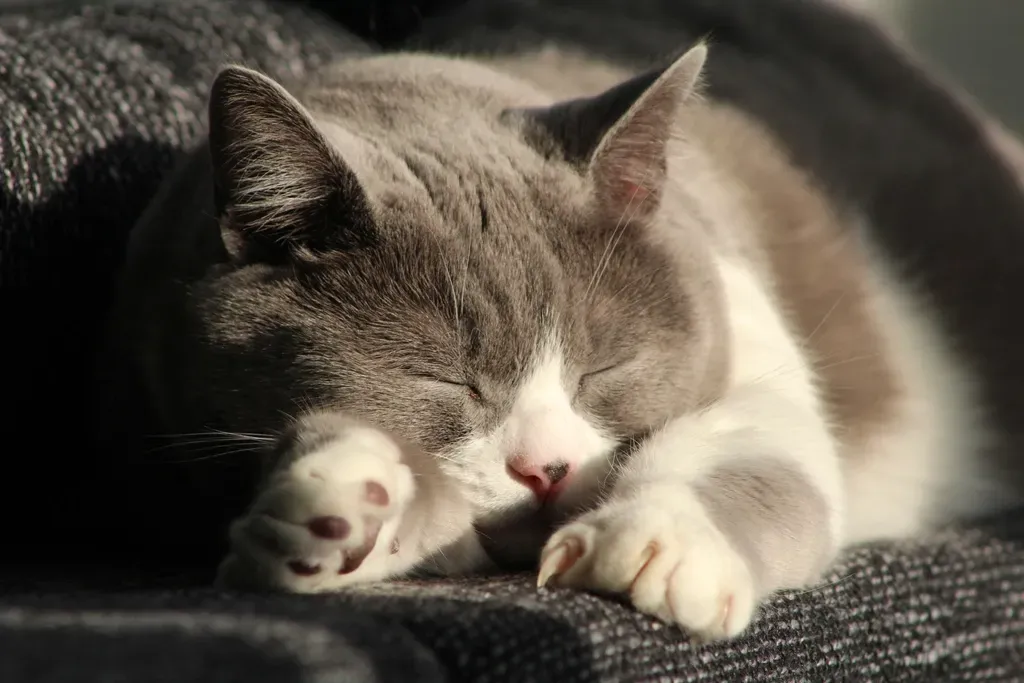
Cats sleep between twelve and sixteen hours a day. To humans who need about seven hours of sleep during adulthood, that seems like a lot of time spent snoozing. When you think about it, though, it’s not too surprising that cats spend so much time resting. Their bursts of physical activity, even in a domestic setting, demand a significant recovery period.
Adult cats need twelve to sixteen hours of sleep daily. Kittens require up to twenty-four hours, while senior cats may sleep up to twenty hours. This variation is related to energy needs, growth requirements, and overall health status. The range is wide, and that’s perfectly fine. What matters more than the number is whether your cat’s routine feels consistent with their normal pattern.
Polyphasic Sleep: Why Cats Don’t Sleep Like You Do
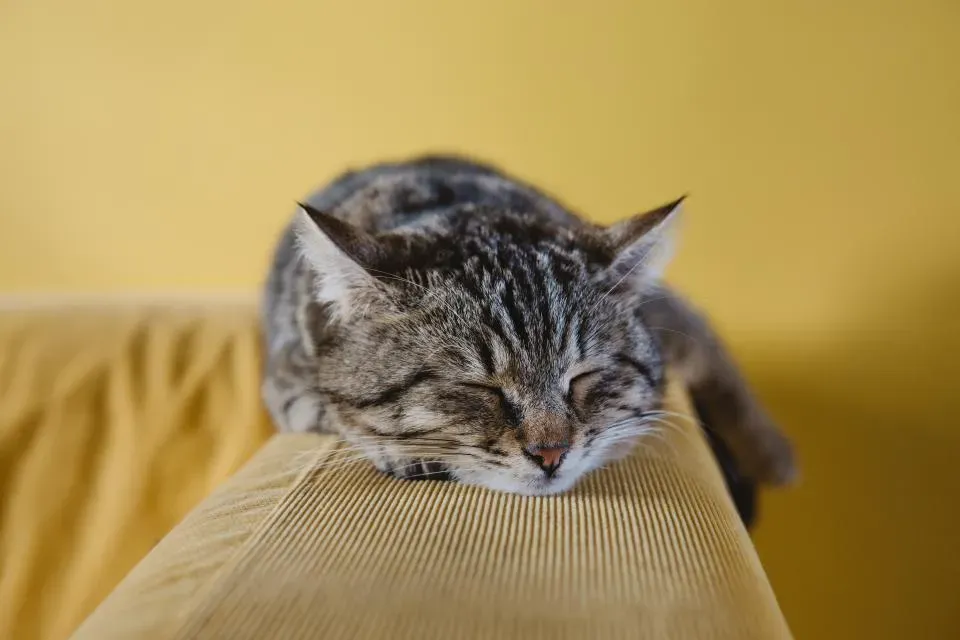
Cats have a polyphasic sleep pattern, which means they sleep multiple times each day rather than in one long period the way humans generally sleep. This is a fundamental difference between human and feline rest, and it explains why your cat seems to cycle in and out of sleep throughout the entire twenty-four hour day rather than consolidating all their rest into one overnight block.
Cats have evolved to fall asleep rapidly as a survival mechanism. Their brains are wired to transition quickly between states of alertness and rest, allowing them to conserve energy while maintaining readiness for potential threats or hunting opportunities. In practical terms, this means your cat can go from fully alert to deeply asleep in a matter of minutes, which is something no human alarm clock will ever replicate.
Light Sleep vs. Deep Sleep: Two Very Different Modes
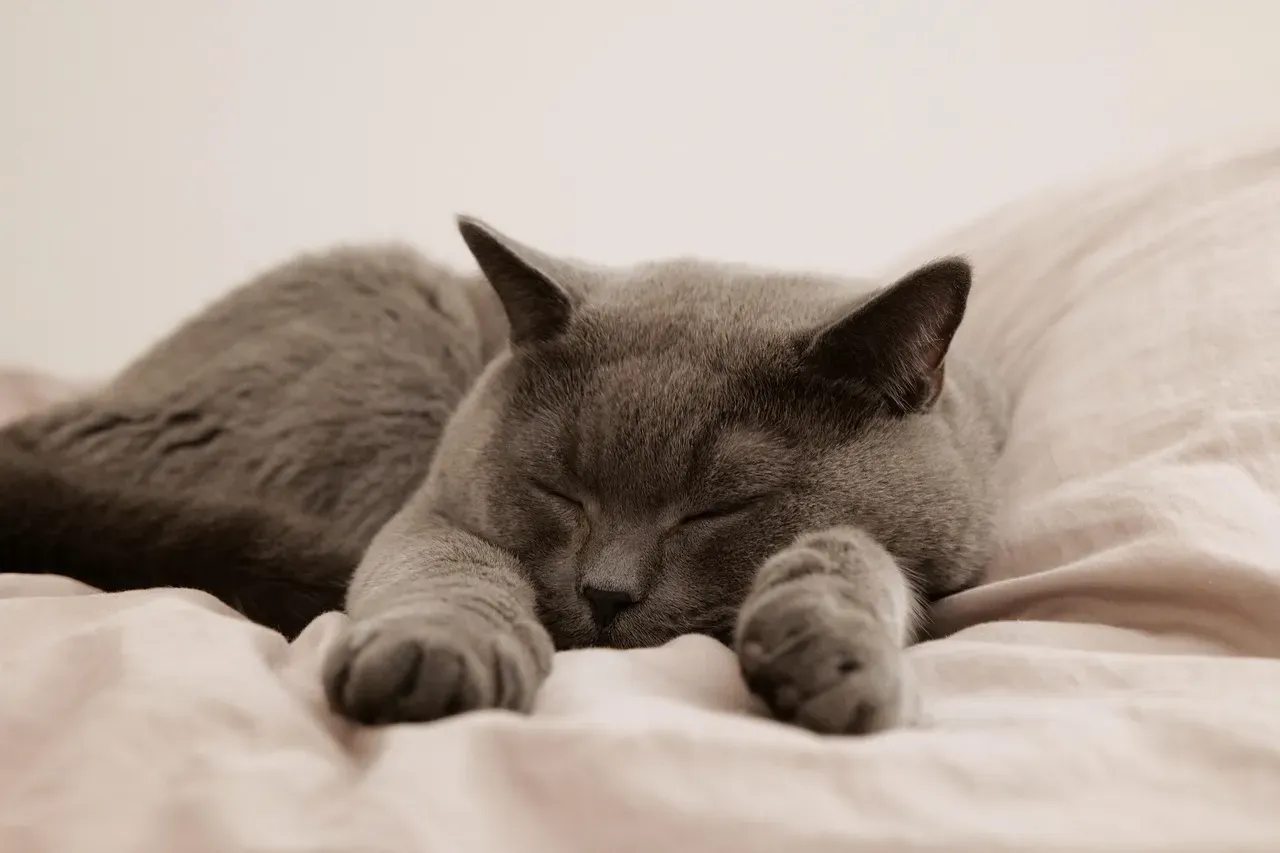
A cat needs deep sleep for roughly a quarter of the time, but about three-quarters of their rest is a lighter snooze known as a cat nap. Your cat may appear to be sleeping but is more likely in a nap that has turned down the volume just enough for them to get the most beneficial rest they need. That hair-trigger alertness during light sleep is not accidental; it’s a survival feature.
Light sleep usually lasts for around fifteen to thirty minutes, after which cats will enter a deeper sleep. During light sleep, cats’ senses are still working hard, and even a small noise can jolt them out of this slumber as they remain highly aware of their surroundings. You’ve probably seen this yourself: your cat appears completely asleep, yet the moment you open the treat drawer from two rooms away, they materialize at your feet with suspicious speed.
The REM Phase: When Your Cat Actually Dreams
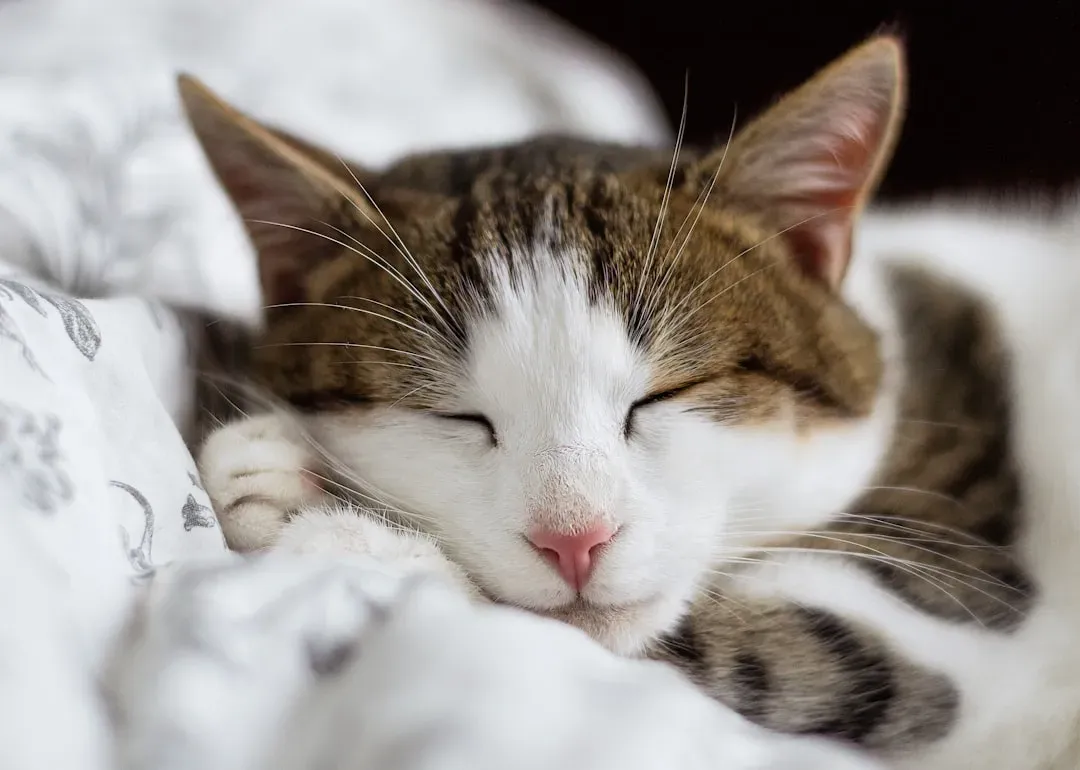
Like most other mammals, cats do dream, and it’s an important phenomenon that helps the brain process the activities of the day. Dreaming occurs primarily during a stage of sleep known as REM sleep, when the brain shows activity similar to wakefulness. Although the specifics of a cat’s dreams are unknown, it’s likely that their brain is reviewing the day’s activities, consolidating memories, and processing various experiences.
Cats with damage to a specific brain area displayed movements during REM sleep that appeared consistent with hunting, such as pouncing on imaginary prey or reacting to nonexistent predators, providing some scientific support for the content of cat dreams. So those little paw twitches and whisker flickers you see during a deep nap? Your cat is almost certainly replaying a hunt in their head. It’s equal parts adorable and scientifically fascinating.
Reading the Twitches: What Your Sleeping Cat’s Body Is Telling You
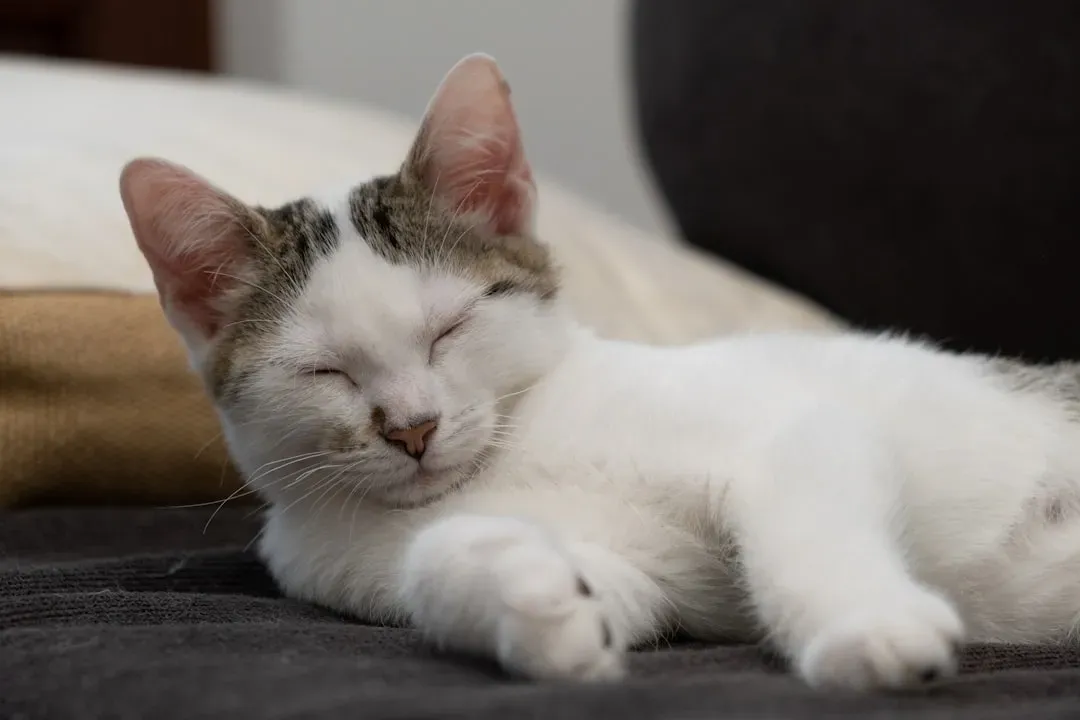
REM sleep happens during about a quarter of a cat’s total sleep time. During REM sleep, it’s perfectly normal for cats to make small movements no matter what position they’re in, like flopping tails or small meows. If you’ve ever watched your cat’s face scrunch, their paws paddle, or heard a tiny chirp escape during sleep, you now know exactly what’s going on beneath the surface.
Twitching during sleep is normal for cats, especially during the REM phase, where they may move their paws, whiskers, or tail and even make small sounds. This natural behavior is typically a sign of dreaming and is not usually a cause for concern. If the movements seem excessive, prolonged, or are accompanied by other unusual symptoms, consulting a veterinarian is recommended. Knowing the difference between a dreaming twitch and something more serious gives you confidence when you’re watching over your napping companion.
How Weather and Seasons Affect Your Cat’s Napping Habits
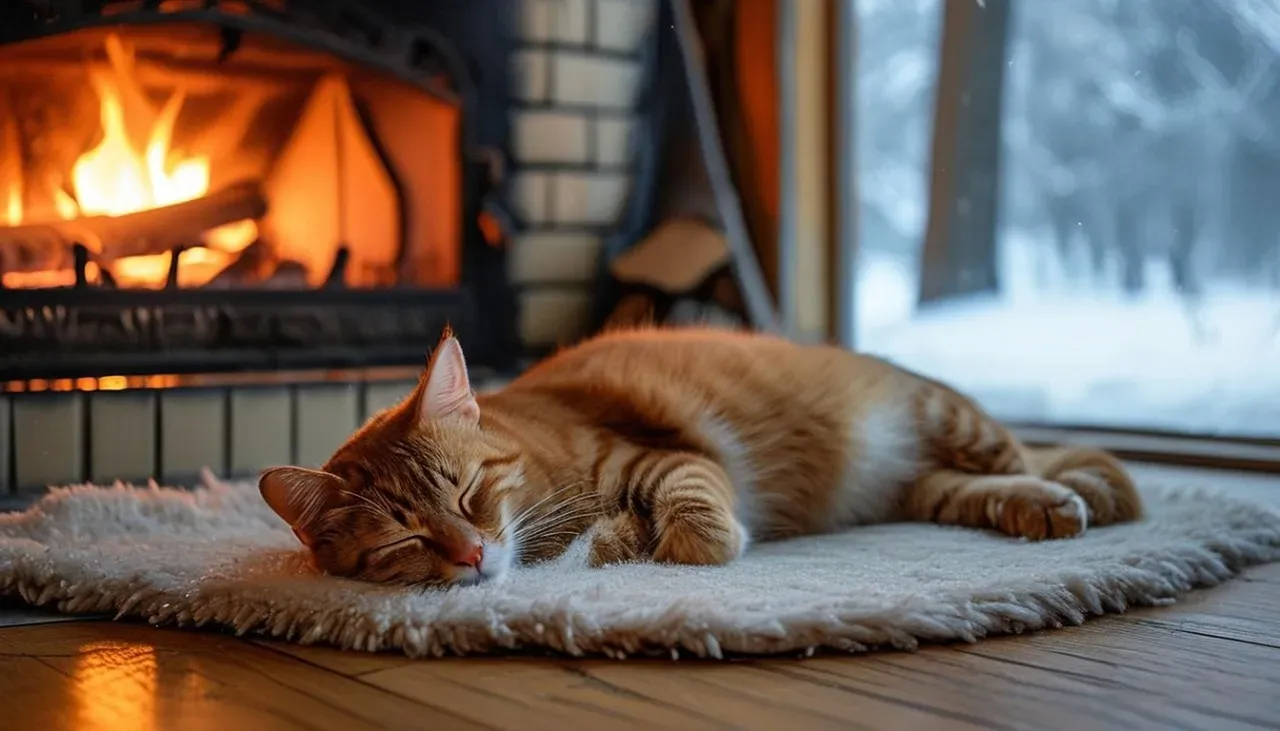
Sleep is regulated by a complicated combination of environmental and hormonal signals. The amount of light and even the ambient temperature can alter sleep habits. Extra time for snoozing in the wintertime may be, in part, driven by the ancestral tendency to conserve energy during times of decreased food. This is worth knowing, especially if your cat suddenly seems to sleep more as the days get shorter and colder.
Some research suggests that cats, especially seniors, can have increased periods of arousal and interruptions during sleep when the temperatures in their environment drop. This can lead to lower-quality sleep, which can leave your cat feeling lethargic and likely to sleep more. Since they don’t experience restorative sleep like they typically would, their bodies naturally respond to that interrupted sleep cycle. Your cat may then try to compensate for the loss of sleep by taking more naps during the day or sleeping for extended periods. Providing warm, soft napping spots in the colder months is one of the most practical things you can do for their well-being.
When Sleep Signals a Health Problem: What to Watch For
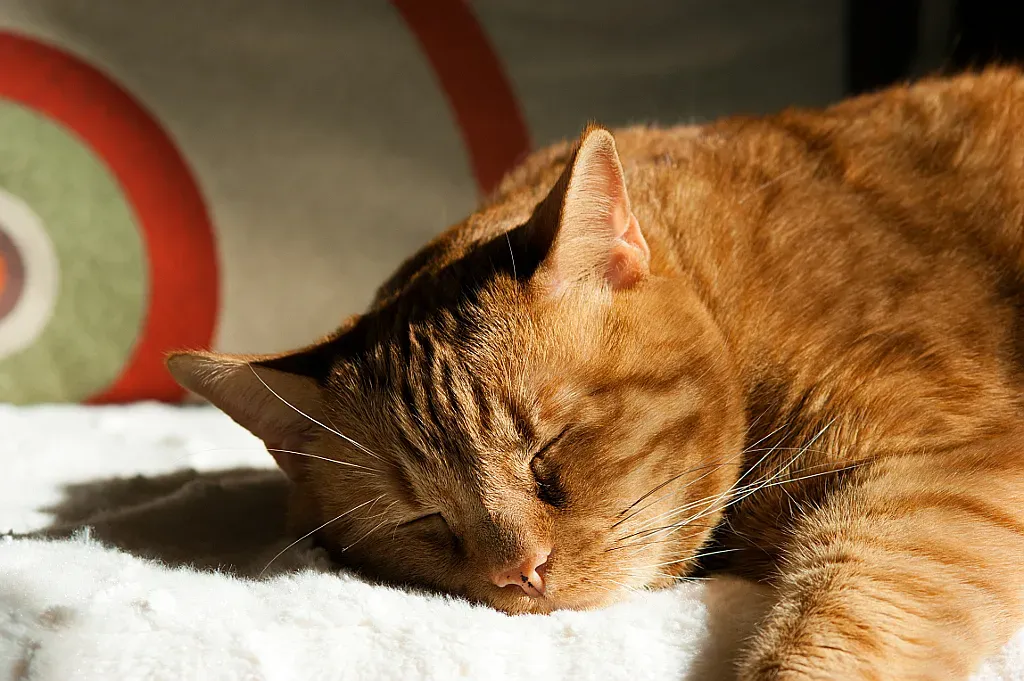
Any changes in longtime habits can be a cause for concern, and the same goes for sleep schedules. A major shift in environments, like moving into a new home or encountering a stranger in their vicinity, can disrupt cats’ sleeping abilities. Vets caution you to keep an eye out for sudden or unusual changes in your pet’s sleeping patterns, as they could be symptomatic of underlying health conditions.
As with humans, cats are affected by stress. One way cats express stress or anxiety is by changing their sleep patterns. If they’re suddenly sleeping more than usual, it could be a sign they’re feeling overwhelmed or anxious about something in their environment. Cats can become stressed or anxious for many reasons, such as when new family members come into the house or if feeding times change. Keeping an eye on context, not just duration, gives you a clearer picture of what’s actually going on with your cat.
Creating the Ideal Napping Environment: What Your Cat Actually Needs
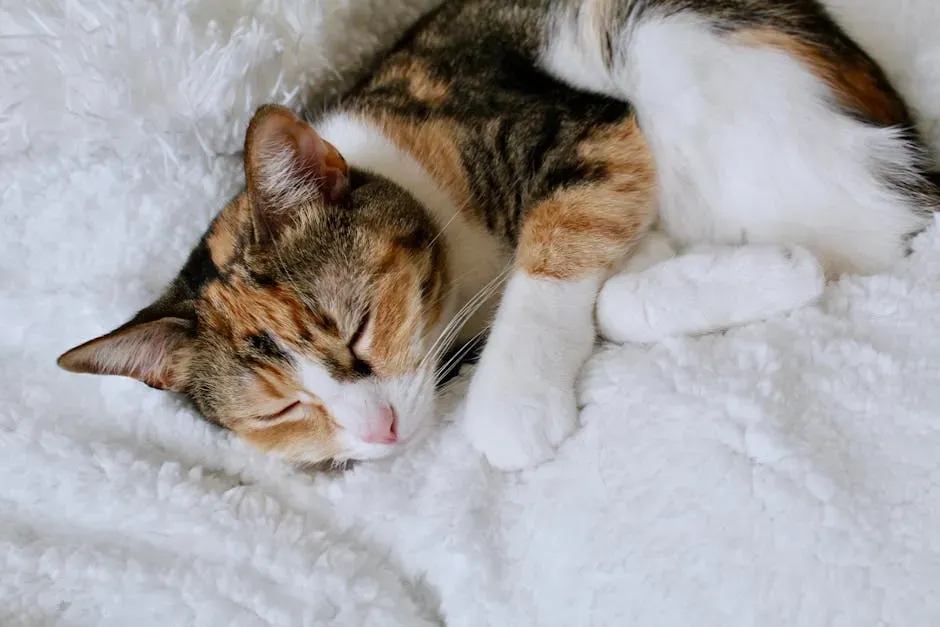
Cat owners should create a serene and comfortable sleeping environment to support healthy habits. That includes offering cozy, quiet bedding areas and maintaining a consistent daily routine. Factors like the bedding type, the sleeping area’s location, and the household’s noise levels can all influence a cat’s sleep quality. Owners can significantly enhance their cat’s rest and overall health when providing an environment that respects their natural sleeping patterns.
Provide comfortable sleeping spots in quiet, low-traffic areas where your cat can rest without frequent disturbance. Cats prefer sleeping locations that feel secure, so enclosed beds, elevated perches, and spots with good visual coverage of the room often become favorite sleep sites. Maintain comfortable temperatures, recognizing that cats generally prefer warmer environments for sleep than humans might. Multiple sleep location options allow your cat to choose the spot that best meets their needs at any given time, as preferences may shift with seasons, temperature, or simply feline whim.
What Cats Teach Us About the Power of a Good Nap
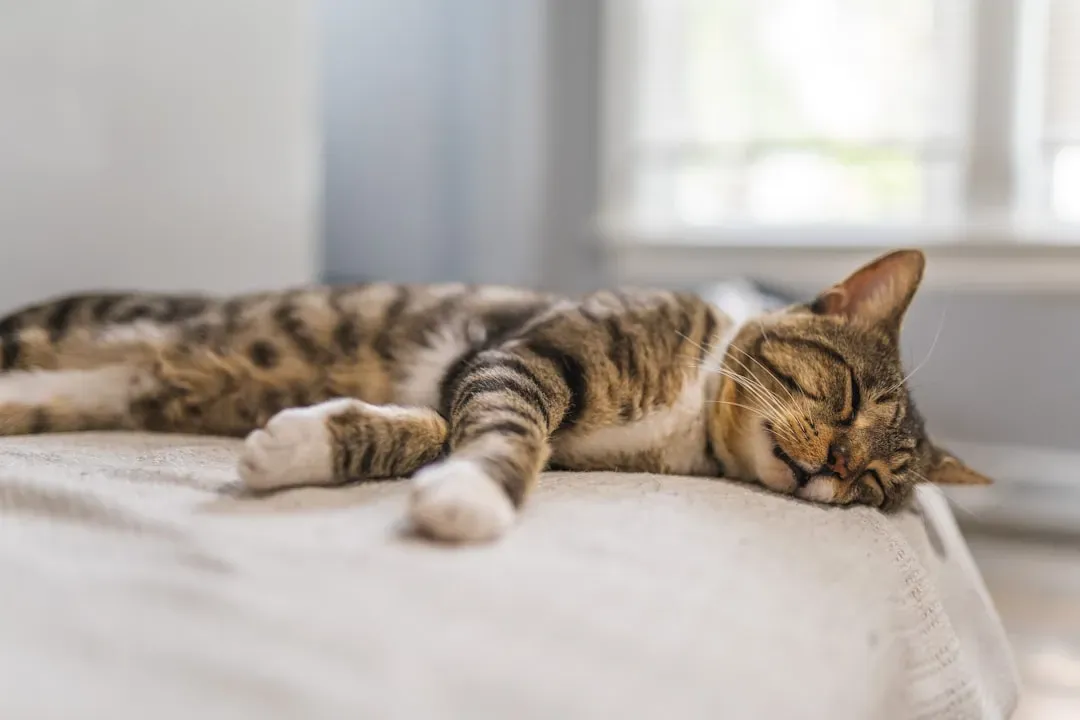
Power naps are effective even when schedules allow a full night’s sleep. Power naps intend to restore alertness, performance, and learning ability. A nap may also reverse the hormonal impact of a night of poor sleep or reverse the damage of sleep deprivation. Your cat has been applying this principle instinctively for thousands of years, which makes the human term “cat nap” remarkably well-earned.
Centuries ago, people likely noticed how cats, even domesticated ones, would engage in short bursts of sleep throughout the day, unlike the longer, deeper sleep patterns of humans. This observant connection between cats and their unique sleep habits likely solidified the term “cat nap” in our vocabulary. There’s something quietly satisfying about knowing that a word we use every day was born from watching cats do exactly what they still do today.
Conclusion
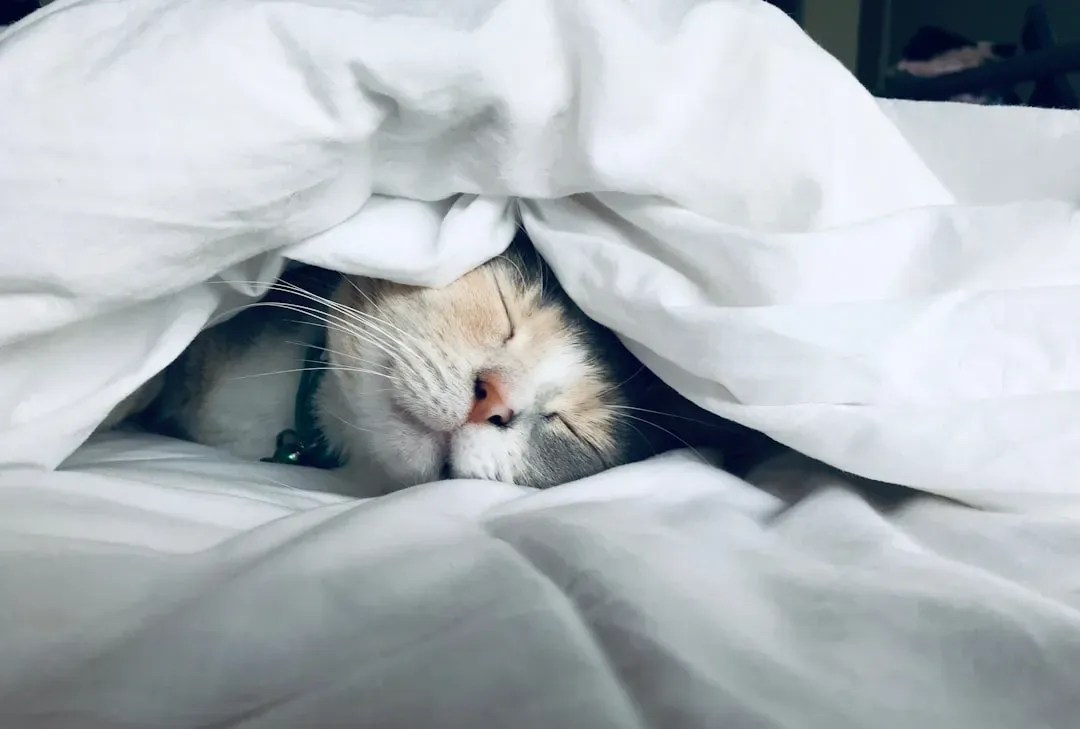
Your cat’s seemingly endless parade of naps is actually one of the most well-engineered sleep systems on the planet. Each doze serves a purpose: energy conservation, memory consolidation, immune recovery, and mental processing. They aren’t simply passing the time. They’re maintaining themselves with a level of biological precision that most of us, buried in our one-stretch sleep cycle, can’t quite match.
The next time you catch your cat mid-nap, paws curled inward, whiskers barely trembling, resist the urge to label it laziness. What you’re looking at is millennia of evolutionary refinement, expressed as a quiet afternoon snooze on the sofa cushion. Some things really do look simple on the surface and turn out to be anything but.